





Can custom LED lighting integrate with my DMX or network control?
- Integrating Custom LED Lighting with DMX and Network Control: A Comprehensive Guide
- 1. What is the difference between DMX and RDM?
- 2. Do I need RDM for a small venue?
- 3. Can RDM coexist with Art-Net or sACN?
- 4. How do I handle pixel-mapped installations with RDM?
- 5. What are practical maintenance benefits of RDM?
- 6. How many DMX channels do I need for my show?
- 7. Can I run DMX over long cable runs?
- 8. Should I use 3-pin or 5-pin XLR for DMX?
Integrating Custom LED Lighting with DMX and Network Control: A Comprehensive Guide
As the demand for dynamic and customizable lighting solutions grows, integrating custom LED lighting with DMX and network control systems has become a pivotal consideration for professionals in the LED stage lighting industry. This guide addresses common questions to equip you with essential knowledge for informed procurement decisions.
1. What is the difference between DMX and RDM?
DMX512 is a standard protocol used to control lighting fixtures, allowing for precise adjustments of various parameters. RDM (Remote Device Management) is an extension of DMX512 that enables bidirectional communication, allowing controllers to receive feedback from fixtures, such as status updates and error messages. This two-way communication enhances system monitoring and troubleshooting capabilities. ((https://www.vellolight.com/article/integrating-custom-led-dmx-rdm/))
2. Do I need RDM for a small venue?
While RDM offers valuable features like device monitoring and configuration, it may not be essential for small venues with straightforward lighting setups. However, incorporating RDM can future-proof your system and provide additional control and diagnostics, which can be beneficial as your venue's lighting needs evolve. ((https://www.vellolight.com/article/integrating-custom-led-dmx-rdm/))
3. Can RDM coexist with Art-Net or sACN?
Yes, RDM can coexist with Art-Net and sACN protocols. Art-Net and sACN are network-based protocols that transmit DMX data over Ethernet, allowing for the control of multiple DMX universes. RDM can operate over these networks, enabling remote management and monitoring of fixtures within the same system. ((https://www.vellolight.com/article/integrating-custom-led-dmx-rdm/))
4. How do I handle pixel-mapped installations with RDM?
Pixel-mapped installations involve controlling individual pixels within LED fixtures to create intricate visual effects. When integrating RDM, ensure that your fixtures support RDM for pixel mapping and that your controller is compatible with both RDM and the specific pixel-mapping protocol. Proper configuration and addressing are crucial to achieve seamless integration and desired visual outcomes. ((https://www.vellolight.com/article/integrating-custom-led-dmx-rdm/))
5. What are practical maintenance benefits of RDM?
RDM facilitates proactive maintenance by providing real-time feedback on fixture status, including temperature, voltage, and error conditions. This information allows technicians to perform timely interventions, reducing downtime and extending the lifespan of lighting equipment. Additionally, RDM enables remote configuration and firmware updates, streamlining maintenance processes. ((https://www.vellolight.com/article/integrating-custom-led-dmx-rdm/))
6. How many DMX channels do I need for my show?
The number of DMX channels required depends on the number of fixtures and the complexity of their functions. Each fixture's channel count varies based on its capabilities, such as color mixing, movement, and special effects. It's essential to calculate the total channel count and determine the number of DMX universes needed to accommodate all fixtures without exceeding the 512-channel limit per universe. ((https://www.vellolight.com/article/dmx-control-stage-led-lights/))
7. Can I run DMX over long cable runs?
DMX512 signals can be transmitted over shielded twisted pair cables up to several hundred meters reliably. For longer distances or environments with high electromagnetic interference, it's advisable to use optically isolated repeaters, DMX-over-fiber solutions, or convert to network protocols like Art-Net or sACN over fiber to maintain signal integrity. ((https://www.vellolight.com/article/dmx-control-stage-led-lights/))
8. Should I use 3-pin or 5-pin XLR for DMX?
The official DMX512 standard specifies the use of 5-pin XLR connectors, which allow for future expansion and additional features. However, many fixtures and controllers use 3-pin XLR connectors for cost reasons. For permanent installations and to ensure compliance with the standard, it's recommended to use 5-pin XLR connectors. ((https://www.vellolight.com/article/dmx-control-stage-led-lights/))
In conclusion, integrating custom LED lighting with DMX and network control systems offers enhanced flexibility, control, and scalability for stage lighting applications. Understanding the nuances of protocols like DMX, RDM, Art-Net, and sACN, along with proper planning and configuration, is essential for achieving optimal performance and reliability.
VELLO specializes in providing comprehensive solutions for integrating custom LED lighting with DMX and network control systems. Our expertise ensures seamless integration, reliable performance, and tailored solutions to meet the unique needs of your lighting projects.
For more information or to discuss your specific requirements, please contact VELLO's support team.
References:
Integrating Custom LED Lights with DMX & RDM Systems. VELLO Light Co., Ltd. (https://www.vellolight.com/article/integrating-custom-led-dmx-rdm/)
DMX Control for Stage LED Lights — Setup & Tips. VELLO Light Co., Ltd. (https://www.vellolight.com/article/dmx-control-stage-led-lights/)
Wireless DMX Options for Stage Lighting | VELLO Guide. VELLO Light Co., Ltd. (https://www.vellolight.com/wireless-dmx-stage-lighting-options/)
DMX Control for LED Stage Lights — Beginner Guide. VELLO Light Co., Ltd. (https://www.vellolight.com/article/dmx-control-led-stage-lights/)
DMX Lighting - Theatrical Control for RGB LED Lighting. Take Three, Inc. (https://www.takethreelighting.com/dmx-led-lighting.html)
The Ultimate Guide to DMX Controllers for LED Lights. Sundrax Entertainment. (https://entertainment.sundrax.com/blog/the-ultimate-guide-to-dmx-controllers-for-led-lights-behind-the-scenes-of-professional-lighting)
DMX Lighting System: Control & Configure. Accio. (https://www.accio.com/plp/dmx-lighting-system)
Controller DMX: Best Solutions for Stage Lighting in 2025. Accio. (https://www.accio.com/t-v2/plp/controller-dmx)
Control Lighting Systems with DMX Controller | Event Technology. (https://eventtechnology.org/solutions/lighting-systems-solutions/dmx-controller-solutions/)
Note: The above references provide additional insights and detailed information on integrating custom LED lighting with DMX and network control systems.

Major categories
Do you ship internationally?
Yes. We offer sea, air, and express delivery to many countries and regions worldwide.
Do your products support customization?
Yes. We offer OEM and ODM services tailored to project needs, including design, optics, and control compatibility.
Do you offer samples?
Samples are available for certain models. Please confirm with our sales team for details.
What is the warranty period for your products?
Most products come with a standard 1–2 year warranty. Please refer to product details or contract terms for specifics.
What is the usual lead time?
Standard models are typically shipped within 7–15 working days after payment. Customized items may vary.
You may also like
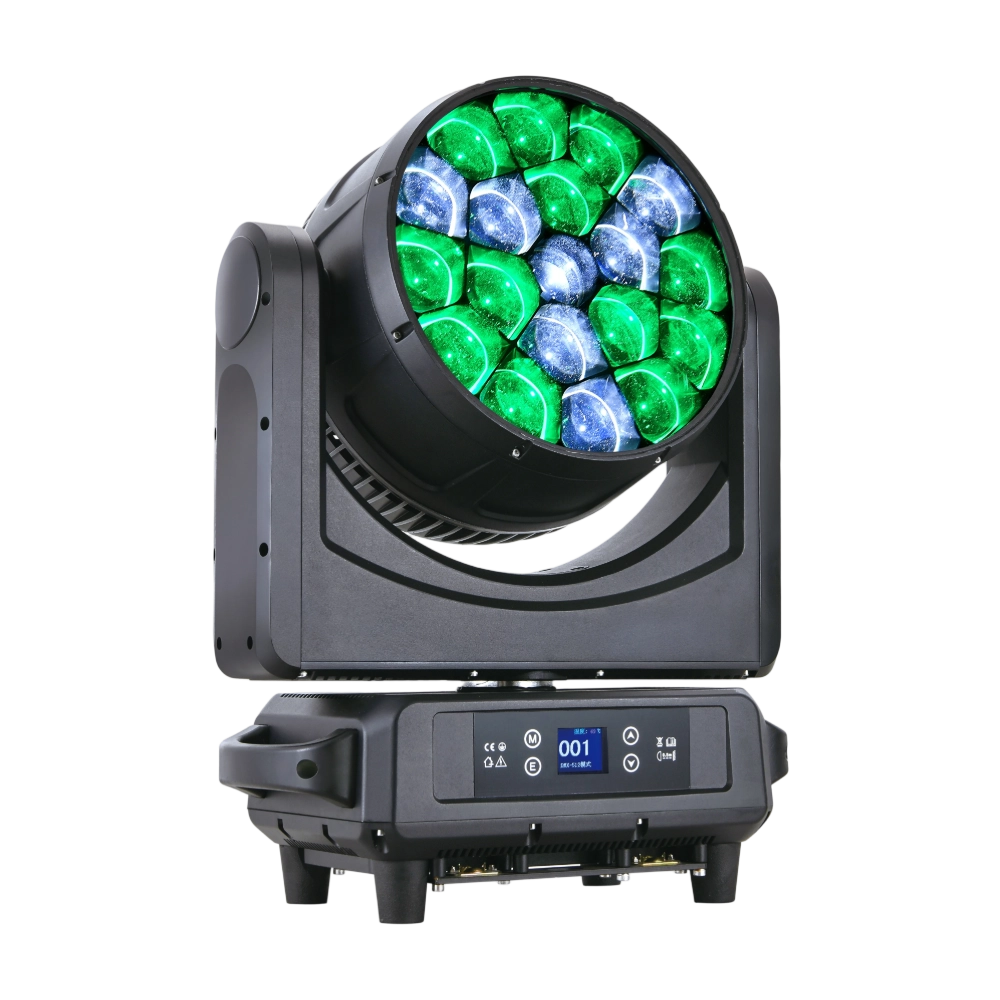
The LED Bee Eyes K19 IP is a 750W IP65-rated moving head wash, powered by 19 × 40W Osram RGBW LEDs for stunning brightness and vibrant colors. With a 4°–45° electronic zoom, wide CTO range (2700K–8000K), and a rotating lens wheel for dynamic visual effects, it delivers both powerful beams and smooth washes. Each LED can be controlled individually, enabling advanced pixel mapping and creative effects. Featuring 540° pan / 270° tilt, multiple DMX channel modes, and robust die-cast aluminum housing with excellent heat dissipation, the K19 IP is built for high-output performance in demanding outdoor and indoor productions.
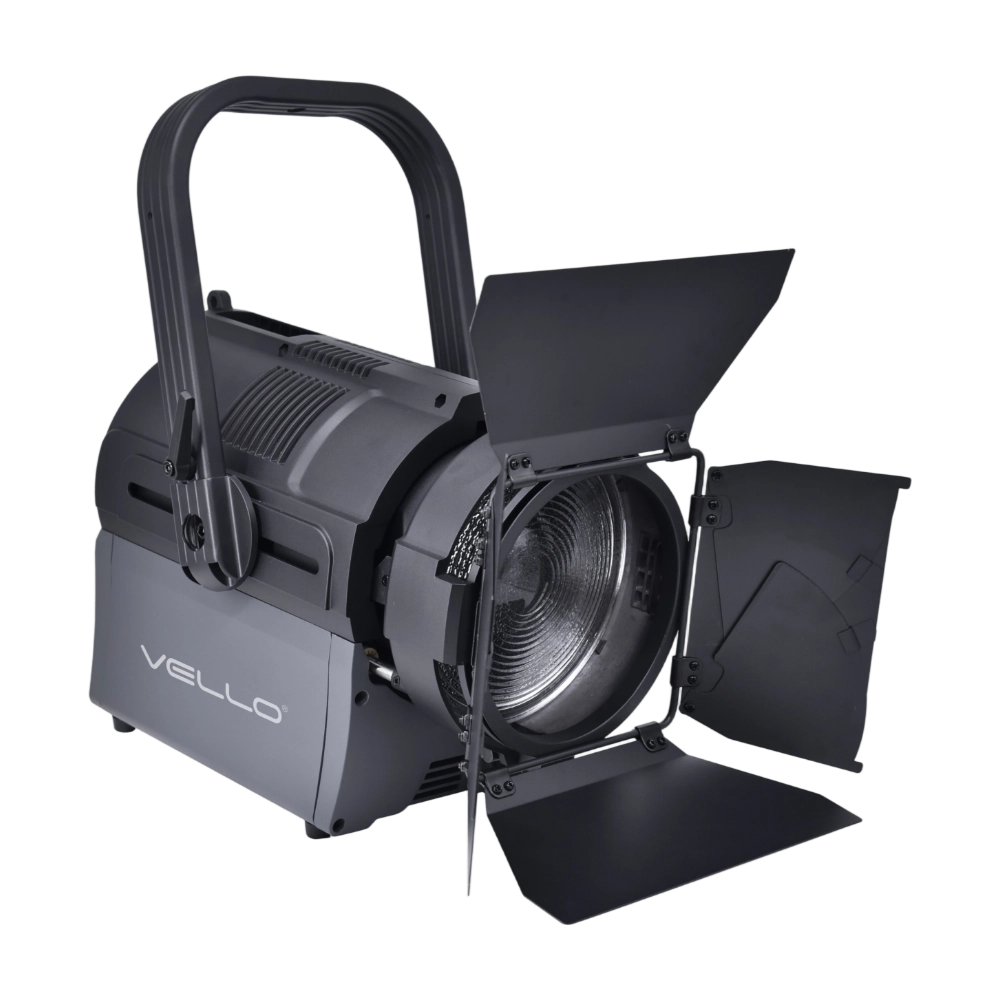
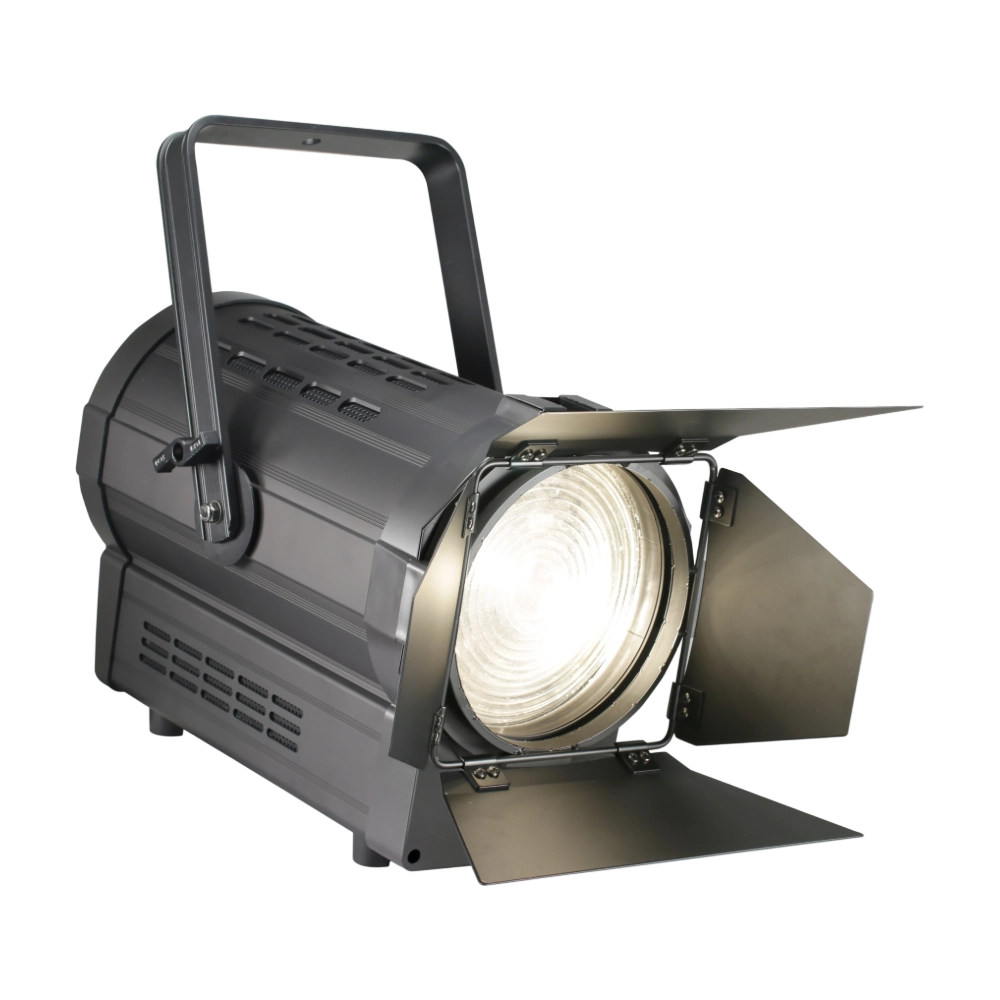
The TH350 Fresnel CTO is a 350W LED Fresnel spotlight designed for broadcast, theater, and studio applications. Featuring COB 2-in-1 LEDs (Warm White + Cool White, 175W each), it provides adjustable CTO (3000K–6000K) with a high CRI ≥97. Its 15°–50° electronic zoom and 0–100% linear dimming system allow precise control of light output. Built with silent operation and advanced cooling, it includes manual & DMX zoom, barndoor compatibility, and smooth Fresnel-style washes—a modern replacement for traditional Fresnel lamps.
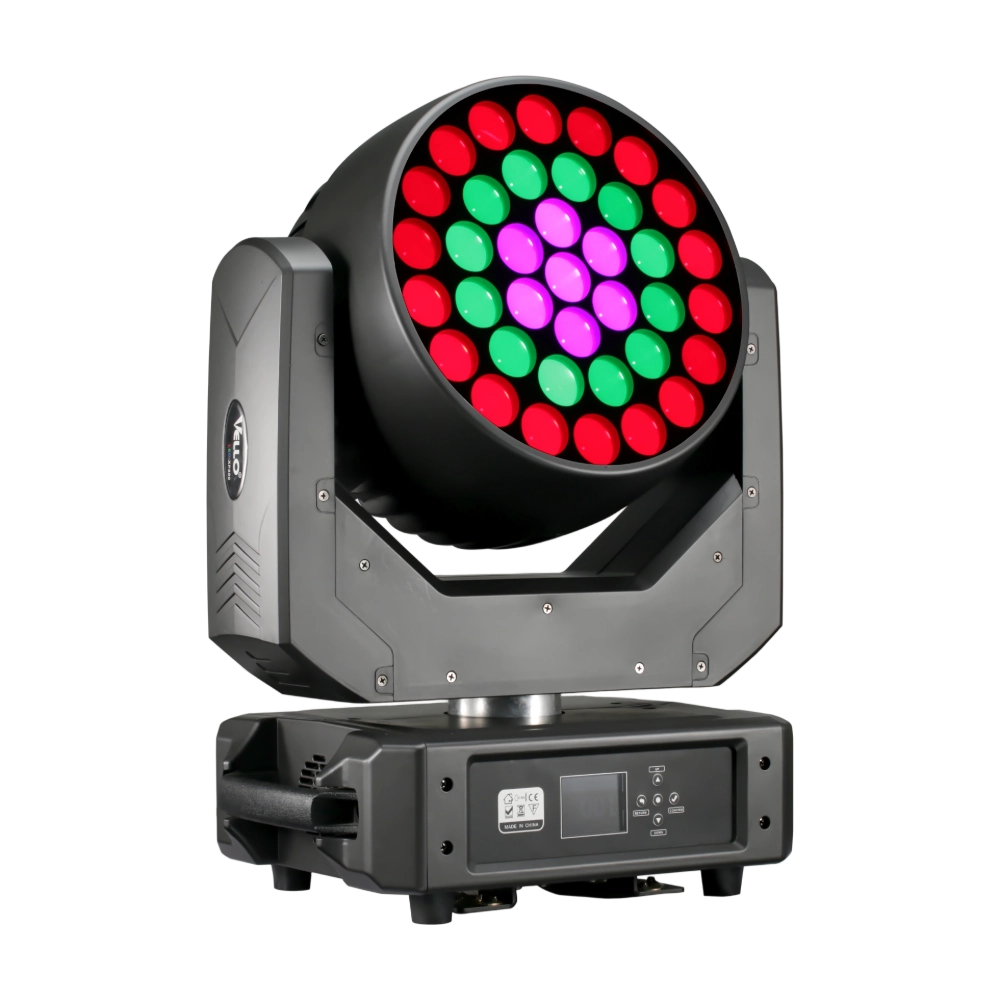
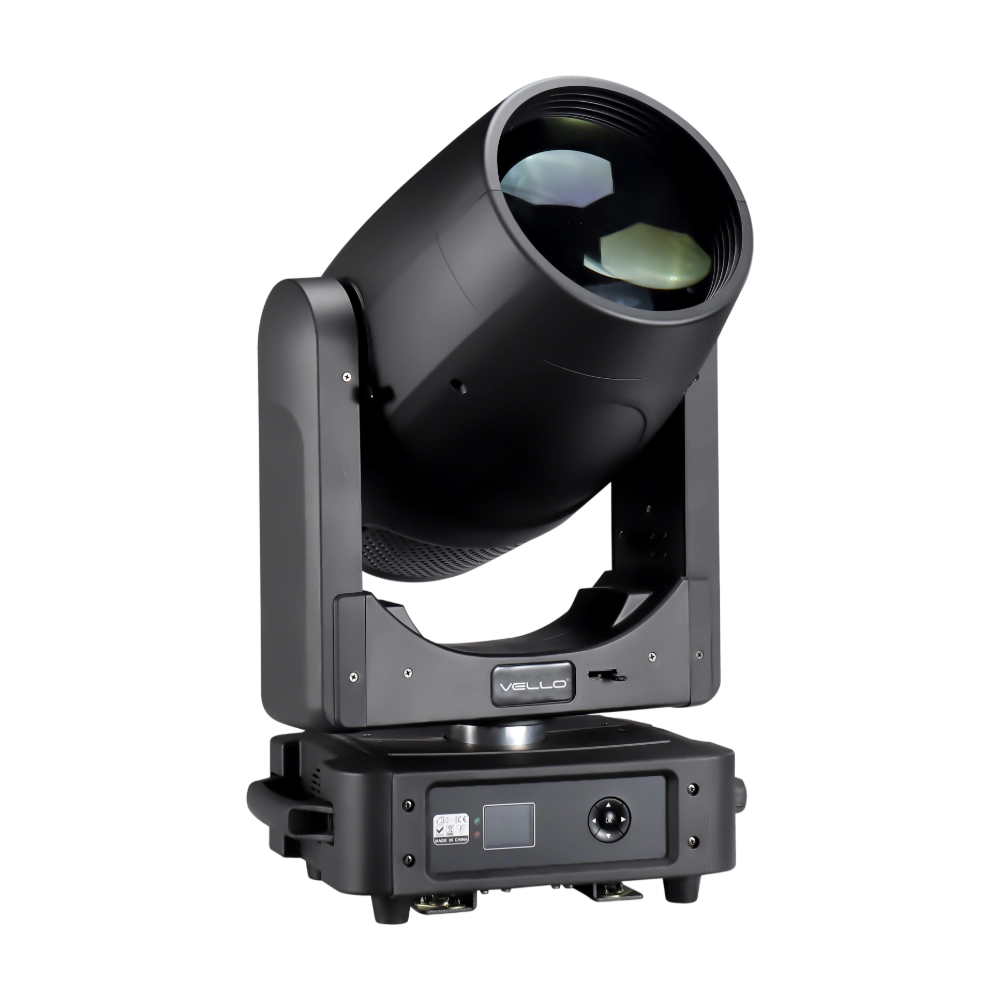
The LED XP800 is a 600W moving head wash fixture, equipped with 37 × 20W Osram RGBW LEDs for brilliant color mixing and high output. With a wide 6°–50° electronic zoom, it easily transitions from sharp beams to smooth washes. The fixture supports 3-ring pixel control and an adjustable CTO range (2800K–8500K) for versatile applications. Featuring 540° pan / 310° tilt, high-speed 3-phase motors, and multiple DMX modes (16/28 channels), XP800 delivers powerful, precise, and dynamic performance. Compact and durable, it is an excellent choice for stages, theaters, and large-scale events requiring high brightness and flexibility.
The BSW450 is a high-performance moving head fixture equipped with an original Osram 420W bulb, delivering exceptional brightness, precision, and versatility. Designed for professional stage applications, it seamlessly combines beam, spot, and wash functions in one compact unit, making it a powerful all-in-one lighting solution.
◌ Let Us Support Your Project
Request a Custom Quote and Technical Support
Fill out the form below, and our sales team will contact you shortly with product details, pricing, and customer service options.
Rest assured that your privacy is important to us, and all information provided will be handled with the utmost confidentiality.
By clicking "Send your message," I agree to your processing my personal data.
To see how to withdraw your consent, how to control your personal data, and how we process it, please see our Privacy Policy and Terms of Use.
Over 20 Years of Innovation in Stage & Studio Lighting
© 2026 VELLO. All Rights Reserved. 粤ICP备20023734号
Join our socials
VELLO
Whatsapp: +8613902276704
Vello Lighting
VelloLights