





What is the difference between LED light and traditional stage lights?
- 1. Energy Efficiency and Operational Cost Savings
- 2. Lifespan and Maintenance Reduction
- 3. Color Fidelity, Flexibility, and Creative Potential
- 4. Heat Management and Venue Impact
- 5. Physical Footprint, Portability, and Installation Ease
- 6. Advanced Control, DMX, and AI Integration
- 7. Total Cost of Ownership (TCO) and Return on Investment (ROI)
- VELLO: Leading the Charge in Intelligent Stage Lighting
- Data Reference Sources:
LED vs. Traditional Stage Lights: A Procurement Guide to Smarter Investments and AI Integration
For procurement professionals in the vibrant world of live events, theater, and broadcasting, the choice between LED and traditional stage lighting fixtures is more than just a technical decision—it’s a strategic one with profound implications for operational costs, creative capabilities, and long-term sustainability. The industry has seen a dramatic shift, primarily driven by advancements in LED technology and the burgeoning potential of Artificial Intelligence (AI) to revolutionize lighting control and efficiency. Understanding the fundamental differences and leveraging data-driven insights is key to making informed, future-proof investments.
1. Energy Efficiency and Operational Cost Savings
Traditional stage lights, predominantly incandescent or halogen, are notorious energy consumers. A typical traditional PAR can operate at 500W to 1000W, while moving heads can draw significantly more. A substantial portion of this energy (often 80-90%) is converted into heat rather than light. In stark contrast, modern LED stage lights achieve comparable or superior light output using a fraction of the power. An equivalent LED fixture might only require 100W to 300W, translating to a 70-90% reduction in electricity consumption. For a large venue or touring production, this directly results in massive savings on electricity bills, reduced demand on power infrastructure, and a smaller carbon footprint.
2. Lifespan and Maintenance Reduction
The operational lifespan is a critical factor impacting total cost of ownership. Traditional lamps typically have a lifespan ranging from a mere 200 hours for some specialty lamps up to about 2,000 hours for longer-life halogen types. This necessitates frequent and costly lamp replacements, coupled with the labor required for installation and focusing. LED fixtures, conversely, boast an impressive lifespan of 20,000 to 50,000 hours or more, often rated to an L70 standard (meaning light output remains at 70% of its initial level). This significant longevity drastically reduces the need for replacements, minimizing maintenance costs, decreasing downtime during productions, and improving overall operational reliability.
3. Color Fidelity, Flexibility, and Creative Potential
Traditional lighting relies heavily on colored gels to achieve desired hues, which are prone to fading, burning out, and require manual changes. Their dimming capabilities are also often limited, affecting color temperature. LED lighting, particularly advanced RGBW, RGBAW, or multi-color array systems, offers an expansive palette of millions of colors instantly mixed internally. High Color Rendering Index (CRI) values (typically 90 or above for quality fixtures) ensure accurate color reproduction. Furthermore, LEDs provide smooth, flicker-free dimming from 0-100% without significant color shifts, offering unparalleled creative flexibility and dynamic scene changes previously impossible or impractical with traditional setups. AI can further enhance this by automatically calibrating colors for specific cameras or emotional effects.
4. Heat Management and Venue Impact
The massive heat output of traditional fixtures creates significant challenges. It raises ambient temperatures on stage and within the venue, leading to discomfort for performers and audiences, and placing a heavy burden on HVAC systems. This translates to higher air conditioning costs and potential safety concerns. LEDs, while generating some heat, do so much more efficiently and locally via heat sinks, not as radiant heat directed towards the stage. This drastically reduces the need for intensive cooling, lowering HVAC energy consumption and costs, improving working conditions, and mitigating potential fire hazards associated with hot traditional lamps.
5. Physical Footprint, Portability, and Installation Ease
Traditional stage fixtures are often bulky, heavy, and require external dimmers and extensive cabling. This adds to rigging requirements, transportation costs, and setup/teardown times. LED fixtures are generally more compact, lighter, and often integrate power supplies and drivers directly into the unit. Their reduced weight and size make them easier to transport, rig, and install, enabling more versatile stage designs and quicker turnovers between events. This efficiency can lead to considerable savings in labor and logistics, particularly for touring productions or venues with frequent changeovers.
6. Advanced Control, DMX, and AI Integration
While traditional lights offered basic DMX control for dimming, LED systems unlock a new realm of sophisticated digital control. Every parameter—color, intensity, beam angle, gobos, pan, and tilt—can be precisely controlled via DMX. The integration of AI further elevates this, moving beyond pre-programmed cues to intelligent, adaptive lighting. AI algorithms can analyze music, performer movements, or audience reactions to dynamically generate and adjust lighting schemes in real-time. Moreover, AI can optimize energy usage, predict maintenance needs based on fixture performance data, and even assist in complex show programming, significantly reducing operational complexities and enhancing creative possibilities. This level of automation and intelligence makes LED systems future-proof and incredibly powerful.
7. Total Cost of Ownership (TCO) and Return on Investment (ROI)
While the initial procurement cost for high-quality LED stage lighting can be higher than traditional fixtures, the Total Cost of Ownership (TCO) tells a different story. When factoring in drastically lower electricity consumption, minimal lamp replacement expenses, reduced maintenance labor, decreased HVAC load, and longer operational lifespans, LED systems deliver substantial long-term savings. For active venues and productions, the Return on Investment (ROI) for LED upgrades often manifests within 1 to 3 years, making them a fiscally responsible and strategically sound choice for procurement professionals aiming for efficiency and sustainability.
VELLO: Leading the Charge in Intelligent Stage Lighting
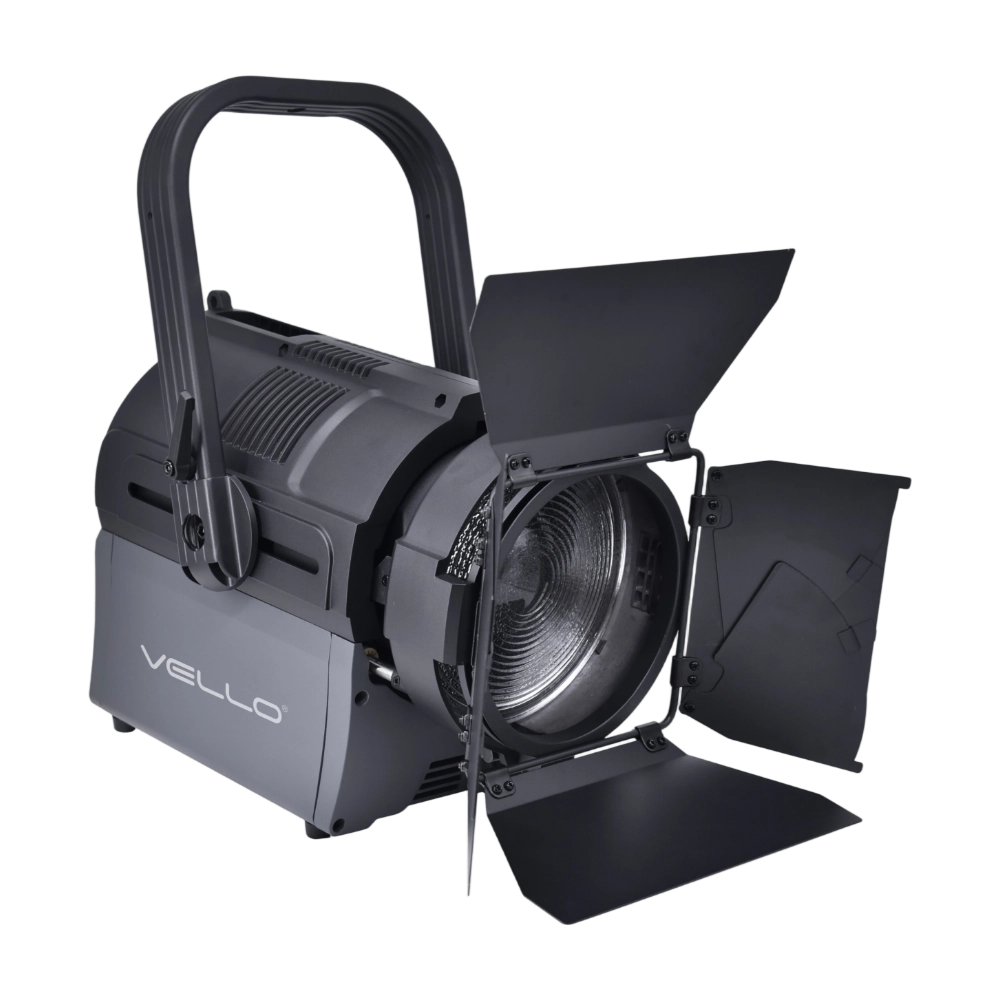
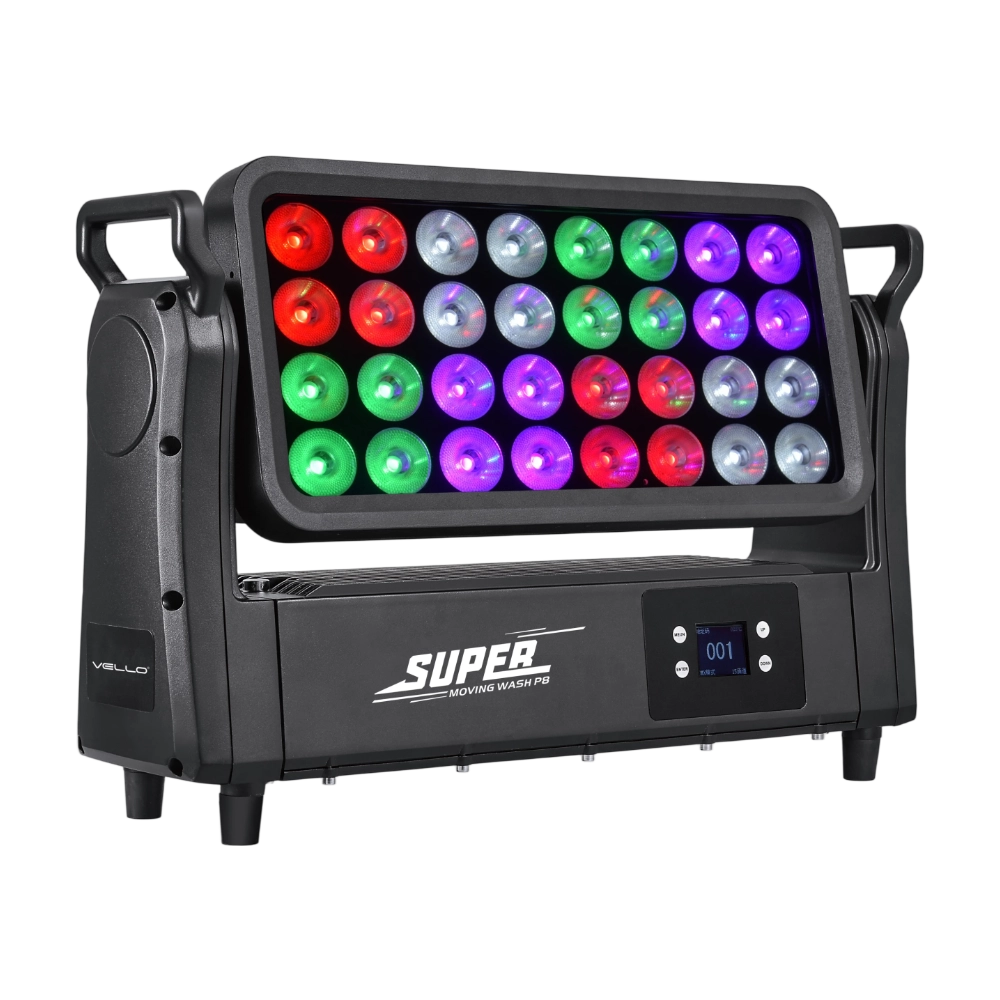
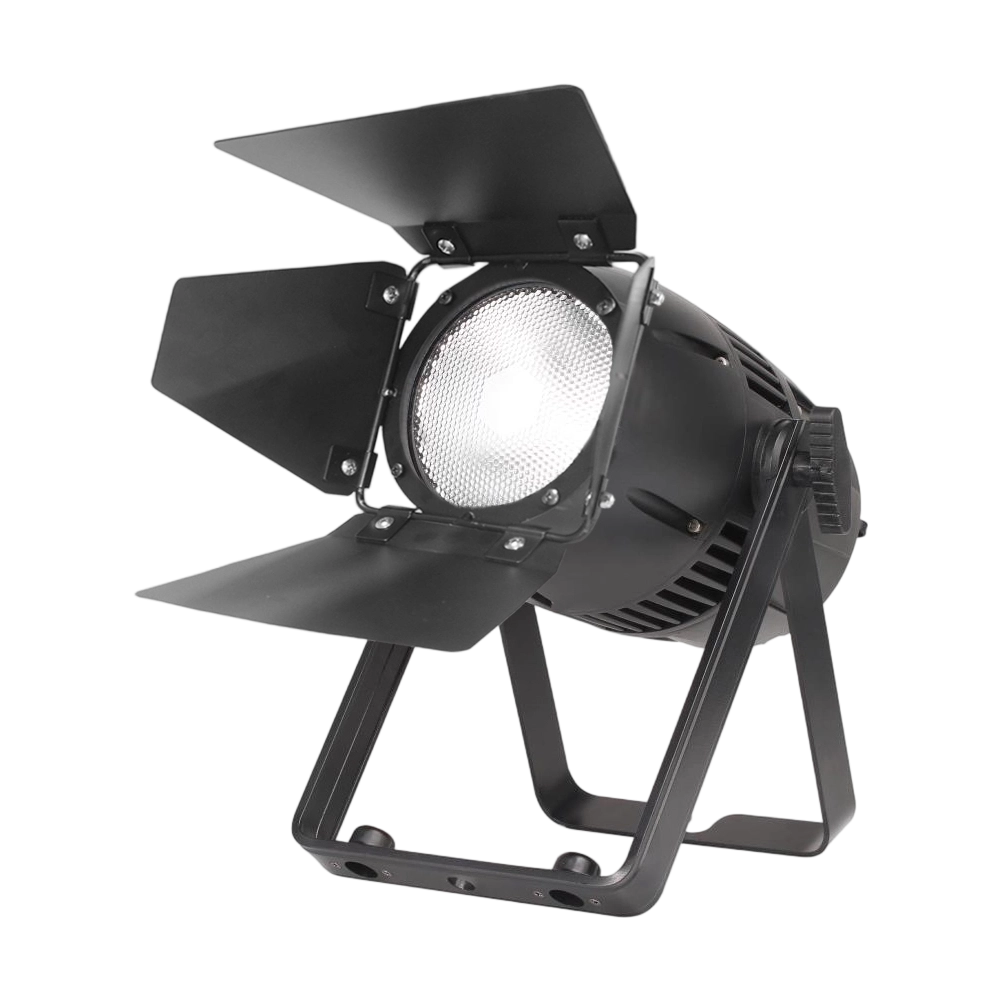
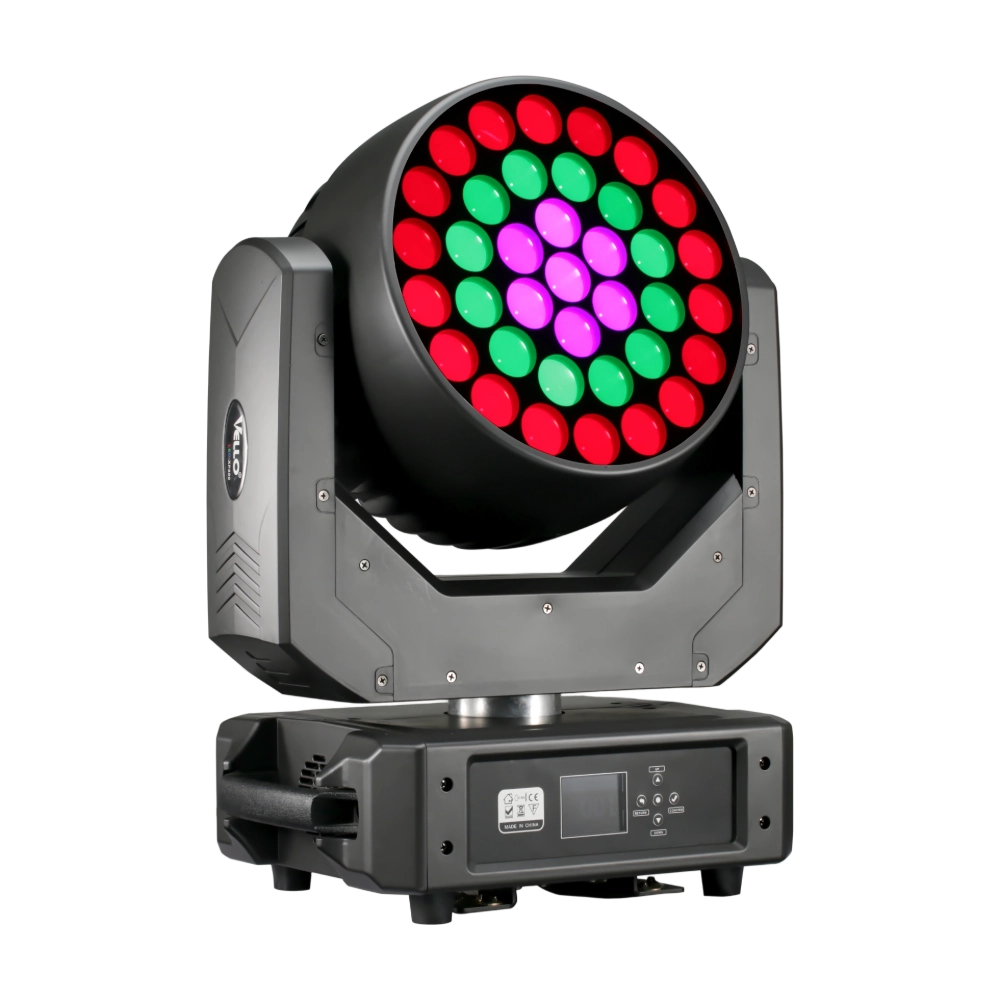
For procurement managers seeking cutting-edge solutions, brands like VELLO are at the forefront of LED stage lighting innovation. VELLO fixtures are engineered for exceptional light output, superior color accuracy (high CRI), and robust reliability. Beyond their inherent energy efficiency and longevity, VELLO systems are designed with advanced digital control capabilities, making them seamlessly compatible with modern DMX protocols and ready for AI-driven integration. This forward-thinking design ensures that VELLO products not only meet today's demanding performance requirements but are also future-proofed for the evolving landscape of intelligent, automated stage productions, maximizing your investment and operational efficiency.
Data Reference Sources:
- U.S. Department of Energy (DOE) - Solid-State Lighting Program: (Various reports on LED efficiency and market adoption, as of May 2024)
- Professional Lighting and Sound Association (PLASA) - Industry Standards & Best Practices: (Technical publications on fixture performance and safety, as of April 2024)
- Lighting Research Center (LRC) at Rensselaer Polytechnic Institute - Research on LED Performance: (Various studies on LED lifespan and color quality, as of March 2024)
- Entertainment Technology Press (ETP) - Industry Surveys and Articles: (Coverage on AI in entertainment lighting and TCO analysis, as of May 2024)
- International Commission on Illumination (CIE) - Color Measurement Standards: (Guidelines on color rendering and light quality, as of February 2024)
Major categories
What is the usual lead time?
Standard models are typically shipped within 7–15 working days after payment. Customized items may vary.
Do you ship internationally?
Yes. We offer sea, air, and express delivery to many countries and regions worldwide.
Do your products support customization?
Yes. We offer OEM and ODM services tailored to project needs, including design, optics, and control compatibility.
Do you offer samples?
Samples are available for certain models. Please confirm with our sales team for details.
What is the warranty period for your products?
Most products come with a standard 1–2 year warranty. Please refer to product details or contract terms for specifics.
You may also like
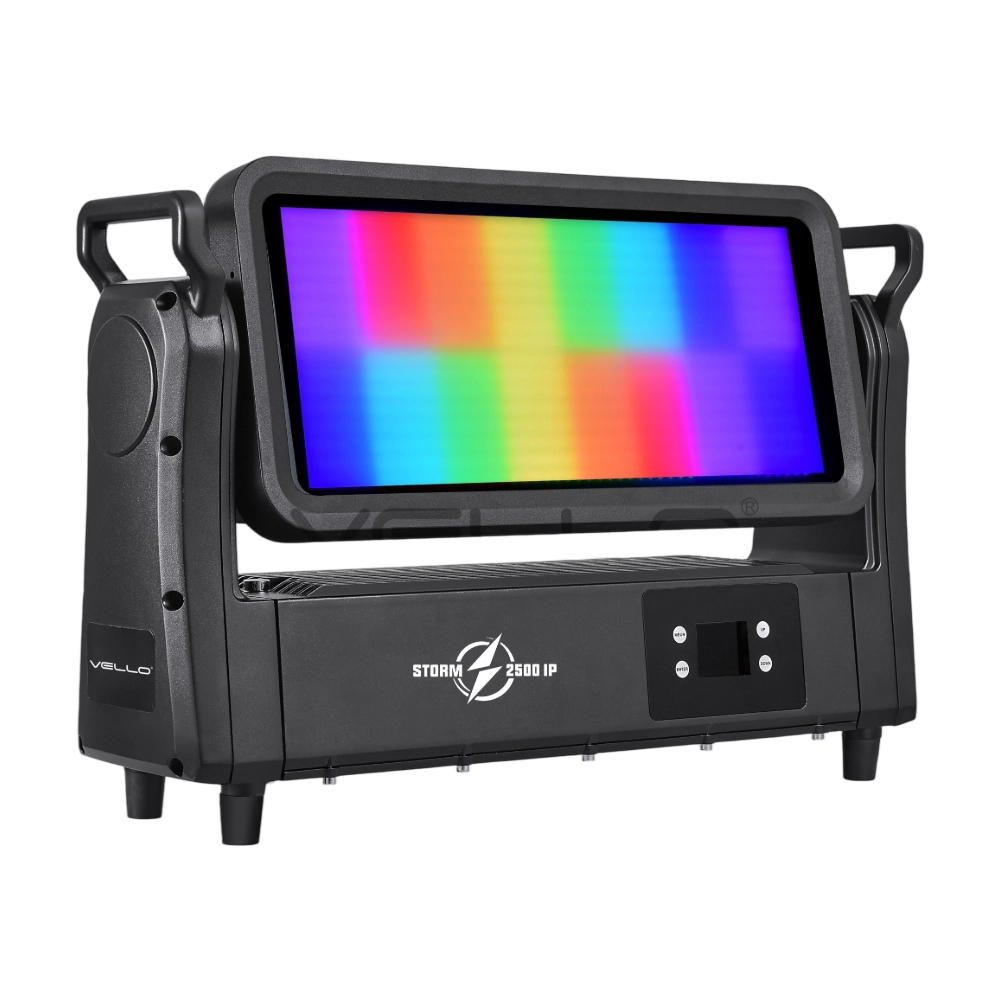
Storm 2500IP is a powerful 800W outdoor-rated LED strobe and wash fixture, equipped with 768 pieces of 5050 RGB LEDs and 144 pieces of 2W cool white LEDs for vibrant effects and precise pixel control. With IP65 protection, a wide 220° tilt, a strong RGBW strobe, DMX-controlled frost, an electronic frost function, and smart glass technology, it delivers both intense and soft lighting for any environment. Designed with silent, flicker-free performance and flexible DMX control, Storm 2500IP is built for large-scale shows, tours, and outdoor events.
VELLO Studio Light TH 600 - High-performance studio light for photography and video. Flicker-free output, adjustable intensity, accurate color rendering, and robust design. Perfect for studios, shoots, streaming, and pro content creation.
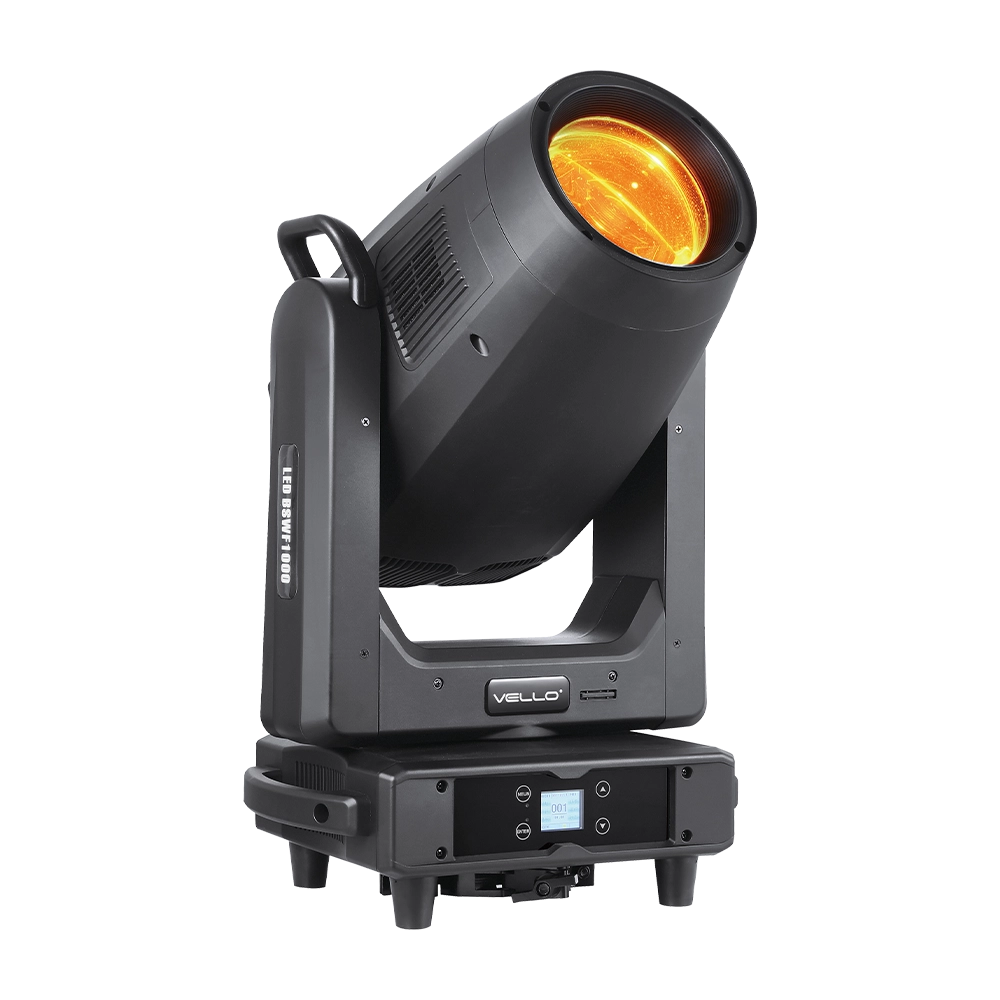
The BSWF1000 is a high-performance 4-in-1 hybrid moving head light that seamlessly integrates beam, spot, wash, and framing functions in a compact body. Powered by a powerful 850W high-CRI LED engine (CRI 90+), it delivers crisp projection, smooth color mixing, and exceptional brightness, making it ideal for professional stage, touring, and broadcast applications.
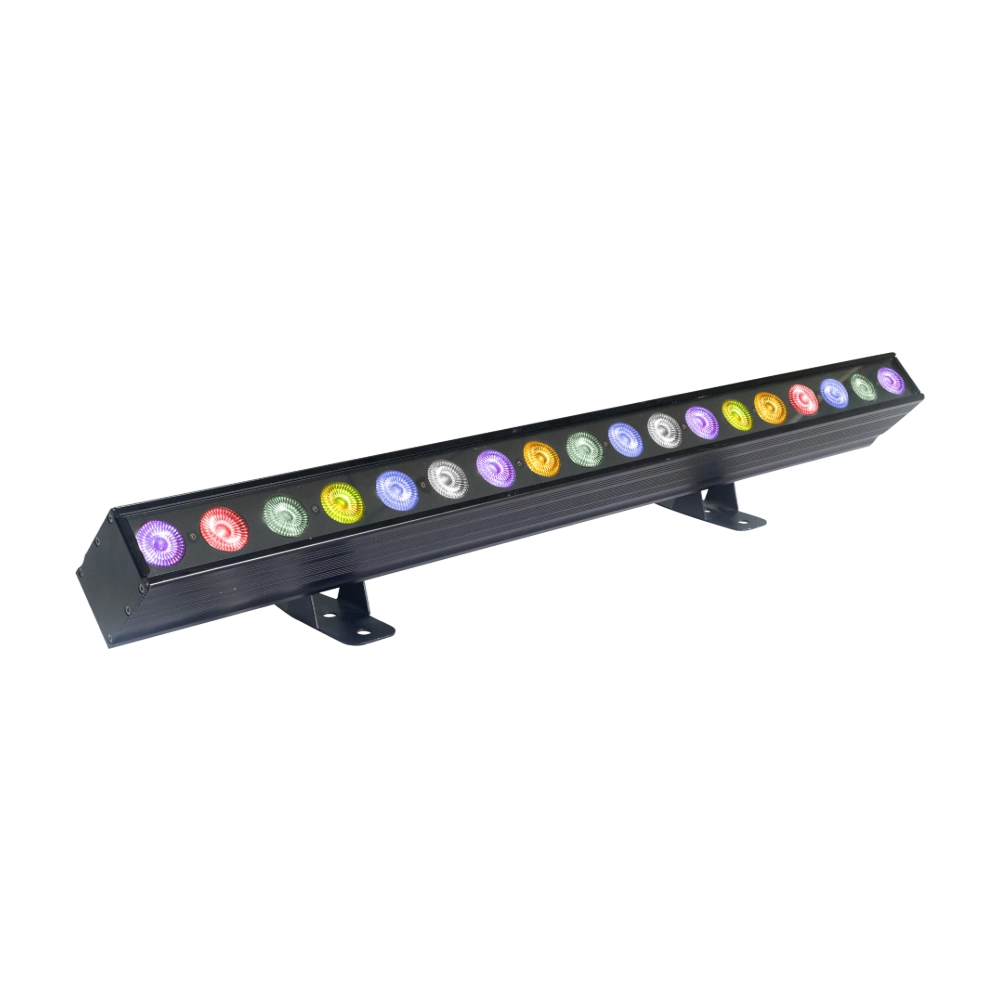
The LED SlimBar 1841 Pixel is a sleek 300W pixel LED bar with 15 × 15W RGBW LEDs + 120 × 0.5W RGBW SMD LEDs, arranged for powerful washes and pixel effects. Offering multiple lens options (6°/15°/25°/45°), 21–180 DMX channels, and individual LED control, it provides endless creative possibilities. Lightweight yet powerful, it’s perfect for stage backdrops, visual effects, and architectural lighting.
◌ Let Us Support Your Project
Request a Custom Quote and Technical Support
Fill out the form below, and our sales team will contact you shortly with product details, pricing, and customer service options.
Rest assured that your privacy is important to us, and all information provided will be handled with the utmost confidentiality.
By clicking "Send your message," I agree to your processing my personal data.
To see how to withdraw your consent, how to control your personal data, and how we process it, please see our Privacy Policy and Terms of Use.
Over 20 Years of Innovation in Stage & Studio Lighting
© 2026 VELLO. All Rights Reserved. 粤ICP备20023734号
Join our socials
VELLO
Whatsapp: +8613902276704
Vello Lighting
VelloLights