





How does lighting design support storytelling on stage?
- 1. How many lumens or lux do I actually need for a 10×8 m black-box stage to keep performers visible to both audience and livestream cameras without over-powering the space?
- 2. I have limited power and a 7.5 m ceiling—what LED fixture mix (ellipsoidal/profile, wash, moving head) gives the best flexible coverage for a small black-box theatre?
- 3. How can I avoid color shift, banding, and skin-tone problems when mixing white light from RGB/RGBW LED fixtures on stage?
- 4. What is a robust DMX/RDM addressing and signal distribution plan for 50+ LED fixtures to avoid dropouts and speed up troubleshooting?
- 5. How does lighting design support storytelling on stage—practically, how do I design cues that reinforce emotional beats without distracting actors?
- 6. What objective tests and metrics should I run on LED stage lights before purchase to avoid disappointment (flicker, thermal throttling, beam uniformity, CRI/TLCI, IP rating)?
- Concluding summary: Advantages of LED stage lights for storytelling and buyers
Stage Lighting Design: 6 In-Depth Answers on How Lighting Supports Storytelling
This article answers six specific, pain-point questions beginners and small production buyers often find poorly covered online. We focus on LED stage lights, practical photometrics, DMX/RDM best practices, color fidelity, fixture selection, cueing for storytelling, and pre-purchase tests—using industry standards (DMX512, IES photometrics, CRI/TLCI) and real-world workflows.
1. How many lumens or lux do I actually need for a 10×8 m black-box stage to keep performers visible to both audience and livestream cameras without over-powering the space?
Short answer: use target lux ranges per function and verify with IES photometric files—don’t guess from lumen numbers alone.
Detailed approach:
- Set target illuminance by use-case: for live theatre (audience viewing only) aim for 200–800 lux on primary acting areas; for multi-camera livestream/recording, plan 800–2000 lux depending on camera sensitivity and aperture. These ranges align with common lighting practice and camera requirements: broadcast and streaming need higher, flicker-free, color-stable illumination.
- Don’t convert from raw lumens alone. Lumens describe total light output, not distribution. Use manufacturer lux charts or IES files and lighting previsualization software (Capture, WYSIWYG) to simulate how fixtures will cover your 10×8 m playing area at the planned mounting heights (e.g., FOH 6–8 m, side booms 3–4 m).
- Practical calculation method: place 3–5 representative fixtures in software, check horizontal lux maps, and adjust beam angles. If you must do hand calculations, use lux = luminous intensity (cd) / distance^2 for peak beam, or average lux ≈ lumens × fixture efficiency factor ÷ area (m2). These approximations are blunt—rely on IES data where possible.
- Margins and camera considerations: allow a 1.5× safety margin for camera exposure and clouded days (if using outdoor rigs). Ensure fixtures provide consistent color temperature (Kelvin) and CRI/TLCI to avoid extra post-correction in video.
2. I have limited power and a 7.5 m ceiling—what LED fixture mix (ellipsoidal/profile, wash, moving head) gives the best flexible coverage for a small black-box theatre?
Objective: achieve shaped key light, soft washes, and a few specials while minimizing circuits and maximizing control.
Recommended fixture mix and reasoning:
- Profiles (LED ellipsoidals) 2–4 units with narrow and medium interchangeable lenses (10°–40°): use these for clean key/focus and gobo textures. They deliver high optical control and are more efficient at delivering usable lux to an actor than broad wash fixtures.
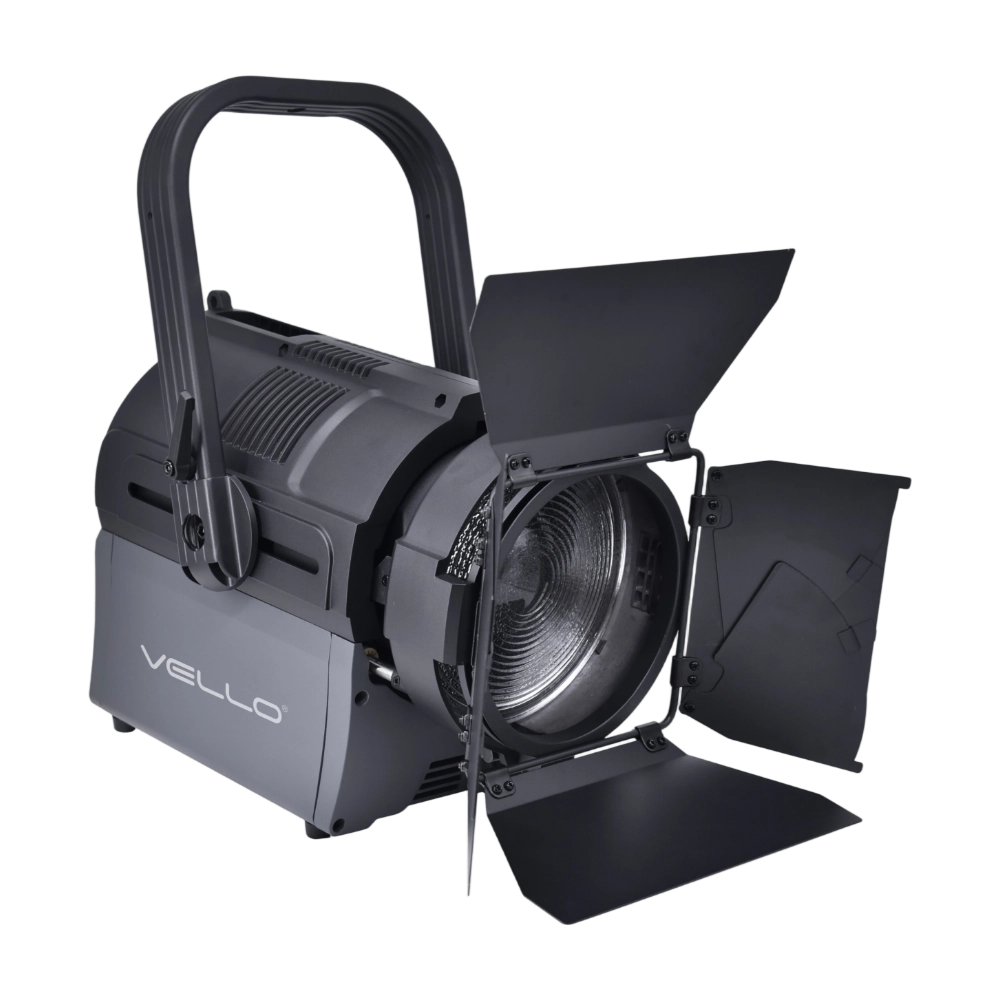
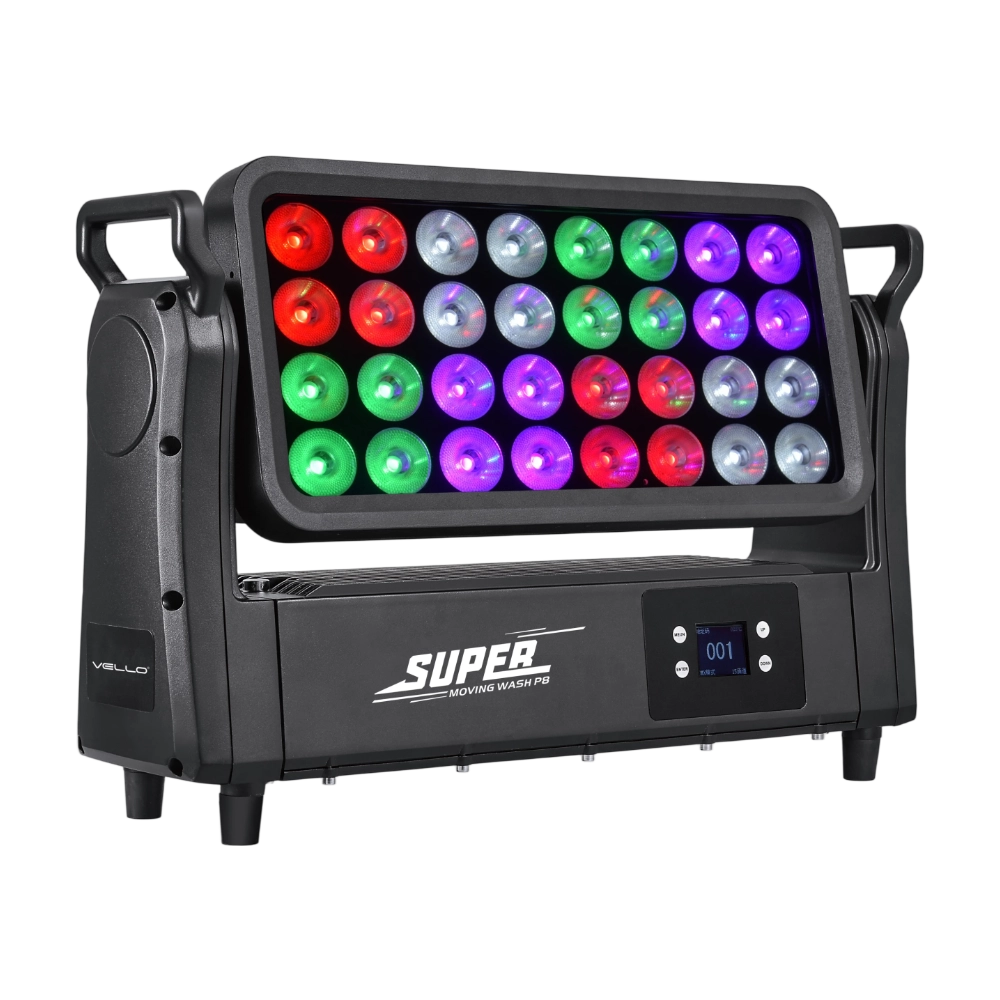
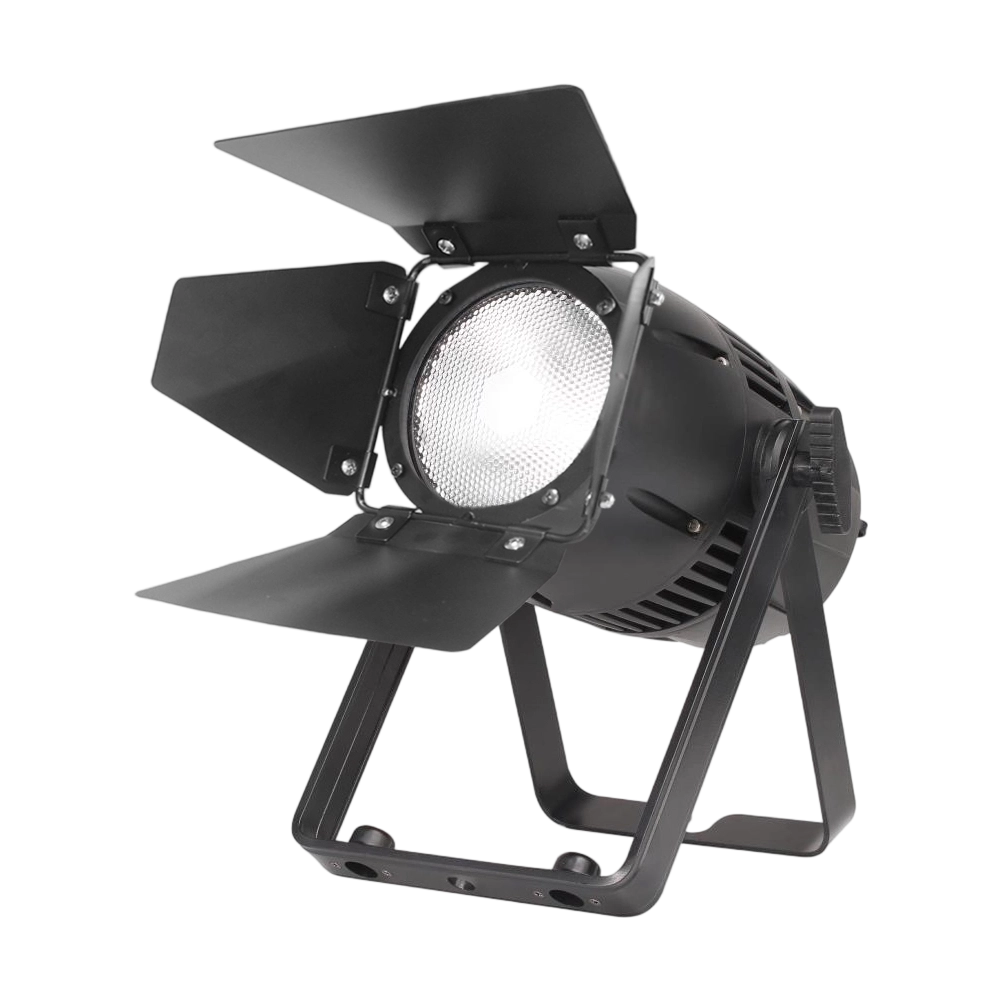
- Wash lights (LED Fresnel or soft panel) 4–6 units with wider beam angles (40°–90°): for even stage fill and color washes. Choose fixtures with tunable CCT (2700–6500K) or RGBW/RGBA mixing for saturated looks plus neutral white.
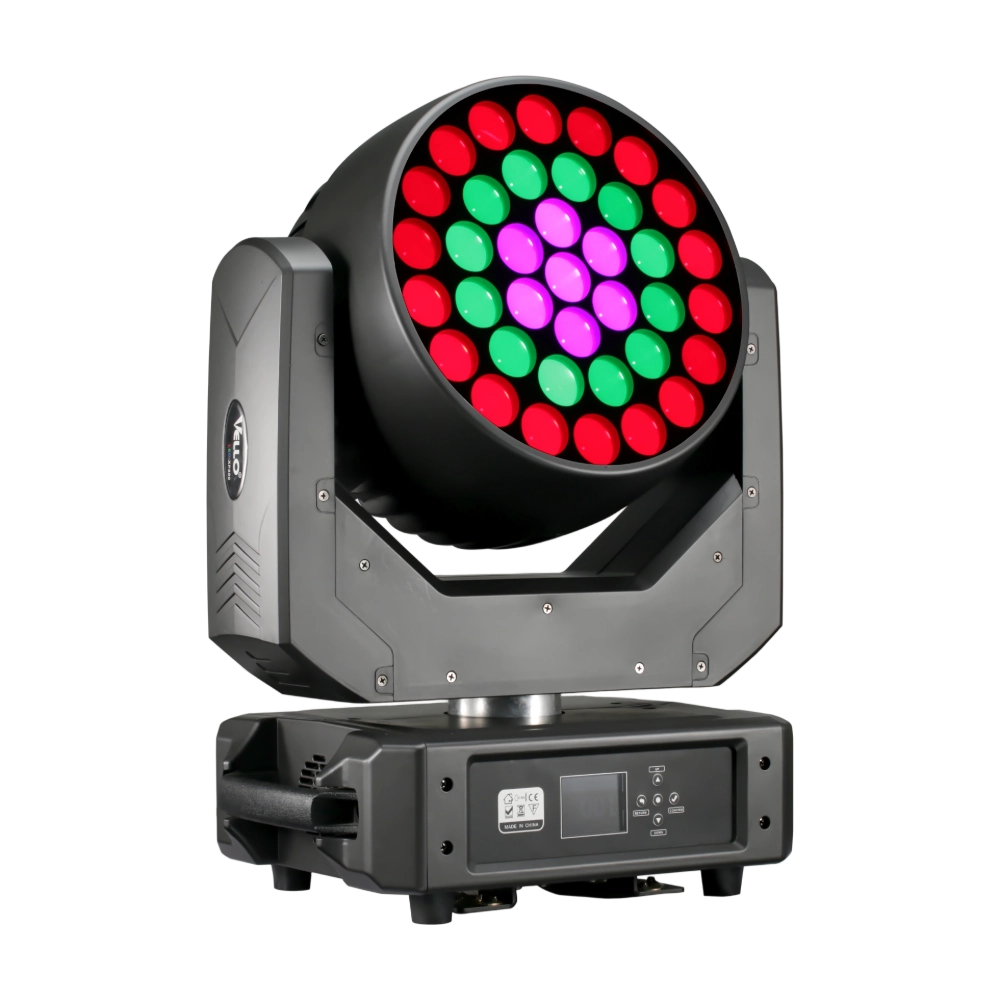
- Compact moving heads 2–4 units (spot/beam/wash hybrid): for specials, dynamic cues, and simple automation. Ensure they have quiet fans and accurate pan/tilt for theatre use.
- Control and power constraints: select LED fixtures with high efficacy (lm/W), power factor >0.9, and the ability to daisy-chain power within manufacturer limits. Use 1–2 dedicated circuits for FOH bars and separate circuits for moving fixtures to avoid nuisance tripping from inrush currents.
- Practical tip: prioritize fixtures with onboard dimming curves, 16-bit dimming and high PWM frequency (>20 kHz) to reduce visible flicker and banding on cameras. That reduces the need for extra units to compensate for undesirable artifacts.
3. How can I avoid color shift, banding, and skin-tone problems when mixing white light from RGB/RGBW LED fixtures on stage?
Color fidelity is critical for both audience perception and camera capture. Many online answers skip specific test practices—here’s a practical checklist.
- Select fixtures with high color rendering: CRI ≥ 90 and/or TLCI ≥ 90 are strong targets for natural skin tones. For broadcast-heavy productions prioritize TLCI figures provided by the manufacturer.
- Prefer fixtures with calibrated white engines (RGB+CT, or native white LEDs with variable CCT). RGB-only white mixes can shift hue as intensity changes; RGBW or RGB+CT models give more stable whites.
- Use 16-bit (or higher) dimming where possible and validated dim curves (linear, broadcast curve) to avoid visible steps and banding in fades.
- Test for flicker and banding using the exact camera(s) you plan to record with: run fixtures at the dim levels you’ll use on stage and film at production frame rates (24/25/30/50/60fps). If you see rolling bands, increase PWM frequency or choose fixtures with higher PWM.
- Perform a color stability burn-in: run fixtures at full white for several hours and monitor CCT drift. Good fixtures will remain within ±100K of nominal CCT; larger drift signals poor thermal management or LED bin mismatch.
- Calibration workflow: create a palette of pre-set whites (e.g., 3200K, 4300K, 5600K) on your console and lock those presets. Use gel simulation only when it matches scene requirements; physical gels are less flexible but still useful for very specific theatrical colors.
4. What is a robust DMX/RDM addressing and signal distribution plan for 50+ LED fixtures to avoid dropouts and speed up troubleshooting?
Many beginners chain many fixtures on a single run and then face intermittent dropouts. Follow signal distribution rules for reliability.
- Respect the DMX512 device limit: one DMX universe supports up to 512 channels and a recommended maximum of 32 discrete fixtures on a single electrical/DMX daisy chain without amplification. If you exceed 32 units, split into multiple universes or use DMX splitters.
- Use opto-isolated, powered DMX splitters to create parallel runs. This isolates faults and reduces the impact of a cable short. Each split outputs a terminated line; terminate only the far end of each run with 120-ohm termination.
- Adopt RDM (Remote Device Management) capable gear to remotely discover and address devices during setup. RDM dramatically reduces time spent walking the rig to set addresses.
- Prefer sACN or Art-Net for large installs (multiple universes) over Ethernet with a dedicated lighting network, and use RDM over USB/DMX where physical addressing is still required. Ensure network switches are unmanaged and on a dedicated VLAN or physically isolated network to avoid multicast issues.
- Power and inrush: group fixtures by power draw per circuit. Check each fixture’s maximum current draw and inrush specs—chain no more units than the manufacturer recommends. Use power distribution boxes with circuit labeling and locking connectors to speed troubleshooting.
- Documentation: maintain a lighting plot XLS/PDF listing fixture type, address, universe, dimmer/relay assignments, and power circuit. Combine this with a channel-to-instrument schedule in the console for rapid fault isolation.
5. How does lighting design support storytelling on stage—practically, how do I design cues that reinforce emotional beats without distracting actors?
Lighting is narrative: it should motivate the eye, support mood, and reveal actors when the scene requires focus. The common beginner mistake is to light everything brightly; storytelling needs selective contrast.
Practical workflow to design story-driven cues:
- Script breakdown: annotate the script with dramatic beats, spatial shifts, and emotional temperature. Assign a lighting intent for each beat—introduce, reveal, isolate, or transform.
- Create a palette: define 4–6 color looks tied to characters, locations, or emotional states. Consistent palettes support audience comprehension. Use motivated lighting—e.g., warm key from practical lamps, cool moonlight backlight—so changes feel natural.
- Use contrast and selective focus: employ backlight and sidelight to separate actors from background, and use tighter beam angles or profiles to isolate important moments. Lower the ambient fill during intimate moments to force audience focus.
- Pacing of transitions: match the tempo of cue changes to narrative tempo. Quick blackout/strobe for shock; gentle 2–6 second crossfades for emotional shifts. Always design crossfades to protect performers (no sudden hot spots or blinding angles).
- Technical integration: pre-program look stacks, palettes, and timed cues in your console. If working to music or automation, use LTC/MTC timecode to keep lighting precisely in sync with sound/automation systems. Keep fallbacks—manual overrides—available for live variability.
- Previsualization and rehearsal: use capture pre-vis to test sight lines and camera framing. Rehearse cues with actors under final light levels and adjust intensity, direction, and color until the cue enhances the moment rather than competes with it.
6. What objective tests and metrics should I run on LED stage lights before purchase to avoid disappointment (flicker, thermal throttling, beam uniformity, CRI/TLCI, IP rating)?
Manufacturers often list specs but small-production buyers need a repeatable test checklist to validate claims.
Essential pre-purchase test procedures:
- Photometric & IES verification: request IES or LDT files and validate lux maps at your target distances in previsualization software. Compare claimed lumen output against measured lux—manufacturers often quote total lumens, not useful lux at distance.
- Color rendering tests: verify CRI and TLCI numbers. If possible, use a handheld spectrometer or ask the vendor for spectral power distribution (SPD) graphs. For skin tones, TLCI is more representative of camera performance.
- Flicker testing: test with your production cameras at all intended frame rates and shutter angles. Also test dimming positions because PWM artifacts often appear at low intensities. Ask whether the fixture uses high-frequency PWM (>20 kHz) or constant-current modulation paired with 16-bit dimming.
- Thermal test: run fixtures at full output for a sustained period (4–8 hours) to observe thermal throttling and color shift. Measure CCT drift and lumen drop-off. Good fixtures will specify lumen maintenance (L70 hours) and thermal protection behaviors.
- Beam uniformity & gobo quality: inspect beam edge quality across zoom range. For profiles, check gobo sharpness and framing shutters. For washes, inspect multi-source pixelation—choose fixtures with good mixing optics for smooth fields.
- Build & serviceability: review ingress protection (IP) for outdoor use, fan noise levels (dBA), ease of replacing LEDs or drivers, and availability of spare parts. Confirm warranty terms and repair turn-around times in your region.
- Network & control: verify DMX/Art-Net/sACN compatibility, existence of RDM for remote addressing, and available firmware update pathways. Confirm console compatibility and channel modes ahead of purchase.
These tests reduce procurement risk and align product selection with the production’s technical and storytelling needs.
Concluding summary: Advantages of LED stage lights for storytelling and buyers
LED stage lights offer lower power consumption, longer service life, precise color control (tunable CCT and RGBW mixes), compact form factors, and integrated digital control (DMX/RDM, Art-Net). For storytelling they enable rapid changes in mood, safe and repeatable cueing, and camera-ready white with high CRI/TLCI when properly selected. Combined with photometric planning (IES files) and good DMX architecture, LED systems deliver consistency, energy savings, and design flexibility that traditional sources struggle to match.
For a tailored fixture list, photometric mockup for your venue, or a formal quote, contact us at VelloLight. Visit www.vellolight.com or email info@vellolight.com for a quote and specification support.
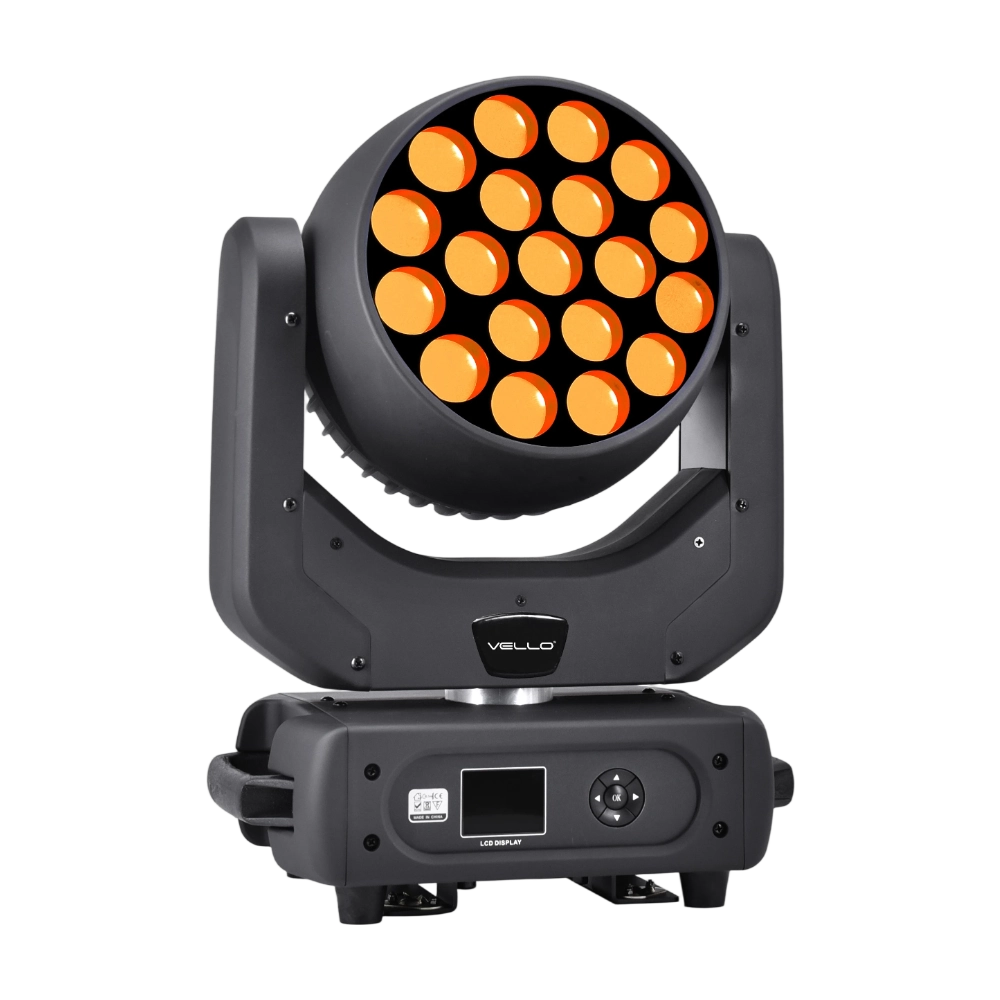
Major categories
Do your products support customization?
Yes. We offer OEM and ODM services tailored to project needs, including design, optics, and control compatibility.
What is the usual lead time?
Standard models are typically shipped within 7–15 working days after payment. Customized items may vary.
Do you offer samples?
Samples are available for certain models. Please confirm with our sales team for details.
What is the warranty period for your products?
Most products come with a standard 1–2 year warranty. Please refer to product details or contract terms for specifics.
Do you ship internationally?
Yes. We offer sea, air, and express delivery to many countries and regions worldwide.
You may also like
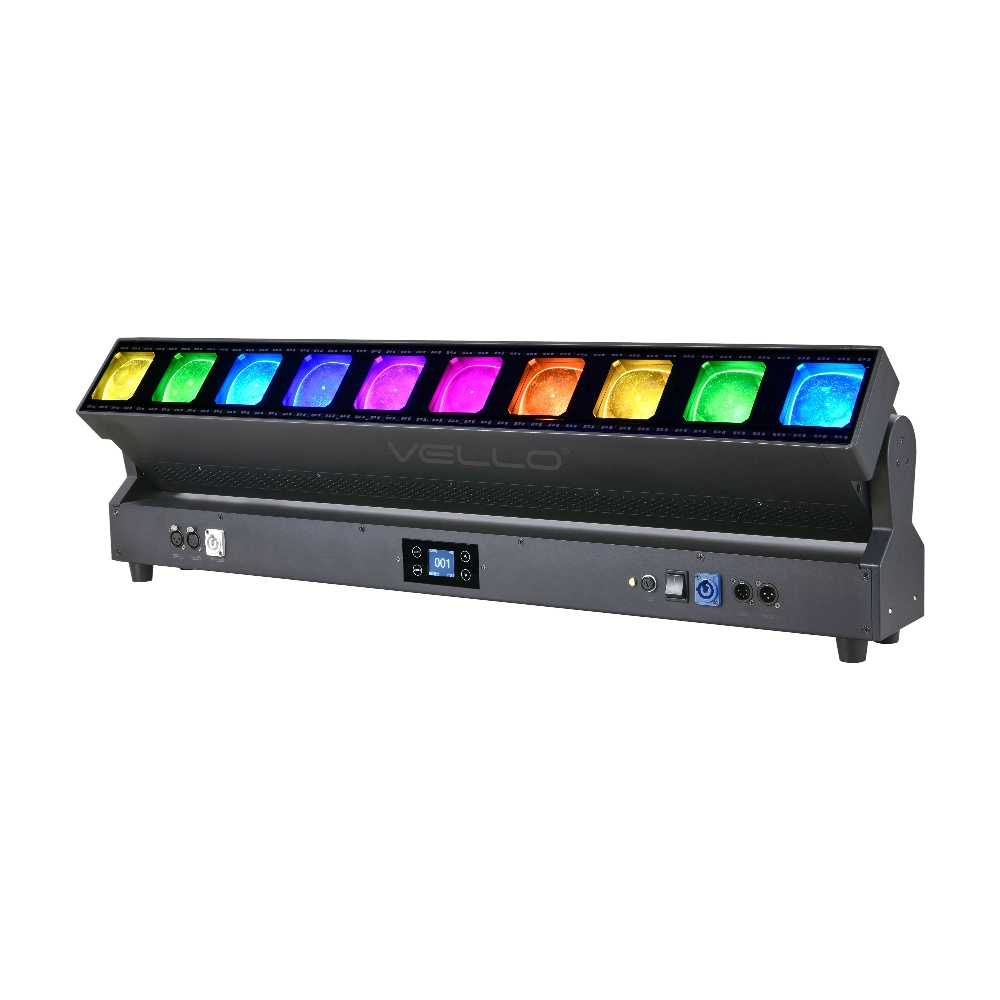
The LED Magic T-10F is a powerful 800W linear LED wash bar equipped with 10 × 80W 4-in-1 RGBW LEDs plus additional backlight effects. With a 20°–35° zoom, pixel control per LED, and versatile CTO/CW/WW backlight options, it creates dynamic visual effects. Supporting up to 170 DMX channels, it delivers precise control for advanced shows. Silent, flicker-free, and robust, the T-10F is perfect for concerts, TV productions, and large venues.
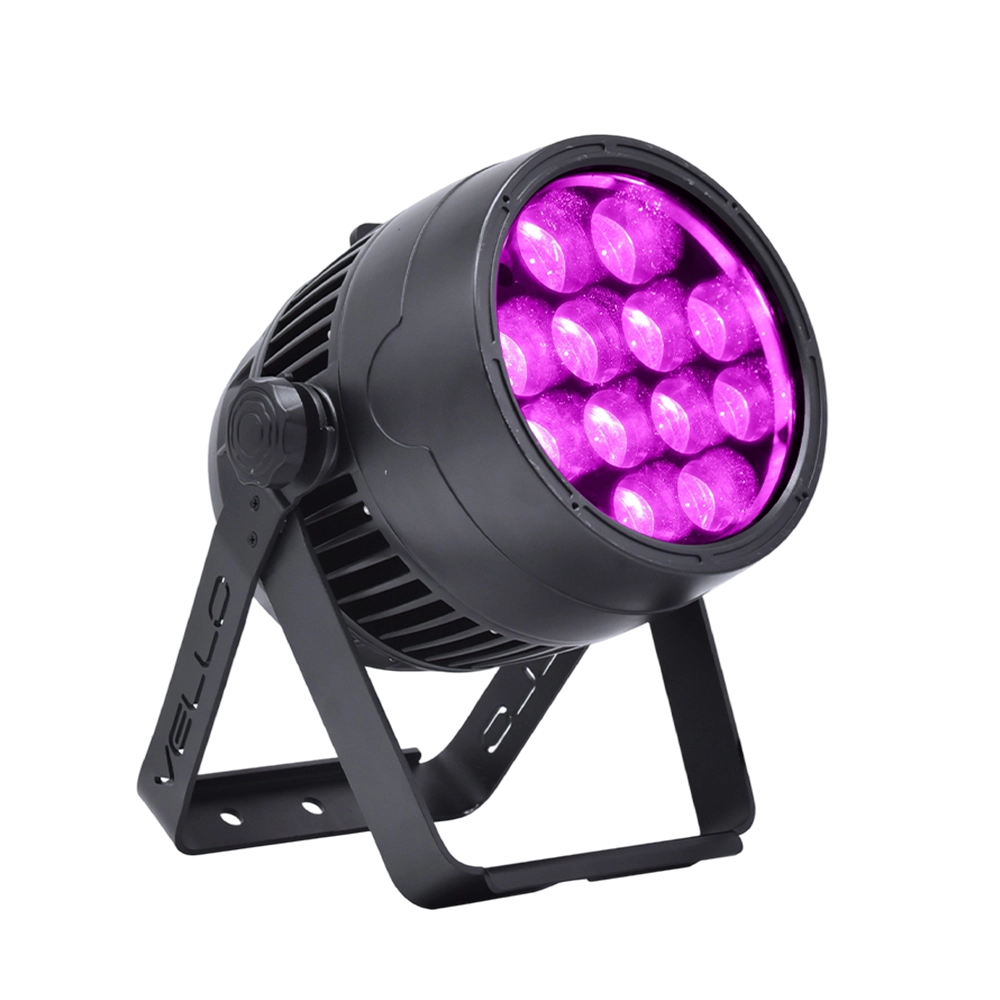
The Vello Zoom Par 40 IP is a powerful outdoor LED wash light equipped with 12x high-power 7-in-1 RGBACL LEDs. Designed for durability and rich color rendering, it features a wide motorized zoom (6°–50°), smooth dimming, and adjustable CTO presets (3200K–7500K), with 90+ CRI. With an IP66-rated die-cast aluminum body, it’s ideal for both indoor and outdoor applications, including stage lighting, architecture, live events, and installations.
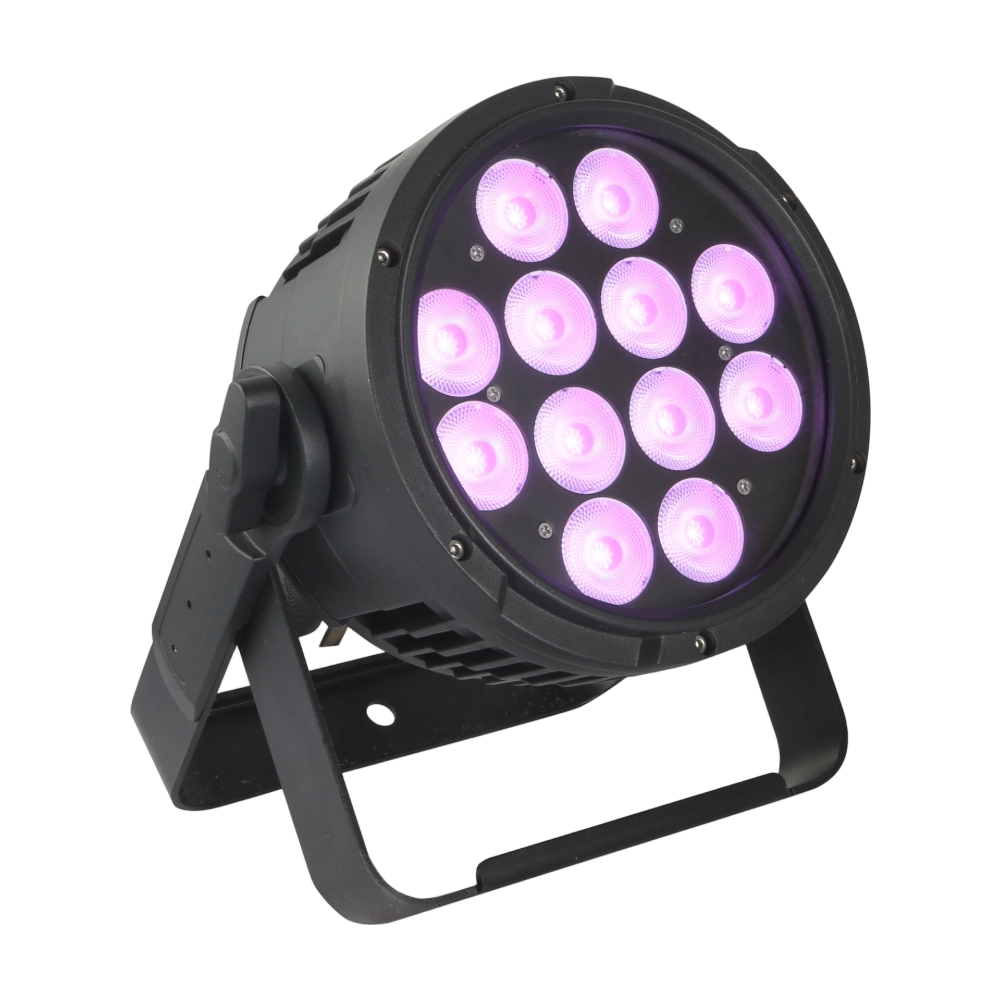
The LED Mac Par 12 is a durable 120W RGBW par light, featuring 12 × 10W 4-in-1 LEDs. With a 25°/40° lens option and smooth 0–100% dimming, it produces vibrant color mixing with silent, low-noise performance. Designed with IP65 protection, it is suitable for both indoor and outdoor use. Compact and powerful, this unit is ideal for architectural lighting, stages, and events.
Top Wash P8 is a 1200W high-power IP65 LED wash light, equipped with 32 × 40W RGBW 4-in-1 LEDs for vibrant color mixing and powerful output. With 8 pixel sections (4 LEDs per group), selectable lens angles of 6° / 25° / 45°, and optional extra filters, it offers flexibility for both narrow beams and wide washes. The fixture supports strong RGBW strobe effects, smooth 0–100% linear dimming, and precise pixel control. Featuring a 220° tilt range, silent flicker-free performance, and multiple DMX modes, Top Wash P8 is built for large-scale concerts, outdoor events, and architectural lighting where high brightness and reliability are essential.
◌ Let Us Support Your Project
Request a Custom Quote and Technical Support
Fill out the form below, and our sales team will contact you shortly with product details, pricing, and customer service options.
Rest assured that your privacy is important to us, and all information provided will be handled with the utmost confidentiality.
By clicking "Send your message," I agree to your processing my personal data.
To see how to withdraw your consent, how to control your personal data, and how we process it, please see our Privacy Policy and Terms of Use.
Over 20 Years of Innovation in Stage & Studio Lighting
© 2026 VELLO. All Rights Reserved. 粤ICP备20023734号
Join our socials
VELLO
Whatsapp: +8613902276704
Vello Lighting
VelloLights