





How to select the right LED stage lights for touring productions?
- 1. How do I calculate the lumens and lux I actually need for different venue sizes so I don't overbuy moving heads or underspec wash lights?
- 2. What DMX, network and control features must I insist on so fixtures remain flexible across different consoles and tours?
- 3. How do I guarantee flicker-free LED output for live broadcast and high-frame-rate cameras when renting or buying fixtures?
- 4. What mechanical and serviceability features should I demand to ensure fixtures survive repeated loading, rigging and transport on tour?
- 5. How should I design power distribution and manage inrush current to avoid tripped breakers when running 20–40 LED moving lights on a tour rig?
- 6. How do I choose beam angles, zoom ranges and lens types so one set of fixtures can cover intimate theatres and outdoor festival stages without buying two separate fleets?
Stage Lighting Design: How to Select the Right LED Stage Lights for Touring Productions?
Touring productions demand fixtures that combine optical performance, durable mechanical design, predictable power behavior and camera-safe operation. This guide answers six specific, frequently asked long-tail questions about selecting LED stage lights for touring and stage lighting design decisions that beginners and production managers often struggle to find up-to-date answers to.
1. How do I calculate the lumens and lux I actually need for different venue sizes so I don't overbuy moving heads or underspec wash lights?
Practical approach: convert desired on-stage lux targets into lumens per fixture using beam geometry and expected throw distances. Typical live-music and theatre targets vary by role:- Front wash / general visibility: 300–1000 lux on performers (theatre closer to 500–1000 lux; club/concert lower). - Accent/key: 1000–3000 lux on focal spots or solos. - Audience/ambient: 50–300 lux depending on design needs.Conversion method (simple, conservative):1) Pick target lux for the illuminated area (e.g., 800 lux on center stage). 2) Determine fixture-to-stage distance (throw) and beam angle. Beam diameter at distance ≈ 2 × distance × tan(beamAngle/2). 3) Calculate area (m²) ≈ π × (beamRadius)². 4) Required lumens ≈ lux × area. For non-uniform beams add 20–40% for loss from gobos, diffusers and headroom.Example: a 10 m throw with a 10° beam angle gives beam diameter ≈ 2 × 10 × tan(5°) ≈ 1.75 m → area ≈ 2.4 m². To get 800 lux: lumens ≈ 800 × 2.4 ≈ 1,920 lm. After losses, spec a fixture with ~2,500–3,000 lm in that beam mode. For wide washes, do same math with beam angle 40°–60°; wider beams require many more lumens to reach the same lux.Practical checks: use manufacturer lux charts (lux at distance for each zoom/beam angle) and measure with a lux meter during tech rehearsals. Overbuying: avoid assuming a single moving head will do both tight spot and wide wash unless it has a verified zoom range and published lux outputs across that range.Embedded design tip: when planning multiple venues, calculate for the smallest worst-case venue you must light; modular rigs (add-on wash arrays) let you scale up rather than overbuy for every tour stop.
2. What DMX, network and control features must I insist on so fixtures remain flexible across different consoles and tours?
Required control features for touring fixtures:- DMX512 (baseline): all fixtures must support DMX512-A. - Art-Net and sACN support (via fixture or via the lighting console/processing node) for Ethernet-based networks and large channel counts. - RDM (Remote Device Management): essential for remote addressing, status reports, and firmware updates on tour. Saves time during changeovers. - Multiple channel modes: ensure both a low-channel and full-feature mode (e.g., 16/24/40/70ch) so fixtures are usable with simple consoles and advanced consoles. - Frame/fixture sync options: Pixel-mapping, onboard effects, and pixel chaining (often needed for LED batten arrays or matrix effects). - Wireless DMX capability (LumenRadio CRMX recommended in modern touring) for fixtures used on truss where cabling is difficult; ensure firmware compatibility and fallback wired DMX.Checklist before purchase: confirm that fixtures ship with documentation showing DMX personality maps, RDM compatibility, Art-Net/sACN behavior, and any required gateways. Also verify available firmware update methods (USB, network) so you can keep fixtures up-to-date on tour.Embedded operational note: keep a standardized channel plan and test your fixtures' low-channel mode and blackout behaviors on the exact console you will use during the tour to avoid surprises during load-ins.
3. How do I guarantee flicker-free LED output for live broadcast and high-frame-rate cameras when renting or buying fixtures?
Problem: LED dimming often uses PWM (pulse-width modulation). Low PWM frequencies produce visible flicker on camera (rolling shutter) or stutter at certain frame rates. For touring where broadcast/feed or in-house streaming is possible, insist on camera-safe specs.What to require:- Manufacturer-stated flicker-free or camera mode with a minimum PWM frequency. For reliable camera performance, look for fixtures with PWM frequencies ≥ 4 kHz and preferably with an explicit frame sync or camera-sync mode. Many broadcast-grade LEDs use frequencies in the kHz range or higher; gadgets designed for high-speed capture may go above 8–10 kHz. - Be aware of driver type: constant-current drivers with high-frequency PWM or analog dimming methods tend to perform better for cameras. - Check for specific certifications or test results: manufacturers sometimes publish test footage at common frame rates (24/25/30/50/60/120 fps). Request footage or test with your camera before committing to a buy.Testing procedure before show:1) Run fixture through full dimming curve and record at the camera frame rates you will use. 2) Test strobe and fast chase effects too—those can reveal aliasing. 3) If a fixture shows flicker, explore camera-sync features or consider a different fixture.Embedded tip: If you plan for broadcast-heavy tours, prioritize fixtures marketed for broadcast/TLCI performance and include that requirement in RFPs or purchase specs.
4. What mechanical and serviceability features should I demand to ensure fixtures survive repeated loading, rigging and transport on tour?
Roadworthiness checklist (prioritize these features on touring purchases):- IP rating: fixtures used outdoors must be IP65 or higher; indoor-only fixtures should at least be IP20 but pay attention to cooling intakes that clog with dust. - Build: reinforced housings, captive screws, steel yokes and standard truss clamps (M10/M12 or industry-standard couplers). - Cooling strategy: active fan cooling with easily replaceable fans or passive designs (fewer moving parts) for dusty/dirty environments. Fans should be accessible without full teardown. - Serviceability & modularity: front-access LED modules, swappable drivers and quick-change lenses/gobos reduce swapping time. - MTBF / Lifetime: look for LED L70 ratings ≥ 50,000 hours and driver MTBF figures. These are reasonable expectations from reputable manufacturers. - Spare parts & firmware: verify spare-parts lists, availability of replacement modules, and the vendor’s lead times. On long tours you should be able to replace an LED module or driver within 24–72 hours ideally. - Road cases & mounts: insist on custom or at least well-fitting road cases with shock mounting, and confirm rigging points match your case and truss workflows.Procurement practice: include a service-level agreement (SLA) or at least a spare-parts commitment in purchase contracts. For rental houses, demand that fixtures show maintenance history and have recent firmware applied to reduce failures on tour.
5. How should I design power distribution and manage inrush current to avoid tripped breakers when running 20–40 LED moving lights on a tour rig?
Though LEDs draw less steady-state power than old discharge or arc fixtures, inrush current from capacitors and driver electronics can still trip breakers during simultaneous power-up. Strategies to avoid trips:- Check steady-state wattage per fixture (modern moving LED heads commonly draw ~300–1,200 W depending on model and features). Total load planning should use steady-state plus headroom (e.g., 20%).- Phase balancing: distribute fixtures across three phases when using 3-phase distro. Balance loads per phase to avoid single-phase overload. - Sequential power-up: use remote-controlled PDUs or stage power sequencers that ramp in groups (e.g., 25–33% of rig per phase at a time). This dramatically reduces inrush bursts. - Inrush limiting & soft-start: prefer fixtures or external devices with inrush-limiting electronics or soft-start capability. Some power distribution units offer inrush control per outlet. - Connector standardization: use solid powerCON TRUE1 or IEC connectors rated for touring. Avoid unprotected adapters. - Monitor inrush and harmonic distortion: high-power LED drivers can distort power quality; consider power conditioners or harmonic filters if venue power is marginal.Practical calculation example: 30 fixtures × 800 W steady-state = 24,000 W (~100 A at 230 V single-phase). On 3-phase you can split across phases (e.g., ~33 A per phase). But at power-up instantaneous peaks might briefly be several times steady-state. Use sequenced powering and inrush-limiting to handle this safely.Embedded operational note: always produce a one-line power diagram and share it with venue electricians during advance so you can map phases and sub-distros correctly before load-in.
6. How do I choose beam angles, zoom ranges and lens types so one set of fixtures can cover intimate theatres and outdoor festival stages without buying two separate fleets?
Look for fixtures with verified zoom ranges and consistent optical performance across that range. Key considerations:- Zoom range: fixtures with a 4:1 or higher zoom ratio (e.g., 6°–42°) can often serve both spot/beam and wide wash duties. Check manufacturer lux charts across the zoom to make sure output remains usable at the wide end. - Hybrid heads (spot/profile/beam/wash modes): these let you switch gobo, beam, and wash optics and are highly valuable for multi-venue touring. Confirm mechanical reliability of mode switching.- Beam quality: for tight aerial beams (festivals), you want narrow beam angles (1°–6°) and controlled beam edges; for theatres you typically prefer smooth circular field angles with good edge control and homogenized mixing (no color fringing). - Lens quality and lens changeability: interchangeable lenses or modular lens tubes allow you to adapt the same fixture to different rigs. - Pixel-mapping and multizone LEDs: battens and pixel fixtures with tunable beam shaping expand creative utility without additional fixtures.Rule of thumb: combine several mid-zoom hybrid movers (spot/wash with gobos) with a handful of high-output dedicated washes for front and cyc light. This hybrid approach reduces the need for separate narrow-beam super-heads for every venue while preserving visual options.Embedded test: prior to procurement, request the fixture's beam profile files or manufacturer-supplied beam diagrams and perform a practical test in a space approximating both a 400-seat theatre and a 5,000-person festival stage to verify performance.
Concluding summary: Modern LED stage lights offer major advantages for touring productions: lower steady-state power consumption, reduced heat and HVAC load, longer LED life (L70 ratings commonly ≥ 50,000 hours), flexible color temperature and color-mixing engines, pixel-mapping capability and often smaller package sizes for rigging. When paired with careful stage lighting design—correct lux calculations, verified camera-safe flicker specs, networked control (DMX512, Art-Net/sACN, RDM), robust mechanical construction, and disciplined power distribution—LED fixtures substantially reduce touring risk and operational cost while improving creative flexibility.
For a tailored fixture recommendation and a formal quote for touring rigs, contact us at www.vellolight.com or email info@vellolight.com — we'll size fixtures, power, and control to your exact route and production needs.
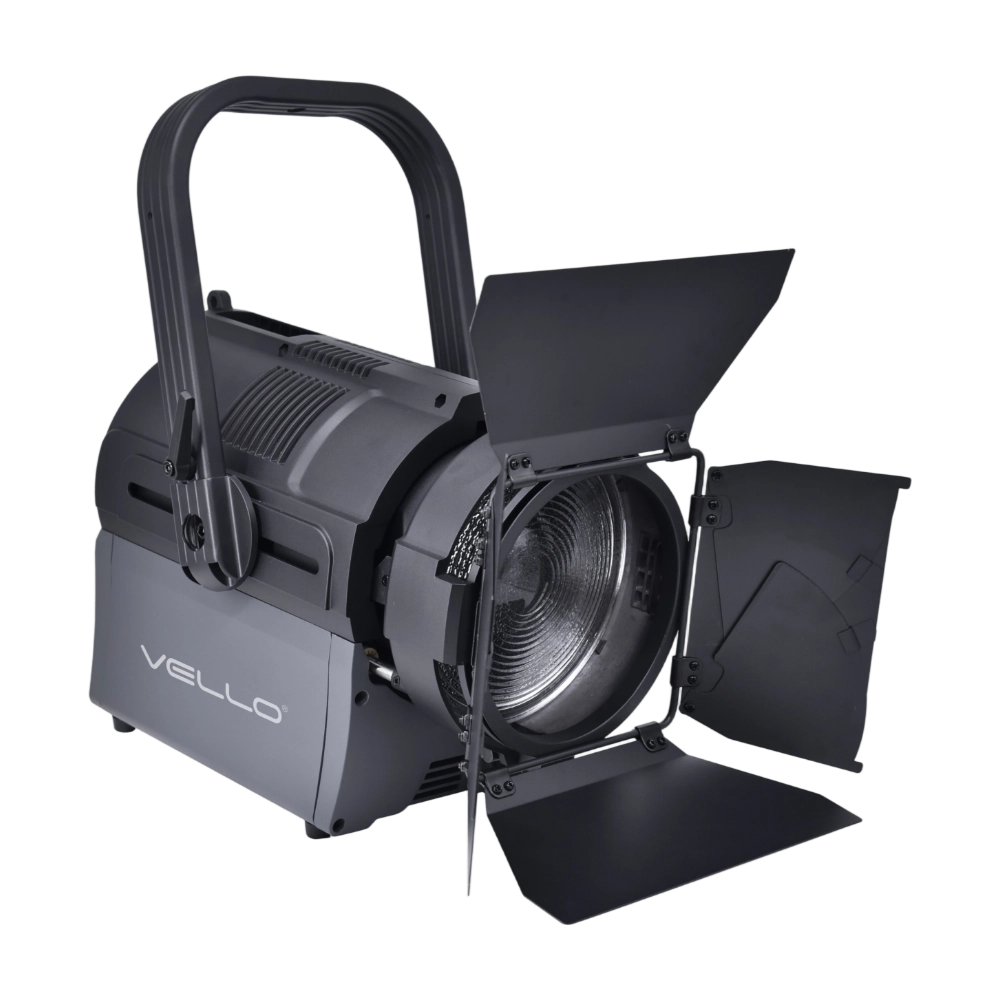
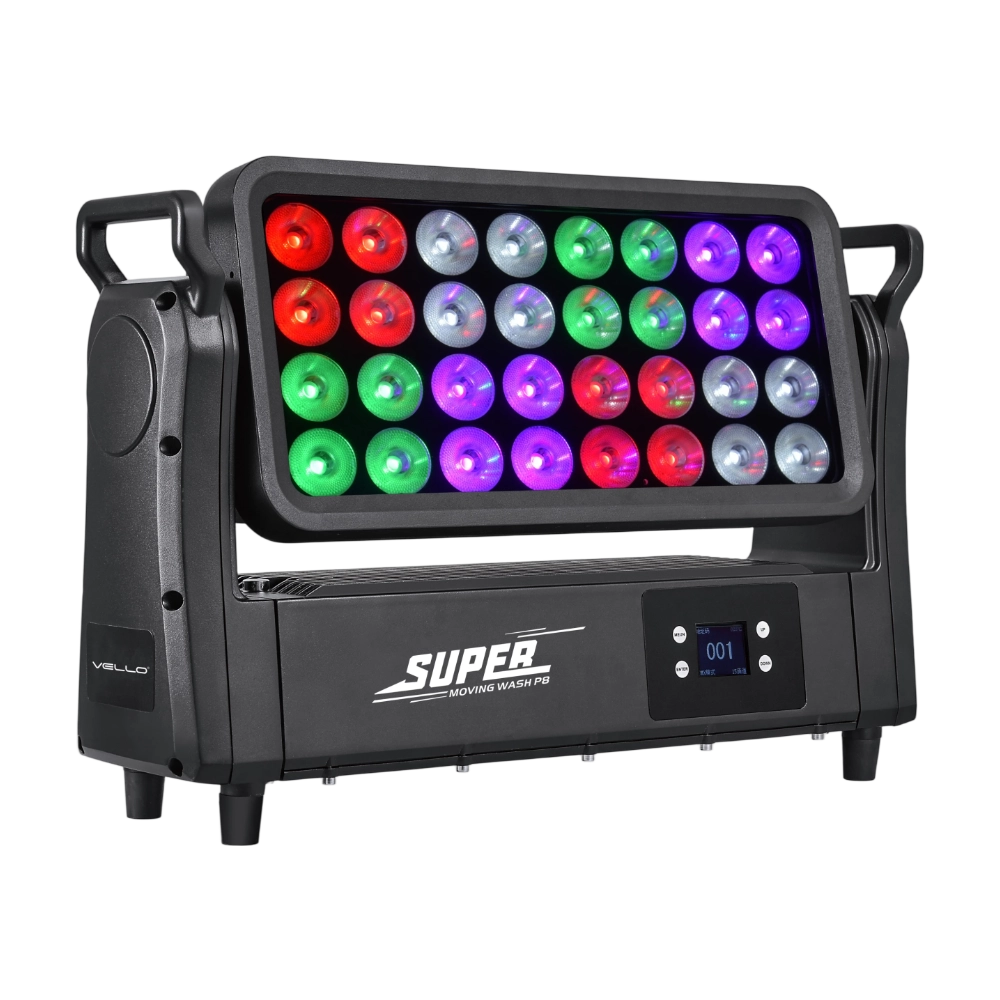
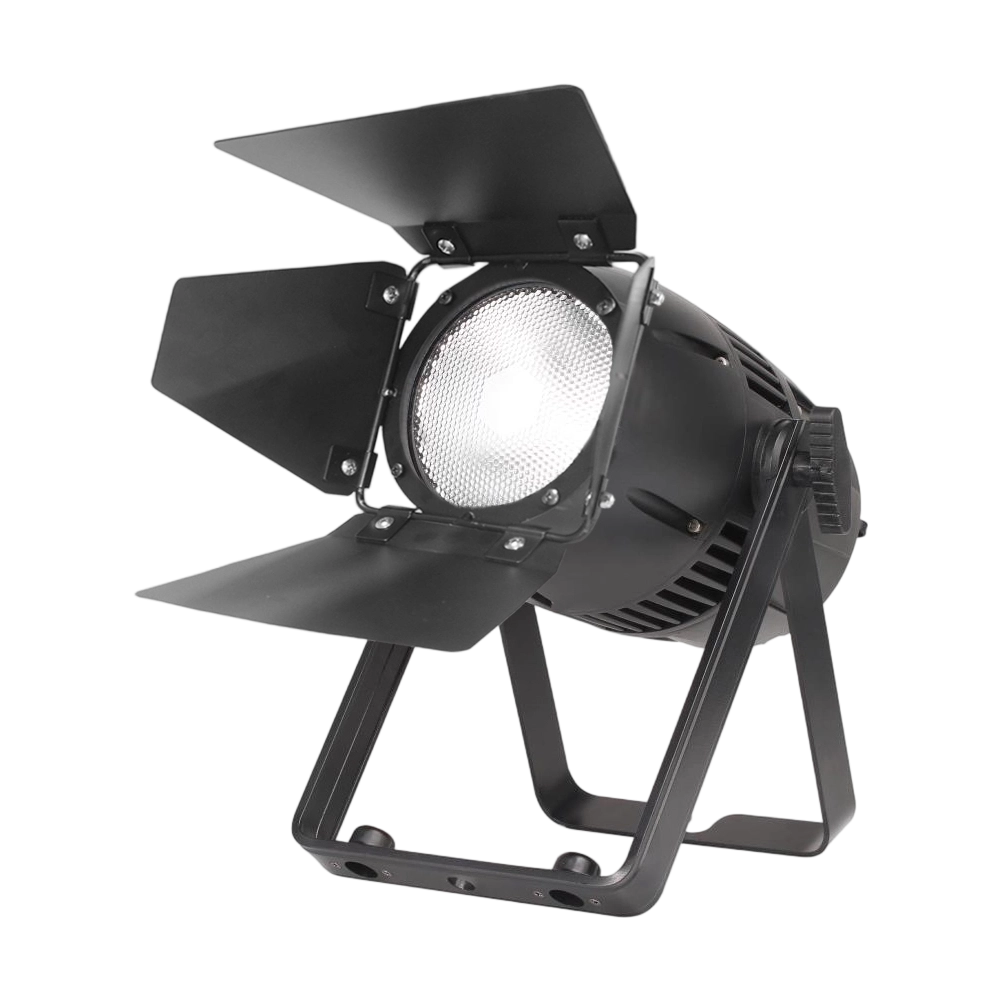
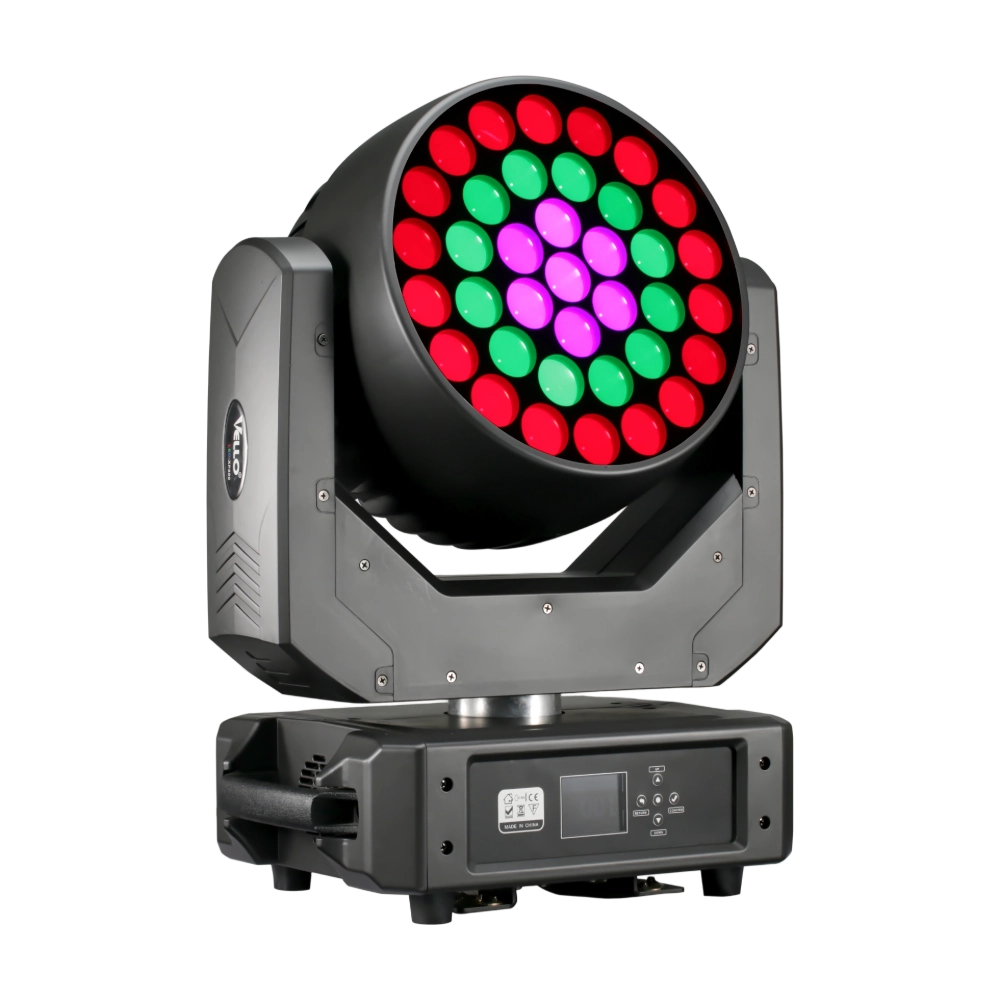
Major categories
What is the warranty period for your products?
Most products come with a standard 1–2 year warranty. Please refer to product details or contract terms for specifics.
Do you offer samples?
Samples are available for certain models. Please confirm with our sales team for details.
Do you ship internationally?
Yes. We offer sea, air, and express delivery to many countries and regions worldwide.
What is the usual lead time?
Standard models are typically shipped within 7–15 working days after payment. Customized items may vary.
Do your products support customization?
Yes. We offer OEM and ODM services tailored to project needs, including design, optics, and control compatibility.
You may also like
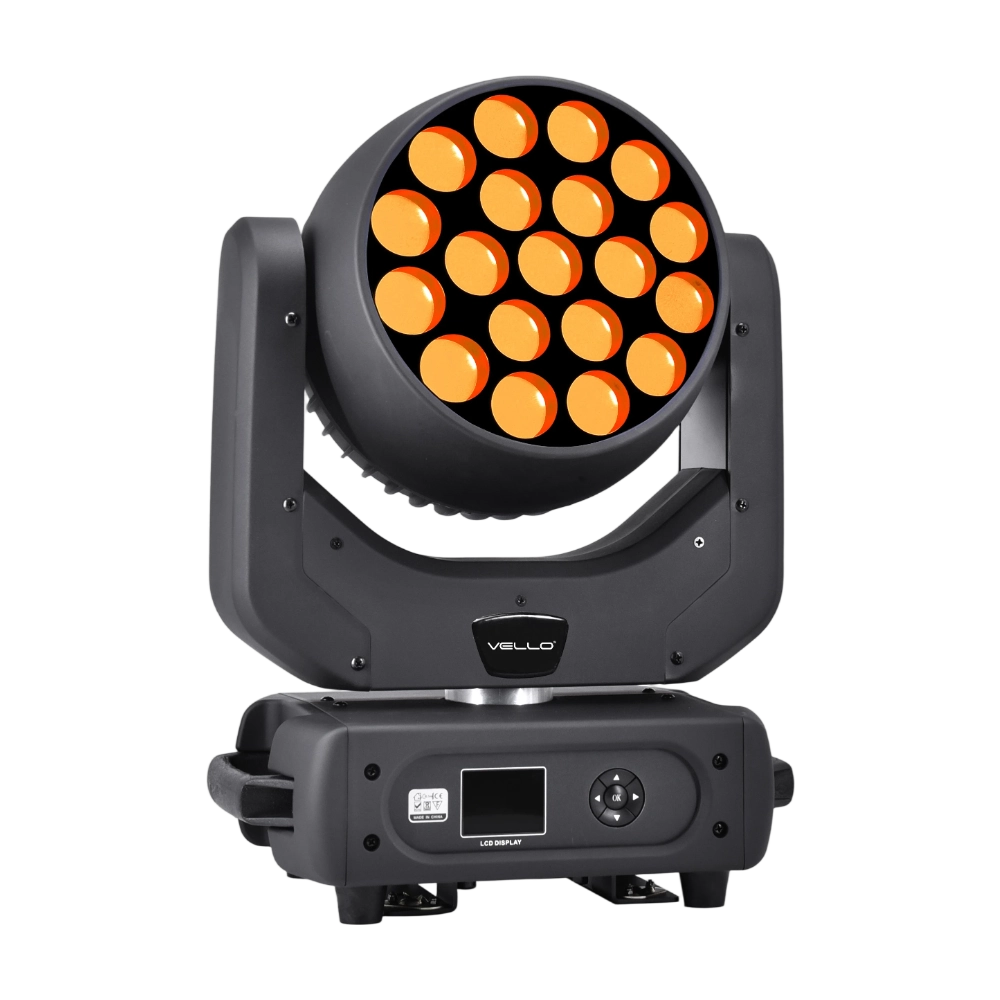
The LED Octopus S-12 is an advanced 800W moving bar fixture with 12 × 60W Osram RGBW LEDs, each controllable by pixel. Offering a 3.5°–36° zoom, 220° tilt movement, and precise dimming, it creates stunning dynamic effects. With multiple DMX modes (up to 179 channels) and auto-correction with a magnetic encoder, it ensures smooth operation. Designed for professional touring and installations, the S-12 delivers unmatched brightness, flexibility, and creative control.
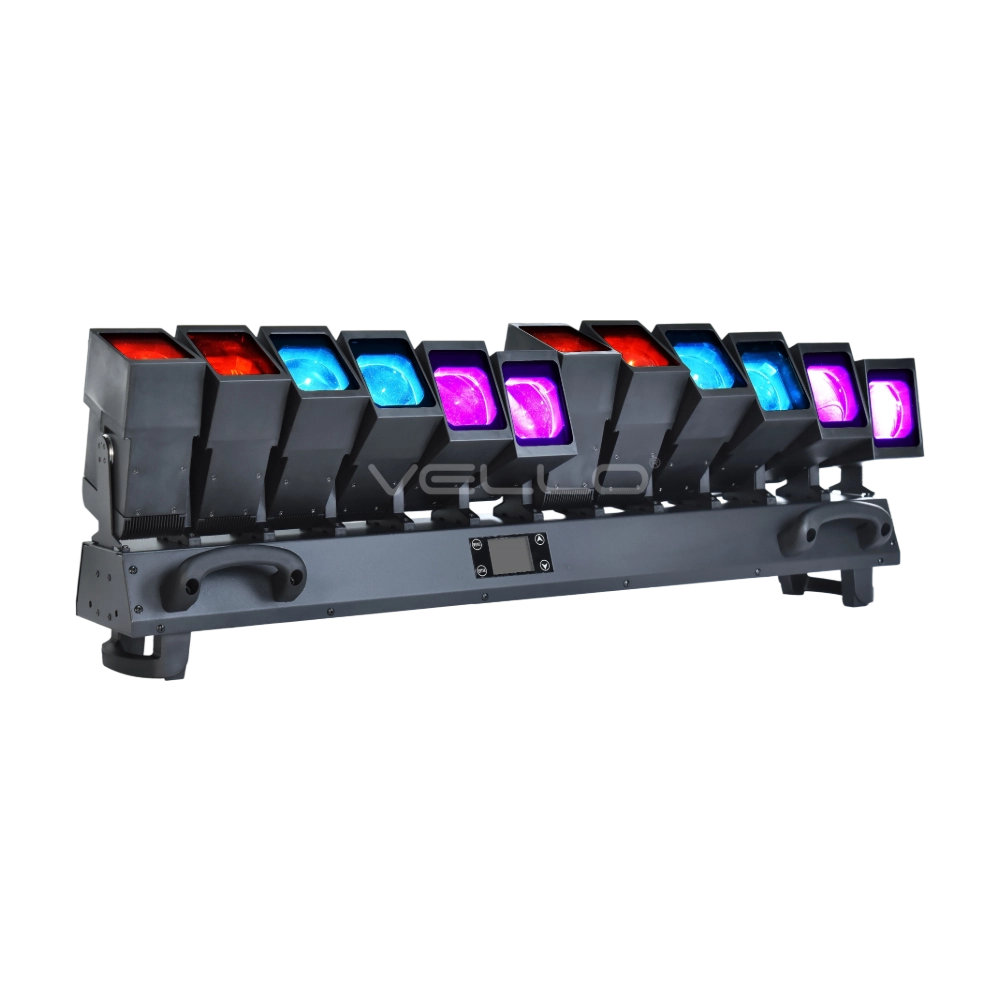
The LED Magic T-10F is a powerful 800W linear LED wash bar equipped with 10 × 80W 4-in-1 RGBW LEDs plus additional backlight effects. With a 20°–35° zoom, pixel control per LED, and versatile CTO/CW/WW backlight options, it creates dynamic visual effects. Supporting up to 170 DMX channels, it delivers precise control for advanced shows. Silent, flicker-free, and robust, the T-10F is perfect for concerts, TV productions, and large venues.
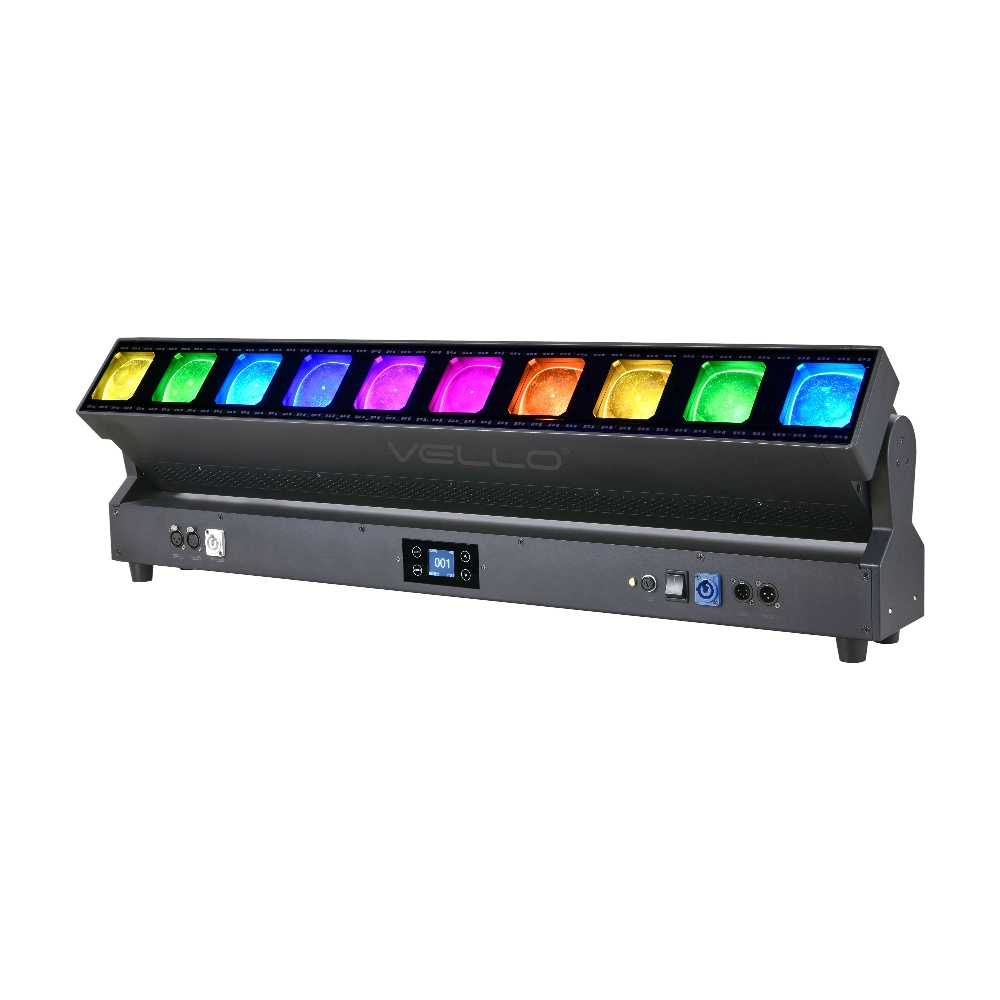
The LED Mac Par 12 is a durable 120W RGBW par light, featuring 12 × 10W 4-in-1 LEDs. With a 25°/40° lens option and smooth 0–100% dimming, it produces vibrant color mixing with silent, low-noise performance. Designed with IP65 protection, it is suitable for both indoor and outdoor use. Compact and powerful, this unit is ideal for architectural lighting, stages, and events.
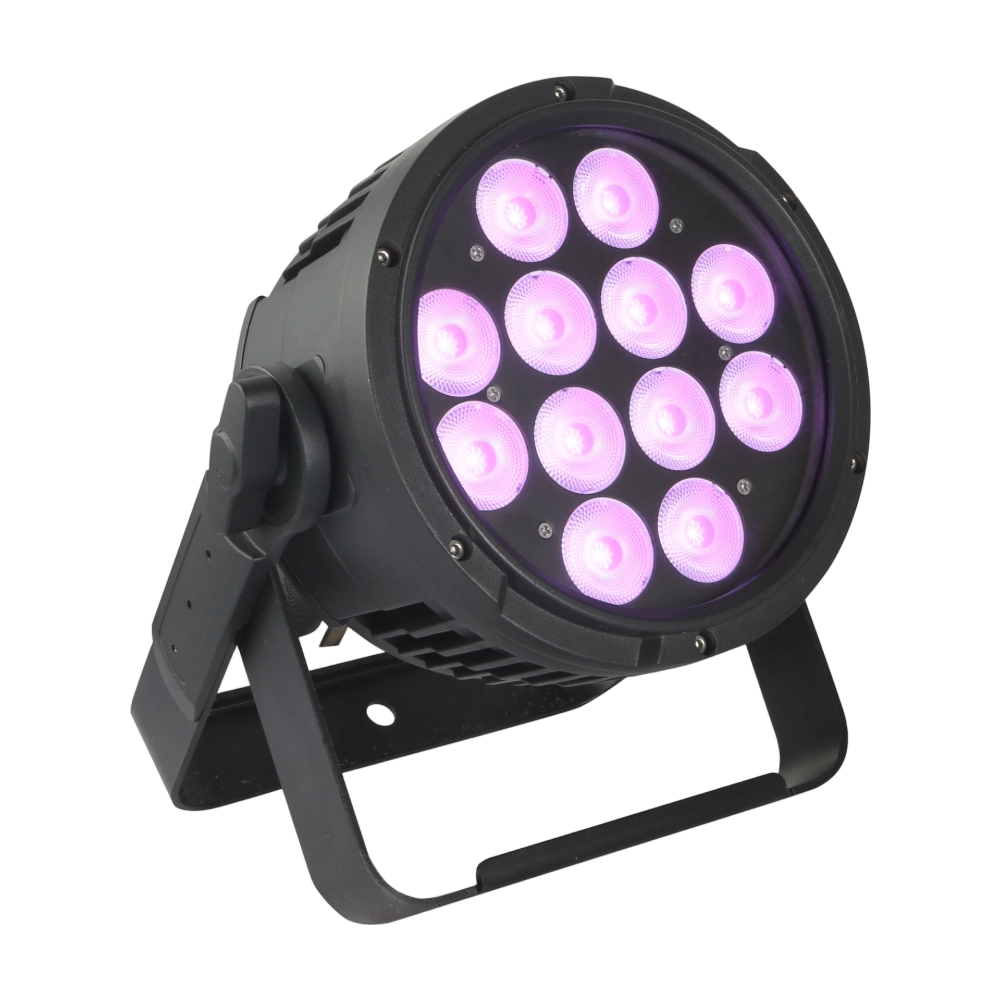
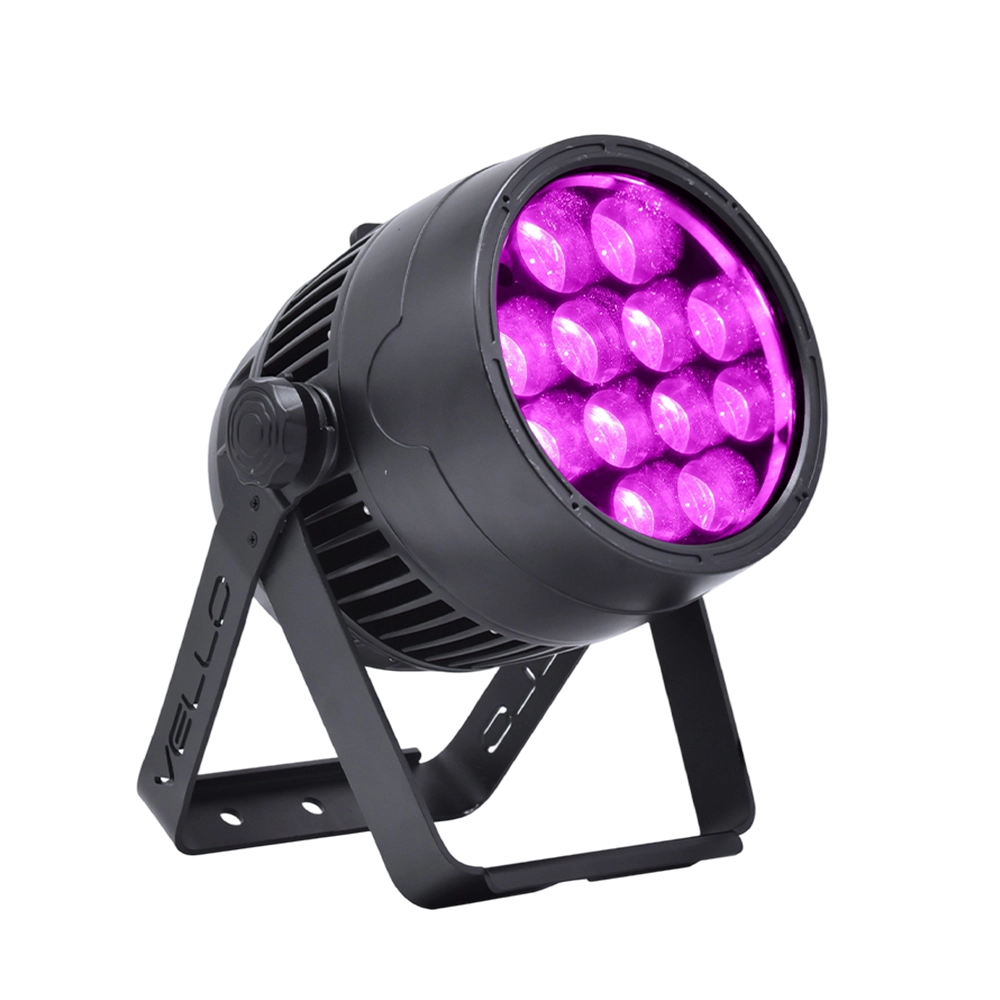
The Vello Zoom Par 40 IP is a powerful outdoor LED wash light equipped with 12x high-power 7-in-1 RGBACL LEDs. Designed for durability and rich color rendering, it features a wide motorized zoom (6°–50°), smooth dimming, and adjustable CTO presets (3200K–7500K), with 90+ CRI. With an IP66-rated die-cast aluminum body, it’s ideal for both indoor and outdoor applications, including stage lighting, architecture, live events, and installations.
◌ Let Us Support Your Project
Request a Custom Quote and Technical Support
Fill out the form below, and our sales team will contact you shortly with product details, pricing, and customer service options.
Rest assured that your privacy is important to us, and all information provided will be handled with the utmost confidentiality.
By clicking "Send your message," I agree to your processing my personal data.
To see how to withdraw your consent, how to control your personal data, and how we process it, please see our Privacy Policy and Terms of Use.
Over 20 Years of Innovation in Stage & Studio Lighting
© 2026 VELLO. All Rights Reserved. 粤ICP备20023734号
Join our socials
VELLO
Whatsapp: +8613902276704
Vello Lighting
VelloLights