





How to retrofit traditional rigs with modern LED stage lighting?
- 1. How do I calculate truss load and weight distribution when replacing 1kW tungsten fixtures with multiple LED fixtures?
- 2. What DMX addressing and network changes are required to retrofit moving lights and LED pixels into an old DMX512 patch?
- 3. How can I ensure flicker-free LED fixtures for live video and broadcast when retrofitting stage rigs?
- 4. Which power distribution and dimming strategies prevent nuisance tripping and inrush issues after retrofitting LEDs?
- 5. What thermal management and ventilation modifications are necessary when converting enclosed PAR cans to LED retrofit modules?
- 6. How to perform a quick ROI and maintenance-cost comparison for replacing a theatre’s traditional rig with LED stage lighting?
- Conclusion: Advantages of retrofitting traditional rigs with modern LED stage lighting
Stage Lighting Design: Retrofitting Traditional Rigs with Modern LED Stage Lighting
As experienced LED stage lighting professionals and content specialists, we answer six high-value, often-missed questions beginners face when replacing conventional fixtures with LED technology. The guidance below integrates practical checks for truss safety, DMX addressing, flicker-free broadcast, power distribution, thermal management for retrofit PAR cans, and a sample ROI calculation. Semantic concepts such as lumen output, CRI, beam angle, DMX512, Art‑Net/sACN, power factor, inrush current, LED drivers, and IP ratings are used naturally throughout.
1. How do I calculate truss load and weight distribution when replacing 1kW tungsten fixtures with multiple LED fixtures?
Pain point: Many venues assume LEDs are always ‘light enough’ and overlook distributed load, center-of-gravity shifts, and wind/side-loads for outdoor rigs.
Steps and checks:
- Inventory old vs new weights. Example: a 1kW Fresnel incandescent plus yoke and clamp often weighs 8–12 kg. A modern LED Fresnel equivalent may weigh 3–6 kg. Replace each fixture entry with the manufacturer’s declared weight (including clamps and safety chains).
- Calculate total point load per truss node. A truss span is rated for a uniform load and a maximum point load per manufacturer datasheet. Sum the weights hung from each node and compare to the truss rating with the recommended safety factor (typically 5:1 for personnel-rated entertainment rigging — check local code and the truss data sheet).
- Check center of gravity changes. LED housings are often more compact; moving weight higher or lower in the yoke can change torque. Measure the horizontal offset from the rigging point. If the offset increases, compute torque (weight × horizontal distance) and verify the supporting structure accounts for that moment.
- Account for accessories: LED fixtures often add data nodes, powerCON connectors, or external power supplies (PSU/LED drivers). Add their weight and attachment positions to the load plan.
- Wind and dynamic loads: For outdoor trusses, smaller, lighter fixtures can present larger sail areas relative to mass. Use the venue’s wind-loading table and local standards (e.g., Eurocodes or ASCE charts) to confirm safety margins.
- Audit channels: List each legacy fixture’s DMX channels and each new LED fixture’s channel modes. Many LEDs have multiple modes: single-channel intensity, 8/16-channel color/motion, or pixel-mapped modes (eg. 3–512 channels). Create a spreadsheet to map old to new.
- Decide on control protocol: For small installs, direct DMX512 runs may still suffice. For larger arrays or pixel mapping, move to Art‑Net or sACN over Ethernet. This allows thousands of universes and easier addressing (ETC, MA, and ChamSys consoles support both).
- Upgrade nodes: Install reliable DMX-to-Ethernet gateways (Art‑Net/sACN nodes) near fixture clusters. Use proper termination and grounding. Ensure nodes are compatible with the fixtures’ recommended input (some prefer opto-isolated DMX infeeds to reduce ground loops).
- Addressing workflow: For moving lights, reserve contiguous address blocks per fixture and document their personality (pan/tilt, colour wheels, gobo banks). For pixel strips, define universes by number of pixels per universe (512 channels / 3 channels per RGB pixel = ~170 pixels per DMX universe). For RGBW/RGBAW, recalculate channels accordingly.
- Latency and timing: For tight timecode or pixel effects, use sACN or Art‑Net with managed switches and gigabit backbone. Avoid using unmanaged switches that don't support IGMP for multicast Art‑Net traffic in dense setups.
- Driver type: Choose fixtures with constant-current LED drivers designed for broadcast. Avoid cheap drivers with visible PWM at low frequencies. Look for manufacturers stating “flicker-free for broadcast” and providing PWM frequency specs (ideally >10 kHz for most camera systems).
- Strobing and dim curves: Confirm dimming curves (linear, logarithmic, or theatre curves). For cameras, smoother curves and high PWM frequencies reduce banding. If the fixture supports 16-bit dimming via DMX, prefer that for smooth fades.
- Power stability: Voltage fluctuations or improper dimmer compatibility can introduce flicker. Use LED-compatible dimmers (or non-dim switching with LED driver control), and separate power runs from dimmer circuits to avoid noise coupling.
- Testing with camera: Always test with the exact cameras (frame rate and shutter speed) used in broadcast. Some cameras at 50/60/120 fps reveal different issues. Record test footage across common shutter angles (e.g., 180° shutter) and at different intensities.
- Check spectral power distribution (SPD): For color-critical broadcast, confirm the fixture’s CRI/TLCI. TLCI (Television Lighting Consistency Index) 90+ is preferred, indicating accurate color reproduction on camera.
- Measure total and inrush current: LEDs draw less steady-state current but may present high inrush at PSU start-up. Use manufacturer inrush specs (peak and duration) to size breakers and consider staggered soft-start circuits for large banks.
- Power factor and harmonics: Professional fixtures typically include active PFC with PF >0.9. For older or cheap fixtures with low PF, install PF correction or limit the number of such fixtures per circuit. Check harmonic distortion requirements for venue mains or generator contracts.
- Dimmers vs non-dim: Traditional leading-edge/triac dimmers are incompatible with many LED drivers. Where possible, convert to non-dim circuits (use contactors/relays or rack-mounted power distribution units) and use DMX/Art‑Net for dimming via the fixture’s driver. If dimmers are required, use LED-compatible electronic dimmers and set the correct dimmer curve.
- Overcurrent protection: Size breakers for steady-state plus expected inrush. For example, if steady LED load is 20A but inrush peaks to 80A for 50 ms, check upstream breaker/mcb trip curves (B,C,D type) and select suitable inrush-tolerant protective devices or soft-start modules.
- Cables and connectors: Use cabling rated for continuous current plus margin; avoid undersized runs that cause voltage drop and nuisance tripping. Use robust powerCON or Socapex connectors where required.
- Understand heat direction: LEDs convert much of their input to light, but the remaining power becomes heat that must be moved away from the LED junction via a low-thermal-resistance path (heatsink → air). Enclosed cans restrict airflow; measure or estimate fixture case temperature rise under continuous full-intensity operation.
- Calculate thermal load: Convert fixture wattage to BTU/hr (1 W ≈ 3.412 BTU/hr). A 200 W LED produces ~682 BTU/hr — ensure enclosure and surrounding fixtures can dissipate that heat without exceeding the fixture’s max ambient temperature (Ta) rating.
- Modify enclosures: Add ventilation holes with insect/EMI mesh, install small, quiet forced-air fans where allowed, or replace sealed bezels with ventilated lenses. Ensure openings do not compromise IP rating if used outdoors — for outdoor use, choose LED modules rated for high IP and don’t retrofit sealed fixtures unless the retrofit kit maintains IP rating.
- Monitor junction/board temps: Use thermal probes during commissioning. Manufacturer lifetime claims (e.g., L70 @ 50,000 hours) are valid only if junction temperatures stay within specified limits. If retrofitted into hot vaults, expect reduced life.
- Optical considerations: Beam angle and lensing can change with retrofits. Ensure the LED’s beam angle and lumen output match the intended throw; add diffusers or change lenses rather than overdriving LEDs to compensate.
- Collect data: List existing fixtures with wattage, number, average daily runtime (hours per event and events per year), replacement lamp & labor costs, and annual fixture maintenance. List proposed LED fixture costs (purchase), expected lifetime (L70 hours), and energy consumption.
- Energy savings: Calculate annual kWh saved. Example: Replacing 10 × 1000W fixtures (10 kW) with 10 × 250W LED fixtures (2.5 kW) saves 7.5 kW. If average run time is 200 hours/year: annual energy saved = 7.5 kW × 200 h = 1,500 kWh. At $0.15/kWh, that's $225/year saved for this small set. Scale to full rig for realistic ROI.
- Lamp & maintenance savings: Incandescent/ discharge lamps require frequent lamp replacement and gobo/gel changes. If the incandescent lamps cost $50 each and need replacing twice per year across 10 fixtures: $1,000/year in lamps + labor. LED fixtures typically have far lower maintenance needs (drivers may last longer; expect fewer replacements over 5–10 years).
- CapEx and lifecycle: Example numbers — LED fixture $1,200 each × 10 = $12,000. Old fixtures salvage value minimal. Annual savings: energy $225 + lamp/labor $1,000 = $1,225/year. Simple payback = $12,000 / $1,225 ≈ 9.8 years. But adjust for additional benefits: reduced HVAC, lower dimmer/maintenance costs, improved show quality, and potential rebates from utilities or incentives that can shorten payback significantly.
- Include soft benefits: Better CRI/TLCI improves broadcast revenue potential; reduced changeover time saves staff hours; warranty terms (3–5 years) shift risk to vendor.
Example calculation:
- Original rig: 8 x 1kW fixtures @ 10 kg = 80 kg plus clamps (8 kg) = 88 kg total.
- New rig: 16 x LED fixtures @ 4 kg = 64 kg plus clamps (12 kg due to extra nodal hardware) = 76 kg total.
Even though total mass dropped, the number of hang points doubled — update distributed load and check point-load limits.
Reference: always consult truss manufacturer load tables and local rigging codes (PLASA/OSHA/EN standards). If in doubt, have a certified rigger sign off.
2. What DMX addressing and network changes are required to retrofit moving lights and LED pixels into an old DMX512 patch?
Pain point: Existing DMX snakes and consoles use legacy wiring and fixed 512-channel patches; LED moving lights and pixel-mapped fixtures often require more channels and networked protocols.
Key steps:
Practical tip: Label both ends of every cable and maintain a color-coded patch sheet. Run a test patch of the most channel-dense setup (e.g., full pixel map at full intensity) to confirm bandwidth and node behavior before the show.
3. How can I ensure flicker-free LED fixtures for live video and broadcast when retrofitting stage rigs?
Pain point: LED fixtures can flicker on camera even if they look stable to the eye. Broadcasters and livestreams demand consistent PWM/frequency and color stability.
Technical checklist:
Reference values: Modern professional LED fixtures typically advertise PWM rates >3–20 kHz and TLCI/CRI ratings of 90+. For broadcast-grade kits, request manufacturer test data and on-camera test clips.
4. Which power distribution and dimming strategies prevent nuisance tripping and inrush issues after retrofitting LEDs?
Pain point: Replacing many resistive fixtures with digital LED fixtures changes inrush characteristics and power factor, causing breakers or RCDs to trip or nuisance faults from upstream dimmers.
Approach:
Practical mitigation: Stagger power-on sequences (use delayed power relays or PDU sequencing), and retain a small UPS for control nodes to prevent resets that could create DMX hiccups.
5. What thermal management and ventilation modifications are necessary when converting enclosed PAR cans to LED retrofit modules?
Pain point: Dropping an LED module into a sealed PAR can without addressing heat and airflow shortens LED life and raises color-shift risks due to elevated junction temperatures.
Guidance:
Note: For theatrical fixtures where heat is used for haze machines or dimmer racks, consider overall HVAC implications — LEDs reduce HVAC load but concentrated heat in enclosures can create hotspots.
6. How to perform a quick ROI and maintenance-cost comparison for replacing a theatre’s traditional rig with LED stage lighting?
Pain point: Decision-makers need clear payback numbers that include energy, lamp/maintenance, and capital costs, not just sticker price.
Method and example:
Actionable tip: Request a total cost of ownership (TCO) worksheet from suppliers that includes rebates, maintenance schedules, fixture life, and expected salvage/resale values. Use conservative estimates for hours and utility rates.
Conclusion: Advantages of retrofitting traditional rigs with modern LED stage lighting
Retrofitting to LED stage lighting delivers energy and maintenance savings, improved color control (high CRI/TLCI), greater control flexibility (DMX/Art‑Net/sACN, pixel mapping), and reduced HVAC load — when done with a systems approach. Key benefits include dramatically lower steady-state wattage, longer lamp life, better spectral power distribution for cameras, and modern control protocols enabling pixel-level effects. However, successful retrofits require careful planning for truss load distribution, updated DMX/network architecture, flicker testing for broadcast, power-inrush management, and thermal adaptations for enclosed fixtures. Engaging certified riggers, experienced lighting designers, and working with reliable manufacturers reduces risk and shortens commissioning time.
If you'd like a site-specific retrofit plan, energy-savings calculation, and a quotation for fixtures and control upgrades, contact us for a detailed quote: www.vellolight.com or email info@vellolight.com.
Sources & further reading: U.S. DOE Solid-State Lighting guidance on LEDs, PLASA rigging recommendations, and manufacturer technical datasheets for DMX/Art‑Net best practices. Always consult fixture and truss manufacturer datasheets and local codes when implementing changes.
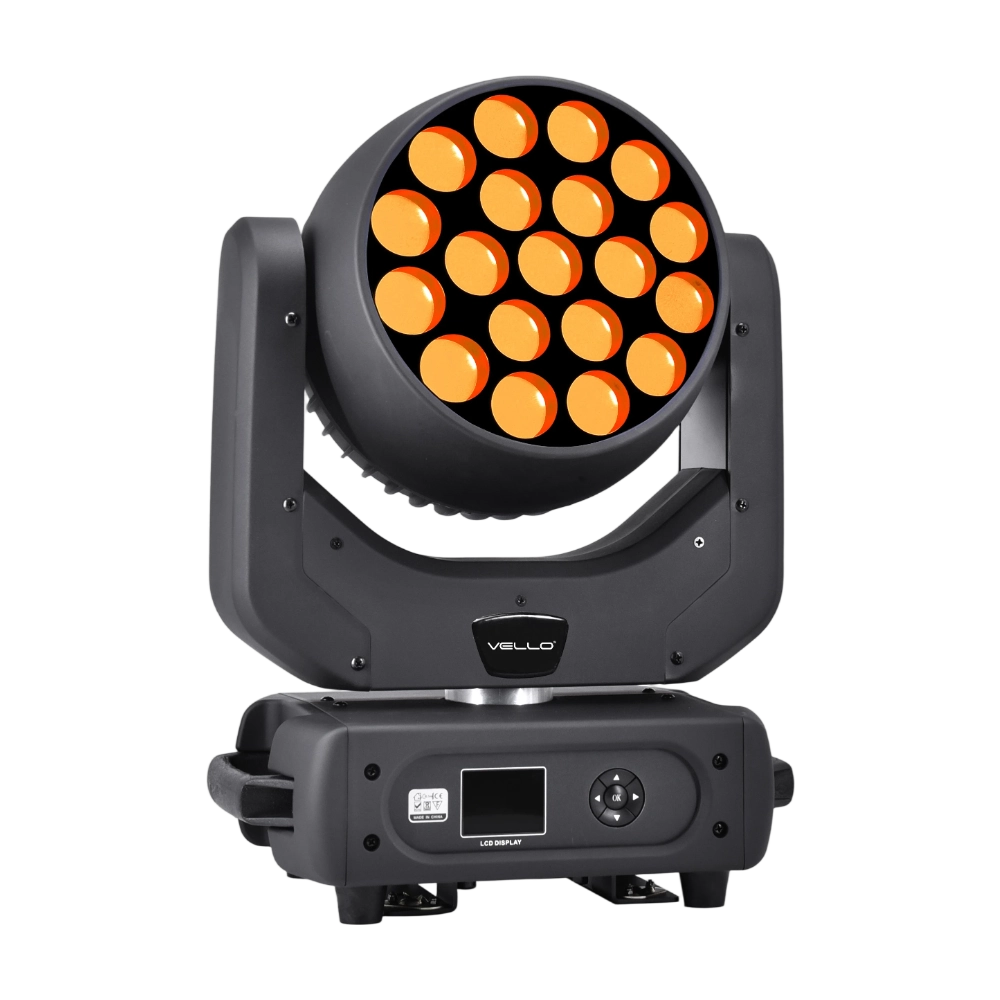
Major categories
Do your products support customization?
Yes. We offer OEM and ODM services tailored to project needs, including design, optics, and control compatibility.
What is the warranty period for your products?
Most products come with a standard 1–2 year warranty. Please refer to product details or contract terms for specifics.
Do you ship internationally?
Yes. We offer sea, air, and express delivery to many countries and regions worldwide.
Do you offer samples?
Samples are available for certain models. Please confirm with our sales team for details.
What is the usual lead time?
Standard models are typically shipped within 7–15 working days after payment. Customized items may vary.
You may also like
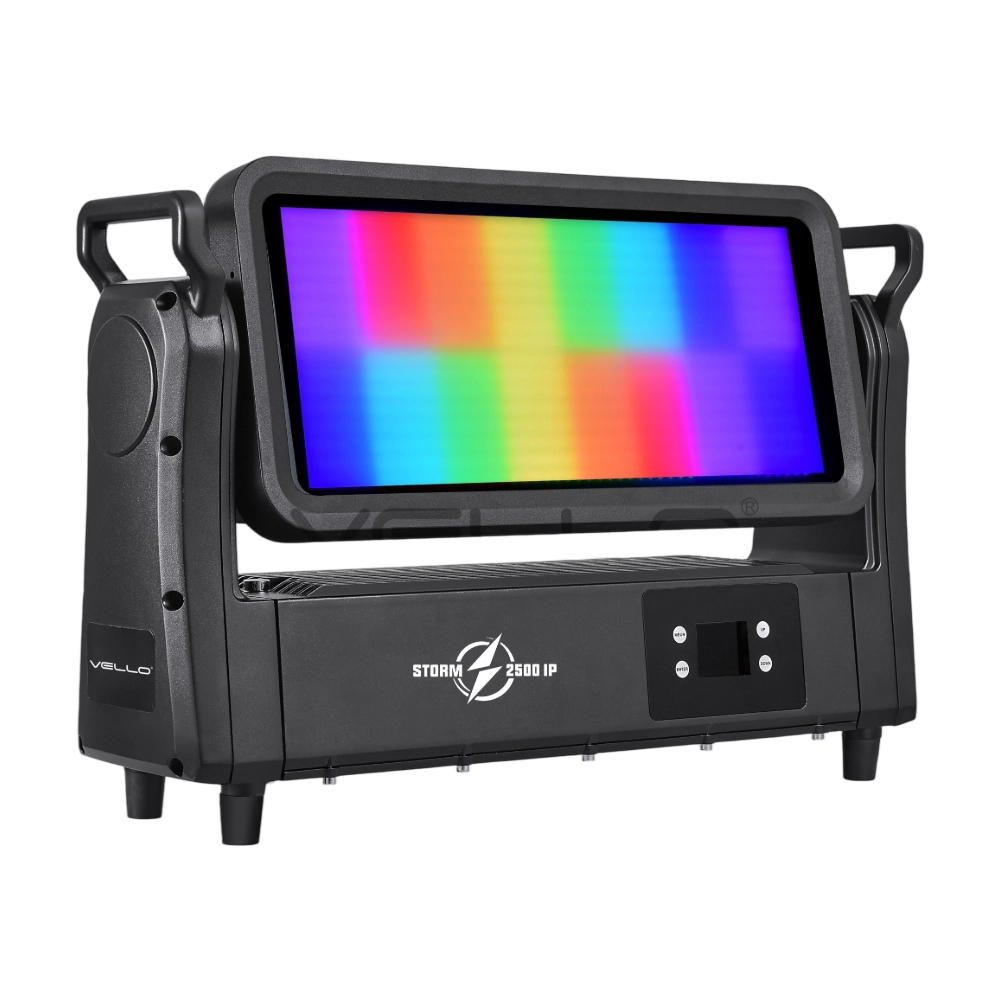
Storm 2500IP is a powerful 800W outdoor-rated LED strobe and wash fixture, equipped with 768 pieces of 5050 RGB LEDs and 144 pieces of 2W cool white LEDs for vibrant effects and precise pixel control. With IP65 protection, a wide 220° tilt, a strong RGBW strobe, DMX-controlled frost, an electronic frost function, and smart glass technology, it delivers both intense and soft lighting for any environment. Designed with silent, flicker-free performance and flexible DMX control, Storm 2500IP is built for large-scale shows, tours, and outdoor events.
Top Wash P8 is a 1200W high-power IP65 LED wash light, equipped with 32 × 40W RGBW 4-in-1 LEDs for vibrant color mixing and powerful output. With 8 pixel sections (4 LEDs per group), selectable lens angles of 6° / 25° / 45°, and optional extra filters, it offers flexibility for both narrow beams and wide washes. The fixture supports strong RGBW strobe effects, smooth 0–100% linear dimming, and precise pixel control. Featuring a 220° tilt range, silent flicker-free performance, and multiple DMX modes, Top Wash P8 is built for large-scale concerts, outdoor events, and architectural lighting where high brightness and reliability are essential.
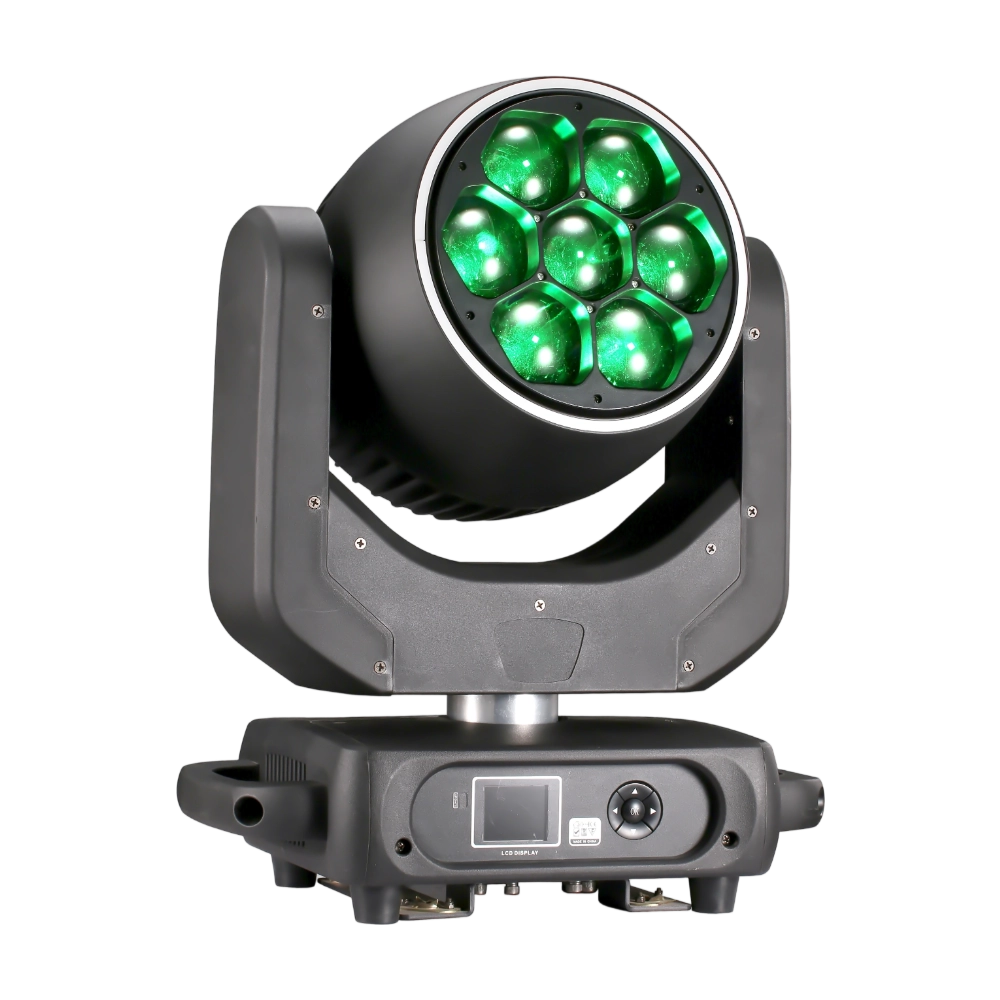
LED Bee Eyes K7 is a 500W moving head wash fixture equipped with 7 × 60W Osram RGBW LEDs plus 48 × 0.5W RGB auxiliary LEDs, delivering intense output and rich color effects. With a 4°–45° electronic zoom, wide CTO range (2700K–8000K), and individual pixel control, it enables stunning visuals from tight beams to smooth washes. Rotation lens effects add dynamic movement, while 540° pan / 270° tilt and multiple DMX channel modes ensure creative flexibility. Compact yet powerful, the K7 is ideal for concerts, clubs, and large-scale shows demanding vibrant color and versatile effects.
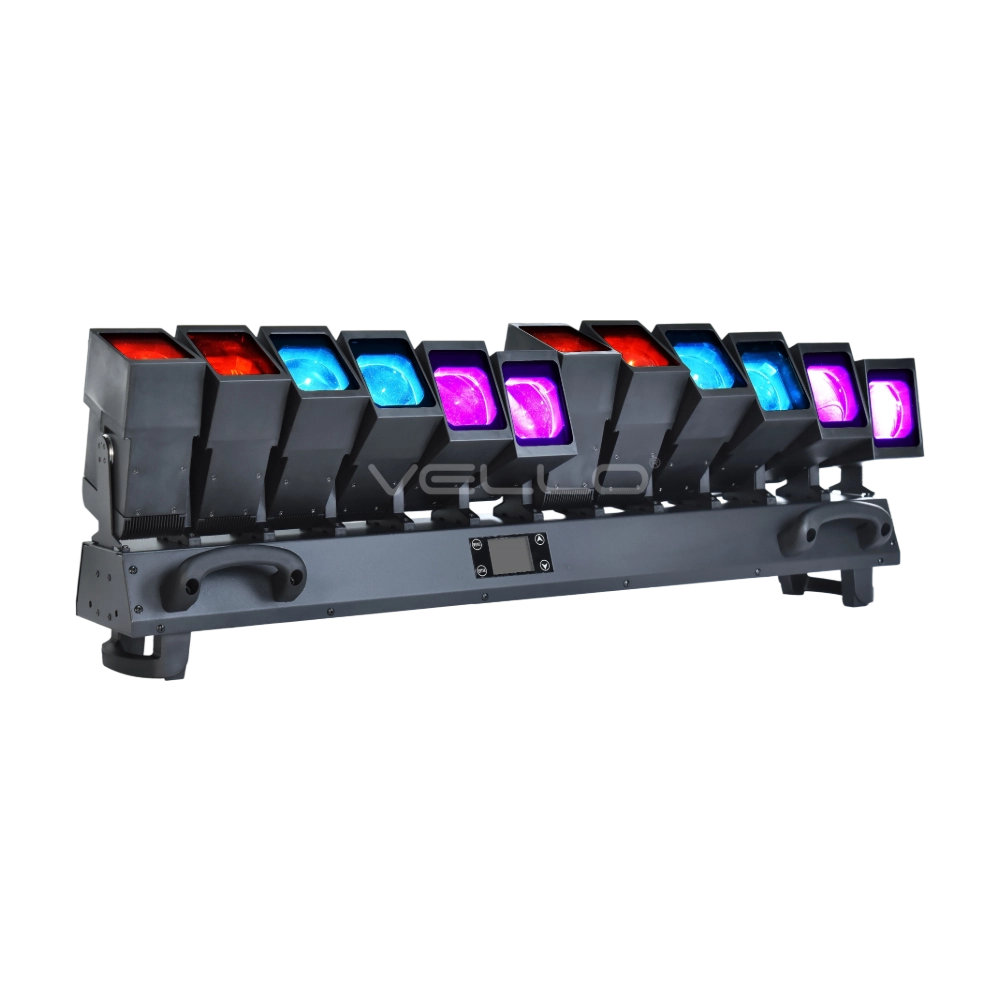
The LED Octopus S-12 is an advanced 800W moving bar fixture with 12 × 60W Osram RGBW LEDs, each controllable by pixel. Offering a 3.5°–36° zoom, 220° tilt movement, and precise dimming, it creates stunning dynamic effects. With multiple DMX modes (up to 179 channels) and auto-correction with a magnetic encoder, it ensures smooth operation. Designed for professional touring and installations, the S-12 delivers unmatched brightness, flexibility, and creative control.
◌ Let Us Support Your Project
Request a Custom Quote and Technical Support
Fill out the form below, and our sales team will contact you shortly with product details, pricing, and customer service options.
Rest assured that your privacy is important to us, and all information provided will be handled with the utmost confidentiality.
By clicking "Send your message," I agree to your processing my personal data.
To see how to withdraw your consent, how to control your personal data, and how we process it, please see our Privacy Policy and Terms of Use.
Over 20 Years of Innovation in Stage & Studio Lighting
© 2026 VELLO. All Rights Reserved. 粤ICP备20023734号
Join our socials
VELLO
Whatsapp: +8613902276704
Vello Lighting
VelloLights