





Why maintenance and cooling matter for LED stage light longevity?
- 1. How do I calculate the heatsink requirement (°C/W) for a 100W LED stage wash to keep junction temperature within safe limits?
- 2. What precise maintenance schedule and checks should I implement for touring fixtures vs installed theatre rigs to prevent early driver and LED failures?
- 3. How does a sealed (IP65) fixture’s reduced convection impact lumen depreciation and driver component life compared with a ventilated fixture?
- 4. Can I rely on fan-cooled moving heads for outdoor events, and what redundancy or monitoring strategies reduce the risk of fan failure during a show?
- 5. How can I verify manufacturer lifetime claims (L70, LM-80/TM-21, driver MTBF) when procuring fixtures for rental or long-term installs?
- 6. What are the most cost-effective retrofits or design choices to extend LED stage light operational life without sacrificing output?
- Concluding summary: Why proactive maintenance and thermal management win
1. How do I calculate the heatsink requirement (°C/W) for a 100W LED stage wash to keep junction temperature within safe limits?
Answer:Begin with the thermal equation most manufacturers and thermal engineers use: Tj = Ta + Rth_total × Pd, where Tj is LED junction temperature, Ta is ambient temperature, Rth_total is total thermal resistance from junction to ambient (°C/W), and Pd is power dissipated as heat (W).
Step-by-step for a 100W fixture example (practical for many stage wash fixtures):
- Determine Pd (power dissipated as heat). For LEDs, not all input power becomes light; assume 40–60% becomes heat depending on optical efficiency. Conservative estimate: Pd = 100W × 0.6 = 60W.
- Choose a target Tj. Manufacturers typically publish maximum Tj (often up to 125–150°C), but to maximize lumen maintenance you should target a much lower operating Tj — e.g., ≤85°C.
- Set ambient Ta expected in use. For touring trucks or hot stages, Ta can reach 40°C. For climate-controlled theaters, use 25°C.
- Solve for allowable Rth_total: Rth_total = (Tj_target − Ta) / Pd. With Tj_target = 85°C and Ta = 40°C: Rth_total = (85 − 40) / 60 = 0.75°C/W.
Interpretation:
- Rth_total (0.75°C/W) includes junction-to-case, case-to-heatsink interface, and heatsink-to-ambient. Achieving 0.75°C/W for a 100W fixture is ambitious but feasible with large extruded or bonded heatsinks plus forced air.
- If natural convection can’t meet that, add active cooling (fans) or increase heatsink surface area until the combined thermal resistance meets your target.
Practical tips embedded in stage lighting design:
- Request manufacturer Rth(j‑a) data or ask for thermal curves. If not available, insist on LM-80/TM-21 datasheets and thermal test reports.
- Validate with thermal imaging during burn-in; measure case and board temperatures at full output and in expected ambient conditions.
Why this matters: keeping Tj lower directly improves lumen maintenance (L70 projections) and reduces stress on the driver and electrolytic capacitors that are common failure points in LED stage lights.
2. What precise maintenance schedule and checks should I implement for touring fixtures vs installed theatre rigs to prevent early driver and LED failures?
Answer:Maintenance must be tailored to duty-cycle and environment. Here's a practical, field-tested schedule used by rental houses and theatres that rely on DMX512 fixtures and moving heads:
For touring/rental fixtures (heavy, variable environments):
- Daily (pre & post show): visual check for fan spin, odd noises, lens contamination, error LEDs on the driver. Quick DMX patch test to verify movement and color mix.
- Weekly: compressed-air blowout of heatsink fins, lenses wiped with lint-free cloth and isopropyl alcohol (if lens material permits), verify power cables and locking connectors.
- Monthly: open fan intakes/filters, vacuum fans and replace any worn foam filters. Run a 4–8 hour burn-in at 50–75% output to detect early infant mortality.
- Annually or every 1,000–2,000 hours: inspect internal solder joints, measure driver output voltage ripple, replace fans showing wear, check electrolytic capacitors for bulging or ESR increases (with an LCR meter), and reapply thermal interface materials if degraded.
For installed theatre rigs (controlled environment, lower handling):
- Quarterly: dust and lens cleaning, check fixtures for correct DMX addressing and firmware updates.
- Annually or every 3,000–5,000 hours: full internal inspection, fan replacement where applicable, test driver health, verify mechanical parts and clamps.
Why specific maintenance prevents failures:
- Driver electrolytic capacitors are temperature‑sensitive: their life can shrink dramatically at elevated temperatures (rule-of-thumb: life halves for every 10°C rise). Keeping drivers cool and clean extends driver MTBF.
- Fans are a predictable failure item—replace proactively on a schedule rather than waiting for failure during a show.
Document all maintenance and link it to fixture hours so you can forecast replacement of wear items, reducing downtime and unexpected failures.
3. How does a sealed (IP65) fixture’s reduced convection impact lumen depreciation and driver component life compared with a ventilated fixture?
Answer:Sealed fixtures protect electronics from dust and moisture, which is essential for outdoor or coastal venues. However, sealing trades convection for conduction and radiation heat transfer, changing thermal strategy.
Thermal consequences:
- With no airflow through the enclosure, heat must be removed through the housing. That requires larger heatsinks, higher thermal-mass housings, or thermal paths (heat pipes) to keep junction and driver temperatures down.
- If a sealed design is under‑specified, internal ambient rises and junction temperature (Tj) increases, accelerating lumen depreciation and component wear.
Quantified impacts (industry-accepted concepts):
- Lumen maintenance is typically reported as L70 (hours until 70% of initial lumen output). Many LED fixtures claim L70 = 50,000–100,000 hours based on LM-80/TM-21 projections. Higher Tj and higher internal ambient reduce actual L70 versus lab projections.
- Electrolytic capacitor life: capacitor lifetime is highly temperature-dependent. At higher internal temps (e.g., every +10°C), electrolyte life can roughly halve. So a sealed fixture running hotter can reduce driver longevity disproportionately.
Design/maintenance trade-offs:
- For outdoor IP65 fixtures, confirm the manufacturer provides thermal modeling showing internal temps at the maximum expected ambient (e.g., 40°C). Ask for LM‑80 data + TM‑21 projections run against actual fixture thermal tests.
- Prefer sealed fixtures that use large conductive heatsinks, heat pipes, or active cooling with sealed fan assemblies and filtered intakes where necessary.
Net effect: sealing is essential for weather resistance but must be compensated by robust thermal design. Poorly specified sealed fixtures age faster in both LEDs and drivers than ventilated but well-designed fixtures.
4. Can I rely on fan-cooled moving heads for outdoor events, and what redundancy or monitoring strategies reduce the risk of fan failure during a show?
Answer:Fan-cooled fixtures are common in high-output LED movers because forced convection lowers thermal resistance and reduces heatsink size. For outdoor events they can be reliable if you design redundancy and monitoring into the rig.
Operational risks:
- Fans can clog, wear bearings, or fail electrically. Outdoors, dust, humidity, and stage smoke accelerate wear.
- A single fan failure may be survivable if the fixture’s thermal cutoff reduces output; however, sudden dropouts on moving heads can ruin performances.
Mitigation strategies:
- Redundancy: select fixtures with dual fans or larger single fans running below maximum RPM where possible. Dual-fan designs often continue partial cooling if one fails.
- Filters and positive-pressure small enclosures: use replaceable mesh filters and clean them during daily checks; position fixtures so fans intake cleaner air when possible.
- Real-time monitoring: choose fixtures or controllers that report internal temps and fan status over RDM (Remote Device Management) or via onboard telemetry. Set DMX/RDM alerts so you get pre-show warnings.
- Preventive replacement: replace fans after a defined hour interval—commonly every 12–24 months for touring use or 1,000–2,000 hours.
Backup strategies for tours:
- Maintain a set of spare fan modules and a tested hot-swap procedure.
- Configure critical fixtures with lower default maximum output in software to reduce heat if a fan fault occurs mid-show.
These measures keep fan-cooled movers reliable outdoors while preserving color fidelity and lumen output when it matters.
5. How can I verify manufacturer lifetime claims (L70, LM-80/TM-21, driver MTBF) when procuring fixtures for rental or long-term installs?
Answer:Because many lifetime numbers are projections, due diligence is required. Follow this verification checklist when evaluating suppliers:
Ask for documentation:
- LM-80 reports for the LED package used (not just a general LED claim). LM-80 test data is the basis for TM-21 projections.
- TM-21 lumen maintenance projections that specify test duration and the projection limits (TM-21 restricts projection to 6× test duration; e.g., 6,000 hours of LM-80 supports projection to 36,000 hours reliably).
- Driver MTBF and electrolyte capacitor specifications (type, rated lifetime, rated operating temperature). Prefer drivers that specify 50,000+ hours at 25°C and polymer electrolytic capacitors or high-temperature-rated electrolytics from reputable vendors.
- Thermal test reports showing fixture internal ambient and LED case temperatures at full output in specified ambient conditions (e.g., 25°C and 40°C).
Ask for field data and references:
- Request case studies or references from rental houses or venues with similar duty cycles.
- For high-value buys, require a small sample run and independent lab thermal imaging and lumen measurement at two or more time intervals (initial and after a 1–3 month burn-in).
Interpret the data:
- Be skeptical of blanket “100,000-hour” claims unless backed by LM-80/TM-21 for the exact LED package and by thermal tests showing the fixture maintains junction temps comparable to the LM-80 test conditions.
This process aligns purchasing decisions with real-world stage lighting design constraints and reduces costly downtime and replacements.
6. What are the most cost-effective retrofits or design choices to extend LED stage light operational life without sacrificing output?
Answer:When balancing upfront cost and long-term reliability, here are pragmatic, proven choices that rental houses and theatres use:
1) Improve conduction path first:
- Replace or augment thermal interface materials with high-quality, long-life thermal pads or thermal grease during scheduled service. Better conduction reduces reliance on fans.
2) Increase heatsink surface area or add heat pipes:
- Retrofitting larger external heatsinks or integrating heat pipes (where fixture design allows) reduces junction temp significantly.
3) Upgrade to higher-quality drivers and capacitors:
- Choosing drivers with wider operating temperature ranges, better capacitor spec (e.g., low-ESR polymer or high-temp electrolytic), and higher MTBF yields disproportionately better lifecycle economics.
4) Force-air upgrades with maintenance plan:
- Where natural convection is insufficient, add or upgrade fans but pair them with a strict filter and replacement schedule to avoid adding a new weak point.
5) Software/operational changes:
- Implement dimming curves and output caps for long-duration events to reduce Pd without visibly compromising perceived brightness. Running LEDs at 80–90% max often reduces thermal stress while maintaining excellent stage illumination.
6) Environmental coatings and sealing for corrosive environments:
- For coastal venues, use conformal coating on PCBs and specify corrosion-resistant fasteners to prevent subtle failures that start with salt corrosion.
Cost-effectiveness principle: prioritize thermal conduction fixes and driver upgrades before adding active cooling, and quantify total cost of ownership (TCO) including downtime and labor. Small investments in materials and better drivers typically pay back faster than frequent fixture replacements.
Concluding summary: Why proactive maintenance and thermal management win
Proactive thermal design and a disciplined maintenance program lower total cost of ownership, improve color and output stability, and reduce unexpected show-stopping failures. By verifying LM-80/TM-21 data, applying proper heatsinking or forced-air where required, replacing fans and capacitors on schedule, and using RDM or telemetry to monitor health, production teams and rental houses get predictable performance and longer L70 life. In short: good stage lighting design that prioritizes cooling and maintenance preserves lumen maintenance, driver life, and show reliability.
For a tailored quote, contact us at www.vellolight.com or info@vellolight.com.
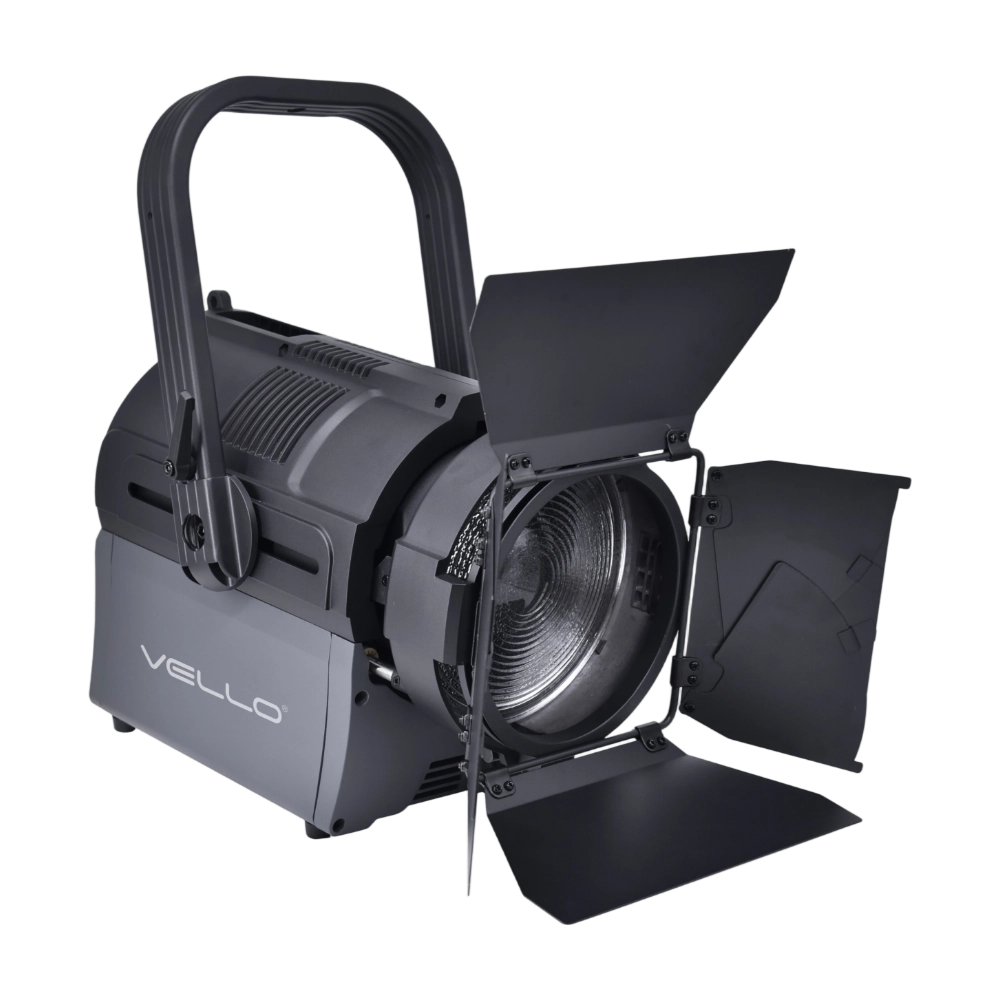
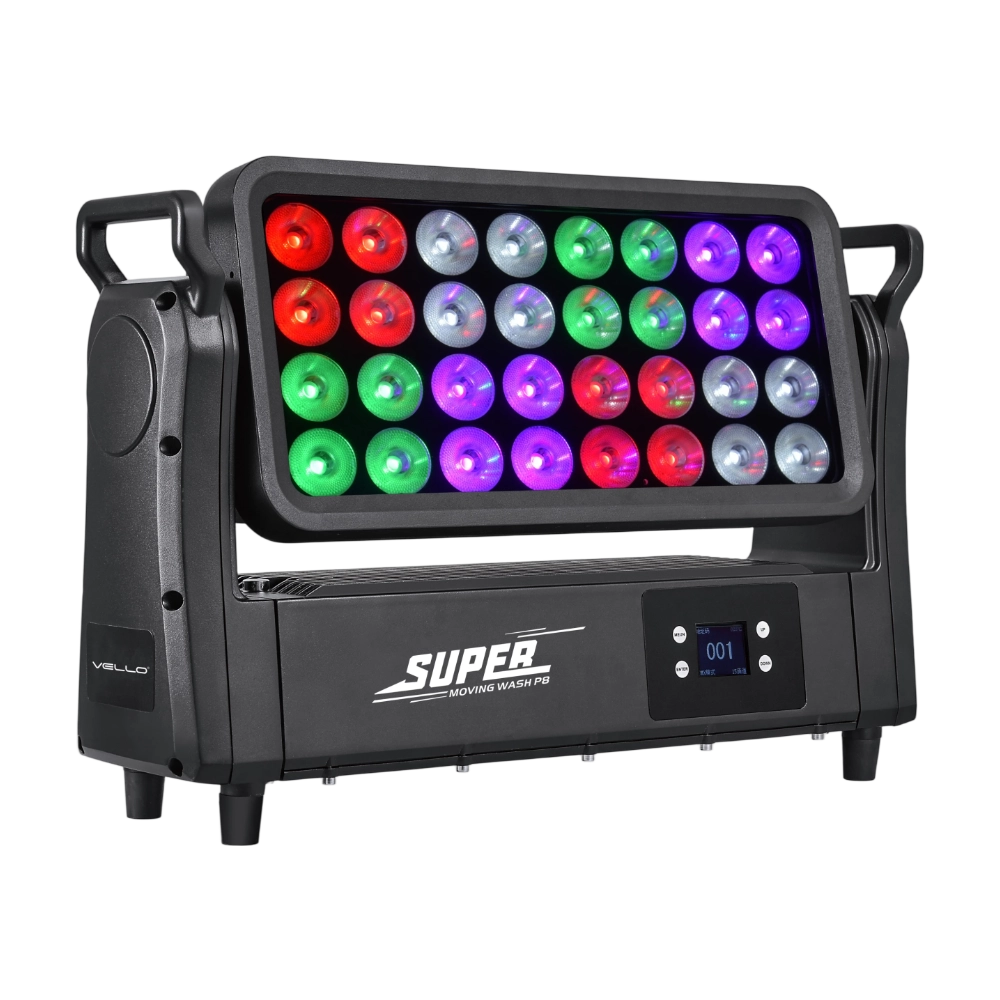
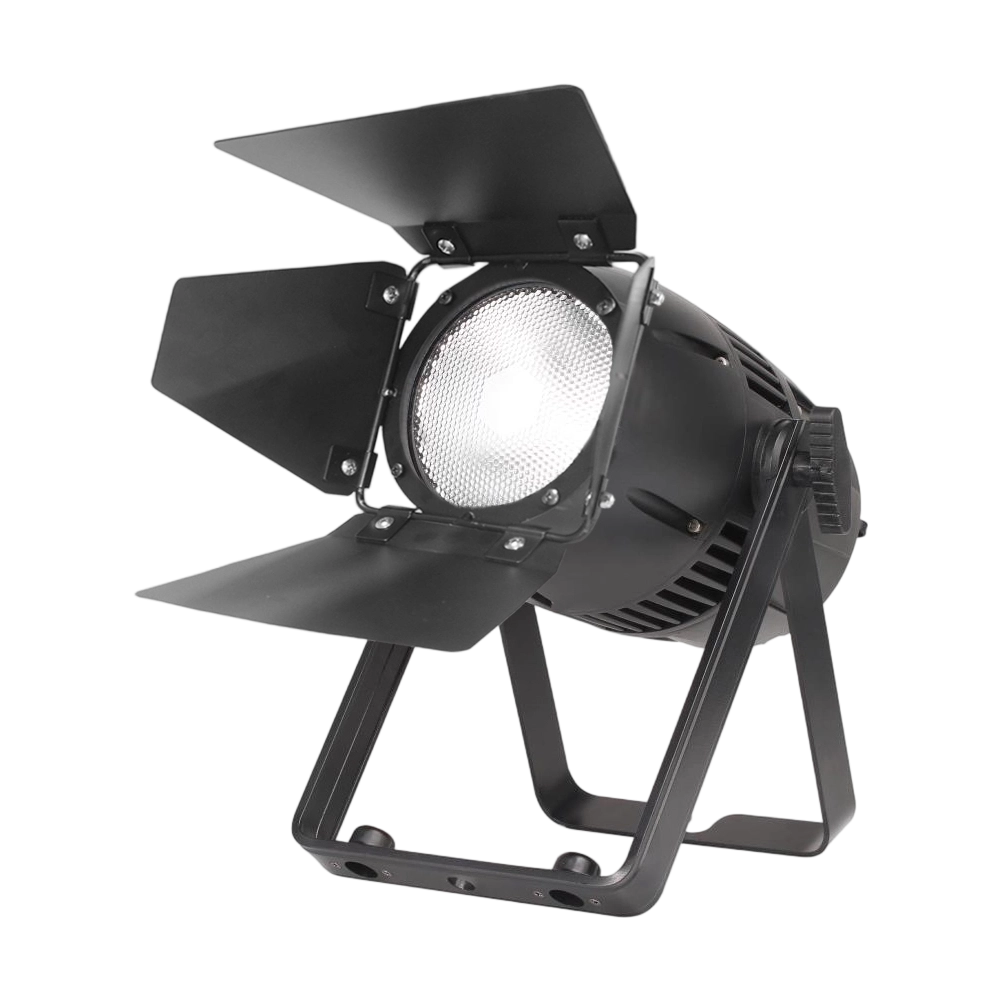
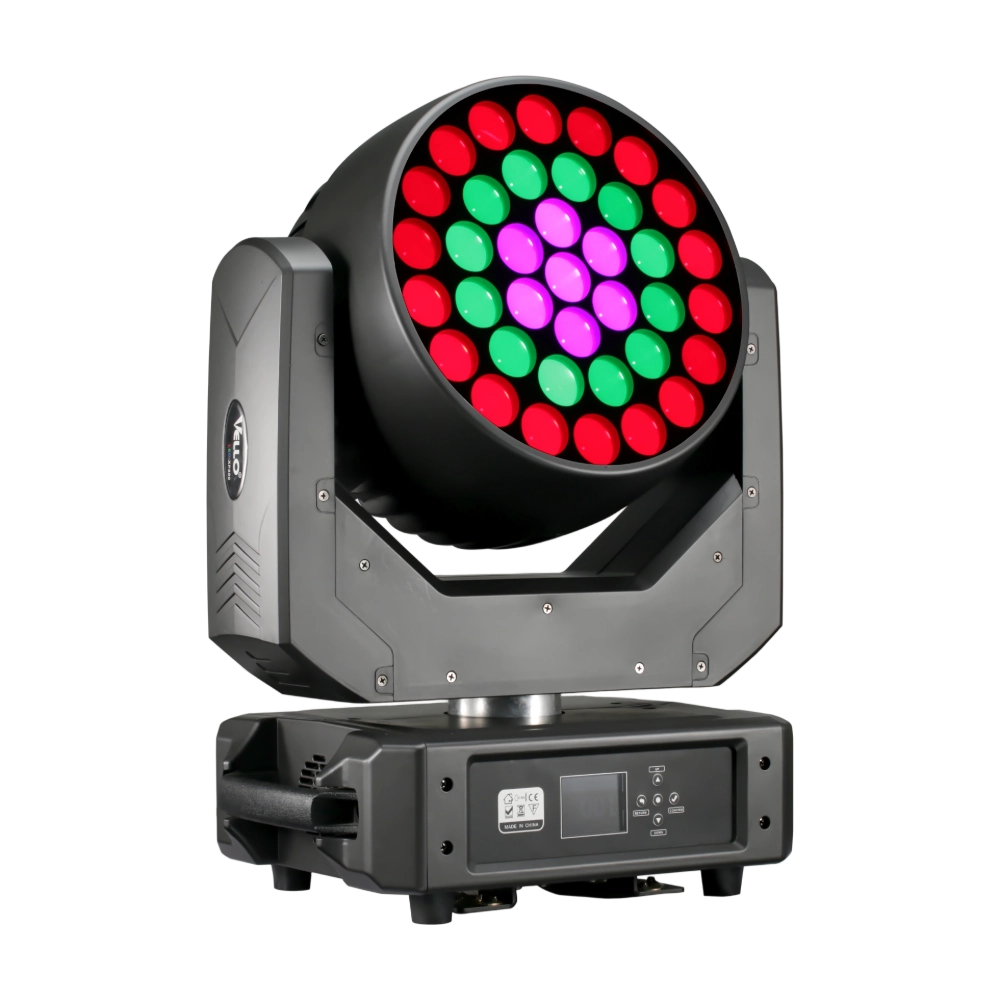
Major categories
What is the usual lead time?
Standard models are typically shipped within 7–15 working days after payment. Customized items may vary.
Do you offer samples?
Samples are available for certain models. Please confirm with our sales team for details.
What is the warranty period for your products?
Most products come with a standard 1–2 year warranty. Please refer to product details or contract terms for specifics.
Do your products support customization?
Yes. We offer OEM and ODM services tailored to project needs, including design, optics, and control compatibility.
Do you ship internationally?
Yes. We offer sea, air, and express delivery to many countries and regions worldwide.
You may also like
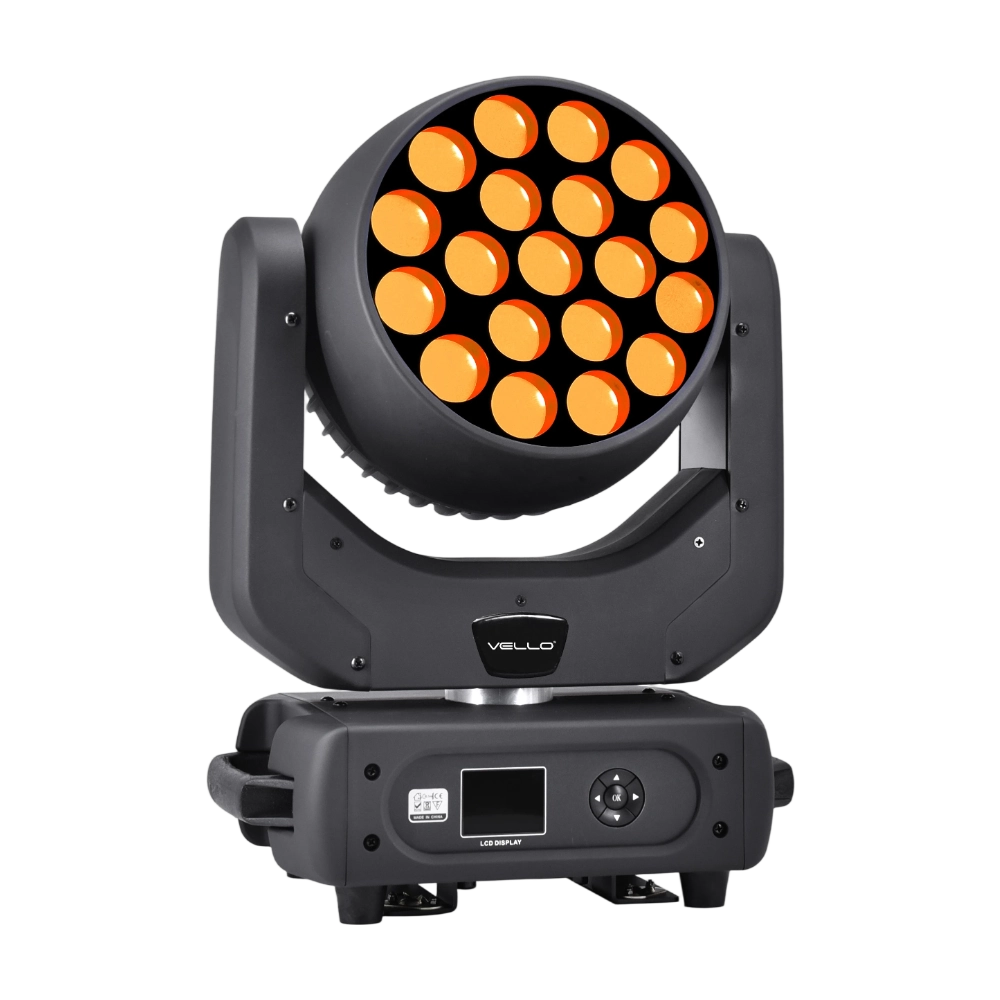
Max Wash X7 is a 750W super moving head wash fixture, equipped with 19 × 40W 7-in-1 RGB+A+C+L LEDs delivering rich colors, high brightness, and a super high CRI ≥95. With a wide 6.1°–50° electronic zoom and advanced 3-ring pixel control, it creates both powerful beams and smooth washes. The fixture supports CTO adjustment (3200K, 4200K, 5600K, 6800K) across four presets for versatile color temperature control. Featuring 540° pan / 310° tilt, high-speed motors, multiple DMX channel modes, and a durable heat-proof housing, Max Wash X-7 is designed for concerts, TV studios, and large productions demanding next-level wash performance with precision and creativity.
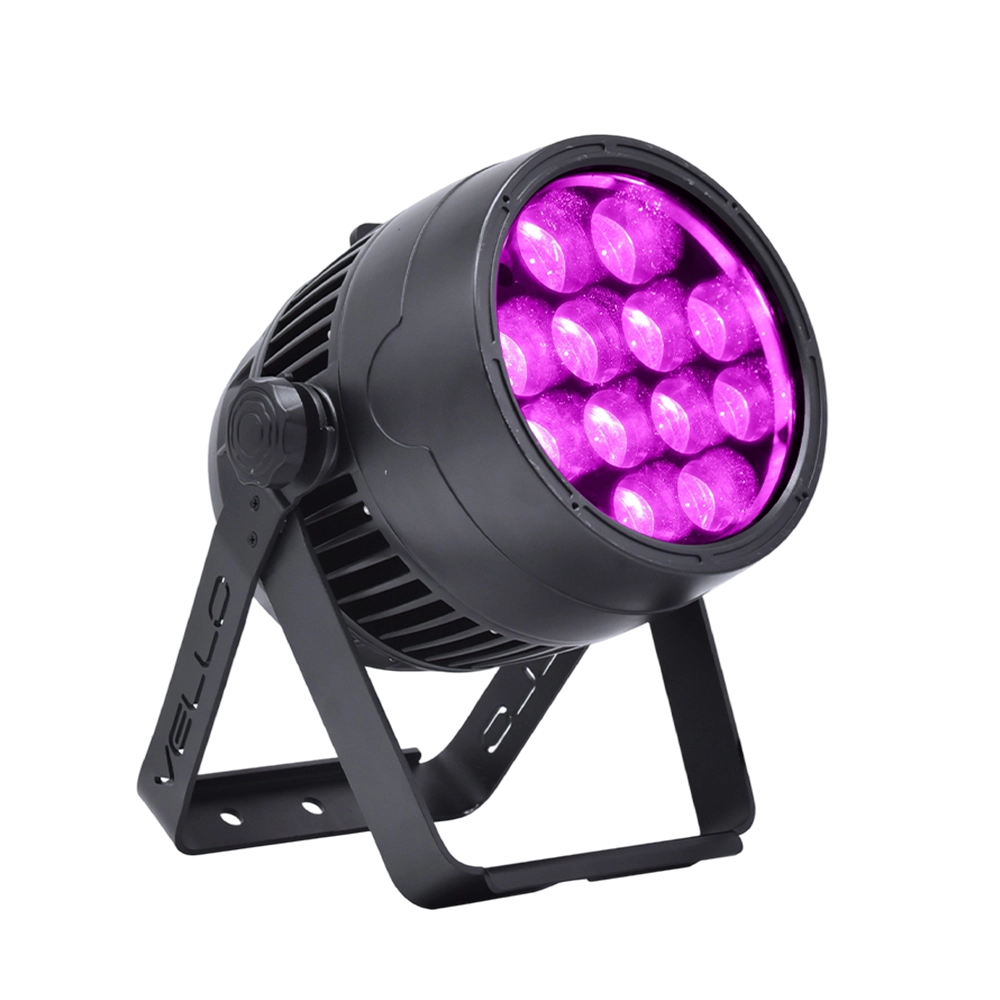
The Vello Zoom Par 40 IP is a powerful outdoor LED wash light equipped with 12x high-power 7-in-1 RGBACL LEDs. Designed for durability and rich color rendering, it features a wide motorized zoom (6°–50°), smooth dimming, and adjustable CTO presets (3200K–7500K), with 90+ CRI. With an IP66-rated die-cast aluminum body, it’s ideal for both indoor and outdoor applications, including stage lighting, architecture, live events, and installations.
Solar Par 200 RGBW is a 200W IP65-rated outdoor LED par, powered by a high-power 200W 4-in-1 COB LED for vibrant RGBW color mixing and smooth output. With optional 30° or 50° lens angles, flicker-free dimming, and multiple DMX channel modes, it offers versatile performance for stages, architectural lighting, and outdoor events. Built with a robust die-cast aluminum housing and equipped with Seetronic IP65 DMX and PowerCON in/out, Solar Par 200 delivers reliable, weather-resistant operation in any environment.
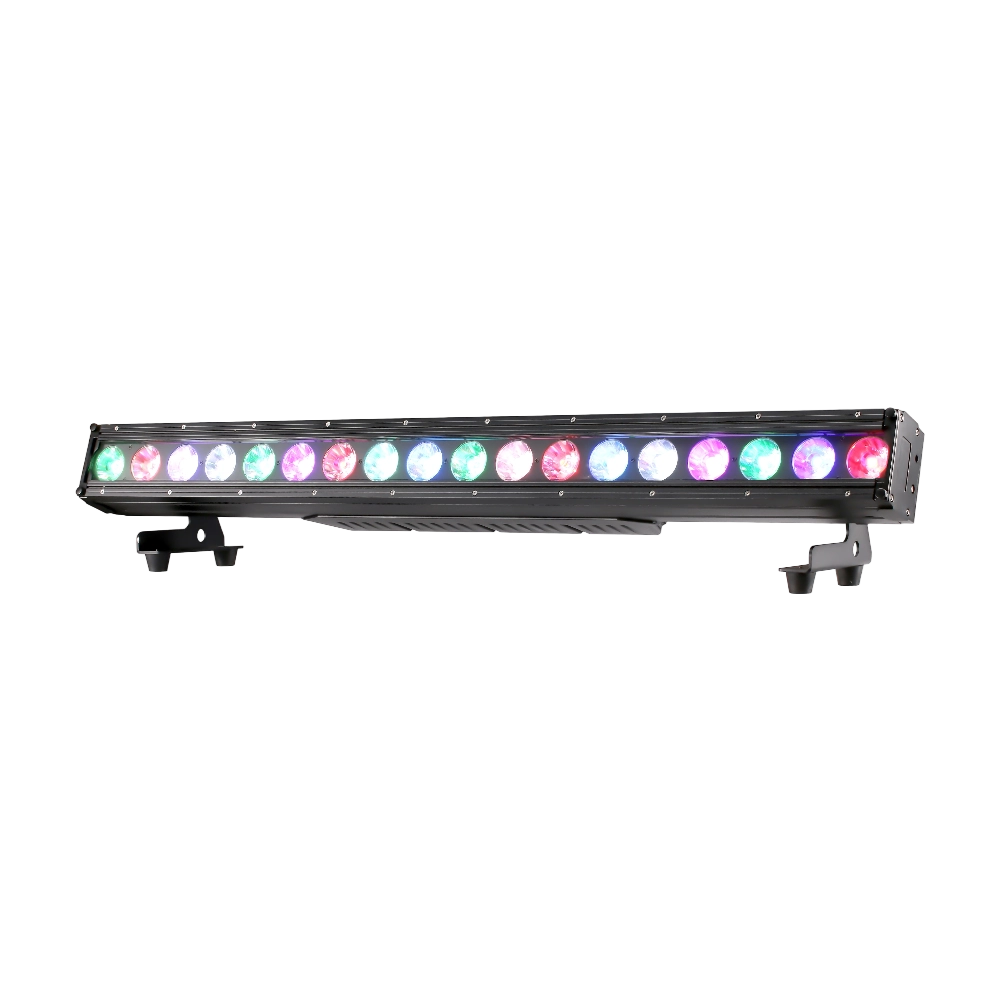
The LED Magic Bar 1841 Pixel is a high-performance 200W LED bar featuring 18 × 10W RGBW LEDs with individual pixel control. Offering lens angles of 6°/15°/25°/45°, seamless edge-to-edge splicing, and vivid RGBW color mixing, it is ideal for stage effects, pixel mapping, and architectural applications. With IP65 protection, flicker-free dimming, and DMX/RDM control, it ensures long-term reliability indoors or outdoors.
◌ Let Us Support Your Project
Request a Custom Quote and Technical Support
Fill out the form below, and our sales team will contact you shortly with product details, pricing, and customer service options.
Rest assured that your privacy is important to us, and all information provided will be handled with the utmost confidentiality.
By clicking "Send your message," I agree to your processing my personal data.
To see how to withdraw your consent, how to control your personal data, and how we process it, please see our Privacy Policy and Terms of Use.
Over 20 Years of Innovation in Stage & Studio Lighting
© 2026 VELLO. All Rights Reserved. 粤ICP备20023734号
Join our socials
VELLO
Whatsapp: +8613902276704
Vello Lighting
VelloLights