





What maintenance plans minimize downtime for LED stage lights?
- 1. What exact preventive maintenance schedule (daily, weekly, monthly, quarterly, annual) minimizes downtime for LED stage lights on touring productions?
- 2. How many and which spare parts should I keep per 50 fixtures to prevent show-stopping failures?
- 3. How can I implement predictive maintenance using RDM, telemetry, and run-hour logs to anticipate LED fixture failures?
- 4. What cleaning methods and solutions safely remove haze, smoke residue, and stage dust from optics and lenses without damaging coatings?
- 5. How should I manage thermal design, fan maintenance, and enclosure ventilation to extend LED life in cramped truss or enclosed rigging?
- 6. Which power and control redundancy architectures best minimize routing failures for large events?
In stage lighting design, minimizing downtime for LED stage lights requires concrete, repeatable maintenance plans—especially for touring rigs, fixed venues, and rental houses. Below are six specific, high-value questions beginners and production managers often ask but rarely find detailed, actionable answers to. Each section includes checklists, recommended frequencies, and practical steps aligned with DMX/RDM, photometrics, thermal management, power distribution and industry best practices.
1. What exact preventive maintenance schedule (daily, weekly, monthly, quarterly, annual) minimizes downtime for LED stage lights on touring productions?
Preventive maintenance reduces unexpected failures and keeps lumen output, color calibration, and beam geometry within spec. Use a tiered schedule tied to show cadence:
- Pre-show / Daily (before every performance) – quick walkaround and function check (10–20 minutes): power on fixture self-test, run pan/tilt and gobo/color macros, verify DMX/universe assignment, spot-check fan noise/temperature. Log abnormalities in the show log.
- Post-show / Daily (after every performance) – cool-down and visual inspection: check for loose connectors, impact damage, water ingress (outdoor), cable strain, any unusual vibration marks. Wipe obvious dust from housings.
- Weekly – deeper functional test: firmware version check, run pixel/LED channel tests, inspect lens/frost for haze or residue, test backup power circuits and one redundant DMX path. Replace or tag failing units.
- Monthly – mechanical and electrical inspection: open access panels (per manufacturer guidance), check fan operation and clean or replace filters, verify tightening of mounts and safety cables, measure supply voltage stability at distro, inspect power supplies/drivers for bulging caps or heat discoloration.
- Quarterly – photometric and calibration checks: measure lux/output at set distances for a representative sample (10% of fixtures) and compare to baseline photometrics; check color temperature and CRI where color fidelity is important; update fixture profiles in console if required.
- Annual / Off-season – full service: replace thermal paste where applicable, replace fans before end-of-life if showing elevated vibration or noise, run full firmware updates with vendor support, bench-test all units (100% onboard pixel/LED run) and recalibrate optics, and perform electrical safety testing per local code.
Notes: tailor frequency by environment—high dust, haze fluid use, or outdoor shows require more frequent cleaning. Maintain a digital log (spreadsheet or CMMS) with timestamps, run-hours, and actions to build a failure profile and refine intervals.
2. How many and which spare parts should I keep per 50 fixtures to prevent show-stopping failures?
Spare-part planning balances cost with downtime risk. For LED fixtures, the most common serviceable items are power supplies/drivers, fans, data/network nodes, lenses/gobos, and connectors. A practical spare inventory for 50 mid-size moving LED fixtures (touring/rental) looks like:
- LED fixture spares: 5–10% of total fixtures (3–5 complete fixtures). Swapping a whole unit is faster than in-field module replacement during a show.
- Power supplies/drivers: 3–5 units. PSU/driver failures are common stress points—carrying several spares reduces bench-repair bottlenecks.
- Fans and thermal modules: 10–20 spare fans (per model). Fans are consumables and often fail after 10k–30k hours depending on duty cycle and environment.
- Data/network spares: 2–3 DMX/RDM nodes, 2 spare wireless DMX transceivers, and several spare EtherCON/DMX cables per console feed.
- Optics and gobos: 5–10 common gobo wheels or lens assemblies if fixtures support quick-swap optics (especially for rental inventory where customization occurs).
- Consumables: spare clamps, safety cables, M10 bolts, fuses or breakers, and cable strain-relief parts.
Rationale: having 5–10% full-unit spares lets you swap faulty fixtures quickly and continue the show. Critical subcomponents (PSU, fans, network nodes) should have higher redundancy because they can be bench-repaired later. Track spares with part numbers and manufacturer compatibility to avoid delays.
3. How can I implement predictive maintenance using RDM, telemetry, and run-hour logs to anticipate LED fixture failures?
Predictive maintenance shifts you from reactive fixes to planned interventions. Use device telemetry (via RDM or vendor APIs), runtime analytics, and environmental sensors to build predictive models or simple threshold alerts:
- Enable RDM / Telemetry: use RDM-enabled fixtures to poll device info: run-hours, board temperatures, lamp/modules status, and error logs. Many manufacturers provide RDM parameters for fan speed, thermal warnings, and lifetime counters.
- Collect and centralize data: forward telemetry to a local server or cloud CMMS. Even a simple CSV that captures fixture ID, run-hours, max board temp, fan failure count, and recent errors is useful.
- Define thresholds: set actionable limits (e.g., board temp > 60°C under normal load, fan RPM below 80% of nominal, or sustained voltage variance ±10%) and automate alerts to the LOM or tech team.
- Trend analysis: monitor run-hour curves and lumen depreciation. If a fixture shows faster-than-expected lumen drop vs baseline photometrics, schedule reflow or driver replacement.
- Failure pattern mapping: link repeated errors (e.g., thermal warnings + fan noise) to preemptive fan or thermal compound replacement. Use manufacturer MTBF and L70 figures as baselines.
Implementation tip: start small—enable RDM on a subset of critical fixtures and collect 3–6 months of data to identify patterns before scaling up. Many lighting consoles and asset-management tools now integrate sACN/Art-Net/RDM telemetry for real-time dashboards.
4. What cleaning methods and solutions safely remove haze, smoke residue, and stage dust from optics and lenses without damaging coatings?
Optics care is critical for preserving photometric output and beam quality. Incorrect solvents can etch coated glass or degrade polycarbonate lenses. Use these safe steps:
- Start with dry methods: use low-pressure compressed air (40–50 psi reduced) or a manual air blower to remove loose dust. Avoid aerosol dusters with propellants that leave residues.
- Use lint-free microfiber or optical-grade tissues: gently wipe in one direction; do not rub in circles that can create micro-abrasions.
- Recommended cleaners: for coated glass, use optical-grade lens solution or 70% isopropyl alcohol (IPA) diluted with distilled water. For polycarbonate or coated plastics, use distilled water with a drop of neutral pH detergent or manufacturer-recommended plastic-safe cleaner—avoid straight solvents that can cloud plastics.
- Application: apply cleaner to the cloth, not directly to the lens. Allow solvent to evaporate fully before powering the fixture to avoid short circuits.
- Haze residue: for heavy haze fluid buildup, perform a soak-clean: remove the lens assembly per manual, soak in warm distilled water with mild detergent, rinse in distilled water, and dry with filtered air. If residue persists, consult the fixture manufacturer for approved solvents.
- Avoid: ammonia-based cleaners, acetone, MEK, straight alcohols on certain plastics, and abrasive pads. Always consult the fixtures’ manuals for approved cleaners and procedures.
Document the cleaning method used per fixture model in your maintenance SOP so techs use consistent, safe procedures.
5. How should I manage thermal design, fan maintenance, and enclosure ventilation to extend LED life in cramped truss or enclosed rigging?
Thermal stress is a primary cause of early LED driver and optic failures. For enclosed truss and compact rigs, follow these guidelines:
- Design for airflow: ensure fixtures have at least 25–50 mm of clearance on intake/exhaust sides. Avoid stacking active-air-cooled fixtures without forced ventilation.
- Use forced ventilation and monitoring: add inline ducting or low-noise fans to move ambient air through the rig. Place temperature sensors near the hottest board locations and integrate temperature alerts via RDM or a local monitoring system.
- Derate when necessary: in high ambient environments (>35–40°C), reduce output (dimming firmware) to keep junction temperatures within manufacturer limits; many fixtures will de-rate automatically but manual derate programs in console can proactively manage heat.
- Fan lifecycle and replacement: plan fan replacements as preventive consumables—typical axial fans in entertainment fixtures often show performance drop after 10k–30k hours depending on environment. Replace fans showing >10% RPM drop or unusual vibration/noise in the quarterly inspection.
- Thermal interfaces: where applicable, refresh thermal paste or pads during annual service. Ensure heatsinks are free of paint or coatings that impede conduction.
- Ingress protection: for outdoor or dusty environments choose IP-rated fixtures (IP65/66) or add protective housings; these reduce direct dust ingestion but require periodic seal checks.
Practical metric: aim to keep LED junction temperatures below manufacturer-specified maxima; if unavailable, maintaining internal board temps below 70°C is a conservative approach to preserve LED driver life and slow lumen depreciation.
6. Which power and control redundancy architectures best minimize routing failures for large events?
Redundancy should be strategic and focused on single points of failure: power mains, distribution, and signal/control. Effective architectures include:
- Dual-power feeds: supply the rig from two independent distro sources (A/B feeds) with automatic or manual switching. For critical fixtures, use fixtures with dual internal power inputs or distribute power via two circuits.
- UPS for control systems: protect consoles, network switches, and wireless DMX gateways with UPS units sized for graceful shutdown and short-term operation during power transitions.
- DMX / network redundancy: use sACN/Art-Net with multiple network paths or DMX splitters that support redundant outputs. For single-cable topologies, employ looped or ring Ethernet designs with managed switches and rapid failover.
- Segmentation: split large rigs into multiple universes and power domains so a single cable failure affects only a portion of fixtures.
- Physical cabling best practices: use ruggedized connectors (EtherCON, Neutrik DMX) and color-code/control-label runs. Maintain spare cable runs where feasible (parallel conduits) to reduce emergency snaking time.
- Surge and lightning protection: for outdoor shows install surge protectors and proper grounding; consider isolation transformers where ground loops risk equipment and data corruption.
Implementation example: for a 200-fixture festival rig, power the rig with two independent feeds and split into 4–8 distro zones with their own protective devices, deploy at least two redundant DMX/sACN paths from the lighting console through different managed switches, and keep a hot-swap spare console and gateway ready.
Conclusion: Implementing these measures—structured preventive schedules, a purposeed spare inventory, telemetry-driven predictive maintenance, safe optical cleaning procedures, careful thermal design, and well-planned redundancy—reduces unplanned downtime, preserves photometric performance, and lowers lifecycle costs. Combining these best practices with vendor support and documented SOPs turns reactive repairs into routine, predictable maintenance.
Advantages at a glance: lower show risk, faster recovery from failures, longer LED lifetime, predictable budget planning, and improved color and beam consistency across performances.
For a custom maintenance plan, fixture compatibility check, or a spare-parts quote tailored to your inventory size and touring profile, contact us for a quote at www.vellolight.com or info@vellolight.com.
Major categories
Do you ship internationally?
Yes. We offer sea, air, and express delivery to many countries and regions worldwide.
Do you offer samples?
Samples are available for certain models. Please confirm with our sales team for details.
What is the warranty period for your products?
Most products come with a standard 1–2 year warranty. Please refer to product details or contract terms for specifics.
Do your products support customization?
Yes. We offer OEM and ODM services tailored to project needs, including design, optics, and control compatibility.
What is the usual lead time?
Standard models are typically shipped within 7–15 working days after payment. Customized items may vary.
You may also like
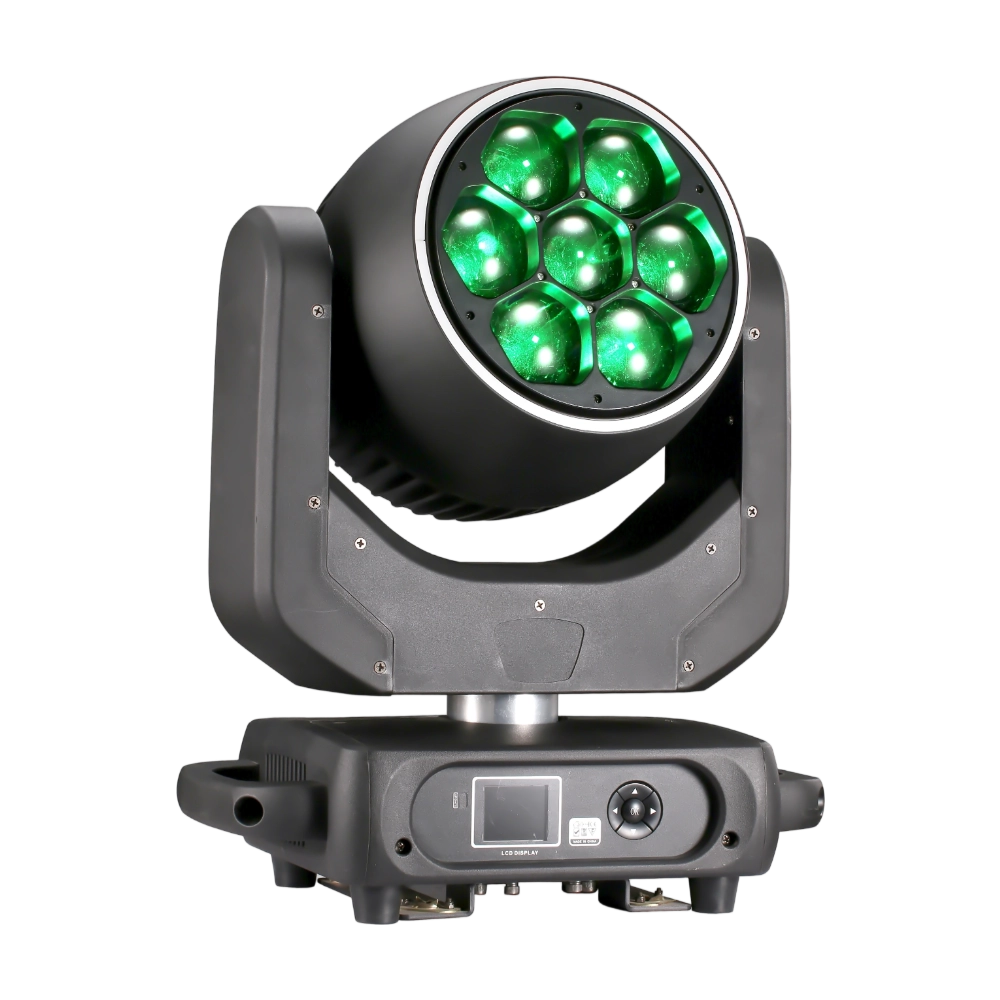
LED Bee Eyes K7 is a 500W moving head wash fixture equipped with 7 × 60W Osram RGBW LEDs plus 48 × 0.5W RGB auxiliary LEDs, delivering intense output and rich color effects. With a 4°–45° electronic zoom, wide CTO range (2700K–8000K), and individual pixel control, it enables stunning visuals from tight beams to smooth washes. Rotation lens effects add dynamic movement, while 540° pan / 270° tilt and multiple DMX channel modes ensure creative flexibility. Compact yet powerful, the K7 is ideal for concerts, clubs, and large-scale shows demanding vibrant color and versatile effects.
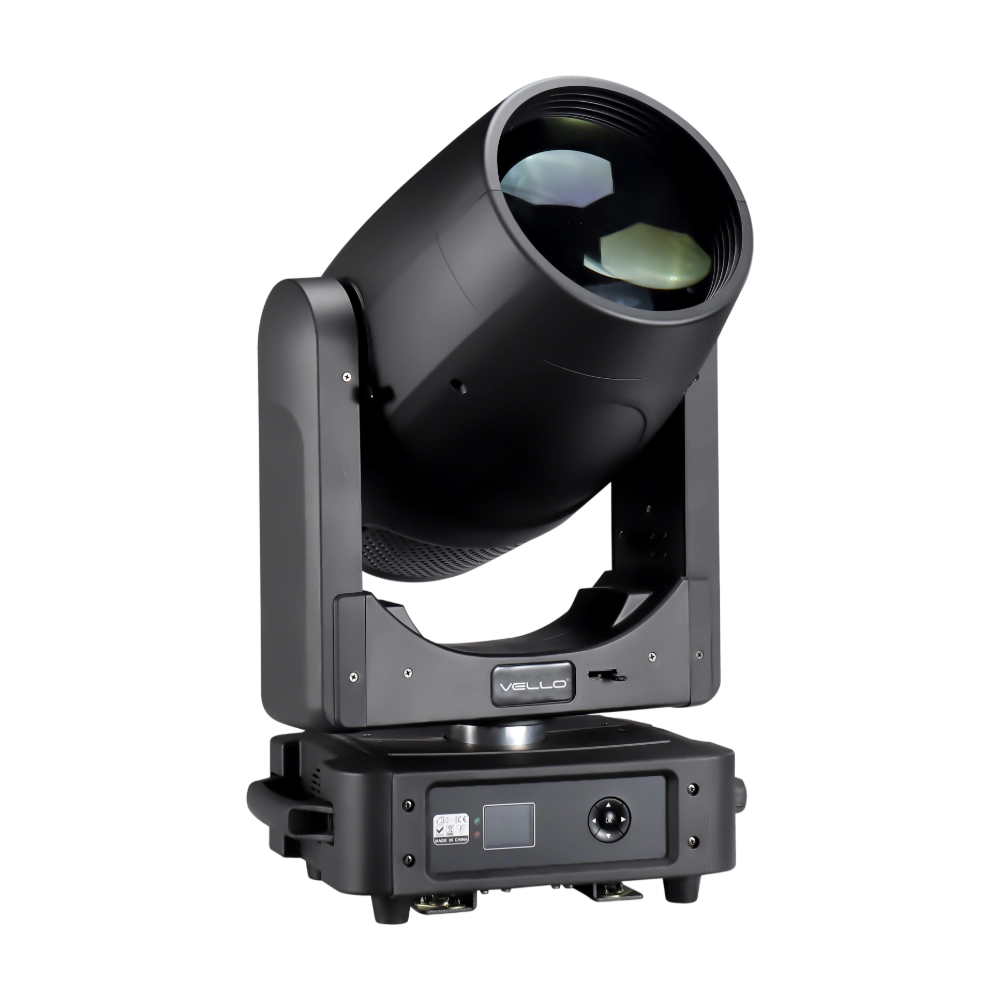
The BSW450 is a high-performance moving head fixture equipped with an original Osram 420W bulb, delivering exceptional brightness, precision, and versatility. Designed for professional stage applications, it seamlessly combines beam, spot, and wash functions in one compact unit, making it a powerful all-in-one lighting solution.
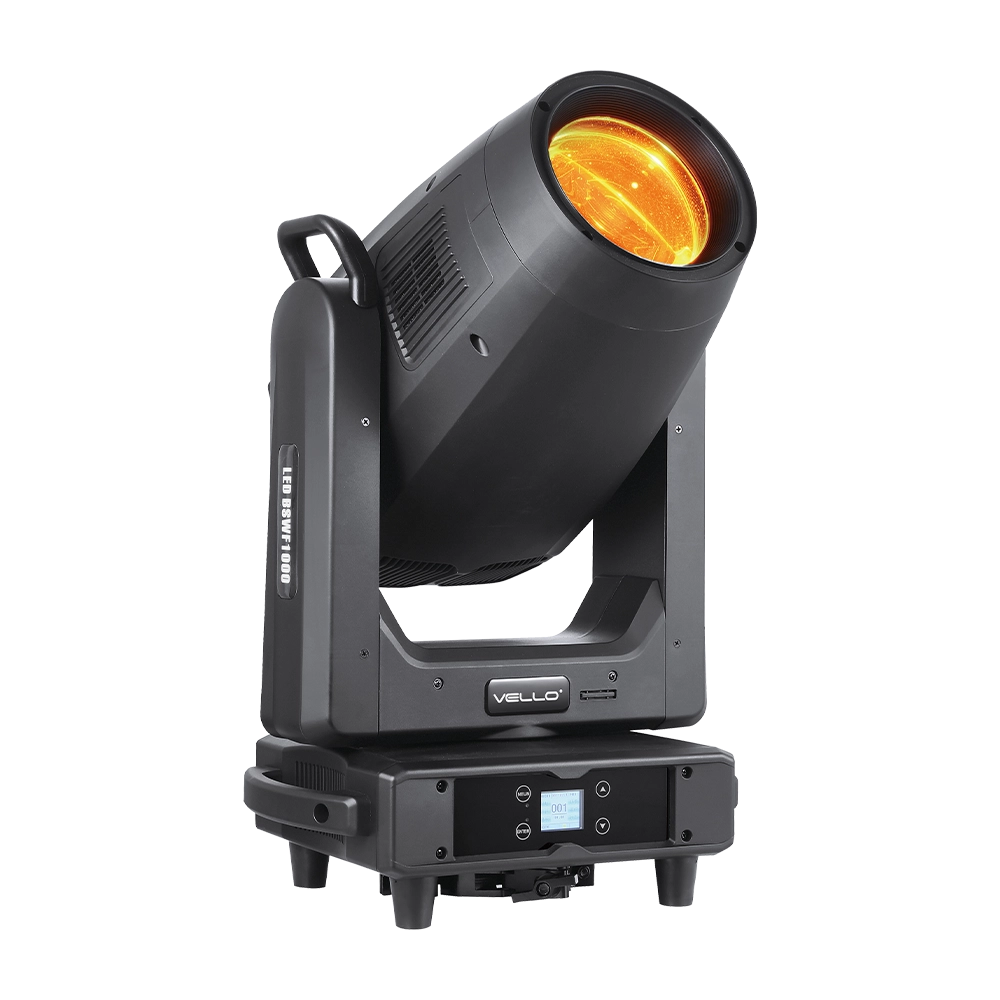
The BSWF1000 is a high-performance 4-in-1 hybrid moving head light that seamlessly integrates beam, spot, wash, and framing functions in a compact body. Powered by a powerful 850W high-CRI LED engine (CRI 90+), it delivers crisp projection, smooth color mixing, and exceptional brightness, making it ideal for professional stage, touring, and broadcast applications.
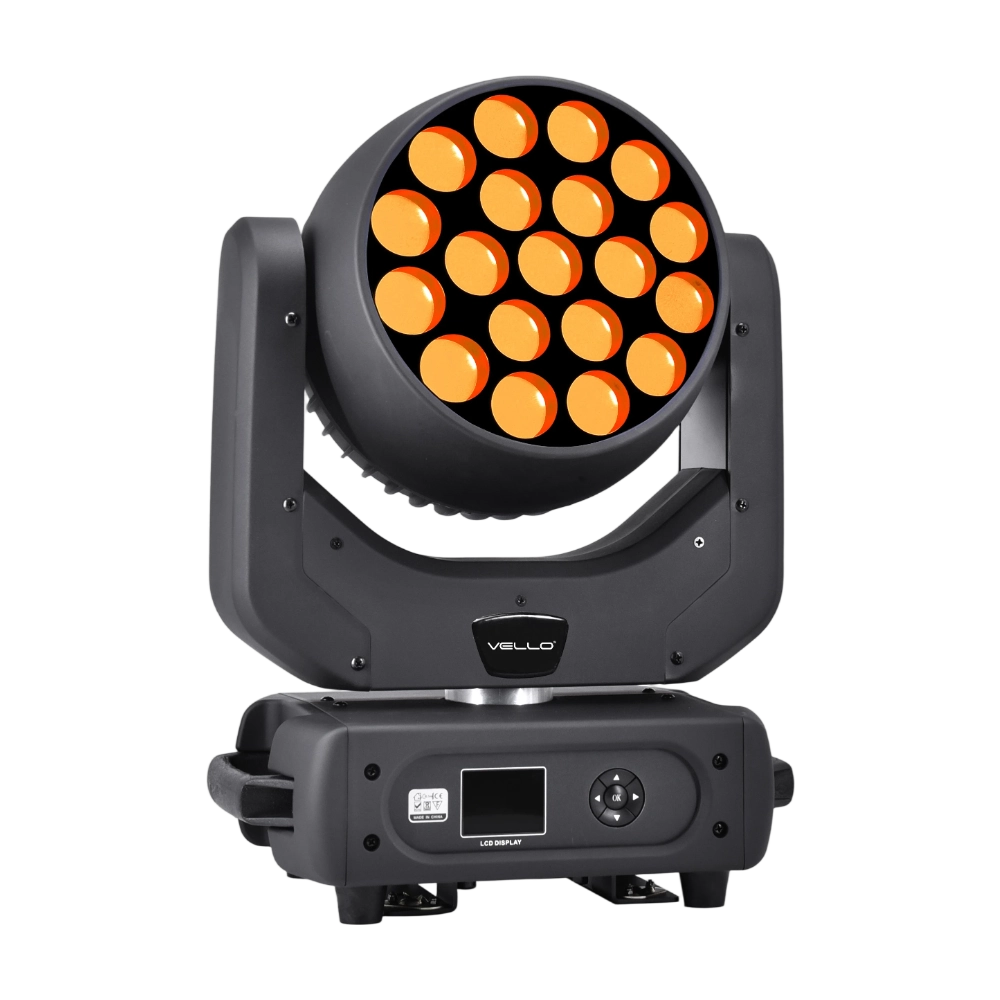
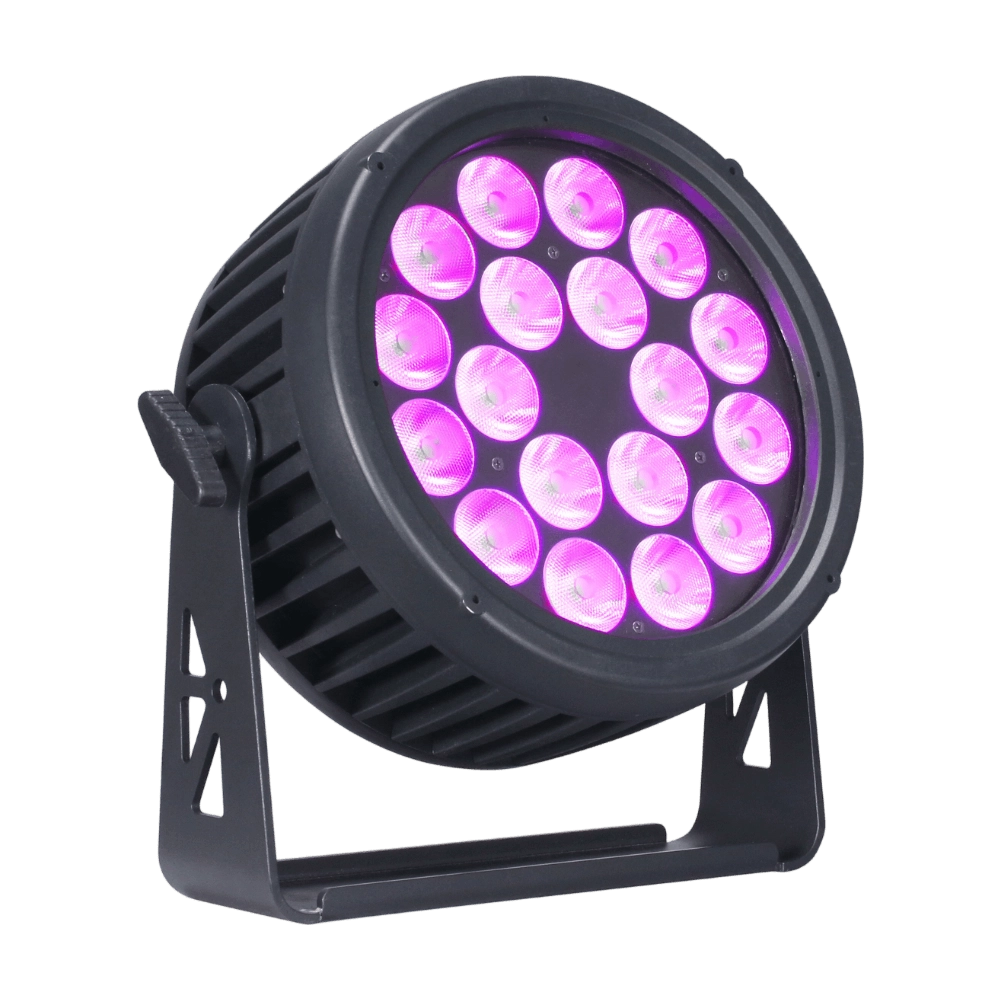
The LED Mac Par 18 offers 180W of output with 18 × 10W RGBW LEDs for brilliant, even color washes. Featuring a long 50,000-hour LED lifetime, flicker-free output, and 25°/45° lens options, it ensures flexibility in stage, event, and installation setups. Its rugged die-cast aluminum housing, IP65 rating, and DMX control modes make it a versatile wash solution.
◌ Let Us Support Your Project
Request a Custom Quote and Technical Support
Fill out the form below, and our sales team will contact you shortly with product details, pricing, and customer service options.
Rest assured that your privacy is important to us, and all information provided will be handled with the utmost confidentiality.
By clicking "Send your message," I agree to your processing my personal data.
To see how to withdraw your consent, how to control your personal data, and how we process it, please see our Privacy Policy and Terms of Use.
Over 20 Years of Innovation in Stage & Studio Lighting
© 2026 VELLO. All Rights Reserved. 粤ICP备20023734号
Join our socials
VELLO
Whatsapp: +8613902276704
Vello Lighting
VelloLights