





Why energy efficiency of LED stage lights matters for venues?
- 1. How do I calculate lux/lumen requirements for a 300-seat theater stage when replacing 575W discharge fixtures with LED wash fixtures?
- 2. What is the realistic total cost of ownership (TCO) difference between a 1 kW halogen/arc fixture and an equivalent LED fixture for a touring venue over 5 years?
- 3. How can I verify a manufacturer's photometric and lifetime claims (lumens, lux charts, L70) to avoid being misled by marketing numbers?
- 4. What thermal management and lumen maintenance checks should I require so LEDs keep output and avoid premature failures in packed, high-ambient-temperature venues?
- 5. For rental and touring rigs, how do I balance fixture weight, truss capacity, inrush current and power-distribution when replacing conventional moving heads with LED moving heads?
- 6. How do I quantify HVAC savings and stage heat reduction when switching to LED fixtures, and what data should I provide building engineers?
When upgrading or specifying fixtures, venue managers and lighting designers must move beyond marketing specs. The following six focused questions address common purchase pain points around stage lighting design and why LED stage lights' energy efficiency matters for venues. Each answer references accepted industry standards (LM-79, LM-80, TM-21, IES photometrics) and practical calculations you can use when comparing fixtures.
1. How do I calculate lux/lumen requirements for a 300-seat theater stage when replacing 575W discharge fixtures with LED wash fixtures?
Step 1 — define target illuminance: For general theatrical stage wash, a practical target is 300–800 lux on stage surface depending on show type (rehearsal/drama vs musicals/high-contrast video). Choose a value in that range — e.g., 500 lux for mixed programming.
Step 2 — measure stage area: example stage = 10 m x 8 m = 80 m².
Step 3 — calculate total lumens required (idealized): total lumens = target lux × area = 500 lux × 80 m² = 40,000 lumens.
Step 4 — choose a realistic fixture output and deployment geometry: LED wash fixtures publish lumen output and beam angle; use the fixture’s photometric IES file to compute lux at distance. As a simplified estimate, if a single LED wash provides 10,000 lumens usable on-target (accounting for optics and losses), you would need 40,000 / 10,000 = 4 fixtures. Add a 15–30% contingency for overlap, focusing needs, and dimming headroom => specify 5–6 fixtures per layer.
Step 5 — factor in throw distance and beam angle: narrow beams concentrate candela and lux; wide beams spread lumens. Use manufacturer lux plots from IES files (LM-79 photometry) to model actual coverage at the rigging height. Always request .ies files and test them in your lighting-design tool (e.g., Capture, Wysiwyg) rather than relying only on raw lumen numbers.
Practical tip: converting from 575W discharge to an LED equivalent often reduces fixture power by 50–75% for the same on-stage lux because LEDs focus useful light better and have integrated optics. However, count fixtures by lux distribution (with IES) rather than lumen claims alone.
2. What is the realistic total cost of ownership (TCO) difference between a 1 kW halogen/arc fixture and an equivalent LED fixture for a touring venue over 5 years?
Use transparent assumptions and include purchase, energy, lamp replacement, maintenance labor, and disposal. Example assumptions for calculation:
- Hours per year in service: 1,200 h (typical for active touring rigs)
- Electricity cost: $0.12 / kWh
- Conventional fixture power draw: 1,000 W (1 kW)
- LED equivalent power draw: 250 W (typical modern LED moving head/wash)
- Conventional lamp life & cost: 500–1,000 h lamp life, $150 per lamp + 0.5 h labor per replacement
- LED lifetime: rated 50,000 h (L70), negligible lamp replacement; occasional driver or fan service
Energy over 5 years (6,000 h):
- Conventional: 1,000 W × 6,000 h = 6,000 kWh → 6,000 × $0.12 = $720
- LED: 250 W × 6,000 h = 1,500 kWh → 1,500 × $0.12 = $180
Lamp replacement & maintenance (conventional): If lamp life = 1,000 h, you need ~6 lamps over 5 years: 6 × $150 = $900 plus labor (6 × 0.5 h × technician rate). LED: typically no lamp purchases; budget for occasional driver/fan service ($100–300 over 5 years).
Upfront price example ranges (vary by model/brand): conventional fixture $400–$800; LED fixture $1,300–$3,000. Over 5 years TCO frequently favors LEDs once you include energy and maintenance savings and reduced downtime; payback periods for many use-cases fall in 1–3 years for high-usage touring rigs. Always run a TCO spreadsheet using your local energy rates, hours, labor cost, and real vendor pricing.
3. How can I verify a manufacturer's photometric and lifetime claims (lumens, lux charts, L70) to avoid being misled by marketing numbers?
Request and verify documentation:
- LM-79 report (IES photometric measurement): gives lumen output, power, efficacy, spectral data and IES file. Prefer third-party lab testing (UL/ETL/TÜV accredited labs).
- LM-80 report: shows LED package lumen maintenance over time at specified temperatures and currents; required to project lifetime.
- TM-21 report or projection: extrapolates LM-80 data to estimate L70 lifetime. Verify the TM-21 projection period is reasonable (TM-21 limits projection to 6× the LM-80 test duration for conservative estimates).
- IES (.ies) files: load these into your CAD or lighting software to model actual lux distribution. Compare manufacturer lux plots to independent measurements if possible.
- Power measurements: check rated wattage, power factor, and inrush current. Ask for measured watts at rated output and at rated CCT to ensure efficacy claims are realistic.
Red flags: lumen claims without LM-79 data, L70 advertised without LM-80 backing, or photometric plots produced solely by internal simulation. Good vendors will provide test reports or allow independent lab testing.
4. What thermal management and lumen maintenance checks should I require so LEDs keep output and avoid premature failures in packed, high-ambient-temperature venues?
Key items to verify:
- LM-80 data and TM-21 projections for L70; L70 ≥ 50,000 h is common for quality fixtures.
- Driver specs: high-quality constant-current drivers with active thermal protection and wide input voltage range. Ask about driver MTBF and whether the unit is field-replaceable.
- Heatsink design and cooling strategy: check whether the fixture is passive (fanless) or active (fan). Fanless designs avoid dust ingestion and are preferred in dusty venues but must have robust thermal paths. Active cooling should use serviceable fans and filters where appropriate.
- Ambient temperature rating and derating curves: request the fixture’s maximum ambient temperature (Ta) and lumen output curve vs ambient. If your fly-tower or grid typically reaches 35–40°C, ensure the fixture is rated for that environment.
- IP rating and ingress protection, if used on outdoor stages or smoky environments. Lower IP fixtures are acceptable for climate-controlled indoor venues but not for outdoor touring without protection.
Also check for flicker-free drivers (no visible flicker for broadcast/LED screens), high CRI/TLCI if color fidelity matters, and how the manufacturer specifies lumen maintenance (L70 vs L80) and warranty terms. Thermal management directly affects lumen maintenance and therefore long-term energy and maintenance budgets.
5. For rental and touring rigs, how do I balance fixture weight, truss capacity, inrush current and power-distribution when replacing conventional moving heads with LED moving heads?
Consider three interdependent constraints: rigging load, electrical load, and rack/road portability.
- Weight & rigging: LED moving heads are typically lighter than discharge equivalents but still vary widely. Verify weight and center-of-gravity location for rigging points and calculate total point loads per truss bay. Always obey safety factors from truss manufacturer and local codes.
- Inrush current & breakers: LEDs can present high inrush current (especially fixtures with capacitor-charged drivers) despite lower steady-state watts. Request measured inrush current figures and recommend staggered turn-on or soft-start PDUs if inrush is significant. Also check power factor and THD; a poor PF can increase apparent power draw.
- Single-phase vs three-phase distribution: compute steady-state currents: example replacing 10 × 600W conventional heads (6 kW) with 10 × 200W LED heads (2 kW) reduces steady current at 230 V from ~26 A to ~8.7 A. This lowers breaker requirements but do not forget inrush and diversity factors when planning feeds.
- Cabling and connectors: ensure fixtures use appropriate connectors (powerCON, stagepin, etc.) compatible with your distro. Consider DMX wiring (shielded vs wireless DMX), RDM for remote addressing, and redundancy for touring reliability.
Best practice: produce a per-show power/load schedule including steady watts, inrush currents, rigging loads per point, and cable runs. Use this to select distro panels, breakers, and soft-start PDUs if needed.
6. How do I quantify HVAC savings and stage heat reduction when switching to LED fixtures, and what data should I provide building engineers?
Electrically, most of the input power to lighting becomes heat inside the venue (except for light that exits the building or is absorbed by occupants/objects). Use the watt-to-BTU/hr conversion to quantify cooling load reductions: 1 W ≈ 3.412 BTU/hr.
Example calculation:
- Before: 20 fixtures × 575 W = 11,500 W → heat load = 11,500 × 3.412 = 39,238 BTU/hr
- After (LED): 20 fixtures × 200 W = 4,000 W → heat load = 4,000 × 3.412 = 13,648 BTU/hr
- Cooling reduction: 39,238 − 13,648 = 25,590 BTU/hr (a tangible reduction in HVAC demand)
Provide this delta to building engineers along with expected hours of operation per day and duty cycles so they can translate it to kWh and HVAC runtime savings. Real-world savings on cooling costs will depend on climate, HVAC efficiency (COP/EER), and whether the stage airflow recirculates to conditioned spaces. In hot climates or tightly sealed venues, reduced lighting heat can materially cut HVAC runtime and peak demand charges.
Data to provide engineers:
- Before/after steady-state lighting wattage and expected operating hours
- Rigging location heights and stage volume (for transient thermal modeling)
- Fixture radiant vs convective heat fractions if available (some labs provide this in LM-79 reports)
- Local utility rate structure (kWh, demand charges) to estimate cost savings
Work with an MEP engineer for precise modeling; the watt-to-BTU rule of thumb gives a fast, conservative estimate for initial decision-making.
Concluding summary: Energy-efficient LED stage lights reduce steady-state power draw 40–80% compared with conventional incandescent or discharge fixtures for comparable on-stage lux, lower maintenance through longer LED lifetimes (LM-80/TM-21 L70 projections), decrease HVAC cooling load (use 1 W ≈ 3.412 BTU/hr to quantify), and improve rigging and distribution flexibility via lower steady currents and often lighter fixtures. Verify claims by requesting LM-79/LM-80/TM-21 reports, .ies photometric files, inrush/power-factor measurements, and ambient derating curves. Properly validated, LED upgrades yield shorter payback periods for high-usage venues and reduce operational risk for touring rigs.
If you’d like a customized fixture selection, photometric modeling, or a formal quote tailored to your venue’s rigging and HVAC constraints, contact us at www.vellolight.com or email info@vellolight.com.
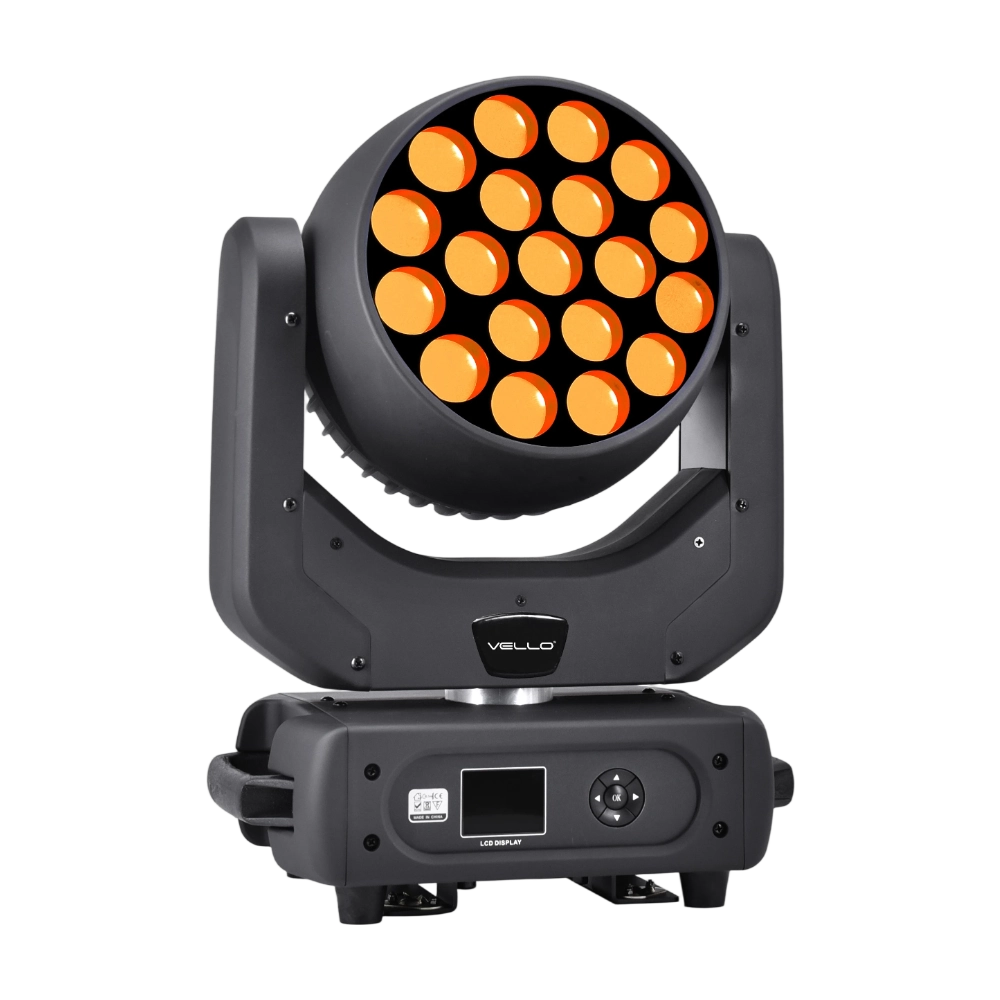
Major categories
Do you ship internationally?
Yes. We offer sea, air, and express delivery to many countries and regions worldwide.
What is the warranty period for your products?
Most products come with a standard 1–2 year warranty. Please refer to product details or contract terms for specifics.
Do your products support customization?
Yes. We offer OEM and ODM services tailored to project needs, including design, optics, and control compatibility.
Do you offer samples?
Samples are available for certain models. Please confirm with our sales team for details.
What is the usual lead time?
Standard models are typically shipped within 7–15 working days after payment. Customized items may vary.
You may also like
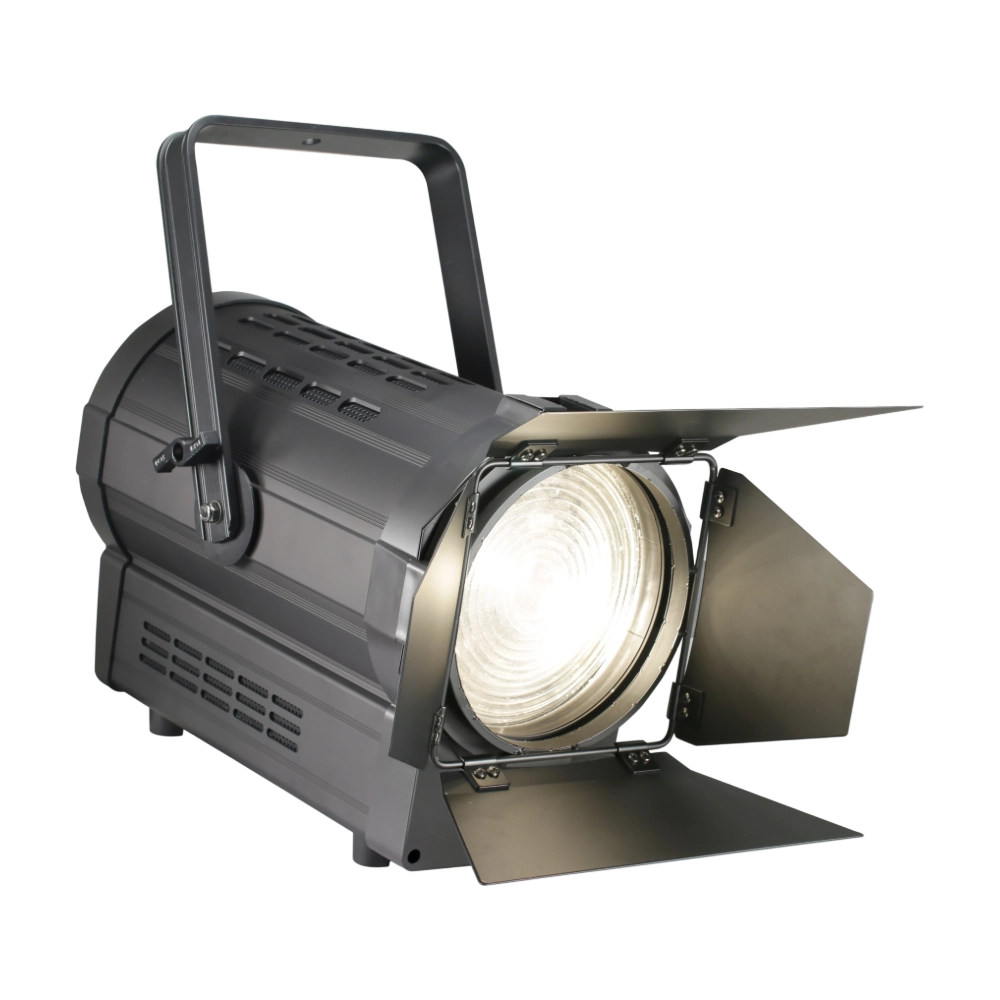
The TH350 Fresnel CTO is a 350W LED Fresnel spotlight designed for broadcast, theater, and studio applications. Featuring COB 2-in-1 LEDs (Warm White + Cool White, 175W each), it provides adjustable CTO (3000K–6000K) with a high CRI ≥97. Its 15°–50° electronic zoom and 0–100% linear dimming system allow precise control of light output. Built with silent operation and advanced cooling, it includes manual & DMX zoom, barndoor compatibility, and smooth Fresnel-style washes—a modern replacement for traditional Fresnel lamps.
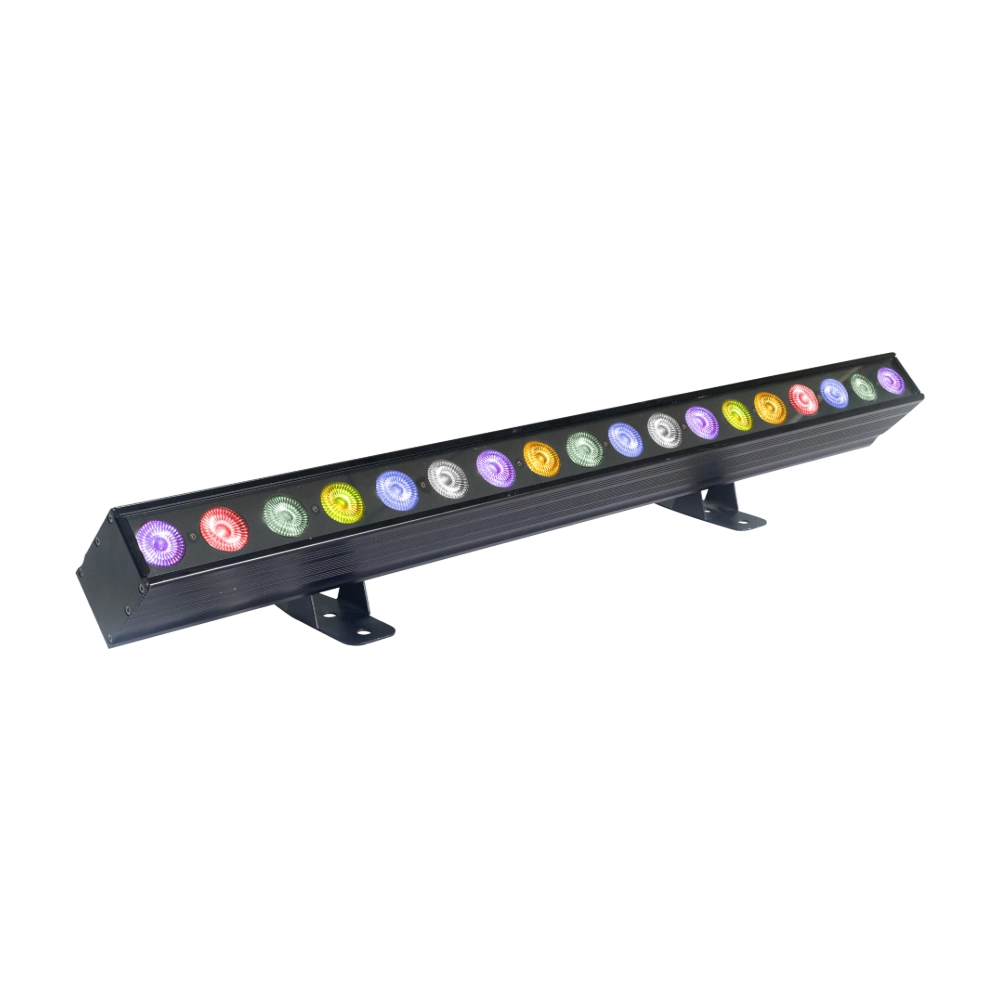
The LED SlimBar 1841 Pixel is a sleek 300W pixel LED bar with 15 × 15W RGBW LEDs + 120 × 0.5W RGBW SMD LEDs, arranged for powerful washes and pixel effects. Offering multiple lens options (6°/15°/25°/45°), 21–180 DMX channels, and individual LED control, it provides endless creative possibilities. Lightweight yet powerful, it’s perfect for stage backdrops, visual effects, and architectural lighting.
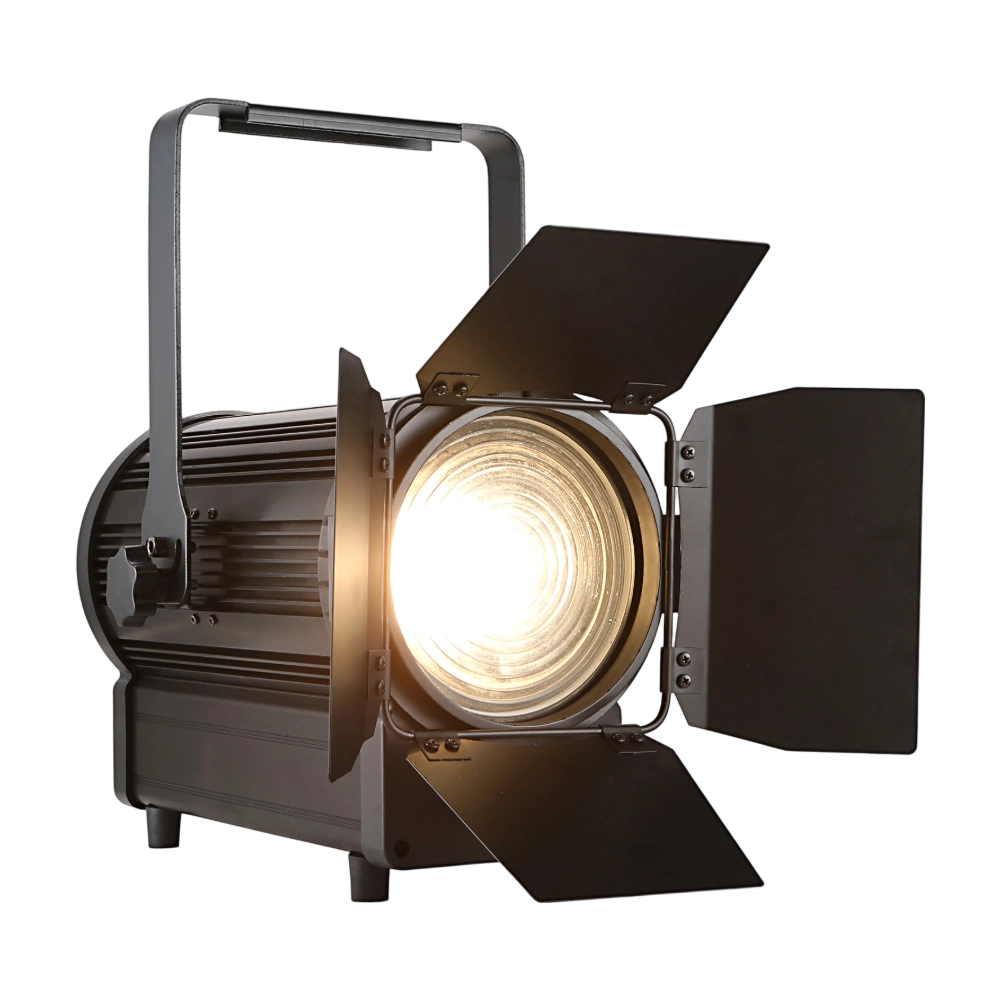
The TH250 Fresnel CTO is a compact yet powerful 250W LED Fresnel fixture. Equipped with dual 125W WW/CW lamps, it offers CTO adjustment (3000K–6000K) and CRI ≥97 for true-to-life color rendering. The 15°–50° zoom and electronic dimming make it versatile for stage and studio use. With flicker-free output, silent operation, and DMX/manual zoom, the TH250 is an ideal energy-efficient alternative to conventional Fresnels.
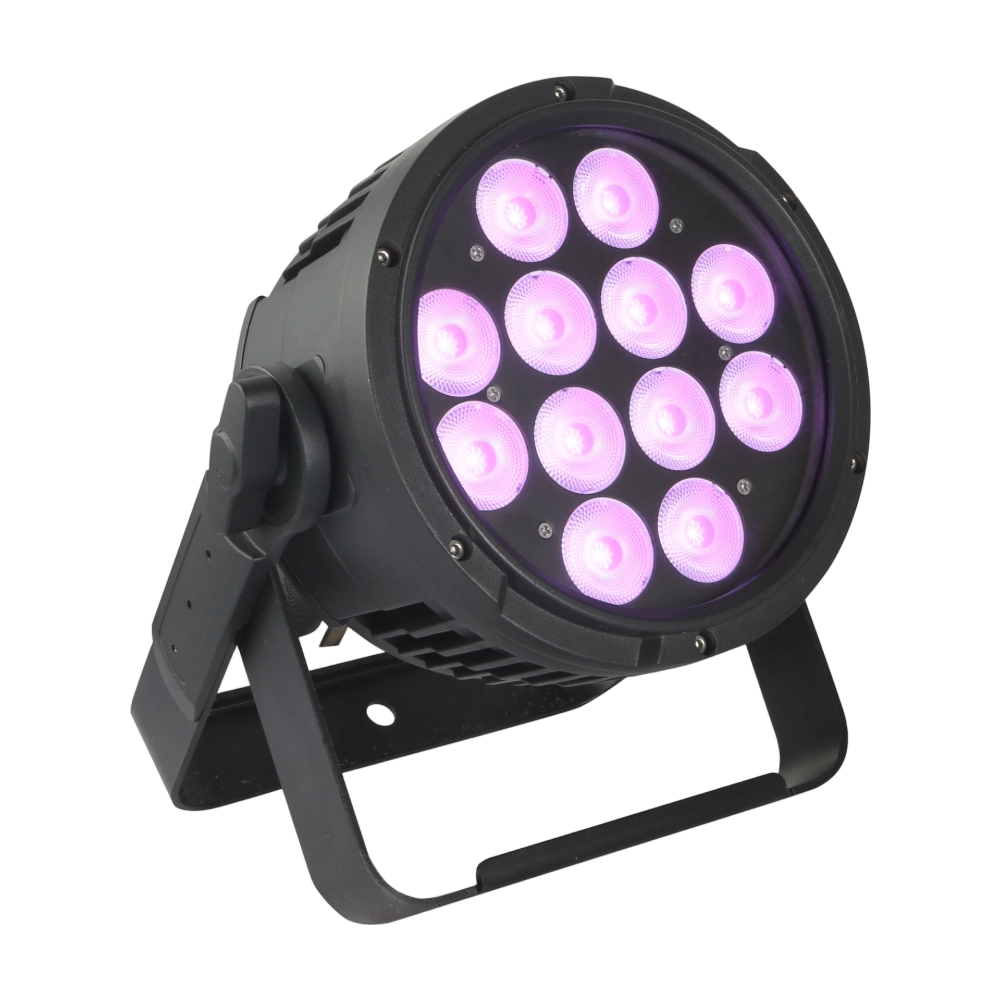
The LED Mac Par 12 is a durable 120W RGBW par light, featuring 12 × 10W 4-in-1 LEDs. With a 25°/40° lens option and smooth 0–100% dimming, it produces vibrant color mixing with silent, low-noise performance. Designed with IP65 protection, it is suitable for both indoor and outdoor use. Compact and powerful, this unit is ideal for architectural lighting, stages, and events.
◌ Let Us Support Your Project
Request a Custom Quote and Technical Support
Fill out the form below, and our sales team will contact you shortly with product details, pricing, and customer service options.
Rest assured that your privacy is important to us, and all information provided will be handled with the utmost confidentiality.
By clicking "Send your message," I agree to your processing my personal data.
To see how to withdraw your consent, how to control your personal data, and how we process it, please see our Privacy Policy and Terms of Use.
Over 20 Years of Innovation in Stage & Studio Lighting
© 2026 VELLO. All Rights Reserved. 粤ICP备20023734号
Join our socials
VELLO
Whatsapp: +8613902276704
Vello Lighting
VelloLights