





What is stage lighting design and why does it matter?
- 1. What is stage lighting design and why does it matter?
- 2. How do I choose the right lighting fixtures for my stage?
- 3. What are the common mistakes to avoid in stage lighting design?
- 4. How do I manage power requirements for stage lighting?
- 5. What role does color play in stage lighting design?
- 6. How do I ensure safety in stage lighting design?
1. What is stage lighting design and why does it matter?
Stage lighting design is the art and practice of planning and executing the lighting for a performance or event. It involves selecting appropriate lighting fixtures, positioning them strategically, and controlling their intensity, color, and movement to enhance the visual experience. Effective stage lighting design is crucial because it:
Sets the Mood and Atmosphere: Lighting influences the emotional tone of a performance, guiding the audience's reactions and engagement.
Focuses Attention: Proper lighting directs the audience's gaze to key performers or elements on stage.
Enhances Visibility: Ensures that performers and set pieces are clearly visible, preventing distractions caused by poor lighting.
Supports the Narrative: Helps convey the story by highlighting specific moments or transitions.
In essence, stage lighting design is integral to creating a compelling and immersive experience for the audience.
2. How do I choose the right lighting fixtures for my stage?
Selecting the appropriate lighting fixtures depends on several factors:
Venue Size and Layout: Consider the dimensions and architecture of the venue. For instance, in large spaces, using appropriately scaled fixtures like large chandeliers can prevent the lighting from appearing undersized.
Type of Performance: Different performances may require specific lighting effects. For example, concerts often benefit from moving head lights that can create dynamic effects, while theater productions might rely more on static lighting to focus on actors.
Budget Constraints: High-quality fixtures may have a higher upfront cost but can offer better durability and energy efficiency, leading to long-term savings.
Technical Requirements: Ensure that the fixtures are compatible with your existing lighting control systems and can achieve the desired effects.
It's advisable to consult with lighting professionals or suppliers to make informed decisions tailored to your specific needs.
3. What are the common mistakes to avoid in stage lighting design?
Beginners often encounter several pitfalls in stage lighting design:
Overlighting the Stage: Flooding the stage with excessive light can wash out colors and create a harsh environment. Instead, use light strategically to highlight key areas and performers.
Ignoring Venue Constraints: Overlooking the unique characteristics of your venue can result in logistical challenges. Ensure that your stage set fits the space, and consider factors like electrical capacity and safety regulations.
Neglecting Maintenance: Regular maintenance of lighting fixtures is essential to ensure optimal performance and longevity.
Inadequate Planning: Treating lighting as an afterthought can lead to forced installations lacking visual coherence and functional efficiency. Incorporate lighting design from the concept stage to avoid this.
4. How do I manage power requirements for stage lighting?
Proper power management is vital to prevent equipment malfunctions and ensure safety:
Calculate Total Wattage: Sum the wattage of all lighting fixtures and additional equipment to determine the total power requirement.
Distribute Load Evenly: Avoid overloading circuits by connecting too many fixtures to a single power source.
Use Appropriate Cables: Ensure that cables are rated for the required load and are in good condition to prevent overheating.
Plan for Contingencies: Have backup power solutions, such as generators or uninterruptible power supplies (UPS), to handle unexpected outages.
Consulting with an electrician or lighting technician can provide guidance tailored to your specific setup.
5. What role does color play in stage lighting design?
Color is a powerful tool in stage lighting design, influencing the mood and perception of a performance:
Warm Colors (Red, Orange, Yellow): Evoke feelings of warmth, energy, and intimacy.
Cool Colors (Blue, Green, Purple): Convey calmness, mystery, or modernity.
Color Mixing: Combining colors can create dynamic effects and highlight specific elements on stage.
Utilizing color effectively requires understanding color theory and how different hues interact with each other and the environment.
6. How do I ensure safety in stage lighting design?
Safety is paramount in stage lighting design to protect performers, crew, and the audience:
Secure Fixtures Properly: Use appropriate rigging and safety cables to prevent accidental falls.
Manage Cables: Route cables safely to avoid tripping hazards and ensure they are in good condition to prevent electrical faults.
Regular Inspections: Conduct routine checks of all equipment to identify and address potential issues before they become hazards.
Adhere to Regulations: Follow local safety codes and industry standards to ensure compliance and safety.
Implementing these practices helps create a safe environment for all involved in the production.
In conclusion, effective stage lighting design is essential for creating engaging and immersive performances. By understanding its importance, making informed equipment choices, avoiding common mistakes, managing power requirements, utilizing color strategically, and ensuring safety, you can enhance the visual impact of your productions.
At VELLO, we specialize in providing high-quality LED stage lighting solutions tailored to your specific needs. Our expertise ensures that your lighting design is both effective and safe, elevating your performance to the next level.
For personalized advice and a comprehensive quote, please contact us at info@vellolight.com or visit our website at www.vellolight.com.
Major categories
Do your products support customization?
Yes. We offer OEM and ODM services tailored to project needs, including design, optics, and control compatibility.
What is the warranty period for your products?
Most products come with a standard 1–2 year warranty. Please refer to product details or contract terms for specifics.
What is the usual lead time?
Standard models are typically shipped within 7–15 working days after payment. Customized items may vary.
Do you offer samples?
Samples are available for certain models. Please confirm with our sales team for details.
Do you ship internationally?
Yes. We offer sea, air, and express delivery to many countries and regions worldwide.
You may also like
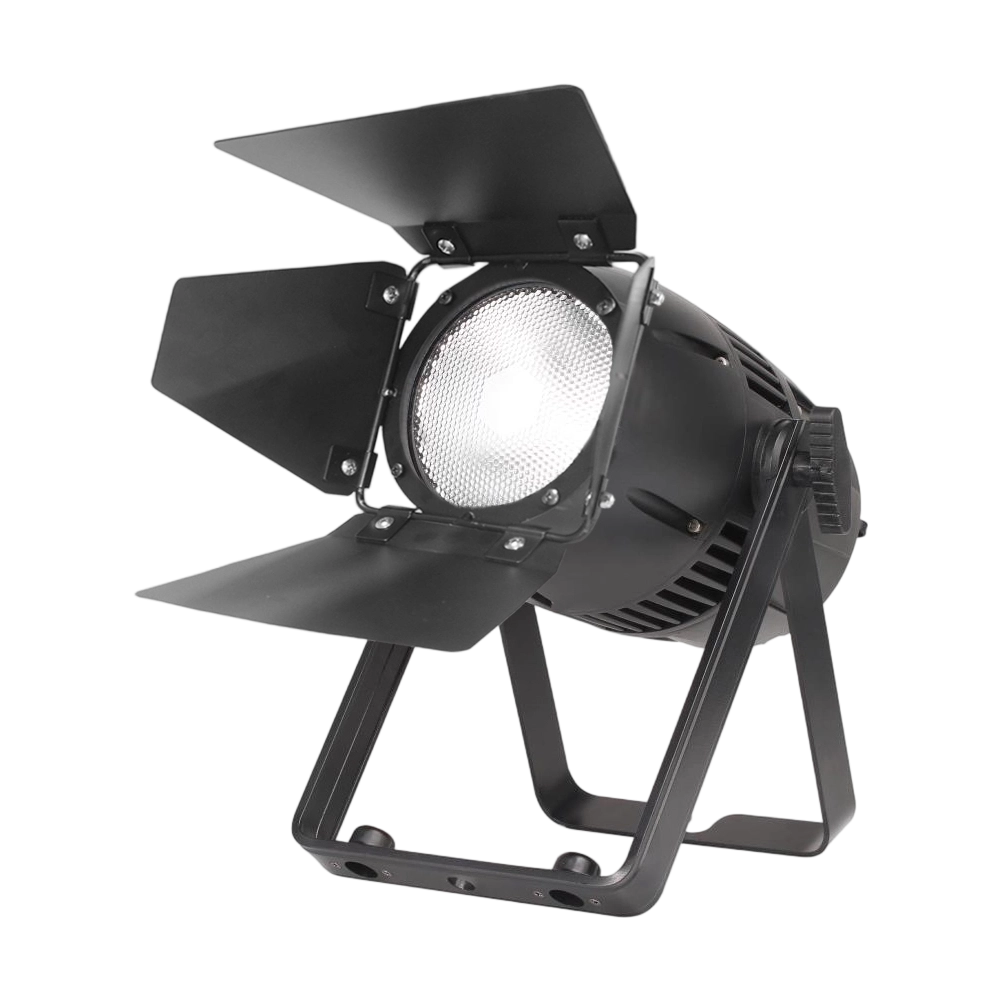
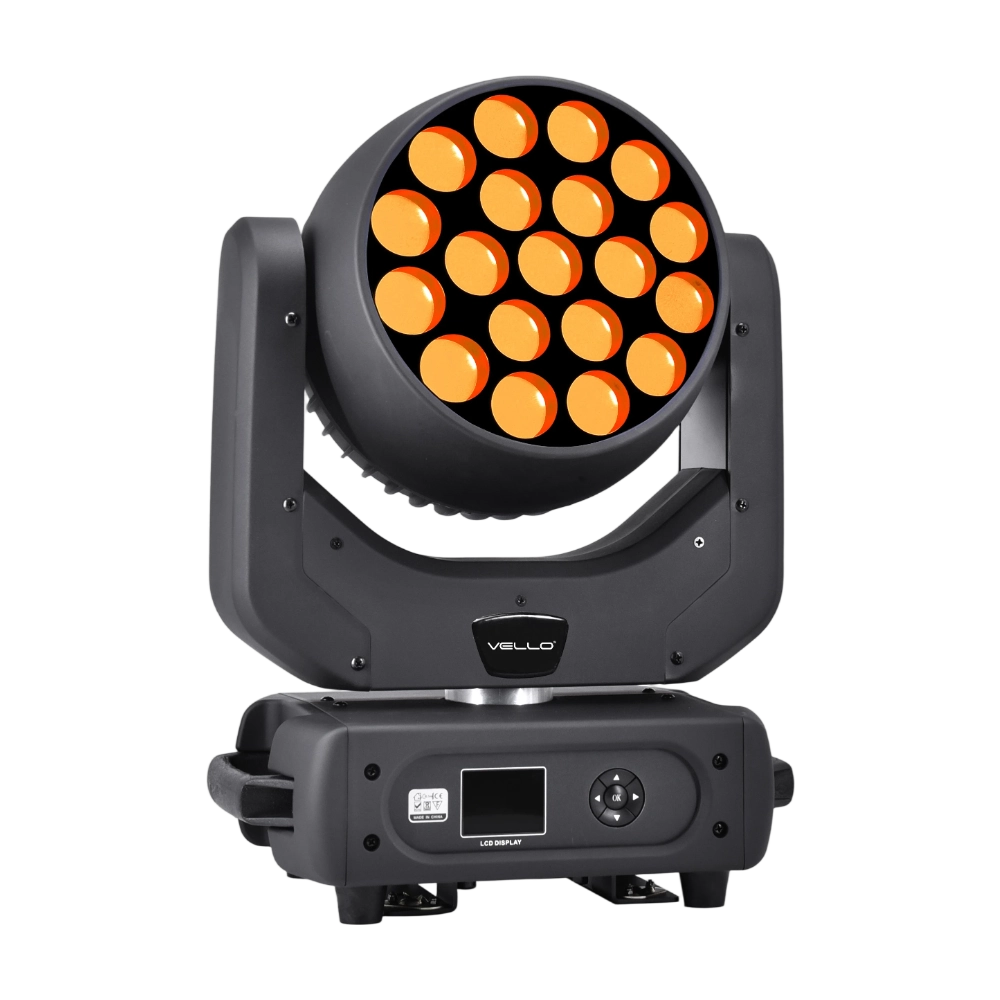
LED Blinder 300CTO is a 300W high-output stage blinder, powered by 2 × 150W LEDs with adjustable CTO (3200K–6000K) and super high CRI ≥97 for natural, camera-ready light. Featuring IP20/IP44 protection options, ±20° adjustable head tilt, and both horizontal and vertical mounting, it offers flexible setup for concerts and stage productions. With smooth 0–100% dimming, variable strobe, 16-bit dimmer curves, and independent or joint control of each head, the LED Blinder 300CTO delivers a powerful punch, versatile effects, and reliable flicker-free performance for professional lighting applications.
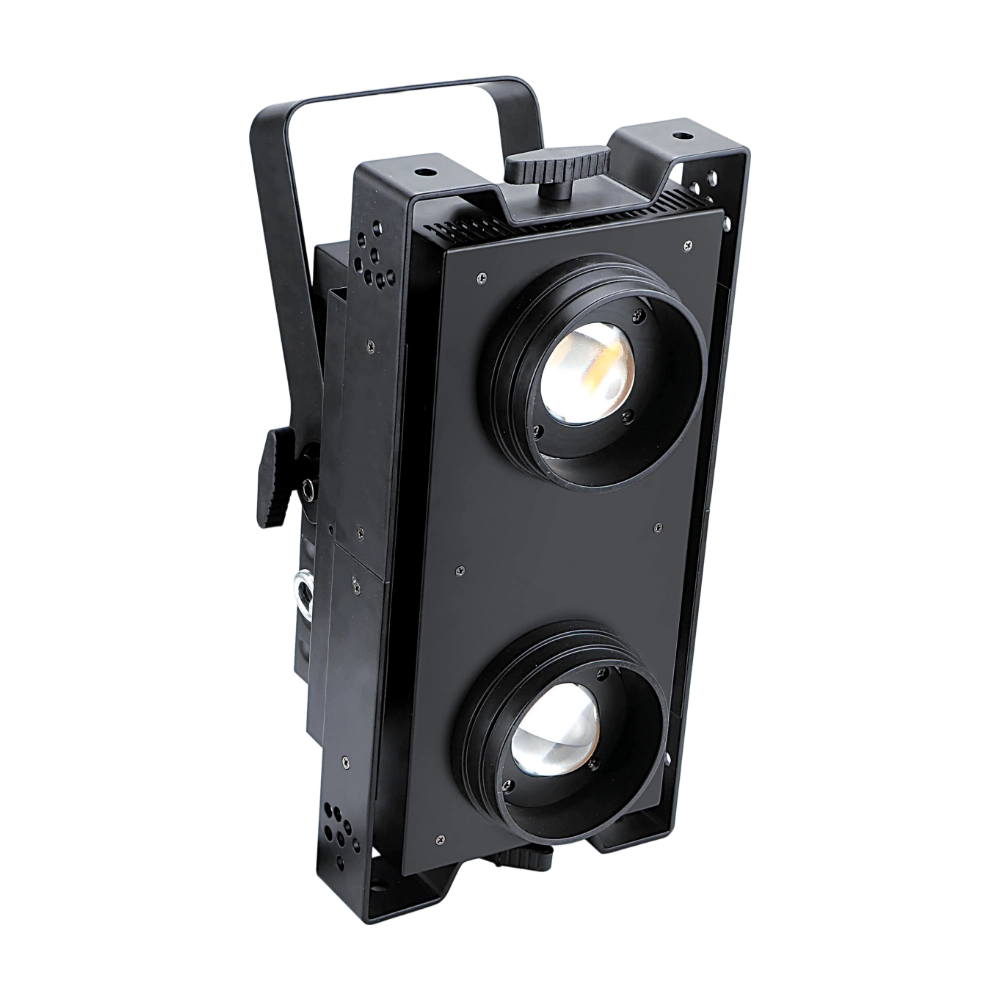
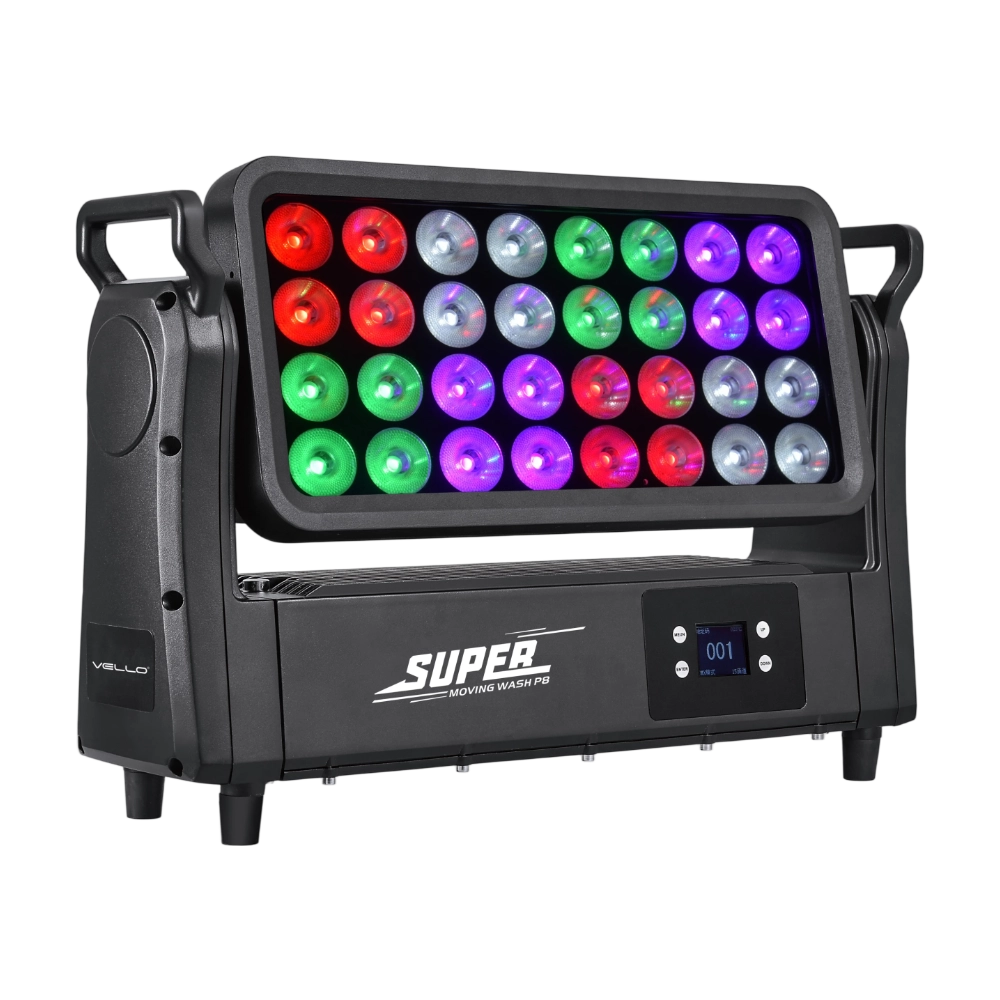
The LED Mac Par 18 offers 180W of output with 18 × 10W RGBW LEDs for brilliant, even color washes. Featuring a long 50,000-hour LED lifetime, flicker-free output, and 25°/45° lens options, it ensures flexibility in stage, event, and installation setups. Its rugged die-cast aluminum housing, IP65 rating, and DMX control modes make it a versatile wash solution.
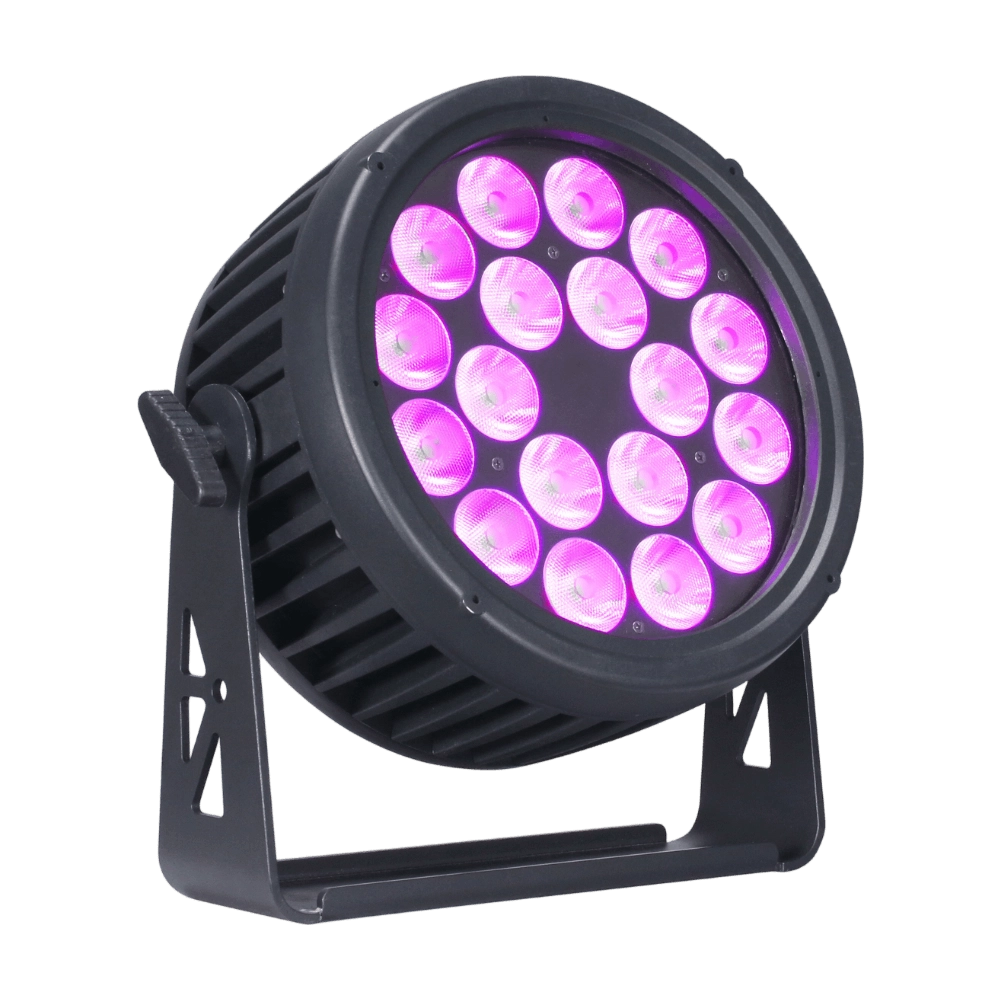
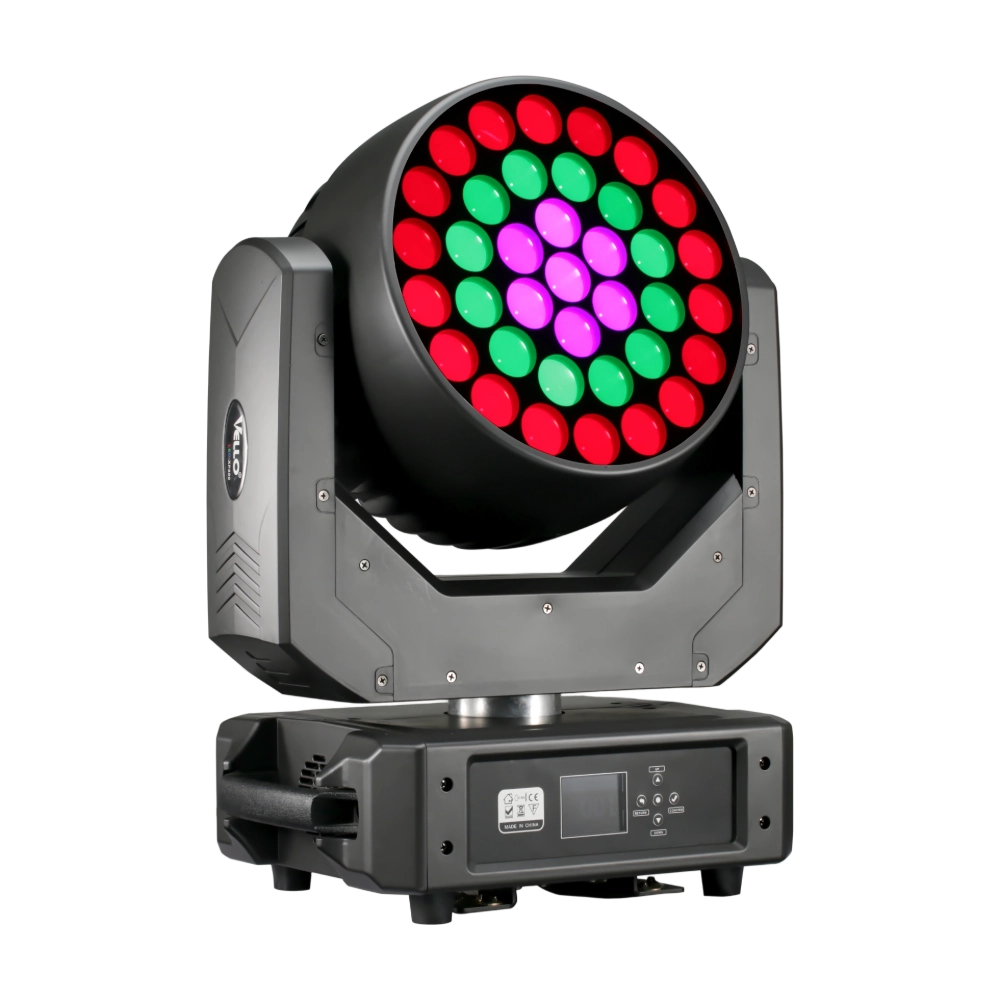
The LED Bee Eyes K19 IP is a 750W IP65-rated moving head wash, powered by 19 × 40W Osram RGBW LEDs for stunning brightness and vibrant colors. With a 4°–45° electronic zoom, wide CTO range (2700K–8000K), and a rotating lens wheel for dynamic visual effects, it delivers both powerful beams and smooth washes. Each LED can be controlled individually, enabling advanced pixel mapping and creative effects. Featuring 540° pan / 270° tilt, multiple DMX channel modes, and robust die-cast aluminum housing with excellent heat dissipation, the K19 IP is built for high-output performance in demanding outdoor and indoor productions.
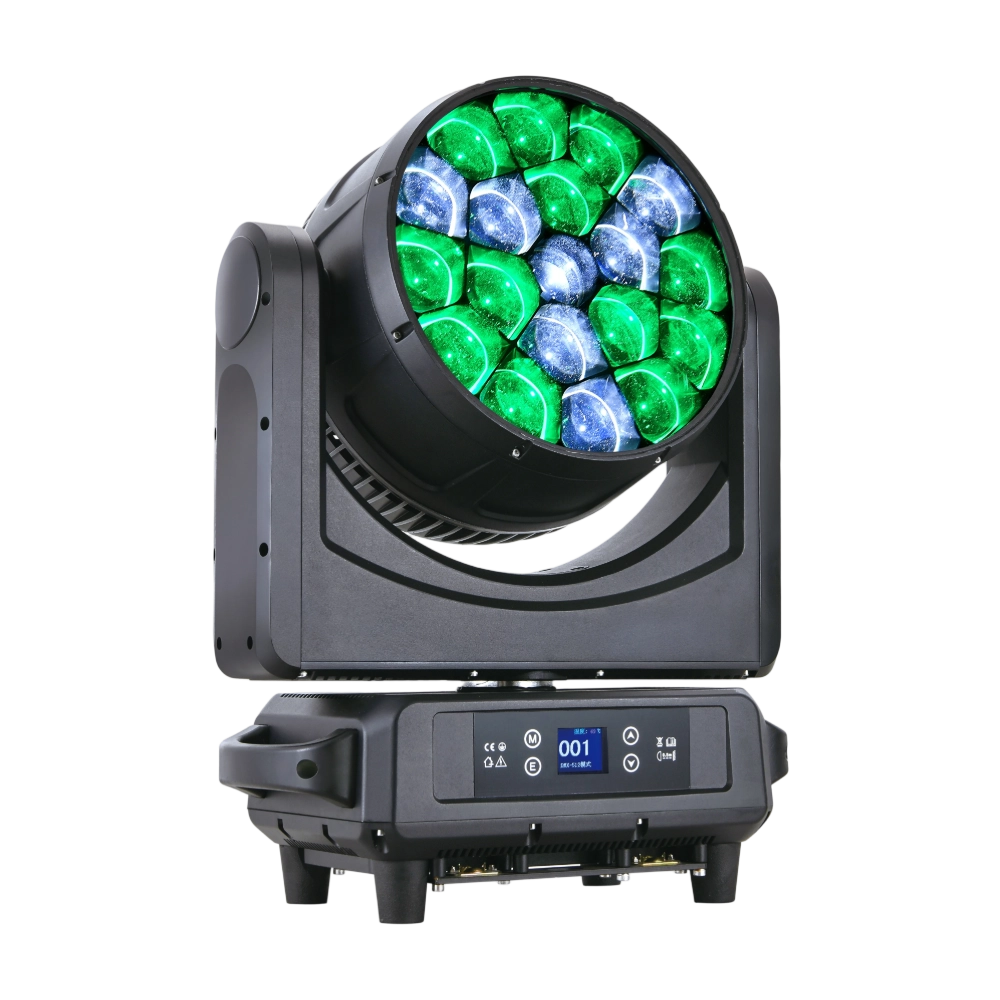
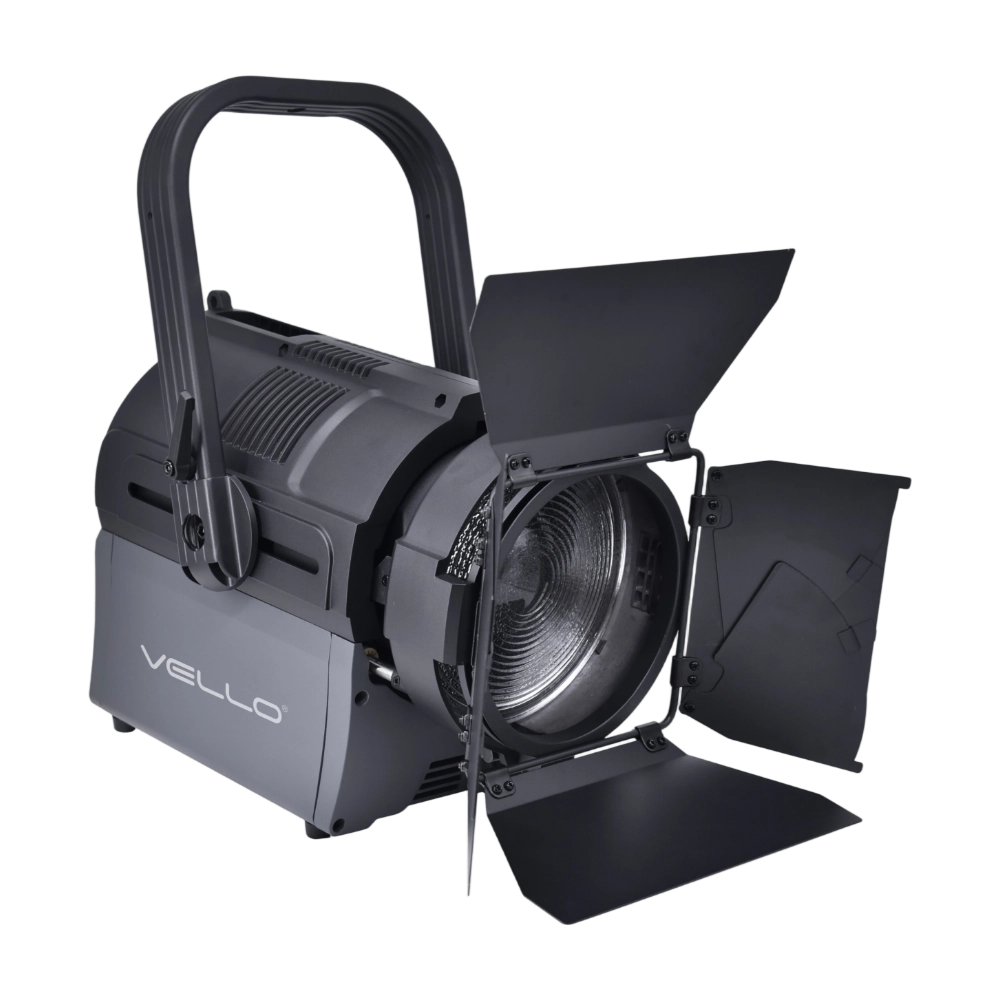
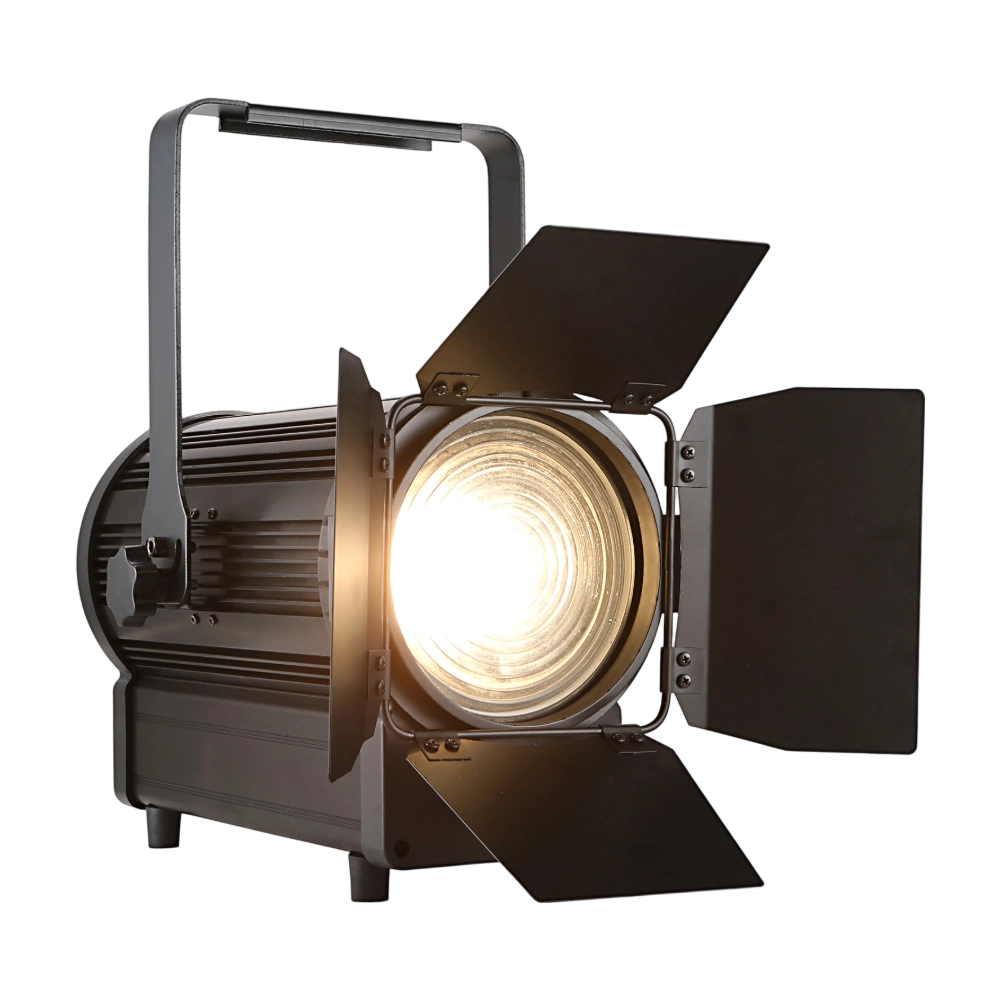
The TH250 Fresnel CTO is a compact yet powerful 250W LED Fresnel fixture. Equipped with dual 125W WW/CW lamps, it offers CTO adjustment (3000K–6000K) and CRI ≥97 for true-to-life color rendering. The 15°–50° zoom and electronic dimming make it versatile for stage and studio use. With flicker-free output, silent operation, and DMX/manual zoom, the TH250 is an ideal energy-efficient alternative to conventional Fresnels.
◌ Let Us Support Your Project
Request a Custom Quote and Technical Support
Fill out the form below, and our sales team will contact you shortly with product details, pricing, and customer service options.
Rest assured that your privacy is important to us, and all information provided will be handled with the utmost confidentiality.
By clicking "Send your message," I agree to your processing my personal data.
To see how to withdraw your consent, how to control your personal data, and how we process it, please see our Privacy Policy and Terms of Use.
Over 20 Years of Innovation in Stage & Studio Lighting
© 2026 VELLO. All Rights Reserved. 粤ICP备20023734号
Join our socials
VELLO
Whatsapp: +8613902276704
Vello Lighting
VelloLights