





What is the difference between spotlights and wash lights
- 1) For a mid‑sized 500‑seat proscenium theatre, how many lumens and what mix of spotlights vs wash lights will reliably achieve 250–400 lux on stage for live audiences and 700–1000 lux for HD broadcast without over‑lighting?
- 2) How do I choose between LED moving‑head spotlights with motorized zoom and dedicated wash fixtures for a touring act when weight, power, and color fidelity for HD recording matter?
- 3) What DMX/RDM wiring topology, termination, and channel configuration will ensure reliable control when integrating new LED fixtures with a legacy console and Ethernet-based nodes?
- 4) How can I objectively evaluate optical quality and beam uniformity between LED fixtures when manufacturers only publish lux at X meters and not full IES photometrics?
- 5) What are realistic 5‑year total cost of ownership (TCO) estimates for LED stage lights including energy, service parts (fans, drivers), and light output depreciation (L70), and how should I contract warranty and spares?
- 6) For outdoor festivals in hot, dusty, or humid climates, which IP rating, cooling architecture, and material treatments should I require to prevent failures and overheating in LED stage lights?
- Concluding summary: Advantages of LED stage lights for professional stage lighting equipment purchases
Professional Stage Lighting Equipment: 6 Expert Answers on Spotlights vs Wash Lights
Buying LED stage lights and professional stage lighting equipment requires more than glancing at lumen counts. Below are six long‑tail, buyer‑focused questions frequently missing in depth online — with detailed, actionable answers you can use when specifying fixtures, negotiating with vendors, and planning installations or tours.
1) For a mid‑sized 500‑seat proscenium theatre, how many lumens and what mix of spotlights vs wash lights will reliably achieve 250–400 lux on stage for live audiences and 700–1000 lux for HD broadcast without over‑lighting?
Why this matters: Many suppliers give only per‑fixture lux at a single distance or “300W equivalent” claims. Buyers need a scalable calculation and a recommended mix of spot (narrow, sculpting beams) vs wash (broad, even illumination) fixtures for both audience and camera needs.
Key guidance and calculation method:
- Target illuminance: theatrical plays often aim 200–400 lux on actors for audience viewing; live broadcast/HD camera typically requires 700–1000 lux with consistent color temperature and flicker‑free output (TLCI >90 preferred).
- Compute stage area: example 10m (width) x 8m (depth) = 80 m².
- Use this simplified lumen approach: required total lumens = desired lux × area ÷ system utilization factor (SUF). SUF considers fixture beam distribution, losses (diffusers, gels), and mounting. For professional LED fixtures aim SUF ≈ 0.45–0.65 (use 0.55 as a practical middle ground for theatre rigs).
- Example for 400 lux: total lumens ≈ 400 × 80 ÷ 0.55 ≈ 58,200 lumens across the stage. For 800 lux (camera): ≈ 116,400 lumens.
- Translate to fixtures: decide on fixture luminous output based on product spec (lumens or on‑axis lux and beam angle). Typical contemporary LED wash fixtures produce 3,000–12,000 lm (PAR/LED wash), compact spot moving heads range 7,000–40,000 lm depending on class. If you choose 10,000 lm wash fixtures, you would need ~6 fixtures for 60k lm (audience) or ~12 for 120k lm (broadcast), adjusted by beam overlap and mounting height.
Recommended mix and placement:
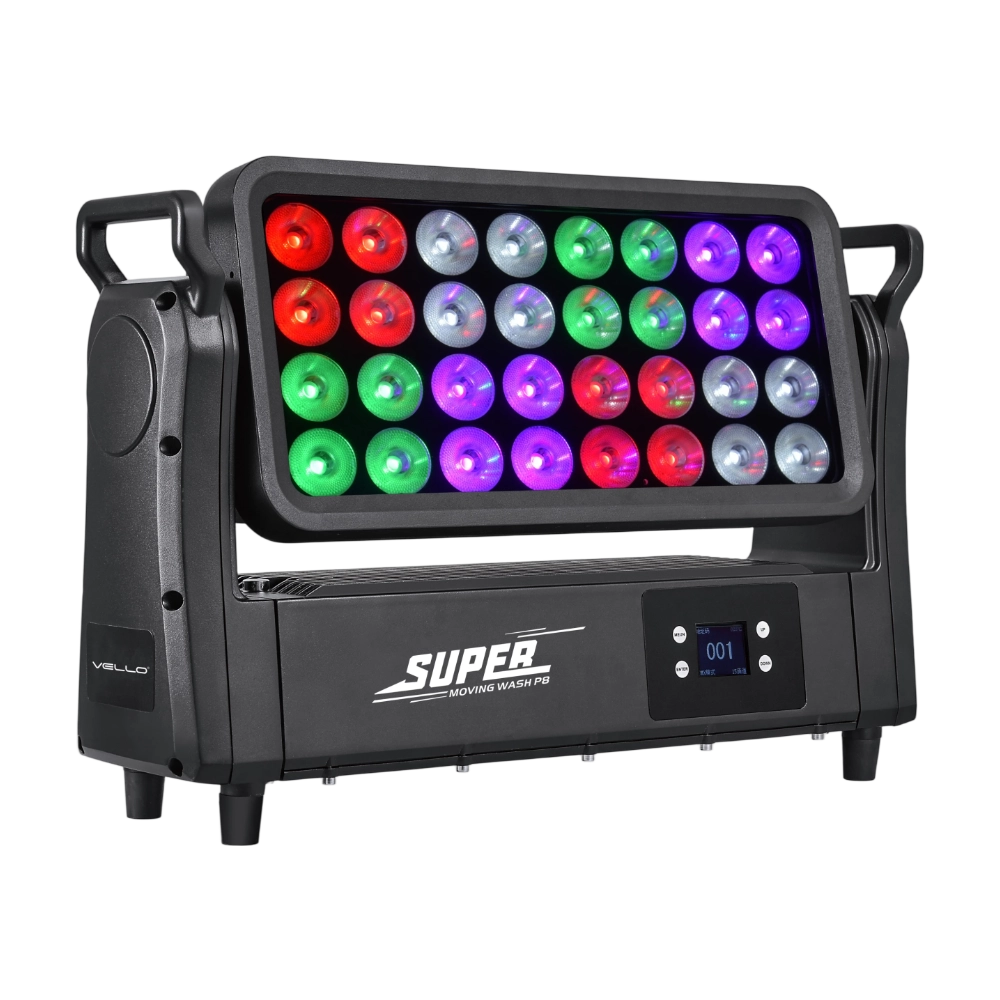
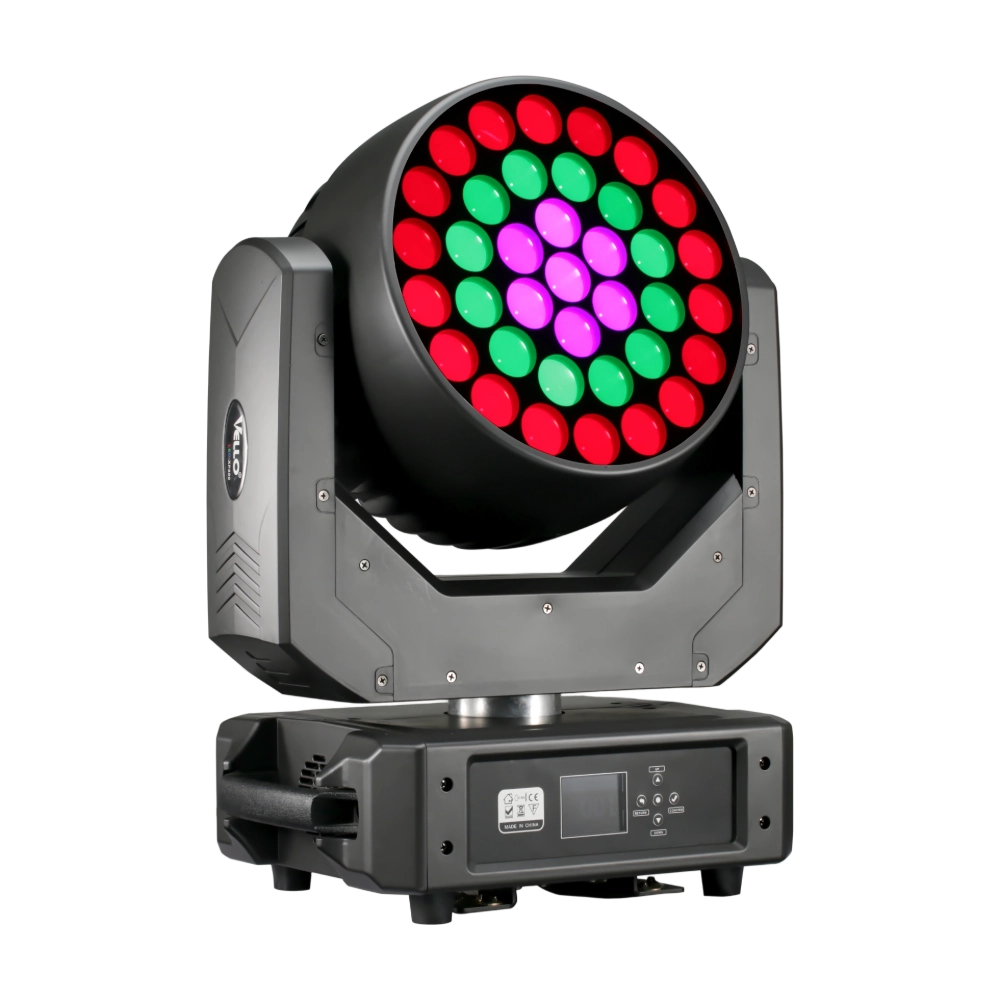
- Base layer (wash): 60–70% of total lumen budget from even wash fixtures (front/overhead/side) to avoid hotspots. Use LED washes with adjustable beam angle or motorized zoom for flexibility.
- Key/spot layer: 30–40% from spot/moving‑head spots for face light, specials, and gobos. Spots should offer framing shutters or zoom to control spill onto the backdrop.
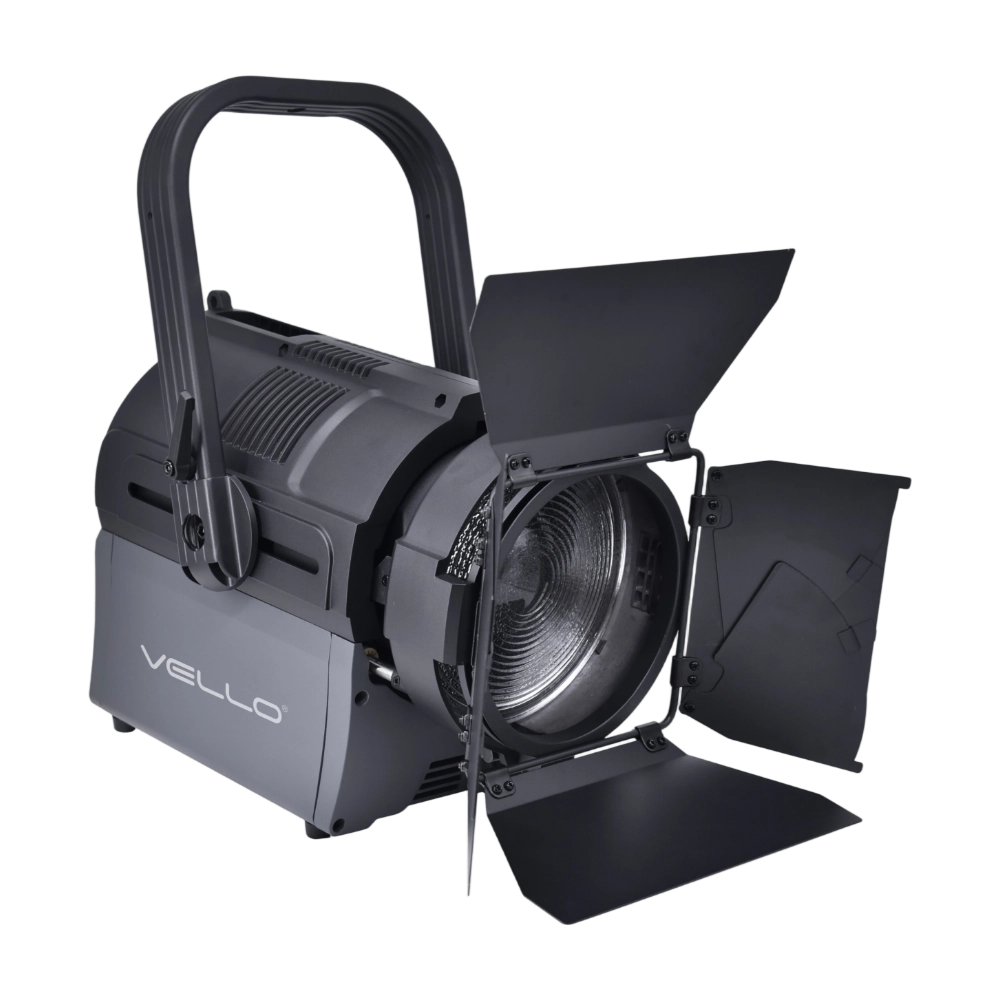
- Fill/edge: a few narrow‑beam profile or fresnel fixtures to model faces and provide separation (backlight/rim). For broadcast add extra back/top key fixtures to increase contrast and avoid flat lighting.
Practical tips:
- Always obtain IES files or lux curves from manufacturers and run a mock photometric layout in your lighting design software (Wysiwyg, Capture, or Light Converse).
- For cameras demand TLCI >90, stable PWM/frequency specs to avoid flicker at camera shutter speeds, and accurate color temperature (±100K) or white‑tune control.
- Plan a 10–25% spare capacity and zoned dimming to adapt audience vs broadcast needs without re‑rigging.
2) How do I choose between LED moving‑head spotlights with motorized zoom and dedicated wash fixtures for a touring act when weight, power, and color fidelity for HD recording matter?
Why this matters: Touring clients must balance rig weight, power draw, setup time, robustness, and image quality. Manufacturers’ brochures rarely compare tradeoffs quantitatively.
Criteria to compare:
- Optical purpose: moving‑head spots (profile/spot) are designed for tight beams, gobos, and edge control; washes are optimized for even field and soft edges. Motorized zoom spots add flexibility but increase complexity and weight.
- Weight vs function: combined spot/wash moving heads (those with wide zoom ranges) weigh substantially more than single‑purpose washes. If triaging weight, choose a lighter family of fixtures (compact pixel‑mapped bars for wash + small moving heads for specials) rather than a single heavy hybrid fixture.
- Power and cooling: higher lumen spot units commonly consume more wattage; check published wattage and in‑use power (not theoretical max). Touring rigs benefit from high efficacy fixtures (lm/W) and fanless or serviceable fans. Also review derating curves—some fixtures reduce output above certain ambient temperatures.
- Color fidelity for cameras: prefer fixtures with high CRI and, for broadcast, high TLCI scores. Request spectral power distribution (SPD) charts if possible. Avoid fixtures that rely on heavy RGB mixing alone if critical skin‑tone rendering is needed—white channel (tunable white or high‑CRI COB) helps.
Operational recommendations:
- For tours where load‑in/out speed and reliability matter, pick fixtures with tool‑less access panels, user‑replaceable fans, and proven moving mechanics (look for manufacturer service reports and MTBF data if available).
- If budget allows, separate duties: lightweight, efficient LED washes on trusses and a small number of high‑quality spot movers for keying. This often saves rig time and reduces the total weight/power compared with heavy hybrid fixtures.
- Always test fixtures on camera before purchase. Ask for loan units or insist on a short trial period with your lighting techs and camera department to verify flicker, color, and shadows in your specific camera settings.
3) What DMX/RDM wiring topology, termination, and channel configuration will ensure reliable control when integrating new LED fixtures with a legacy console and Ethernet-based nodes?
Why this matters: Miswired DMX, missing terminators, or incompatible RDM implementations cause flicker, lost channels, or addressing issues — problems rarely solved by vendor spec sheets alone.
Technical best practices:
- Follow USITT DMX512 and ANSI E1.20 (RDM) standards for addressing and remote management. Use 120 Ω DMX512 differential cabling (XLR‑5 preferred for pro rigs) and avoid microphone cable (which lacks correct impedance).
- Topology: use a star or multi‑drop topology off an opto‑isolated splitter/distribution amplifier; avoid long daisy‑chains over 300 m without repeaters. Practical touring rigs often use DMX over Art‑Net/sACN with local DMX nodes—use a single universe per node when possible and route with managed switches supporting IGMP snooping to avoid broadcast flooding.
- Termination: place a 120 Ω termination resistor at the end of each physical DMX run. For split runs, terminate only at the final receiver in each branch or at the splitter outputs as specified by the splitter vendor.
- RDM: If you need remote addressing and sensor data, ensure all nodes and fixtures support RDM and that splitters are RDM‑capable and bidirectional. Some legacy consoles may not handle RDM; plan for addressing via a laptop tool if necessary.
- Channel mapping: prefer fixtures with multiple mode profiles (basic, standard, extended) and program consoles to use a consistent mode across fixture batches to avoid accidentally mapping incorrect channels. Document channel maps and lock unused channels where the console supports it.
Fault‑avoidance checklist:
- Use grounded, quality connectors and label both ends of each cable run.
- Power and data separation: route power cables separately from DMX to reduce induced noise.
- For large rigs, use redundant control paths (Art‑Net + backup DMX) and UPS for key network devices and splitters.
4) How can I objectively evaluate optical quality and beam uniformity between LED fixtures when manufacturers only publish lux at X meters and not full IES photometrics?
Why this matters: Lux-at-distance claims are easy to manipulate (different beam angles, measurement geometry). Buyers need repeatable metrics to compare beam quality, hot‑spot, and edge falloff between brands.
What to request and how to interpret:
- IES/LMS files: insist on IES (LM‑63) files for each beam angle or zoom position. Import these into your lighting design software to compare real photometric plots and cumulative lux on stage surfaces.
- On‑axis candela and beam angle: candela (cd) and throw angle tell you the peak intensity; use these with stage distance to calculate on‑axis lux = candela / distance² (in meters) — this allows apples‑to‑apples comparisons.
- Beam profile images and falloff curves: ask for cross‑section beam plots showing horizontal/vertical intensity and the ratio of hot‑spot to field. Look for evenness metrics (e.g., percent uniformity across a specified field).
- Gobo/edge fidelity: for profile/spot fixtures request sample gobo images shot at distance with identical exposure and camera settings. Evaluate edge sharpness, focus range, and chromatic shifts at edges.
- Spectral data: spectral power distribution (SPD) graphs and CRI/TLCI numbers reveal how light renders colors and skin tones. For broadcast choose high TLCI (ideally >90) and vendors that publish SPD.
Test protocols to suggest to vendors:
- Provide IES + measured lux plots at standard distances (5m, 10m, 15m), plus on‑axis lux readings and beam cross‑section photos.
- If you cannot obtain IES files, request an on‑site demo and bring a calibrated spectroradiometer, lux meter, and camera to measure real output, color, and flicker under your typical operating conditions.
5) What are realistic 5‑year total cost of ownership (TCO) estimates for LED stage lights including energy, service parts (fans, drivers), and light output depreciation (L70), and how should I contract warranty and spares?
Why this matters: Buyers often focus on list price only and later face unexpected service costs, driver failures, or luminous depreciation that affects show quality.
Realistic TCO components and sample math:
- LED lifetime: most professional LEDs are rated L70 at 50,000–100,000 hours (time until output drops to 70%). This does not mean instant failure but expect gradual dimming and slight color shift over years. For venue use (~1,000 hours/yr typical), a 50,000‑hour lamp equals ~50 years of runtime; for tour/show use (~2,000–3,000 hours/yr), expect more noticeable drift within 5–10 years.
- Energy: calculate annual kWh = fixture wattage × hours/year. Example: 20 fixtures × 350W in use 800 hrs/yr → 20 × 0.35 kW × 800 = 5,600 kWh/yr. Multiply by local electricity cost to estimate energy spend.
- Service parts: moving heads incur mechanical wear (motors, belts, fans), while LED fixtures may need driver replacement or fan servicing. Budget 5–10% of capital cost per year for routine maintenance/spares on touring rigs; a stationary venue can budget 2–4% per year.
- Warranty and support: negotiate onsite response times, advance replacement policies, and coverage for moving parts. Prefer manufacturers offering at least 2–3 year warranty on moving parts and 3–5 year warranty on electronics/LEDs where possible.
Procurement tips:
- Buy an initial spare pool: 2–5% of fixture count as immediate spares (increasing for moving heads). This minimizes show cancellations due to single fixture failure.
- Request MTBF and field failure rates from vendors. Ask for typical repair turnaround time and whether a local service center exists.
- Factor in software/firmware updates: some fixtures require paid upgrades for new features; clarify update policy and compatibility with your control system (console firmware/patches).
6) For outdoor festivals in hot, dusty, or humid climates, which IP rating, cooling architecture, and material treatments should I require to prevent failures and overheating in LED stage lights?
Why this matters: Many spec sheets claim “outdoor use” but don’t detail ingress protection (IP), conformal coating, or forced‑air designs that fail in dusty environments.
IP rating and environmental design guidance:
- IP ratings: for truly outdoor fixtures exposed to weather use IP65 or higher (dust tight and protected against low‑pressure water jets). IP54 is acceptable for sheltered outdoor locations (roofed rigs), but it does not protect against heavy rain or dust ingress during transport.
- Cooling architecture: fan‑cooled fixtures offer higher lumen density but fans are failure points in dusty conditions. For dusty/hot environments prefer passive‑cooled, sealed optical chambers or fan systems with easily serviceable, replaceable fans and dust filters. Check manufacturer maintenance requirements for filter cleaning intervals.
- Material and PCB treatment: look for conformal‑coated PCBs, stainless or powder‑coated housings, and silicone gaskets to resist salt‑air corrosion (coastal venues). Verify UV‑stable plastics for lenses and housings to avoid yellowing in sun exposure.
- Thermal derating: request the fixture ambient temperature rating and derating curve (e.g., max 40°C continuous with linear derate above 40°C). Choose fixtures that maintain color and output across the local expected ambient range—particularly important for sealed LED engines where internal temps can spike.
Operational checklist for festival buyers:
- Specify IP65 sealed optics for free‑standing fixtures exposed to rain. For touring trucks and frequent installs, require serviceable filters and accessible fan bays.
- Insist on manufacturer test reports: thermal cycle testing, salt spray (if coastal), and ingress tests per IEC 60529 where applicable.
- Train local crew on cleaning schedules and inspect gaskets and cable glands pre‑event. Keep spare gaskets, fans, and a small toolkit for rapid field repairs.
Concluding summary: Advantages of LED stage lights for professional stage lighting equipment purchases
LED stage lights deliver major benefits: higher energy efficiency and lower thermal load than older discharge fixtures, longer usable life (L70 ranges commonly 50k–100k hours), and superior control flexibility (pixel mapping, DMX/Art‑Net, RDM). Good LED fixtures reduce heat on stage, often allow smaller power infrastructures, and provide rapid color and intensity changes with little warm‑up. When specified correctly — with attention to CRI/TLCI, optical photometrics (IES files), cooling design, IP rating, and support/warranty — LED fixtures lower total cost of ownership and increase creative flexibility for both rental tours and fixed venues.
Compliance & standards referenced: USITT DMX512, ANSI E1.20 RDM, IEC 60529 IP code, industry photometric standards (IES/LM‑63), TLCI for broadcast color fidelity. For regional safety certifications check CE, UKCA, or UL listings and local grid/plug standards.
For a tailored equipment list, photometric layout, or a quote for professional stage lighting equipment and LED stage lights, contact us for a quote at www.vellolight.com or info@vellolight.com.
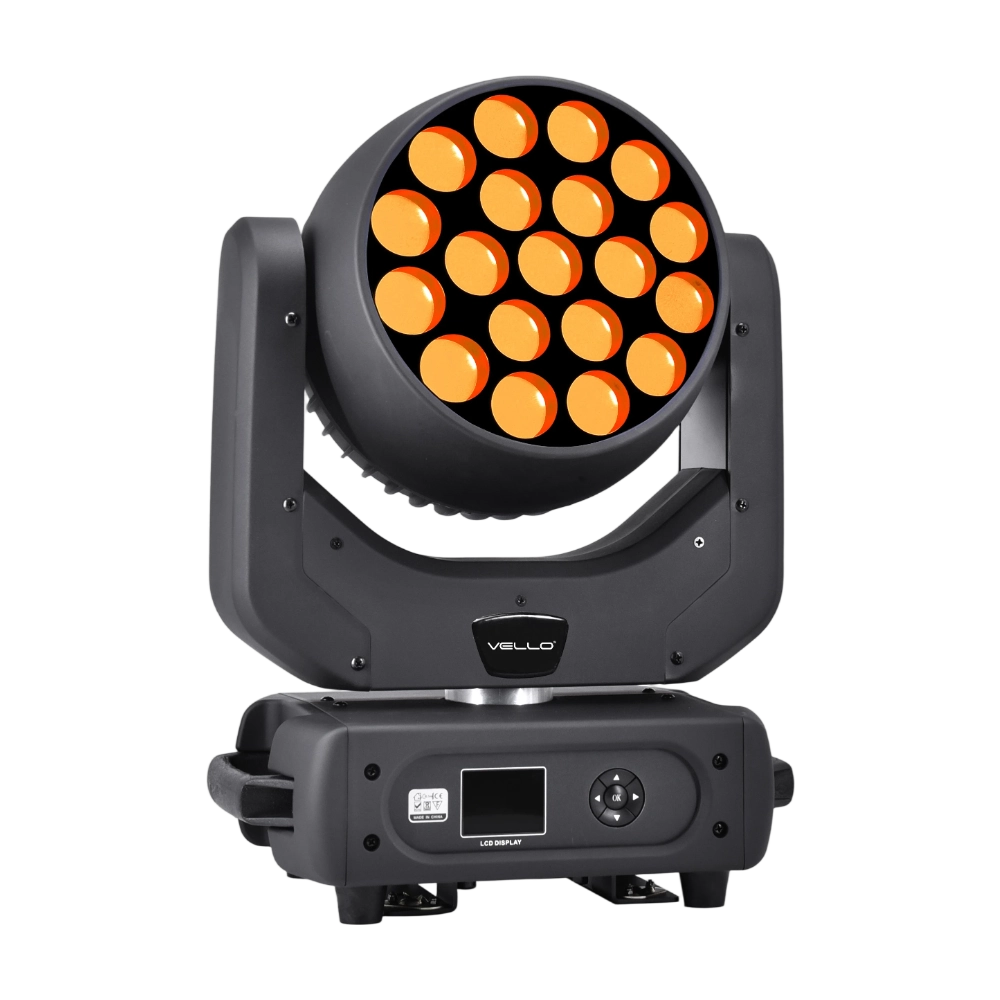
Major categories
Do you ship internationally?
Yes. We offer sea, air, and express delivery to many countries and regions worldwide.
What is the usual lead time?
Standard models are typically shipped within 7–15 working days after payment. Customized items may vary.
What is the warranty period for your products?
Most products come with a standard 1–2 year warranty. Please refer to product details or contract terms for specifics.
Do you offer samples?
Samples are available for certain models. Please confirm with our sales team for details.
Do your products support customization?
Yes. We offer OEM and ODM services tailored to project needs, including design, optics, and control compatibility.
You may also like
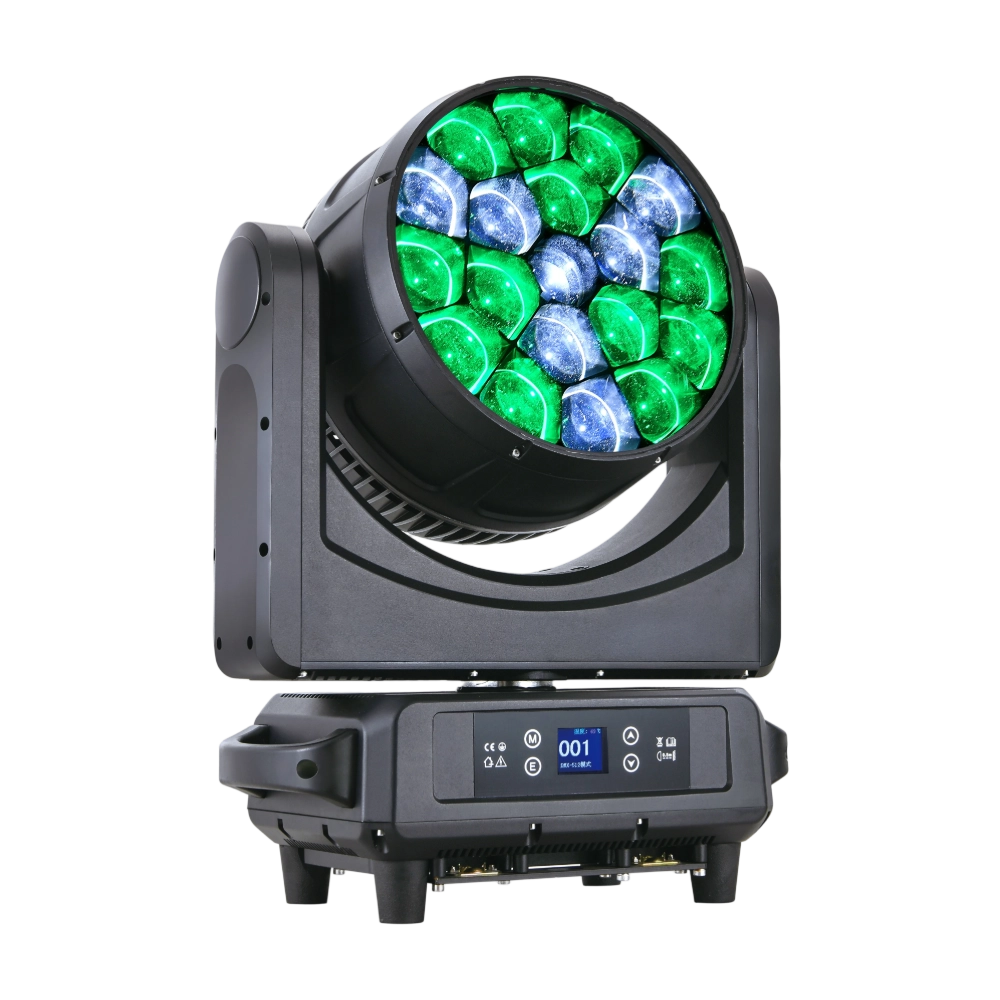
The LED Bee Eyes K19 IP is a 750W IP65-rated moving head wash, powered by 19 × 40W Osram RGBW LEDs for stunning brightness and vibrant colors. With a 4°–45° electronic zoom, wide CTO range (2700K–8000K), and a rotating lens wheel for dynamic visual effects, it delivers both powerful beams and smooth washes. Each LED can be controlled individually, enabling advanced pixel mapping and creative effects. Featuring 540° pan / 270° tilt, multiple DMX channel modes, and robust die-cast aluminum housing with excellent heat dissipation, the K19 IP is built for high-output performance in demanding outdoor and indoor productions.
Solar Par 200 RGBW is a 200W IP65-rated outdoor LED par, powered by a high-power 200W 4-in-1 COB LED for vibrant RGBW color mixing and smooth output. With optional 30° or 50° lens angles, flicker-free dimming, and multiple DMX channel modes, it offers versatile performance for stages, architectural lighting, and outdoor events. Built with a robust die-cast aluminum housing and equipped with Seetronic IP65 DMX and PowerCON in/out, Solar Par 200 delivers reliable, weather-resistant operation in any environment.
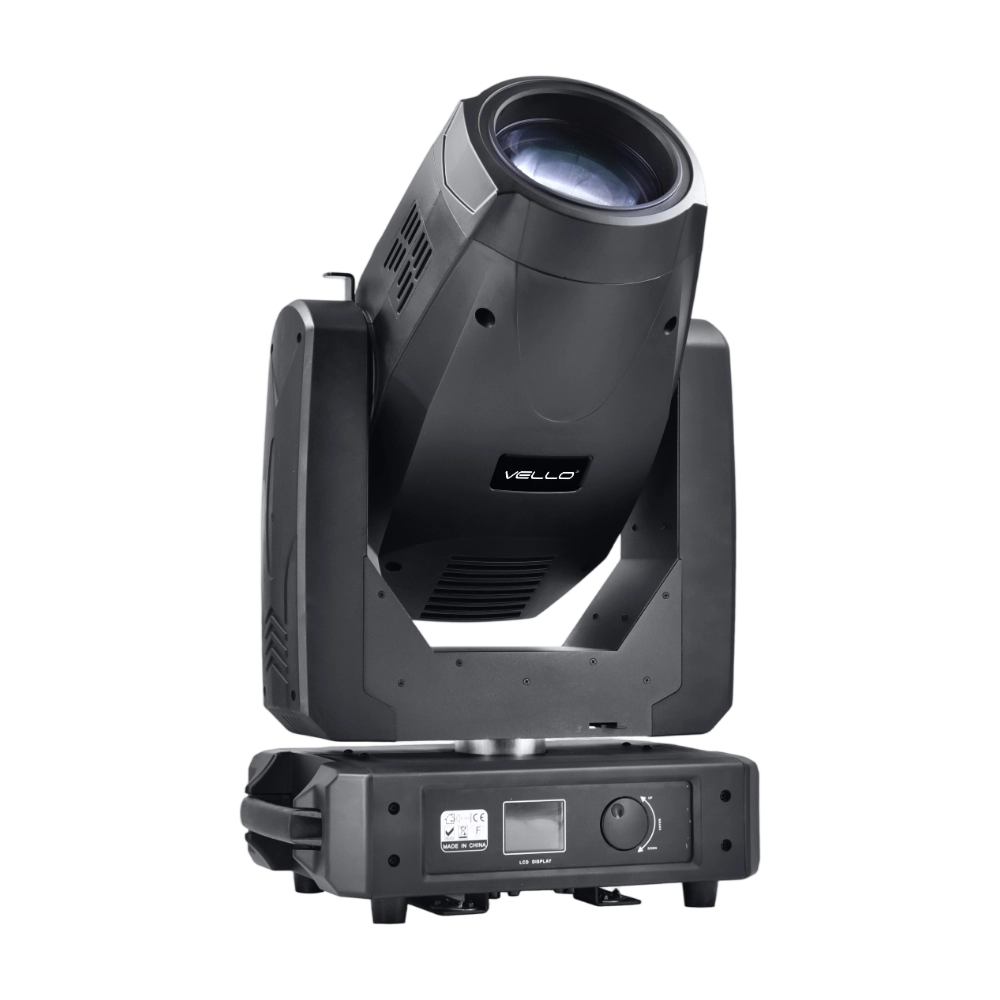
The BSW450 is a high-performance moving head fixture equipped with an original Osram 420W bulb, delivering exceptional brightness, precision, and versatility. Designed for professional stage applications, it seamlessly combines beam, spot, and wash functions in one compact unit, making it a powerful all-in-one lighting solution.
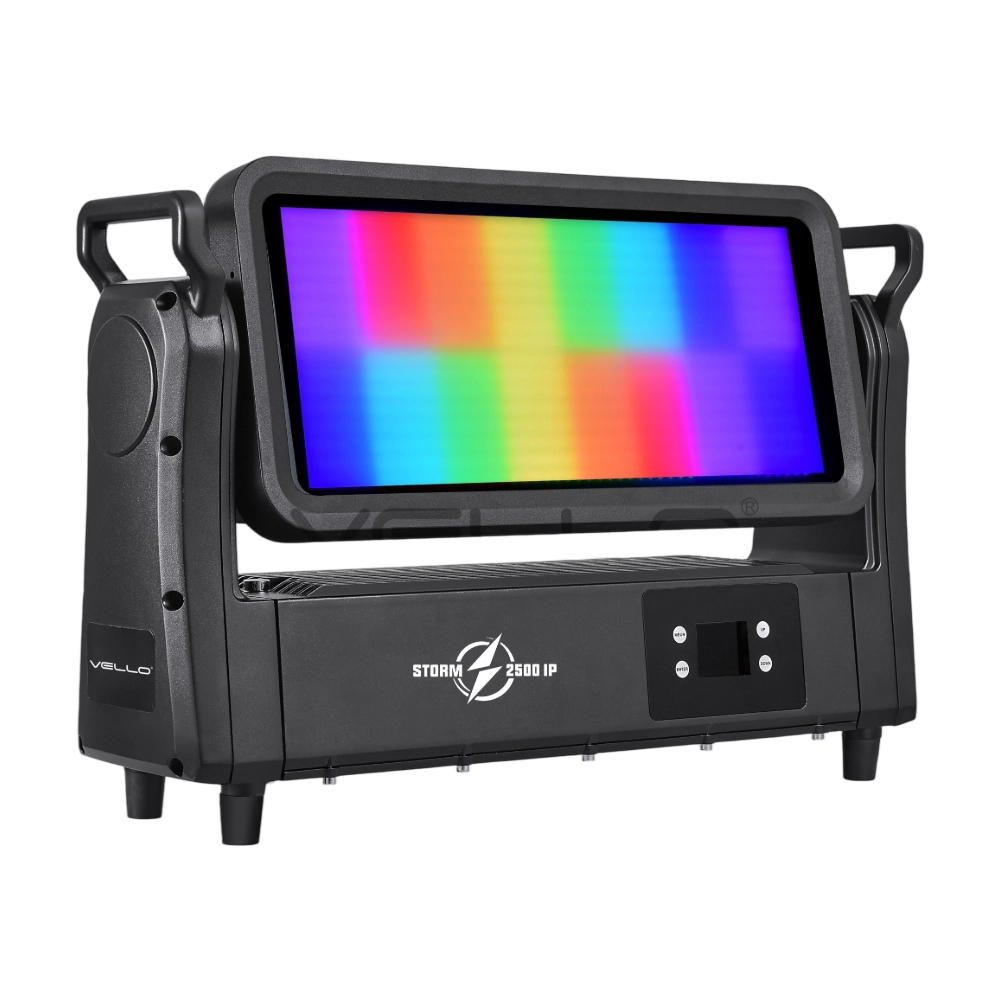
Storm 2500IP is a powerful 800W outdoor-rated LED strobe and wash fixture, equipped with 768 pieces of 5050 RGB LEDs and 144 pieces of 2W cool white LEDs for vibrant effects and precise pixel control. With IP65 protection, a wide 220° tilt, a strong RGBW strobe, DMX-controlled frost, an electronic frost function, and smart glass technology, it delivers both intense and soft lighting for any environment. Designed with silent, flicker-free performance and flexible DMX control, Storm 2500IP is built for large-scale shows, tours, and outdoor events.
◌ Let Us Support Your Project
Request a Custom Quote and Technical Support
Fill out the form below, and our sales team will contact you shortly with product details, pricing, and customer service options.
Rest assured that your privacy is important to us, and all information provided will be handled with the utmost confidentiality.
By clicking "Send your message," I agree to your processing my personal data.
To see how to withdraw your consent, how to control your personal data, and how we process it, please see our Privacy Policy and Terms of Use.
Over 20 Years of Innovation in Stage & Studio Lighting
© 2026 VELLO. All Rights Reserved. 粤ICP备20023734号
Join our socials
VELLO
Whatsapp: +8613902276704
Vello Lighting
VelloLights