





How to choose professional stage lighting equipment for your venue
- 1. How many LED fixtures and what lumen/lux levels do I need for a 10m × 8m multi-use stage (live, theatrical, broadcast)?
- 2. Moving head vs. static wash vs. fresnel: which LED fixtures to choose for a mixed-use venue, and how to ensure flicker-free dimming for cameras?
- 3. How do I plan rigging loads, power distribution and circuit sizing (including inrush current) for touring LED fixtures?
- 4. What colorimetry specs (TLCI, CRI, spectral data) should I insist on for combined live & broadcast use to avoid poor skin tones and color shifts?
- 5. How should I design a scalable, reliable control network using DMX512, Art-Net/sACN and wireless DMX for festivals and touring?
- 6. What are the real long-term maintenance and total cost of ownership factors for LED stage lights (spares, driver life, cooling, warranties)?
1. How many LED fixtures and what lumen/lux levels do I need for a 10m × 8m multi-use stage (live, theatrical, broadcast)?
Beginners often get stuck converting “lumens” on a spec sheet into usable illuminance (lux) on stage. The reliable method uses a simple illuminance formula plus photometric data (IES files) for accuracy:
Required luminous flux (lumens) method: Desired average lux × Stage area (m²) = Total lumens needed on the surface. Because not all emitted lumens reach the target surface, divide by a Utilization Factor (UF) and a Light Loss Factor (LLF):
Number of fixtures = (Desired lux × Area) / (Fixture lumen output × UF × LLF)
Practical values: UF depends on beam angle, mounting distance, and reflectances (typical 0.25–0.6). LLF accounts for dirt, aging and operational losses (typical 0.7–0.9). Use the manufacturer’s IES photometric file in lighting software (WYSIWYG, Capture, DIALux) for precise layouts.
Example (rough): 10m × 8m stage = 80 m². If you want an average of 1000 lux (multi-camera/broadcast), and you have LED wash fixtures rated at 20,000 lumens each, assume UF = 0.4, LLF = 0.8. Then:
Fixtures ≈ (1000 × 80) / (20,000 × 0.4 × 0.8) = 80,000 / 6,400 ≈ 12.5 → 13 fixtures.
Key takeaways:
- For theatrical productions without broadcast, average stage lux often ranges 200–750 lux. For HD broadcasting, designers typically aim for 1,000–2,000 lux (depending on camera and shot).
- Beam angle strongly affects UF. Narrow beams concentrate lux but reduce coverage; wide wash optics give uniform coverage with fewer fixtures at higher lumen outputs.
- Always request IES files and test with lighting design software for final placement and counts. If cameras are used, validate with the production camera at planned shutter/frame rates.
2. Moving head vs. static wash vs. fresnel: which LED fixtures to choose for a mixed-use venue, and how to ensure flicker-free dimming for cameras?
Choosing the right mix depends on function: shaping, color washing, texture, and camera friendliness.
Fixture roles:
- Moving head spots (beam / spot): sharp gobos, tight beams, framing, variable zoom. Use for specials, automated effects, and followspots where flexibility is key.
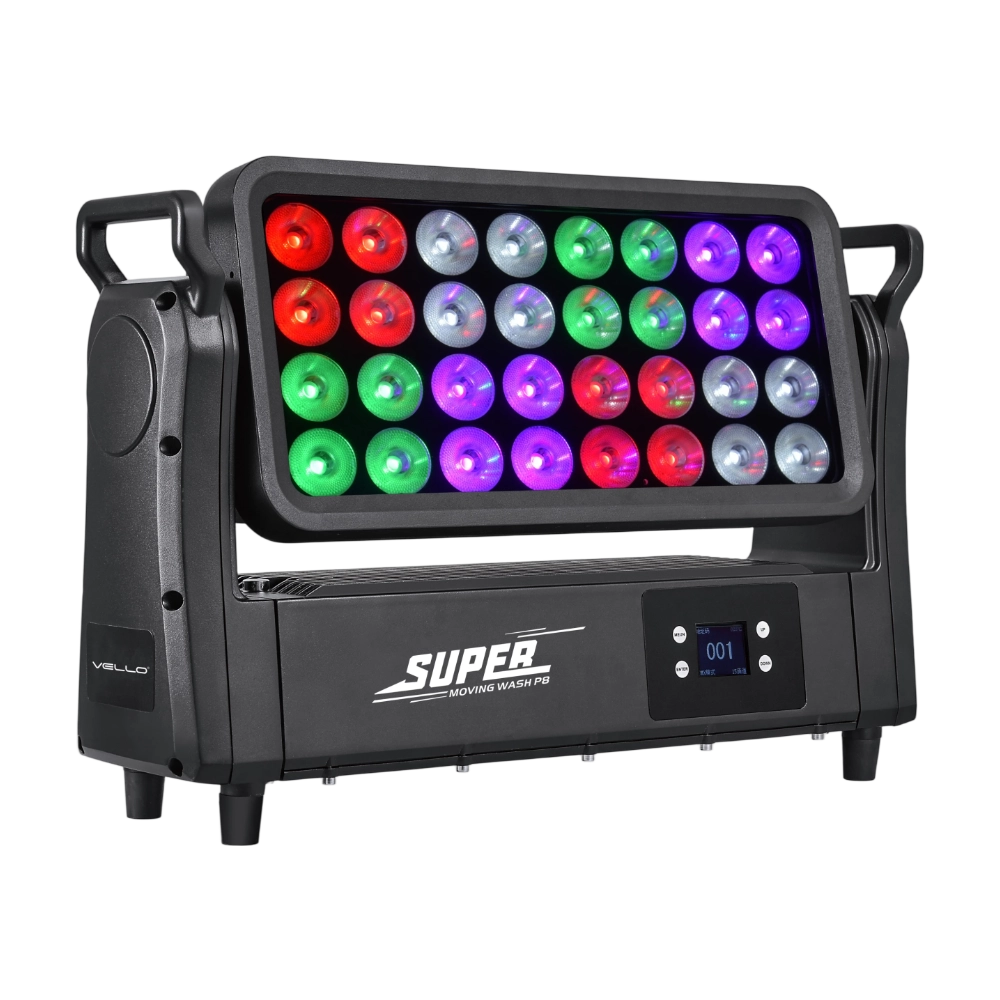
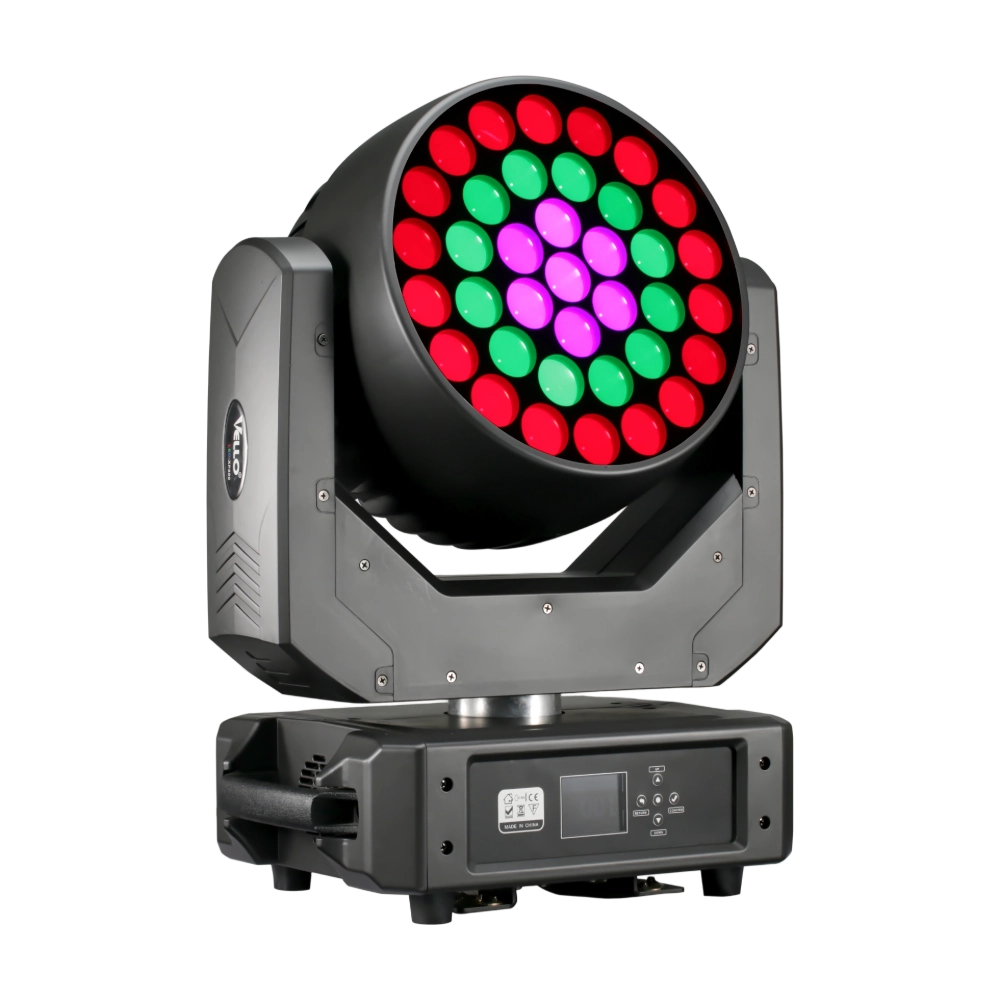
- Moving head washes / static LED washes: a key workhorse for general color and stage coverage; favors soft edges and even color mixing (RGBW/RGBA/CW+WW options).
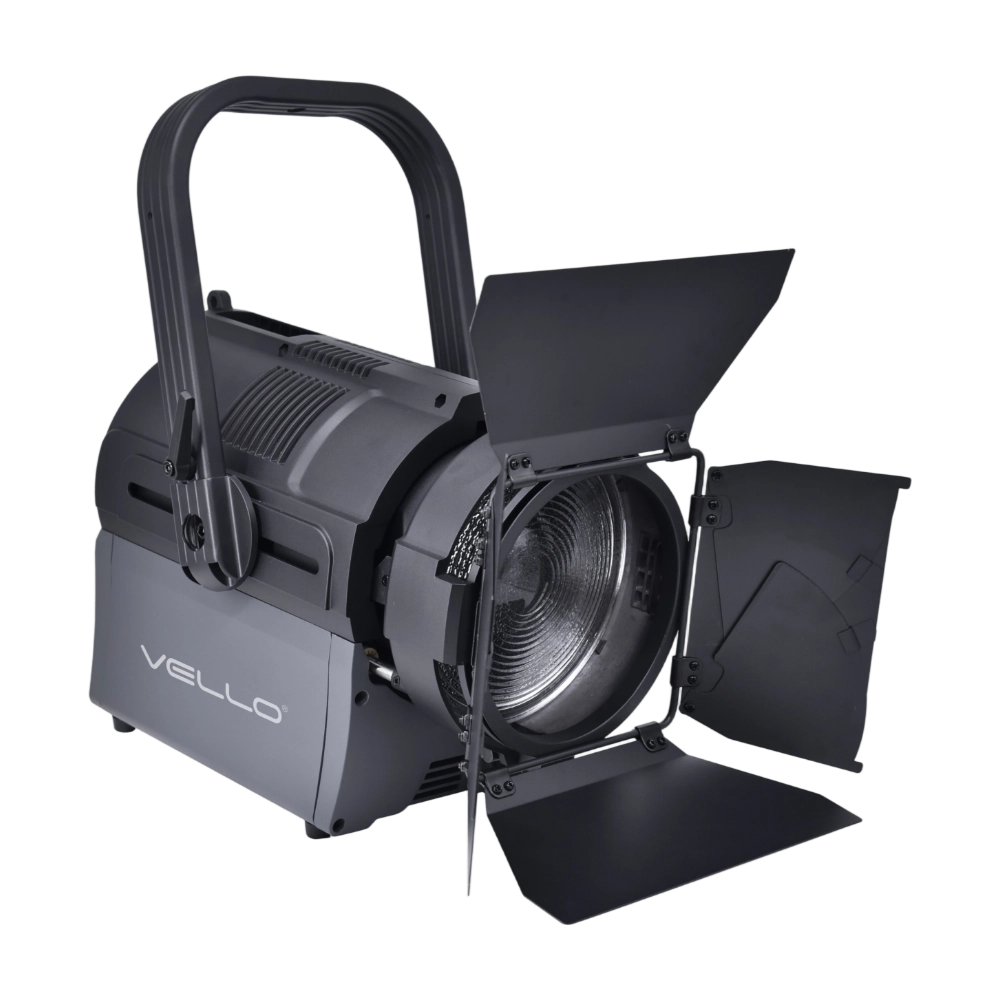
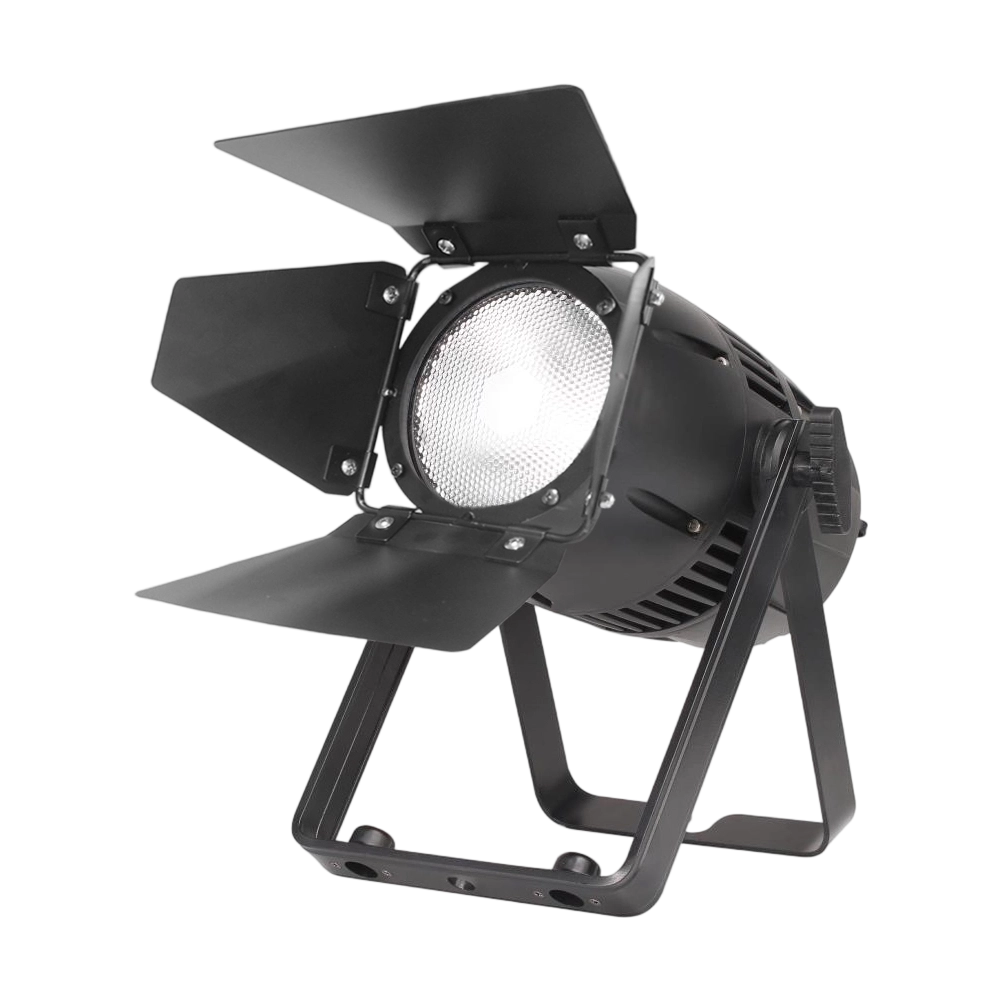
- Fresnel-style LED fixtures or variable white engines: smooth soft-light for theatrical modeling and front key with gentle fall-off; often high-CRI white sources are used here.
Camera & dimming specifics:
- Flicker: Many LED drivers use PWM. For camera work you need fixtures specified as “flicker-free” at the camera frame rates you use. Ask for PWM frequency and method (high-frequency PWM or true DC dimming). Typical professional gear targets high-frequency PWM > 20 kHz or advertises camera-safe operation up to specific frame rates (some models support multi-kHz flicker-free operation).
- Color consistency: For combined live and broadcast use, choose fixtures with TLCI ≥ 90 and CRI ≥ 90, or better. Check R9 (red rendering) which matters for skin tones.
- Dimming curve: Look for fixtures that offer selectable dimming curves (linear, photographic, theatrical) and 8/16-bit control resolution so fades remain smooth both visually and on camera.
Recommendation: For a multi-use venue, a baseline rig might include a mix of LED washes (for coverage), a handful of moving spots for specials and effects, and high-CRI variable-white fixtures for front key. Ensure all items are specified as camera-safe / flicker-free and provide manufacturer test data or camera tests.
3. How do I plan rigging loads, power distribution and circuit sizing (including inrush current) for touring LED fixtures?
Power and rigging mistakes are costly and dangerous. Follow this checklist:
- Always use manufacturer published weight and center-of-gravity figures and consult a certified rigger for live rigging. Use rated clamps, safety cables, and load-rated truss. Don’t guess safety factors—follow local regulations and supplier data.
- Calculate continuous electrical load: Current (A) = Power (W) / Voltage (V). For multiple fixtures add total watts. For continuous loads (NEC guidance in the US and similar international practice), size circuits at ~125% of continuous current.
- Inrush current: LED drivers and capacitors can create high startup inrush. For a bank of fixtures expect an inrush multiple of steady-state current. Use soft-start or inrush-limited power distribution units, or stagger power-up to avoid nuisance tripping.
- Example: Six 500 W fixtures = 3,000 W. On 230 V: 3,000/230 ≈ 13.0 A (fits a 16 A circuit). On 120 V: 3,000/120 = 25.0 A (requires a 30 A or multiple circuits). Apply 125% if continuous: 25.0 × 1.25 = 31.25 A planning target.
- Cable and connector selection: match conductor size to current and distance, observe voltage drop limits, and use robust stage-grade connectors (e.g., powerCON, socapex, or local equivalents). For touring, plan redundant feeds and clearly labelled distro panels.
Work with a qualified electrician and rigger to produce single-line power diagrams and distribution schedules. On complex builds, arrange power-up sequencing and inrush mitigation (soft-start PDUs, staggered circuits) to avoid breaker trips.
4. What colorimetry specs (TLCI, CRI, spectral data) should I insist on for combined live & broadcast use to avoid poor skin tones and color shifts?
Spec sheets that list only “RGBW” or “CRI 80” are insufficient for broadcast-quality work. Focus on spectral fidelity and tunability:
- TLCI (Television Lighting Consistency Index): For broadcast, require TLCI ≥ 90 whenever possible. It predicts how cameras will interpret light color.
- CRI & extended indices: CRI (Ra) should be ≥ 90 for accurate color rendering. Also check R9 (strong red) — many LEDs have weak R9, causing poor skin tones. R9 ≥ 50 is a good target; High Quality engines offer higher.
- Spectral Power Distribution (SPD): Insist on SPD graphs or manufacturer spectral data. Avoid narrow-band RGB-only engines for critical white or skin-tone tasks; full-spectrum white engines or RGBW + dedicated warm white (CW/WW) mixing typically yield better TLCI/CRI.
- Color temperature control: Fixtures offering adjustable color temperature (e.g., 2,700–6,500 K) with accurate CCT and small delta-uv are ideal for mixed workflows. Also check for calibrated presets and LUTs for broadcast color pipeline.
Ask suppliers for test reports or independent lab measurements. When possible, request a demo with your camera package to validate TLCI/CRI and color consistency across fixtures.
5. How should I design a scalable, reliable control network using DMX512, Art-Net/sACN and wireless DMX for festivals and touring?
Control architecture mistakes break shows. Use professional networking practices:
- Understand universes: One DMX512 universe = 512 channels. Map fixture channel counts early (a modern LED moving head can use tens to hundreds of channels per fixture in full pixel mode).
- Prefer Art-Net or sACN (ANSI E1.31) over raw DMX for large rigs. Use Ethernet-based transport with Art-Net or sACN to distribute multiple universes efficiently. For mission-critical shows, sACN is preferred for standardized network timing and lower broadcast load.
- Switches: Use managed gigabit switches with IGMP snooping and VLAN support. Avoid unmanaged switches for large Art-Net/ sACN networks because broadcasts can flood the LAN. Use redundant topologies and plan for physical separation of control and other networks (audio, video).
- DMX nodes & converters: Use high-quality, low-latency Art-Net/sACN to DMX nodes near the fixtures to reduce cable runs. For wireless, use proven systems (LumenRadio CRMX, W-DMX) and plan for interference; never rely solely on wireless without a wired backup for critical cues.
- Addressing & RDM: Use RDM for remote device management, status, and addressing. Keep firmware updated and document your DMX addressing and universes in a network diagram.
- Time synchronization & redundancy: For pixel-mapped fixtures, consider timecode or PTP sync where supported. Keep a backup console or a secondary playback device, and test failover procedures before shows.
Document the entire control system (IP addressing, universe mapping, node locations, fuse/circuit lists) and validate with load and latency testing during tech rehearsals.
6. What are the real long-term maintenance and total cost of ownership factors for LED stage lights (spares, driver life, cooling, warranties)?
LEDs reduce many maintenance tasks (no lamp changes), but you still need to budget for replacement parts and service:
- LED lifespan and L70: Many professional LED fixtures use LEDs rated at L70 ≥ 50,000 hours (time until 70% relative luminous flux). That doesn’t mean the fixture will be trouble-free—drivers, fans, optics, and mechanical parts still require service.
- Driver & electronics MTBF: LED drivers and control electronics are common failure points. Choose fixtures with replaceable driver modules and available spares. Request MTBF figures or serviceability data from the manufacturer.
- Cooling & fans: Active air cooling fans have limited MTBF. Prefer fixtures with modular, easy-to-replace fans or passive-cooled designs where practical. Touring units take more mechanical wear; plan periodic fan replacement intervals.
- Spares kit: For a touring inventory, maintain a spares kit: at minimum a few LED modules, a driver module or two, spare fans, spare power & data cables, and 1–2 complete fixtures depending on fleet size. For festival rental houses, a 5–10% spare fixture reserve is common.
- Warranty & depot service: Check warranty length (2–5 years are common for professional fixtures) and what it covers (LED modules vs. electronics vs. mechanical). Verify manufacturer field service locations or authorized repair centers near your operating regions to reduce downtime.
- Total cost of ownership: Factor initial capital cost, expected spare parts, scheduled preventive maintenance, electrician/rigger labor, and eventual trade-in/resale value. LED fixtures typically lower lamp and power costs (lumen-per-watt efficiency), but serviceability and local support significantly affect long-term costs.
Actionable advice: Before purchase, request a maintenance cost projection from the vendor (expected parts, MTBF, recommended spares), and negotiate on warranty extensions or service-level agreements if you depend on gear for revenue-generating events.
Final summary — Advantages of specifying professional LED stage lights for your venue
LED stage lights offer higher lumen efficacy, lower ongoing lamp costs, flexible color control, and smaller footprints than legacy fixtures. When you specify professional equipment with accurate photometrics (IES files), high TLCI/CRI, documented flicker-free operation for camera work, modular electronics for serviceability, and a well-planned DMX/Art-Net or sACN control network, you reduce risk, improve image quality for live and broadcast events, and lower total cost of ownership over the lifecycle of the rig.
For a custom quote and help specifying LED stage lights, fixture photometrics, power/rigging diagrams, and control system design, contact us for a quote at www.vellolight.com or email info@vellolight.com.
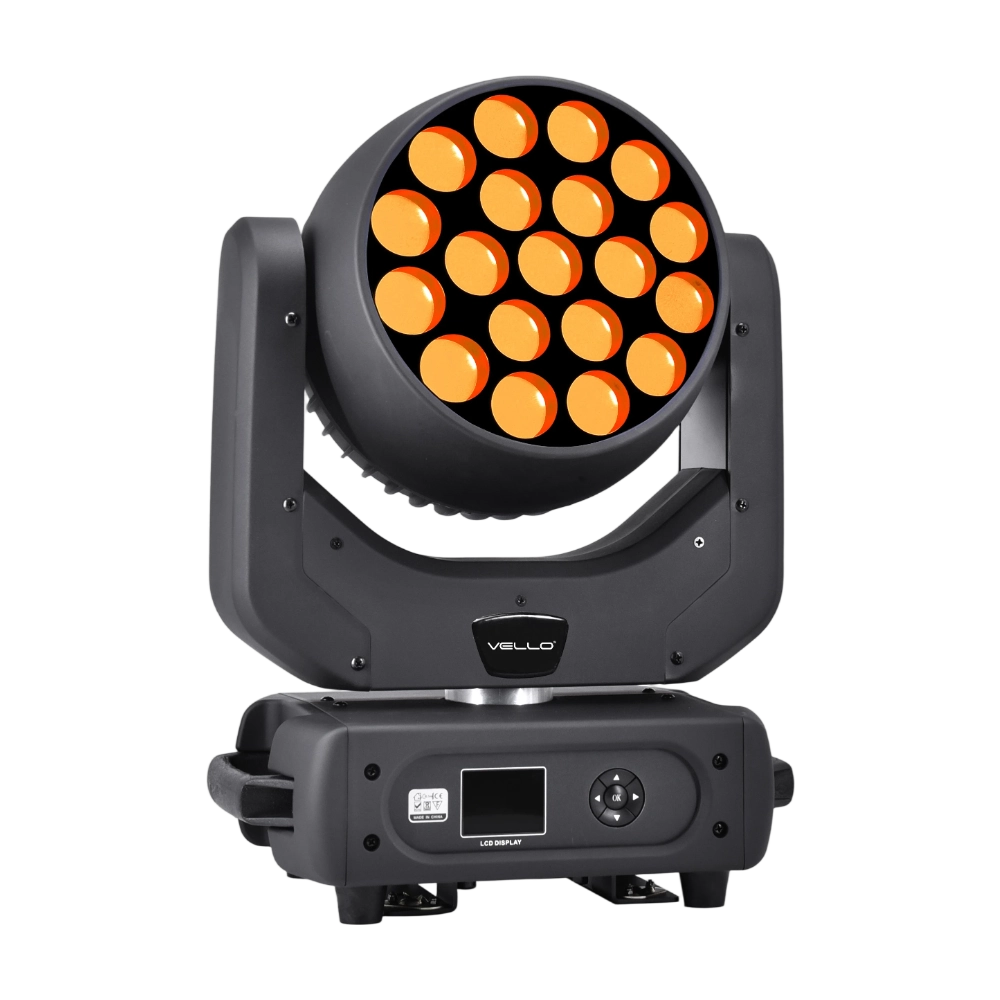
Major categories
Do you offer samples?
Samples are available for certain models. Please confirm with our sales team for details.
Do your products support customization?
Yes. We offer OEM and ODM services tailored to project needs, including design, optics, and control compatibility.
Do you ship internationally?
Yes. We offer sea, air, and express delivery to many countries and regions worldwide.
What is the usual lead time?
Standard models are typically shipped within 7–15 working days after payment. Customized items may vary.
What is the warranty period for your products?
Most products come with a standard 1–2 year warranty. Please refer to product details or contract terms for specifics.
You may also like
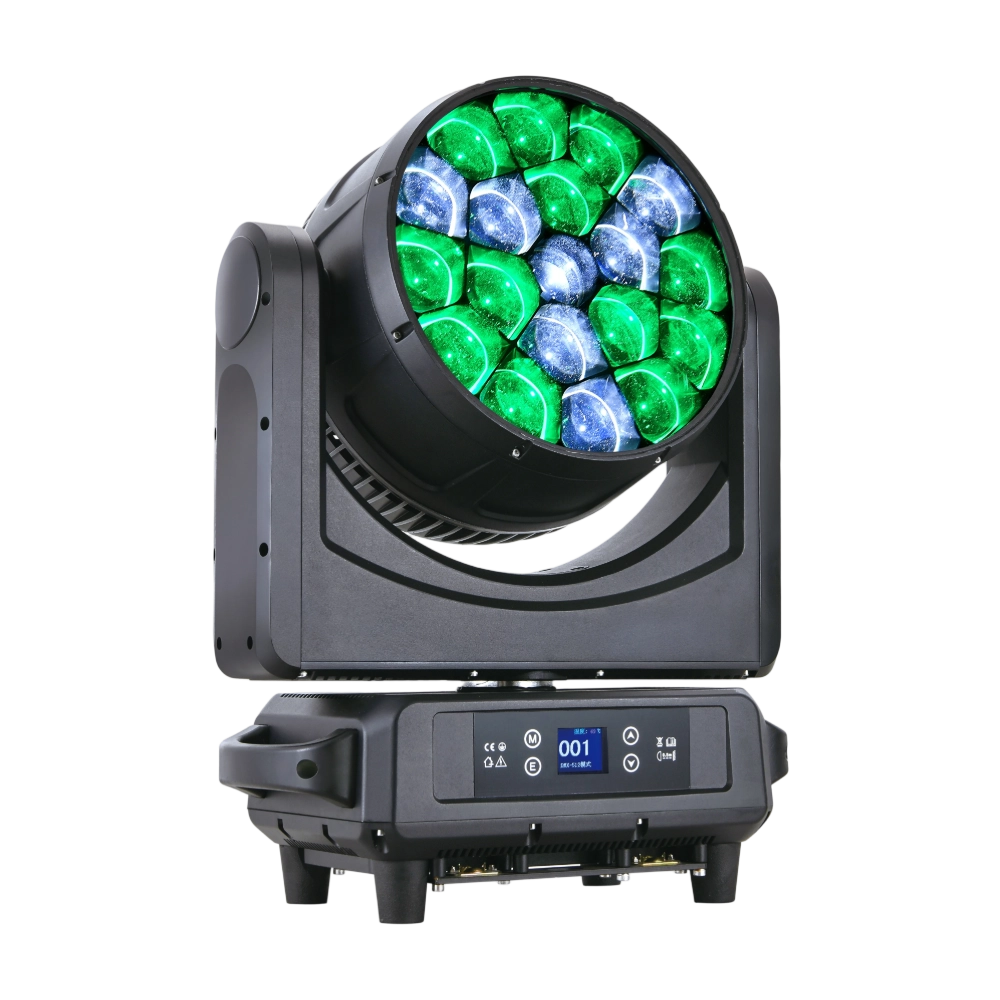
The LED Bee Eyes K19 IP is a 750W IP65-rated moving head wash, powered by 19 × 40W Osram RGBW LEDs for stunning brightness and vibrant colors. With a 4°–45° electronic zoom, wide CTO range (2700K–8000K), and a rotating lens wheel for dynamic visual effects, it delivers both powerful beams and smooth washes. Each LED can be controlled individually, enabling advanced pixel mapping and creative effects. Featuring 540° pan / 270° tilt, multiple DMX channel modes, and robust die-cast aluminum housing with excellent heat dissipation, the K19 IP is built for high-output performance in demanding outdoor and indoor productions.
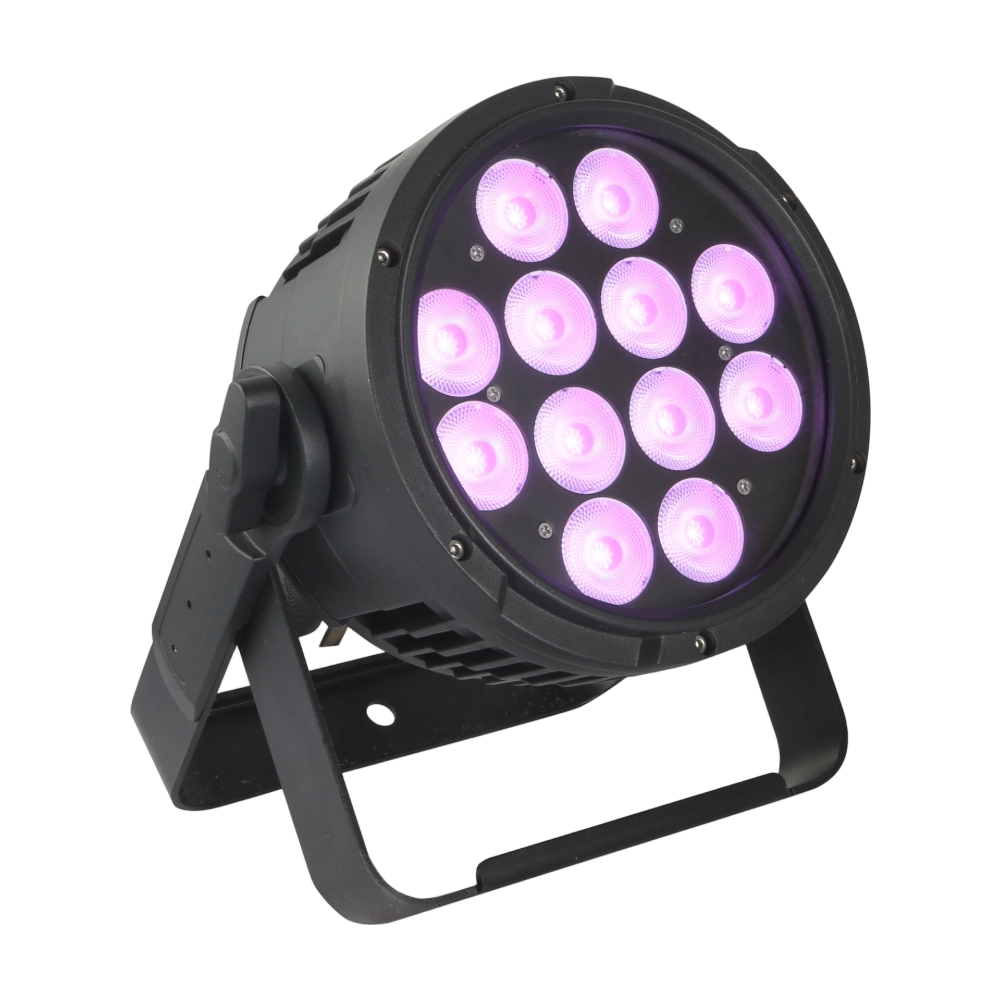
The LED Mac Par 12 is a durable 120W RGBW par light, featuring 12 × 10W 4-in-1 LEDs. With a 25°/40° lens option and smooth 0–100% dimming, it produces vibrant color mixing with silent, low-noise performance. Designed with IP65 protection, it is suitable for both indoor and outdoor use. Compact and powerful, this unit is ideal for architectural lighting, stages, and events.
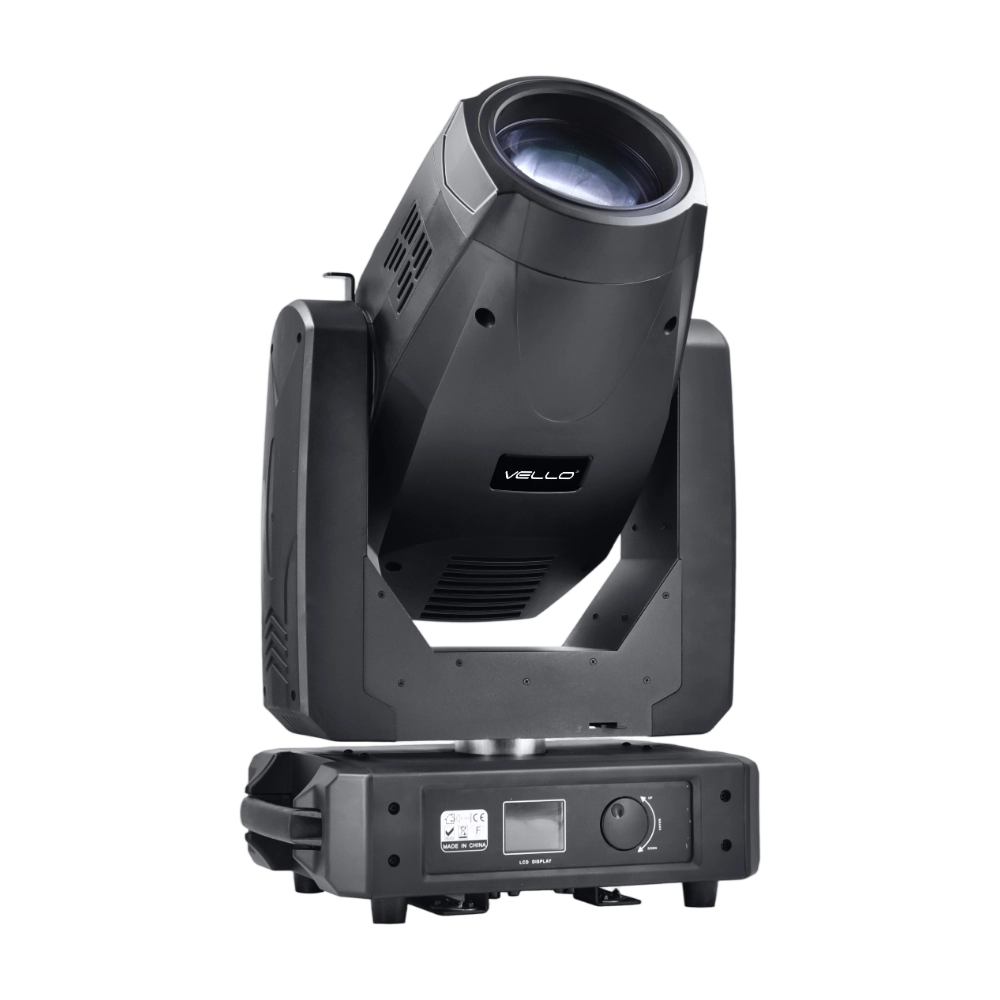
The BSW450 is a high-performance moving head fixture equipped with an original Osram 420W bulb, delivering exceptional brightness, precision, and versatility. Designed for professional stage applications, it seamlessly combines beam, spot, and wash functions in one compact unit, making it a powerful all-in-one lighting solution.
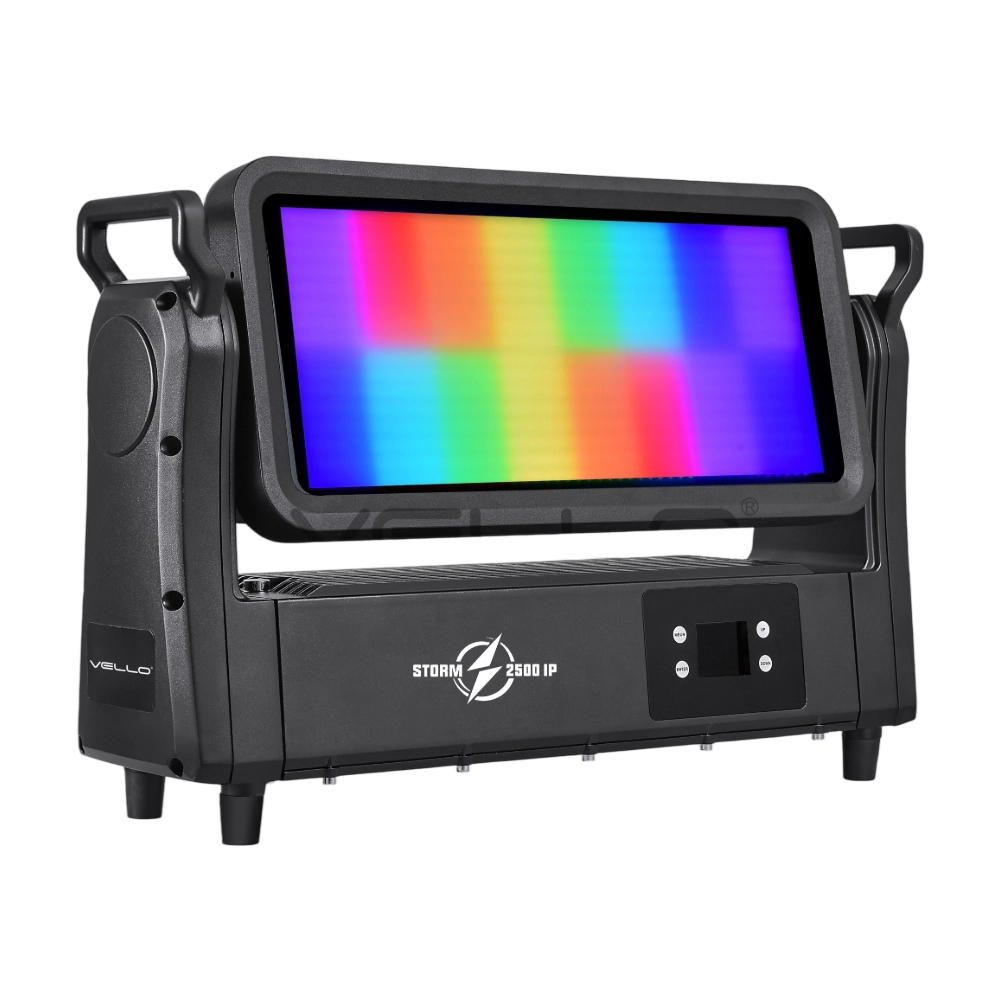
Storm 2500IP is a powerful 800W outdoor-rated LED strobe and wash fixture, equipped with 768 pieces of 5050 RGB LEDs and 144 pieces of 2W cool white LEDs for vibrant effects and precise pixel control. With IP65 protection, a wide 220° tilt, a strong RGBW strobe, DMX-controlled frost, an electronic frost function, and smart glass technology, it delivers both intense and soft lighting for any environment. Designed with silent, flicker-free performance and flexible DMX control, Storm 2500IP is built for large-scale shows, tours, and outdoor events.
◌ Let Us Support Your Project
Request a Custom Quote and Technical Support
Fill out the form below, and our sales team will contact you shortly with product details, pricing, and customer service options.
Rest assured that your privacy is important to us, and all information provided will be handled with the utmost confidentiality.
By clicking "Send your message," I agree to your processing my personal data.
To see how to withdraw your consent, how to control your personal data, and how we process it, please see our Privacy Policy and Terms of Use.
Over 20 Years of Innovation in Stage & Studio Lighting
© 2026 VELLO. All Rights Reserved. 粤ICP备20023734号
Join our socials
VELLO
Whatsapp: +8613902276704
Vello Lighting
VelloLights