





How to optimize color temperature in LED stage lighting for mood?
- How to optimize color temperature in LED stage lighting for mood?
- When buying LED fixtures, what minimum CRI/TLCI/TM-30 specs ensure accurate on-stage skin tones?
- How to set up DMX/RDM and color temperature presets for quick scene changes during live shows?
- How to avoid camera flicker and banding when filming LED-lit stages—what driver specs and PWM frequencies should I require?
- For mixed lighting (tungsten + LED), how do I match color temperature and avoid metamerism on performers?
- How to compare lumen specs vs measured lux and choose fixture beam angle and output for front wash vs spot?
This article answers six specific, often poorly covered beginner questions in stage lighting design and LED stage lights purchasing. It embeds practical data — CCT ranges, CRI/TLCI thresholds, DMX and driver guidance, lux-vs-lumen calculation tips and strategies to set mood reliably for live and filmed events.
How to optimize color temperature in LED stage lighting for mood?
Optimizing color temperature (CCT) for mood requires both artistic intent and technical control. Use these actionable steps:
- Define the emotional palette: warm tones (2700–3200K) feel intimate and theatrical; neutral whites (3500–4500K) read natural and balanced; cool whites (5000–6500K) convey alertness or daytime. These ranges align with common theatrical and photographic practice (tungsten ~3200K, daylight ~5600K).
- Choose the right hardware: buy LED fixtures with tunable white or full-spectrum LED engines (CCT range at least 2700–6500K). Prefer fixtures offering both tunable white (phosphor or multi-white LEDs) and color-mixing (RGB/RGBAW) so you can pick stable white points or creative saturated color looks without metamerism issues.
- Prioritize high color fidelity: aim for fixtures with CRI ≥90 for stage work and TLCI ≥90 for camera-critical productions. For deeper color accuracy metrics, request TM-30 scores or the manufacturer’s spectral power distribution (SPD).
- Create presets tied to mood: program DMX/lighting console cues with named CCT presets (e.g., “Intimate 3000K,” “Daylight 5600K,” “Cool Accent 6000K”) and include intensity and color-rendering adjustments. Use RDM for remote fixture parameter confirmation if available.
- Control transitions and dimming curves: use linearized or stage-specific dimming curves to avoid color shifts while fading. Many high-end LEDs let you lock white point during dimming or provide calibrated dim curves to maintain chromaticity as intensity changes.
- Measure and verify: validate on-site with a colorimeter or spectrometer and measure lux at performer positions. Adjust CCT and intensity to match creative goals while maintaining good skin-tone rendering.
Result: a repeatable system—correct LED engine choice + CRI/TLCI specs + preset programming + measurement—lets you craft mood reliably for live audiences and cameras.
When buying LED fixtures, what minimum CRI/TLCI/TM-30 specs ensure accurate on-stage skin tones?
Color rendering metrics are critical for skin tones and scenic color fidelity. Recommended minimums for professional stage lighting:
- CRI (Ra): ≥90 — good baseline for live stage where audience perception is primary.
- TLCI: ≥90 — important if the show will be recorded or broadcast; TLCI is tailored for cameras and post-production.
- TM-30: look for Rf ≥90 and Rg close to 100 — TM-30 provides more nuanced rendering data (saturation and fidelity indices) than CRI alone.
Ask vendors for the fixture's spectral power distribution (SPD) graph. SPD reveals gaps (often in deep reds) that harm skin tone rendering even when CRI looks acceptable. For broadcast or skin-critical work, insist on manufacturer-supplied SPD, TM-30, and example images or shootouts under the same camera settings you will use.
How to set up DMX/RDM and color temperature presets for quick scene changes during live shows?
Fast, reliable scene changes require both console strategy and fixture capability:
- Use fixtures that support named parameters: ensure CCT is exposed as a dedicated channel or parameter (not buried in RGB macros). Prefer fixtures with RDM so you can verify and set parameters remotely.
- Create named presets in your console: build 'CCT + intensity + dim curve' presets (e.g., 3000K wash mid), and store them as chase steps or cues. Include both white-point and color-rendering presets (e.g., high-CRI mode) when available.
- Use grouping intelligently: group fixtures by type and position (front wash, backlight, specials) for faster recall. Assign multiple fixtures the same CCT parameter for simultaneous changes to avoid visual mismatch.
- Test transitions on stage: calibrate dimming curves so color shift during fades is minimal. If fixtures offer “white-point lock” during fades, use it for skin-critical scenes.
- Backup: maintain a printed or digital cue list with fallback CCT values and manual DMX channel numbers in case of console failure.
Tip: When programming for both live and camera, record test footage at intended shutter speeds and lighting presets to ensure no color or flicker issues post‑recall.
How to avoid camera flicker and banding when filming LED-lit stages—what driver specs and PWM frequencies should I require?
Flicker/banding occurs when LED driver dimming PWM frequencies interact with camera frame rates and shutter speeds. Guidelines to reduce risk:
- Specify flicker-free or high-frequency dimming in procurement. Manufacturers often advertise this; ask for the PWM frequency range.
- Target PWM frequency: aim for high-frequency dimming. For most broadcast and live‑event workflows, drivers using PWM frequencies ≥4 kHz considerably reduce visible flicker on standard cameras. For high-speed or specialized cameras, fixtures used in broadcast commonly specify much higher frequencies—ask vendors for lab test results with your camera model.
- Demand documentation: request manufacturer test footage shot at typical camera shutter speeds (e.g., 1/50, 1/100, 1/250) and common frame rates (24/25/30/50/60 fps). If that isn’t available, run on-site tests before final acceptance.
- Consider driver type: some professional LEDs use constant-current/analog dimming or hybrid dimming to minimize perceptible flicker and color shifts at low intensities.
- Account for dimming range: very low PWM frequencies and the lowest dim ranges (<5% intensity) are most likely to flicker. Check the manufacturer’s stated flicker performance across the whole dimming curve.
If filming will be part of your production, include camera compatibility clauses in purchase agreements and require pre-delivery camera tests. That protects you from fixtures that look fine live but fail for video.
For mixed lighting (tungsten + LED), how do I match color temperature and avoid metamerism on performers?
Mixing tungsten (incandescent) and LED sources is a common pain point. Follow these steps:
- Decide whether to convert tungsten to LED or match LEDs to tungsten. Converting house tungsten to LED with 3200K or using LED fixtures set to 3200K is the cleanest long-term solution.
- Use calibrated CCT and CTO: apply CTO gels to LEDs set at a higher CCT to match tungsten (e.g., 5600K LED + full CTO ≈ 3200K), or choose LED fixtures with precise CCT control to 3200K. Many fixtures offer calibrated CTO steps as a parameter—use those when available.
- Beware metamerism: fixtures with different SPD (phosphor-converted white vs RGB-mixed white) may render fabrics and makeup differently even at the same CCT. To mitigate, prefer fixtures with similar LED engine types and request SPD comparisons from manufacturers.
- Measure with a spectrometer: assess skin and costume under the mixed lighting and look for shifts in hue or saturation. If you see inconsistent rendering, change one source family to match the other’s SPD rather than only adjusting CCT numerically.
- Provide targeted key lights: if full uniformity isn’t possible, ensure the primary key/front wash is the trusted light for skin tones (high-CRI, matched CCT) and use tungsten or LEDs for accents where color fidelity is less critical.
When purchasing, request sample fixtures for on-site color matching tests; include metamerism checks in your QA acceptance criteria.
How to compare lumen specs vs measured lux and choose fixture beam angle and output for front wash vs spot?
Manufacturers publish lumens (total light output) and sometimes lux at distance. Buyers need to convert and compare effectively:
- Understand the difference: lumens measure total light emitted by the fixture; lux measures illuminance on a surface (lumens/m²). Lux is what performers actually receive on stage and is the metric designers use for target levels.
- Use beam angle to convert: a narrow beam spreads less area, producing higher lux at distance for the same lumens. Use manufacturer lux-at-distance charts (e.g., lux at 3 m) when available, or approximate using inverse-square and beam angle geometry for preliminary calculations.
- Front wash vs spot selection:
- Front wash: choose fixtures with wide beam angles (40°–80°) and high CRI/TLCI, aiming for even coverage. Specify lux targets at performer positions (common theatrical ranges: 200–1000 lux depending on house style—confirm with your lighting designer and local standards).
- Spot/specials: use fixtures with narrow beam angles (5°–30°) and higher center lux. Look at center-beam lux and gobo/iris options if pattern projection is required.
- Check real-world lux data: when evaluating fixtures, insist on manufacturer-provided lux tables (lux at multiple distances and beam angles) or measure on site with a calibrated lux meter during demo.
- Factor in throw distance and mounting height: calculate expected lux at performer height using provided lux charts or photometric tools (many vendors supply IES files for CAD tools and lighting plots).
Purchase tip: include IES files and lux charts in vendor quotes so you can model your stage and avoid underpowered or excessively narrow fixtures for wash duties.
Buying checklist for LED stage lighting (summary): Tunable CCT 2700–6500K, CRI ≥90 and TLCI ≥90 if filming, TM-30 data when available, flicker-free/high PWM frequency, DMX/RDM support, published lux-at-distance or IES files, SPD graphs, warranty and service options, and sample testing with your camera and stage conditions.
Concluding summary — advantages of optimized color temperature in LED stage lighting: Optimizing color temperature delivers consistent mood control, reproducible designer intent, improved skin-tone rendering for both live audiences and camera, energy-efficient operation, reduced gel inventory, and faster cue recall via presets. Proper specs (high CRI/TLCI, stable dimming, documented SPD and lux data) prevent surprises in both live and recorded environments, improving production value and operational reliability.
For tailored fixture recommendations, photometric modeling, and a no-obligation quote, please contact us at www.vellolight.com or email info@vellolight.com.
Major categories
Do your products support customization?
Yes. We offer OEM and ODM services tailored to project needs, including design, optics, and control compatibility.
Do you offer samples?
Samples are available for certain models. Please confirm with our sales team for details.
Do you ship internationally?
Yes. We offer sea, air, and express delivery to many countries and regions worldwide.
What is the warranty period for your products?
Most products come with a standard 1–2 year warranty. Please refer to product details or contract terms for specifics.
What is the usual lead time?
Standard models are typically shipped within 7–15 working days after payment. Customized items may vary.
You may also like
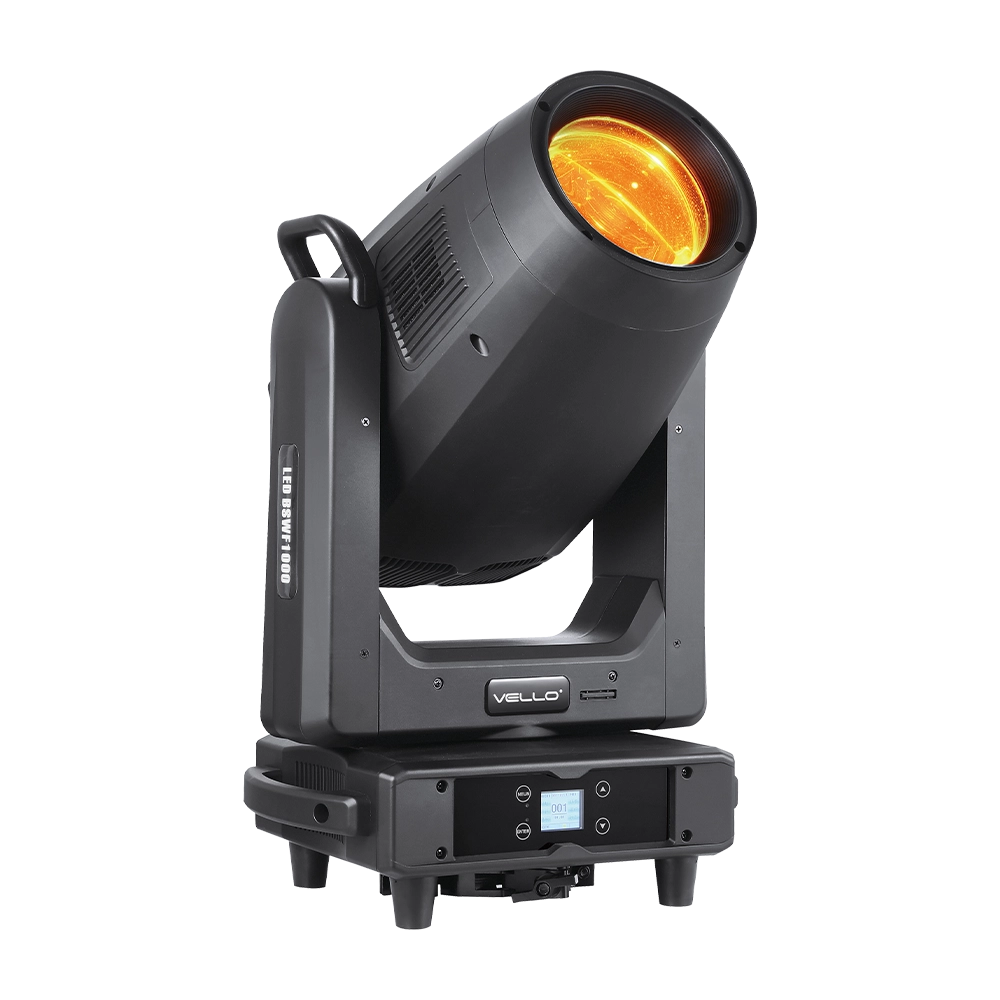
The BSWF1000 is a high-performance 4-in-1 hybrid moving head light that seamlessly integrates beam, spot, wash, and framing functions in a compact body. Powered by a powerful 850W high-CRI LED engine (CRI 90+), it delivers crisp projection, smooth color mixing, and exceptional brightness, making it ideal for professional stage, touring, and broadcast applications.
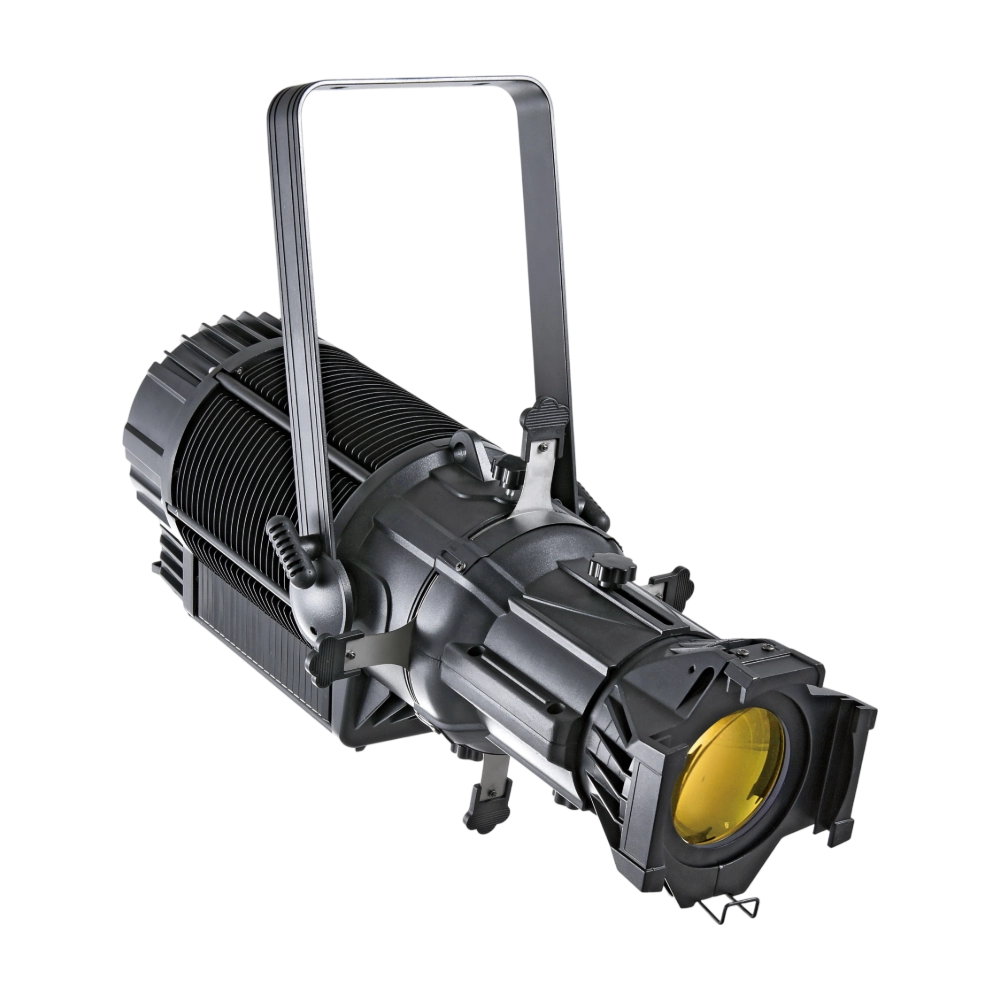
The LED Profile 300IP CTO is a 300W high-power profile light with outstanding brightness and precision. Equipped with a 300W LED source, it delivers a long lifetime of 20,000 hours and adjustable CCT from 3200K to 5600K. With multiple lens options (19°/25°/36°) and CRI ≥97, it ensures high color rendering for professional stage, studio, and theater applications. IP65-rated for indoor and outdoor use, it features smooth 0–100% dimming, flicker-free performance, and versatile DMX control for reliable operation in demanding environments.
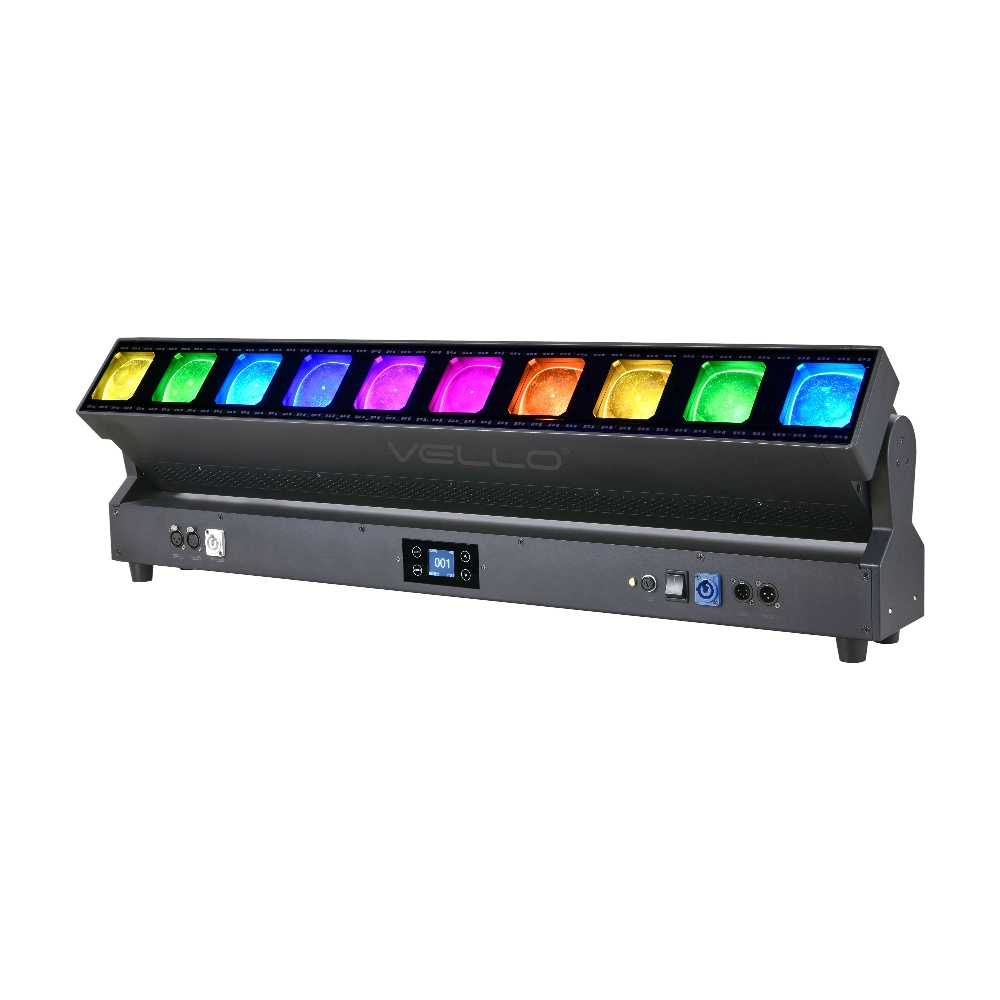
The LED Magic T-10F is a powerful 800W linear LED wash bar equipped with 10 × 80W 4-in-1 RGBW LEDs plus additional backlight effects. With a 20°–35° zoom, pixel control per LED, and versatile CTO/CW/WW backlight options, it creates dynamic visual effects. Supporting up to 170 DMX channels, it delivers precise control for advanced shows. Silent, flicker-free, and robust, the T-10F is perfect for concerts, TV productions, and large venues.
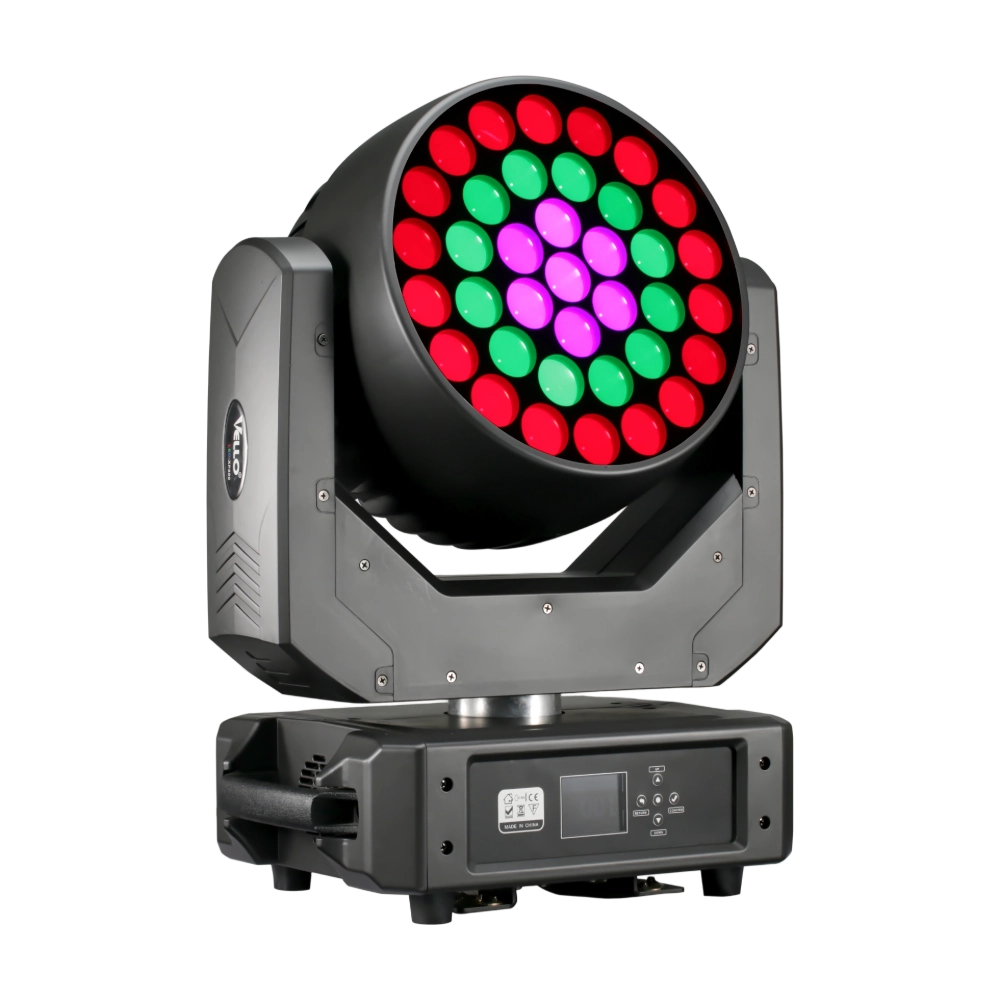
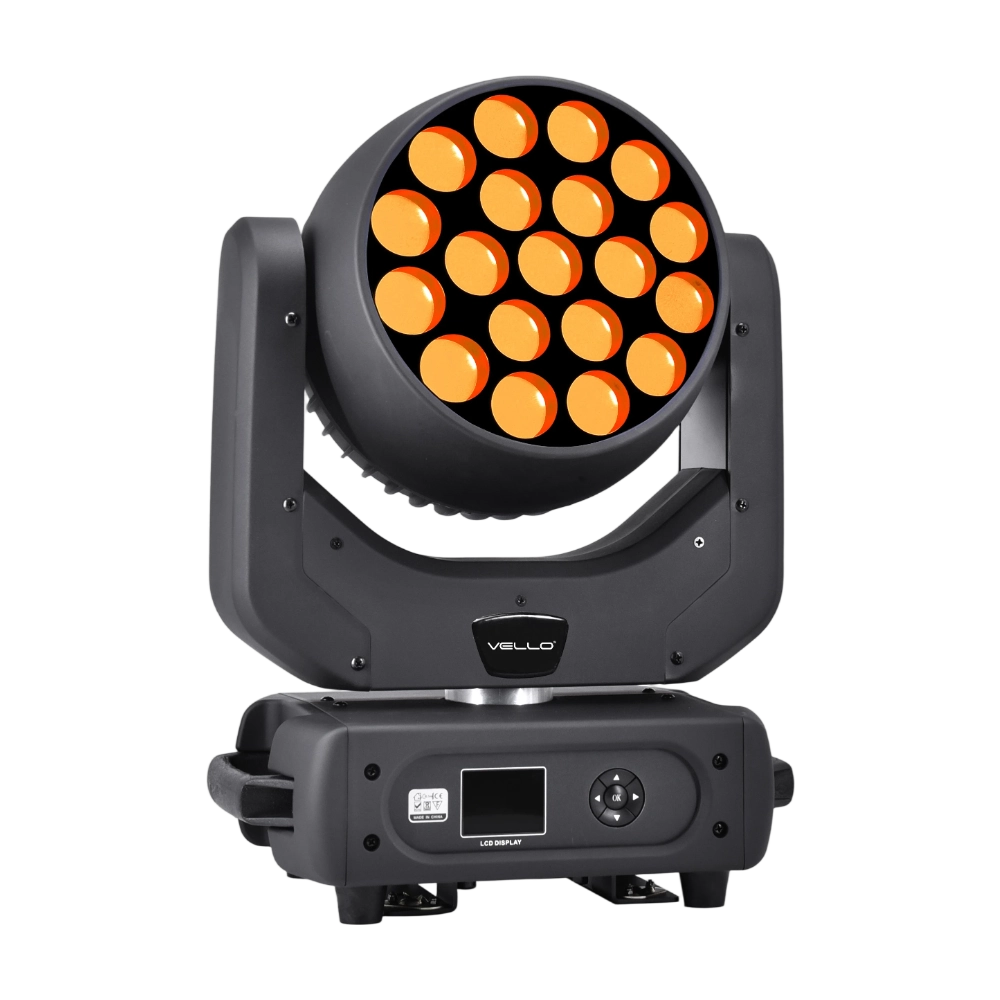
The LED XP800 is a 600W moving head wash fixture, equipped with 37 × 20W Osram RGBW LEDs for brilliant color mixing and high output. With a wide 6°–50° electronic zoom, it easily transitions from sharp beams to smooth washes. The fixture supports 3-ring pixel control and an adjustable CTO range (2800K–8500K) for versatile applications. Featuring 540° pan / 310° tilt, high-speed 3-phase motors, and multiple DMX modes (16/28 channels), XP800 delivers powerful, precise, and dynamic performance. Compact and durable, it is an excellent choice for stages, theaters, and large-scale events requiring high brightness and flexibility.
◌ Let Us Support Your Project
Request a Custom Quote and Technical Support
Fill out the form below, and our sales team will contact you shortly with product details, pricing, and customer service options.
Rest assured that your privacy is important to us, and all information provided will be handled with the utmost confidentiality.
By clicking "Send your message," I agree to your processing my personal data.
To see how to withdraw your consent, how to control your personal data, and how we process it, please see our Privacy Policy and Terms of Use.
Over 20 Years of Innovation in Stage & Studio Lighting
© 2026 VELLO. All Rights Reserved. 粤ICP备20023734号
Join our socials
VELLO
Whatsapp: +8613902276704
Vello Lighting
VelloLights