





How LED technology changed professional stage lighting equipment
- 1) How do I compare LED moving head output to older discharge or tungsten fixtures when lumens alone are misleading?
- 2) Can low-cost LED PARs or wash lights be used for broadcast without color shift or flicker on camera?
- 3) What is the realistic total cost of ownership (TCO) when replacing halogen fixtures with LED stage lights for a medium-sized theatre?
- 4) How do I plan DMX addressing and network architecture when mixing wired DMX512, Art‑Net and sACN across multiple zones?
- 5) What mounting, rigging and cooling considerations should I check before installing high‑power LED moving heads in a small venue with a low flyhouse?
- 6) How has LED technology changed maintenance routines and which spare parts should a rental house stock to minimize downtime?
1) How do I compare LED moving head output to older discharge or tungsten fixtures when lumens alone are misleading?
LED fixtures and traditional discharge/tungsten fixtures report different useful numbers. Lumens describe total visible light output across all directions; for stage use you need beam intensity (candela) and lux at the performance plane. A 10,000-lumen wash with a 90° beam will be much less punchy on stage than a 3,000-lumen spot with a 6° beam.
Actionable steps for buyers:
- Ask for the IES/LM-63 photometric file from the manufacturer or dealer. That file lets you compute lux at any distance and simulate footprint and uniformity on stage. Lighting designers and technical buyers should never rely on raw lumens alone.
- Read peak beam intensity (cd) and beam angle. Use the practical formula lux = candela / (distance^2) to estimate center-stage illuminance. Example: a fixture with 100,000 cd at 10 m gives 100,000 / (10^2) = 1,000 lux at center.
- Compare throw charts. Manufacturers usually publish lux at standard distances. Make sure the test distance matches your venue’s throw (e.g., FOH to stage or truss-to-stage distance).
- Consider S/P ratio and spectral power distribution. For performers’ skin tones and color mixing, CRI/TLCI and spectral quality matter for perceived brightness and color accuracy.
What to request when buying:
- IES photometric files and lux charts at multiple distances
- Peak candela and beam angle specifications
- Measured CRI/TLCI and SPD (spectral power distribution) if broadcast or camera work is required
Why this matters: switching to LED often changes beam quality and uniformity; using photometrics prevents expensive surprises during installation and programming.
2) Can low-cost LED PARs or wash lights be used for broadcast without color shift or flicker on camera?
Short answer: not reliably—unless the fixture explicitly lists broadcast‑grade specs. Broadcast needs two things: high, stable color reproduction and flicker‑free operation at camera frame rates and shutter angles.
Key specs to verify before buying:
- TLCI/CRI: For broadcast, TLCI or CRI (Ra) should be ≥90. TLCI is specifically useful for TV/camera evaluation; CRI alone can be misleading for LEDs.
- Flicker characteristics: Ask for PWM or driver modulation specs. Effective broadcast fixtures either use high‑frequency PWM (several kHz to tens of kHz) or analog dimming methods to avoid visible and camera-detected flicker. For slow‑motion or high‑frame‑rate filming (120–1000 fps), demand explicit test data from the manufacturer showing no flicker at targeted shutter speeds.
- Color stability across dimming: Look for constant color temperature or calibration tables / LUTs for different dimming levels. Cheaper fixtures often shift color temperature when dimming.
Testing tips before acceptance:
- Bring a camera and test at your typical shooting frame rates and shutter angles with the fixture at 0–100% dimming and at strobe settings.
- Verify the fixture’s dim curve (linear, square-law, or user-definable) and ensure DMX control doesn’t introduce stepping in low-level fades.
If broadcast reliability is critical, prioritize fixtures that quote TLCI ≥90, flicker-free operation at your target FPS, and ship with photometric and flicker test reports.
3) What is the realistic total cost of ownership (TCO) when replacing halogen fixtures with LED stage lights for a medium-sized theatre?
TCO must include: electricity, lamp/consumable replacement, maintenance labor, cooling/HVAC savings, and amortized capital cost. Here’s a conservative worked example using real-world-type values:
Scenario assumptions (typical and conservative):
- 20 stage fixtures replaced (old: 1,000 W each incandescent/ discharge; new: 200 W LED equivalent)
- Usage: 8 hours/day, 300 days/year = 2,400 hours/year
- Electricity cost: $0.15 per kWh
- Incandescent/discharge lamp life: ~2,000 hours (lamp replacements and ballast work)
- LED rated life: 50,000 hours (LED module, but drivers may fail earlier)
Annual energy consumption difference:
- Old fixtures: 1,000 W × 20 = 20 kW; yearly = 20 kW × 2,400 h = 48,000 kWh
- New fixtures: 200 W × 20 = 4 kW; yearly = 4 kW × 2,400 h = 9,600 kWh
- Energy saved = 38,400 kWh/year × $0.15 = $5,760/year
Maintenance and consumables:
- Lamp replacement cost and labor for old fixtures: conservatively $50–$150 per lamp installed (parts + tech time) every ~2,000 h. With 20 fixtures and 2,400 h/year, expect ~1 lamp change per fixture/year → $2,000–$6,000/year depending on lamp cost and labor.
- LED fixtures reduce lamp costs to essentially zero; major replacements are driver/fan failures with much lower frequency.
Cooling/HVAC savings:
- LEDs emit less radiant heat. In many venues, cooling loads fall proportionally to the power reduction. A practical estimate: additional HVAC savings often equal 20–40% of the electricity saved, depending on venue HVAC efficiency and how temperature-sensitive the space is. For conservative planning, assume 25% of electrical savings as additional HVAC benefit: $1,440/year in our example.
Capital and payback:
- If LED fixtures cost $1,000 more per unit than a direct replacement baseline (varies widely), incremental capital = $20,000. Combined energy+HVAC+maintenance savings in the example ≈ $7,200/year ($5,760 + $1,440) excluding lamp labor savings, meaning simple payback ~2.8 years. If you include avoided lamp/labor costs, payback accelerates.
Caveats for an accurate TCO for your venue:
- Use the actual electricity tariff (peak vs off-peak) and measured daily hours
- Account for driver/fan MTBF and warranty period (drivers often fail earlier than LEDs)
- Confirm dimming/controls compatibility to avoid extra retrofit costs
Conclusion: In most medium-sized venues, LED retrofits produce measurable yearly operating savings and 2–6 year paybacks depending on electricity price, utilization, and initial fixture cost.
4) How do I plan DMX addressing and network architecture when mixing wired DMX512, Art‑Net and sACN across multiple zones?
Problems beginners commonly face: running out of channels, collision between universes, and unreliable multicast traffic across switches. Plan carefully.
Rules and planning steps:
- Channels per universe: DMX512 = 512 channels/universe. Count channels using the highest channel-mode your fixture will use (16-bit pan/tilt or extended modes). Many moving heads have multiple modes (e.g., 14/20/36 channels); choose the mode appropriate for your show when planning.
- How to calculate needed universes: total_channels_needed ÷ 512 = universes required (round up). Example: 30 moving heads in 16‑channel mode = 480 channels (1 universe). Add 6 LED bars at 8 channels = 48 channels → total 528 channels → 2 universes required.
- Addressing strategies: leave reserved channels for later expansion and avoid fragmenting universes with tiny, scattered fixtures. Group fixtures by function/zone so a single universe services a single truss/area where possible.
- Network protocols: use sACN (ANSI E1.31) or Art‑Net for Ethernet-based distribution. sACN tends to be preferred in contemporary installs for better multicast behavior and interoperability; DMX512 is still used over 5-pin XLR for point-to-point and legacy devices.
- Switch and topology: use managed gigabit switches that support IGMP snooping to control multicast traffic and avoid bogging down the network. Avoid daisy-chaining switches for mission-critical links; use a star topology with redundancy where needed.
- RDM and monitoring: include RDM (Remote Device Management) capable nodes and gateways to remotely configure addressing and monitor device status. Gateways are used to convert Art‑Net/sACN to DMX512 when feeding legacy fixtures.
Best practices:
- Document channel allocations in a spreadsheet and export/import from your lighting console where possible
- Label cables and patch lists physically and digitally
- Use backup controllers or a secondary network/bypass in critical venues
5) What mounting, rigging and cooling considerations should I check before installing high‑power LED moving heads in a small venue with a low flyhouse?
Key risks in small spaces: insufficient clearance for ventilation, noise from active cooling (fans), improper rigging loads, and thermal derating in hot, confined spaces.
Checklist for safe installation:
- Weight and center of gravity: confirm the fixture weight and recommended clamp points. Use rated truss points and ensure the truss load chart supports the concentrated loads. Obtain the fixture’s suspension points diagram and MBL/SWL from the manufacturer.
- Rigging hardware: use certified clamps, shackles and steel safety cables. Follow local codes and manufacturer torque specs. Industry practice varies, but always verify rated SWL (Safe Working Load) and use hardware with traceable certification.
- Clearance and airflow: maintain manufacturer‑recommended clearance around heatsinks and ventilation intakes (often at least 50–100 mm). For fixtures with forced cooling, ensure inlet/outlet airflow is unobstructed to prevent thermal throttling or fan overrun.
- Noise: many high-power LED fixtures use variable-speed fans; in small houses you may need passive-cooled models or fixtures with quiet fan profiles. Ask for dB(A) noise figures at 1 m or test on-site.
- Ambient temperature derating: many fixtures specify maximum ambient temperature (e.g., 40°C). In hot places or cramped flyhouses, plan derating or additional forced ventilation to avoid thermal protection reducing light output.
- Cable management and access: leave power and control slack for maintenance and ensure safe, routed cabling with strain relief. Make DMX/Ethernet runs separable from mains where possible.
If you have any doubt, engage a licensed rigger or structural engineer and insist on load calculations and written sign-off before hanging.
6) How has LED technology changed maintenance routines and which spare parts should a rental house stock to minimize downtime?
LED changed maintenance from frequent lamp swaps to a focus on electronics and moving parts. Typical failure points in modern LED stage fixtures are drivers, fans, control boards, connectors and mechanical components (motors, encoders).
Recommended spare-part list for a rental house (prioritized):
- LED drivers / PSU modules (1 per 5–10 fixtures depending on model complexity)
- Replacement fans and fan assemblies (fans often fail first)
- Control boards or DMX/Ethernet interface boards (RDM/Art‑Net interface modules)
- Fuses, power connectors and IEC power inlets
- Replacement clamps, safety cables, and quick‑release pins
- Spare gobos, lenses or secondary optics if fixture uses removable optics
- Firmware USB/SD keys and a test rig (power supply and DMX controller) for bench diagnostics
Maintenance workflow changes with LEDs:
- Routine: bench-test fixtures quarterly under power and through DMX/Ethernet; log hours and any driver temperature warnings.
- MTBF considerations: while LED modules often rate 50,000+ hours, drivers and moving parts have lower MTBF (often 20,000–50,000 hours). Budget spare-driver inventory accordingly.
- Firmware management: LEDs and network fixtures have firmware; maintain a controlled firmware update process and keep vendor tools and release notes available.
Minimizing downtime:
- Adopt a swap-and-repair policy: swap faulty fixtures quickly and repair centrally rather than repairing in‑place.
- Keep critical spares for items that have the highest failure rates and longest lead times.
- Maintain a preventative servicing schedule for moving heads (gear/encoder inspection) and cleaning optics and heatsinks frequently—dust significantly reduces thermal performance.
Concluding paragraph summarizing the advantages of LED stage lighting technology:
LED technology has redefined professional stage lighting equipment by delivering higher energy efficiency, longer lamp life, far lower routine lamp maintenance, finer and programmable color control, and flexible networking via Art‑Net/sACN. Properly specified LED fixtures also reduce HVAC burden, enable quieter and more compact designs for small venues, and—when paired with good photometrics and broadcast‑grade drivers—meet demanding camera and theatrical requirements. The shift requires new purchasing criteria (photometric files, TLCI/CRI, flicker specs, driver/fan MTBF, and network architecture), but when those are considered, LEDs provide superior total cost of ownership and creative flexibility.
For a customized quote or help selecting professional stage lighting equipment for your venue, contact us at www.vellolight.com or info@vellolight.com.
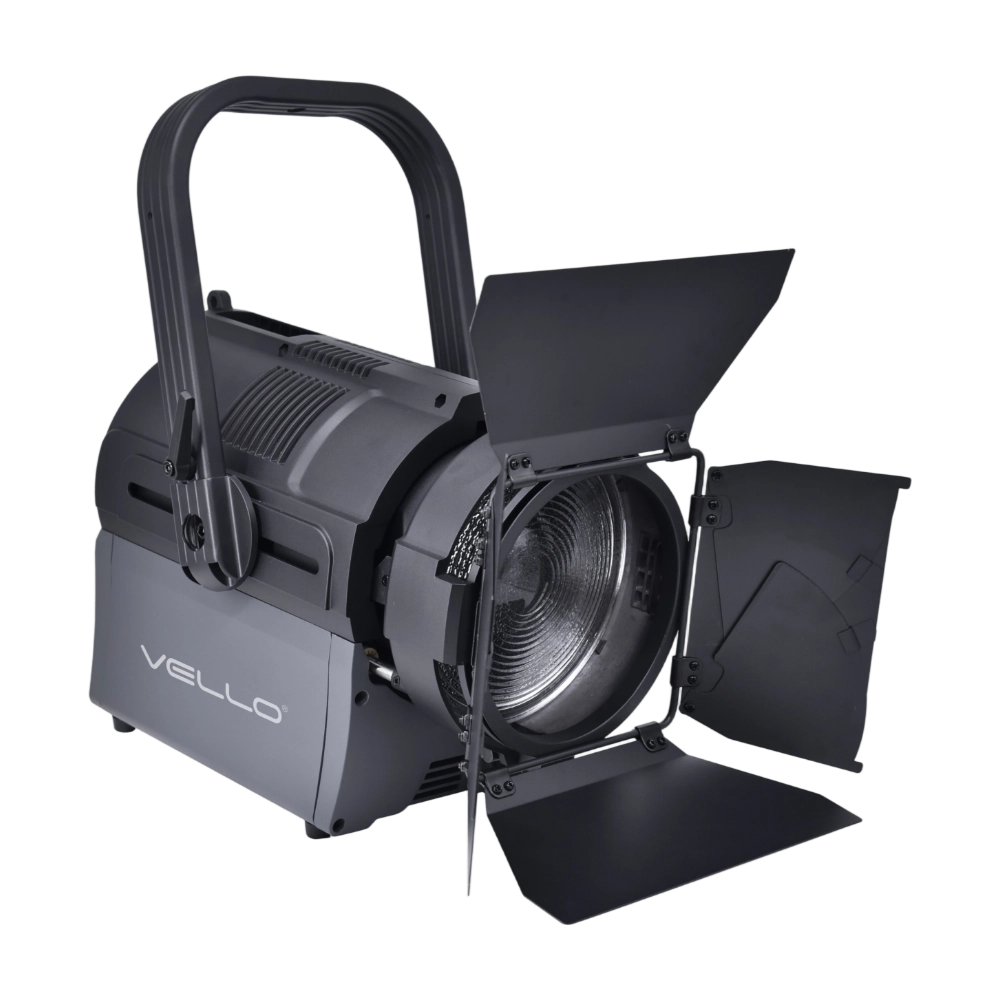
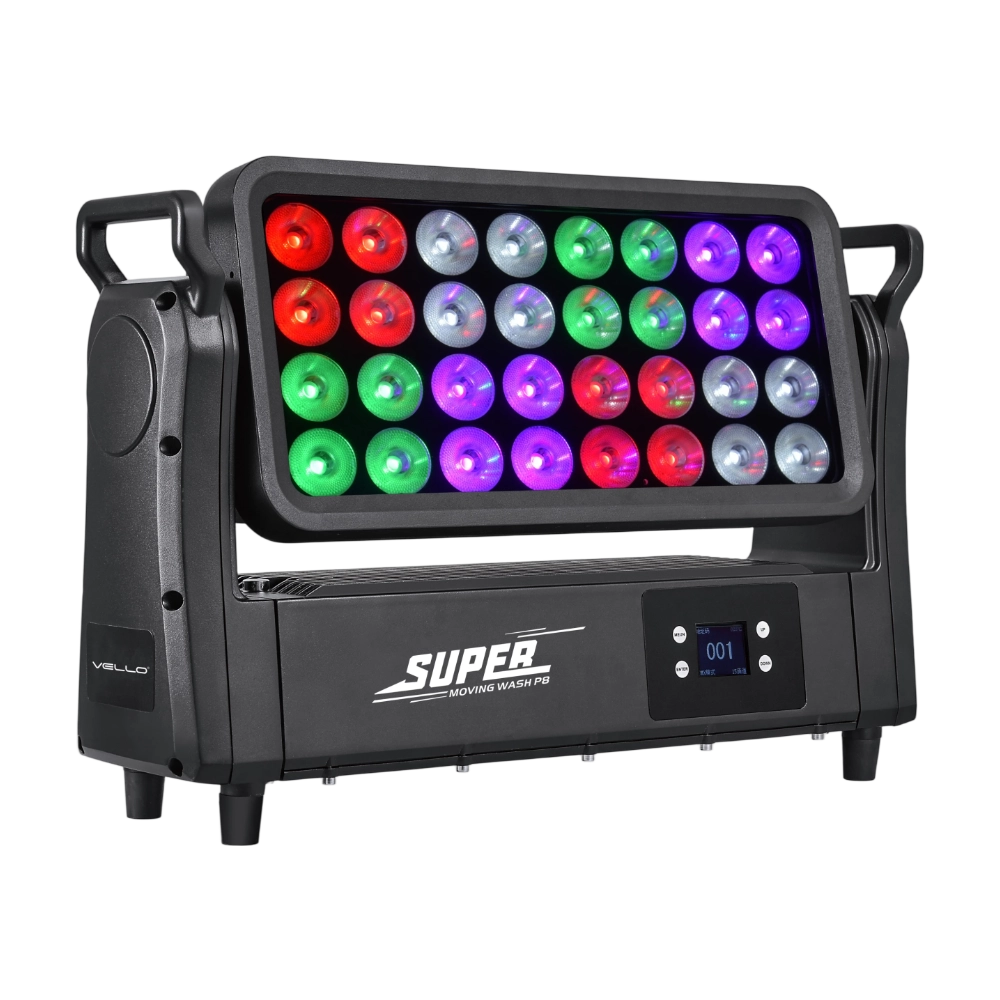
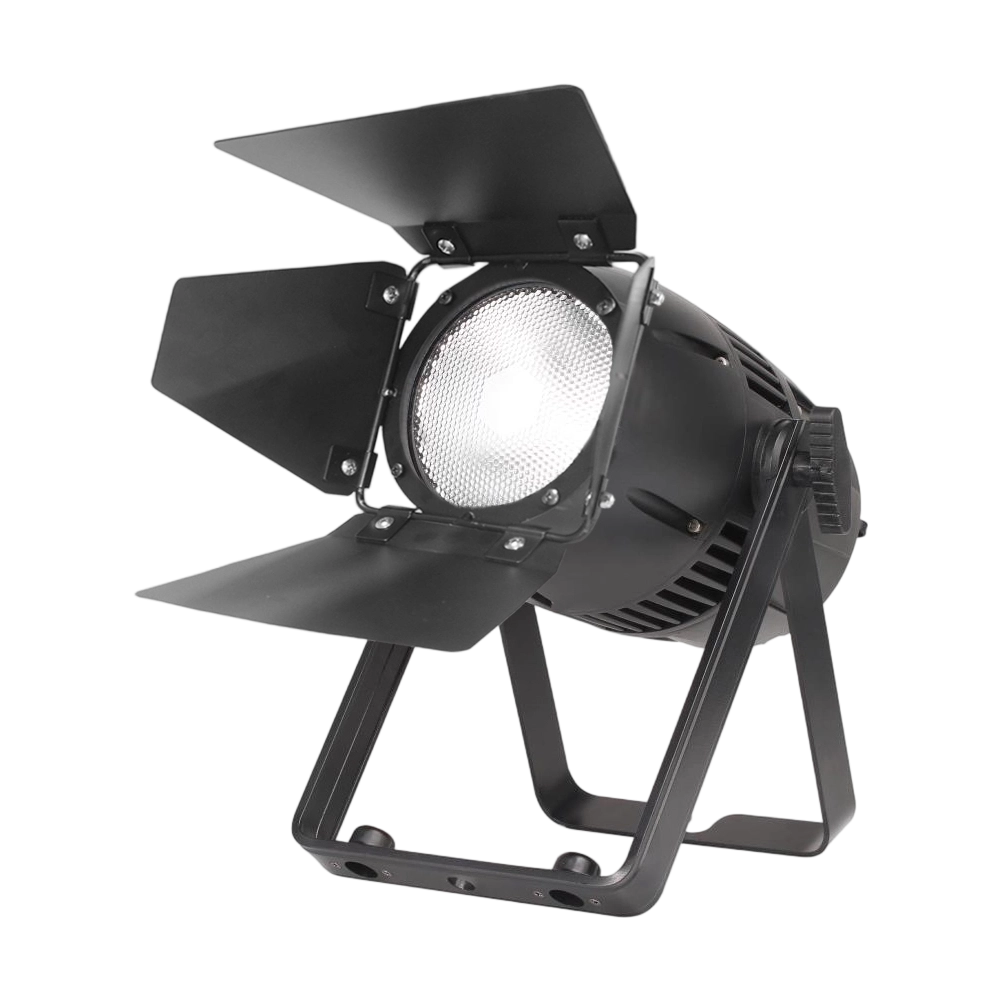
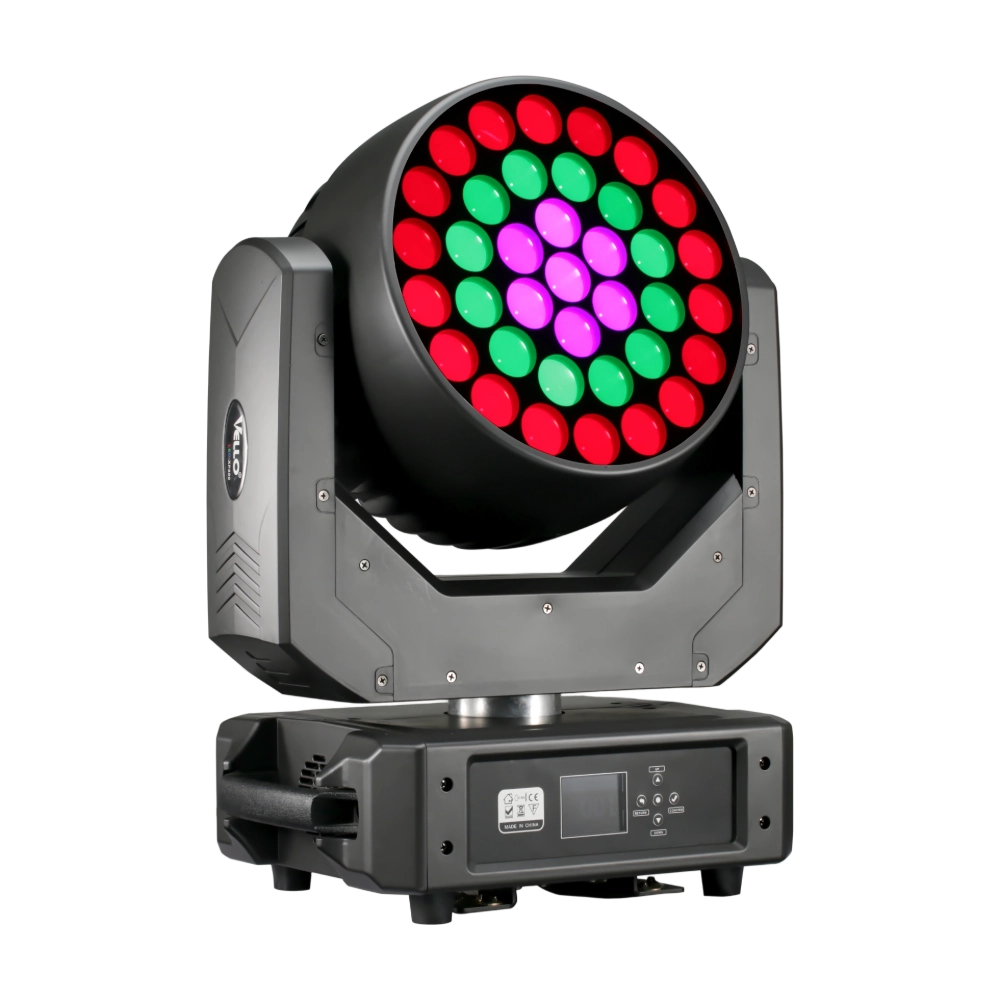
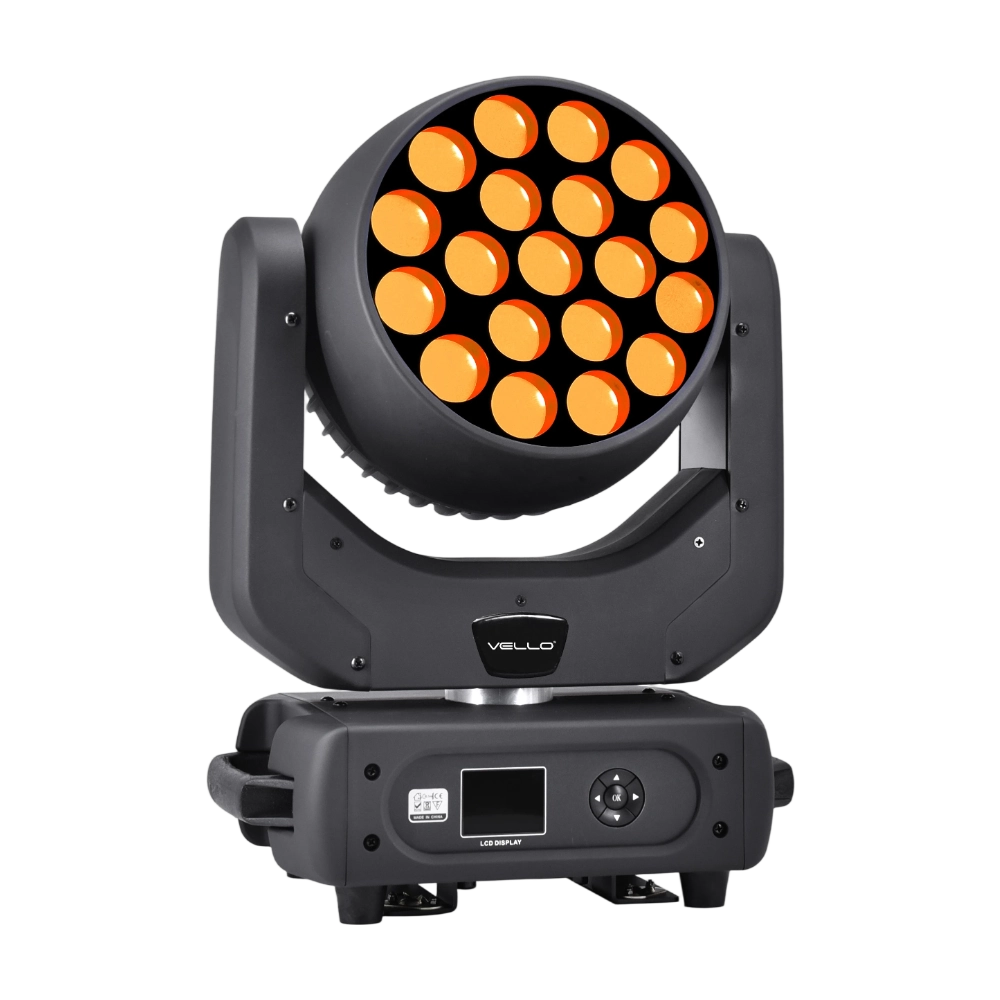
Major categories
Do you offer samples?
Samples are available for certain models. Please confirm with our sales team for details.
What is the warranty period for your products?
Most products come with a standard 1–2 year warranty. Please refer to product details or contract terms for specifics.
What is the usual lead time?
Standard models are typically shipped within 7–15 working days after payment. Customized items may vary.
Do you ship internationally?
Yes. We offer sea, air, and express delivery to many countries and regions worldwide.
Do your products support customization?
Yes. We offer OEM and ODM services tailored to project needs, including design, optics, and control compatibility.
You may also like
Solar Par 200 RGBW is a 200W IP65-rated outdoor LED par, powered by a high-power 200W 4-in-1 COB LED for vibrant RGBW color mixing and smooth output. With optional 30° or 50° lens angles, flicker-free dimming, and multiple DMX channel modes, it offers versatile performance for stages, architectural lighting, and outdoor events. Built with a robust die-cast aluminum housing and equipped with Seetronic IP65 DMX and PowerCON in/out, Solar Par 200 delivers reliable, weather-resistant operation in any environment.
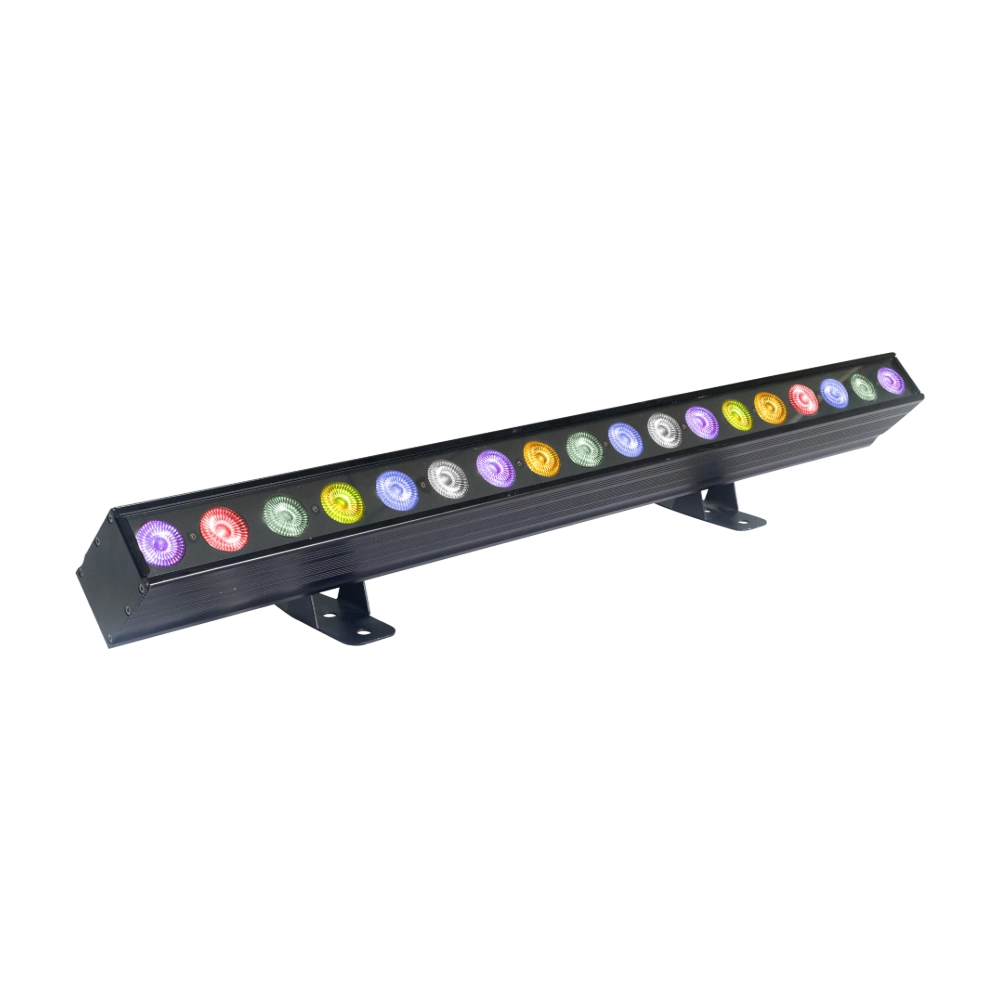
The LED SlimBar 1841 Pixel is a sleek 300W pixel LED bar with 15 × 15W RGBW LEDs + 120 × 0.5W RGBW SMD LEDs, arranged for powerful washes and pixel effects. Offering multiple lens options (6°/15°/25°/45°), 21–180 DMX channels, and individual LED control, it provides endless creative possibilities. Lightweight yet powerful, it’s perfect for stage backdrops, visual effects, and architectural lighting.
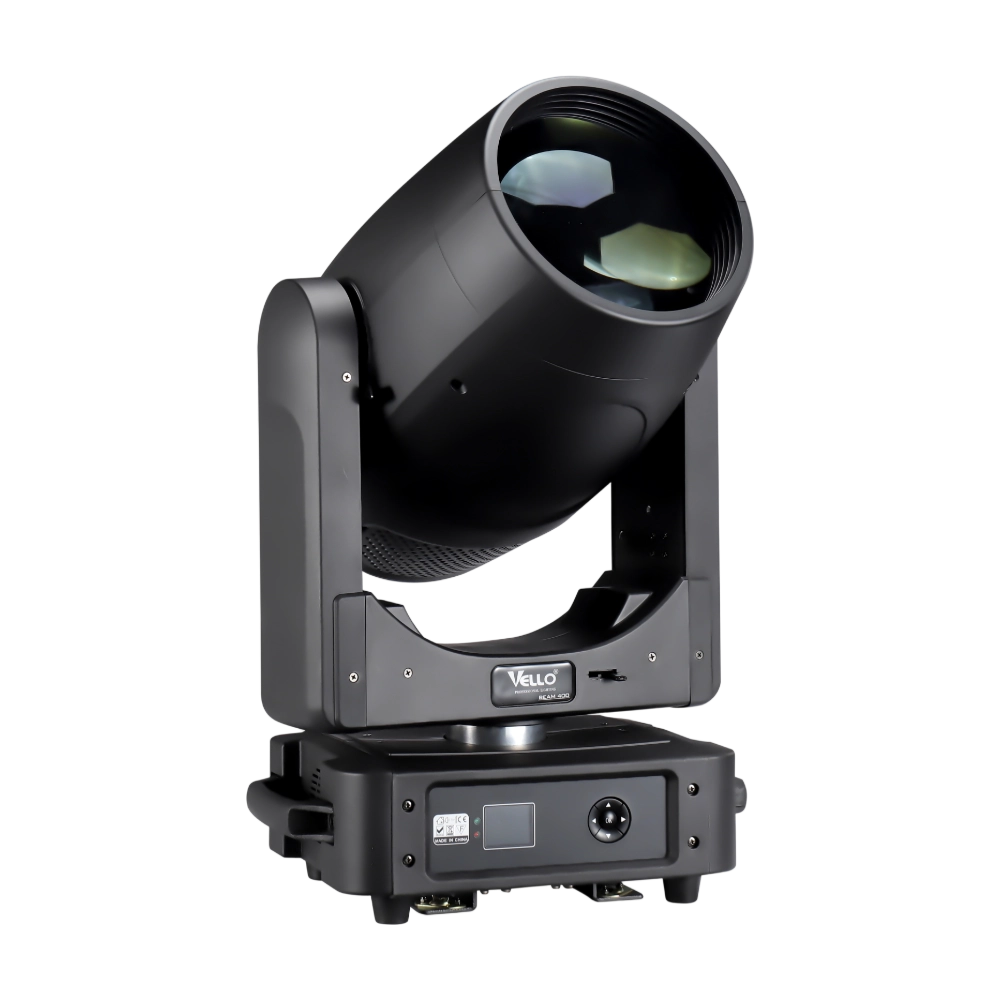
BEAM400 is a 500W professional moving head beam powered by an OSRAM SIRIUS 371W discharge bulb, delivering a super-bright 1.8° sharp beam with impressive punch. It features 12 fixed gobos + open, a 14-color wheel, and a 16-facet circular rotating prism with multiple-facet effects, enabling dynamic aerial visuals. With 540° pan / 270° tilt, 16-bit movement resolution, and linear frost and focus, BEAM400 ensures precise and versatile performance. Comparable to traditional 750W moving heads, it combines high efficiency, smooth dimming, and reliable operation—ideal for concerts, tours, and large-scale stage productions.
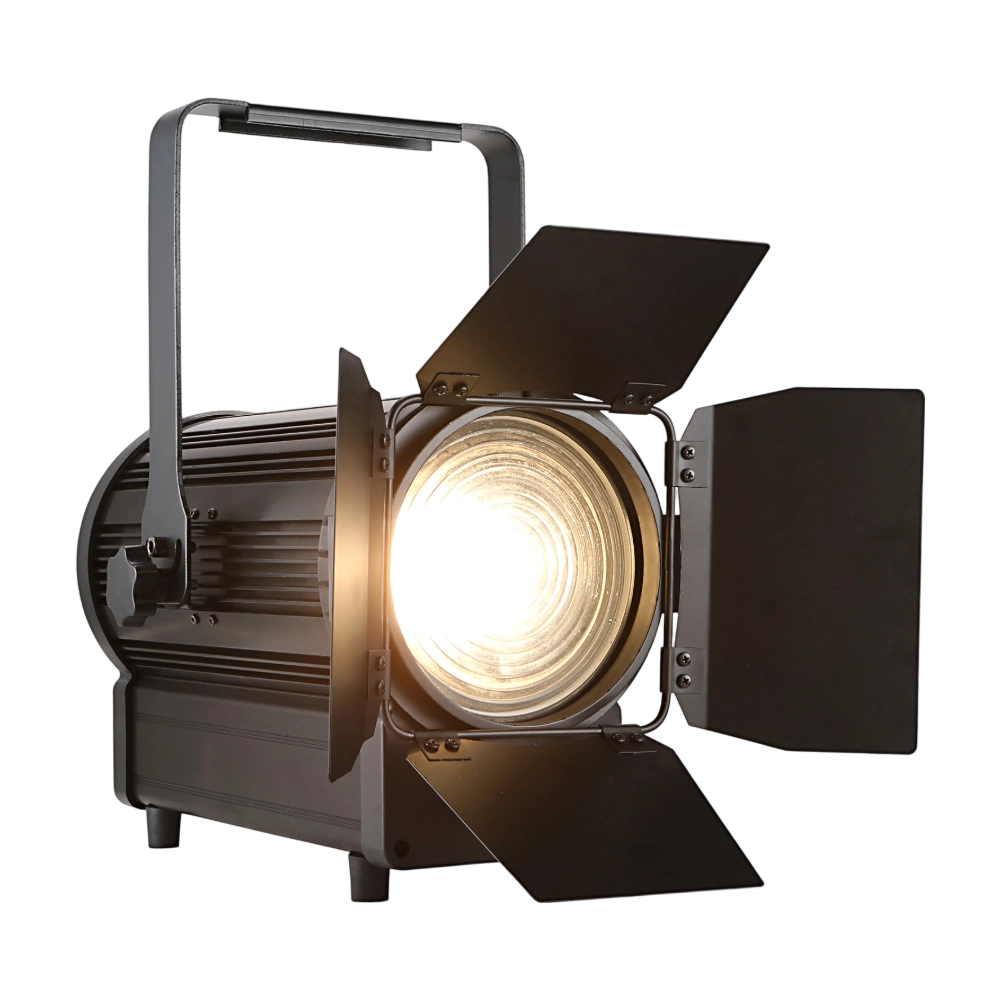
The TH250 Fresnel CTO is a compact yet powerful 250W LED Fresnel fixture. Equipped with dual 125W WW/CW lamps, it offers CTO adjustment (3000K–6000K) and CRI ≥97 for true-to-life color rendering. The 15°–50° zoom and electronic dimming make it versatile for stage and studio use. With flicker-free output, silent operation, and DMX/manual zoom, the TH250 is an ideal energy-efficient alternative to conventional Fresnels.
◌ Let Us Support Your Project
Request a Custom Quote and Technical Support
Fill out the form below, and our sales team will contact you shortly with product details, pricing, and customer service options.
Rest assured that your privacy is important to us, and all information provided will be handled with the utmost confidentiality.
By clicking "Send your message," I agree to your processing my personal data.
To see how to withdraw your consent, how to control your personal data, and how we process it, please see our Privacy Policy and Terms of Use.
Over 20 Years of Innovation in Stage & Studio Lighting
© 2026 VELLO. All Rights Reserved. 粤ICP备20023734号
Join our socials
VELLO
Whatsapp: +8613902276704
Vello Lighting
VelloLights