





What are the main types of LED stage lights and uses?
- 1. How do I calculate the number and lumen output of LED stage lights needed for a 10m x 8m stage at 6–10m ceiling height?
- 2. For multi-camera live streaming, what CRI/TLCI values and color controls should I require in LED stage lights to avoid post-production color correction issues?
- 3. How should I design DMX addressing and power distribution for a rig of ~200 LED fixtures to avoid DMX collisions and voltage drop on tour?
- 4. When replacing tungsten/discharge moving heads with LED moving heads, how do I compare lumen specs, beam quality and gobo/zoom performance so I don't lose punch or effects?
- 5. For outdoor festivals in mixed climates, should I insist on IP65-rated fixtures or specify weatherproofing for IP33—what are the practical trade-offs?
- 6. How do I evaluate long-term maintenance costs for LED stage lights — LED driver lifespan, L70 lumen depreciation, parts replacement and total cost of ownership?
1. How do I calculate the number and lumen output of LED stage lights needed for a 10m x 8m stage at 6–10m ceiling height?
Beginners are often given generic fixture counts (“use 12 pars”) without accounting for lux targets, beam angle, or throw distance. The correct approach is photometric, not guesswork.
Step-by-step method: decide the target illuminance in lux for the event type — typical targets: theatre dialogue 300–750 lux, musicals/dance 750–1,500 lux, TV/broadcast 1,000–2,000 lux. Convert stage area to square meters (10m x 8m = 80 m²). Required total lumens = desired lux × area. Example: for 750 lux → 750 × 80 = 60,000 lumens.
However, fixtures don’t evenly distribute lumens. Use beam angle and throw to compute effective lux at stage: beam radius = tan(beam_angle/2) × throw_distance. Illuminance at center approximated by lumens / (π × radius²). Manufacturers publish lux-at-throw charts — always compare lux at your throw, not raw lumens. For example, an LED wash rated 10,000 lumens with a 45° beam at 8m will produce far lower center lux than a 10,000-lumen unit with a tight 15° beam.
Practical checklist:
- Choose target lux for your program (theatre, concert, broadcast).
- Collect photometric lux/throw charts from fixtures (moving head, wash, LED PARs).
- Map fixtures to zones on stage and sum lux values per zone; aim for even coverage within ±20%.
- Factor in stage masking, set pieces, and distance changes. Use tighter beams for backlight and spots, wider wash panels for general coverage.
Keywords used: lux, lumen output, beam angle, led wash, LED PAR, photometric, moving head.
2. For multi-camera live streaming, what CRI/TLCI values and color controls should I require in LED stage lights to avoid post-production color correction issues?
Many beginner guides stress “high CRI,” but they don’t differentiate camera-friendly metrics. CRI (Ra) is useful for human vision; TLCI (Television Lighting Consistency Index) and spectral distribution are critical for cameras. For reliable multi-camera work you should specify:
- TLCI ≥ 90 (excellent for broadcast). If TLCI is not quoted, require CRI ≥ 95 and a published SPD (spectral power distribution) chart showing smooth spectrum across visible wavelengths.
- Color temperature control with accurate presets and continuous tuning (2,700K–8,000K) plus +/- green/magenta adjustment to help camera white balance.
- Low metamerism: prefer fixtures using mixed-chip designs (RGBW + amber/ lime or quad-color arrays) where manufacturer publishes metamerism index or shows consistent camera white balance across CCTs.
Verification steps:
- Request manufacturer TLCI/CRI test reports and SPD graphs taken with a spectroradiometer.
- If possible, test a loan unit on your camera system and record a 18% grey card under multiple CCTs to check white balance drift.
- Use fixtures with linear dimming curves and/or video-friendly PWM rates (high frequency >20 kHz) to avoid flicker on high-frame-rate cameras.
Keywords used: CRI, TLCI, spectral power distribution, camera-friendly, white balance, PWM flicker, LED spotlights.
3. How should I design DMX addressing and power distribution for a rig of ~200 LED fixtures to avoid DMX collisions and voltage drop on tour?
Large rigs need planning for signal universes and AC power. Common novice mistakes: daisy-chaining too many fixtures on one DMX run, underspecifying cable gauge, and ignoring power factor / inrush currents.
DMX and control:
- DMX512: one universe handles 512 channels. Calculate channels per fixture (e.g., moving head spot 16–40 channels, LED wash 6–16 channels). Use multiple universes or Art-Net/sACN over Ethernet when channel count exceeds one universe.
- Topologies: use a star topology where possible with DMX splitters/optical isolators; always terminate the last DMX run with a 120Ω terminator.
- Addressing: create a spreadsheet mapping fixture ID → DMX address → universe. Export to your console/import to lighting software to avoid overlap.
Power distribution:
- Estimate real power draw from manufacturer wattage, but also measure inrush. For example, a 300 W fixture at 230V draws ~1.3 A steady. For 200 fixtures that’s enormous — group fixtures across multiple 16A/32A circuits and phases to balance loads.
- Limit cable run lengths to minimize voltage drop. For AC runs, keep voltage drop under 3–5%. Use proper cable gauge (e.g., 14 AWG/2.5mm² for moderate runs; 10 AWG/6mm² for long runs, depending on local code and voltage). For low-voltage systems (48V) voltage drop is more critical; calculate with I×R×length formulas.
- Use dedicated circuit breakers, RCD/GFCI protection, and label distro panels. Consider PDUs with individual breakers and current metering.
Redundancy and practical tips:
- Use DMX opto-isolating splitters and redundant Art-Net nodes for mission-critical shows.
- Run separate power feeds for moving fixtures (high inrush) vs LED wash panels (steady current).
- Always test the complete system under load during tech rehearsal to find voltage sag or DMX dropouts.
Keywords used: DMX512, Art-Net, sACN, power distro, voltage drop, inrush current, dimmers.
4. When replacing tungsten/discharge moving heads with LED moving heads, how do I compare lumen specs, beam quality and gobo/zoom performance so I don't lose punch or effects?
Comparing raw lumens alone is misleading. Key metrics for equivalence are center lux at specified throw distances, beam angle range, gobo quality and zoom ratio. LED and discharge sources behave differently: LED fixtures often have lower quoted lumens but higher effective center intensity thanks to tighter LEDs and optics.
What to compare:
- Photometric charts: compare lux at 5m/10m for the beam angles you need rather than lumen totals.
- Beam angle and zoom range: moving head beam (e.g., 3–50° zoom) dictates wash vs spot utility. If you used a 15–35° profile previously, pick an LED head with an equal or wider zoom range.
- Gobo resolution and edge quality: review high-resolution imagery or request demo videos. LED optics can be sharper but some cheaper LED moving heads display visible pixelization on gobo edges.
- Color mixing: LED fixtures use additive mixing (RGB/RGBW/CMY variants). For skin tones and saturated colors, CMY-like mixing (or RGBW with amber) often produces smoother results.
Operational trade-offs:
- LED heads run cooler and have faster color/iris effects with lower power consumption.
- Some LED fixtures have brighter perceived output for beam effects but less volumetric fog penetration compared to an older 1200W discharge (which can throw light further in haze).
- Always request photometric data and do side-by-side demos with haze/fog to judge beam edge, gobo sharpness and color saturation.
Keywords used: moving head, gobo, zoom ratio, lumen specs, photometric charts, LED moving heads, beam quality.
5. For outdoor festivals in mixed climates, should I insist on IP65-rated fixtures or specify weatherproofing for IP33—what are the practical trade-offs?
“IP65 or nothing” is a safe rule, but budget and logistics affect decisions. IP ratings follow IEC 60529: first digit = solids protection, second digit = liquids. IP65 means dust-tight and protection from jets of water; IP33 protects from large objects and spraying water <60° from vertical.
Trade-offs:
- IP65 fixtures: heavier, sealed housings, higher cost, often require active cooling strategies (convection or sealed-for-life thermostatic fans). They’re ideal when exposure to rain, dust and mud is likely for extended periods.
- IP33 (or IP44) fixtures: lighter, cheaper, easier to service (replace fans/drivers on tour), but vulnerable to rain and dust ingress. Use them under truss canopies or on covered stages where contact with water is unlikely.
Practical recommendations:
- For front-of-house and truss-mounted fixtures exposed to weather, specify IP65 or IP54+ with additional weather protection. For under-roof or short, covered setups IP33 may be acceptable.
- Use weatherproof connectors (IP67-rated power and data connectors where runs cross exposed areas), sealed cable glands, and corrosion-resistant mounting hardware.
- Consider condensation: sealed fixtures can trap moisture; look for anti-condensation heaters or desiccant provisions.
Keywords used: IP65, IP33, IEC 60529, weatherproof, outdoor LED stage lights, connectors.
6. How do I evaluate long-term maintenance costs for LED stage lights — LED driver lifespan, L70 lumen depreciation, parts replacement and total cost of ownership?
Manufacturers advertise 50,000–100,000-hour LED lifetimes, but that number references LED diode life (often L70: time to 70% initial lumen output), not the whole fixture. Practical maintenance costs are driven by drivers, fans, electronics, and mechanical wear (motors, gobo wheels).
What to ask suppliers:
- Ask for L70 figures and the test conditions (Tc temperature, drive current). L70 at 25°C is different from L70 at 45°C operating case temperature.
- Driver MTBF and warranty: many failures occur in the LED driver or power supply, not the diodes. Prefer fixtures with field-replaceable drivers and available spare parts.
- Fan lifespan and serviceability: fans and bearings commonly fail in moving fixtures. Modular fan assemblies reduce downtime.
- Availability of spare parts and service network: touring fixtures should have global spare stocks or quick RMA options.
Estimating TCO (example method):
- Initial purchase price + shipping.
- Annual energy cost = (sum of fixture wattages in kW) × hours used per year × electricity rate.
- Annual maintenance = expected replacement parts per year (drivers, fans, lenses) + labor. Use manufacturer failure rates (or typical field rates: e.g., 1–3% per year for electronics in harsh touring environments unless sealed/protected).
- Depreciation and resale value after 3–7 years.
Buy fixtures with a 2–5 year warranty and modular design for field service to minimize downtime. Request a sample maintenance plan from vendors — good manufacturers will provide MTBF, L70 data, and spare part lifecycles.
Keywords used: L70, LED driver lifespan, maintenance costs, total cost of ownership, modular repair.
Conclusion — Advantages of LED stage lights
LED stage lights deliver substantially lower energy use, reduced heat load on stage, longer LED diode life, faster color/beam control, and compact moving-head designs that simplify rigging. When specified correctly (photometric charts, TLCI/CRI, IP rating, power and DMX planning, and maintenance strategy), LED fixtures give better operational flexibility and lower TCO than legacy tungsten or discharge systems, while meeting modern broadcast and touring standards.
If you’d like a tailored fixture list, rig plan or quote for LED stage lighting — including moving heads, LED pars, wash lights, pixel-mapping fixtures and outdoor IP65 options — please contact us for a quote at www.vellolight.com or info@vellolight.com.
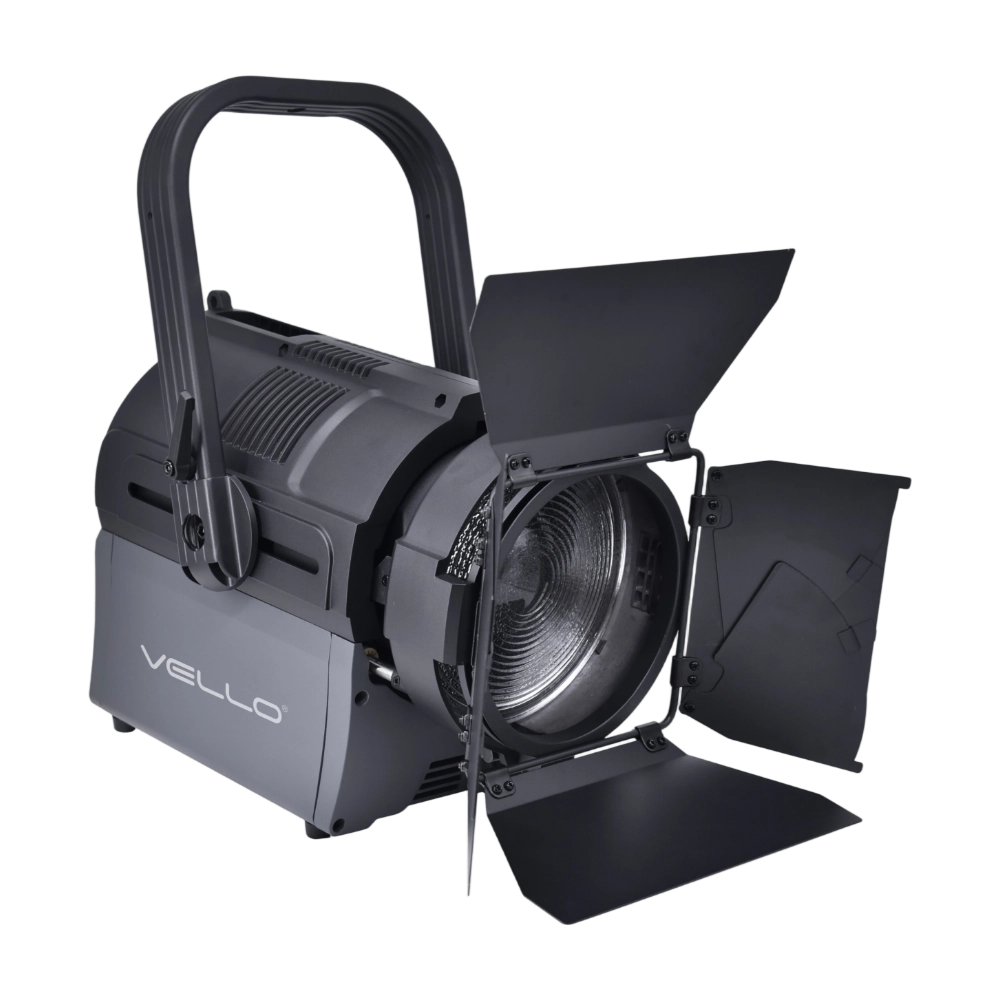
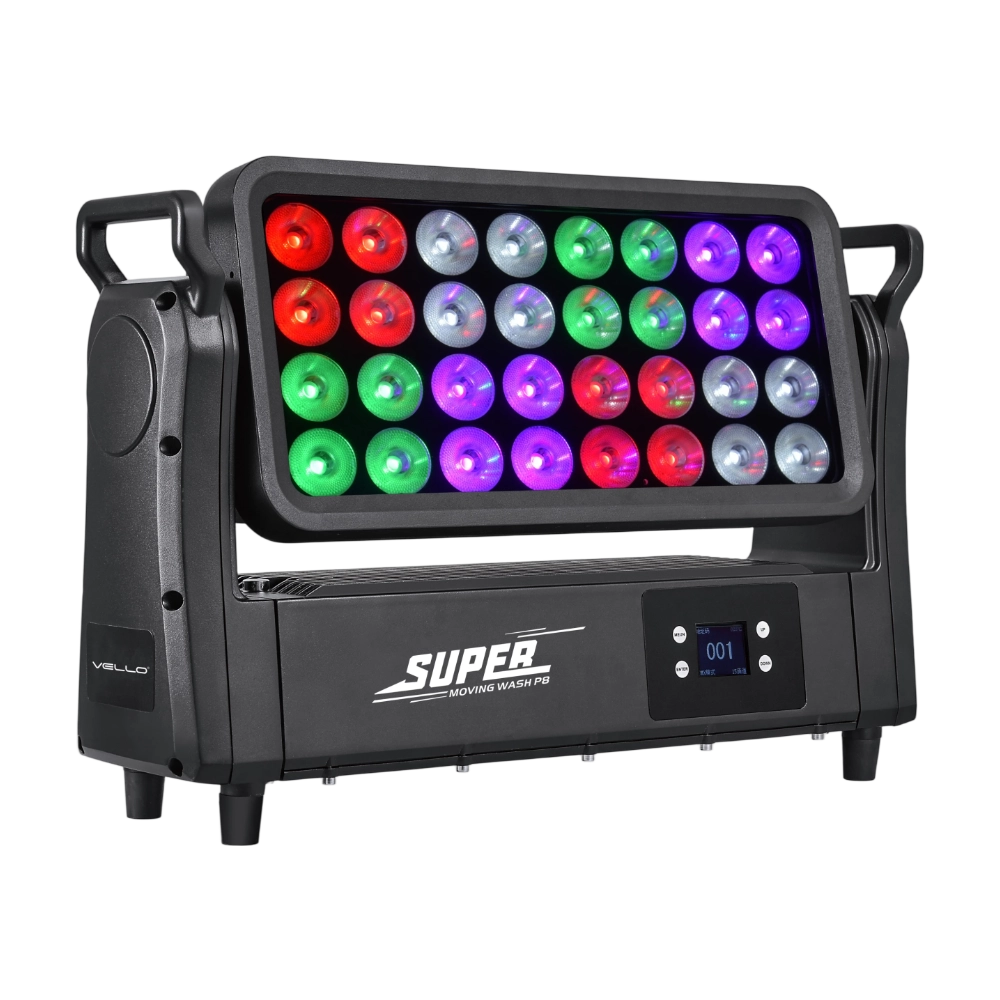
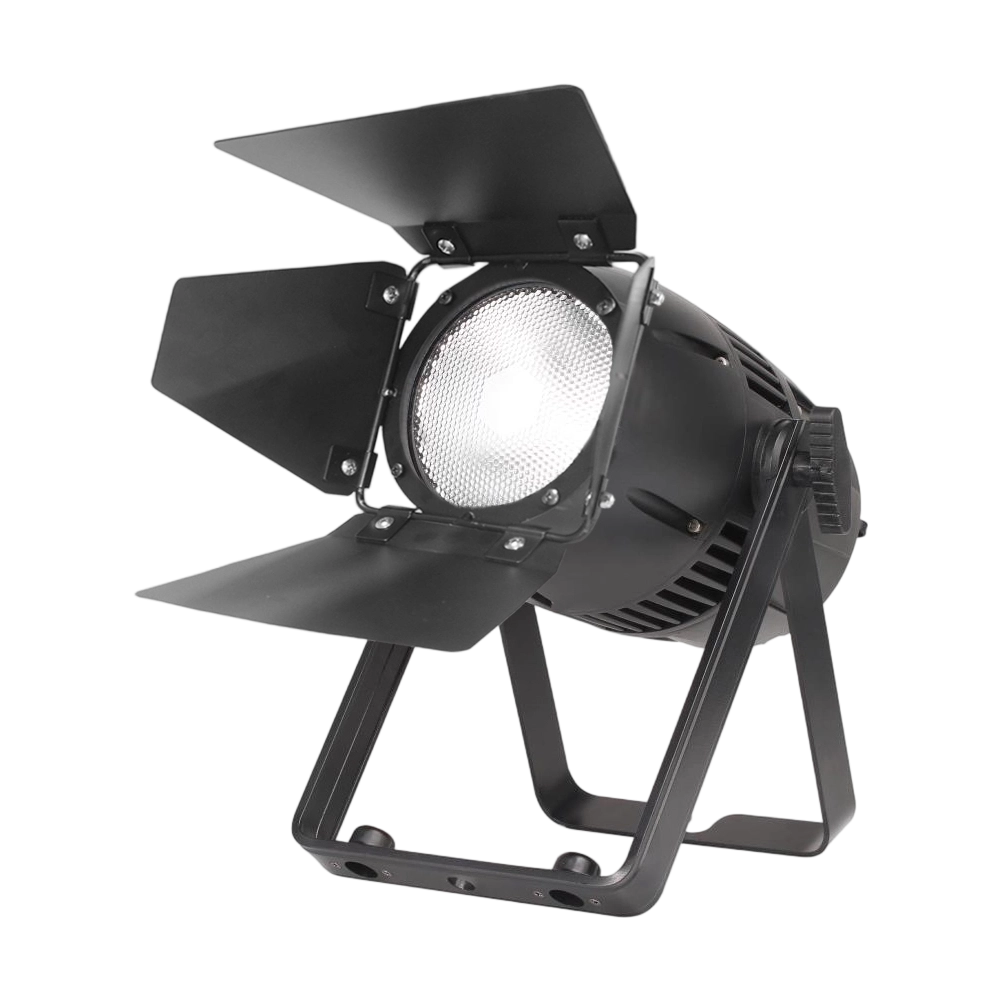
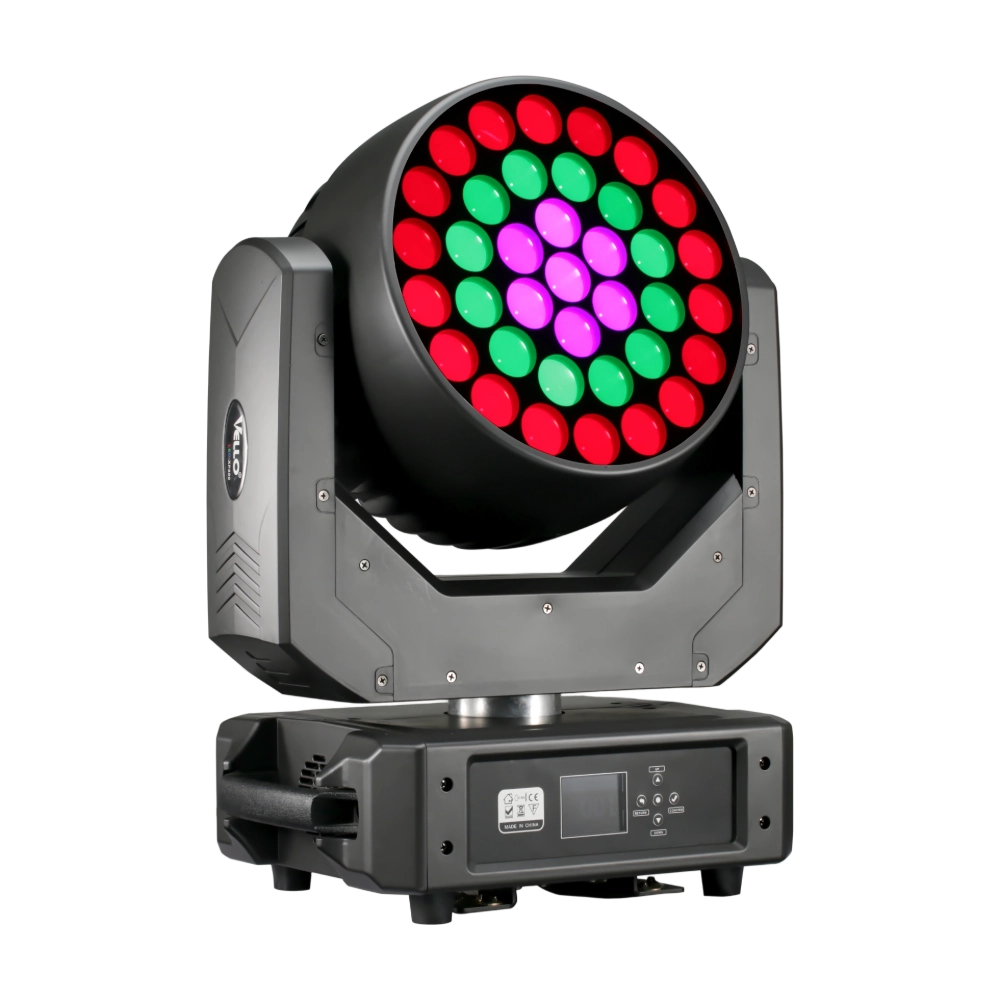
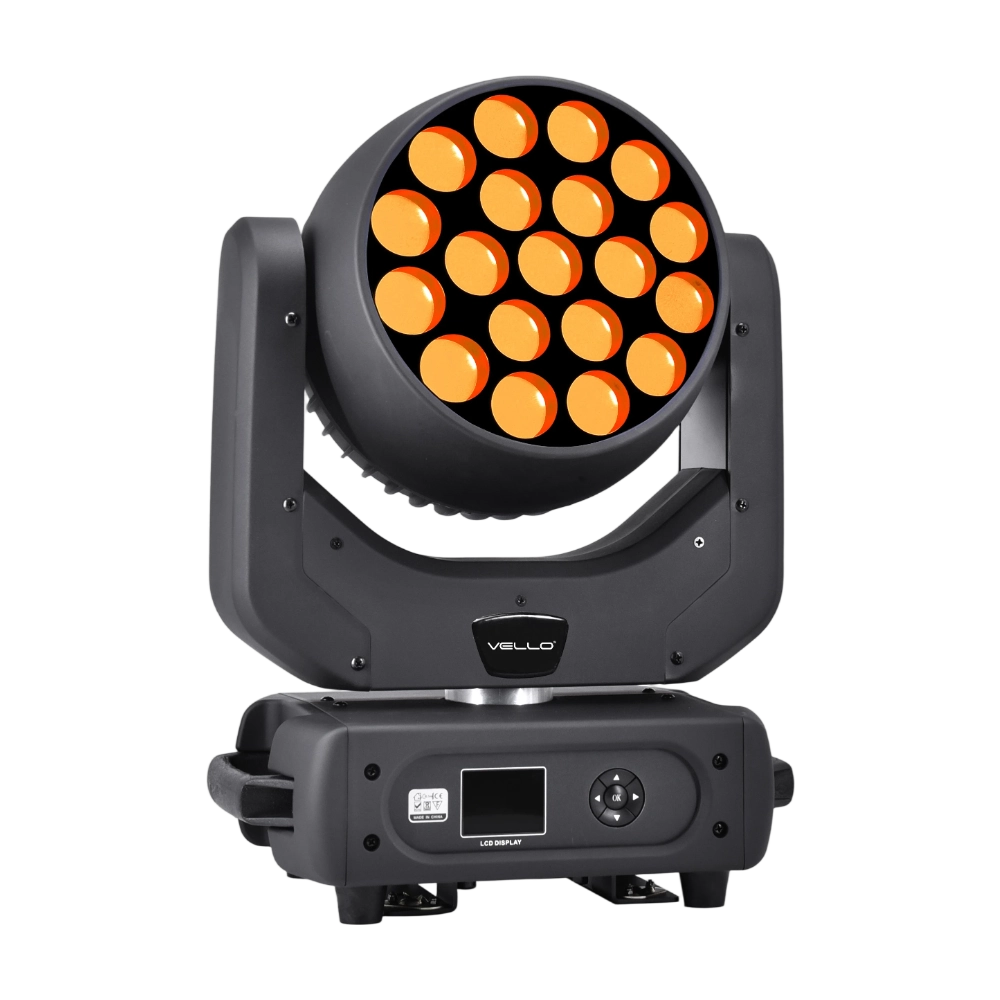
Major categories
Do your products support customization?
Yes. We offer OEM and ODM services tailored to project needs, including design, optics, and control compatibility.
What is the usual lead time?
Standard models are typically shipped within 7–15 working days after payment. Customized items may vary.
What is the warranty period for your products?
Most products come with a standard 1–2 year warranty. Please refer to product details or contract terms for specifics.
Do you ship internationally?
Yes. We offer sea, air, and express delivery to many countries and regions worldwide.
Do you offer samples?
Samples are available for certain models. Please confirm with our sales team for details.
You may also like
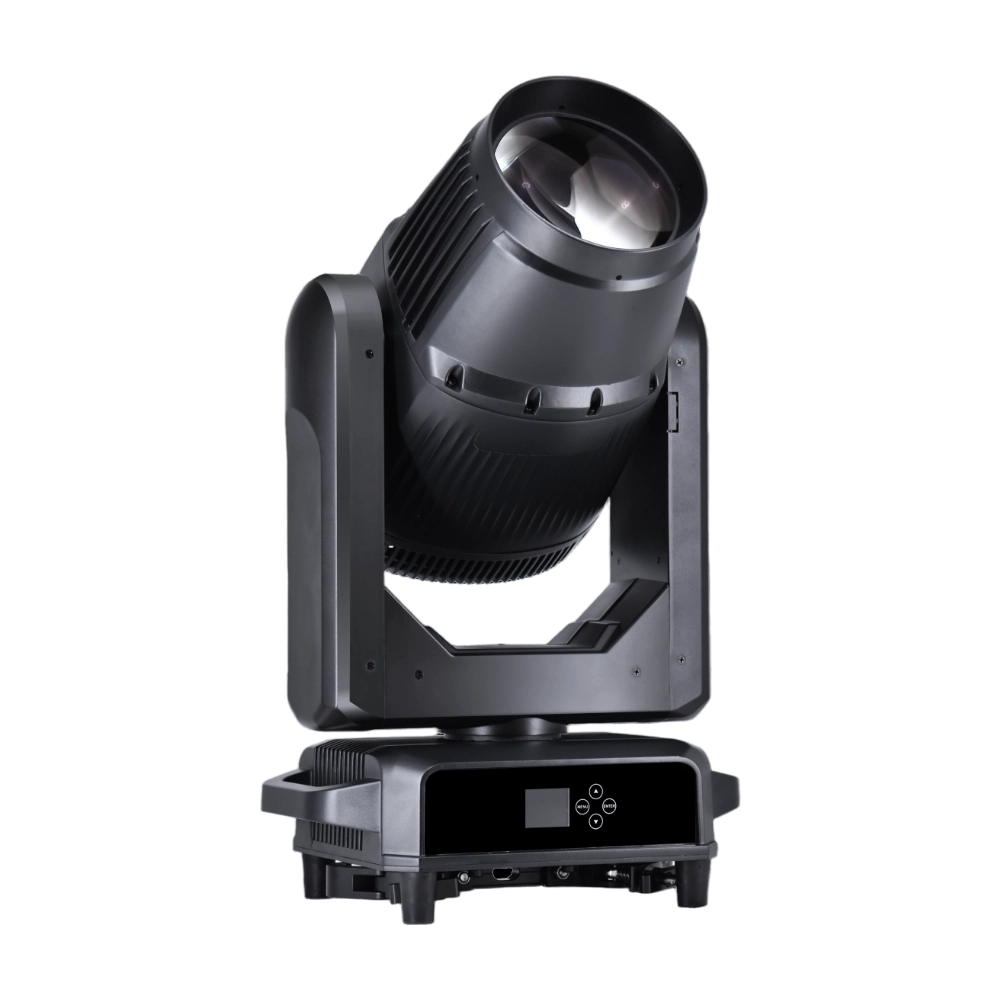
AK550 is an outdoor IP66 550W high-performance moving head spot powered by a Japanese Ushio 390W bulb, delivering a sharp 2° beam with rich colors and precise effects. It features 15 gobos + open, a 14-color wheel, dual prisms (8-facet and 16-facet honeycomb), and linear frost and focus for versatile looks. With 540° pan / 270° tilt, 16-bit movement, automatic position correction, and an LCD touch display, the AK550 ensures precision and reliability. Built with a compact, lightweight body and IP66 outdoor-rated housing, it offers strong output and flexible control (DMX512, Master/Slave, standalone) and is ideal for both touring and outdoor events.
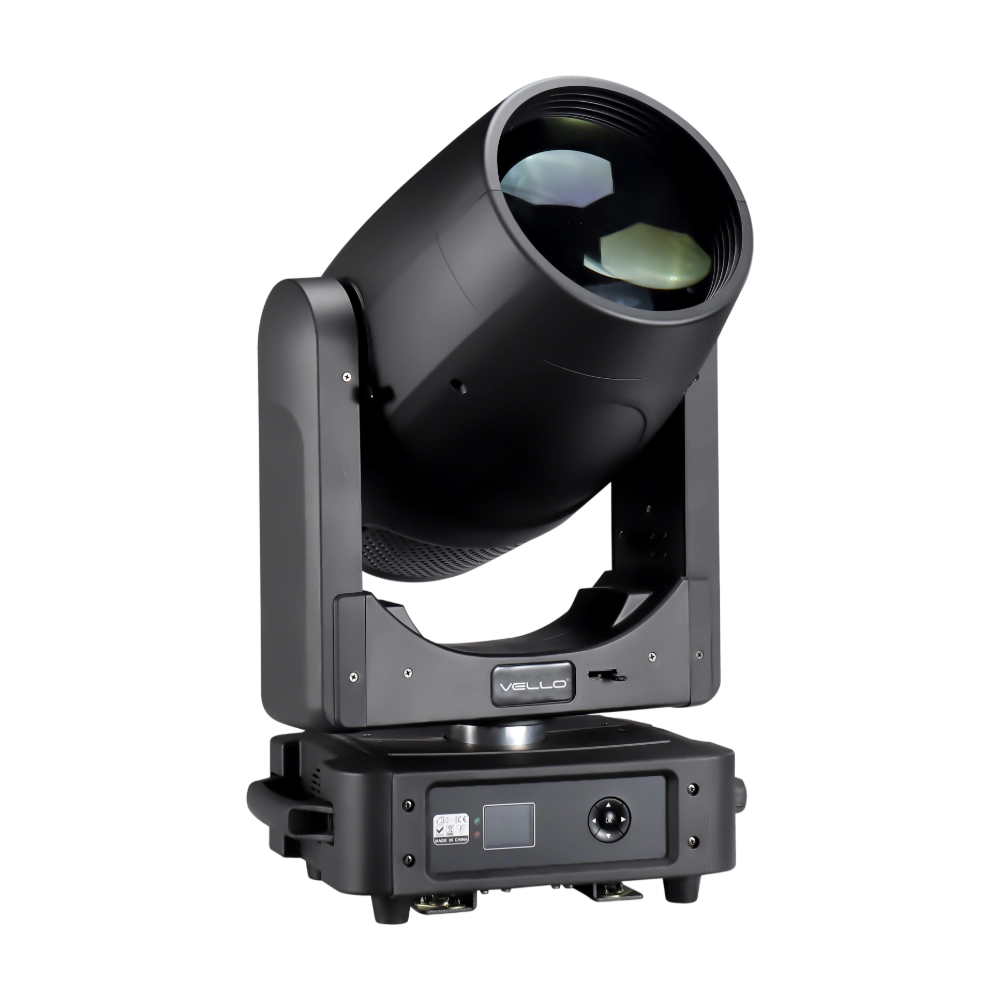
The BSW450 is a high-performance moving head fixture equipped with an original Osram 420W bulb, delivering exceptional brightness, precision, and versatility. Designed for professional stage applications, it seamlessly combines beam, spot, and wash functions in one compact unit, making it a powerful all-in-one lighting solution.
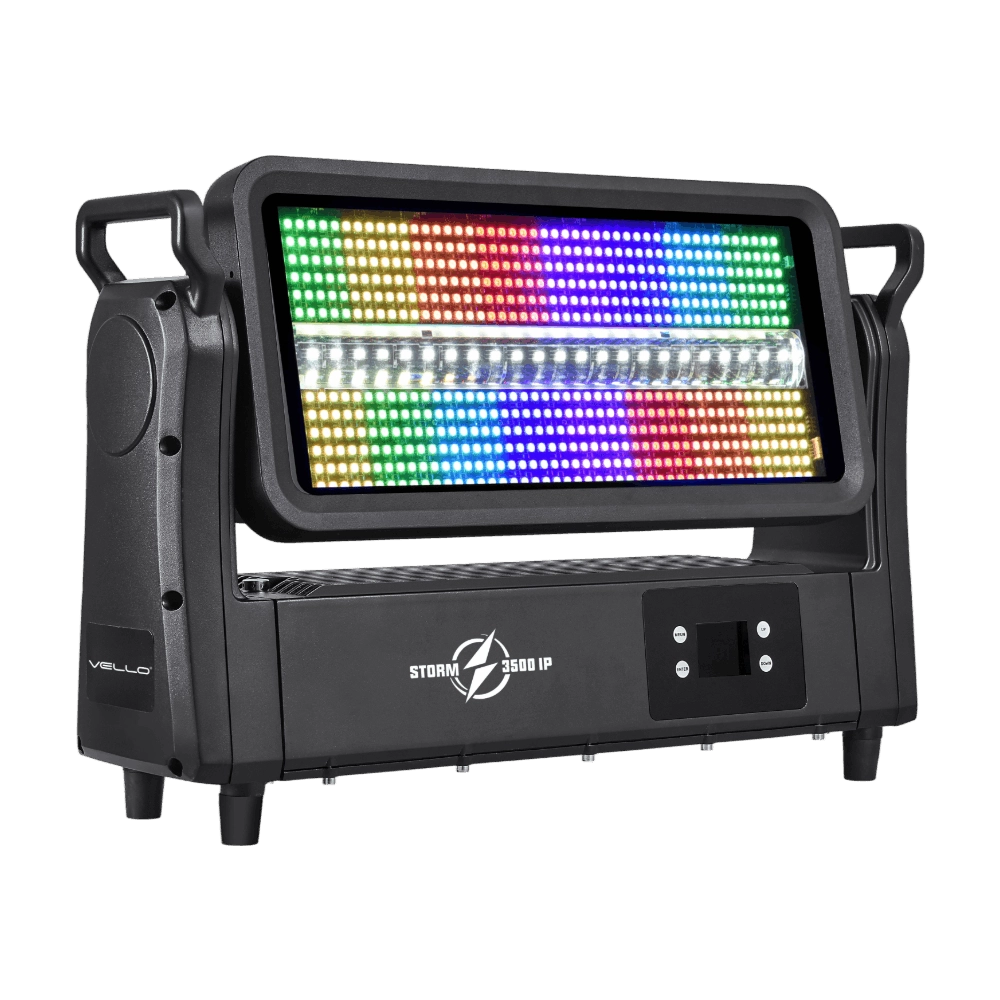
Storm 3500IP is a high-power 1200W outdoor-rated LED strobe and wash fixture, fitted with 576 pieces of 5050 RGB LEDs and 72 pieces of 12W cool white LEDs for brilliant, punchy effects with pixel-level control. Featuring IP65 protection, a wide 220° tilt, a strong RGBW strobe, DMX-controlled frost, and a 0–100% linear dimmer, it ensures versatile output from powerful to soft washes. With silent, flicker-free operation, multiple DMX channel modes, and robust die-cast aluminum housing, Storm 3500IP is built for demanding concerts, festivals, and large outdoor events.
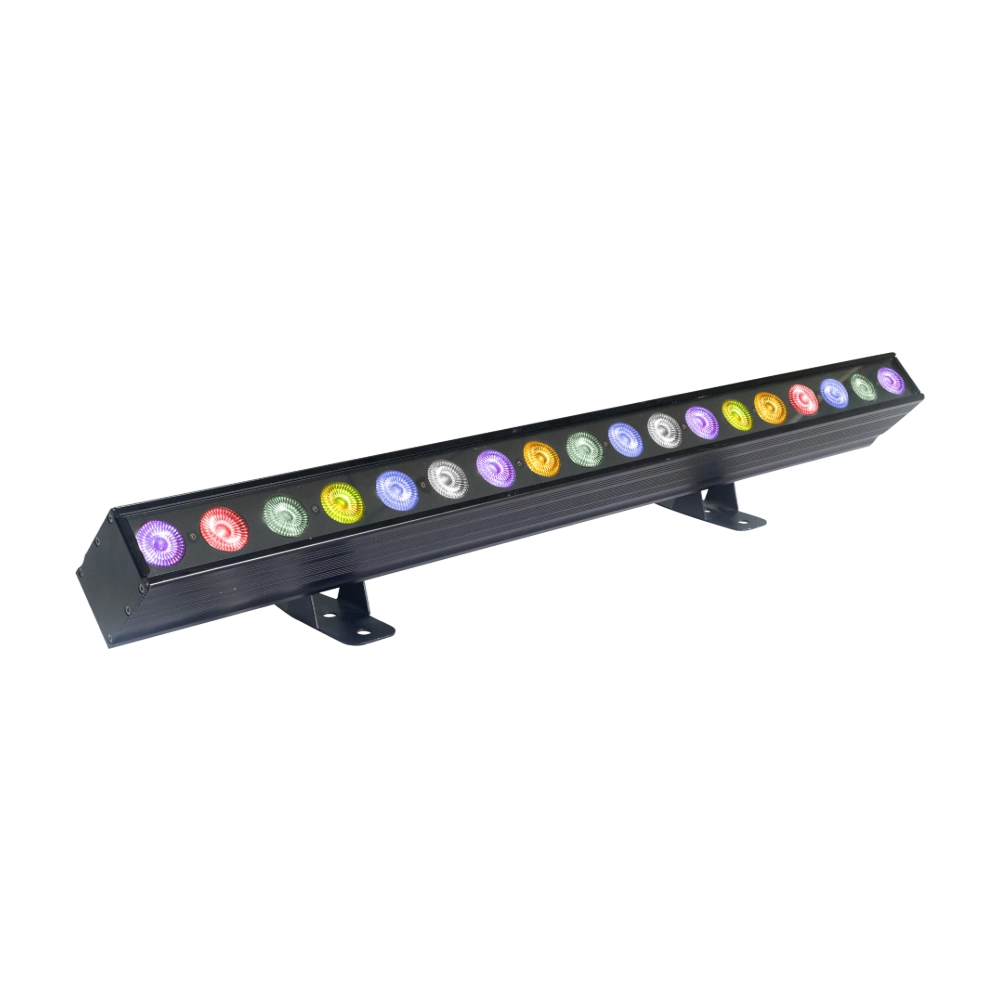
The LED SlimBar 1841 Pixel is a sleek 300W pixel LED bar with 15 × 15W RGBW LEDs + 120 × 0.5W RGBW SMD LEDs, arranged for powerful washes and pixel effects. Offering multiple lens options (6°/15°/25°/45°), 21–180 DMX channels, and individual LED control, it provides endless creative possibilities. Lightweight yet powerful, it’s perfect for stage backdrops, visual effects, and architectural lighting.
◌ Let Us Support Your Project
Request a Custom Quote and Technical Support
Fill out the form below, and our sales team will contact you shortly with product details, pricing, and customer service options.
Rest assured that your privacy is important to us, and all information provided will be handled with the utmost confidentiality.
By clicking "Send your message," I agree to your processing my personal data.
To see how to withdraw your consent, how to control your personal data, and how we process it, please see our Privacy Policy and Terms of Use.
Over 20 Years of Innovation in Stage & Studio Lighting
© 2026 VELLO. All Rights Reserved. 粤ICP备20023734号
Join our socials
VELLO
Whatsapp: +8613902276704
Vello Lighting
VelloLights