





What are IP ratings and how do they impact outdoor LED stage lights?
- 1. What minimum IP rating should I buy for fully exposed overhead LED wash lights at outdoor concerts without overpaying?
- 2. How do IP ratings apply to connectors, power supplies, and DMX/network ports on outdoor LED stage lights?
- 3. Can fully sealed IP67/IP68 LED stage lights overheat on long shows, and how do I evaluate thermal performance?
- 4. How should I protect outdoor LED stage lights from salt-air corrosion at coastal festivals?
- 5. How do IP ratings affect warranty terms and on-site repairability for rented outdoor LED stage lights?
- 6. What practical field tests can my lighting crew perform to verify IP integrity before an outdoor show?
- Concluding summary
What Are IP Ratings and How They Impact Outdoor LED Stage Lights
Choosing the right outdoor LED stage lights requires understanding ingress protection (IP) ratings, thermal management, connector sealing, and maintenance realities. Below are six specific, often-missed buyer questions with actionable, standards-based answers for production managers, rental houses, and venue techs.
1. What minimum IP rating should I buy for fully exposed overhead LED wash lights at outdoor concerts without overpaying?
Short answer: specify IP65 as the baseline for permanently or frequently exposed overhead fixtures; consider IP66/IP67 for highly exposed or harsh environments.
Why: IP ratings follow IEC 60529. The first digit (0–6) indicates solids protection; 6 = dust-tight. The second digit (0–9) indicates liquids; 5 = water jets from any direction, 6 = powerful water jets, 7 = short immersion (up to 1 m). For overhead wash lights and pars that are directly exposed to weather, IP65 gives dust-tight protection and defends against rain and water jets—sufficient for most open-air concerts and festivals.
Practical guidance:- Overhead truss in open-air: use IP65. It balances cost and protection.- Fixtures that may be subject to hose-downs, heavy spray, or platforms near shorelines: choose IP66 or IP67.- Under architectural overhangs or temporary covered stages where rain exposure is unlikely: IP54 can be acceptable but increases risk during unexpected storms and may void warranties if water ingress occurs.
Trade-offs: higher IP usually means more robust sealing, which increases cost. For touring rigs, balance weight and repairability—IP66/IP67 touring fixtures with modular sealed connectors are available but pricier.
2. How do IP ratings apply to connectors, power supplies, and DMX/network ports on outdoor LED stage lights?
IP ratings apply to complete enclosures per IEC 60529; subcomponents such as power supplies, RJ45 ports, or Neutrik connectors may have separate IP ratings or be unsealed, creating weak points.
Key points and best practices:- Check separate ratings: ask manufacturers for IP ratings of the enclosure, PSU compartment, and each connector. A fixture may be IP65 rated with IP67-rated power and DMX connectors—always verify.- Use IP67 waterproof connectors for power and DMX512/ethernet terminations. Neutrik offers IP65/67 variants (e.g., powerCON TRUE1 waterproof variants and etherCON with IP-rated boots). Outdoor-rated Cat6 cables with gel-filled jackets and shielded terminations are recommended for Art-Net/ sACN runs.- Cable glands and sealed entries: ensure proper torque on cable glands and correct cable diameter. Poorly installed glands are common failure points.- Network protection: use outdoor-rated surge protectors and shielded, grounded cable runs. For wireless DMX, protect antennas and mounting points from moisture ingress.
Operational tip: include spare IP-rated connectors and replacement gaskets in your road kit. During inspections, check for cracked boots, salt deposits, and loose gland nuts.
3. Can fully sealed IP67/IP68 LED stage lights overheat on long shows, and how do I evaluate thermal performance?
Sealing a luminaire increases ingress protection but changes thermal pathways; sealed fixtures rely on conduction through the housing and heatsink rather than convective cooling. That can raise internal temperatures if not engineered correctly.
How to evaluate thermal performance:- Ask for LM-80 and TM-21 data for the LED sources and luminaire-level thermal specs from the manufacturer. LM-80 measures LED lumen maintenance; TM-21 extrapolates useful life expectancy. These are industry-recognized standards.- Request the luminaire's operating ambient temperature range and Tc point (case temperature) limits. IP sealing is fine if the manufacturer provides thermal simulations and real-life test data showing acceptable Tc under rated ambient and power.- Look for heat-dissipating design: die-cast aluminum housings, large surface-area heatsinks, thermal interface materials, and heat pipes indicate proper engineering for sealed designs.
Practical advice:- If you plan back-to-back shows in high ambient temperatures, prefer sealed units explicitly rated for those ambients or choose fixtures with active sealed cooling solutions.- Avoid modifying seals to add vents—doing so voids IP rating and warranty. Instead, choose fixtures with verified thermal design for your operating profile.
4. How should I protect outdoor LED stage lights from salt-air corrosion at coastal festivals?
Salt-laden air accelerates corrosion, degrading housings, fasteners, connectors, and PCB traces—waterproofing alone doesn't prevent salt build-up or galvanic corrosion.
Best practices to mitigate salt corrosion:- Material selection: specify fixtures with marine-grade or corrosion-resistant finishes—anodized or powder-coated aluminum housings and stainless steel (316) fasteners. Avoid mixed metals that encourage galvanic corrosion.- Protective coatings: look for conformal-coated PCBs (silicone or acrylic conformal coating) and potting on vulnerable electronics. Ask for salt spray (ASTM B117) test results if you operate regularly near coastlines.- Maintenance schedule: plan post-event rinse-downs with fresh water (where recommended by the manufacturer) and drying. Remove and clean connectors; reapply dielectric grease on electrical contacts.- Connector strategy: use IP67 sealed connectors with corrosion-resistant plating (gold/nickel) and keep spares. Use gasketed junction boxes for terminations.
Operational note: some manufacturers offer a coastal or marine package—prioritize these for repeat coastal use.
5. How do IP ratings affect warranty terms and on-site repairability for rented outdoor LED stage lights?
Higher IP ratings can improve reliability but may complicate field servicing. Manufacturers often seal compartments or pot components to meet high IP levels, which changes how repairs are performed.
What to check before purchase or rental:- Warranty conditions: read clauses about water ingress and installation. Some warranties require certified installation practices (e.g., torque specs on glands, approved cable types). Water ingress caused by improper installation is typically excluded.- Serviceability design: choose modular fixtures where LED engines, PSU modules, and connectors are replaceable without breaking factory seals if you need field repair; otherwise, sealed components may need factory service.- Spare parts strategy: inventory common replaceables—IP-rated connectors, gaskets, spare LED modules, and PSU assemblies. For rental fleets, prefer models with front-access replaceable modules to minimize downtime.
Recommendation: for rental houses, balance IP level with serviceability—IP65 fixtures with modular service access often provide the best ROI versus fully potted IP68 units that require manufacturer returns.
6. What practical field tests can my lighting crew perform to verify IP integrity before an outdoor show?
True IP verification requires lab testing per IEC 60529, but crews can run effective pre-show checks to reduce risk.
Field checklist:- Visual inspection: check gaskets, lens seals, screw torque, corrosion, and cracked housings. Replace missing or damaged gaskets.- Connector and gland check: verify gland nuts are tightened to spec, cables are correct diameter, and connector boots are intact. Use dielectric grease recommended by the manufacturer.- Power and control test: apply full load power and run DMX/Art-Net traffic for at least 30–60 minutes; then check for condensation or moisture inside lenses or enclosures when warm-down occurs.- Insulation resistance test: for longer-term fleets, use a megger (insulation resistance tester) to check for leakage to earth—compare with manufacturer tolerance.- Spray simulation (if permitted): a controlled light spray test (not a full lab jet test) can detect gross failures—only perform if manufacturer allows it without voiding warranty.
Document results: keep a pre-show log with photos and measurements. If you detect ingress, remove the fixture from the fly and isolate it until repaired to avoid stage hazards and warranty disputes.
Concluding summary
Choosing the right IP-rated outdoor LED stage lights improves show reliability, reduces downtime, and protects investment. By specifying appropriate IP levels (IP65 minimum for exposed overheads), verifying connector and PSU ratings, considering thermal design (LM-80/TM-21 data), and planning maintenance for coastal or high-use environments, production teams can optimize performance while controlling costs. Proper installation practices, surge protection, and a spares strategy further protect warranties and operational uptime.
Contact us for a quote or system review: visit www.vellolight.com or email info@vellolight.com.
Major categories
Do you offer samples?
Samples are available for certain models. Please confirm with our sales team for details.
Do your products support customization?
Yes. We offer OEM and ODM services tailored to project needs, including design, optics, and control compatibility.
What is the usual lead time?
Standard models are typically shipped within 7–15 working days after payment. Customized items may vary.
Do you ship internationally?
Yes. We offer sea, air, and express delivery to many countries and regions worldwide.
What is the warranty period for your products?
Most products come with a standard 1–2 year warranty. Please refer to product details or contract terms for specifics.
You may also like
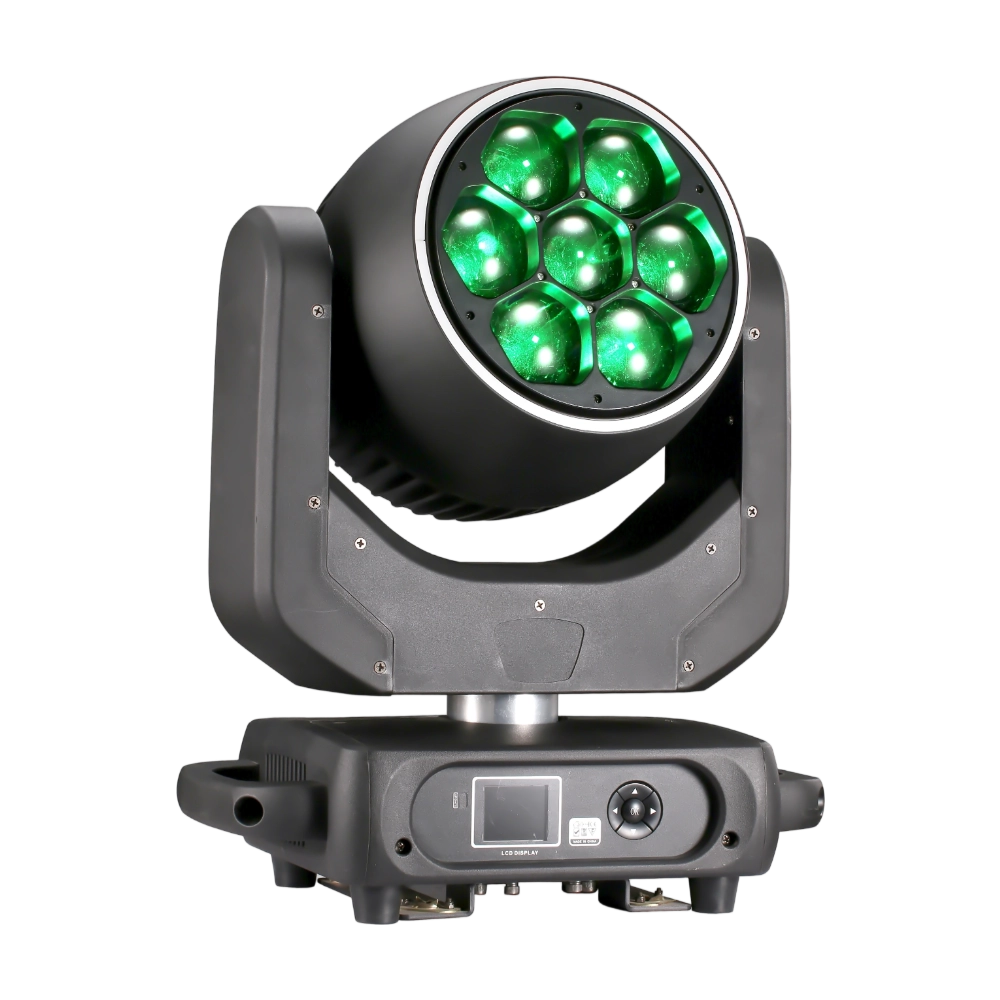
LED Bee Eyes K7 is a 500W moving head wash fixture equipped with 7 × 60W Osram RGBW LEDs plus 48 × 0.5W RGB auxiliary LEDs, delivering intense output and rich color effects. With a 4°–45° electronic zoom, wide CTO range (2700K–8000K), and individual pixel control, it enables stunning visuals from tight beams to smooth washes. Rotation lens effects add dynamic movement, while 540° pan / 270° tilt and multiple DMX channel modes ensure creative flexibility. Compact yet powerful, the K7 is ideal for concerts, clubs, and large-scale shows demanding vibrant color and versatile effects.
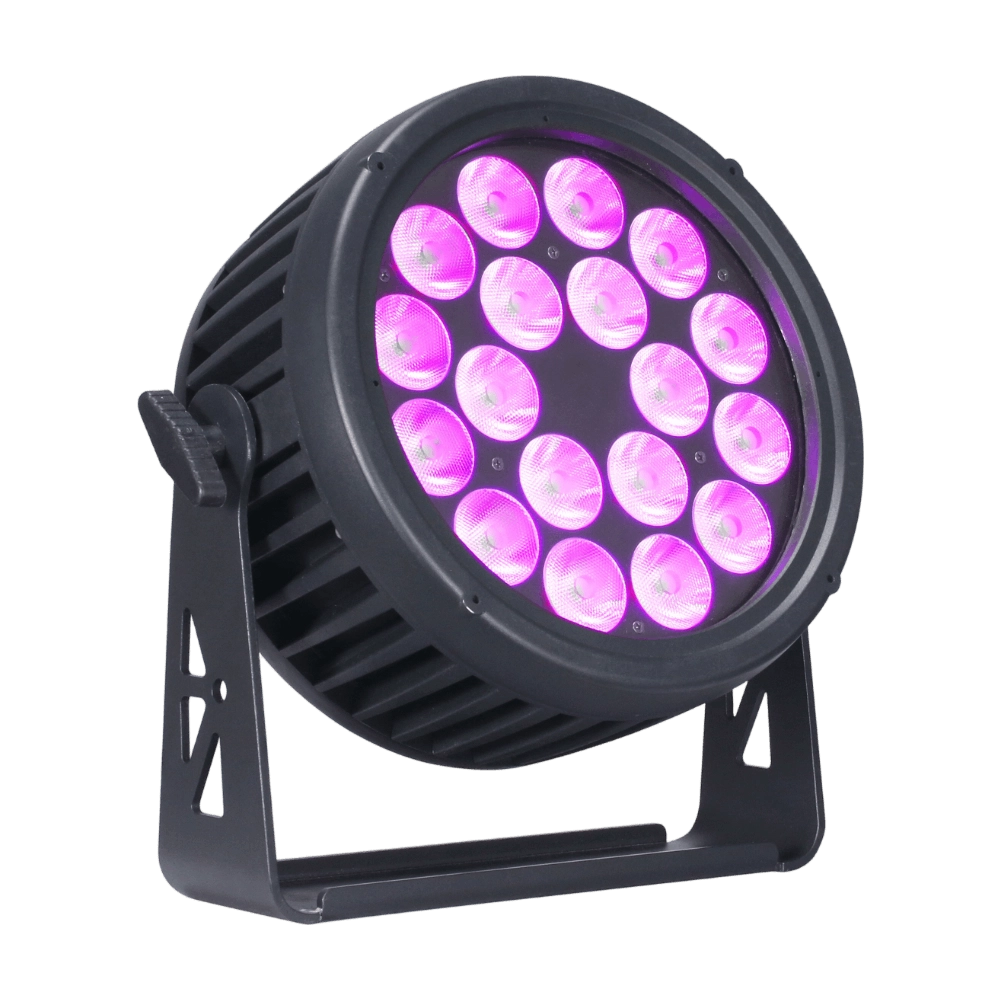
The LED Mac Par 18 offers 180W of output with 18 × 10W RGBW LEDs for brilliant, even color washes. Featuring a long 50,000-hour LED lifetime, flicker-free output, and 25°/45° lens options, it ensures flexibility in stage, event, and installation setups. Its rugged die-cast aluminum housing, IP65 rating, and DMX control modes make it a versatile wash solution.
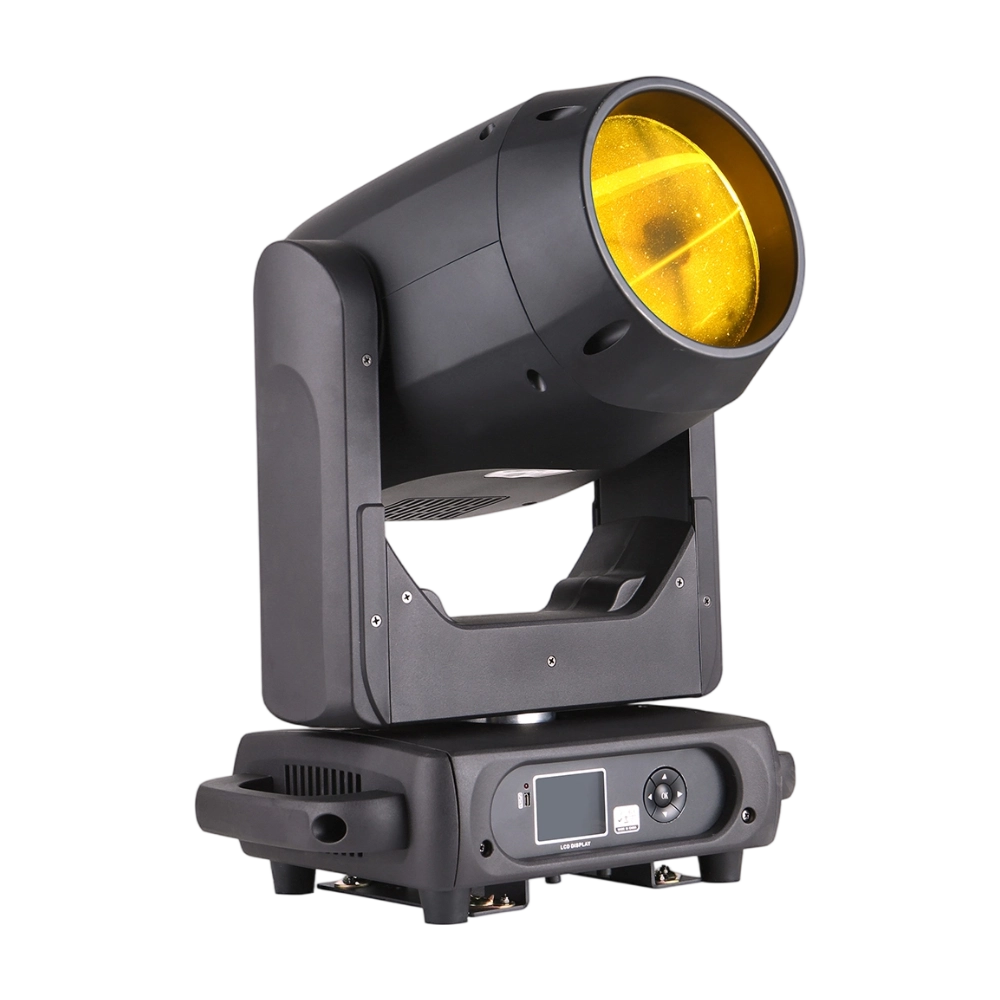
BEAM360 is a 400W high-power moving head beam equipped with an OSRAM SIRIUS 311W discharge lamp, delivering a sharp 1.8° beam with super brightness. It features 14 colors + open, 12 fixed metal gobos + open, and dual prisms (8-facet circular + 8+16 multi-facet combination) for dynamic aerial effects. With 540° pan / 270° tilt, 16-bit movement, and linear frost and focus, BEAM360 ensures precision and versatility. Compact yet powerful, it rivals traditional 575W moving heads, making it ideal for concerts, clubs, and large-scale stage productions.
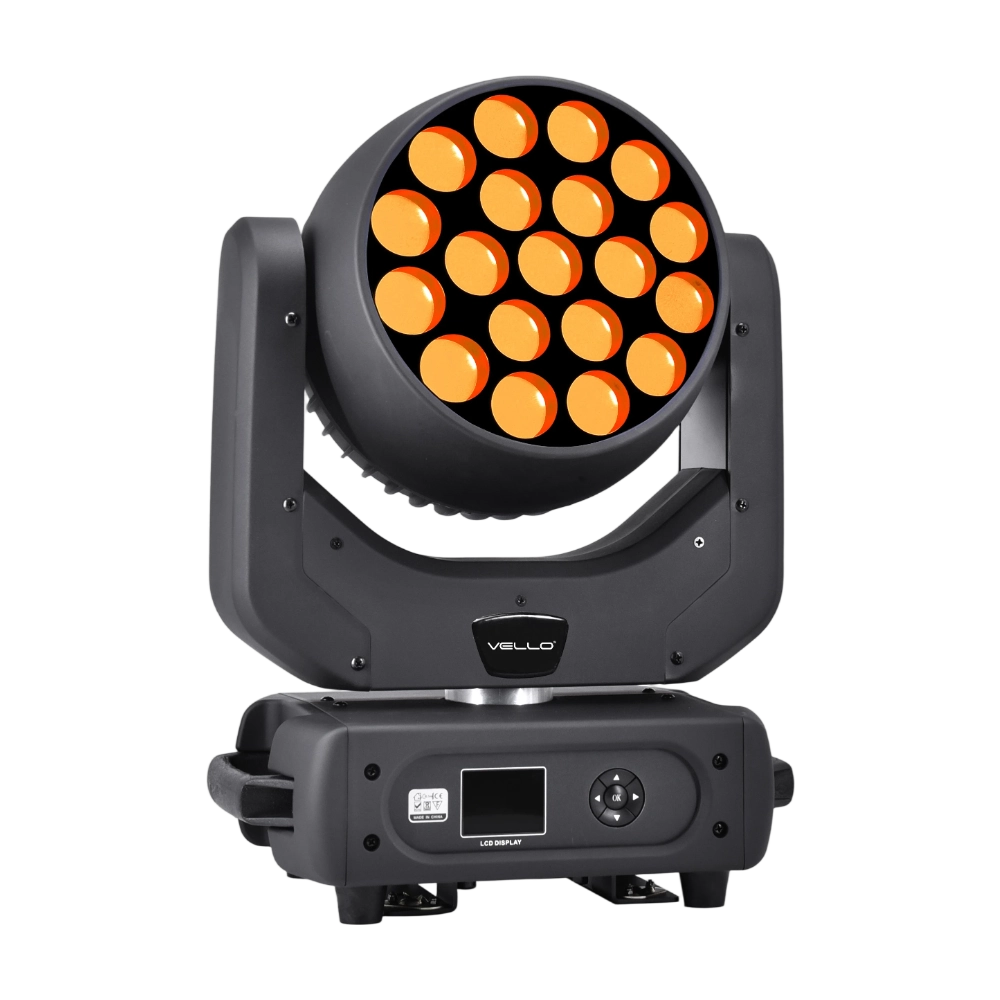
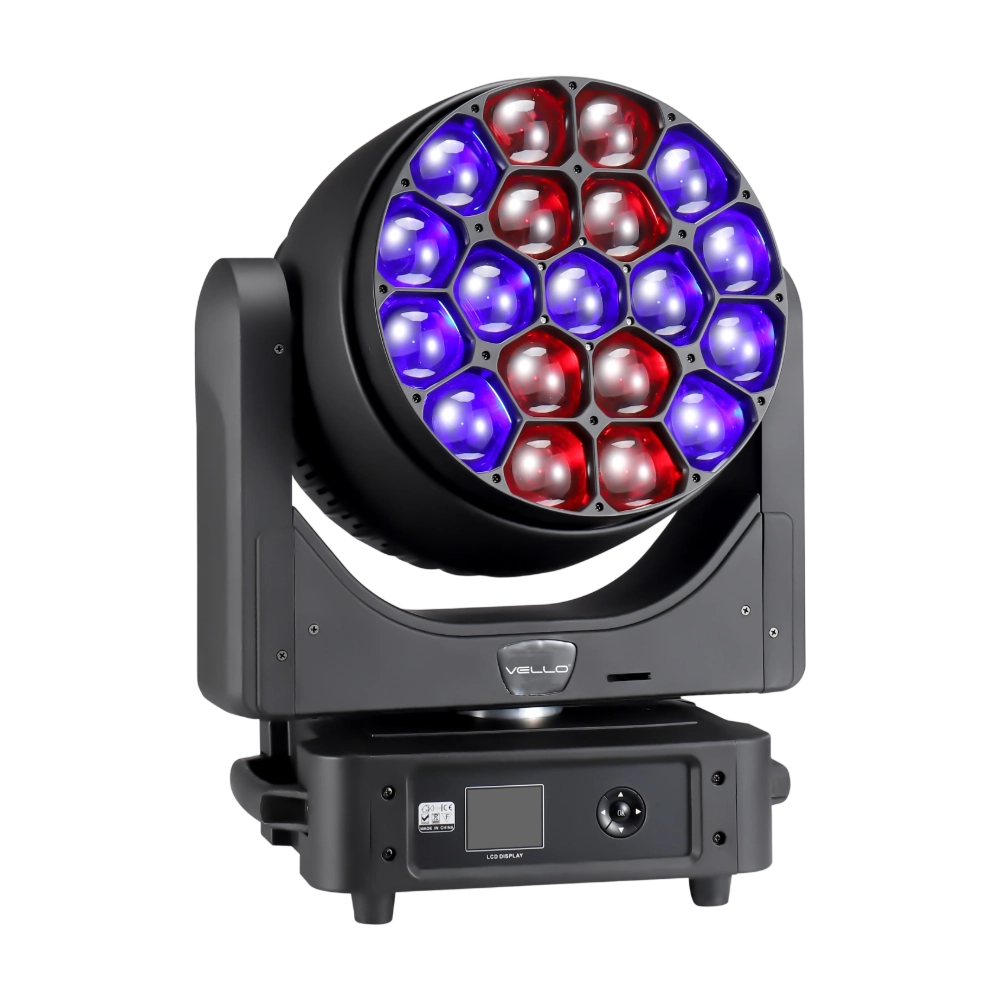
LED Bee Eyes K20 is a 750W high-output moving head wash powered by 19 × 40W Osram RGBW LEDs for intense brightness and rich color mixing. With a 4°–60° electronic zoom and wide CTO range (2700K–8000K), it seamlessly shifts from narrow beams to broad washes. Each LED can be controlled individually for advanced pixel mapping, while the rotating lens wheel creates striking dynamic effects. Featuring 540° pan / 270° tilt, multiple DMX channel modes, and robust construction, the K20 delivers exceptional flexibility and power—perfect for large concerts, stage shows, and high-impact visual productions.
◌ Let Us Support Your Project
Request a Custom Quote and Technical Support
Fill out the form below, and our sales team will contact you shortly with product details, pricing, and customer service options.
Rest assured that your privacy is important to us, and all information provided will be handled with the utmost confidentiality.
By clicking "Send your message," I agree to your processing my personal data.
To see how to withdraw your consent, how to control your personal data, and how we process it, please see our Privacy Policy and Terms of Use.
Over 20 Years of Innovation in Stage & Studio Lighting
© 2026 VELLO. All Rights Reserved. 粤ICP备20023734号
Join our socials
VELLO
Whatsapp: +8613902276704
Vello Lighting
VelloLights