





How to select IP-rated LED fixtures for outdoor stages?
- 1) How do I calculate how many IP-rated LED flood or wash fixtures I need for a 20m × 10m outdoor stage to meet 1,000 lux for HD broadcast without overlighting?
- 2) Which IP rating and connector/ingress protections should I require for outdoor coastal stages to prevent water and salt‑corrosion failures in LED wash lights?
- 3) How can I verify a vendor’s claim of 50,000‑hour L70 life for an IP-rated LED moving head—what documents and tests should I require?
- 4) How should I wire DMX/Art‑Net/RDM for IP-rated LED fixtures outdoors and prevent water ingress, signal loss, and lightning damage?
- 5) For festival stages that need wide audience wash plus high-resolution pixel effects, how do I choose and combine IP-rated LED washes, battens, and pixel fixtures without overwhelming power budgets?
- 6) What rigging hardware, safety certifications and maintenance schedule should I include in purchase contracts for IP-rated LED trusses and fixtures to ensure compliance and warranty protection?
1) How do I calculate how many IP-rated LED flood or wash fixtures I need for a 20m × 10m outdoor stage to meet 1,000 lux for HD broadcast without overlighting?
Start with requirements and photometrics—not just lumens. HD broadcast commonly targets 800–2,000 lux on talent; 1,000 lux is a good design point. Use these steps:
- Establish target average illuminance: 1,000 lux.
- Calculate stage area: 20 m × 10 m = 200 m².
- Compute total lumen requirement (approximate): Total lumens = target lux × area / Coefficient of Utilization (CU). CU accounts for throw losses, fixture optics, mounting height and surface reflectance. For a well-focused front-wash rig CU is typically 0.45–0.65. Use 0.55 as a realistic example.
- Total lumens ≈ 1,000 × 200 / 0.55 ≈ 363,636 lumens.
- Convert to number of fixtures: divide total lumens by a candidate fixture’s rated lumen output (use manufacturer photometrics, not marketing lumens). Example: If the IP-rated LED flood/wash has published flux 30,000 lumens, quantity ≈ 363,636 / 30,000 ≈ 12.1 → 13 fixtures.
Why photometrics/IES files matter: lumen totals alone don’t predict lux at the performers. Always request the manufacturer’s IES or LDT files and check lux at the actual throw distance and mounting angles using lighting software (WYSIWYG, Capture, LightConverse). These tools apply correct beam angles and lens distribution to show uniformity, peak/average lux, and hotspots.
Practical checks to avoid overlighting and flicker issues:
- Confirm TLCI/TLCI or TM-30 color accuracy for broadcast (TLCI > 90, CRI 90+ desirable). High CRI alone isn’t enough for cameras—ask for broadcast test reports.
- Verify flicker performance: for slow‑motion/HD, percent flicker should be specified (e.g., <5% at shutter rates used). Ask for photometric flicker graphs or camera test clips.
- Consider variable beam optics or interchangeable secondary lenses to tune uniformity without adding fixtures.
If you are unsure, ask vendors (like www.vellolight.com) for a pre-sale layout using your stage dimensions, camera positions and lens focal lengths. Always validate using IES files and request an on-site or virtual photometric review before purchase.
2) Which IP rating and connector/ingress protections should I require for outdoor coastal stages to prevent water and salt‑corrosion failures in LED wash lights?
IP ratings follow IEC 60529. For coastal outdoor stages exposed to spray and storms, practical minimums are:
- IP65: dust tight and protected against water jets. Good for general outdoor use under covers.
- IP66: dust tight and protected against powerful water jets. Recommended for exposed fixtures where heavy rain and jet-cleaning are possible.
- IP67: temporary immersion up to 1m. Useful for fixtures that could be submerged briefly.
- IP68: continuous immersion; rarely required for stages but common for specialty underwater fixtures.
For coastal salt-air environments, IP rating alone is not enough. Specify these additions:
- Corrosion resistance: 316 stainless fasteners or marine-grade aluminum with anodizing, and powder coat or polyurethane finishes. Ask for salt-spray (ASTM B117) test reports—typical acceptance ranges for marine products are 96–240 hours depending on risk category; require a documented test and acceptance criteria in the contract.
- Sealed electricals: gel-filled or IP67/68 power connectors (Neutrik powerCON TRUE1 IP67, Amphenol, or sealed molded cable options). Avoid exposed 5-pin XLRs unless fitted with IP-rated glands and caps.
- Sealed control ingress: EtherCON/IP67 RJ45 variants or fiber optics for long runs. Offer sACN/Art‑Net over shielded outdoor cable with proper seals.
- Breather/desiccant strategy: use membrane breathers to balance pressure while blocking salt and moisture; for long deployments ask about conformal coating on PCBs and desiccant packs in sealed housings.
Contract language to include: required IP rating (e.g., IP66), accepted materials (316 SS or specific coating spec), required salt-spray hours and acceptance criteria, and acceptance testing (factory witnessed or 3rd‑party report).
3) How can I verify a vendor’s claim of 50,000‑hour L70 life for an IP-rated LED moving head—what documents and tests should I require?
L70 (time to 70% of initial lumen output) should be based on industry standard testing:
- LM-80: diode-level lumen maintenance test results over at least 6,000 hours for the LEDs used.
- TM-21: method to extrapolate LM-80 data to predict L70; TM-21 projections should show the L70 hours and the ambient conditions used for projection.
What to request from the manufacturer:
- LM-80 test reports for the exact LED bins and drives used in the fixture (not generic samples).
- TM-21 projection files showing the extrapolation and the modeled ambient temperature (Ta). Note that TM-21 projections are only valid up to 6× the LM‑80 test duration unless manufacturer provides extended data.
- Luminaire thermal report showing Tc (case) point temperatures under rated ambient (e.g., Ta = 25 °C and at the maximum expected Ta for your installation, such as 40 °C). Higher Ta shortens life.
- Information about driver derating, thermal path (heatsink design), and whether the fixture is actively cooled. In sealed IP fixtures, active fans are either external or use sealed fan assemblies—ask how the design dissipates heat without open vents.
Red flags:
- L70 claims without LM‑80 + TM‑21 documentation.
- No Tc point data or only diode LM‑80 without luminaire‑level thermal data.
- Driver specs that allow high operating temperatures without derating.
Best practice: require the vendor include LM‑80 and TM‑21 documentation in the technical pack and specify operational ambient for warranty purposes (e.g., L70 at Ta ≤ 35 °C). If long, hot outdoor deployments are expected, design with a safety margin—choose fixtures with conservative L70 ratings and superior heat sinks.
4) How should I wire DMX/Art‑Net/RDM for IP-rated LED fixtures outdoors and prevent water ingress, signal loss, and lightning damage?
Robust outdoor control requires a layered approach:
- Cabling and connectors: use IP67/68‑rated connectors (EtherCON IP67, M12 for industrial DMX) and outdoor-rated, gel‑filled DMX cables or shielded Cat6 with outdoor jacket. Avoid standard indoor RJ45 connectors unless housed in IP-rated boxes.
- Signal protocol choice: for long runs and many fixtures prefer Art‑Net or sACN over fiber or shielded copper. Fiber optic trunks (single-mode/multi-mode with industrial media converters) remove lightning and ground loop risk.
- RDM for remote config: require RDM compatibility if you need remote addressing/status. Ensure vendor supports RDM over the chosen physical layer and test address propagation in sample rigs.
- Grounding and surge protection: install surge protective devices (SPDs) on power runs and Ethernet/DMX lines where possible. Ensure all outdoor enclosures are properly bonded to a single ground to reduce ground loops.
- Weatherproof patching: use outdoor patch panels in IP66-rated enclosures with sealed glands. Keep terminal points out of direct exposure.
Operational tips:
- Use termination resistors and proper biasing for copper DMX runs.
- Test RDM bi-directionality on sealed setups before events (RDM can fail if connectors or passive splitters are not wired to spec).
- For high-risk coastal or lightning-prone areas, prefer fiber control trunks with local DMX breakout inside IP‑rated distribution boxes.
5) For festival stages that need wide audience wash plus high-resolution pixel effects, how do I choose and combine IP-rated LED washes, battens, and pixel fixtures without overwhelming power budgets?
Match fixture roles to visual goals and distribution:
- Audience wash: use IP65–IP66 LED wash fixtures with wide beam angles (40–60°) and high lumen output for even coverage. Prioritize CRI/TLCI for front light and correct CCT presets for camera (e.g., 5600 K, 3200 K).
- High-resolution pixel effects: use IP-rated LED battens, tapes, or modular pixel fixtures with individually addressable pixels. Choose pixel pitch and LED density based on viewing distance—the closer the audience, the denser the pixels needed for legible graphics.
Power and control planning:
- Calculate total current draw from manufacturer-rated watts per fixture at full white. Add 20–25% headroom for inrush and future expansion.
- Use power distribution with per-circuit monitoring and breakers sized to local code (NEC/IEC). For long runs, use thicker gauge cable and consider local step-downs to reduce voltage drop.
- For pixel fixtures, choose controllers that support the required pixel count per universe (Art‑Net/sACN); plan pixel mapping and DMX/Ethernet segmentation.
Design rules of thumb:
- Use washes for even color/coverage, pixels for accents and motion. Overuse of high-density pixel fixtures for washes is inefficient and costly.
- Combine narrow-beam moving heads for long throws with wide wash fixtures for coverage—coordinate color temperature between fixture types to avoid mismatches on camera.
Always model the design in lighting software to balance lux, pixel density and power draw. Seek fixture IES files and power curves from the vendor so the tool can produce accurate results.
6) What rigging hardware, safety certifications and maintenance schedule should I include in purchase contracts for IP-rated LED trusses and fixtures to ensure compliance and warranty protection?
Specify hardware and documentation in the contract:
- Certified rigging hardware: require rated shackles, M10/M12 eyebolts, rated truss clamps, and d‑rings with Safe Working Load (SWL) markings and certificate of conformity. For Europe, insist on EN 1677/EN 362 where applicable; for North America ensure compliance with local authority standards and proof load tests.
- Electrical approvals: product CE declaration, RoHS compliance, and UL/ETL where required for North American venues. For outdoor electrical enclosures, look for IP rating certification and a Declaration of Conformity for electrical safety.
- Warranty and service: define warranty duration and what voids it (e.g., unauthorized disassembly). Include terms for corrosion failure in coastal deployments—if salt exposure is expected, require extended corrosion warranty or explicit maintenance obligations.
Maintenance schedule recommendations:
- Daily/after-event: visual check of lens cleanliness, cable chafing, and seals. Wipe salt residues from coastal installations after each event.
- Monthly: inspect gaskets, fasteners, and connector seals; check for moisture ingress signs and test DMX/control connectivity.
- Annually: full electrical inspection, verify torque on rigging hardware, replace gaskets if compressed or degraded, and run a functional photometric check. For coastal sites, consider biannual inspections and salt-spray checks.
Include a spare parts list and a defined lead time for replacement and firmware updates in the contract. Require factory-supplied maintenance manuals with Tc point mapping, gasket replacement part numbers and torque specs.
Concluding paragraph:Choosing the right professional stage lighting equipment and correctly specifying IP-rated LED fixtures for outdoor stages reduces downtime, protects warranties, and delivers consistent camera-ready color and lux levels. By insisting on IEC 60529 IP levels appropriate to exposure, LM‑80/TM‑21 photometric documentation, sealed power and control connectors, salt‑resistance testing, and certified rigging hardware, you create a resilient, maintainable outdoor rig that meets broadcast and live-event standards. Regular maintenance (monthly visual checks, annual electrical and rigging inspections) and use of photometric IES data during design will minimize surprises and extend fixture life.
For a tailored lighting layout, salt‑resistance specification, or a quote for IP-rated LED fixtures and professional stage lighting equipment, contact us for a quote at www.vellolight.com or email info@vellolight.com.
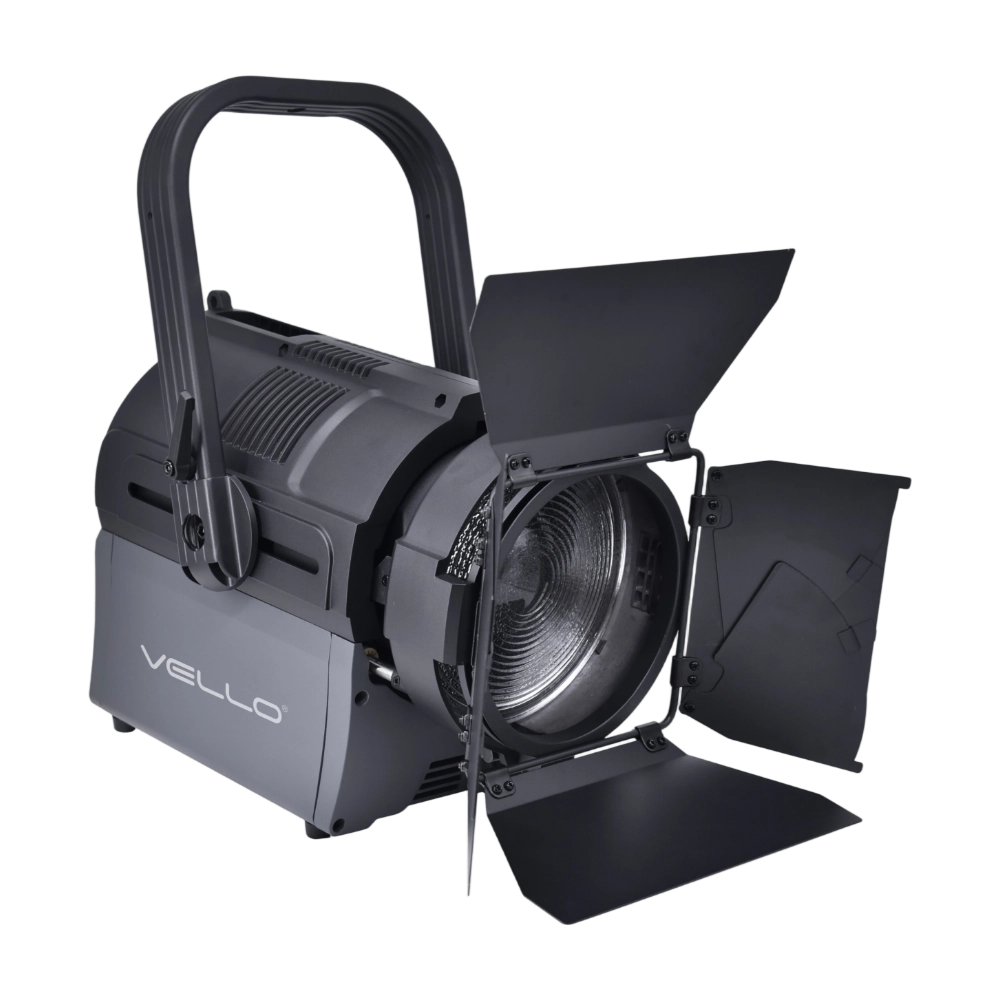
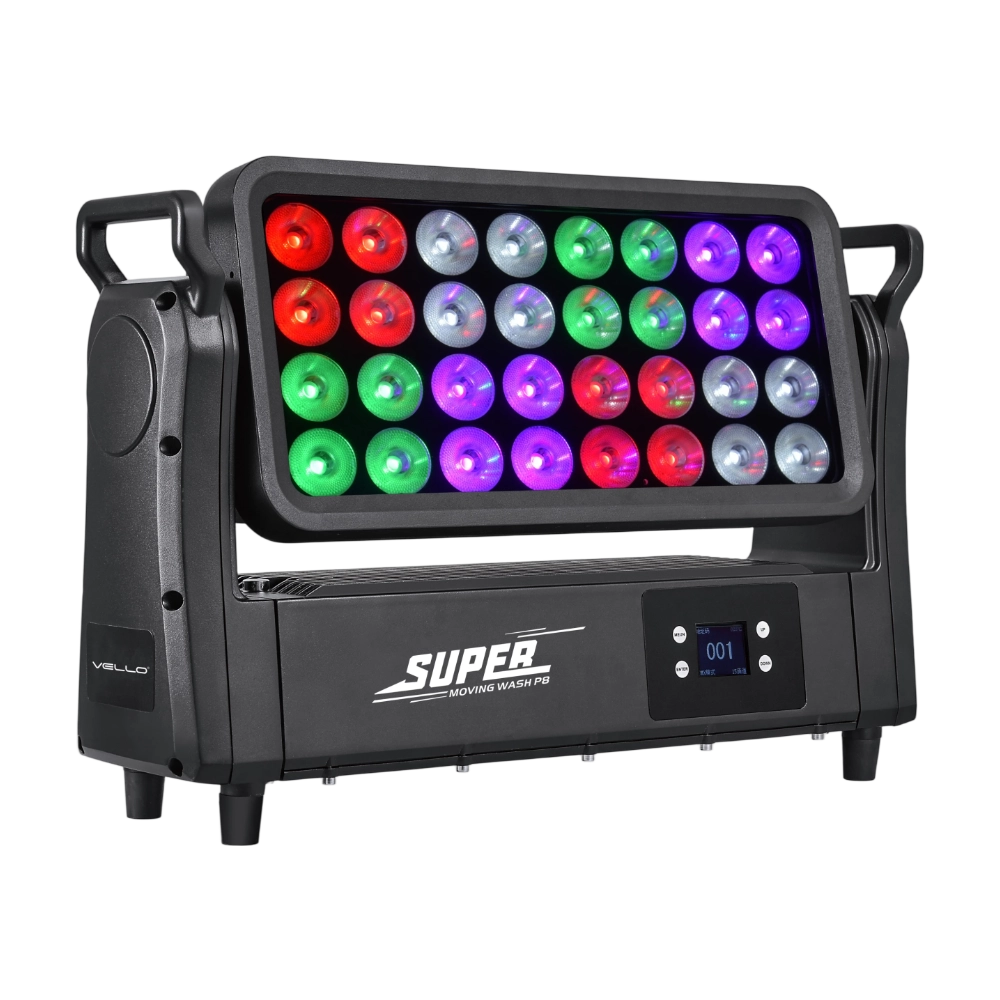
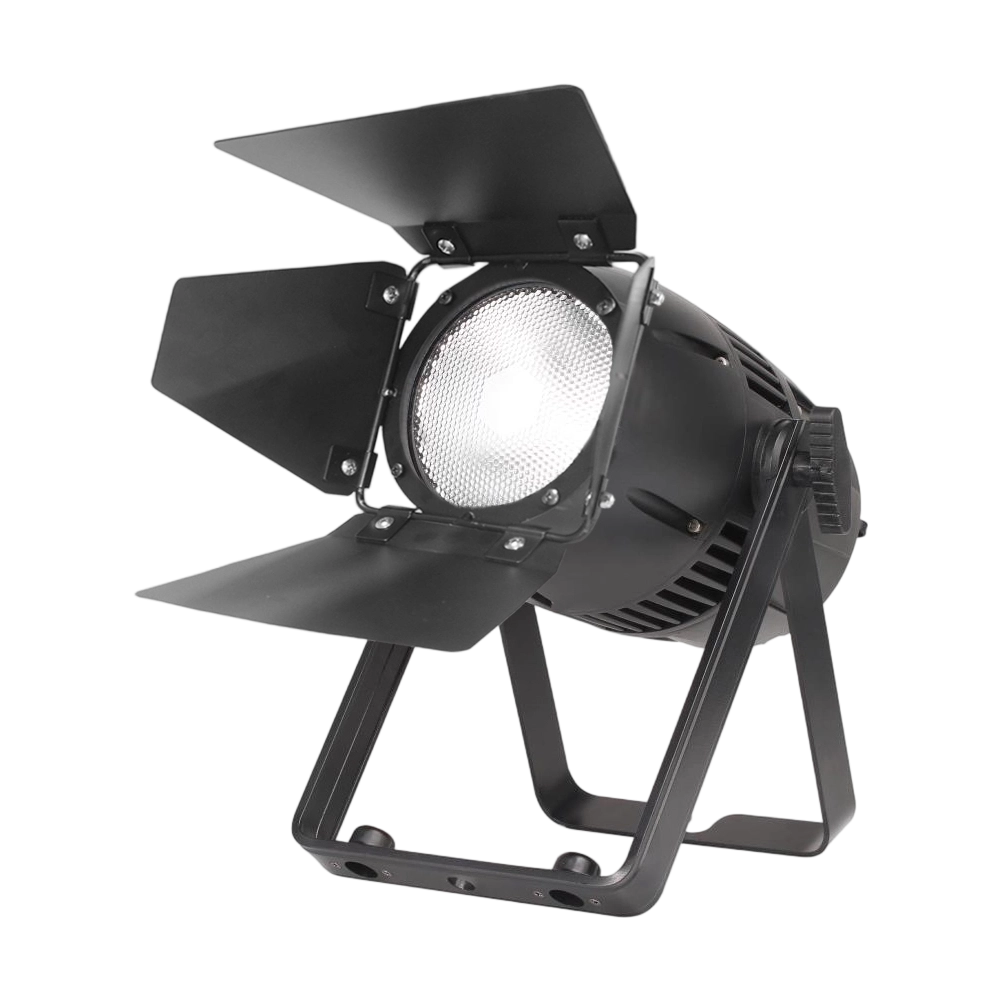
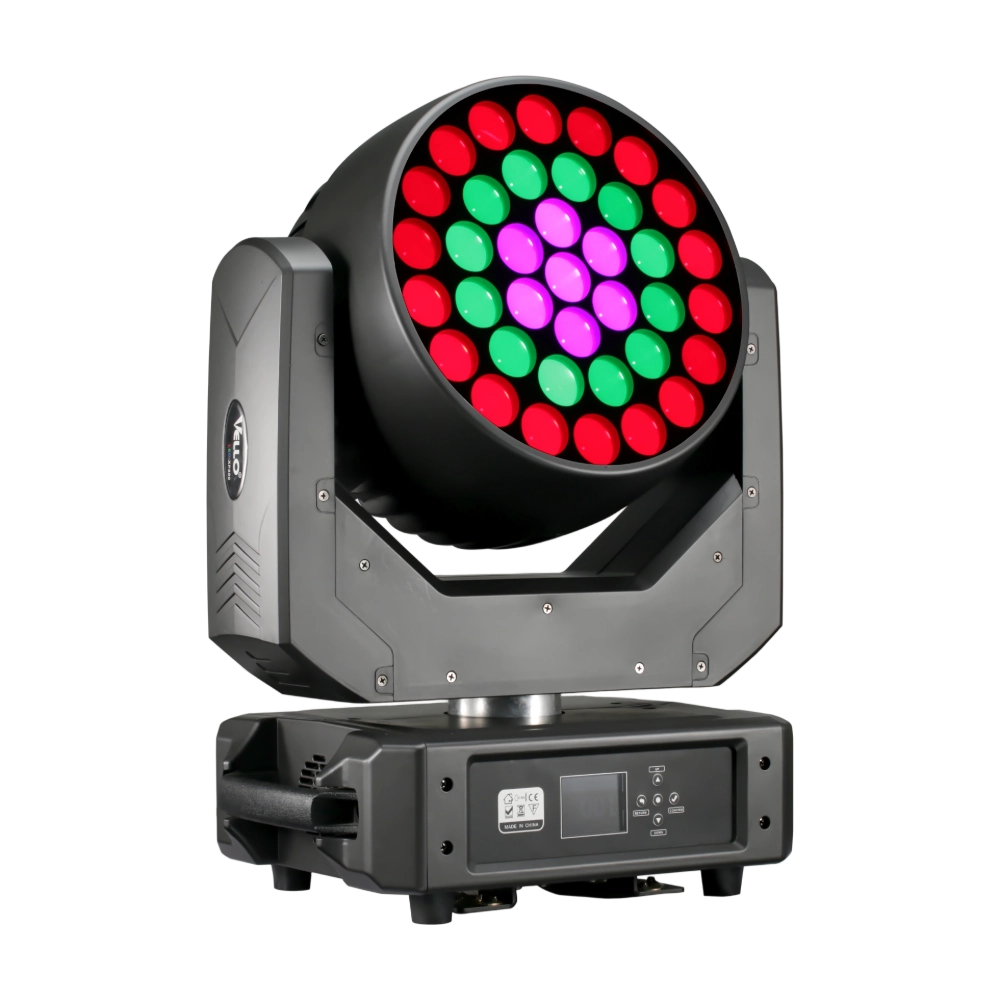
Major categories
Do your products support customization?
Yes. We offer OEM and ODM services tailored to project needs, including design, optics, and control compatibility.
Do you offer samples?
Samples are available for certain models. Please confirm with our sales team for details.
What is the warranty period for your products?
Most products come with a standard 1–2 year warranty. Please refer to product details or contract terms for specifics.
What is the usual lead time?
Standard models are typically shipped within 7–15 working days after payment. Customized items may vary.
Do you ship internationally?
Yes. We offer sea, air, and express delivery to many countries and regions worldwide.
You may also like
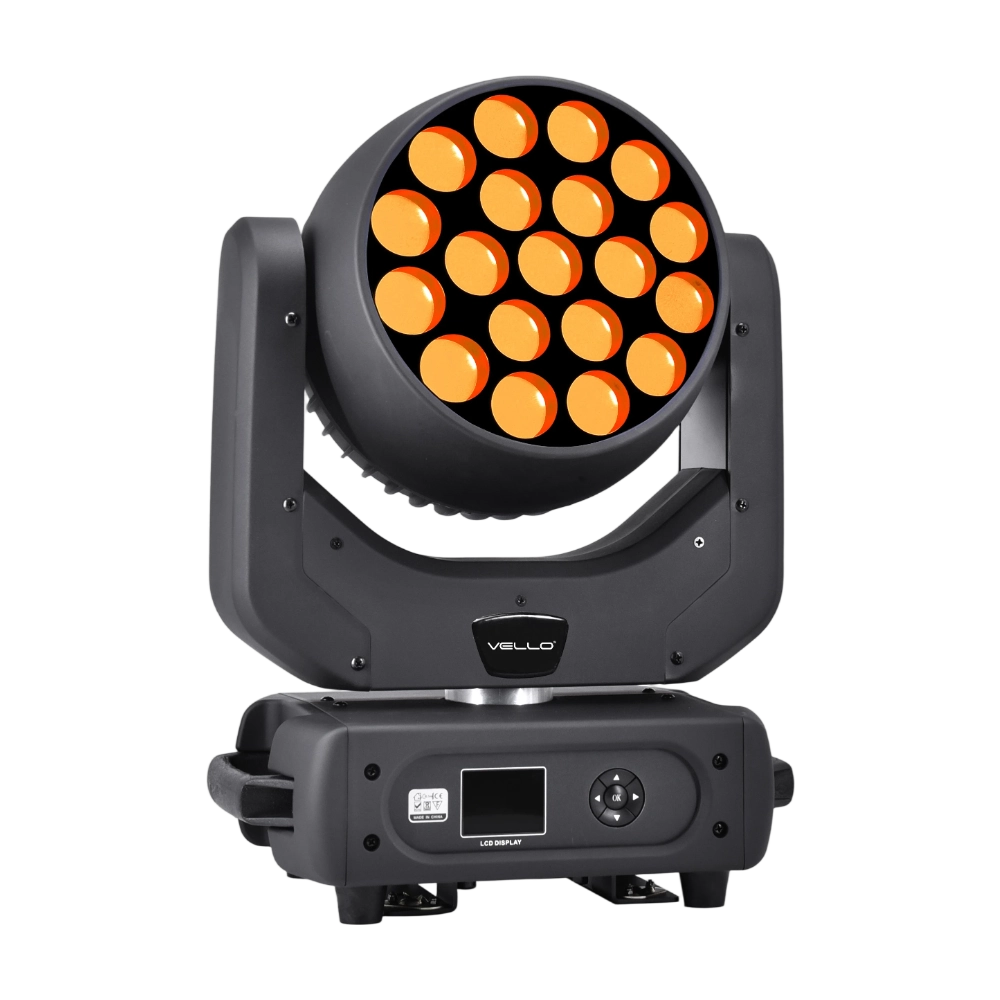
LED Bee Eyes K20 is a 750W high-output moving head wash powered by 19 × 40W Osram RGBW LEDs for intense brightness and rich color mixing. With a 4°–60° electronic zoom and wide CTO range (2700K–8000K), it seamlessly shifts from narrow beams to broad washes. Each LED can be controlled individually for advanced pixel mapping, while the rotating lens wheel creates striking dynamic effects. Featuring 540° pan / 270° tilt, multiple DMX channel modes, and robust construction, the K20 delivers exceptional flexibility and power—perfect for large concerts, stage shows, and high-impact visual productions.
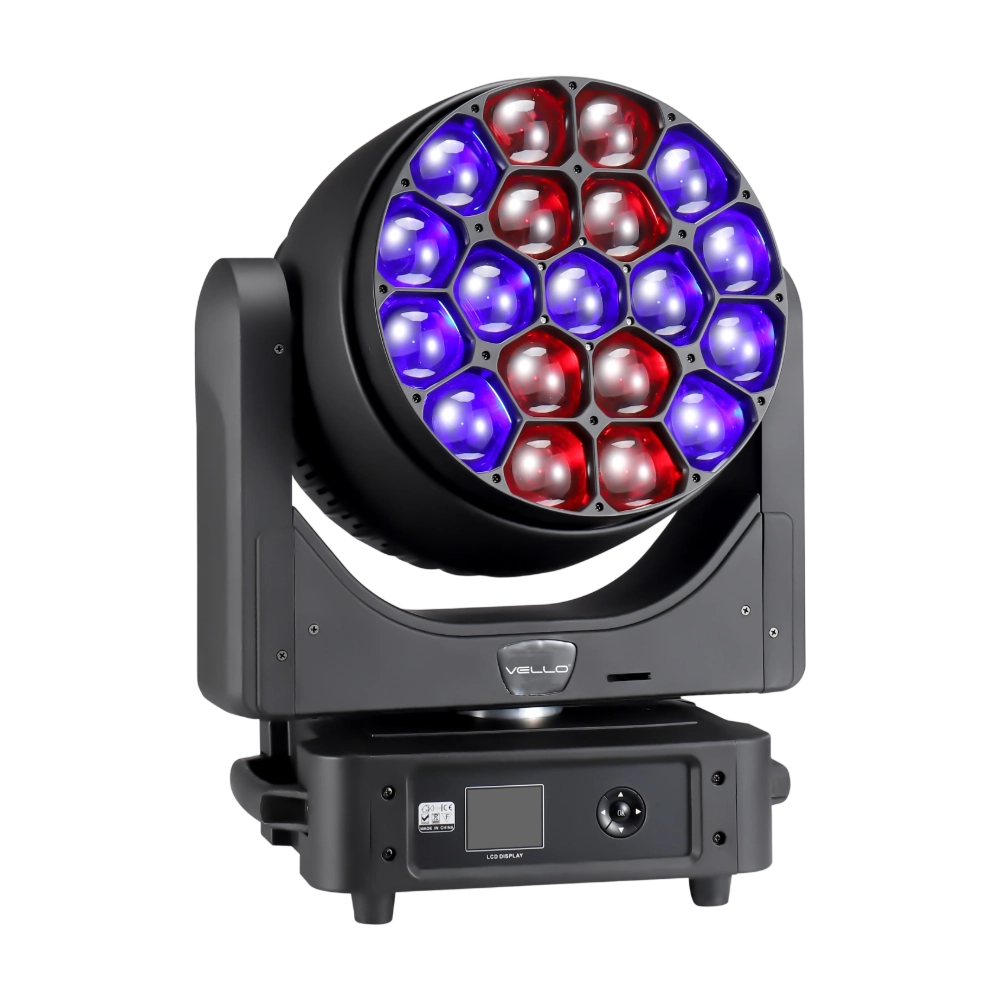
Max Wash X7 is a 750W super moving head wash fixture, equipped with 19 × 40W 7-in-1 RGB+A+C+L LEDs delivering rich colors, high brightness, and a super high CRI ≥95. With a wide 6.1°–50° electronic zoom and advanced 3-ring pixel control, it creates both powerful beams and smooth washes. The fixture supports CTO adjustment (3200K, 4200K, 5600K, 6800K) across four presets for versatile color temperature control. Featuring 540° pan / 310° tilt, high-speed motors, multiple DMX channel modes, and a durable heat-proof housing, Max Wash X-7 is designed for concerts, TV studios, and large productions demanding next-level wash performance with precision and creativity.
The LED Mac Par 12 is a durable 120W RGBW par light, featuring 12 × 10W 4-in-1 LEDs. With a 25°/40° lens option and smooth 0–100% dimming, it produces vibrant color mixing with silent, low-noise performance. Designed with IP65 protection, it is suitable for both indoor and outdoor use. Compact and powerful, this unit is ideal for architectural lighting, stages, and events.
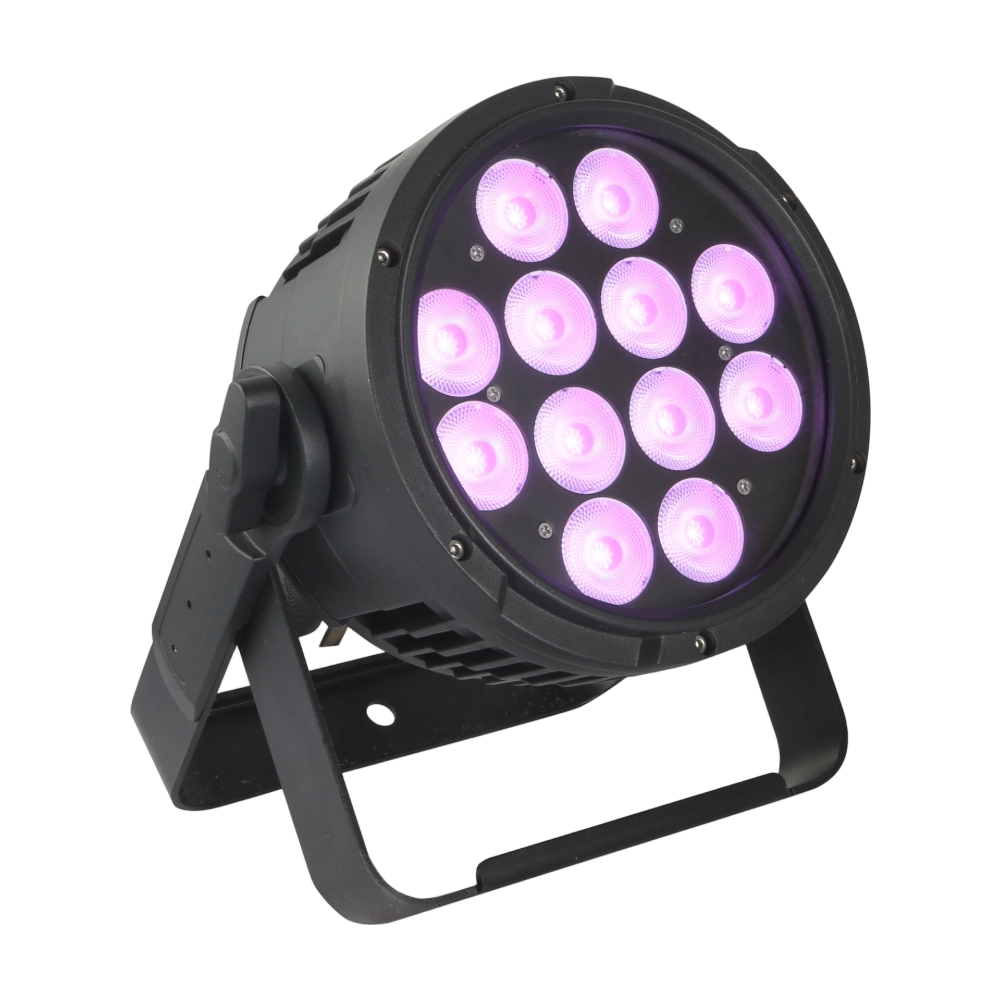
Solar Par 200 RGBW is a 200W IP65-rated outdoor LED par, powered by a high-power 200W 4-in-1 COB LED for vibrant RGBW color mixing and smooth output. With optional 30° or 50° lens angles, flicker-free dimming, and multiple DMX channel modes, it offers versatile performance for stages, architectural lighting, and outdoor events. Built with a robust die-cast aluminum housing and equipped with Seetronic IP65 DMX and PowerCON in/out, Solar Par 200 delivers reliable, weather-resistant operation in any environment.
◌ Let Us Support Your Project
Request a Custom Quote and Technical Support
Fill out the form below, and our sales team will contact you shortly with product details, pricing, and customer service options.
Rest assured that your privacy is important to us, and all information provided will be handled with the utmost confidentiality.
By clicking "Send your message," I agree to your processing my personal data.
To see how to withdraw your consent, how to control your personal data, and how we process it, please see our Privacy Policy and Terms of Use.
Over 20 Years of Innovation in Stage & Studio Lighting
© 2026 VELLO. All Rights Reserved. 粤ICP备20023734号
Join our socials
VELLO
Whatsapp: +8613902276704
Vello Lighting
VelloLights