





How to choose LED stage lights for small vs large venues?
- 1) How many lumens or lux do I actually need on stage for a 200-seat club vs a 5,000-capacity arena (live music and livestreaming)?
- 2) How do I calculate fixture quantity and spacing from beam angle and throw distance for a 6 m deep stage vs a 30 m arena stage?
- 3) What PWM/dimming frequency and driver specs guarantee flicker-free operation for 4K/60fps and 4K/120fps livestreaming and broadcast?
- 4) RGBW vs COB vs 4-in-1/6-in-1 (or tunable white) — which LED architecture is best for color fidelity and wash versus spot across venue sizes?
- 5) How much power and rigging load should I budget per fixture and per truss line when planning a bar setup vs a festival rig?
- 6) When do I need IP-rated LED fixtures for outdoor shows and what IP rating is right (IP44, IP65, IP66)?
- Conclusion — Advantages of choosing the right LED stage lights for your venue
How to Choose LED Stage Lights for Small vs Large Venues — 6 Specific Questions Beginners Miss
This guide answers six pain-point questions often answered superficially online. Each section gives measurable guidelines, formulas and real-world ranges (lumens, lux, beam-angle math, PWM/flicker, CRI/TLCI targets, power and rigging sizing, and IP ratings) so you can spec LED stage lights for small clubs, medium theaters and large arenas with confidence. Semantic keywords used naturally: beam angle, lumens, lux, DMX512, Art-Net, CRI, TLCI, COB, RGBW, IP65, flicker-free, PWM frequency, moving head, wash light, par led, fixture spacing, power draw, rigging load.
1) How many lumens or lux do I actually need on stage for a 200-seat club vs a 5,000-capacity arena (live music and livestreaming)?
Why this matters: Buyers get conflicting numbers. You need a target illuminance (lux) on performers, then convert to fixture lumen output and count.
Recommended target illuminance (practical industry ranges):
- Small venue / 200-seat club (live & non-broadcast livestream): 300–800 lux on the performers.
- Medium theater / 800–1,500 seats: 500–1,200 lux depending on camera use and detail.
- Large arena / 3,000–10,000 capacity (broadcast or professional livestream): 1,000–2,000 lux on key performance areas; spot/feature areas may be higher.
How to convert lux target to fixture lumens (simplified):
Use: illuminance (lux) = luminous flux (lumens) × utilization factor / area (m²). For stage planning it's easier to estimate per fixture coverage using beam angle and throw distance (see next section).
Practical example — wash fixture approach:
- Stage playing area: 8 m wide × 6 m deep = 48 m².
- Target average: 600 lux (small-medium venue, mixed livestream).
- Required total lumens on plane ≈ lux × area = 600 × 48 = 28,800 lumens hitting the stage.
- Assume utilization (losses: fixture directivity, angle, spill, front-of-house distance) of ~0.5 for LED wash rig — so you need ~57,600 emitted lumens total from fixtures.
- If each LED wash puts out ~8,000 lumens (typical for a mid-power moving wash), you need ~7–8 fixtures (57,600 ÷ 8,000 ≈ 7.2).
Notes:
- Broadcast: when cameras are present, increase target lux by 25–100% or choose fixtures with higher CRI/TLCI and higher lumen output.
- These are planning numbers; always verify with photometric data (manufacturer lux-at-distance charts) and run a mock setup when possible.
2) How do I calculate fixture quantity and spacing from beam angle and throw distance for a 6 m deep stage vs a 30 m arena stage?
Why this matters: Many beginners buy fixtures by wattage or LED count instead of using beam geometry; that causes uneven coverage and wasted fixtures.
Key formula (geometry): coverage diameter at distance = 2 × distance × tan(beam_angle ÷ 2).
Example A — small stage (focused wash):
- Beam angle: 50° wash fixture.
- Throw distance (fixture to stage): 6 m.
- Coverage diameter = 2 × 6 × tan(25°) ≈ 12 × 0.466 = 5.6 m.
- To cover an 8 m width you need 2 fixtures spaced ~4 m apart (slightly overlap to avoid gaps).
Example B — large arena (key/front wash):
- Beam angle: 30° profile or ellipsoidal for distance control.
- Throw distance: 30 m.
- Coverage diameter = 2 × 30 × tan(15°) ≈ 60 × 0.268 = 16.1 m.
- To light a 20 m wide performing area evenly, use 2–3 fixtures with 30° beam from FOH positions, or switch to wider-beam wash fixtures and add more units for even overlap.
Practical tips:
- Use narrower beam (10°–25°) for specials and moving head beams in large venues; use wider wash (40°–70°) for even front fill in small venues.
- For even coverage aim for 30–50% overlap between adjacent fixtures' edges.
- Consult the fixture photometric chart (lux @ distance + beam spread) — it's the authoritative data from manufacturers.
3) What PWM/dimming frequency and driver specs guarantee flicker-free operation for 4K/60fps and 4K/120fps livestreaming and broadcast?
Why this matters: Many low-cost LED stage lights use low PWM frequencies causing rolling bars or pulsing on camera. This is a common, under-explained issue.
Key metrics to request from manufacturers:
- Driver PWM frequency (Hz) and whether it supports flicker-free mode.
- TLCI/CRI for color accuracy on camera.
- Specification that flicker is absent up to N fps for shutter speeds (e.g., flicker-free to 10,000 Hz, or tested at 4K60/120fps).
Practical thresholds:
- For stable 4K/60fps filming: aim for PWM or driver tech > 5–10 kHz with linear dimming curves. Many broadcast setups target > 8–10 kHz to be conservative.
- For high-frame-rate capture (120 fps or above): seek fixtures with 20 kHz+ PWM or proprietary flicker-free constant-current drivers that state support for high-speed cameras.
Additional suggestions:
- Request manufacturer test footage or lab measurements using the same camera model you’ll use; TLCI and spectral power distribution charts help ensure color rendering for camera sensors.
- Consider LED fixtures with high-frequency linear dimming or analog control options to reduce PWM artifacts (or seek models that advertise flicker-free certified for broadcast).
4) RGBW vs COB vs 4-in-1/6-in-1 (or tunable white) — which LED architecture is best for color fidelity and wash versus spot across venue sizes?
Why this matters: Color mixing and white quality determine how natural skin tones look under stage lights and how rich saturated colors appear on large screens and cameras. Answers online are often marketing-led rather than technical.
Short technical summary:
- RGBW / 4-in-1 / 6-in-1: Multiple LED die (e.g., Red, Green, Blue, White, Amber, Lime) provide versatile color mixing and improved gamut. 6-in-1 fixtures widen the spectral gamut and improve saturated colors.
- COB (Chip-on-Board): Produces a continuous uniform field, often used in wash lights and profiles for smooth beam edges and even field; white quality depends on the phosphor mix and CRI/TLCI.
Guidelines by venue type:
- Small clubs: High-CRi COB pars and compact RGBW washes are cost-effective; COB gives smooth washes for close quarters, while RGBW 4-in-1 is good for dynamic color effects without needing many fixtures.
- Medium theaters: Use a mix — COB wash lights for even color fields on actors and 4/6-in-1 moving heads for colour effects and accents; choose CRI ≥ 90 for accurate skin tones if the production is dramatically focused.
- Large arenas & broadcast: Prefer fixtures with wide color gamut (6-in-1 or calibrated multi-chip engines) and CRI/TLCI ≥ 90. Also opt for tunable-white capability (2700–6500K) and precise dimming to match camera white balance and live set needs.
Evidence-based metrics:
- TLCI: For broadcast-targeted stage lights aim for TLCI ≥ 90; CRI alone is insufficient for camera fidelity.
- Spectral power distribution (SPD) charts from manufacturers allow comparison of color rendering across wavelengths; prefer fixtures with fuller SPD peaks rather than narrow line spectra.
5) How much power and rigging load should I budget per fixture and per truss line when planning a bar setup vs a festival rig?
Why this matters: Underestimating power and weight leads to electrical trips or unsafe rigging. Online advice often gives ranges without the correct safety margins or connector recommendations.
Power budgeting (practical ranges):
- Par LED / small wash: 30–200W per fixture.
- Mid-size moving wash/beam: 250–700W per fixture.
- Large LED profiles / high-output moving heads: 700–1,500W peak.
Steps to calculate electrical supply:
- Sum the max wattage of all fixtures (use manufacturer peak watt draw), plus allowances for controllers, fog machines, monitors.
- Divide total wattage by nominal voltage (e.g., 230 V or 120 V) to get amps, then add 20–25% headroom for safety and inrush currents.
- Distribute across multiple circuits to avoid nuisance tripping. Use powerCON or stage-grade connectors for permanent installs.
Rigging and load planning:
- Record weight per fixture (typical ranges: par led 1–5 kg; moving heads 8–35+ kg depending on class).
- Calculate dynamic load factors (moving fixtures create dynamic loads). Many rigging standards use a 5:1 or 8:1 safety factor on WLL (Working Load Limit) — but always follow local code and the truss supplier's ratings.
- Example: 20 moving heads at 25 kg each = 500 kg + hardware. Use rated truss and multiple pick points, and ensure each truss bay's SWL supports the cumulative dynamic load plus a safety margin.
Practical advice:
- Use certified rigging hardware and a qualified rigger to calculate suspension points. Never exceed rated load of truss or anchoring.
- For touring/festivals, specify power distribution racks, DMX/Art-Net node racks, and battery-backed network switches to prevent single-point failures.
6) When do I need IP-rated LED fixtures for outdoor shows and what IP rating is right (IP44, IP65, IP66)?
Why this matters: Many buyers assume any outdoor show needs IP65; this leads to overspending or under-specing depending on scenario.
IP rating quick guide for outdoor use:
- IP20: Indoor use only, no moisture protection.
- IP44: Splash-resistant (protected against water splashes from any direction). Suitable for covered outdoor areas or temporary brief use with minimal exposure but not reliable in sustained rain.
- IP65: Dust-tight and protected against low-pressure water jets from any direction. Good for most outdoor concerts and festivals where fixtures may be exposed to rain and spray.
- IP66 / IP67: Higher protection (heavy seas/water immersion resistance for IP67). Use IP66/IP67 in coastal sites, heavy rain, or where fixtures might receive direct hose-down cleaning or temporary immersion risk.
Material and corrosion considerations:
- Outdoor-rated fixtures should also use corrosion-resistant hardware (stainless steel clamps, sealed connectors, marine-grade paint) in coastal environments to resist salt corrosion.
- Check connectors — prefer IP-rated power and data connectors (powerCON TRUE1, IP-rated EtherCON) or provide weatherproof junction boxes.
Practical decision matrix:
- Temporary, covered outdoor stage in fair weather: IP44 acceptable but use protective covers and plan storage during rain.
- Uncovered outdoor shows with occasional rain: choose IP65 fixtures for reliable operation and lower maintenance.
- Permanent outdoor installations, coastal venues, or fixtures exposed to heavy spray: select IP66/IP67 and marine-grade hardware.
Conclusion — Advantages of choosing the right LED stage lights for your venue
Choosing LED stage lights by matching lux needs, beam geometry, color engine (CRI/TLCI), flicker-free driver specs, correct power/rigging allowances and proper IP rating avoids common failures: underlit stages, camera flicker, poor color rendering, tripped circuits, and corroded fixtures. For small venues you often prioritize compact COB washes and lower wattage fixtures with shorter throw; for large arenas prioritize higher lumen moving heads, narrow beams for specials, broadcast-grade TLCI/CRI, Art-Net/sACN control and IP-rated fixtures for outdoor use. Using photometric charts, beam-angle math and manufacturer test data (lux@distance, PWM frequency, SPD/TLCI) leads to predictable outcomes and better ROI.
Contact us for a quote or technical spec sheet: visit www.vellolight.com or email info@vellolight.com — VelloLight lighting specialists can provide fixture photometrics, rigging and power plans tailored to your venue.
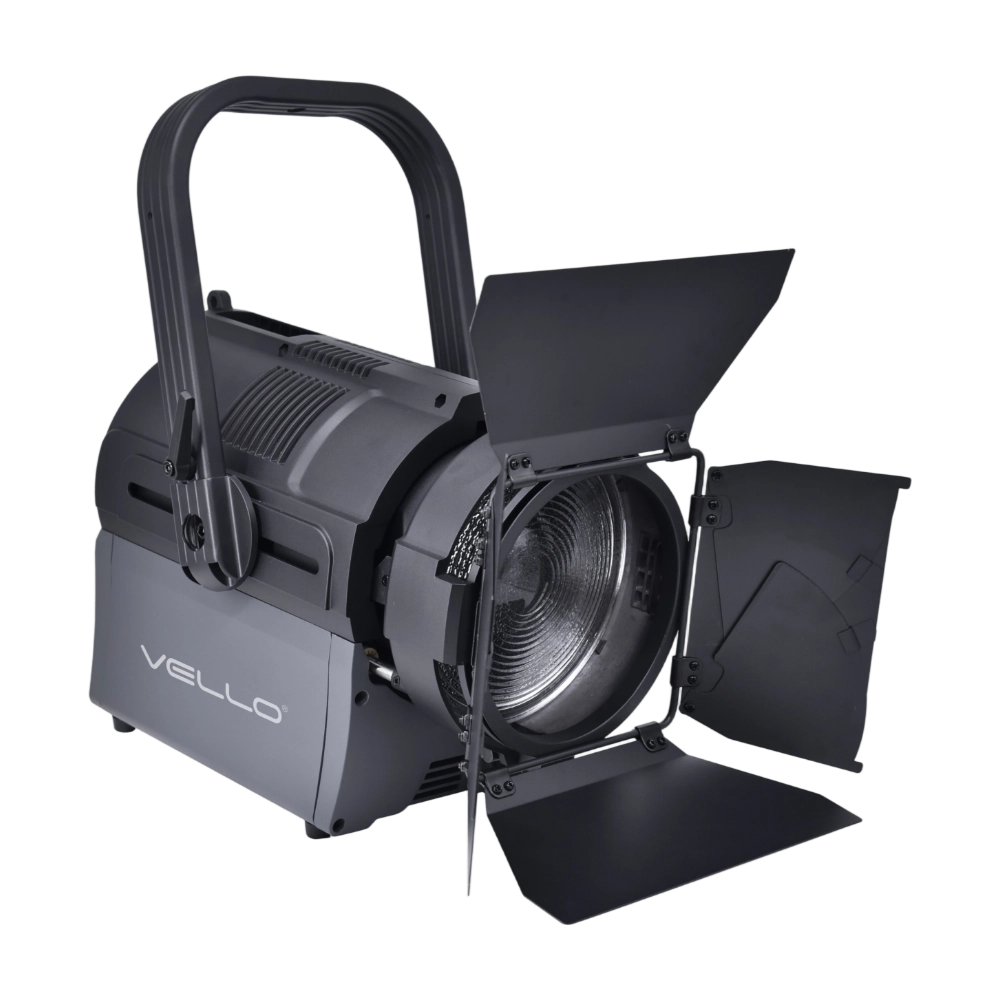
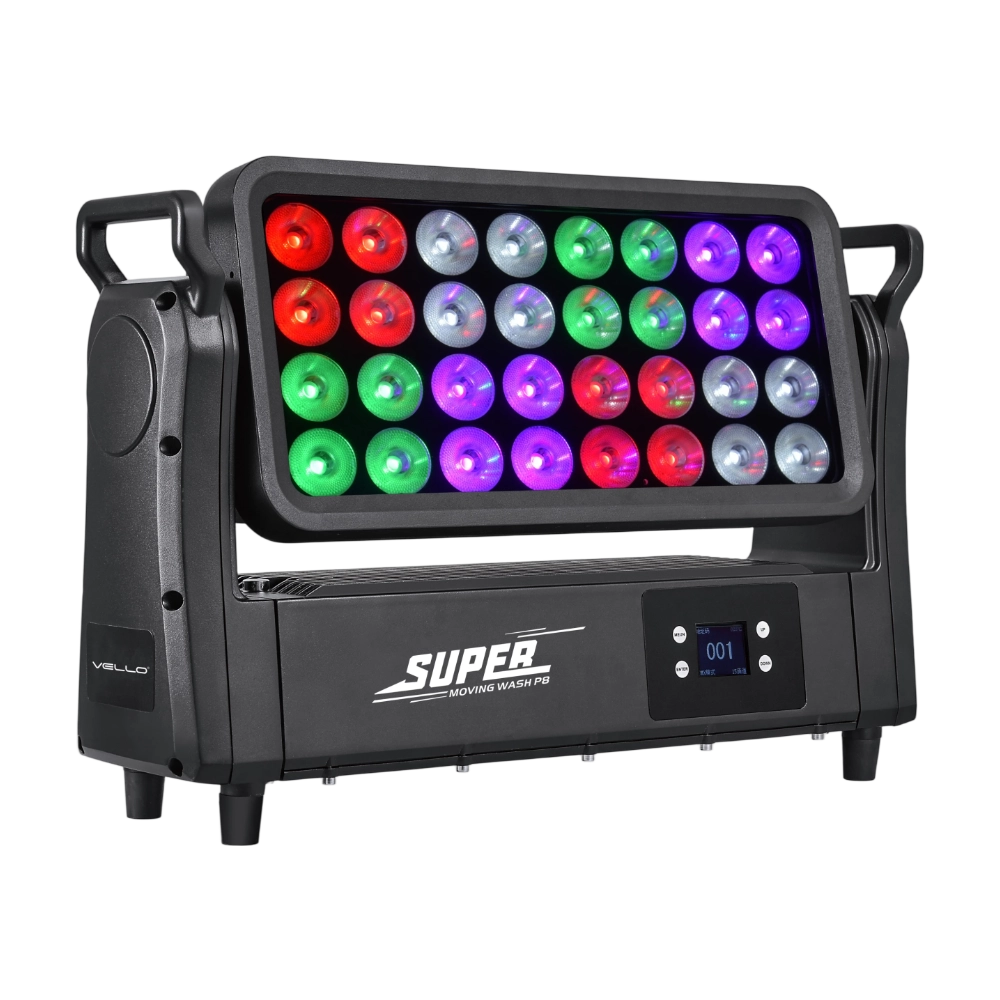
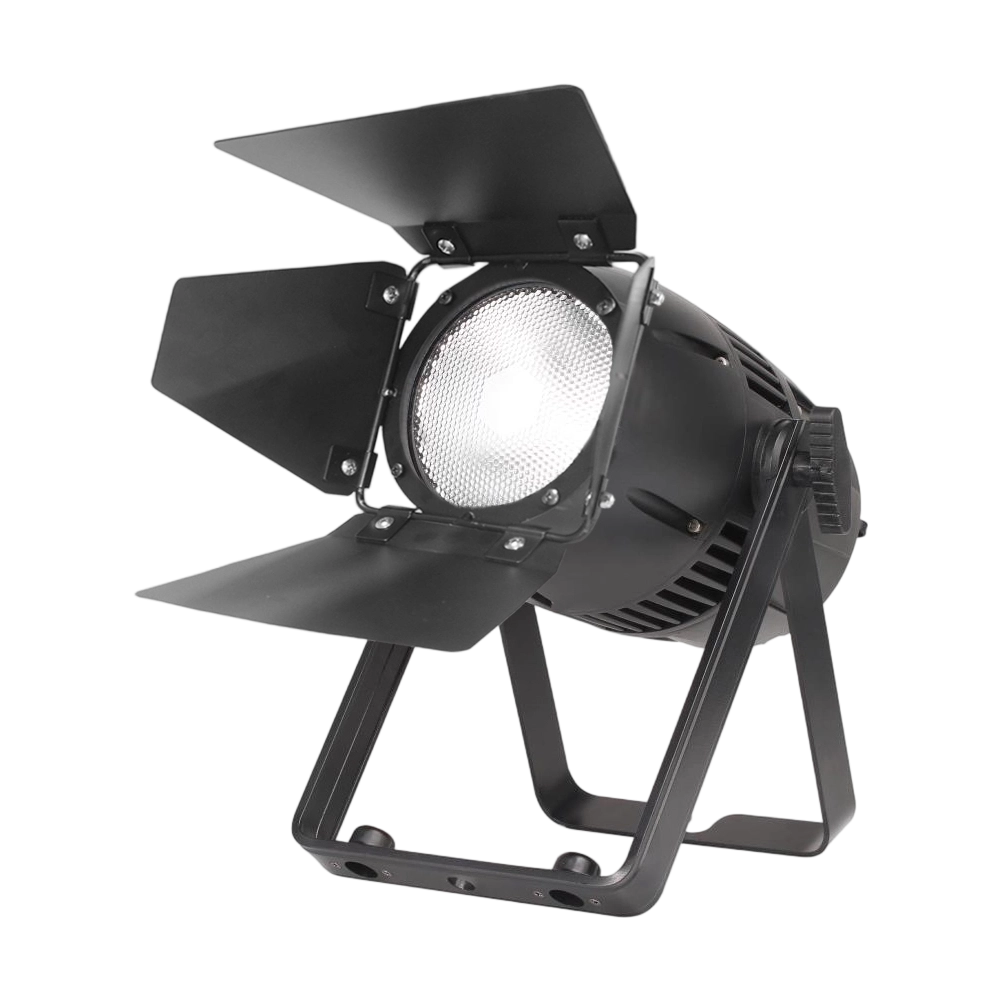
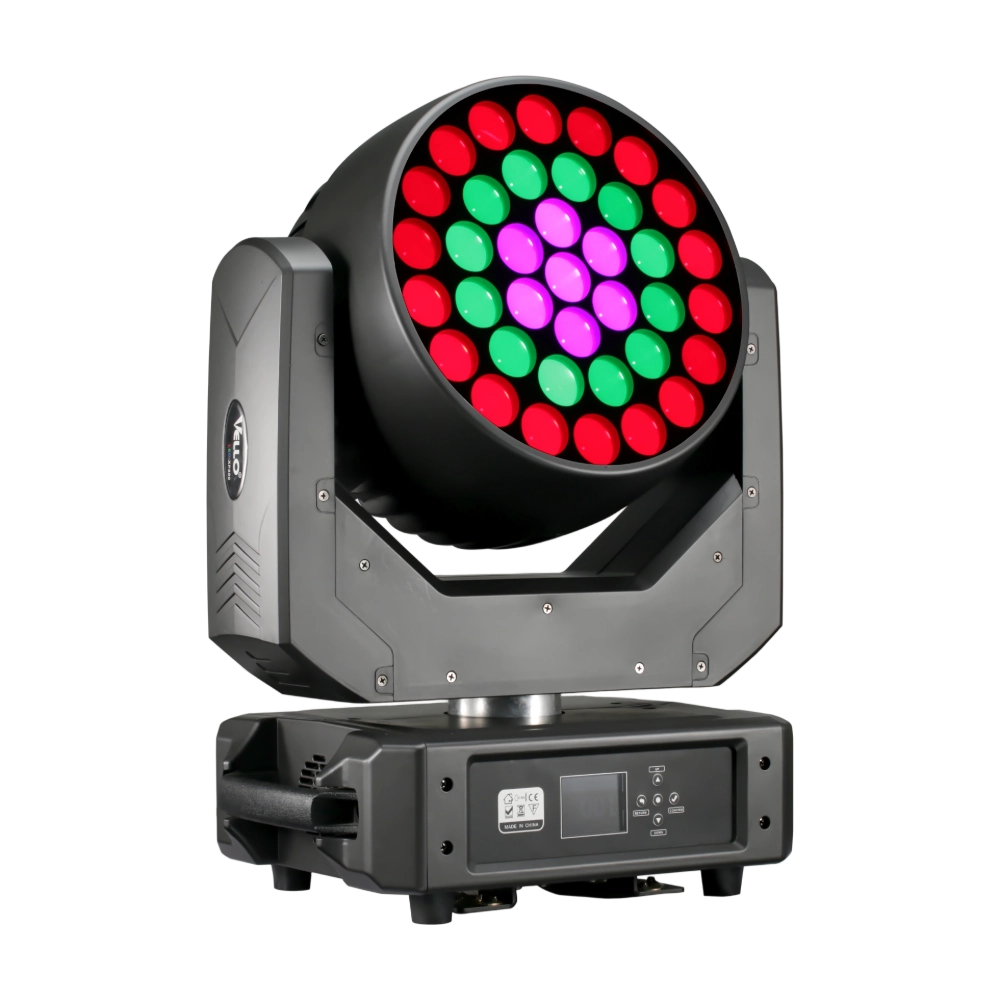
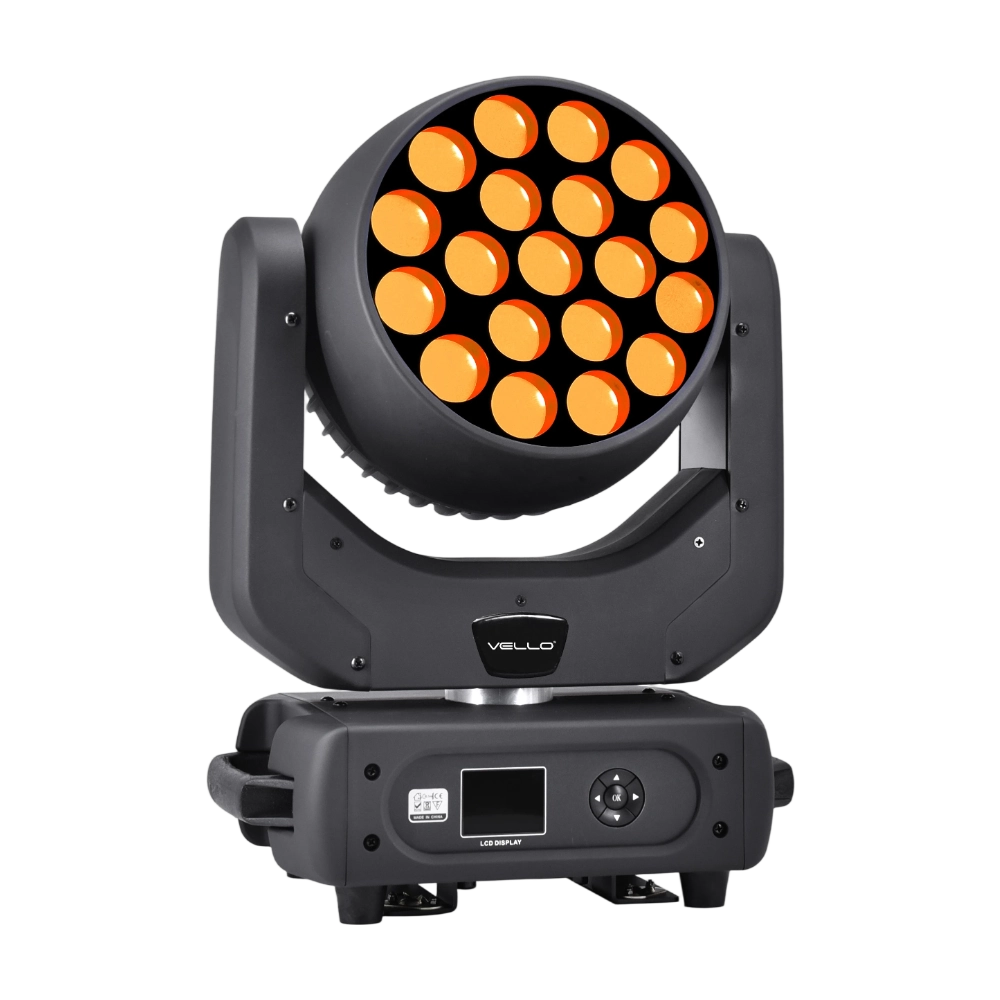
Major categories
Do you offer samples?
Samples are available for certain models. Please confirm with our sales team for details.
What is the warranty period for your products?
Most products come with a standard 1–2 year warranty. Please refer to product details or contract terms for specifics.
Do you ship internationally?
Yes. We offer sea, air, and express delivery to many countries and regions worldwide.
Do your products support customization?
Yes. We offer OEM and ODM services tailored to project needs, including design, optics, and control compatibility.
What is the usual lead time?
Standard models are typically shipped within 7–15 working days after payment. Customized items may vary.
You may also like
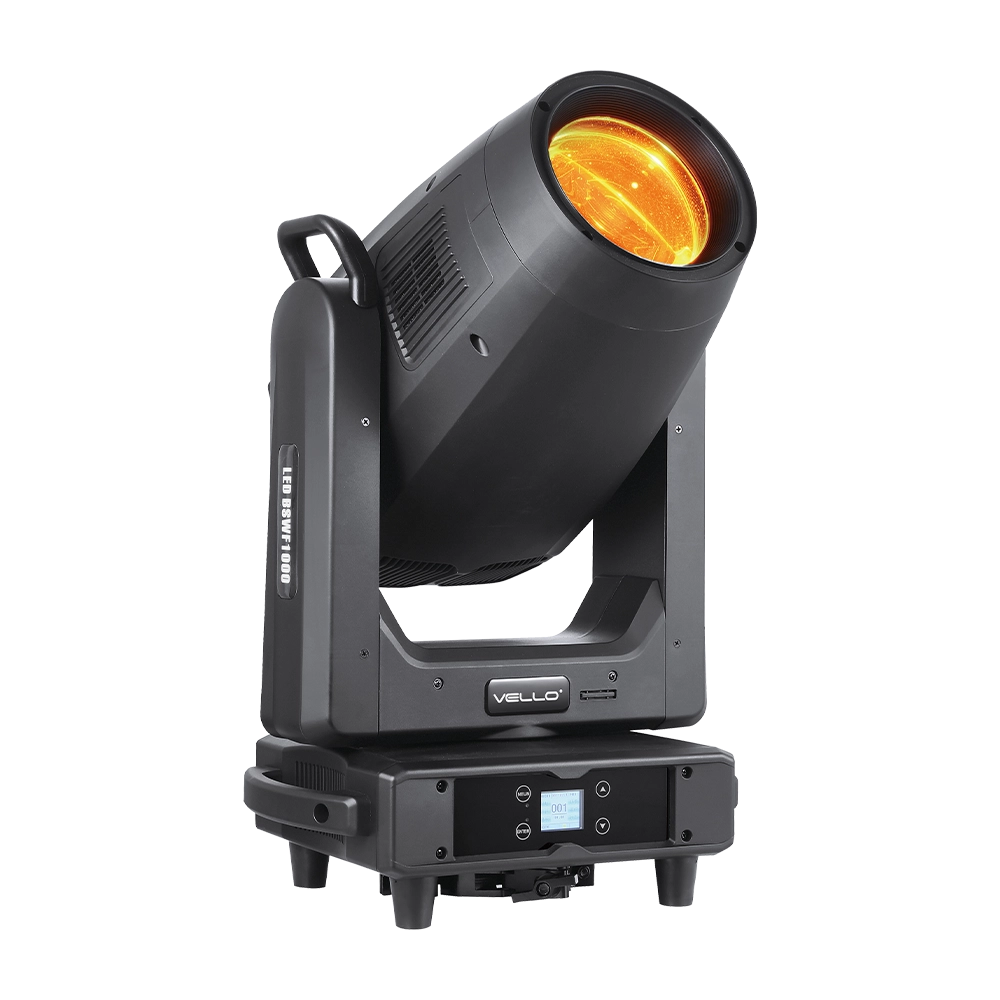
The BSWF1000 is a high-performance 4-in-1 hybrid moving head light that seamlessly integrates beam, spot, wash, and framing functions in a compact body. Powered by a powerful 850W high-CRI LED engine (CRI 90+), it delivers crisp projection, smooth color mixing, and exceptional brightness, making it ideal for professional stage, touring, and broadcast applications.
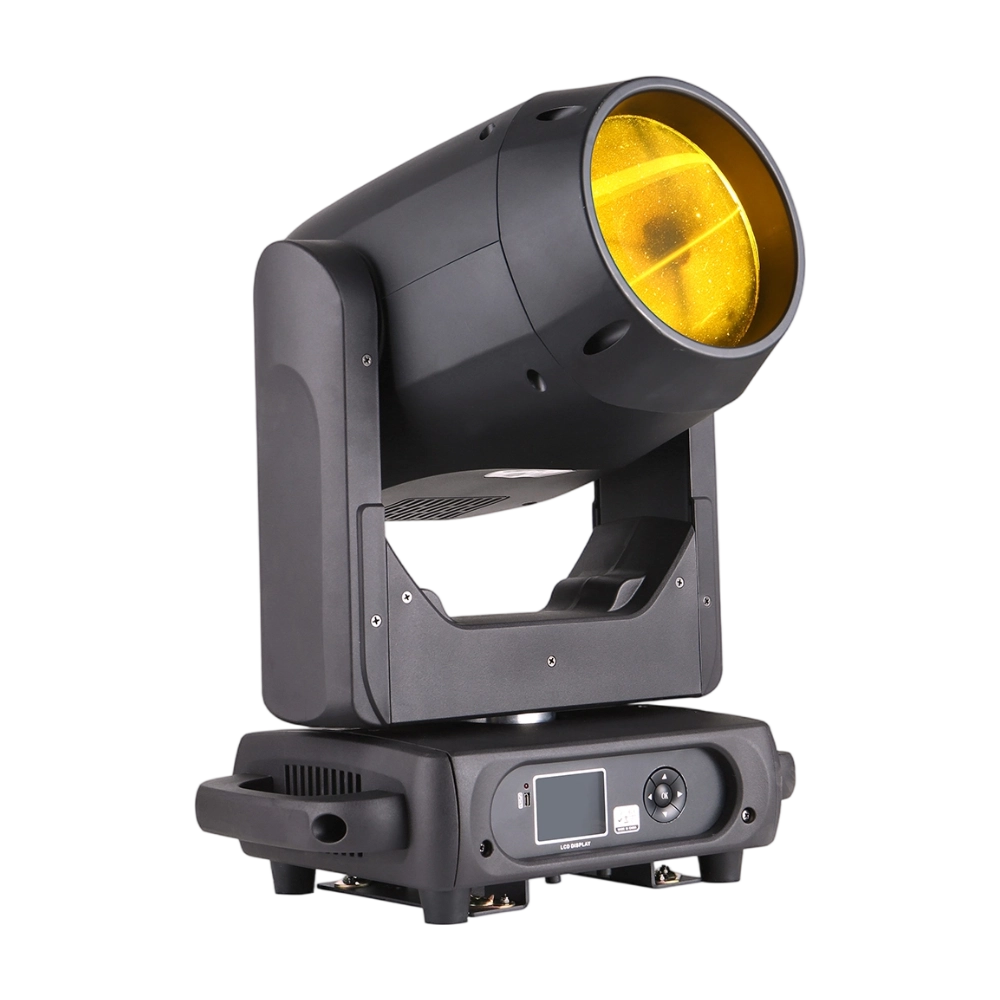
BEAM360 is a 400W high-power moving head beam equipped with an OSRAM SIRIUS 311W discharge lamp, delivering a sharp 1.8° beam with super brightness. It features 14 colors + open, 12 fixed metal gobos + open, and dual prisms (8-facet circular + 8+16 multi-facet combination) for dynamic aerial effects. With 540° pan / 270° tilt, 16-bit movement, and linear frost and focus, BEAM360 ensures precision and versatility. Compact yet powerful, it rivals traditional 575W moving heads, making it ideal for concerts, clubs, and large-scale stage productions.
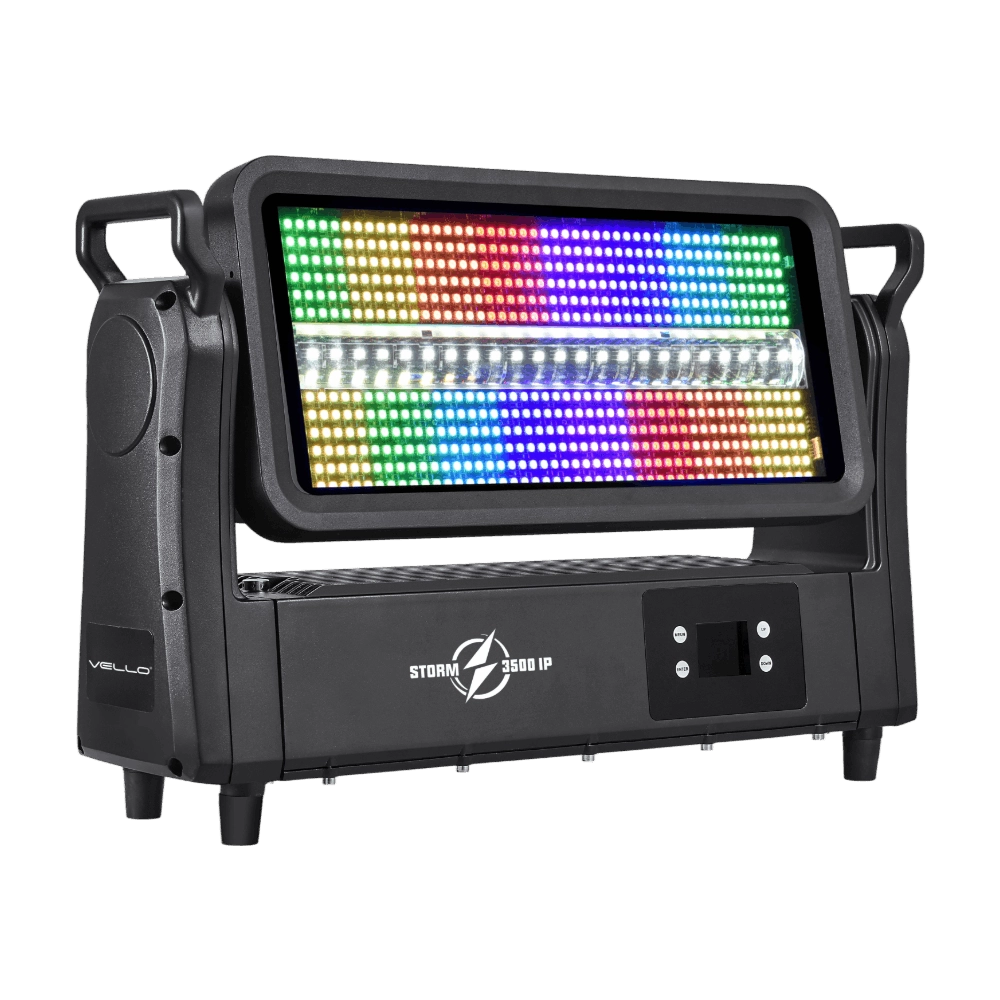
Storm 3500IP is a high-power 1200W outdoor-rated LED strobe and wash fixture, fitted with 576 pieces of 5050 RGB LEDs and 72 pieces of 12W cool white LEDs for brilliant, punchy effects with pixel-level control. Featuring IP65 protection, a wide 220° tilt, a strong RGBW strobe, DMX-controlled frost, and a 0–100% linear dimmer, it ensures versatile output from powerful to soft washes. With silent, flicker-free operation, multiple DMX channel modes, and robust die-cast aluminum housing, Storm 3500IP is built for demanding concerts, festivals, and large outdoor events.
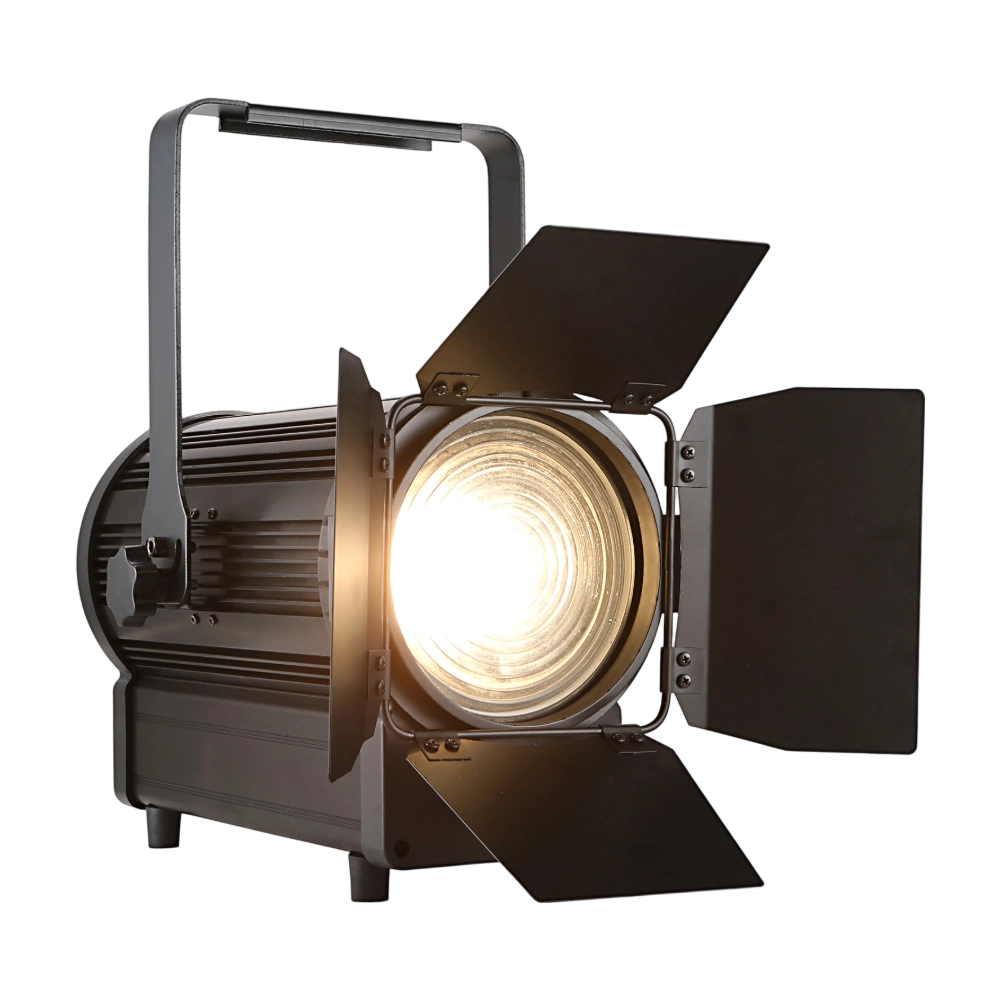
The TH250 Fresnel CTO is a compact yet powerful 250W LED Fresnel fixture. Equipped with dual 125W WW/CW lamps, it offers CTO adjustment (3000K–6000K) and CRI ≥97 for true-to-life color rendering. The 15°–50° zoom and electronic dimming make it versatile for stage and studio use. With flicker-free output, silent operation, and DMX/manual zoom, the TH250 is an ideal energy-efficient alternative to conventional Fresnels.
◌ Let Us Support Your Project
Request a Custom Quote and Technical Support
Fill out the form below, and our sales team will contact you shortly with product details, pricing, and customer service options.
Rest assured that your privacy is important to us, and all information provided will be handled with the utmost confidentiality.
By clicking "Send your message," I agree to your processing my personal data.
To see how to withdraw your consent, how to control your personal data, and how we process it, please see our Privacy Policy and Terms of Use.
Over 20 Years of Innovation in Stage & Studio Lighting
© 2026 VELLO. All Rights Reserved. 粤ICP备20023734号
Join our socials
VELLO
Whatsapp: +8613902276704
Vello Lighting
VelloLights