





How to create branded stage lighting schemes for corporate events?
- 1. What specific photometric data (lux, beam, IES files) should I demand from suppliers to ensure my branded stage lighting hits corporate logo colors accurately at 6–12 m?
- 2. How do I convert brand color swatches (Pantone/HEX) into reliable LED fixture presets that won’t shift under stage cameras?
- 3. For a 200–500 person corporate keynote, how many and what types of LED fixtures do I actually need for a branded wash, logo gobo, and presenter key light?
- 4. What DMX/control architecture should I specify (wired vs wireless, Art-Net/sACN, console choice) to reliably run brand scenes and pixel-mapped animations without failure?
- 5. Which technical specs most directly predict long-term maintenance costs and ROI for LED fixtures used primarily at corporate events?
- 6. How do I specification-test LED fixtures on-site before buying so my branded lighting scenes match the design in my plot?
- Concluding summary: Advantages of LED stage lights and branded lighting schemes for corporate events
1. What specific photometric data (lux, beam, IES files) should I demand from suppliers to ensure my branded stage lighting hits corporate logo colors accurately at 6–12 m?
Beginners often accept vague lumen or watt specs. For reliable brand color fidelity and consistent logo washes at distances of 6–12 m (typical corporate stages), insist on these concrete photometric deliverables from any LED stage lights vendor:
- IES/LM-63 files and photometric reports showing lux at multiple distances and beam angles. Use those to simulate light levels in your venue planning software.
- Lux tables specifying measured lux at 3, 6, 9, 12 m (or per meter). For presenters on camera, target ~700–1200 lux on-face; for live speaking only aim for 300–800 lux depending on style.
- Beam angle and beam profile (ellipsoidal vs wash). For crisp branded logos use a sharp-profile LED ellipsoidal or profile moving head with 10–30° beam and replaceable gobos; for ambient branded color washes use 30–60° wash fixtures.
- Color metrics: CRI (aim for ≥90 for accurate whites and skin tones) and TLCI where camera capture matters (TLCI ≥90 preferred). Also request spectral power distribution (SPD) if precise color matching is critical.
- Color mixing system info: native RGB vs RGBW vs RGBA or LED engine with dedicated white LEDs. For faithful brand hues (especially saturated corporate blues/reds), use fixtures with a separate white LED (RGBW) or 6+ color LEDs to avoid metamerism.
Why this matters: lumen/watt alone can be misleading. Real-world lux and beam profiles determine whether VELLO wash will read correctly on camera and to the audience. Always run the supplier IES files in your CAD or plotting software to validate coverage before buying.
2. How do I convert brand color swatches (Pantone/HEX) into reliable LED fixture presets that won’t shift under stage cameras?
Beginners are frustrated when the on-stage blue looks purple on camera. Use this workflow to convert brand values into dependable LED presets:
- Start with the brand’s hex/Pantone. Convert to CIE xy coordinates using color-management tools or ask your supplier to do so.
- Choose fixtures with wide color gamut (LED engines with additional LEDs: RGBA/RGBW/multi-chip). These reduce metamerism and let you recreate saturated brand colors more accurately.
- Calibrate using a spectrometer or colorimeter on-site. Create a preset by measuring the fixture output at target intensity and saving DMX/Art-Net presets. If you can’t measure on-site, request factory-calibrated presets and the spectral output (SPD) for replication.
- For camera feeds, check TLCI and use white balance references on-camera. House lights should be set to a matching color temperature (2700–5600K range) to maintain skin tone integrity.
- Use soft cross-fades and avoid mixing complementary colors at high saturation on talent—this often produces muddy or oversaturated skin tones.
Tools to use: spectrometer, colorimeter, lighting console with palette/preset functionality (ETC, grandMA), and integrated pixel-mapping/media server when using LED pixel fixtures for gradients and animated brand patterns.
3. For a 200–500 person corporate keynote, how many and what types of LED fixtures do I actually need for a branded wash, logo gobo, and presenter key light?
Rather than guess fixture counts, plan by lighting zones and photometrics. Typical breakdown for a mid-sized (200–500 pax) corporate keynote:
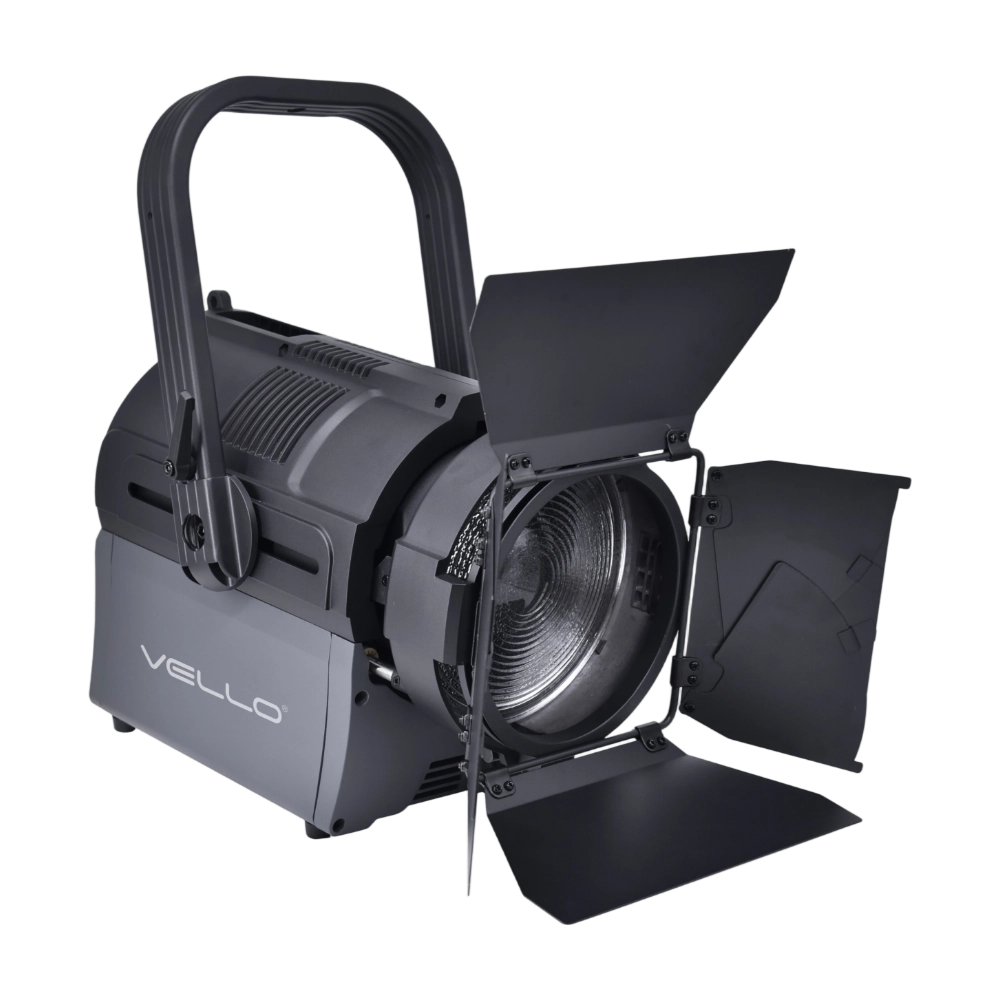
- Presenter key/fill: 2–4 high-CRI (≥90) LED fresnels or profile fixtures providing 700–1200 lux at front-of-stage distance. Use soft key + fill pair to avoid hard shadows.
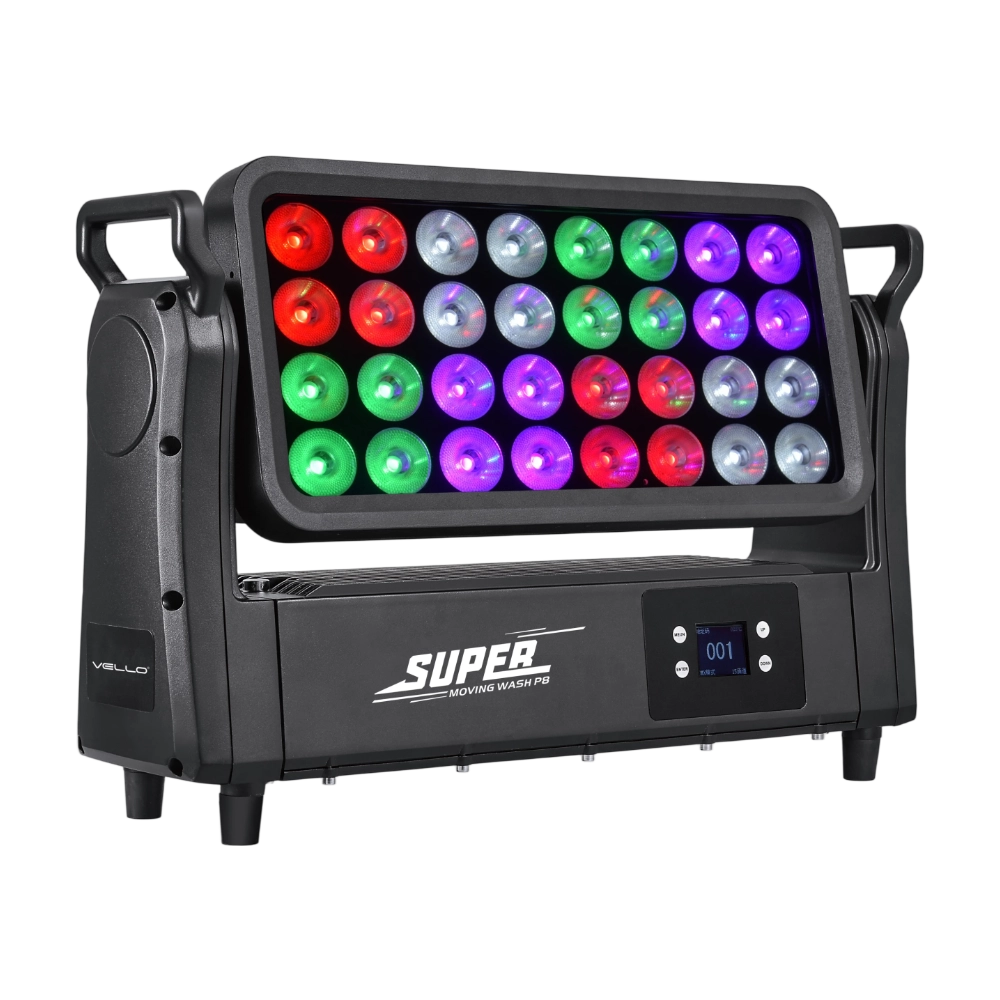
- Stage wash for background brand color: 6–12 LED wash fixtures (PAR-style or linear battens) spaced to evenly cover stage width; select beam angle per throw distance (narrower if rig height is low).
- Logo projection: 1–2 LED profile moving heads or LED ellipsoidals with gobos (metal or glass) and sufficient output to throw a clear logo on backdrop—verify gobo size and throw ratio with supplier photometric data.
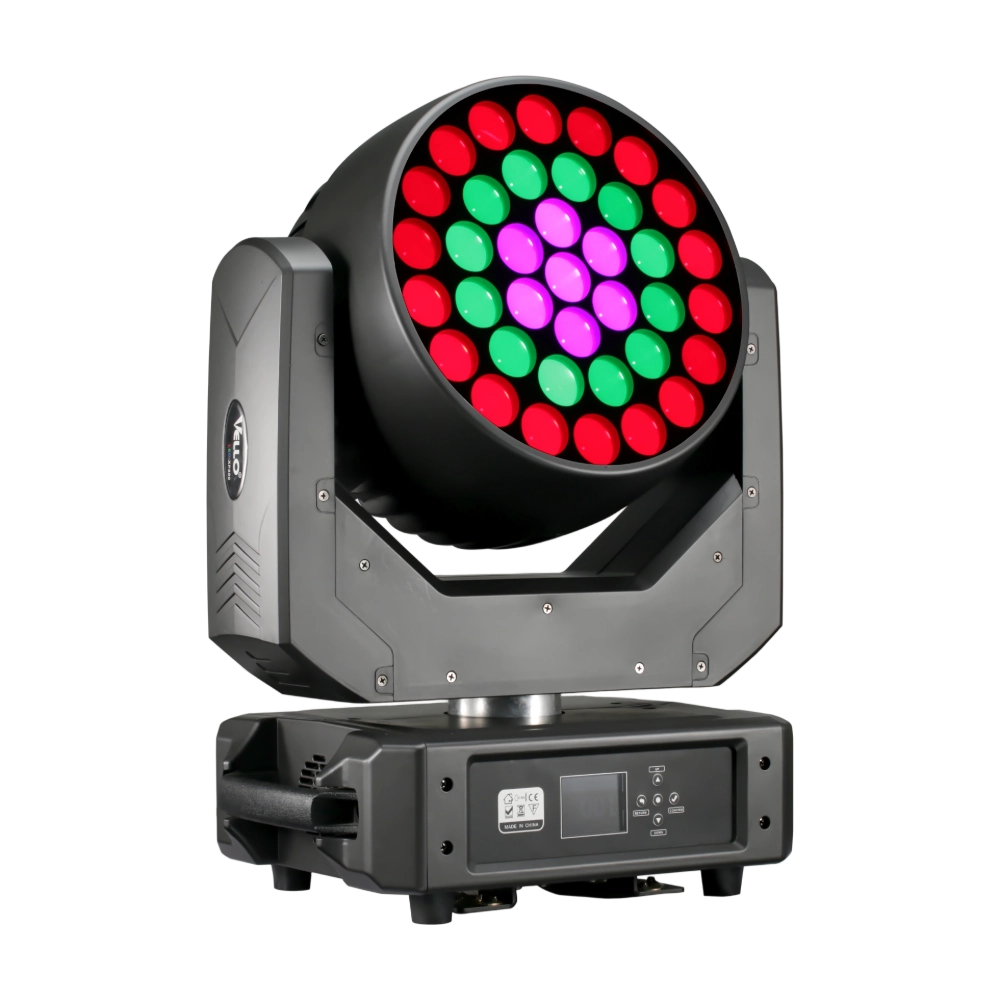
- Accent/motion: 2–6 moving heads or LED pixel bars for uplight and stage accents to create depth and brand animation via pixel mapping.
Key procurement note: request lux at throw distance for each fixture and plan dimming curves so the presenter and brand colors remain consistent across scenes. If camera streaming is part of the event, increase key lux targets and prioritize flicker-free and high-TLCI fixtures.
4. What DMX/control architecture should I specify (wired vs wireless, Art-Net/sACN, console choice) to reliably run brand scenes and pixel-mapped animations without failure?
Reliability and latency are the pain points here. Best-practice architecture:
- Use wired DMX (DMX512) to the racks/splitters and sACN or Art-Net over Ethernet for media servers and pixel-mapped fixtures. Wired reduces RF interference risk.
- If wireless is required (e.g., temporary roof truss), choose proven wireless DMX systems (LumenRadio CRMX or Wireless Solution W-DMX) and always have a wired backup path for mission-critical signals.
- Segregate networks: put lighting control on a dedicated VLAN; do not share control networks with AV or guest Wi‑Fi to reduce packet loss and latency.
- For consoles: ETC Ion or Eos for theatrical-style cueing; grandMA for complex timecode, large pixel counts and touring shows. Confirm your console supports Art-Net/sACN and the fixture profiles you need.
- For pixel mapping and brand animations, use a media server (Resolume/Arena, Hippotizer, or Brompton processors) and map via sACN/Art-Net or proprietary pixel protocols. Ask your vendor for tested pixel mapping workflows and sample timelines.
Also ask for a failover plan—duplicate key network paths, and bring a small backup lighting desk or a laptop with a basic control software and fixture library to recover quickly if the main console fails.
5. Which technical specs most directly predict long-term maintenance costs and ROI for LED fixtures used primarily at corporate events?
Buyers often focus on price per fixture and miss lifetime costs. Key specs that affect maintenance and total cost of ownership:
- Rated LED lifespan (typically 30,000–100,000 hours). Longer lifespan reduces replacement cycles; check whether stated lifetime is L70 or L90.
- Modular LED engine and driver replaceability—fixtures designed for field-replaceable drivers/LED modules cost less to service than sealed units.
- Warranty length and coverage scope (LED engines, power supplies, fans). Aim for at least a 3-year warranty and clear RMA policies.
- Mean time between failures (MTBF) and availability of spare parts in your region—local stock shortens downtime for repeat corporate clients.
- Power consumption and heat management—lower power draw and passive cooling reduce chance of fan failure. Energy savings (often up to ~60–70% vs halogen sources) also lower venue electrical costs.
- IP rating if you’ll use fixtures outdoors—IP65-rated LED wash fixtures reduce replacement costs after outdoor events.
Request real-world failure statistics or references from the supplier and factor repair turnaround time into your ROI calculations. A slightly higher upfront cost for modular, serviceable fixtures often pays off over 3–5 years.
6. How do I specification-test LED fixtures on-site before buying so my branded lighting scenes match the design in my plot?
On-site testing is where many purchases go wrong. Require an on-site demo and use this checklist:
- Ask the supplier to bring the exact firmware and fixtures you’ll receive. Differences in firmware can change color mixing and dimming curves.
- Test fixtures in the venue at the same rig height and throw distances. Use the supplier’s IES files to confirm test expectations, then measure with a lux meter and spectrometer.
- Run your actual brand color hexes and record camera footage from typical broadcast/stream positions to validate TLCI and skin tones.
- Test dimming behavior across 0–100% and verify flicker-free operation at camera framerates (e.g., 24/25/30/50/60 fps). Check local dimming curve options (linear, square law, etc.).
- Validate control integration: confirm Art-Net/sACN compatibility, DMX addressing, wireless performance if needed, and pixel mapping behavior with your media server or console.
- Ask for a short rental or trial period where possible so you can test across multiple events and update firmware or fixtures if issues arise.
Document all measurements and presets so your supplier can reproduce them when shipping the final units. This reduces commissioning time and ensures VELLOed scenes remain consistent from event to event.
Concluding summary: Advantages of LED stage lights and branded lighting schemes for corporate events
LED stage lighting offers clear benefits for corporate branded schemes: substantially lower power consumption and heat, long LED lifetimes (tens of thousands of hours), precise color mixing for brand fidelity, advanced pixel mapping for animated logos, and modular designs that reduce maintenance costs. When combined with professional stage lighting design—using accurate photometrics, high-CRI/TLCI fixtures, robust DMX/Art-Net control architecture, and on-site calibration—you get repeatable, camera-friendly branded looks that scale across venues while minimizing operational risk and total cost of ownership.
VelloLight brings practical procurement support and in-venue testing to ensure VELLOed stage lighting performs as designed. For a tailored quote and demo plan, contact us at www.vellolight.com or email info@vellolight.com.
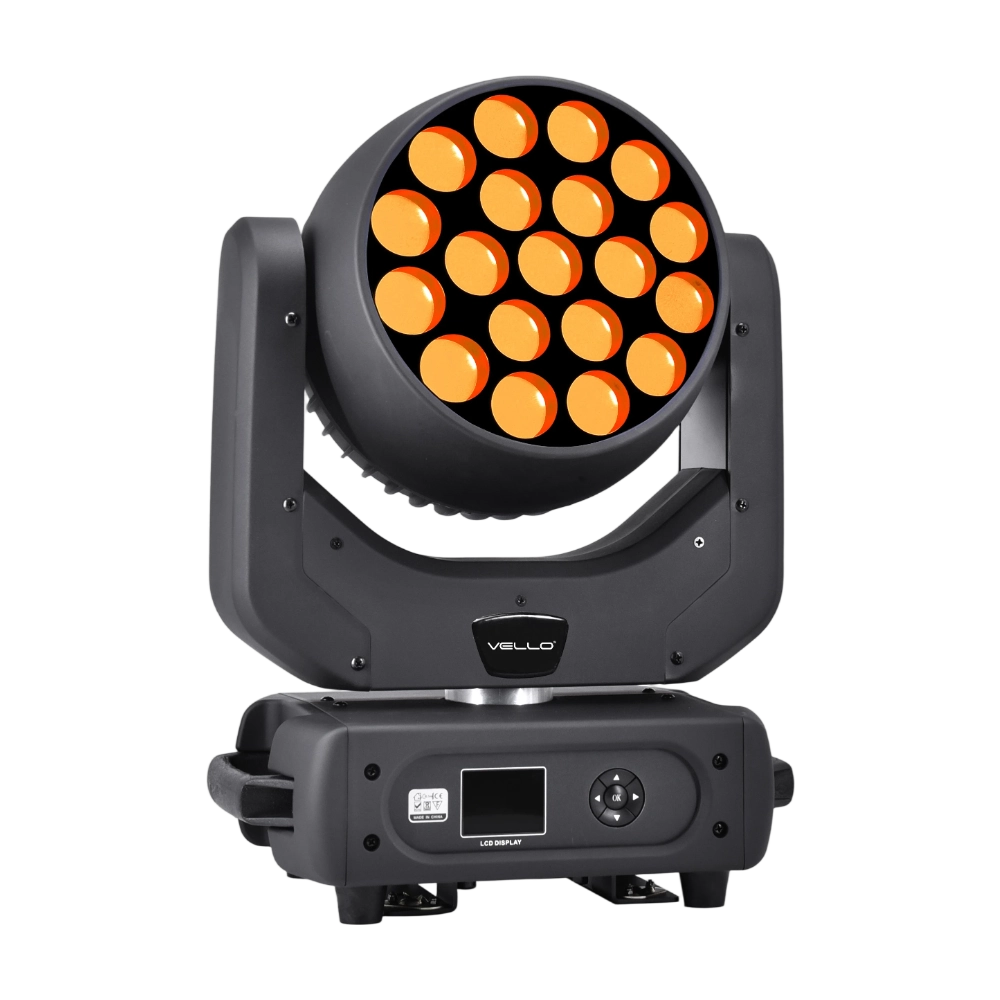
Major categories
What is the usual lead time?
Standard models are typically shipped within 7–15 working days after payment. Customized items may vary.
Do you offer samples?
Samples are available for certain models. Please confirm with our sales team for details.
Do your products support customization?
Yes. We offer OEM and ODM services tailored to project needs, including design, optics, and control compatibility.
What is the warranty period for your products?
Most products come with a standard 1–2 year warranty. Please refer to product details or contract terms for specifics.
Do you ship internationally?
Yes. We offer sea, air, and express delivery to many countries and regions worldwide.
You may also like
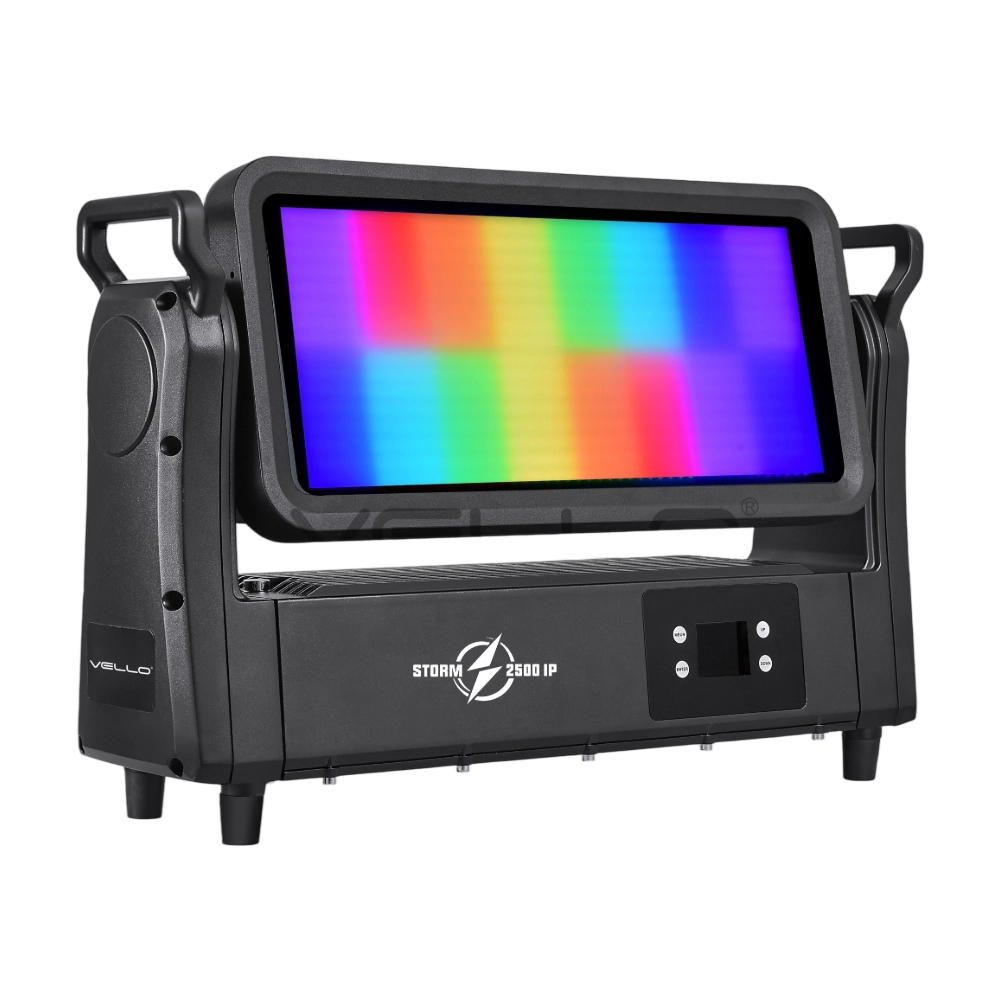
Storm 2500IP is a powerful 800W outdoor-rated LED strobe and wash fixture, equipped with 768 pieces of 5050 RGB LEDs and 144 pieces of 2W cool white LEDs for vibrant effects and precise pixel control. With IP65 protection, a wide 220° tilt, a strong RGBW strobe, DMX-controlled frost, an electronic frost function, and smart glass technology, it delivers both intense and soft lighting for any environment. Designed with silent, flicker-free performance and flexible DMX control, Storm 2500IP is built for large-scale shows, tours, and outdoor events.
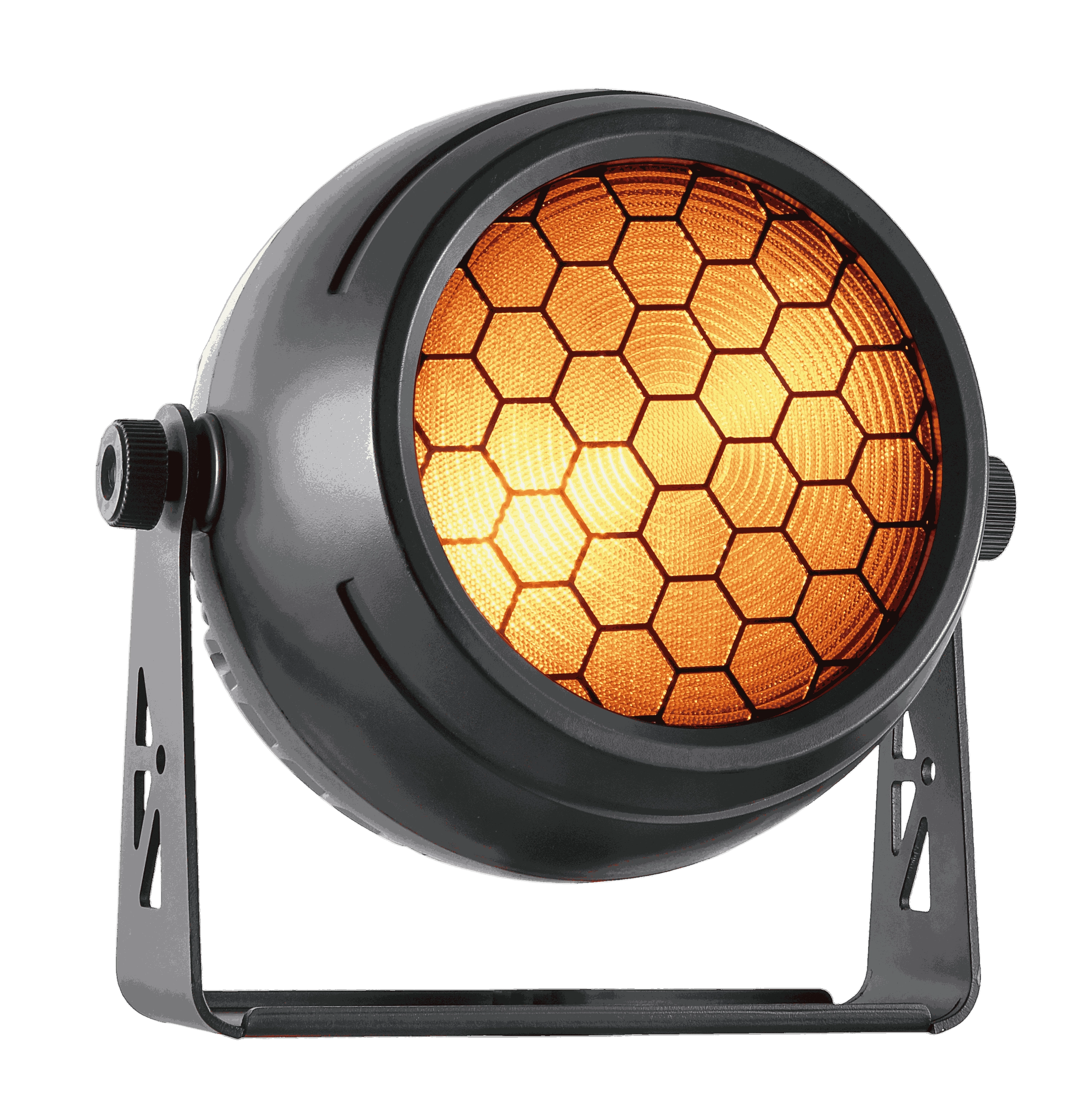
Golden Eyes 250IP is a 300W outdoor-rated blinder and effect fixture, featuring a 250W COB LED as the main light source and 16 pieces of 3W RGB LEDs as secondary effects. With IP65 protection, selectable CCT (1800K / 3200K / 5600K), a strong strobe, and a retro-style background glow, it delivers both a powerful punch and creative atmospheres. Silent, flicker-free operation, multiple DMX modes, and robust housing make the Golden Eyes 250IP ideal for concerts, festivals, and outdoor productions.
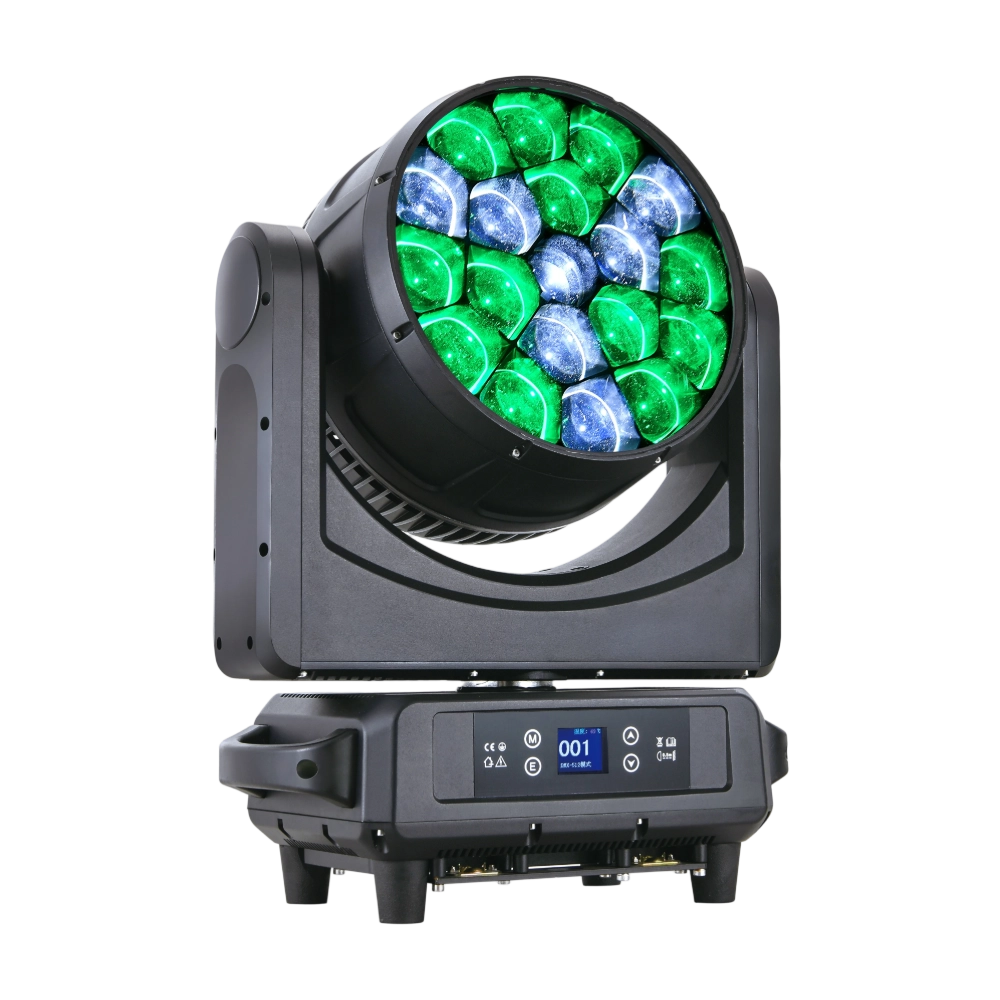
The LED Bee Eyes K19 IP is a 750W IP65-rated moving head wash, powered by 19 × 40W Osram RGBW LEDs for stunning brightness and vibrant colors. With a 4°–45° electronic zoom, wide CTO range (2700K–8000K), and a rotating lens wheel for dynamic visual effects, it delivers both powerful beams and smooth washes. Each LED can be controlled individually, enabling advanced pixel mapping and creative effects. Featuring 540° pan / 270° tilt, multiple DMX channel modes, and robust die-cast aluminum housing with excellent heat dissipation, the K19 IP is built for high-output performance in demanding outdoor and indoor productions.
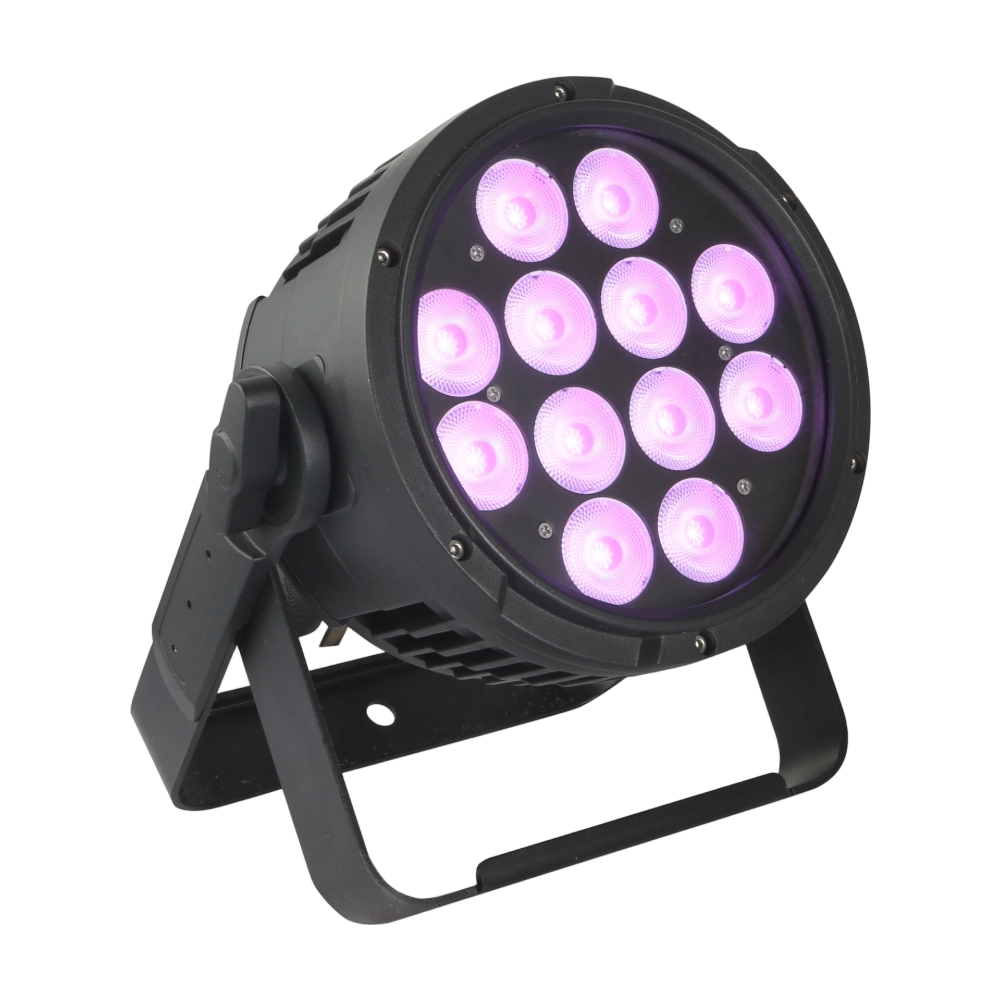
The LED Mac Par 12 is a durable 120W RGBW par light, featuring 12 × 10W 4-in-1 LEDs. With a 25°/40° lens option and smooth 0–100% dimming, it produces vibrant color mixing with silent, low-noise performance. Designed with IP65 protection, it is suitable for both indoor and outdoor use. Compact and powerful, this unit is ideal for architectural lighting, stages, and events.
◌ Let Us Support Your Project
Request a Custom Quote and Technical Support
Fill out the form below, and our sales team will contact you shortly with product details, pricing, and customer service options.
Rest assured that your privacy is important to us, and all information provided will be handled with the utmost confidentiality.
By clicking "Send your message," I agree to your processing my personal data.
To see how to withdraw your consent, how to control your personal data, and how we process it, please see our Privacy Policy and Terms of Use.
Over 20 Years of Innovation in Stage & Studio Lighting
© 2026 VELLO. All Rights Reserved. 粤ICP备20023734号
Join our socials
VELLO
Whatsapp: +8613902276704
Vello Lighting
VelloLights