





How do you choose the right LED light for a small stage?
- What are the essential LED fixture types for a small stage?
- How much light output (lumens/lux) is truly needed for a small stage?
- Why are Color Temperature and CRI critical for small stage aesthetics?
- What control protocols offer the best flexibility and future-proofing for small stages?
- What are the true power efficiency and cost-saving advantages of LED for small stages?
- What durability and lifespan metrics should inform your procurement decision?
- Balancing Budget vs. Quality: Understanding Total Cost of Ownership (TCO)
- VELLO: Illuminating the Future of Small Stage Performance
- Data Reference Sources:
For procurement professionals tasked with equipping small stages, the transition to LED lighting represents both a significant opportunity and a complex challenge. The sheer variety of LED fixtures, coupled with evolving technical standards, demands a data-driven approach to ensure investments yield optimal performance, energy efficiency, and longevity. This guide distills the essential considerations for selecting the right LED lighting solutions, empowering you to make informed decisions that illuminate performances and optimize budgets.
What are the essential LED fixture types for a small stage?
A versatile small stage setup typically benefits from a combination of LED fixture types:
- LED PAR Cans (Wash Lights): These are workhorses, providing broad washes of color or white light. Essential for general stage illumination, color ambiance, and backlighting. Modern LED PARs often feature RGBW or RGBAWUV mixing for a vast spectrum of colors.
- LED Spot/Profile Fixtures: Crucial for highlighting specific performers, props, or areas with a controlled, shaped beam. Profiles offer adjustable beam sizes, gobos for projection, and sharp focus. For small stages, compact LED spots with a wattage equivalent of 150-300W traditional lamps are often sufficient (Lighting Industry Association, 2022).
- LED Bar/Strip Lights: Ideal for cyclorama lighting, wall washes, or adding dynamic edge lighting. Their linear form factor allows for seamless color blending across surfaces.
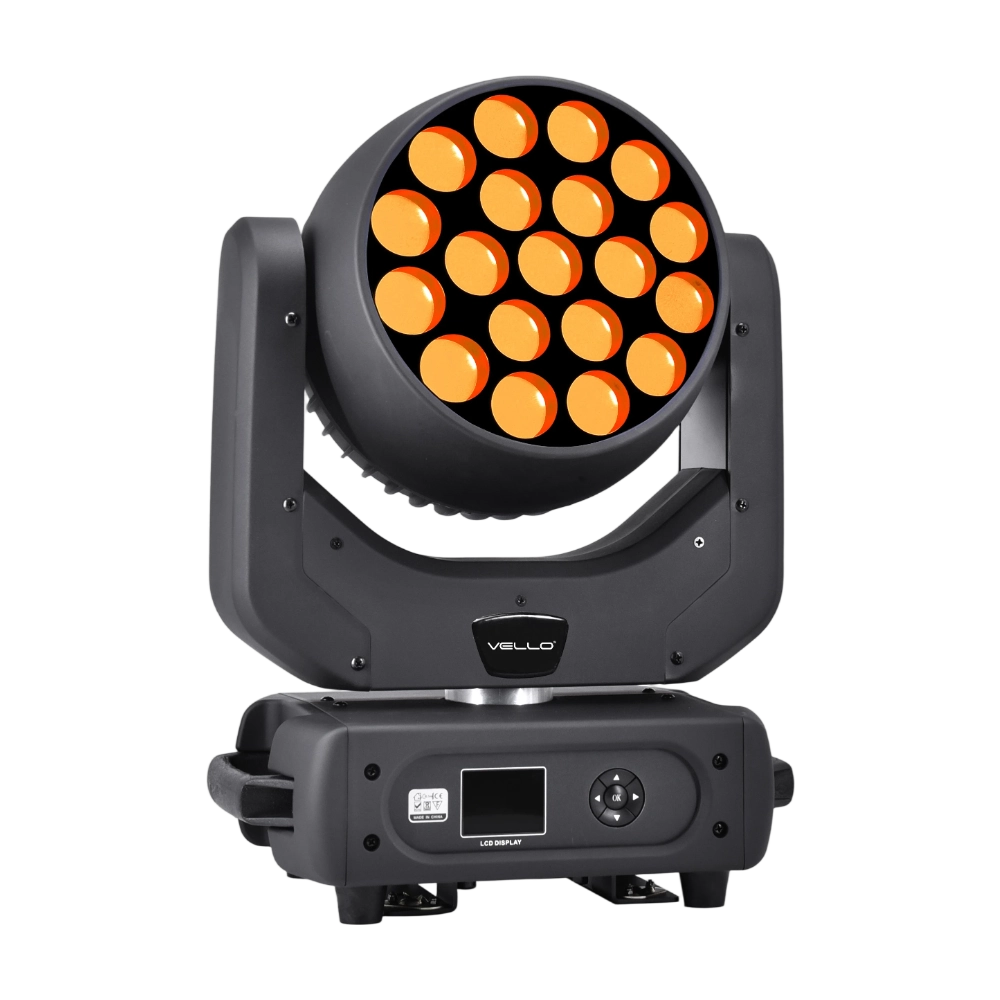
- LED Moving Heads: While traditionally reserved for larger venues, compact LED moving wash or spot fixtures are increasingly viable for small stages, offering dynamic beam movement and versatility without consuming significant space.
How much light output (lumens/lux) is truly needed for a small stage?
The required light output varies based on stage dimensions, ceiling height, and desired illuminance. For typical small stages (e.g., 10x15 feet to 20x30 feet), target illuminance levels often range from 300 to 1000 lux at stage level, depending on the performance type (Illuminating Engineering Society, 2021).
- Wash Lights: An LED wash fixture with 3,000 to 6,000 lumens output can provide excellent coverage and color saturation for general stage lighting, often drawing only 100-200W of power. For comparison, this replaces a traditional 500W-1000W incandescent fixture.
- Spot/Profile Fixtures: For effective highlighting and projection, LED profile fixtures with a native output of 5,000 to 12,000 lumens are generally robust, translating to sharp beams over typical small stage throw distances (5-15 meters).
- Key Data Point: When comparing fixtures, look beyond wattage to actual lumen output and candela (for beam intensity), and consider the beam angle. A narrower beam angle will concentrate light more effectively over distance.
Why are Color Temperature and CRI critical for small stage aesthetics?
- Color Temperature (CCT): Measured in Kelvin (K), CCT dictates the warmth or coolness of white light.
- Warm White (2700K-3200K): Creates an inviting, theatrical, or cozy atmosphere.
- Neutral White (3500K-4500K): Often used for general stage work or where a balanced look is desired.
- Cool White (5000K-6500K): Ideal for bright, energetic scenes or specific effects.
- Color Rendering Index (CRI): A measure (0-100) of how accurately a light source renders the colors of objects compared to a natural light source.
- CRI 80+: Considered good for general performance and architectural lighting.
- CRI 90+: Essential for theatrical productions, live broadcasts, or any application where accurate skin tones and costume colors are paramount (US Department of Energy, 2023). Higher CRI ensures that costumes appear as intended and performers’ complexions look natural under various lighting conditions, enhancing the audience experience and potential for video recording.
What control protocols offer the best flexibility and future-proofing for small stages?
Choosing the right control protocol impacts system scalability, ease of programming, and future compatibility.
- DMX512: The industry standard for decades, DMX512 remains foundational. It's robust, widely supported, and suitable for controlling up to 512 parameters (channels) per universe via a daisy-chained XLR cable network. Most small stage setups can operate effectively with 1-2 DMX universes.
- RDM (Remote Device Management): An enhancement to DMX512, RDM allows for bidirectional communication over the same DMX cable. This enables remote addressing, status monitoring, and configuration of fixtures without physical access, significantly streamlining setup and maintenance for small stages where fixtures might be hard to reach (PLASA, 2022).
- DMX over Ethernet (Art-Net, sACN): Increasingly popular, these protocols transmit DMX data over standard Ethernet networks. They offer significant advantages for scalability and reduced cabling, allowing hundreds of DMX universes to be controlled simultaneously. While potentially overkill for very small stages initially, implementing an Ethernet backbone provides excellent future-proofing for expansion and integration with advanced lighting consoles or media servers. Adoption of DMX over Ethernet is growing rapidly, with major manufacturers integrating support directly into fixtures and controllers (Industry Market Research, Q3 2023).
What are the true power efficiency and cost-saving advantages of LED for small stages?
LED lighting offers substantial operational and environmental benefits compared to traditional incandescent or discharge lamps.
- Energy Efficiency: LEDs convert a much higher percentage of electricity into light, generating less heat. A typical 100W LED wash fixture can replace a 500W-1000W incandescent fixture, resulting in an energy saving of 80-90% for comparable output (US Department of Energy, 2022). For a small stage running multiple fixtures, this translates to significant reductions in electricity bills.
- Reduced HVAC Load: Lower heat generation from LEDs means less strain on air conditioning systems, further decreasing energy consumption and operating costs, particularly in enclosed small venues.
- Lower Maintenance: LEDs have significantly longer lifespans. Traditional lamps might last 500-2,000 hours, requiring frequent replacement. Quality LED fixtures boast L70 lifespans of 30,000 to 50,000 hours, meaning their light output will still be 70% of its initial value after this period (Illuminating Engineering Society, 2022). This drastically cuts down on replacement lamp costs and the labor associated with changing them, which is especially valuable for venues with limited technical staff or hard-to-reach fixtures.
- Power Factor Correction (PFC): Many professional LED fixtures include active PFC, ensuring they draw power efficiently from the mains, reducing reactive power and improving overall power quality, which can lead to lower utility costs and more stable electrical systems.
What durability and lifespan metrics should inform your procurement decision?
Understanding durability and lifespan metrics is crucial for maximizing investment and minimizing downtime.
- IP Rating (Ingress Protection): Indicates a fixture's resistance to dust and moisture.
- IP20: Standard for most indoor, dry environments. Sufficient for typical small indoor stages.
- IP65/IP67: Essential for outdoor stages or environments prone to dust and moisture. While less common for dedicated indoor small stages, understanding this rating is critical if the fixtures might be used in versatile settings (Lighting Industry Association, 2022).
- Lifespan (L70/B50): The most common metric, L70 refers to the point at which an LED's light output degrades to 70% of its initial lumen output. B50 indicates that 50% of the LEDs in a batch will still meet the L70 threshold at that time. A typical specification of L70 B50 at 50,000 hours means that, on average, half of the fixtures will maintain at least 70% of their original brightness for 50,000 operating hours. This far surpasses the life of traditional lamps.
- Thermal Management: Effective heat dissipation is key to LED longevity. Look for fixtures with robust heat sinks or active cooling systems, as excessive heat is the primary cause of premature LED degradation.
- Build Quality: Assess the chassis material (e.g., aluminum, robust plastics), connector types (e.g., Neutrik PowerCon, 5-pin DMX XLR), and overall construction for robustness against typical handling and transport stresses.
Balancing Budget vs. Quality: Understanding Total Cost of Ownership (TCO)
Procurement decisions often hinge on initial purchase price, but for LED stage lighting, a holistic view of Total Cost of Ownership (TCO) is paramount.
- Initial Investment: LED fixtures typically have a higher upfront cost than their traditional counterparts. However, this initial outlay must be weighed against long-term savings.
- Operating Costs: As discussed, LEDs dramatically reduce electricity consumption (80-90% savings) and maintenance costs (due to extended lifespan, cutting lamp replacement and labor). These operational savings quickly offset the higher purchase price. Industry analysis suggests that over a typical 5-year operational period, the TCO of high-quality LED fixtures can be 30-50% lower than traditional lighting systems (Industry Market Research, Q3 2023).
- Performance & Reliability: Investing in higher-quality fixtures often means better optical performance (even light distribution, sharper beams), superior color rendering (CRI 90+), more reliable control electronics, and robust thermal management. These factors translate to a better audience experience, fewer technical issues during performances, and longer fixture life. Cheaper, low-quality LEDs may suffer from rapid light degradation, inconsistent color, and premature failure, leading to higher hidden costs in repairs and replacements, undermining the perceived initial saving.
- Future-Proofing: Quality fixtures with modern control protocols (RDM, Art-Net) and software upgradability offer better long-term value, adapting to evolving stage requirements and technologies.
VELLO: Illuminating the Future of Small Stage Performance
At VELLO, we understand the nuanced demands of small stage environments. Our cutting-edge LED lighting solutions are engineered to transcend industry standards, integrating advanced optics with AI-driven intelligence to deliver unparalleled performance and efficiency. VELLO fixtures boast industry-leading CRI 95+ for true-to-life color rendition, dynamic CCT tuning from 2000K to 8000K, and L70 B50 lifespans exceeding 60,000 hours, ensuring exceptional longevity and reduced TCO. Our AI-powered control systems learn stage environments to optimize light distribution and energy use, while offering seamless integration with DMX, RDM, Art-Net, and sACN. With VELLO, procurement professionals invest in robust, future-proof technology designed for artistic brilliance and operational savings, making every small stage shine brighter, smarter, and longer.
Data Reference Sources:
- Lighting Industry Association (LIA) - Standards & Practices (Date: 2022-2023)
- Illuminating Engineering Society (IES) - Recommended Practices (Date: 2021-2023)
- US Department of Energy (DOE) - LED Lighting Facts & Energy Efficiency Reports (Date: 2022-2023)
- PLASA (Professional Lighting and Sound Association) - Technical Standards (Date: 2022-2023)
- Industry Market Research Reports (e.g., for LED Lighting Market trends and TCO analysis) (Date: Q3 2023)
Major categories
Do you ship internationally?
Yes. We offer sea, air, and express delivery to many countries and regions worldwide.
What is the warranty period for your products?
Most products come with a standard 1–2 year warranty. Please refer to product details or contract terms for specifics.
Do you offer samples?
Samples are available for certain models. Please confirm with our sales team for details.
What is the usual lead time?
Standard models are typically shipped within 7–15 working days after payment. Customized items may vary.
Do your products support customization?
Yes. We offer OEM and ODM services tailored to project needs, including design, optics, and control compatibility.
You may also like
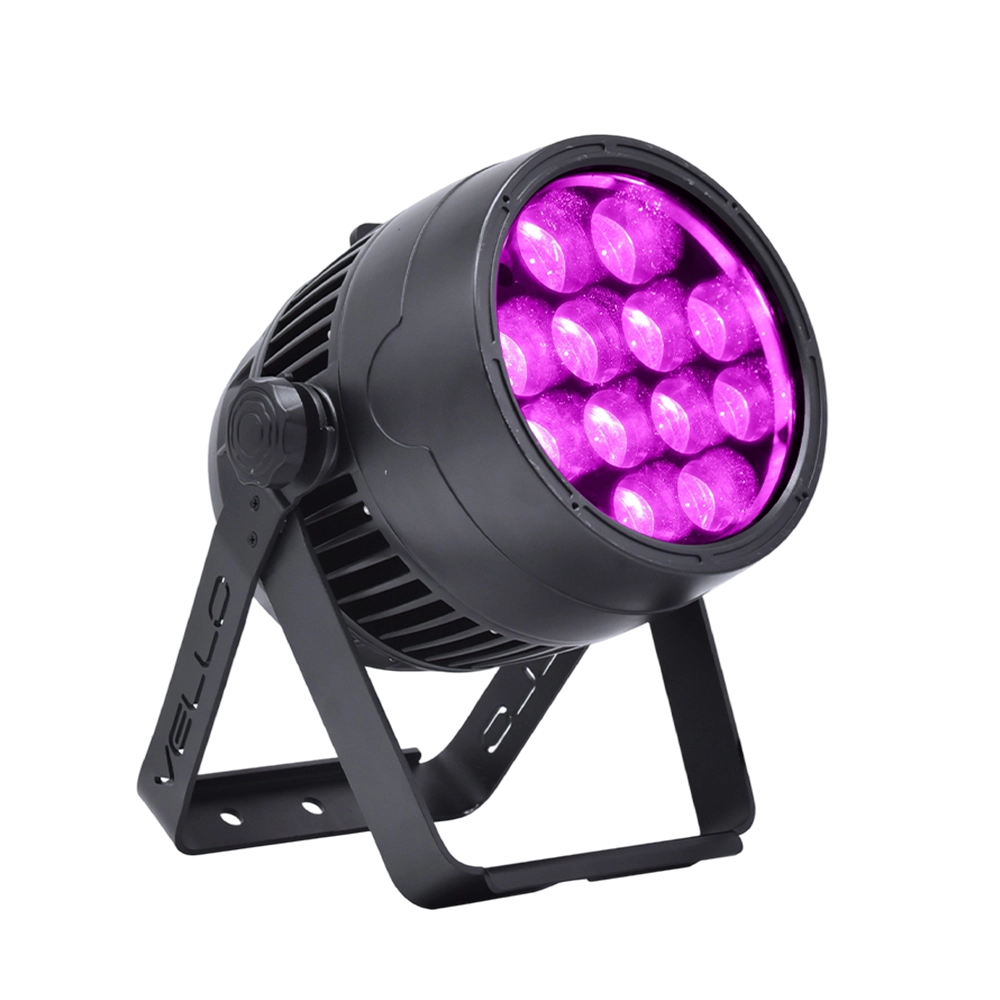
The Vello Zoom Par 40 IP is a powerful outdoor LED wash light equipped with 12x high-power 7-in-1 RGBACL LEDs. Designed for durability and rich color rendering, it features a wide motorized zoom (6°–50°), smooth dimming, and adjustable CTO presets (3200K–7500K), with 90+ CRI. With an IP66-rated die-cast aluminum body, it’s ideal for both indoor and outdoor applications, including stage lighting, architecture, live events, and installations.
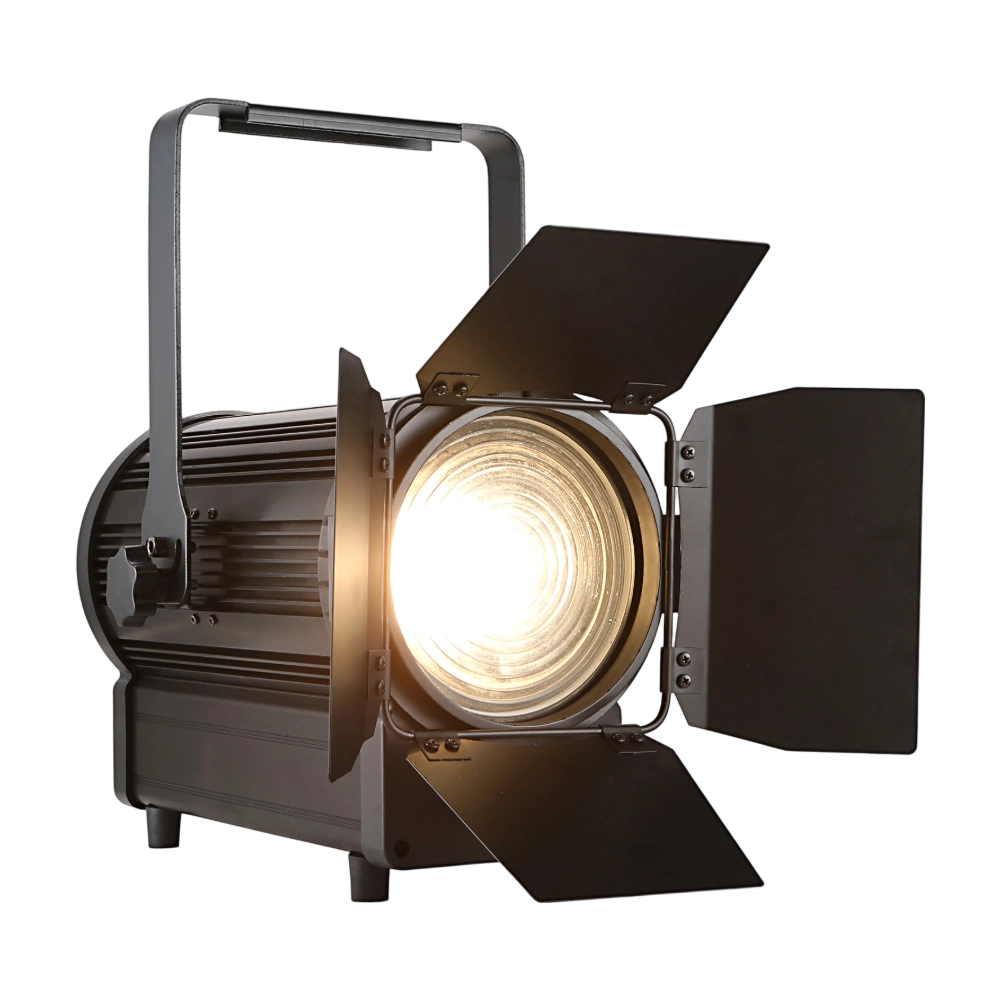
The TH250 Fresnel CTO is a compact yet powerful 250W LED Fresnel fixture. Equipped with dual 125W WW/CW lamps, it offers CTO adjustment (3000K–6000K) and CRI ≥97 for true-to-life color rendering. The 15°–50° zoom and electronic dimming make it versatile for stage and studio use. With flicker-free output, silent operation, and DMX/manual zoom, the TH250 is an ideal energy-efficient alternative to conventional Fresnels.
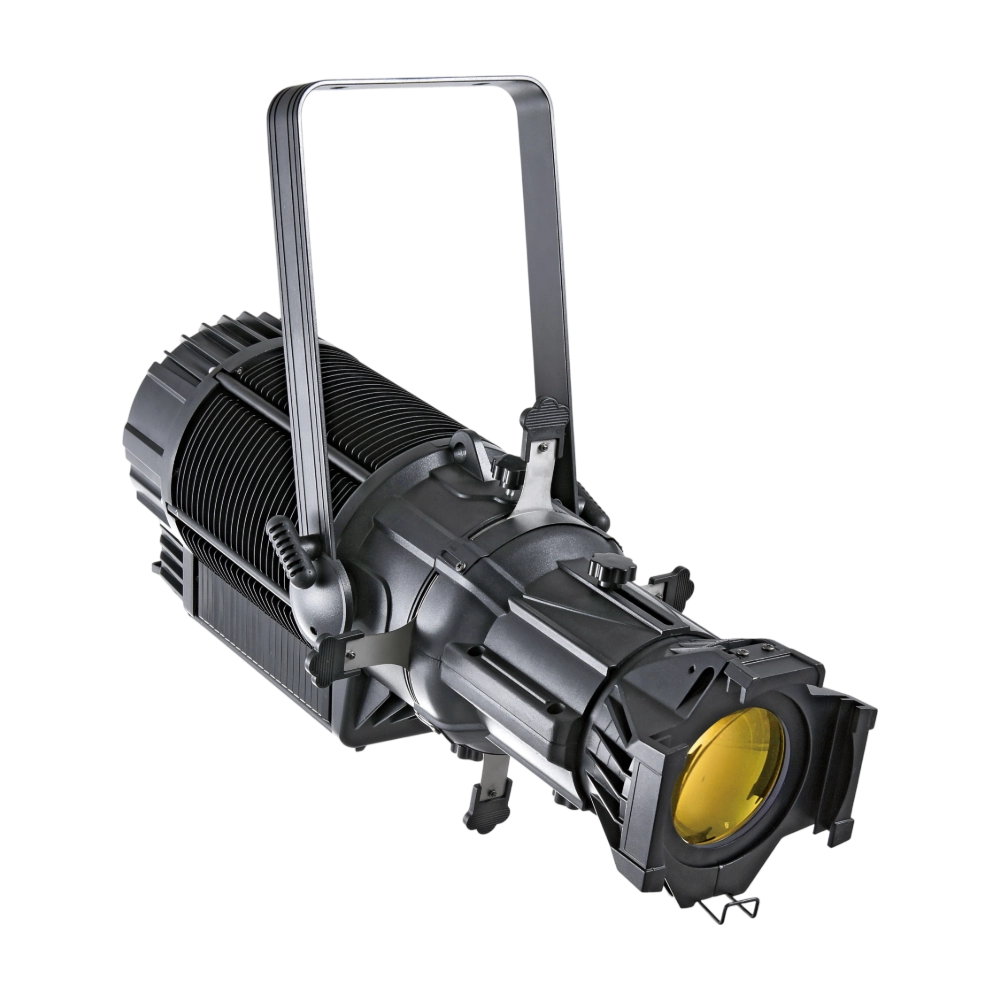
The LED Profile 300IP CTO is a 300W high-power profile light with outstanding brightness and precision. Equipped with a 300W LED source, it delivers a long lifetime of 20,000 hours and adjustable CCT from 3200K to 5600K. With multiple lens options (19°/25°/36°) and CRI ≥97, it ensures high color rendering for professional stage, studio, and theater applications. IP65-rated for indoor and outdoor use, it features smooth 0–100% dimming, flicker-free performance, and versatile DMX control for reliable operation in demanding environments.
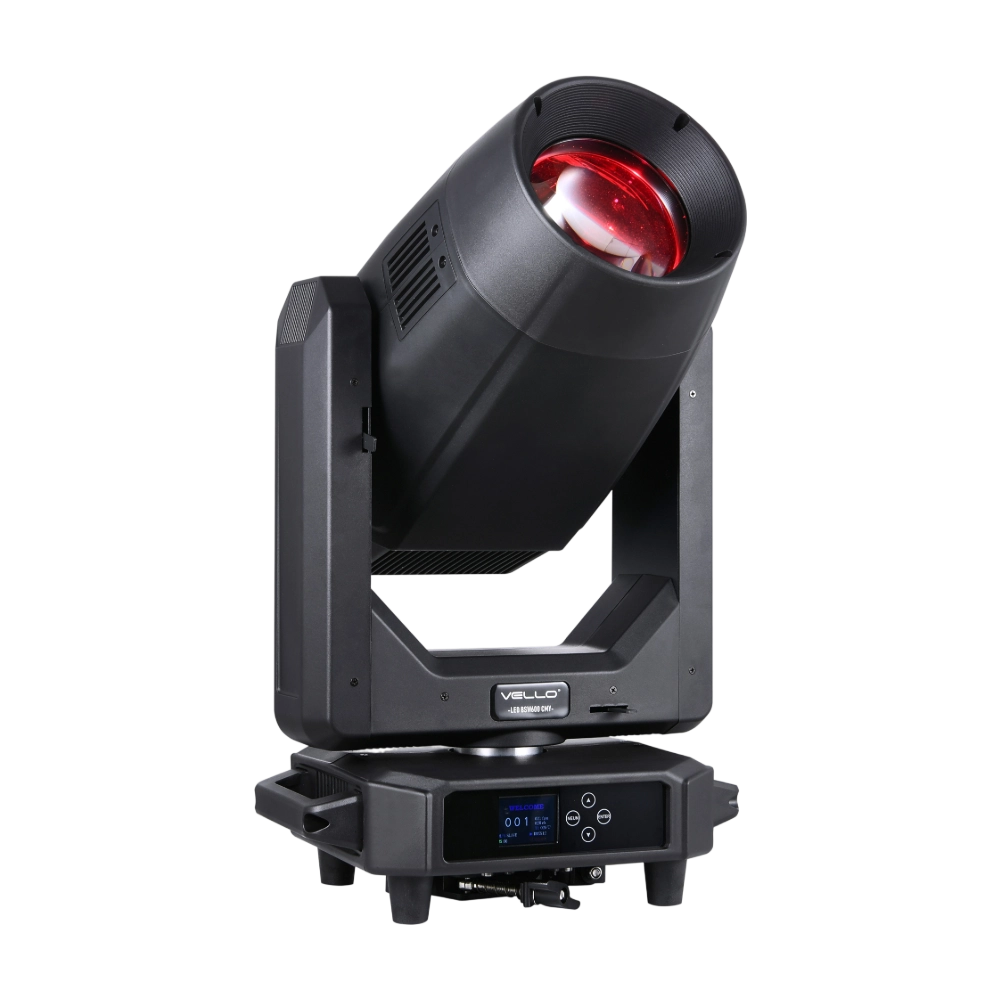
BSW600 is a 650W professional 3-in-1 moving head that combines beam, spot, and wash functions in a single fixture. Powered by a 550W Apotronics white LED engine, it delivers clear, pure colors and strong output with a wide 4°–42° zoom range. The fixture features 3 CMY wheels, 9 static metal gobos, 7 rotating gobos, and a 3-facet circular prism for dynamic effects. With 540° pan / 270° tilt, 16-bit precision movement, linear dimming, and automatic position correction, the BSW600 offers versatility and reliability. Compact yet powerful, it is ideal for concerts, theaters, and large-scale events where flexibility and high performance are essential.
◌ Let Us Support Your Project
Request a Custom Quote and Technical Support
Fill out the form below, and our sales team will contact you shortly with product details, pricing, and customer service options.
Rest assured that your privacy is important to us, and all information provided will be handled with the utmost confidentiality.
By clicking "Send your message," I agree to your processing my personal data.
To see how to withdraw your consent, how to control your personal data, and how we process it, please see our Privacy Policy and Terms of Use.
Over 20 Years of Innovation in Stage & Studio Lighting
© 2026 VELLO. All Rights Reserved. 粤ICP备20023734号
Join our socials
VELLO
Whatsapp: +8613902276704
Vello Lighting
VelloLights