





How to Create a Professional Light Show with LED Stage Lights: A Step-by-Step Blueprint (2026 Guide)
- Key Takeaways: The Professional Lighting Cheat Sheet
- What is a Professional LED Stage Light Show?
- Phase 1: Selecting the Right Arsenal (Hardware)
- Phase 2: The Art of Lighting Design & Placement
- Phase 3: Mastering Control (DMX Explained)
- Phase 4: Programming Your Show (The Step-by-Step Blueprint)
- Expert Tips & Common Mistakes to Avoid
- Future Trends: Stage Lighting in 2026 and Beyond
- Conclusion
- FAQ
Key Takeaways: The Professional Lighting Cheat Sheet
- Four Pillars: Success relies on balancing Gear, Control, Design, and Programming.
- Control Modes: DMX offers precision, whereas Standalone/Sound Active is for casual use.
- Design Philosophy: Modern 2026 aesthetics favor the "Less is More" rule to prevent visual fatigue.
What is a Professional LED Stage Light Show?
A professional light show is a synchronized visual performance that utilizes LED fixtures controlled via DMX protocols to strictly align visual cues with audio elements. Unlike basic sound-active modes, these shows rely on intentional programming to evoke specific emotional responses from the audience.
To achieve this, lighting designers must move beyond random flashing. A true show incorporates color psychology, dynamic movement, and layered effects. Whether you are running a concert or a corporate event, the goal is to guide the audience's eye and amplify the energy of the performance through structured stage lighting design techniques.
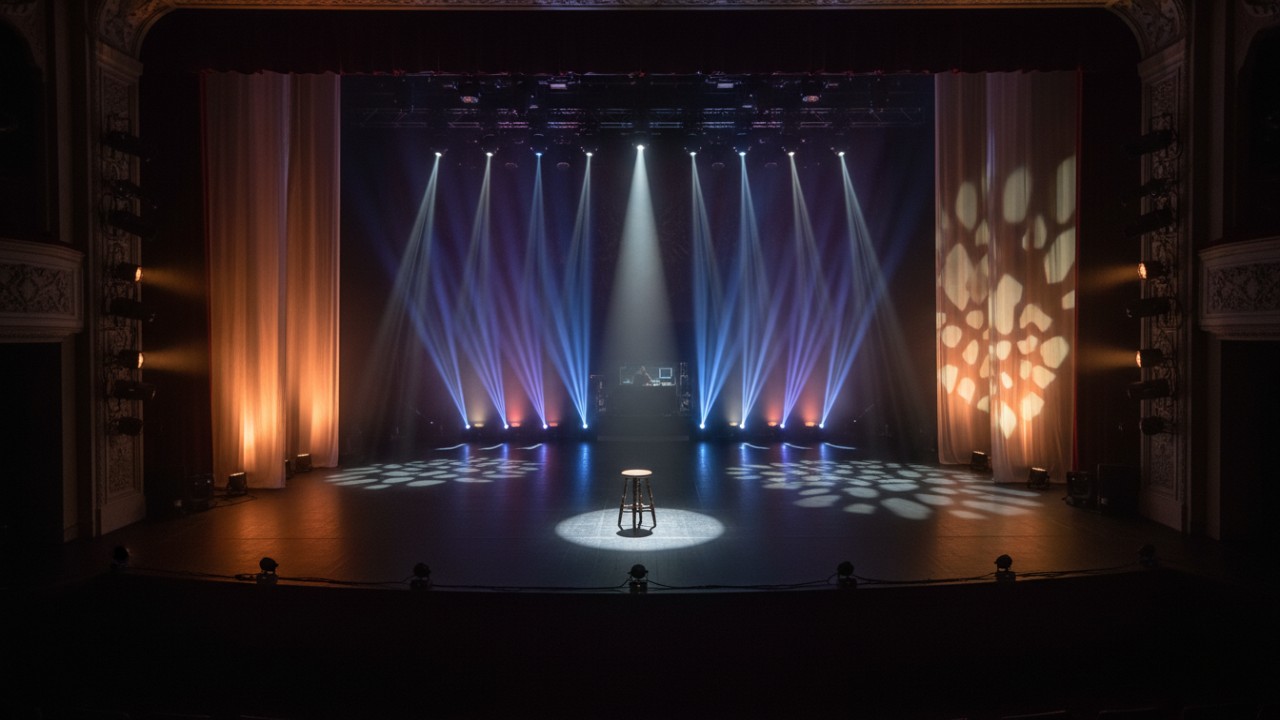
Phase 1: Selecting the Right Arsenal (Hardware)
Selecting the right lighting hardware requires balancing wash fixtures for coverage with spot or beam fixtures for aerial effects and focal points. A robust rig typically combines static lights for base layers and automated lights for energy.
When building your inventory, understanding LED par vs moving head differences is vital.
- Wash Lights (PARs): Essential for bathing the stage in color. Vello Light Co., Ltd. specializes in high-durability LED wash lights that provide the deep saturation needed for mood setting.
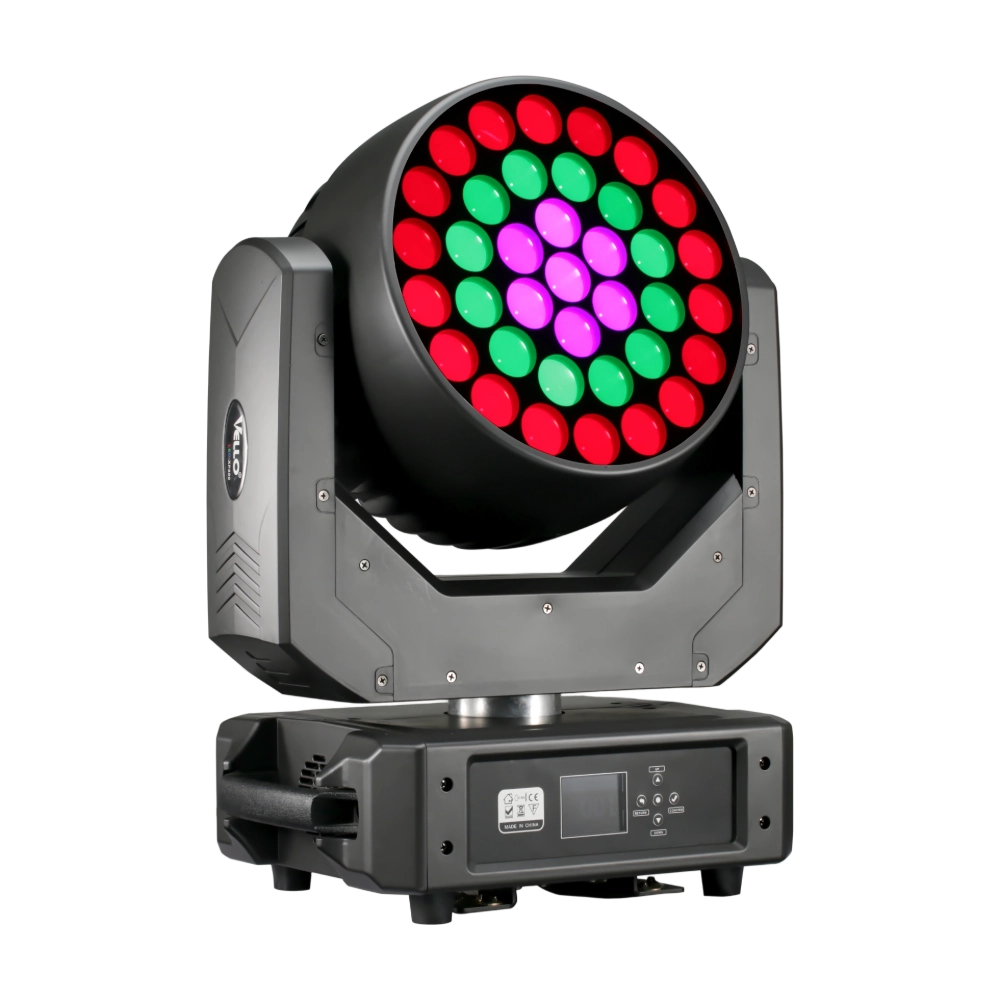
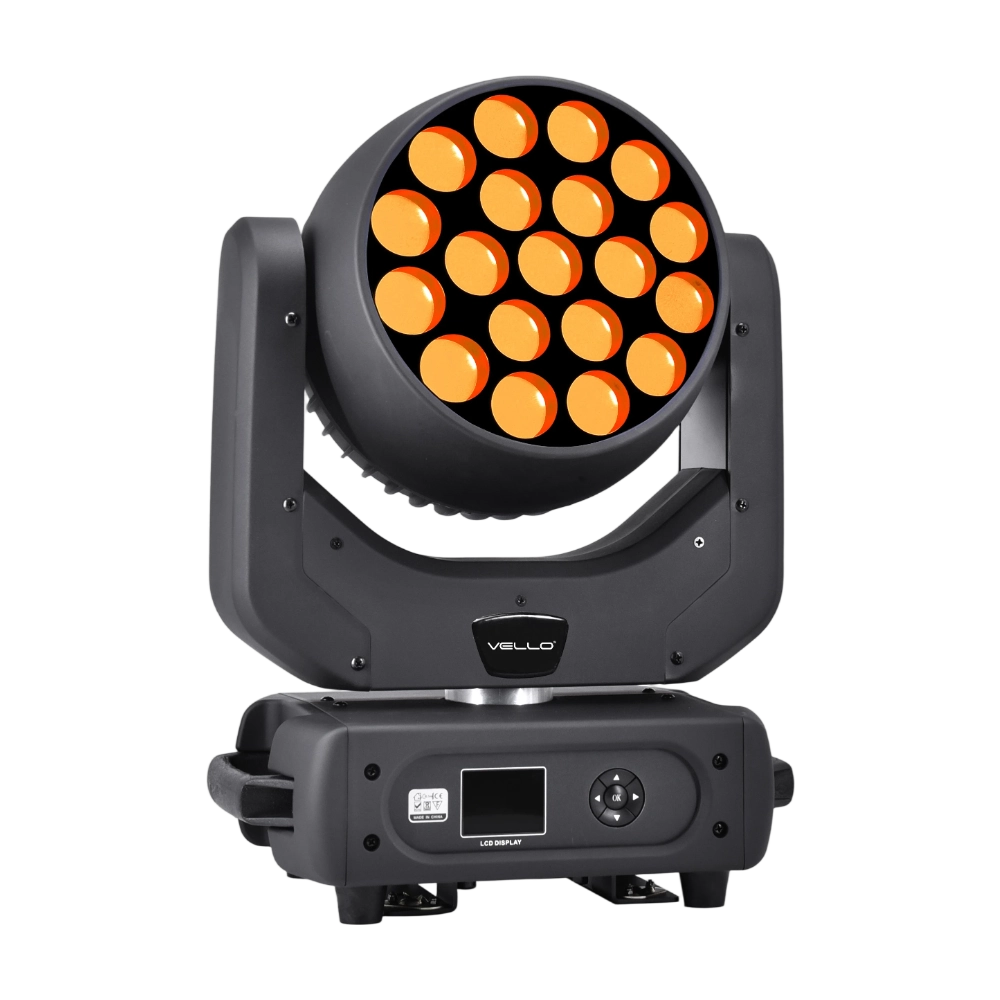
- Moving Heads: These fixtures pan and tilt to create movement. Vello’s moving head stage lights are designed for precision, allowing for sharp beams and dynamic gobo effects.
- Ellipsoidals (Lekos): Critical for lighting specific performers or podiums without spilling light everywhere.
- Bar/Batten Fixtures: Used for pixel mapping and uplighting walls or risers.
Phase 2: The Art of Lighting Design & Placement
Effective lighting placement ensures visibility and dimensionality by positioning fixtures at calculated angles to sculpt the subject rather than flattening it. This often involves a mix of front, side, and backlighting to separate the performer from the background.
One of the most enduring standards in the industry is the McCandless Method, which suggests using two front lights at 45-degree angles—one warm and one cool—to create natural visibility. You can read more about this foundational technique on Wikipedia.
- 3-Point Lighting: Utilizes Key light (primary visibility), Fill light (shadow reduction), and Backlight (separation/halo effect).
- Color Theory: Use Amber/Red for warmth and energy, or Blue/Purple for mystery and depth.
- Depth Creation: Place fixtures on trusses at different heights rather than a single flat line.
- Gap Analysis: Tailor your lighting plot creation to the specific venue type, whether it’s a dark club or a bright worship hall.
Phase 3: Mastering Control (DMX Explained)
Mastering control means understanding the digital language that allows your console to communicate with every individual fixture in your rig simultaneously. This communication happens through the DMX512 programming basics protocol, which assigns unique numerical addresses to lights.
DMX512 (Digital Multiplex) is the industry standard for entertainment lighting networks. It allows up to 512 channels of control per "Universe." For a deeper technical dive, you can reference the protocol details on Wikipedia.
- Addressing: Each fixture needs a unique starting address (e.g., Fixture 1 @ 001, Fixture 2 @ 017).
- Universes: A single DMX line carries 512 channels. Large shows may require multiple universes.
- Daisy Chaining: Connect lights in a series using DMX cables (Output of Light A to Input of Light B).
- Terminators: Essential for long cable runs to prevent signal reflection (ghosting).
Phase 4: Programming Your Show (The Step-by-Step Blueprint)
Programming a show involves translating your creative vision into digital cues by saving specific parameters—like color, position, and intensity—into the lighting console's memory. This process turns static hardware into a fluid performance.
Follow this gig lighting setup tutorial workflow to program efficiently:
- Patching: Tell your console exactly what lights are connected (e.g., "Vello Moving Head Profile 2026 mode").
- Scene Creation: Build "Looks" or "Scenes." Start with a base look (drummer lit, stage blue) and save it.
- Chases & FX: Create sequences where lights change color or position over time. Use sine waves for smooth movement or square waves for snappy changes.
- Layering: Add strobe, prism, or gobo effects on top of your base scenes for climax moments.
- Time-Coding: For top-tier shows, sync your lighting cues to the audio track using SMPTE timecode for millisecond precision.
Expert Tips & Common Mistakes to Avoid
Optimizing a light show requires constant vigilance regarding power management and visual pacing to ensure safety and audience comfort. Novice designers often neglect the electrical limitations of their venue.
- Mistake - Over-Strobing: Flashing lights too aggressively can fatigue the audience. Use strobes sparingly for impact.
- Tip - Safety Channels: Always program a "Safety" scene (full white front wash) and a "Blackout" scene accessible on a dedicated button.
- Mistake - Power Overload: LED chains draw significant power. Calculate your amps (Watts / Voltage) to avoid tripping breakers.
- Tip - Terminator Caps: Always plug a DMX terminator into the output of the last fixture in your chain to maintain signal integrity.
Future Trends: Stage Lighting in 2026 and Beyond
The future of stage lighting is trending toward autonomous systems and sustainable energy, reducing the manual workload for technicians while increasing creative possibilities. Vello Light Co., Ltd. is actively integrating these 2026 standards into our R&D processes.
- Wireless Ecosystems: Battery-powered, wireless DMX systems are becoming standard for mobile gigs, eliminating cable clutter.
- AI Integration: Real-time audio analysis where AI listens to stems (drums, vocals) and triggers synchronized lighting effects automatically.
- Eco-Efficiency: New LED emitters are reducing power consumption by an additional 40% without sacrificing brightness.
- IP65 Ratings: Waterproof gear is becoming lighter and more affordable, making outdoor festivals easier to equip.
Conclusion
Creating a professional light show is a blend of artistic vision and technical discipline, requiring mastery of DMX protocols, hardware selection, and design theory. By starting with a solid foundation—understanding your gear and programming logic—you can scale from simple setups to complex stadium tours. Contact us today to optimize your stage lighting strategy with Vello's professional solutions.
FAQ
What is the difference between DMX and Sound Active mode?
DMX offers precise, programmable control over color, movement, and timing, allowing for synchronized shows. In contrast, Sound Active mode relies on a built-in microphone to flash lights to the beat randomly, which lacks the intentionality of a professional show.
How many LED PAR lights do I need for a 4-piece band?
A standard starting point is 8 PAR lights: 4 for front wash to light the musicians' faces and 4 for back wash to add color and depth. You can add 2 moving heads for dynamic effects if your budget allows.
Can I mix different brands of LED stage lights?
Yes, as long as they all support the standard DMX512 protocol. However, you will need the specific "DMX Chart" or "Profile" for each different fixture type to program them correctly in your console.
Do LED stage lights require a dimmer pack?
No, modern LED fixtures have internal dimmers controlled via DMX. Plugging an LED fixture into a traditional dimmer pack can damage the electronics; they should be connected to constant power (relays or non-dimmed circuits).
How do I calculate the power draw for my LED lights?
Check the wattage rating on each fixture (e.g., 100W). Sum the total wattage of all fixtures and divide by your voltage (110V or 230V) to get the Amps. Ensure this total does not exceed your breaker limit, which is usually 15A or 20A.
What cables do I need for a professional light show?
You need DMX cables (3-pin or 5-pin XLR) for the data signal and PowerCON or IEC cables for power. Avoid using standard microphone cables for DMX data, as they have different impedance levels that can cause signal errors.
Is wireless DMX reliable for professional events?
Modern systems like W-DMX are very reliable for weddings and corporate events. However, for critical large-scale concerts or environments with heavy RF interference, cabled connections are still preferred to guarantee signal stability.
What is the best software for controlling LED lights?
For beginners, Chauvet ShowXpress or ADJ myDMX are excellent starting points. Professionals often prefer MA Lighting (GrandMA), Obsidian Onyx, or Avolites. Mobile DJs often find SoundSwitch useful for seamless music integration.
Major categories
What is the warranty period for your products?
Most products come with a standard 1–2 year warranty. Please refer to product details or contract terms for specifics.
Do you offer samples?
Samples are available for certain models. Please confirm with our sales team for details.
Do your products support customization?
Yes. We offer OEM and ODM services tailored to project needs, including design, optics, and control compatibility.
Do you ship internationally?
Yes. We offer sea, air, and express delivery to many countries and regions worldwide.
What is the usual lead time?
Standard models are typically shipped within 7–15 working days after payment. Customized items may vary.
You may also like
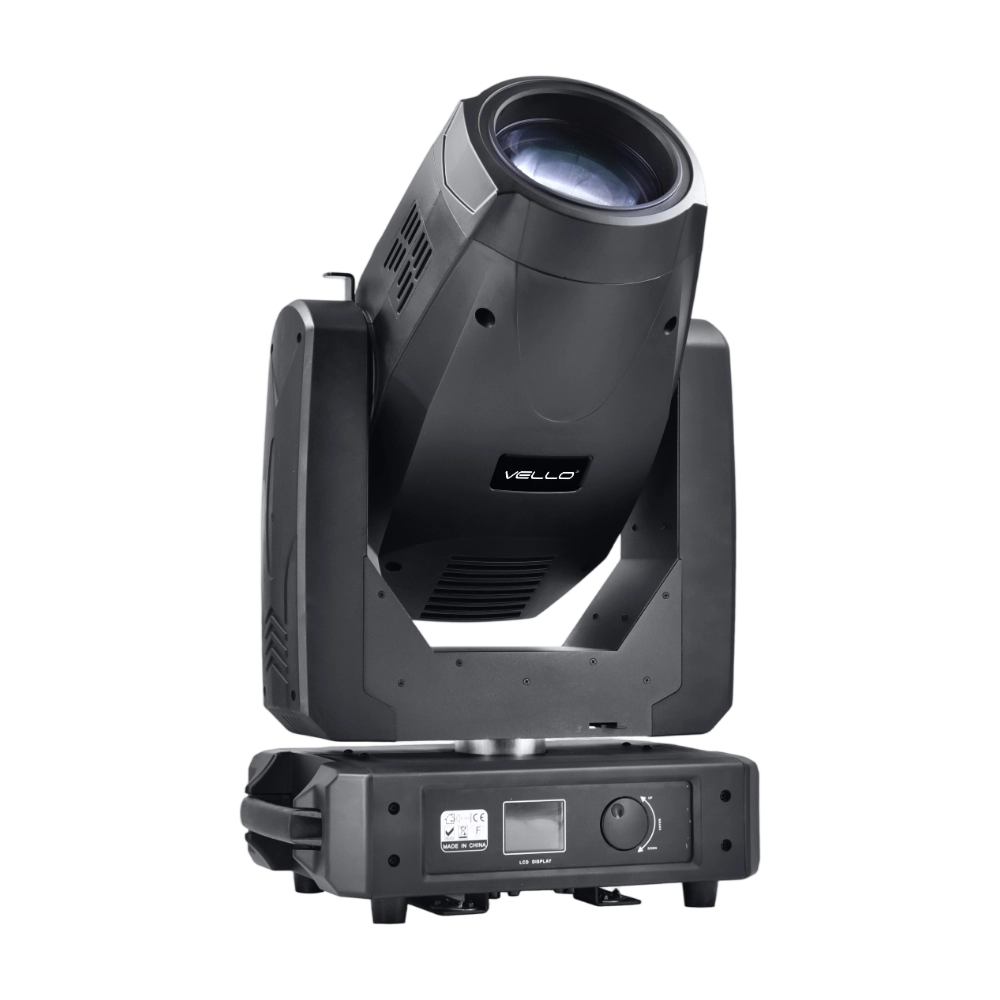
The BSW450 is a high-performance moving head fixture equipped with an original Osram 420W bulb, delivering exceptional brightness, precision, and versatility. Designed for professional stage applications, it seamlessly combines beam, spot, and wash functions in one compact unit, making it a powerful all-in-one lighting solution.
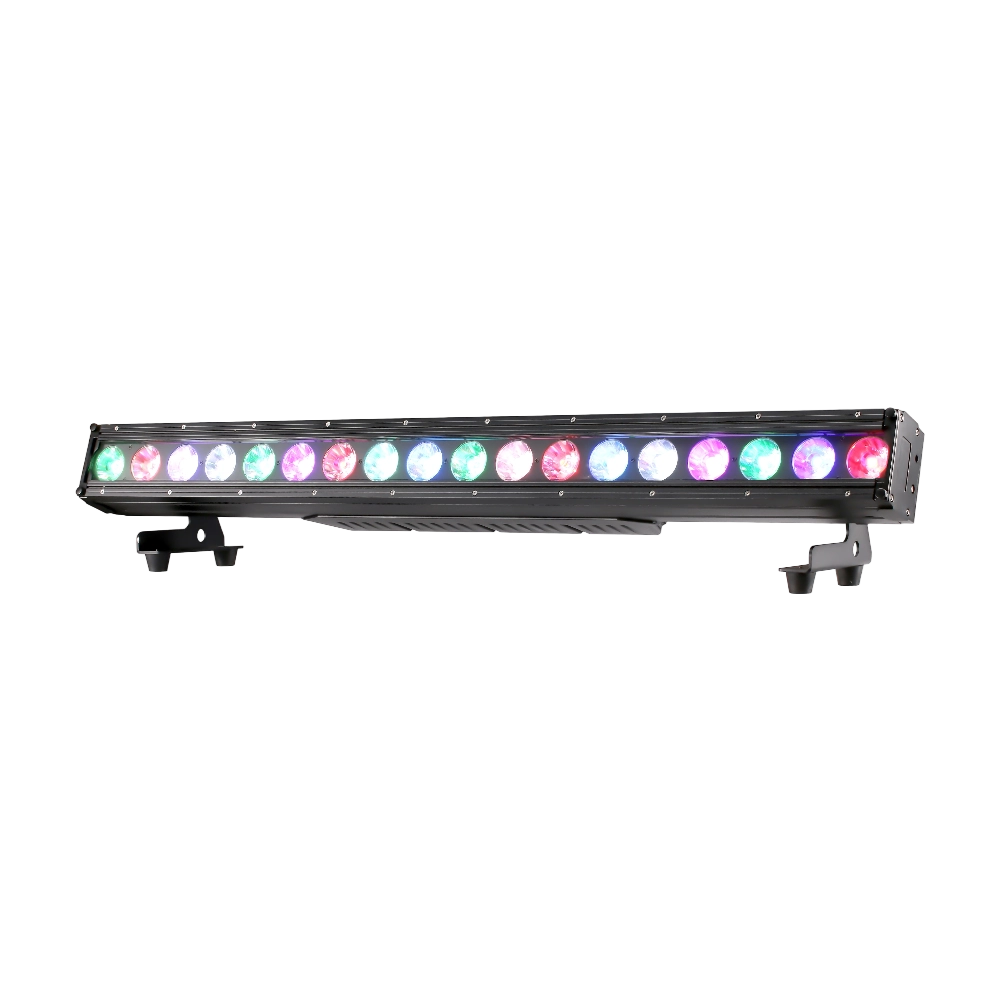
The LED Magic Bar 1841 Pixel is a high-performance 200W LED bar featuring 18 × 10W RGBW LEDs with individual pixel control. Offering lens angles of 6°/15°/25°/45°, seamless edge-to-edge splicing, and vivid RGBW color mixing, it is ideal for stage effects, pixel mapping, and architectural applications. With IP65 protection, flicker-free dimming, and DMX/RDM control, it ensures long-term reliability indoors or outdoors.
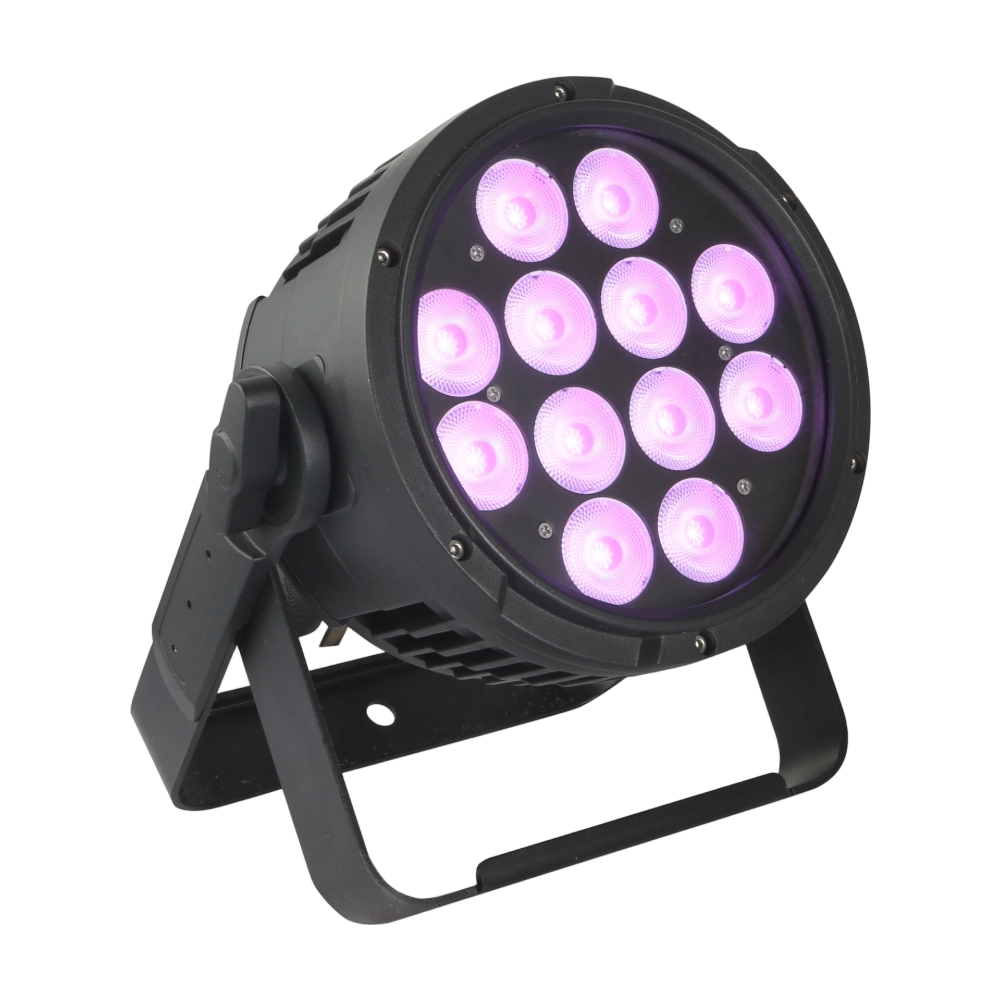
The LED Mac Par 12 is a durable 120W RGBW par light, featuring 12 × 10W 4-in-1 LEDs. With a 25°/40° lens option and smooth 0–100% dimming, it produces vibrant color mixing with silent, low-noise performance. Designed with IP65 protection, it is suitable for both indoor and outdoor use. Compact and powerful, this unit is ideal for architectural lighting, stages, and events.
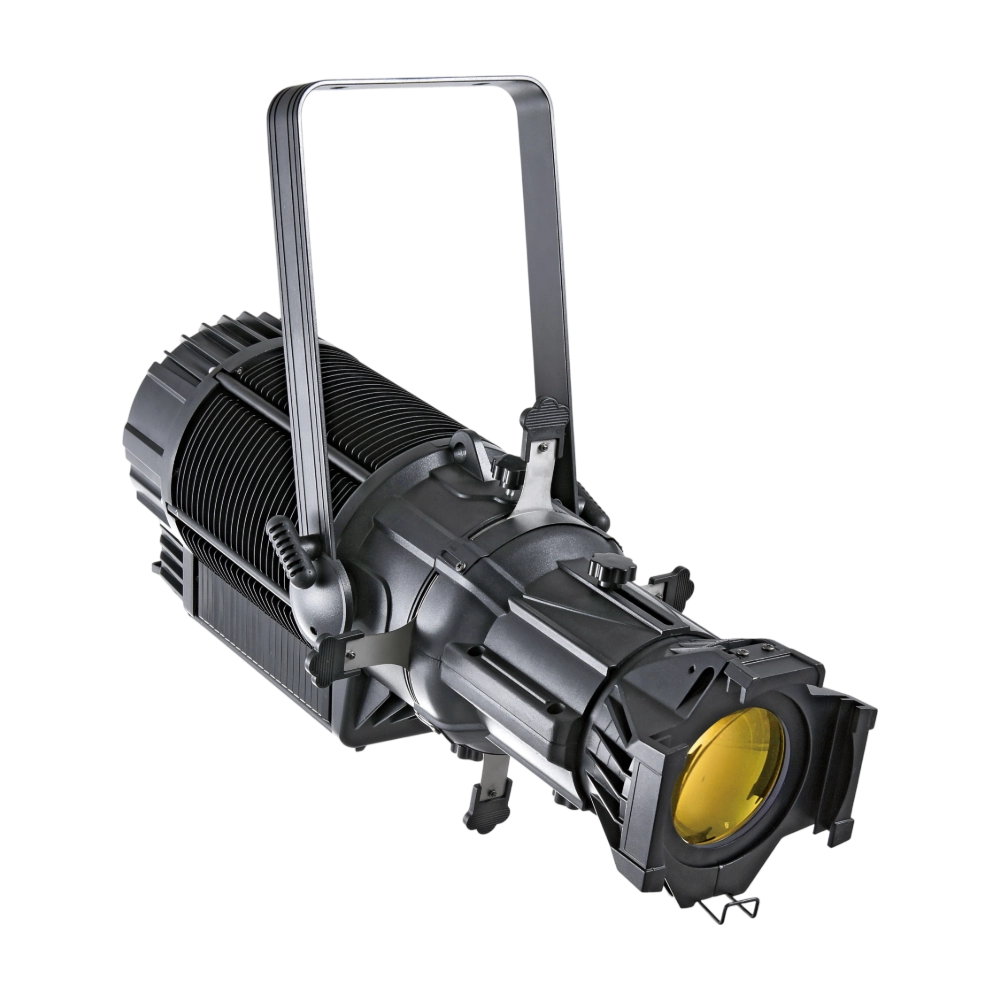
The LED Profile 300IP CTO is a 300W high-power profile light with outstanding brightness and precision. Equipped with a 300W LED source, it delivers a long lifetime of 20,000 hours and adjustable CCT from 3200K to 5600K. With multiple lens options (19°/25°/36°) and CRI ≥97, it ensures high color rendering for professional stage, studio, and theater applications. IP65-rated for indoor and outdoor use, it features smooth 0–100% dimming, flicker-free performance, and versatile DMX control for reliable operation in demanding environments.
◌ Let Us Support Your Project
Request a Custom Quote and Technical Support
Fill out the form below, and our sales team will contact you shortly with product details, pricing, and customer service options.
Rest assured that your privacy is important to us, and all information provided will be handled with the utmost confidentiality.
By clicking "Send your message," I agree to your processing my personal data.
To see how to withdraw your consent, how to control your personal data, and how we process it, please see our Privacy Policy and Terms of Use.
Over 20 Years of Innovation in Stage & Studio Lighting
© 2026 VELLO. All Rights Reserved. 粤ICP备20023734号
Join our socials
VELLO
Whatsapp: +8613902276704
Vello Lighting
VelloLights