





LED Stage Lights Buying Guide for Event Production Companies
- Understanding the role of lighting in event production
- Lighting objectives: visibility, mood, and audience experience
- Why LEDs dominate modern productions
- Standards and interoperability (DMX, sACN)
- How to choose LED fixtures for different event types
- Concerts and touring productions
- Theatre and studio lighting
- Corporate events and installations
- Technical specifications: what matters and how to read them
- Lumens vs lux and beam angle
- Color rendering (CRI/TLCI) and color mixing
- Power, thermal management, and lifespan
- Comparing fixture types and procurement trade-offs
- Key fixture categories
- Cost of ownership: purchase price vs lifecycle cost
- Comparison tables
- LED vs legacy lamp types: quick technical comparison
- Procurement checklist and supplier selection
- Essential questions to ask suppliers
- Testing and on-site validation
- Vendor reliability and after-sales support
- Why choose Vello Light — supplier profile and strengths
- Company overview
- Product range and technical capabilities
- Competitive differentiators
- Practical buying scenarios and budget planning
- Small-scale corporate events (budget-conscious)
- Large concerts and festivals (high-output demands)
- Fixed installations (long-term ROI)
- FAQ — Common questions from event production companies
- 1. How many lumens do I need for stage front light?
- 2. Is high CRI/TLCI necessary for concert lighting?
- 3. How do I avoid LED flicker on camera?
- 4. What maintenance should I expect for LED fixtures?
- 5. Are IP-rated LEDs necessary for outdoor events?
- 6. How many DMX channels do I need per fixture?
- Contact & next steps
This LED stage lights buying guide is written for event production companies seeking dependable, energy-efficient, and creative lighting solutions. It explains the most important considerations when choosing stage lights led for concerts, corporate events, theatre, and outdoor festivals, covers technical specifications you must evaluate, compares fixture types, and offers a practical procurement checklist to reduce risk and lifecycle costs. Recommendations are backed by industry standards and authoritative sources to help you make verifiable decisions.
Understanding the role of lighting in event production
Lighting objectives: visibility, mood, and audience experience
LED stage lighting must achieve three primary objectives: ensure performers are clearly visible, shape the emotional tone of the event, and guide audience attention. Whether you choose LED wash lights for even color washes, LED moving head fixtures for dynamic focus and beam effects, or LED par lights for economical uplighting, match the fixture type to the production’s creative and functional needs.
Why LEDs dominate modern productions
Compared with older discharge and tungsten sources, stage lights led reduce power consumption, generate less heat, and provide faster color control without gels. The U.S. Department of Energy documents broad efficiency and longevity gains for LED lighting (energy.gov/led-lighting). For touring and rental companies, reduced lamp replacement and lower dimmer load translate into real cost savings.
Standards and interoperability (DMX, sACN)
Control compatibility is vital. DMX512 remains the most used protocol for controlling stage lights led; newer networks use Art-Net and sACN for Ethernet-based transmission. The DMX512 standard ensures fixtures interoperate with consoles and routers—read more at the DMX Wikipedia entry (en.wikipedia.org/DMX512).
How to choose LED fixtures for different event types
Concerts and touring productions
Concerts require high-output moving head stage lights led that produce narrow beam angles for aerial effects and strong punch for front lighting. Look for fixtures with high lumen output, efficient optics, and reliable pan/tilt mechanics. Consider weight and flight-case compatibility for touring logistics.
Theatre and studio lighting
Theatre demands accurate color rendering and smooth dimming. Prioritize high CRI or TLCI ratings for studio lights and LED Fresnel or ellipsoidal fixtures designed for theatrical use. Smooth flicker-free dimming and extensive color temperature control (2,700K–6,500K) are often essential.
Corporate events and installations
Corporate shows often require flexible LED par lights, LED bar light, and LED wash lights that are easy to rig and quick to program. For fixed installs, consider IP-rated outdoor stage lighting for reliability and long-term energy savings.
Technical specifications: what matters and how to read them
Lumens vs lux and beam angle
Lumen output measures total light emitted by a fixture, while lux measures illuminance at a surface. Beam angle determines coverage: narrow beams (5°–15°) for aerial effects, medium (15°–45°) for key lighting, and wide (>45°) for washes. Always request photometric files (IES files) from manufacturers to model on-site lux levels accurately; the Illuminating Engineering Society provides guidelines (ies.org).
Color rendering (CRI/TLCI) and color mixing
Color accuracy is measured by CRI or the broadcast-focused TLCI. For theatrical and broadcast use, aim for CRI > 90 or TLCI > 90 to ensure natural skin tones. LED fixtures use additive color mixing (RGB, RGBA, RGBW, or multi-LED arrays) — more channels usually mean better color fidelity and smoother pastels.
Power, thermal management, and lifespan
LED fixtures are defined by efficacy (lumens per watt), driver quality, and thermal design. Overheating reduces LED life and causes color shift. Validate manufacturer-rated L70 (hours until 70% lumen maintenance) and look for quality drivers with active thermal regulation. The DOE summarizes key LED longevity factors (energy.gov/led-lighting).
Comparing fixture types and procurement trade-offs
Key fixture categories
Common stage lights led types include moving head spot, moving head wash, LED par cans, LED bar lights, LED Fresnels/studios, and LED effect lights. Each serves different roles: moving heads for dynamics and gobos, wash lights for even stage coverage, and par/bar for audience or architectural washes.
Cost of ownership: purchase price vs lifecycle cost
Initial price is only part of total cost. Consider power draw, maintenance (fan replacements, driver failures), firmware/update support, and warranty. Energy savings and lower lamp replacement mean LED fixtures often show lower total cost of ownership than HID or tungsten alternatives.
Comparison tables
Estimated technical comparison of common LED fixture types (typical values; verify with manufacturers for specific models):
| Fixture Type | Best For | Typical Lumen Range | Typical Beam Angle | Typical DMX Channels | Typical Price Range (USD) |
|---|---|---|---|---|---|
| Moving Head Spot | Concerts, aerial effects, gobos | 10,000–60,000 lm | 3°–40° (zoom) | 16–40+ | $1,500–$8,000 |
| Moving Head Wash | Large washes, color transitions | 5,000–30,000 lm | 14°–60° | 8–30 | $1,000–$4,500 |
| LED Par Light | Stage washes, uplighting | 1,000–10,000 lm | 25°–60° | 3–12 | $80–$800 |
| LED Bar Light | Color wash, blinders, cyclorama lighting | 500–8,000 lm | 10°–60° (diffused) | 4–20 | $150–$1,200 |
| Studio/LED Fresnel | Broadcast and theatre key lighting | 2,000–20,000 lm | 10°–80° (fresnel zoom) | 1–6 | $300–$2,000 |
Note: Numbers above are approximate; always request photometric data and IES files for precise planning.
LED vs legacy lamp types: quick technical comparison
| Metric | LED | HID / Tungsten |
|---|---|---|
| Energy Efficiency | High (80–150 lm/W+) | Lower (10–70 lm/W) |
| Lifetime | 25,000–50,000+ hours (L70) | 1,000–4,000 hours (tungsten/hid lamps) |
| Heat Output | Lower on stage but concentrated at heat sink | High radiant heat on stage |
| Dimming Quality | Depends on driver; modern LED drivers offer smooth dimming | Smooth via dimmers but color shifts on tungsten |
Procurement checklist and supplier selection
Essential questions to ask suppliers
- Can you provide IES photometric files, firmware update policy, and DMX channel documentation?
- What is the rated L70 lifespan and do you supply driver replacement parts?
- Are fixtures IP-rated for outdoor use and what is the warranty period and coverage?
Testing and on-site validation
Always request demo units and perform on-site testing to verify beam quality, color mixing, flicker-free performance for camera use, and thermal behavior under your rigging conditions. Use lux meters and camera tests to validate manufacturer claims.
Vendor reliability and after-sales support
Choose suppliers with proven R&D and manufacturing capabilities, clear quality control processes, and international distribution. Look for certifications and references from other event production companies. Manufacturer technical support for firmware updates and replacement parts shortens downtime in touring contexts.
Why choose Vello Light — supplier profile and strengths
Company overview
Vello Light Co., Ltd., established in 2003, is a comprehensive technology enterprise integrating R&D, manufacturing, and sales. Over the years, Vello has adhered to quality-first and sincere service principles. Supported by customers domestically and internationally, Vello has grown into a unique and outstanding team in the stage lighting industry.
Product range and technical capabilities
VELLO specializes in moving head stage lights, studio lights, led effect light, Led Bar Lights, Led Par Light, and outdoor stage lighting. Recent investment in R&D teams and production systems helps Vello deliver fixtures with competitive optics, reliable thermal management, and firmware support for DMX and network-based control systems. Their product portfolio addresses the needs of touring, theatre, broadcast, and fixed-install markets.
Competitive differentiators
Vello's strengths include: experienced R&D teams, integrated manufacturing control for consistent quality, comprehensive after-sales service (installation and maintenance), and a global customer base demonstrating export credibility. These capabilities reduce procurement risk and ensure quicker support during shows—important for event production companies relying on uptime.
Practical buying scenarios and budget planning
Small-scale corporate events (budget-conscious)
For small events, balance purchase cost and flexibility: LED par lights and LED bar lights with RGBW or RGBA mixing provide strong value. Prioritize easy rigging, wireless control options, and basic DMX compatibility for rental versatility.
Large concerts and festivals (high-output demands)
For tours and festivals, invest in high-output moving head spot and moving head wash units with robust pan/tilt mechanics and weatherproofing for outdoor use. Factor in flight-case logistics, spare parts, and a maintenance plan to maintain high availability across dates.
Fixed installations (long-term ROI)
For theatres and venues, prioritize fixtures with high CRI/TLCI, long warranties, and accessible service parts. Energy savings from LEDs and lower cooling requirements often pay back initial investments over the fixture lifetime.
FAQ — Common questions from event production companies
1. How many lumens do I need for stage front light?
Required lumens depend on venue size, throw distance, and camera use. As a rule of thumb, for front key lighting in small theatres aim for 3,000–8,000 lumens per fixture; larger venues and broadcast applications often require much higher output or multiple fixtures. Always model with IES files for accurate lux targets.
2. Is high CRI/TLCI necessary for concert lighting?
For live concerts, CRI is less critical than for theatre/broadcast. However, for camera-heavy productions and theatrical work, choose fixtures with CRI > 90 or TLCI > 90 to preserve skin tones and color fidelity.
3. How do I avoid LED flicker on camera?
Flicker stems from PWM drivers and incompatible camera shutter speeds. Specify fixtures with flicker-free drivers rated for high-speed cameras and test your lighting at the intended frame rates. Manufacturers can often provide test videos or camera-focused specifications.
4. What maintenance should I expect for LED fixtures?
Maintenance includes cleaning fans/heat sinks, updating firmware, checking connectors and lenses, and replacing failed drivers or LEDs. A scheduled preventive maintenance program reduces field failures and improves lifecycle costs.
5. Are IP-rated LEDs necessary for outdoor events?
Yes. For outdoor stage lighting, choose fixtures with appropriate IP ratings (IP65 or higher for exposed fixtures) to protect against rain and dust. Confirm seals, connector types, and conformal coatings for coastal or harsh environments.
6. How many DMX channels do I need per fixture?
Channel counts vary by feature set: simple RGB pars may use 3–12 channels; moving heads with color wheels, gobo, prism, frost, and FX can use 20–40+ channels. Use the manufacturer’s DMX map to plan console capacity and universes.
Contact & next steps
If you’re evaluating stage lights led for your next project, request photometric files, demo units, and a site mock-up. For product inquiries or to discuss tailored solutions, contact Vello Light Co., Ltd. — a proven manufacturer with full R&D, production, and after-sales service, specializing in moving head stage lights, studio lights, led effect light, Led Bar Lights, Led Par Light, and outdoor stage lighting. For catalog, quotes, or technical support, reach out to VELLO and arrange product trials to validate performance under real production conditions.
Want help selecting fixtures for a specific venue or tour? Contact Vello or request a consultation to receive customized photometric planning and a lifecycle cost estimate.
DMX Control for Stage LED Lights: Setup and Practical Tips
Moving Head Lights Buying Guide 2026
LED Moving Head Light Comparison: Beam vs Spot vs Wash
DMX, RDM and Control Protocols for Professional Stage Lights
Major categories
What is the warranty period for your products?
Most products come with a standard 1–2 year warranty. Please refer to product details or contract terms for specifics.
Do you ship internationally?
Yes. We offer sea, air, and express delivery to many countries and regions worldwide.
Do you offer samples?
Samples are available for certain models. Please confirm with our sales team for details.
What is the usual lead time?
Standard models are typically shipped within 7–15 working days after payment. Customized items may vary.
Do your products support customization?
Yes. We offer OEM and ODM services tailored to project needs, including design, optics, and control compatibility.
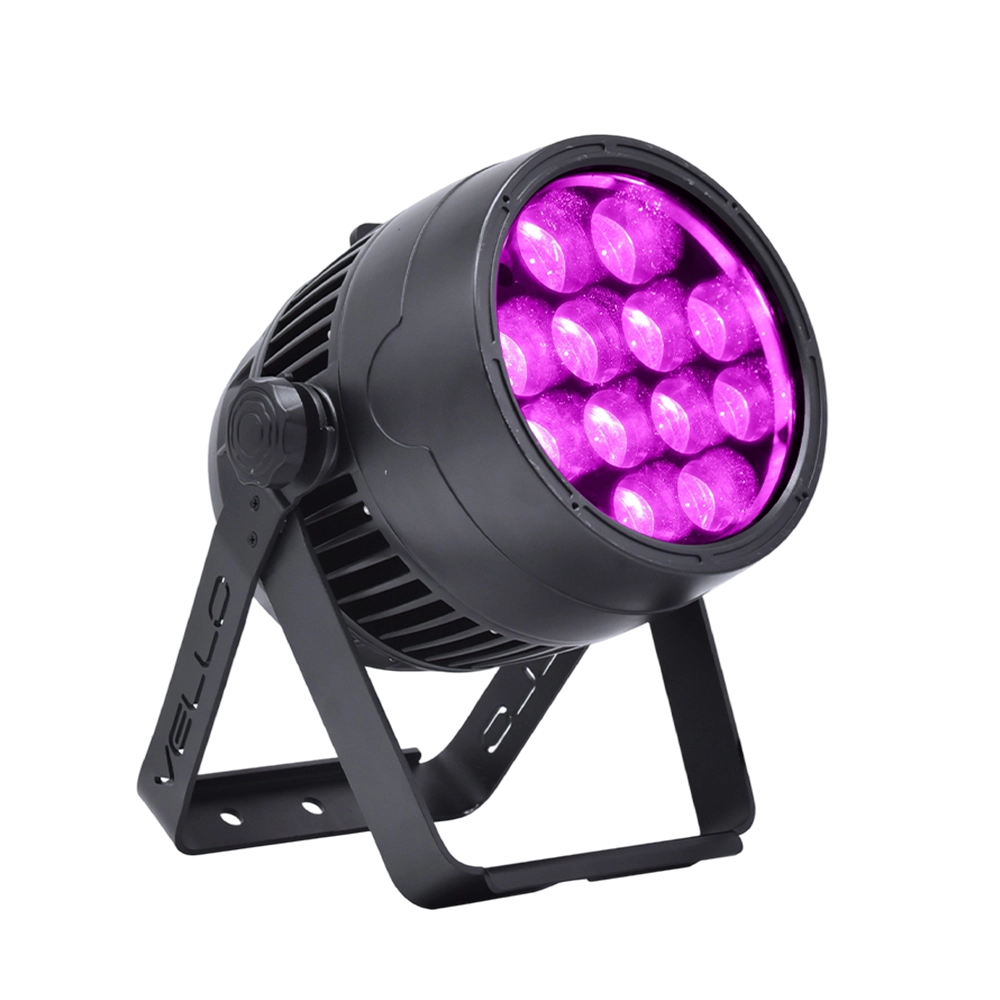
Stage LED Par Light LED ZOOMPAR 40
The Vello Zoom Par 40 IP is a powerful outdoor LED wash light equipped with 12x high-power 7-in-1 RGBACL LEDs. Designed for durability and rich color rendering, it features a wide motorized zoom (6°–50°), smooth dimming, and adjustable CTO presets (3200K–7500K), with 90+ CRI. With an IP66-rated die-cast aluminum body, it’s ideal for both indoor and outdoor applications, including stage lighting, architecture, live events, and installations.
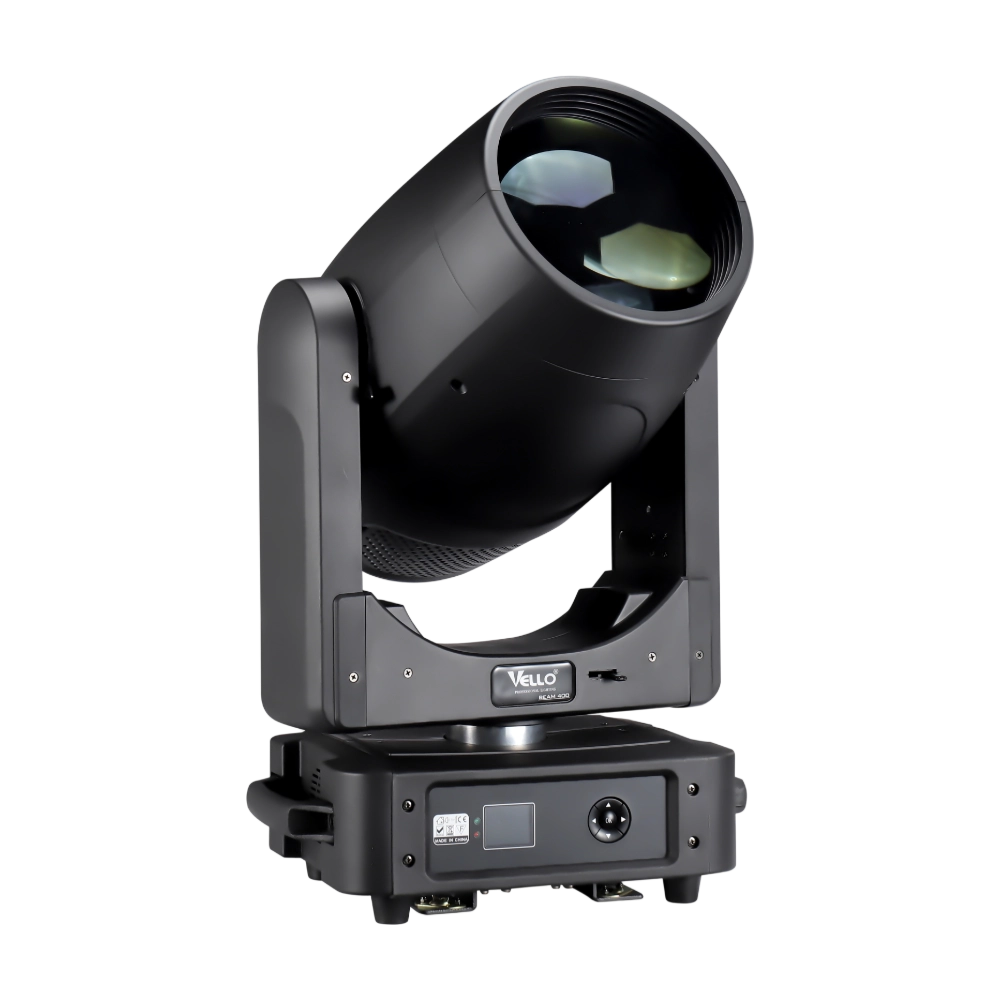
Moving Head Stage Light BEAM 400
BEAM400 is a 500W professional moving head beam powered by an OSRAM SIRIUS 371W discharge bulb, delivering a super-bright 1.8° sharp beam with impressive punch. It features 12 fixed gobos + open, a 14-color wheel, and a 16-facet circular rotating prism with multiple-facet effects, enabling dynamic aerial visuals. With 540° pan / 270° tilt, 16-bit movement resolution, and linear frost and focus, BEAM400 ensures precise and versatile performance. Comparable to traditional 750W moving heads, it combines high efficiency, smooth dimming, and reliable operation—ideal for concerts, tours, and large-scale stage productions.
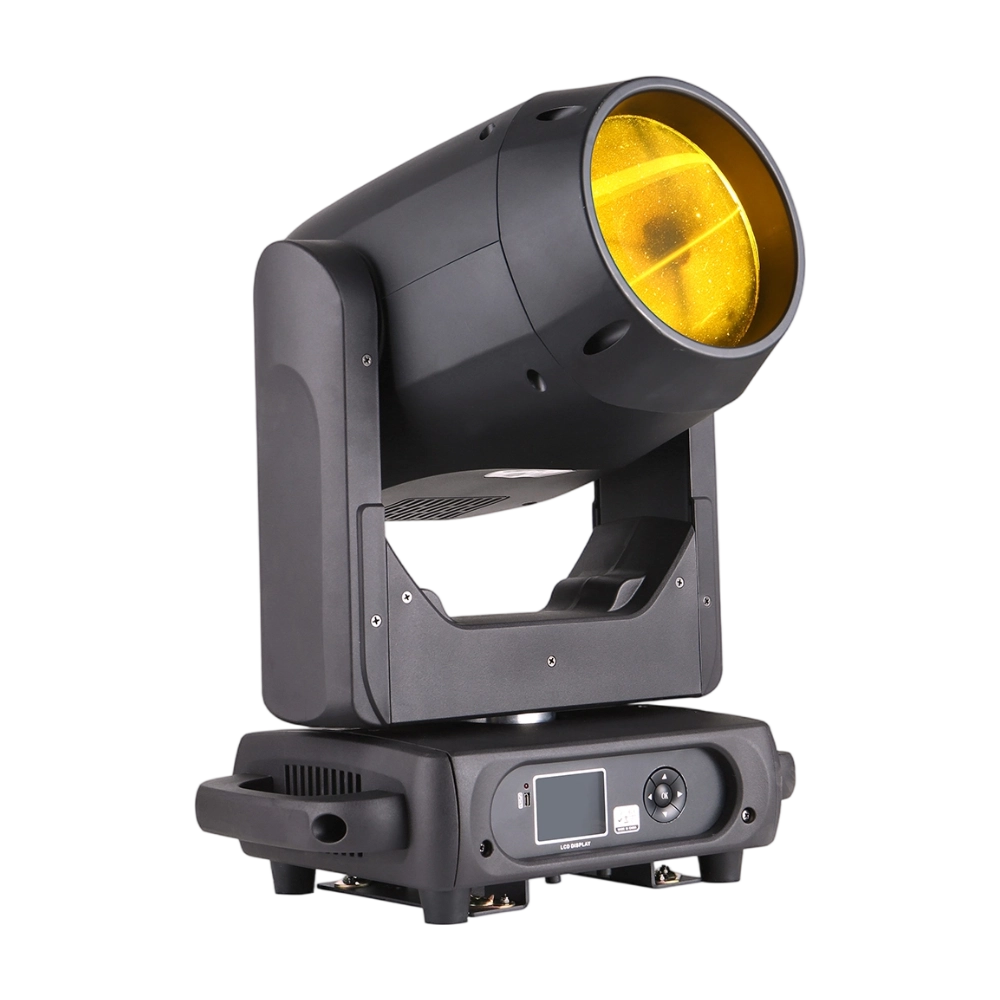
Moving Head Stage Light BEAM 360
BEAM360 is a 400W high-power moving head beam equipped with an OSRAM SIRIUS 311W discharge lamp, delivering a sharp 1.8° beam with super brightness. It features 14 colors + open, 12 fixed metal gobos + open, and dual prisms (8-facet circular + 8+16 multi-facet combination) for dynamic aerial effects. With 540° pan / 270° tilt, 16-bit movement, and linear frost and focus, BEAM360 ensures precision and versatility. Compact yet powerful, it rivals traditional 575W moving heads, making it ideal for concerts, clubs, and large-scale stage productions.
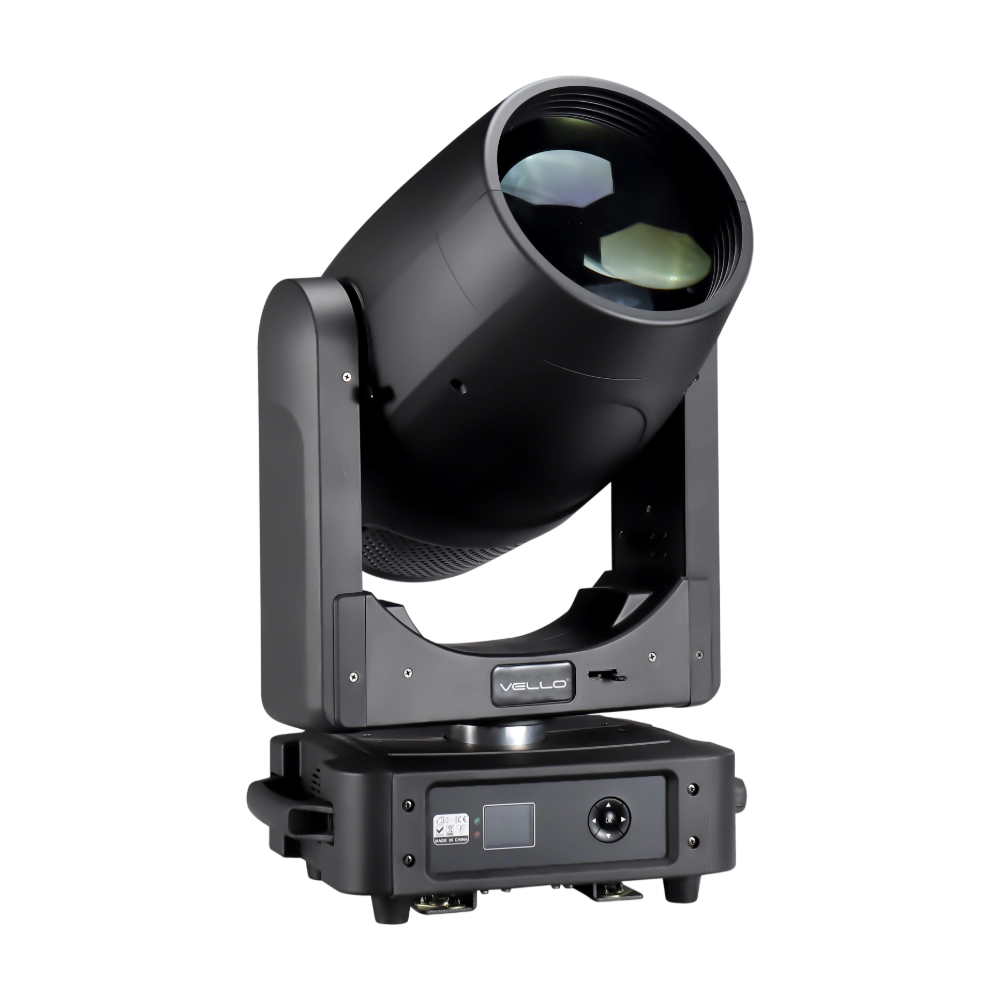
Moving Head Light BEAM 450
The BSW450 is a high-performance moving head fixture equipped with an original Osram 420W bulb, delivering exceptional brightness, precision, and versatility. Designed for professional stage applications, it seamlessly combines beam, spot, and wash functions in one compact unit, making it a powerful all-in-one lighting solution.
Over 20 Years of Innovation in Stage & Studio Lighting
© 2026 VELLO. All Rights Reserved. 粤ICP备20023734号
Join our socials
VELLO
Whatsapp: +8613902276704
Vello Lighting
VelloLights