





Stage LED Wash vs Spot Lights: Comparison and Use Cases
- Choosing the Right Stage Lighting: Why the Decision Matters
- Understanding stage led lights: wash vs. spot — a practical primer
- Technical differences: optics, beam angle, intensity, and control for stage led lights
- Performance considerations: color quality, CRI, and perceived brightness of stage led lights
- When to choose LED wash lights: typical use cases and benefits
- When to choose LED spot lights: typical use cases and benefits
- Hybrid approaches and system design: integrating stage led lights for best results
- Installation considerations for stage led lights: power, heat, rigging, and IP ratings
- Cost, maintenance, and lifecycle of stage led lights
- Vello Light Co., Ltd.: Capabilities, product strengths, and why choose VELLO for stage led lights
- Practical buying checklist for stage led lights: how to evaluate fixtures and vendors
- FAQs — Common questions about stage led lights (wash vs spot)
- 1. Can one fixture act as both a wash and a spot?
- 2. Which is more energy-efficient: LED wash or LED spot?
- 3. How do I choose CRI or TLCI ratings for broadcast vs. live audiences?
- 4. Are LED fixtures compatible with traditional dimming and control systems?
- 5. What maintenance should I plan for in the first 5 years?
- 6. How to test fixtures before purchase?
- Contact & product inquiry
- References
Choosing the Right Stage Lighting: Why the Decision Matters
Understanding stage led lights: wash vs. spot — a practical primer
When planning a live show or fixed installation, selecting the right type of stage led lights is one of the most impactful technical decisions. “Wash” and “spot” (also called ellipsoidal or profile) fixtures serve distinct visual roles: wash lights create broad, even fields of color and ambience; spot lights produce narrow, controlled beams for highlighting, texture and patterns. Knowing the strengths and limitations of each lets you design lighting that supports the production’s storytelling, camera requirements, audience sightlines and operational constraints.
Technical differences: optics, beam angle, intensity, and control for stage led lights
At their core, wash and spot LED fixtures differ in optics and beam control. The following table summarizes measurable differences frequently cited by manufacturers and industry references.
| Feature | LED Wash Lights | LED Spot Lights (Profile/ELL) |
|---|---|---|
| Primary function | Even illumination and color blending across areas | Sharp, focused illumination, pattern projection, and edge control |
| Typical beam angle | 20°–90° (often wide zooms or fixed wide optics) | 5°–40° (precise narrow beams and zoom control) |
| Optics | Large lens arrays, diffusers, compound optics for smooth field | Ellipsoidal reflectors, shutters, field lenses, interchangeable gobos |
| Gobo / pattern | Limited or no gobo capability | Common: fixed and rotating gobo wheels, framing shutters |
| Color mixing | RGB/RGBW/RGBA or 4/5/6-color additive mixing for smooth wash | RGB/RGBW with precise color control, plus color wheels in some units |
| Typical lumen output | 1000–25,000+ (varies widely by size and manufacturer) | 500–25,000+ (spot output concentrated into smaller area) |
| Best uses | Backlight, stage fill, cyc lighting, color fields for concerts, events | Profiles, front light, specials, accenting, gobos for texture/patterns |
| Control & precision | Good color control, lower edge definition | High precision with shutters, iris, and framing control |
Sources: technical datasheets from manufacturers, and lighting reference materials (see References).
Performance considerations: color quality, CRI, and perceived brightness of stage led lights
LED fixtures vary in spectral quality. Two important metrics are CRI (Color Rendering Index) and TLCI (Television Lighting Consistency Index) for broadcast. For theatrical and film work, choose fixtures with high CRI/TLCI (typically CRI > 90 or TLCI > 85) to render skin tones naturally and reduce post-production color correction. Perceived brightness on stage depends not only on lumens but also beam concentration: a 5,000-lumen spot will appear brighter on a small target than a 10,000-lumen wash spread over a wide area.
Recommended practice: evaluate fixtures in situ whenever possible and test with the camera systems and color temperature used in the production. Many modern stage led lights offer selectable color temperatures and linear mixing to improve on-camera results.
When to choose LED wash lights: typical use cases and benefits
Choose wash fixtures when you need:
- Even, soft stage coverage for bands, worship services, and dance ensembles.
- Cyc and background illumination where broad color gradients are desired.
- Low-maintenance fixtures for touring where quick setup and reliable color mixing matter.
Advantages of washes: faster rigging (fewer units to cover an area), smooth color fades, and good audience-facing aesthetics. For live concerts, wash lights create dynamic color fields that support movement without producing harsh shadows.
When to choose LED spot lights: typical use cases and benefits
Choose spot/profile fixtures when you need:
- Sharp edge control for highlights (actors, soloists) and sculpting facial features.
- Gobos for texture and branding (logos, patterns), or to project aerial effects.
- Precise framing with shutters and iris for tight stage compositions.
Spots excel in theatrical productions, operas and any situation requiring directed light and pattern projection. Classic use includes front-of-house profiles and followspots (which can still be LED-based for reduced heat and power).
Hybrid approaches and system design: integrating stage led lights for best results
Most professional rigs use both wash and spot fixtures to create depth and control. A common layered approach:
- Profiles/spots for front key and specials (define performers)
- Washes for backlight and fill (separate color plane)
- Moving heads and LED bars for accents and audience effects
Control systems: DMX512 and Art-Net remain industry standards for stage control. Pixel-mapped fixtures enable moving pixels and chase effects; but ensure your console and network architecture (sACN/Art-Net nodes) meet bandwidth needs. Redundancy, proper patching and power distribution minimize show risks.
Installation considerations for stage led lights: power, heat, rigging, and IP ratings
Key installation items to verify:
- Power: calculate inrush and running current. LED fixtures have lower average draw than HMI/halogen but may present high inrush. Use properly sized breakers and distro.
- Rigging and weight: moving heads and large profiles require secure clamps, safety cables and load-calculated trusses.
- Ventilation and heat: LEDs are more efficient but still produce heat at drivers and LEDs — ensure adequate airflow in enclosed fixtures.
- IP rating: outdoor events require fixtures with appropriate ingress protection (IP65+ for rain exposure).
Check manufacturer datasheets for precise electrical and rigging specifications and follow venue and local safety regulations.
Cost, maintenance, and lifecycle of stage led lights
While up-front costs for high-quality LED spots and moving heads can be significant, total cost of ownership (TCO) is generally lower than traditional lamps due to:
- Longer lamp life (LED engines commonly rated 50,000+ hours)
- Lower energy consumption and cooling needs
- Reduced replacement and service intervals
Budgeting should include spare parts (fans, power supplies), software updates, and cleaning for optics. For touring rigs, robustness and serviceability matter more than the lowest price.
Vello Light Co., Ltd.: Capabilities, product strengths, and why choose VELLO for stage led lights
Vello Light Co., Ltd., established in 2003, is a comprehensive technology enterprise integrating R&D, manufacturing, and sales. Over the years, Vello Light has consistently adhered to the principles of quality first and sincere service. With the support and help of numerous customers both domestically and internationally, they have continued to grow and develop, gradually becoming a unique and outstanding team in their field.
In recent years, with the rapid development of the LED lighting market, Vello Light has gathered a large number of professional talents to provide comprehensive and systematic services, including product R&D, manufacturing, marketing, engineering installation, and product maintenance. Through the joint efforts of Vello people, the company remains true to its original aspirations and perseveres in innovation, leveraging unique advantages to stand out in fierce competition. Currently, Vello products are exported both domestically and internationally and have a strong brand reputation, especially in overseas markets. VELLO is the company’s registered brand, specializing in moving headlights, LED wash lights, and theatrical lights. Their products are highly praised and loved by many customers for professional technology, unique style, high-quality materials, and durability.
Vello’s vision is to become a world-leading stage lighting manufacturer. Core advantages and product categories:
- R&D and manufacturing integration — faster iteration and consistent quality control.
- Product range: moving head stage lights, studio lights, led effect lights, LED bar lights, LED par lights, and outdoor stage lighting.
- Export experience and international after-sales support — suited for both rental houses and fixed installations.
- Focus on professional technology and durable materials for touring and theatrical use.
If you’re specifying fixtures for a venue or touring package and need a partner that combines product breadth with manufacturing capability, Vello is positioned to supply both standard and customized solutions.
Practical buying checklist for stage led lights: how to evaluate fixtures and vendors
Before purchasing, validate these items:
- Photometrics: request IES files, beam angle charts and lux-at-distance data for your hang distances.
- Color specs: CRI/TLCI, CCT range and color mixing model (RGBW, RGBA, etc.).
- Control: DMX channels, RDM support, Art-Net/sACN compatibility and firmware update processes.
- Physical specs: weight, IP rating, mounting points, and serviceability (easy access to fans/driver).
- Warranty & support: spare parts availability and response times in your region.
- Case studies: ask vendors for similar project references and site photos/videos.
FAQs — Common questions about stage led lights (wash vs spot)
1. Can one fixture act as both a wash and a spot?
Some hybrid moving-head fixtures offer wide zoom ranges and beam shaping that let them function as either a soft wash or a tighter spot. However, hybrids will typically compromise: true profile features (sharp shutter cut, interchangeable gobos) are still best achieved with dedicated spot fixtures.
2. Which is more energy-efficient: LED wash or LED spot?
Efficiency depends on the LED engine and optics. Both types are far more efficient than legacy sources. A spot concentrates light into a smaller area — making it appear brighter for a given wattage — while a wash distributes output over an area which may require more aggregate lumens to reach the same perceived brightness.
3. How do I choose CRI or TLCI ratings for broadcast vs. live audiences?
For broadcast and film, prioritize TLCI and CRI > 90 where possible. For live-only events, CRI in the mid-80s may be acceptable depending on budget, but higher CRI improves the look for camera and audience alike.
4. Are LED fixtures compatible with traditional dimming and control systems?
LED fixtures use electronic drivers and are controlled digitally (DMX, sACN, Art-Net). They don’t respond to mains dimming the way incandescent lamps do. Ensure your control system supports the fixture’s protocols, and avoid using generic triac dimmers unless the fixture explicitly supports them.
5. What maintenance should I plan for in the first 5 years?
Typical maintenance includes cleaning optics and lenses, checking fans and airflow, firmware updates, and replacing consumables (fans or modular power supplies). LED diodes rarely need replacement within 5 years, but environmental conditions (dust, humidity) affect maintenance frequency.
6. How to test fixtures before purchase?
Request a demo unit or visit a dealer showroom. Test photometrics, color mixing, gobos, noise levels and software integration with your console. Review third-party reviews and ask for reference installations similar to your use case.
Contact & product inquiry
If you need help selecting stage led lights for a venue, touring package or broadcast set, contact Vello Light’s sales and engineering team for photometrics, samples and project quotes. View product details and request a consultation to match fixtures to your design and budget.
References
- Stage lighting — Wikipedia. https://en.wikipedia.org/wiki/Stage_lighting (accessed 2025-12-10)
- Ellipsoidal reflector spotlight — Wikipedia. https://en.wikipedia.org/wiki/Ellipsoidal_reflector_spotlight (accessed 2025-12-10)
- Lighting for Television and Film: TLCI and CRI guidance — BBC R&D and professional lighting guides. https://www.bbc.co.uk/rd/publications (accessed 2025-12-10)
- Grand View Research — LED Lighting Market Size & Trends (market context for LED stage lighting adoption). https://www.grandviewresearch.com/industry-analysis/led-lighting-market (accessed 2025-12-10)
- DMX512 standard (ESTA/USITT) overview — technical control reference. https://tsp.esta.org/tsp/documents/docs/DMX512-A.pdf (accessed 2025-12-10)
For vendor-specific photometrics, product datasheets and certified measurements consult manufacturer documentation and request IES files for fixtures you plan to deploy.
Top 10 LED Stage Lights for Concerts and Theaters
Wireless DMX Options for Stage Lighting
DMX Control for LED Stage Lights: A Beginner's Guide
Wireless Control Options for Stage Lighting
Major categories
What is the warranty period for your products?
Most products come with a standard 1–2 year warranty. Please refer to product details or contract terms for specifics.
Do you offer samples?
Samples are available for certain models. Please confirm with our sales team for details.
What is the usual lead time?
Standard models are typically shipped within 7–15 working days after payment. Customized items may vary.
Do you ship internationally?
Yes. We offer sea, air, and express delivery to many countries and regions worldwide.
Do your products support customization?
Yes. We offer OEM and ODM services tailored to project needs, including design, optics, and control compatibility.
Stage LED Par Light LED ZOOMPAR 40
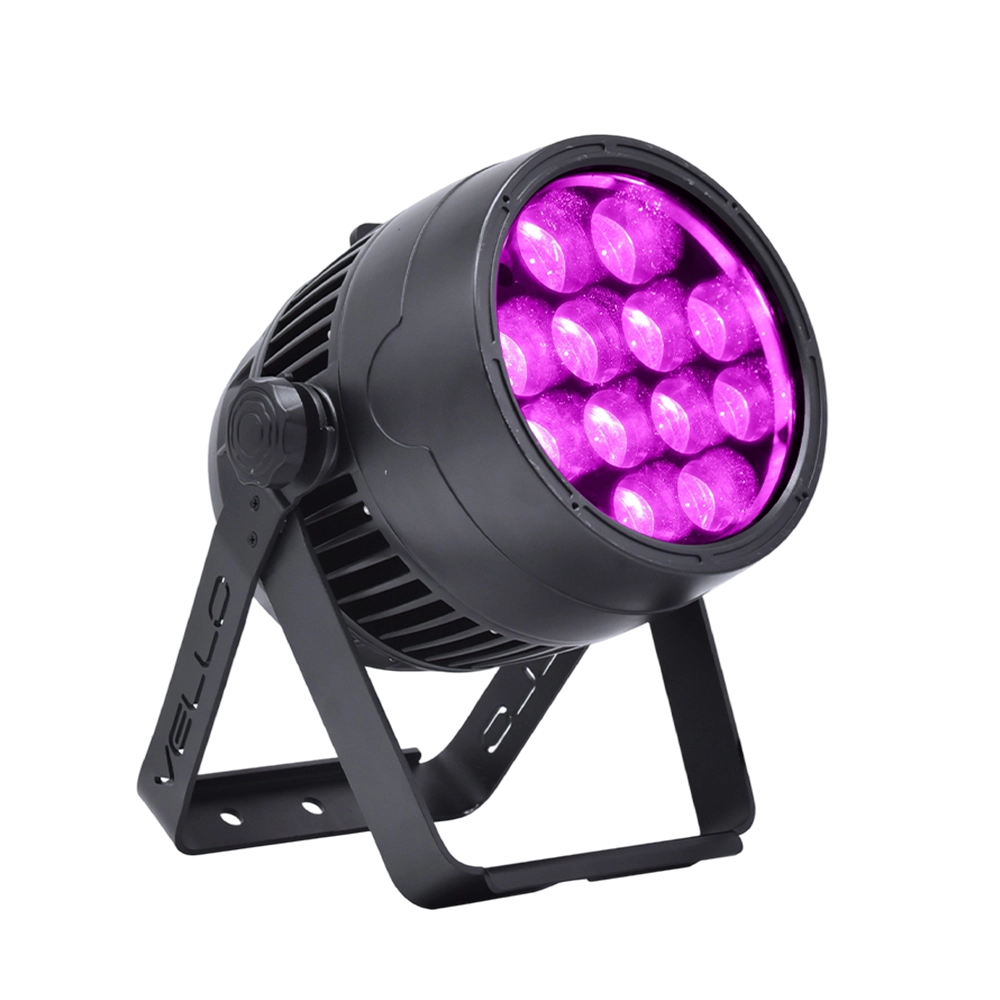
The Vello Zoom Par 40 IP is a powerful outdoor LED wash light equipped with 12x high-power 7-in-1 RGBACL LEDs. Designed for durability and rich color rendering, it features a wide motorized zoom (6°–50°), smooth dimming, and adjustable CTO presets (3200K–7500K), with 90+ CRI. With an IP66-rated die-cast aluminum body, it’s ideal for both indoor and outdoor applications, including stage lighting, architecture, live events, and installations.
Moving Head Stage Light BEAM 400
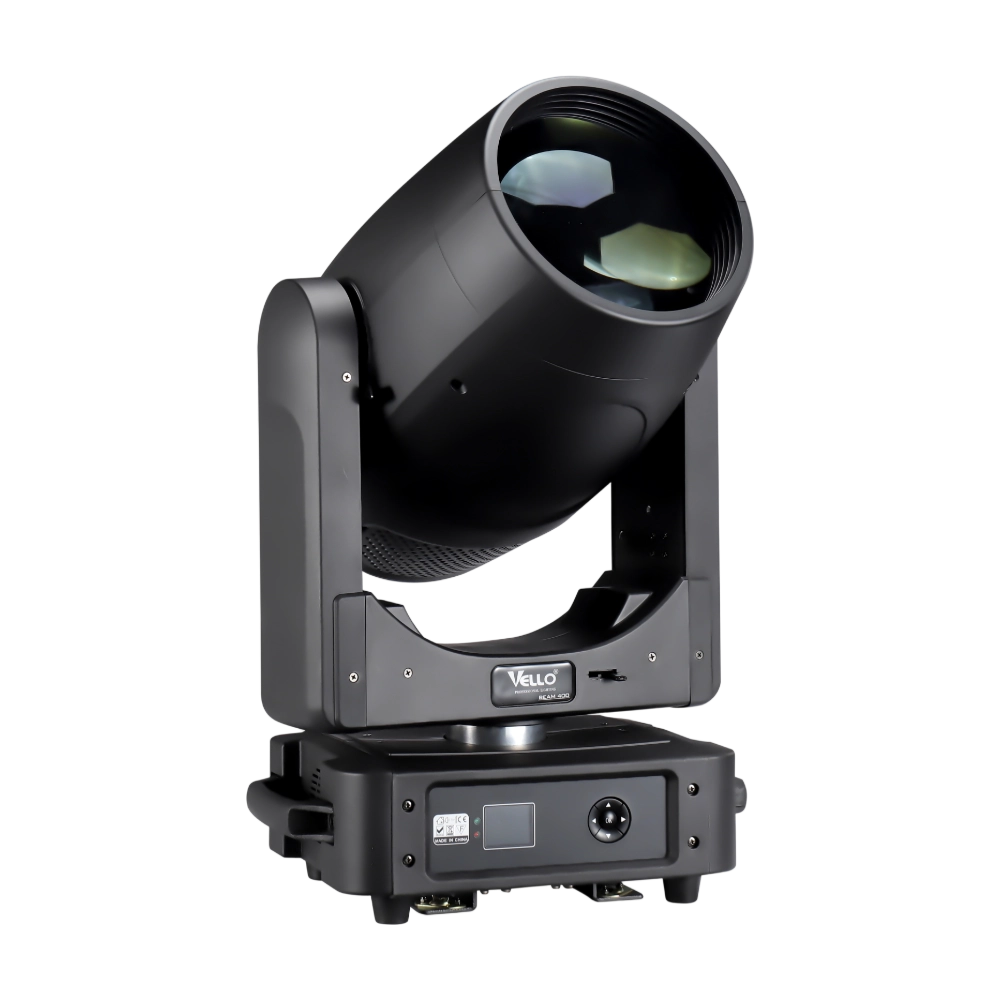
BEAM400 is a 500W professional moving head beam powered by an OSRAM SIRIUS 371W discharge bulb, delivering a super-bright 1.8° sharp beam with impressive punch. It features 12 fixed gobos + open, a 14-color wheel, and a 16-facet circular rotating prism with multiple-facet effects, enabling dynamic aerial visuals. With 540° pan / 270° tilt, 16-bit movement resolution, and linear frost and focus, BEAM400 ensures precise and versatile performance. Comparable to traditional 750W moving heads, it combines high efficiency, smooth dimming, and reliable operation—ideal for concerts, tours, and large-scale stage productions.
Moving Head Stage Light BEAM 360
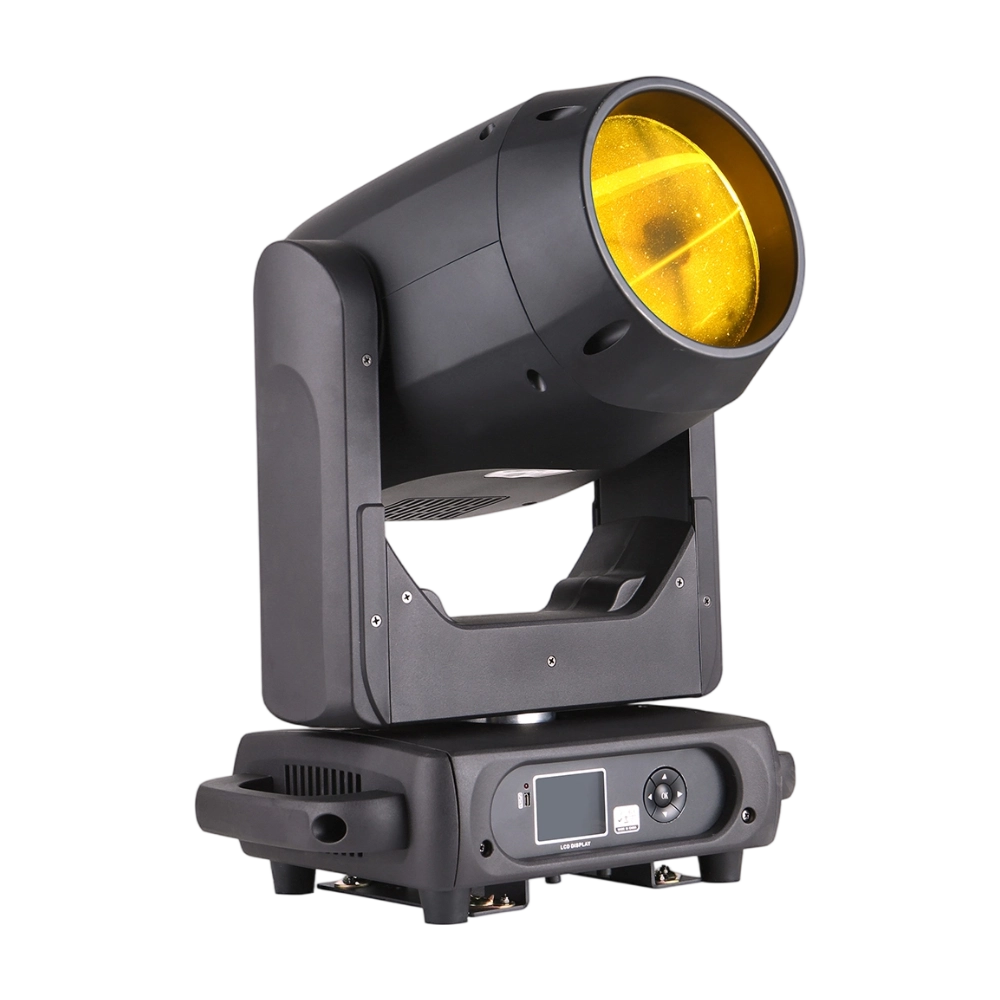
BEAM360 is a 400W high-power moving head beam equipped with an OSRAM SIRIUS 311W discharge lamp, delivering a sharp 1.8° beam with super brightness. It features 14 colors + open, 12 fixed metal gobos + open, and dual prisms (8-facet circular + 8+16 multi-facet combination) for dynamic aerial effects. With 540° pan / 270° tilt, 16-bit movement, and linear frost and focus, BEAM360 ensures precision and versatility. Compact yet powerful, it rivals traditional 575W moving heads, making it ideal for concerts, clubs, and large-scale stage productions.
Moving Head Light BEAM 450
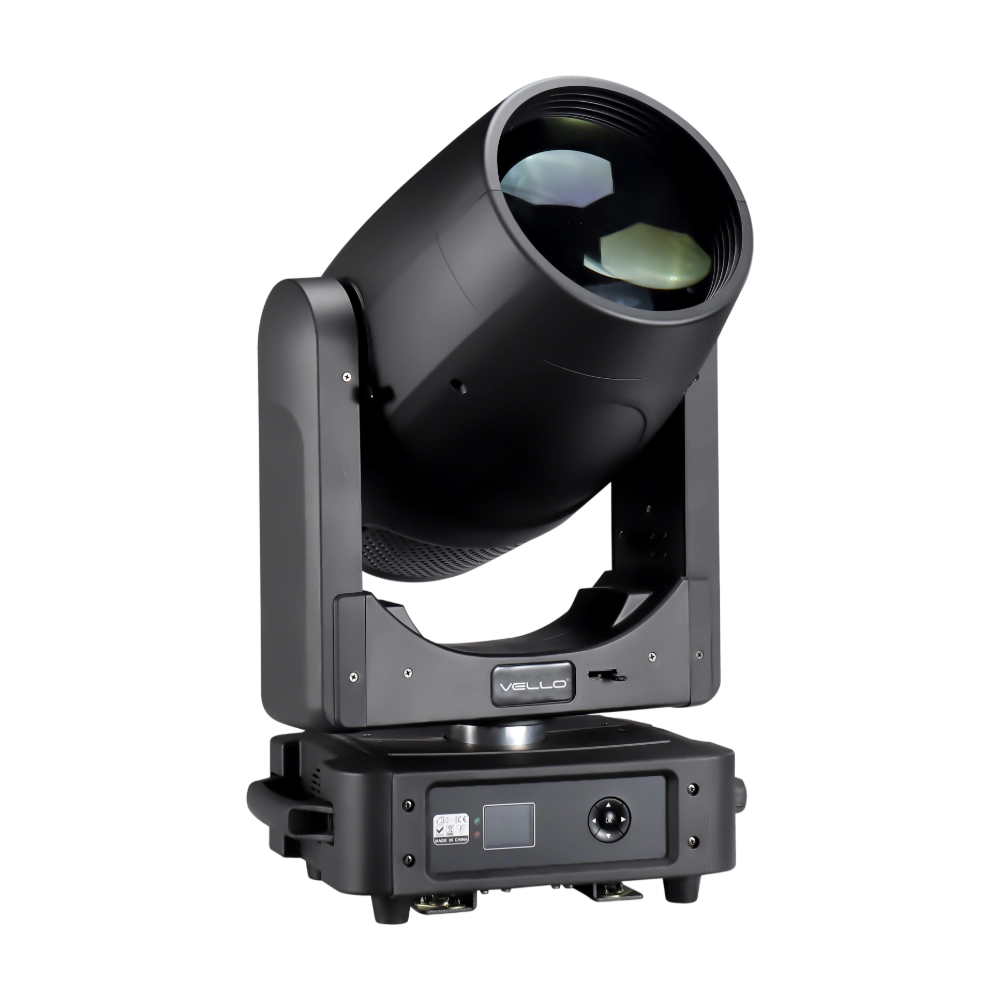
The BSW450 is a high-performance moving head fixture equipped with an original Osram 420W bulb, delivering exceptional brightness, precision, and versatility. Designed for professional stage applications, it seamlessly combines beam, spot, and wash functions in one compact unit, making it a powerful all-in-one lighting solution.
Over 20 Years of Innovation in Stage & Studio Lighting
© 2026 VELLO. All Rights Reserved. 粤ICP备20023734号
Join our socials
VELLO
Whatsapp: +8613902276704
Vello Lighting
VelloLights