





Rental Tips: Selecting Moving Head Lights for Events
- Event Lighting Essentials: What Matters Most
- Why moving head lights are central to modern events
- Understanding types of moving head lights and their use cases (moving head lights)
- Spot, wash, beam, and hybrid — choose by visual role
- Key technical specifications to check before renting moving head lights
- Prioritize lumen output, beam angle, color rendering, and control
- Programming and control considerations when renting moving head lights
- Make programming time and console compatibility part of the budget
- Rigging, safety, and logistics for moving head lights
- Load calculations, safety equipment, and transport logistics
- Budgeting: rental costs, deposits, and spare parts (moving head lights)
- Typical pricing structure and how to avoid surprises
- How many moving head lights do you actually need? Recommended counts
- Fixture counts by venue type to achieve balanced coverage
- Selecting a rental supplier: what to ask and verify
- Focus on equipment condition, service, and technical support
- Common renter mistakes and how to avoid them (moving head lights)
- Avoid underpowering, under-specifying IP rating, and insufficient spares
- Why choose VELLO (Vello Light Co., Ltd.) for moving head light rentals and purchases
- VELLO’s strengths in R&D, manufacturing, and after-sales for moving head lights
- Final checklist before signing your moving head lights rental agreement
- Confirm these items to reduce risk
- Frequently Asked Questions (FAQ)
- 1. How many moving head lights do I need for a 500-seat theater?
- 2. Are LED moving head lights better than discharge-based (lamp) moving heads for rentals?
- 3. What IP rating should I look for when renting moving head lights for an outdoor festival?
- 4. Can moving head lights be controlled wirelessly?
- 5. What should I do if a moving head light fails during the show?
- 6. How far in advance should I reserve moving head lights for a large event?
- Contact and product inquiry CTA
- References and further reading
Event Lighting Essentials: What Matters Most
Why moving head lights are central to modern events
Moving head lights have become a core tool for concert producers, corporate event planners, rental houses, and theatrical designers because they combine mobility, intensity, and visual effects in one fixture. When renting moving head lights, the primary is practical: buyers want to know which fixture types and specifications will create the intended visual impact while fitting budget, rigging, and control constraints. This guide synthesizes field experience, technical criteria, and rental logistics to help you make informed decisions.
Understanding types of moving head lights and their use cases (moving head lights)
Spot, wash, beam, and hybrid — choose by visual role
Moving head lights come in four main categories. Choosing the right type is the first step in ensuring your rental delivers the desired look:
| Type | Typical Features | Best Use | Typical Beam Angle |
|---|---|---|---|
| Spot (Profile) | Gobos, sharp beam, motorized focus/zoom, shutters, framing | Highlighting performers, projections, theatrical effects | 4°–40° (variable zoom) |
| Wash | Large soft beam, high CRI, even color mixing | Broad-stage washes, audience lighting, color transitions | 8°–60° |
| Beam | Very narrow, high-intensity shaft of light; minimal color mixing | Large concerts, aerial effects, long-throw applications | 1°–5° |
| Hybrid | Combines spot and wash or beam features; flexible optics | When one fixture must serve multiple roles in a compact rig | 2°–50° (depending on mode) |
Source: manufacturer catalogs and industry standards for moving head fixtures (see References).
Key technical specifications to check before renting moving head lights
Prioritize lumen output, beam angle, color rendering, and control
When evaluating moving head lights for rental, focus on the specs that determine visibility and control:
- Light output (lux/lumens): Critical for large venues and outdoor daytime events. Compare manufacturer lux charts at given throw distances.
- Beam/zoom range: Determines the fixture's flexibility — a wider zoom range reduces the number of different fixture types needed.
- Color system & CRI: For accurate skin tones on camera and stage, prefer fixtures with high CRI/CRI-tunable LEDs or quality color mixing engines.
- Gobos and effects: For bespoke looks, ensure spot fixtures have the gobos and rotators you need.
- Control channels & protocols: Know DMX channel counts, RDM support, and compatibility with industry consoles; consider sACN or Art-Net for complex rigs.
- Power consumption and connectors: Verify mains requirements (single-phase vs 3-phase) and that the rental house supplies appropriate distro.
- Noise and cooling: For theater or studio environments, fixture fan noise can be a deciding factor.
- Weight and rigging points: Important for truss loading calculations; ask for certified clamps/bonding points.
- IP rating: For outdoor events, choose fixtures with suitable ingress protection (e.g., IP65 for exposed rigs).
Programming and control considerations when renting moving head lights
Make programming time and console compatibility part of the budget
Moving head lights enable dramatic looks but require programming. Ask the rental house about:
- Whether moving head lights are patched in a standard DMX addressing scheme or pre-configured for your show file.
- Availability of a backup technician or programmer for the event day.
- Console compatibility: will the fixtures integrate with your lighting console’s fixture library or do you need custom profiles?
- Availability of show files or presets provided by the rental supplier to speed programming.
Rigging, safety, and logistics for moving head lights
Load calculations, safety equipment, and transport logistics
Safety and logistics often determine what you can realistically rent. Key actions:
- Request certified weight and load specs for each moving head light. Add a safety factor of at least 10–20% when calculating truss load.
- Confirm the rental house provides certified clamps, safety bonds, and truss reports if they will handle rigging.
- Consider transport cases and packing: moving head lights are precision instruments — ensure proper road cases are provided.
- Plan power distribution in advance: many high-output moving head lights need 16A or 32A circuits; 3-phase setups may be more efficient for big rigs.
Budgeting: rental costs, deposits, and spare parts (moving head lights)
Typical pricing structure and how to avoid surprises
Rental pricing varies by fixture capability, age, and market. General guidelines (approximate and region-dependent):
| Fixture Class | Typical Daily Rental (USD) | Notes |
|---|---|---|
| Entry-level LED moving head wash | $40–$90 | Lower output, suitable for small clubs or houses |
| Mid-range spot/beam | $90–$180 | Good balance of features and output for medium events |
| High-end profile/beam (large concerts) | $180–$450+ | High lumen output, extensive features, often flown |
Also budget for insurance, damage deposit, freight, rigging labor, and programming time. Request a line-item quote from the rental house to avoid hidden fees.
How many moving head lights do you actually need? Recommended counts
Fixture counts by venue type to achieve balanced coverage
Fixture counts depend on fixture output, stage size, and design intent. The table below gives practical starting points for common venues — adjust based on your fixture’s lux charts and the desired intensity.
| Venue Type | Typical Stage/Area | Recommended Moving Heads | Notes |
|---|---|---|---|
| Small club | Up to 200 m² | 6–12 (mix of wash and beam) | Use fewer high-output fixtures rather than many low-output ones |
| Medium theater / corporate | 200–800 m² | 12–30 (balanced spot and wash) | Include spares and dedicated front-of-house lights |
| Large concert / arena | >800 m² | 30–100+ (high-output beams and profiles) | Design depends heavily on production scale and sightlines |
Selecting a rental supplier: what to ask and verify
Focus on equipment condition, service, and technical support
When evaluating rental houses for moving head lights, ask these questions:
- What is the maintenance schedule and uptime guarantee for the moving head lights you rent?
- Do you provide rigging technicians and electricians, and are they certified?
- Can you supply lux charts or photometric data for the exact fixture model being rented?
- Is there a backup plan if a fixture fails during the event (on-site spares, quick replacement)?
- Do you provide DMX addressing documentation and fixture profiles for major consoles?
Common renter mistakes and how to avoid them (moving head lights)
Avoid underpowering, under-specifying IP rating, and insufficient spares
Based on field experience, the most common problems are:
- Underestimating power needs — run load calculations and confirm distro.
- Choosing indoor-rated moving head lights for outdoor or wet environments — check IP ratings.
- Not budgeting for programming/setup time — talented programmers reduce on-site problems.
- Failing to secure rigging hardware and certificates — always verify paperwork before load-in.
- Ignoring fixture noise for broadcast/studio work — request quiet or fanless models if needed.
Why choose VELLO (Vello Light Co., Ltd.) for moving head light rentals and purchases
VELLO’s strengths in R&D, manufacturing, and after-sales for moving head lights
Vello Light Co., Ltd., established in 2003, integrates R&D, manufacturing and sales with a long-term focus on quality and service. For rental buyers and event producers, VELLO offers distinct advantages:
- Comprehensive product range: moving head stage lights, studio lights, LED effect lights, LED bar lights, LED par lights and outdoor stage lighting.
- Technical depth: a large team of R&D professionals and a manufacturing infrastructure enabling customized solutions and reliable spare parts supply.
- Global reputation: products exported internationally with strong brand recognition in overseas markets under the registered brand VELLO.
- Durability and materials: fixtures designed for intensive rental use — high-quality components, professional technology, and thoughtful engineering focused on serviceability.
- Service ecosystem: from product R&D to marketing, engineering installation and maintenance, which simplifies long-term rental partnerships and lifecycle support.
VELLO is positioned to support event professionals who need dependable moving head lights for rental fleets, touring productions and fixed installations. Their experience since 2003 and focus on continuous innovation make them a supplier worth considering if you prioritize durability, support, and export-ready product lines.
Final checklist before signing your moving head lights rental agreement
Confirm these items to reduce risk
- Exact fixture models and serial numbers to be supplied, with photometric data.
- DMX addressing plan and console compatibility confirmation.
- Rigging, bonding hardware, and certified riggers included in the quote.
- Delivery, pickup windows, insurance, and damage deposit terms.
- Provision of spares and on-site technical support for the event day.
- Power distro plan and connectors required for all moving head lights.
Frequently Asked Questions (FAQ)
1. How many moving head lights do I need for a 500-seat theater?
For a 500-seat theater, a common starting point is 12–24 moving head lights, mixing wash fixtures for even color coverage and spots/profiles for key performers and specials. Exact numbers depend on fixture output and stage size — ask for lux charts to refine the plan.
2. Are LED moving head lights better than discharge-based (lamp) moving heads for rentals?
LED moving head lights tend to offer longer life, lower power consumption, and quicker startup; they also produce less heat and require less maintenance. Discharge lamps may still offer very high intensity in some high-end beams, but overall LEDs are preferred for fleets due to durability and operating cost advantages.
3. What IP rating should I look for when renting moving head lights for an outdoor festival?
For outdoor daytime events exposed to weather, choose fixtures with at least IP65. For covered outdoor stages where fixtures are sheltered but might face occasional spray, IP44 may be acceptable. Confirm cable entry and connectors are weather-resistant.
4. Can moving head lights be controlled wirelessly?
Yes, moving head lights can be controlled wirelessly using reliable protocols like wireless DMX (e.g., W-DMX) or via network protocols (Art-Net/sACN over Wi‑Fi with robust infrastructure). For mission-critical shows, wired control is still preferred due to reduced risk of interference.
5. What should I do if a moving head light fails during the show?
Have a contingency plan: rental houses should supply at least one spare per 8–12 fixtures depending on event criticality. Program fallbacks in the console (e.g., flash groups or visual substitutions) and ensure technicians can hot-swap fixtures safely and quickly.
6. How far in advance should I reserve moving head lights for a large event?
Reserve at least 6–12 weeks in advance for large events or touring productions to ensure availability of specific models, rigging equipment, and programming support. Peak seasons and trade-show periods may require longer lead times.
Contact and product inquiry CTA
Ready to plan your next event? For rentals or bulk purchases of professional moving head lights and complementary fixtures (LED wash, LED par, effect lights), contact Vello Light Co., Ltd. for product details, quotes, and technical support. Visit the VELLO product pages or reach out to their sales team to discuss fixture selection, photometrics, and logistics.
References and further reading
- Stage lighting — Wikipedia. https://en.wikipedia.org/wiki/Stage_lighting (accessed 2025-12-28)
- LED lamp — Wikipedia. https://en.wikipedia.org/wiki/LED_lamp (accessed 2025-12-28)
- Grand View Research — LED Lighting Market Overview. https://www.grandviewresearch.com/industry-analysis/led-lighting-market (accessed 2025-12-28)
- ETC - Moving Lights and Moving Heads overview. https://www.etcconnect.com/Products/Lighting-Products/Moving-Lights/ (accessed 2025-12-28)
- Manufacturer product specifications and photometric charts from leading lighting brands (for comparative fixture data). Examples include Chauvet, Martin by HARMAN, and Robe — consult vendor datasheets for model-specific information (accessed 2025-12-28).
How to Choose Reliable Stage Lighting Suppliers and Manufacturers
Warranty and Support Checklist for Custom LED Lighting Suppliers
How to Choose IP-Rated LED Stage Lights for Outdoor Use
Buying Guide: How to Choose the Right LED Moving Head Light
Major categories
Do your products support customization?
Yes. We offer OEM and ODM services tailored to project needs, including design, optics, and control compatibility.
Do you offer samples?
Samples are available for certain models. Please confirm with our sales team for details.
Do you ship internationally?
Yes. We offer sea, air, and express delivery to many countries and regions worldwide.
What is the usual lead time?
Standard models are typically shipped within 7–15 working days after payment. Customized items may vary.
What is the warranty period for your products?
Most products come with a standard 1–2 year warranty. Please refer to product details or contract terms for specifics.
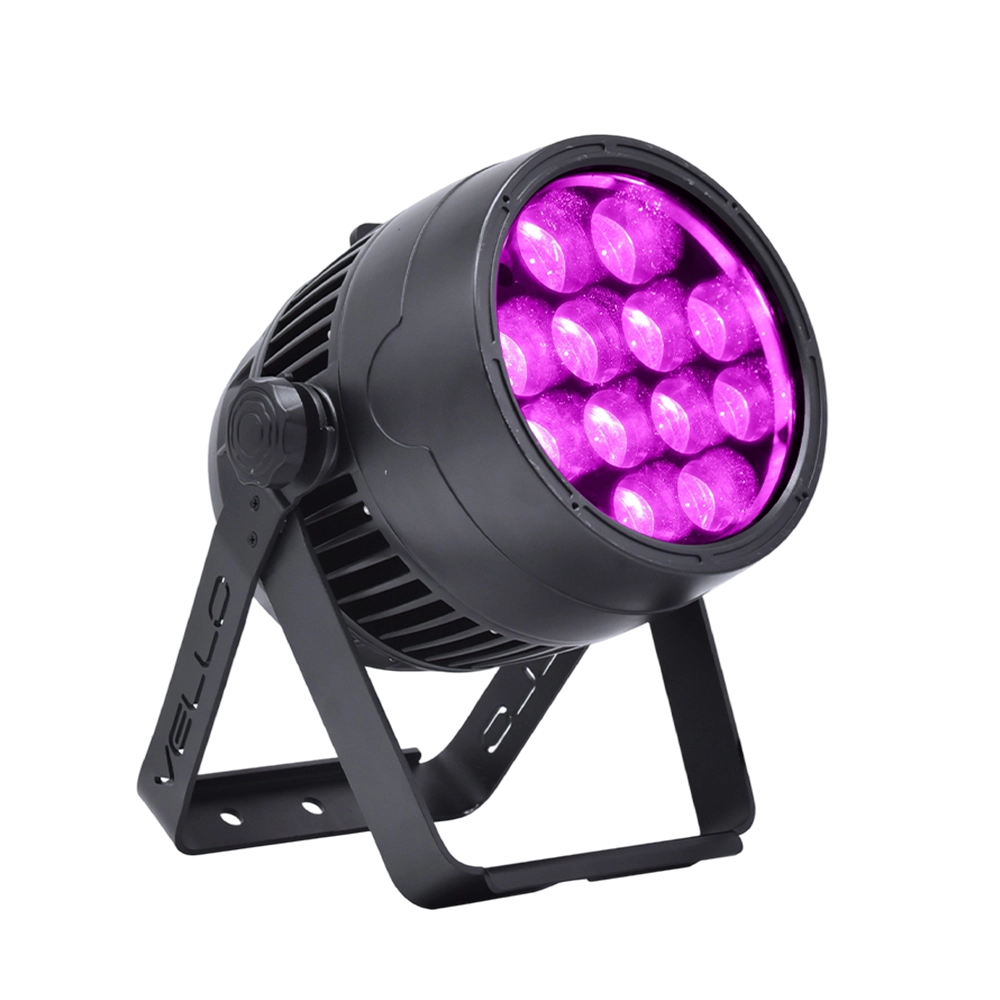
Stage LED Par Light LED ZOOMPAR 40
The Vello Zoom Par 40 IP is a powerful outdoor LED wash light equipped with 12x high-power 7-in-1 RGBACL LEDs. Designed for durability and rich color rendering, it features a wide motorized zoom (6°–50°), smooth dimming, and adjustable CTO presets (3200K–7500K), with 90+ CRI. With an IP66-rated die-cast aluminum body, it’s ideal for both indoor and outdoor applications, including stage lighting, architecture, live events, and installations.
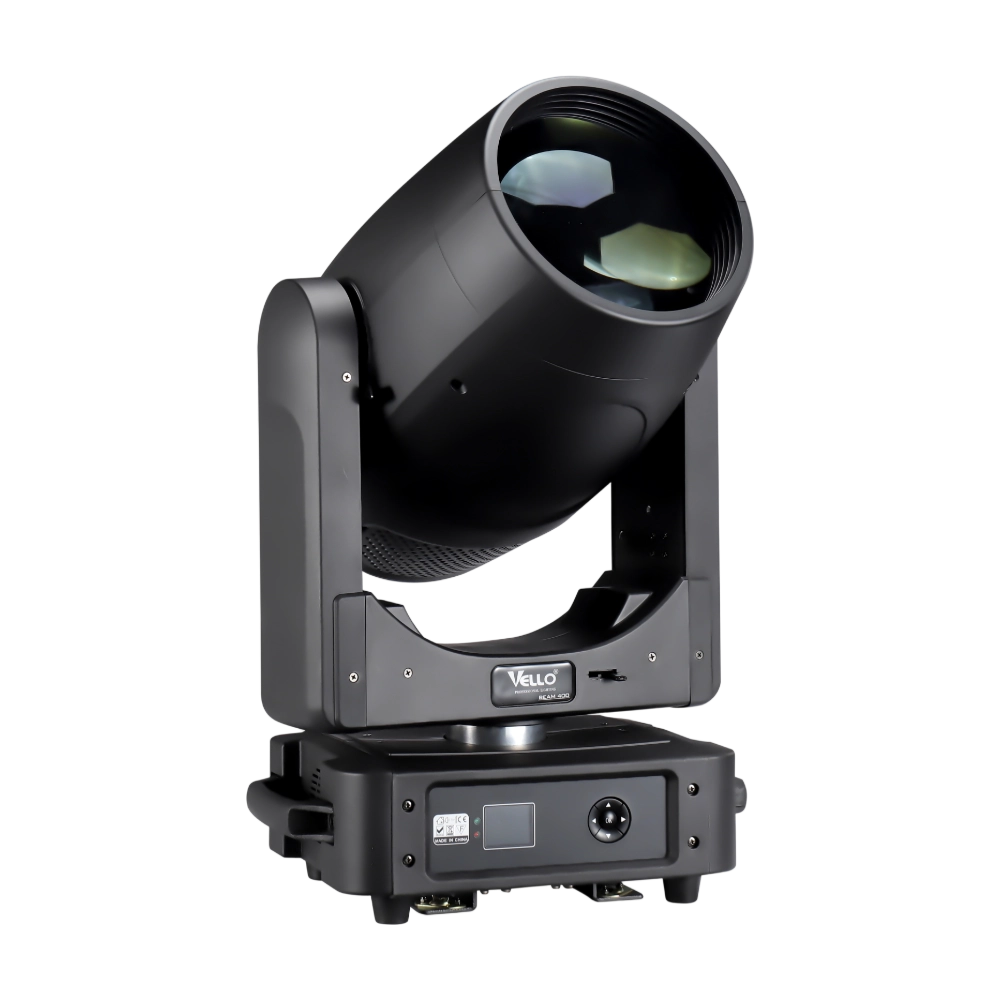
Moving Head Stage Light BEAM 400
BEAM400 is a 500W professional moving head beam powered by an OSRAM SIRIUS 371W discharge bulb, delivering a super-bright 1.8° sharp beam with impressive punch. It features 12 fixed gobos + open, a 14-color wheel, and a 16-facet circular rotating prism with multiple-facet effects, enabling dynamic aerial visuals. With 540° pan / 270° tilt, 16-bit movement resolution, and linear frost and focus, BEAM400 ensures precise and versatile performance. Comparable to traditional 750W moving heads, it combines high efficiency, smooth dimming, and reliable operation—ideal for concerts, tours, and large-scale stage productions.
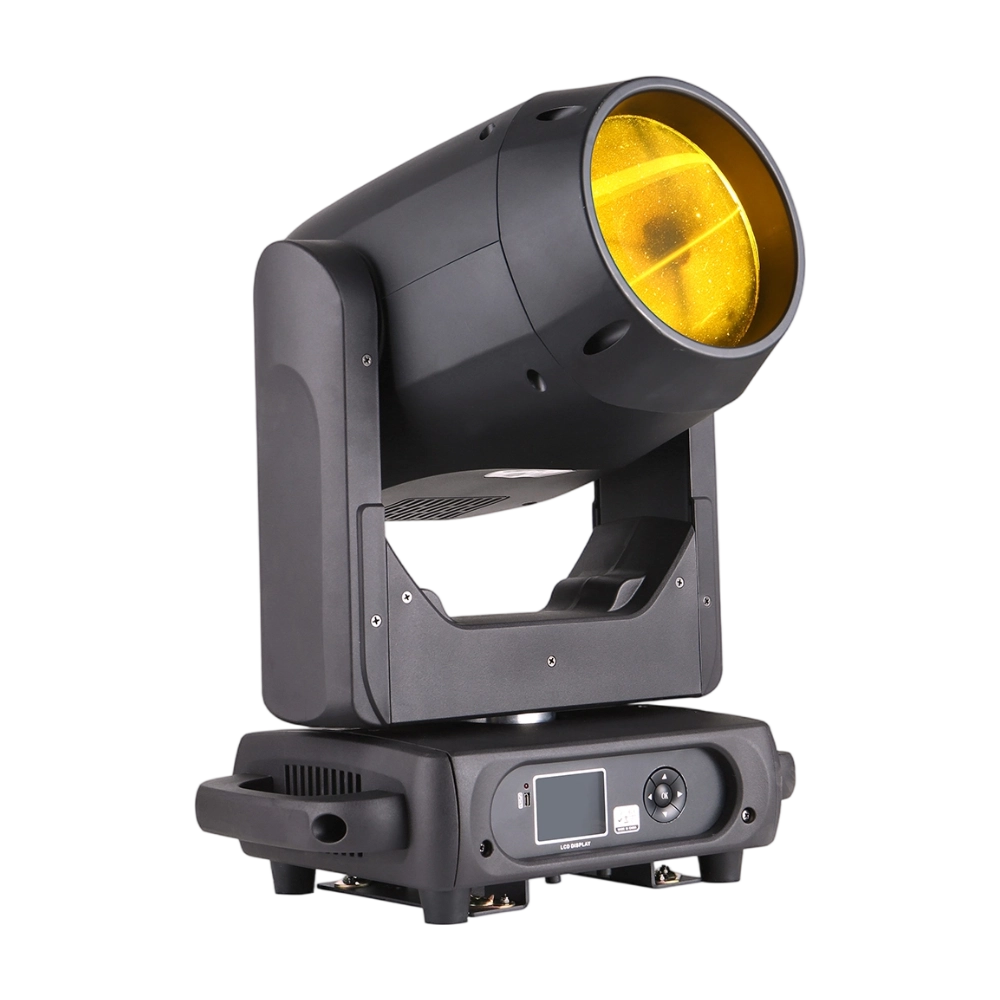
Moving Head Stage Light BEAM 360
BEAM360 is a 400W high-power moving head beam equipped with an OSRAM SIRIUS 311W discharge lamp, delivering a sharp 1.8° beam with super brightness. It features 14 colors + open, 12 fixed metal gobos + open, and dual prisms (8-facet circular + 8+16 multi-facet combination) for dynamic aerial effects. With 540° pan / 270° tilt, 16-bit movement, and linear frost and focus, BEAM360 ensures precision and versatility. Compact yet powerful, it rivals traditional 575W moving heads, making it ideal for concerts, clubs, and large-scale stage productions.
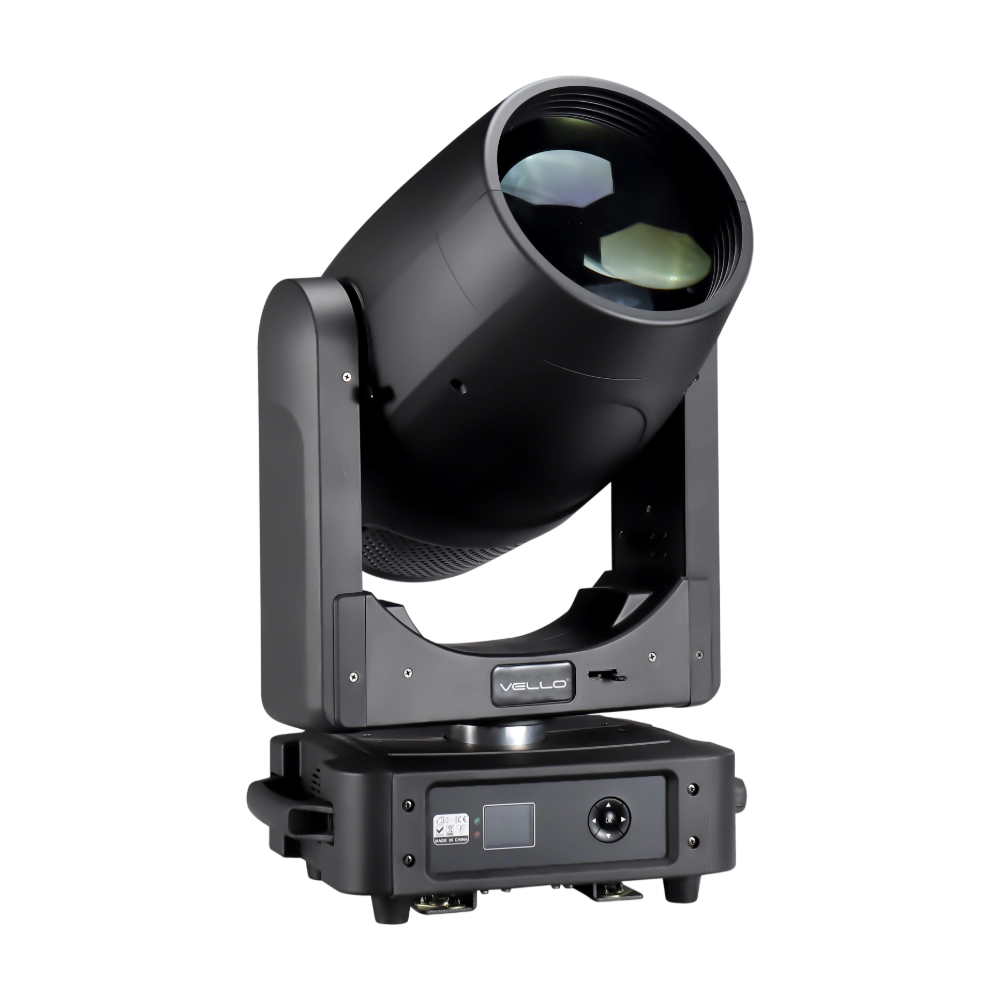
Moving Head Light BEAM 450
The BSW450 is a high-performance moving head fixture equipped with an original Osram 420W bulb, delivering exceptional brightness, precision, and versatility. Designed for professional stage applications, it seamlessly combines beam, spot, and wash functions in one compact unit, making it a powerful all-in-one lighting solution.
Over 20 Years of Innovation in Stage & Studio Lighting
© 2026 VELLO. All Rights Reserved. 粤ICP备20023734号
Join our socials
VELLO
Whatsapp: +8613902276704
Vello Lighting
VelloLights