



OEM Custom LED Fixtures: Manufacturing & MOQ Guide
- How to plan OEM LED fixture production for reliable custom led lighting
- Define product requirements and target application
- Design for manufacturability (DFM) and prototyping strategy
- : private label and OEM options
- Manufacturing process, costs and MOQ drivers
- Primary cost drivers in LED fixture manufacturing
- How MOQ is determined: tooling, component sourcing and yield
- Typical MOQ scenarios (indicative)
- Quality assurance, certifications and supply chain risk management
- Standards and certifications to specify
- Testing and burn-in practices
- Managing supply-chain and lead-time risk
- Practical steps to select and work with an OEM partner
- What to evaluate in a manufacturer
- Contract terms, IP and tooling ownership
- Pricing negotiation levers and payment terms
- Why choose an experienced OEM like Vello Light
- Cost examples, timeline checklist and go-to-market tips
- Sample cost breakdown (illustrative)
- Timeline checklist for a typical OEM project
- Go-to-market: warranty, spare parts and support
- FAQ
- 1. What is a realistic MOQ for custom LED lighting?
- 2. How can I reduce MOQ when working with an OEM?
- 3. What certifications should I require from an OEM?
- 4. How long does a full OEM development cycle take?
- 5. How to protect IP when outsourcing LED fixture production?
- 6. Can Vello Light support small pilot runs and scale to large volumes?
- References
How to plan OEM LED fixture production for reliable custom led lighting
Define product requirements and target application
Begin with a concise product brief: intended application (stage, studio, outdoor, architectural), photometric targets (lux, beam angle, CCT, CRI), environmental requirements (IP rating, operating temperature), mechanical constraints (form factor, mounting), and certification targets (CE, RoHS, IEC/EN standards). Clear functional specs reduce iterations and affect MOQ and cost.
Design for manufacturability (DFM) and prototyping strategy
Early DFM reviews—enclosure tooling feasibility, PCB layout for thermal management, connector and optical module sourcing—can lower unit cost and shorten lead time. Plan a tiered prototyping strategy: concept sample, engineering sample, pre-production pilot run. Typical pilot runs validate assembly flow and yield before committing to larger MOQ.
: private label and OEM options
Decide whether you need full private-label services (branding, packaging, manuals) or component-level customization (lens, beam-shaping, firmware). Full OEM services often require higher MOQ but deliver finished product readiness for market launch.
Manufacturing process, costs and MOQ drivers
Primary cost drivers in LED fixture manufacturing
Key cost drivers include LED engine (chip and binning), optics and lenses, thermal solution (heat sinks, aluminum extrusion), power supplies/drivers, control electronics (DMX, wireless), and tooling costs for housing. Labor intensity and testing (photometry, burn-in) also affect unit price and minimum viable order.
How MOQ is determined: tooling, component sourcing and yield
MOQ often reflects amortization of fixed costs (tooling and injection molds), minimum order quantities from component suppliers (LED bins, drivers), procurement packaging, and acceptable manufacturing yield. For custom enclosures, a single injection mold may cost thousands to tens of thousands of dollars, pushing MOQ higher to spread tooling costs.
Typical MOQ scenarios (indicative)
The following table gives indicative MOQ bands, unit price drivers, and typical lead times. These figures are illustrative; final numbers depend on spec complexity and supplier capability.
| Order Type | Indicative MOQ | Unit Price Driver | Typical Lead Time |
|---|---|---|---|
| Prototype / Samples | 1–10 units | Hand-built, high per-unit cost | 2–8 weeks |
| Small Batch / Pilot | 50–500 units | Limited tooling, partial bulk pricing | 6–12 weeks |
| Standard OEM Run | 500–5,000 units | Full tooling amortized, better component pricing | 10–20 weeks |
| Large Production | 5,000+ units | Lowest unit cost, long-term supplier agreements | 12–24+ weeks |
Sources for MOQ patterns include industry procurement guides and major B2B platforms, which describe how MOQ is governed by supplier cost structure and manufacturing process scale.
Quality assurance, certifications and supply chain risk management
Standards and certifications to specify
Common standards for LED fixtures include safety and photobiological standards such as IEC/EN 60598 for luminaires, IEC 62471 for photobiological safety, CE marking for the EU, RoHS for restricted substances, and ISO 9001 for quality management systems. For stage and entertainment lighting, explainable firmware behavior, EMC testing and reliable connectors are critical.
Testing and burn-in practices
Insist on production-level photometric testing (goniophotometer or integrating sphere) and electrical testing (power tolerance, inrush current). A 24–72 hour burn-in under load is common to screen infant mortality. Define acceptance criteria for L70 lifetime, color consistency (Delta E or MacAdam steps), and driver reliability.
Managing supply-chain and lead-time risk
Mitigate risk by qualifying multiple component suppliers for critical parts (LEDs, drivers, optics), maintaining safety stock of long-lead items, and including clear lead-time clauses in contracts. Consider incoterms and logistics planning early; freight delays and component shortages materially affect delivery dates and effective MOQ.
Practical steps to select and work with an OEM partner
What to evaluate in a manufacturer
Evaluate technical capability (in-house optical and thermal design, PCB assembly, firmware development), process certifications (ISO 9001), testing facilities (photometric lab), and after-sales capacity (warranty support, spare parts). Request factory photos, process flow diagrams, and sample test reports.
Contract terms, IP and tooling ownership
Define intellectual property ownership for custom tooling and firmware. Clarify who owns molds, who pays for rework, and warranties. Typical approaches: buyer pays tooling and owns the mold; or tooling cost shared over MOQ tiers. Ensure non-disclosure agreements and clear product change control procedures.
Pricing negotiation levers and payment terms
Negotiate on order volume tiers, longer-term forecasts, payment milestones (sample deposit, pre-production, balance on shipment), and PO scheduling. For new customers, suppliers may request 30–50% deposit for tooling and first batch. Locking multi-quarter forecasts can secure better component pricing and lower MOQ thresholds over time.
Why choose an experienced OEM like Vello Light
Vello Light Co., Ltd., established in 2003, combines R&D, manufacturing and sales with a long track record in stage and theatrical lighting. Vello's registered brand VELLO focuses on moving head stage lights, LED wash lights, theatrical lights and effect lights, led bar lights, led par lights, and outdoor stage lighting. Their strengths include:
- Comprehensive services: product R&D, manufacturing, marketing, engineering installation and maintenance;
- Experienced technical team with emphasis on thermal design, firmware and optical engineering;
- Quality-first approach with consistent international exports and strong overseas brand presence;
- Specialization in stage lighting categories with proven durability and unique styling.
Vello's long-standing market presence and integrated capabilities allow buyers to reduce development cycles, access dependable photometric testing, and scale MOQ efficiently. Their vision is to become a world-leading stage lighting manufacturer, and their product portfolio and engineering discipline support that mission.
Cost examples, timeline checklist and go-to-market tips
Sample cost breakdown (illustrative)
The following illustrative cost components apply to a mid-power LED stage fixture produced in an OEM run. Numbers vary by region and supplier.
| Cost Component | Share of Unit Cost (indicative) |
|---|---|
| LED engine and optics | 30%–45% |
| Driver and electronics | 15%–25% |
| Housing, heat sink and mechanical parts | 15%–25% |
| Assembly and testing | 10%–20% |
| Tooling amortization | variable |
Timeline checklist for a typical OEM project
- Weeks 0–2: Requirements definition and NDA.
- Weeks 2–6: Concept design and initial DFM review.
- Weeks 6–10: Engineering sample (one-off) and test validation.
- Weeks 10–16: Pilot run and production-level testing; tooling adjustments.
- Weeks 16–26: Full production ramp, packaging, and shipping.
Go-to-market: warranty, spare parts and support
Plan SKU documentation, spare parts strategy (drivers, lenses, PSU modules), and warranty policy. Clear support SLA and spare part lead times increase buyer confidence. For rental and touring markets, durability and fast replacement parts are critical differentiators.
FAQ
1. What is a realistic MOQ for custom LED lighting?
Realistic MOQ depends on product complexity. Simple LED bars or pars can sometimes be ordered in batches of 100–500, while fixtures requiring custom injection molds or unique optics often start at 500–5,000 units. Always request a supplier-specific MOQ quote aligned with your design and tooling needs.
2. How can I reduce MOQ when working with an OEM?
Reduce MOQ by simplifying mechanical design, using off-the-shelf components and housing, sharing tooling costs with other SKUs, or agreeing to a higher per-unit price for a smaller first batch. Aggregating orders or joining a buyer group are other options.
3. What certifications should I require from an OEM?
Require ISO 9001 quality management, CE marking for EU markets, RoHS compliance, and relevant product standards like IEC/EN 60598. For photobiological safety, IEC 62471 is important. Confirm EMC testing if your fixture includes digital control systems.
4. How long does a full OEM development cycle take?
A full cycle from initial brief to first production shipment typically ranges from 4 to 6 months for moderate complexity products. Highly customized fixtures with new tooling can take 6–9 months or longer.
5. How to protect IP when outsourcing LED fixture production?
Use NDAs, define IP ownership in contracts, keep critical IP (like firmware source code) under escrow or limited release, and consider splitting component responsibilities among suppliers so no single partner holds all design knowledge.
6. Can Vello Light support small pilot runs and scale to large volumes?
Yes. Vello Light provides staged services from R&D and pilot production through full-scale manufacturing. Their integrated approach and experience in export markets help customers scale production while maintaining quality and compliance.
Contact Vello Light for a tailored quote, prototype request, or to review VELLO branded product offerings including moving head stage lights, studio lights, LED effect lights, Led Bar Lights, Led Par Light and outdoor stage lighting. Our team can advise on MOQ optimization, certification planning and cost modeling to accelerate your go-to-market.
References
- U.S. Department of Energy: LED Basics. https://www.energy.gov/eere/ssl/led-basics. Accessed 2026-01-08.
- IEC standards overview (IEC 60598, IEC 62471 references). International Electrotechnical Commission. https://www.iec.ch. Accessed 2026-01-08.
- ISO 9001 Quality Management. International Organization for Standardization. https://www.iso.org/iso-9001-quality-management.. Accessed 2026-01-08.
- Thomasnet: Custom Manufacturing Guide. https://www.thomasnet.com/articles/manufacturing/custom-manufacturing/. Accessed 2026-01-08.
- Alibaba: Understanding MOQ and OEM manufacturing. https://activities.alibaba.com/alibaba/oem-guide.php. Accessed 2026-01-08.
- Grand View Research: LED Lighting Market Size & Trends. https://www.grandviewresearch.com/industry-analysis/led-lighting-market. Accessed 2026-01-08.
- European Commission: RoHS Directive. https://ec.europa.eu/environment/waste/rohs_eee/index_en.htm. Accessed 2026-01-08.
- Vello Light Co., Ltd. company profile and VELLO brand information. (Provided by the client; company established 2003.)
Contact us to request a quote or start a custom led lighting project. We provide prototyping, compliance support, and scalable manufacturing to meet your MOQ and timeline needs.
DMX Lighting Basics for LED Stage Lights
Warranty, Service & Spare Parts for LED Moving Head Light
Safety and Rigging Tips for Stage Lighting Installations
Comparing LED Stage Lights: COB vs. SMD vs. RGBW
Major categories
Do your products support customization?
Yes. We offer OEM and ODM services tailored to project needs, including design, optics, and control compatibility.
Do you offer samples?
Samples are available for certain models. Please confirm with our sales team for details.
What is the usual lead time?
Standard models are typically shipped within 7–15 working days after payment. Customized items may vary.
What is the warranty period for your products?
Most products come with a standard 1–2 year warranty. Please refer to product details or contract terms for specifics.
Do you ship internationally?
Yes. We offer sea, air, and express delivery to many countries and regions worldwide.
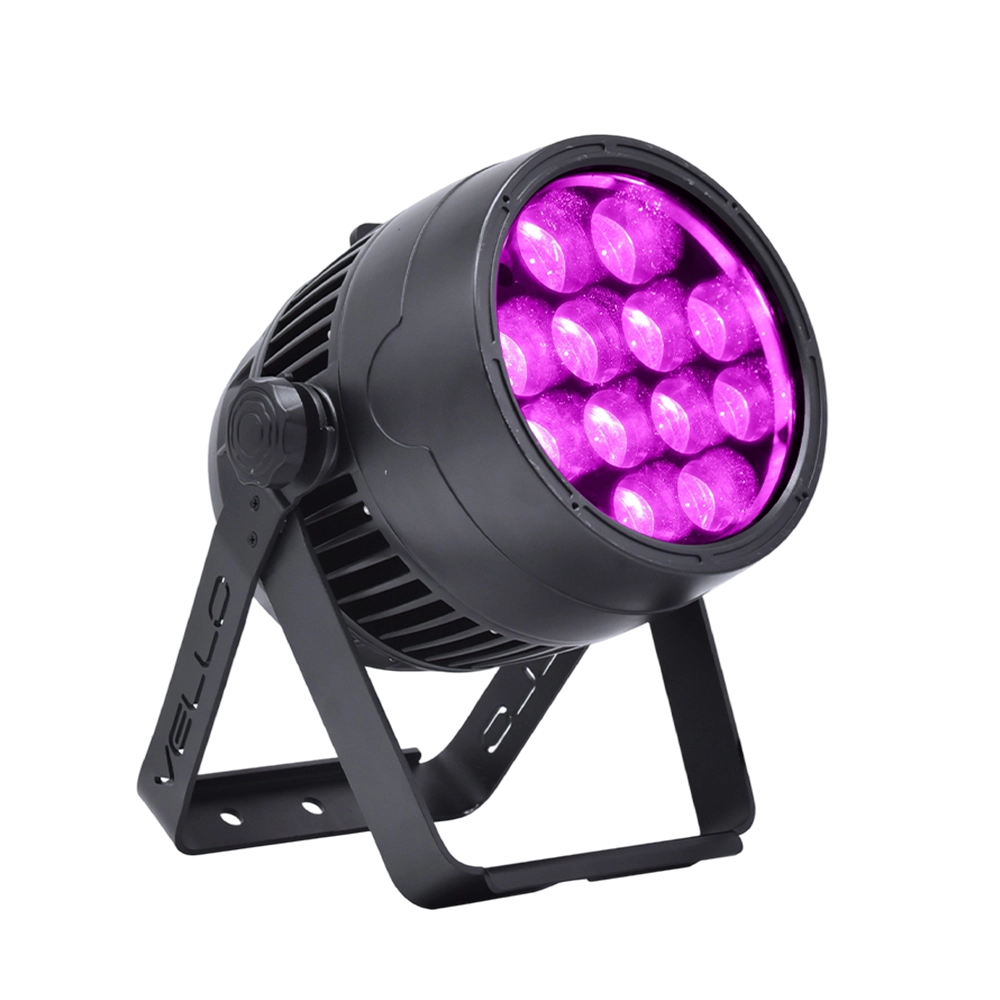
Stage LED Par Light LED ZOOMPAR 40
The Vello Zoom Par 40 IP is a powerful outdoor LED wash light equipped with 12x high-power 7-in-1 RGBACL LEDs. Designed for durability and rich color rendering, it features a wide motorized zoom (6°–50°), smooth dimming, and adjustable CTO presets (3200K–7500K), with 90+ CRI. With an IP66-rated die-cast aluminum body, it’s ideal for both indoor and outdoor applications, including stage lighting, architecture, live events, and installations.
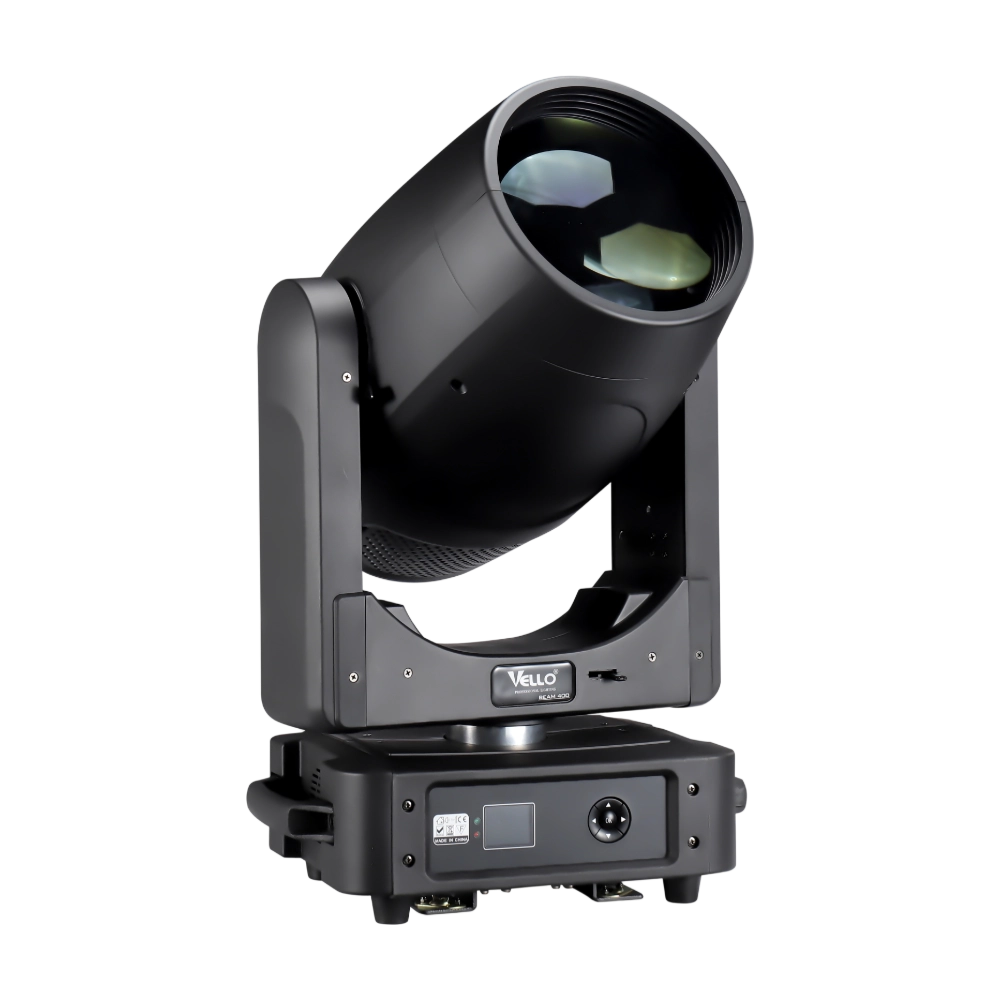
Moving Head Stage Light BEAM 400
BEAM400 is a 500W professional moving head beam powered by an OSRAM SIRIUS 371W discharge bulb, delivering a super-bright 1.8° sharp beam with impressive punch. It features 12 fixed gobos + open, a 14-color wheel, and a 16-facet circular rotating prism with multiple-facet effects, enabling dynamic aerial visuals. With 540° pan / 270° tilt, 16-bit movement resolution, and linear frost and focus, BEAM400 ensures precise and versatile performance. Comparable to traditional 750W moving heads, it combines high efficiency, smooth dimming, and reliable operation—ideal for concerts, tours, and large-scale stage productions.
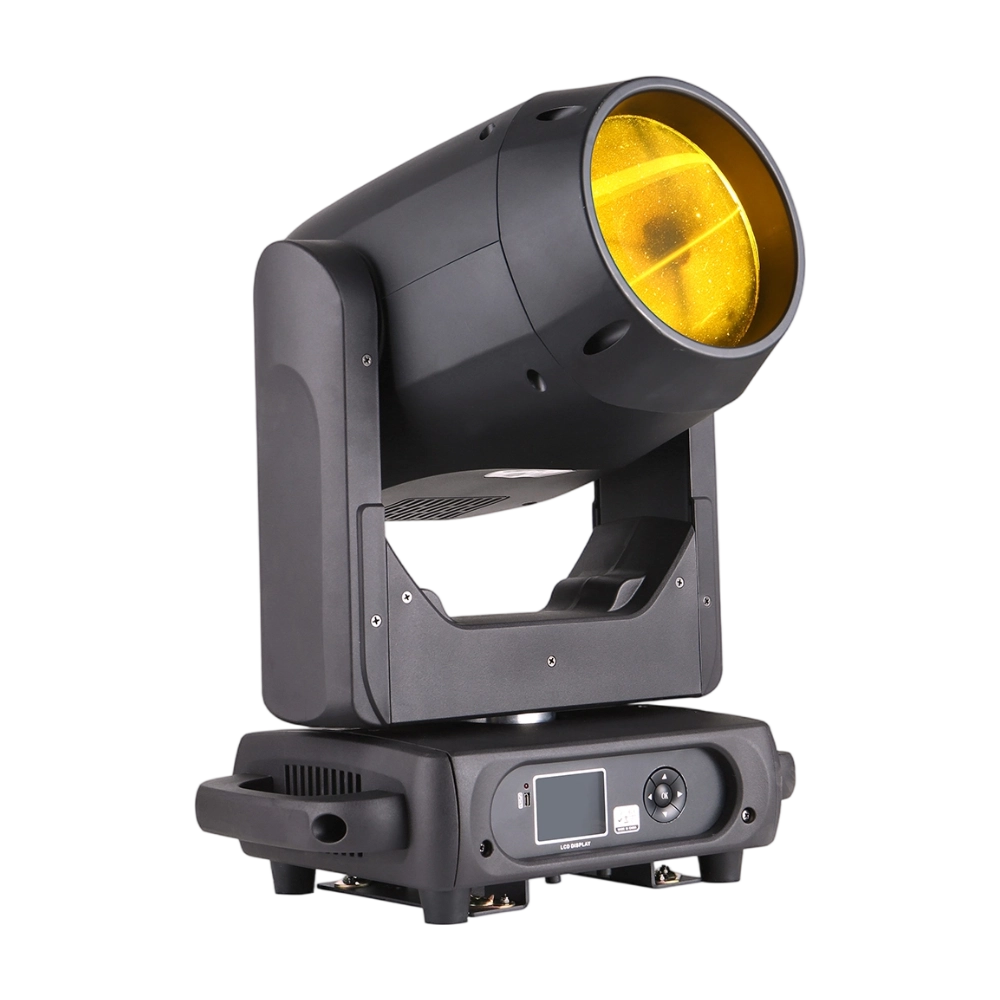
Moving Head Stage Light BEAM 360
BEAM360 is a 400W high-power moving head beam equipped with an OSRAM SIRIUS 311W discharge lamp, delivering a sharp 1.8° beam with super brightness. It features 14 colors + open, 12 fixed metal gobos + open, and dual prisms (8-facet circular + 8+16 multi-facet combination) for dynamic aerial effects. With 540° pan / 270° tilt, 16-bit movement, and linear frost and focus, BEAM360 ensures precision and versatility. Compact yet powerful, it rivals traditional 575W moving heads, making it ideal for concerts, clubs, and large-scale stage productions.
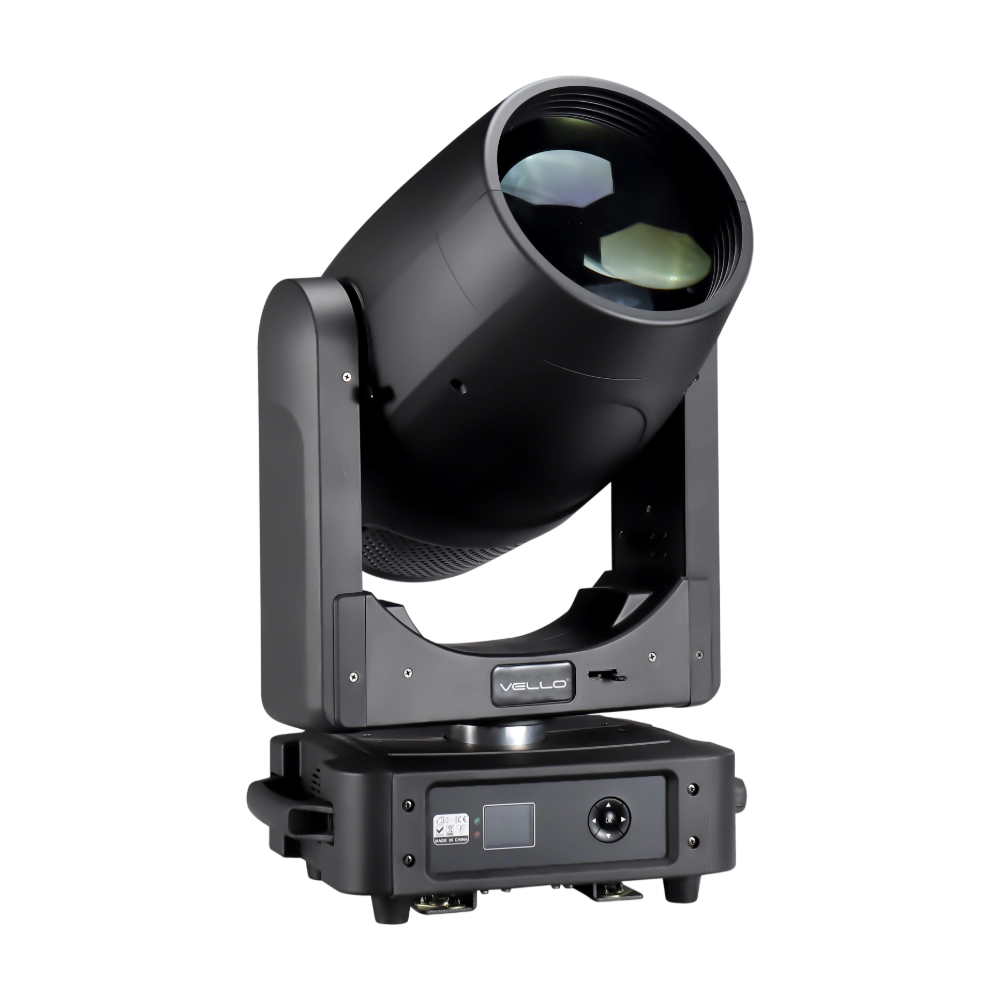
Moving Head Light BEAM 450
The BSW450 is a high-performance moving head fixture equipped with an original Osram 420W bulb, delivering exceptional brightness, precision, and versatility. Designed for professional stage applications, it seamlessly combines beam, spot, and wash functions in one compact unit, making it a powerful all-in-one lighting solution.
Over 20 Years of Innovation in Stage & Studio Lighting
© 2026 VELLO. All Rights Reserved. 粤ICP备20023734号
Join our socials
VELLO
Whatsapp: +8613902276704
Vello Lighting
VelloLights