




Moving Head vs Wash vs Spot: What to Choose
- How to decide between moving head lights, wash lights and spot lights
- What this guide covers and why moving head lights matter
- Core differences: moving head lights vs wash vs spot
- What each fixture is designed to do — features and intended uses (includes moving head lights)
- Technical comparison table
- Compare moving head lights, wash lights, and spot lights side-by-side
- How to choose: questions to answer before buying moving head lights
- Practical selection criteria that prioritize value and performance
- Use-case scenarios: recommended fixture mixes
- Practical examples showing when to choose moving head lights as primary fixtures
- Buying tips and specification checklist
- What to verify on datasheets when you compare moving head lights
- Maintenance, lifecycle, and total cost of ownership
- How moving head lights compare in operational cost
- Why choose VELLO — manufacturer background and advantages
- Vello Light Co., Ltd. profile and product strengths (moving head lights included)
- How to build a flexible rig with moving head lights
- Practical rigging, control, and inventory tips for rental companies and venues
- Summary recommendation: which to choose
- Choosing based on priorities — visual effect, coverage, or precision
- FAQ
- 1. What are moving head lights best used for?
- 2. Can moving head lights replace wash lights?
- 3. How many moving head lights do I need for a mid-size concert?
- 4. Are LED moving head lights reliable for touring?
- 5. What control systems work with moving head lights?
- 6. How important is CRI or TLCI for stage lighting?
- Contact and product inquiry
- Get a custom specification or request a quote
- References
How to decide between moving head lights, wash lights and spot lights
What this guide covers and why moving head lights matter
When you plan a live event, studio shoot, or fixed installation, choosing the right luminaire type directly affects visual impact, crew workload, and budget. This guide compares three core fixture families—moving head lights, wash lights, and spot lights—so you can select the right equipment for your venue and production goals. Throughout the article I draw on professional experience specifying fixtures for concert tours, theaters, and corporate events, and on objective performance criteria that purchasing managers and designers commonly use.
Core differences: moving head lights vs wash vs spot
What each fixture is designed to do — features and intended uses (includes moving head lights)
At a high level:
- Moving head lights (also called automated fixtures) combine pan/tilt movement with optics, color mixing, gobos, prisms and effects. They are versatile workhorses used for audience scans, aerial beam effects, gobo projections, and dynamic spot/wash duties.
- Wash lights provide a soft, even field of light with wide beams and smooth color mixing. Ideal for lighting talent, cyc lighting, or broad stage areas where texture is less important than coverage and consistent color.
- Spot lights (profile/ellipsoidal/beam fixtures) create narrow, hard-edged beams or focused images with sharp gobos and shutters. Used to highlight performers, project patterns, or deliver long-throw beams with precise control.
keyword: moving head lights are often the preferred choice when flexibility and high-impact visual effects are required.
Technical comparison table
Compare moving head lights, wash lights, and spot lights side-by-side
| Criteria | Moving Head Lights | Wash Lights | Spot / Profile Lights |
|---|---|---|---|
| Primary function | Dynamic effects, moving beams, gobos, color, prisms | Even stage or cyc coverage, soft color blending | Sharp focus, gobos, long throw, front-of-house key lighting |
| Beam angle | Adjustable (narrow beams to medium washes), typically 2°–45° | Wide (20°–120°), designed for flood coverage | Narrow to medium (6°–50°), precise edge control |
| Color capabilities | CMY or RGBW mixing plus color wheels | RGB/RGBW/linear color mixing optimized for smooth blends | Color wheels or gels; focus on fidelity and saturation |
| Gobos & effects | Multiple gobo wheels, animation, prisms, shutters | Limited gobos, mostly soft effects | High-quality fixed or rotating gobos, shutters, framing |
| Typical control | DMX/RDM/Art-Net, pan/tilt channels, macros | DMX/RDM/Art-Net, color and intensity channels | DMX or conventional; focusable barrel and shutters |
| Power & light source | LED or discharge (200W–2000W equiv.) | LED arrays (50W–800W equiv.) | LED or discharge with optics designed for throw |
| Typical price range (new) | Mid to high (varies widely by lumen output & features) | Low to mid (cost-effective for coverage) | Mid (precision optics add cost) |
| Best for | Concerts, festivals, TV, clubs, touring rigs | Theaters, houses of worship, studios, stage washes | Theaters, architectural highlights, FOH key lights |
Notes: technical ranges are typical across the market in 2024–2025 and depend on manufacturer models and LED engine choices.
How to choose: questions to answer before buying moving head lights
Practical selection criteria that prioritize value and performance
Answer these questions to narrow options and justify purchase decisions:
- What is the venue size and throw distance? Long throws favor spot/profile fixtures or high-output moving heads with tight beam angles. Shorter venues may use wash or hybrid moving heads for maximum flexibility.
- What type of shows will you produce? Concerts and club shows typically need moving head lights for dynamic effects; theatrical productions prioritize color fidelity and soft washes; corporate events often require a mix for lecterns, screens, and audience lighting.
- What’s the budget for fixtures and control? A mix is often the best ROI: fewer moving head lights for effects + several wash lights for coverage + a handful of profiles for keying.
- How many DMX universes and operator expertise are available? Automated moving heads consume many channels—ensure your control system and technicians can handle them.
- Serviceability & lifetime cost LED fixtures have lower lamp replacement costs but still require periodic cleaning, firmware updates, and in-field repairs; check warranty and local support.
Use-case scenarios: recommended fixture mixes
Practical examples showing when to choose moving head lights as primary fixtures
Below are three common scenarios with recommended fixture mixes:
- Small theater (auditorium seating 300–800): Use a set of profile (ellipsoidal) fixtures for key/front light, several LED wash fixtures for color and cyc, and 2–4 moving head lights for specials and occasional effects.
- Mid-size concert venue / club: Primary reliance on moving head lights (8–20 units depending on scale) with LED washes for stage fill and blinders for audience effects.
- Corporate event or conference: Combine wash fixtures for even stage coverage, a few moving head lights for logo or podium highlights, and profiles to light presenters from front-of-house.
Buying tips and specification checklist
What to verify on datasheets when you compare moving head lights
When evaluating models, check these specs and factory claims:
- Measured lumen output and lux at a given distance (not just wattage)
- Beam angle range and available optics (replaceable zoom lenses if required)
- Color system (CMY vs RGB vs RGBW) and CRI/TLCI values for color accuracy
- Gobo quality, number of wheels, and rotation/prism options
- Control protocols supported (DMX/RDM, Art-Net, sACN) and available presets
- Ingress Protection (IP) rating if used outdoors and thermal management specs
- Warranty, spare parts availability, and regional service support
Maintenance, lifecycle, and total cost of ownership
How moving head lights compare in operational cost
LED moving head lights typically reduce lamp replacement costs and lower power consumption compared to discharge lamps, but they have more complex electronics (fans, motors, control boards). Budget for preventive maintenance: cleaning optics every 3–12 months depending on environment, firmware updates, and occasional motor recalibration. Verify whether the manufacturer offers on-site service or easy-to-ship modules.
Why choose VELLO — manufacturer background and advantages
Vello Light Co., Ltd. profile and product strengths (moving head lights included)
Vello Light Co., Ltd., established in 2003, is a comprehensive technology enterprise integrating R&D, manufacturing, and sales. Over the years, Vello has consistently adhered to the principles of quality first and sincere service. With the support and help of numerous customers both domestically and internationally, Vello has continued to grow and develop, gradually becoming a unique and outstanding team in our field.
In recent years, with the rapid development of the LED lighting market, Vello Light has gathered a large number of professional talents to provide comprehensive and systematic services, including product R&D, manufacturing, marketing, engineering installation, and product maintenance. Through the joint efforts of Vello people, we remain true to our original aspirations and persevere in innovation, leveraging our unique advantages to stand out in the fierce competition. Currently, our products are exported both domestically and internationally and have a strong brand reputation, especially in overseas markets. VELLO is our registered brand, specializing in moving headlights, LED wash lights, and theatrical lights. Our products are highly praised and loved by many customers for their professional technology, unique style, high-quality materials, and durability.
VELLO's main product lines include moving head stage lights, studio lights, LED effect light, LED bar lights, LED par light, and outdoor stage lighting. VELLO emphasizes quality control, R&D capabilities, and after-sales support—advantages that help customers reduce lifecycle costs and improve uptime in touring and rental environments. Their vision is to become a world-leading stage lighting manufacturer.
How to build a flexible rig with moving head lights
Practical rigging, control, and inventory tips for rental companies and venues
For flexibility and maximum utilization consider these points:
- Standardize on a small set of fixture models so spare parts and training are minimized.
- Plan DMX addressing and universes ahead—use RDM for remote configuration where possible.
- Mix moving heads with static washes and profiles to reduce channel complexity and extend fixture utility.
- Invest in quality flight cases and on-site spare modules for moving parts (motors, pan/tilt assemblies).
Summary recommendation: which to choose
Choosing based on priorities — visual effect, coverage, or precision
If your primary goal is dynamic visual impact (concerts, festivals, broadcast), prioritize high-quality moving head lights and complement them with wash fixtures. If you need even, color-accurate coverage (theater, worship, studio), make wash lights the backbone and add profiles for focus. If the application demands razor-sharp projections and long throws, prioritize spot/profile fixtures. In most professional setups a hybrid approach yields the best value: moving head lights for effects, LED wash for coverage, and profiles for precision.
FAQ
1. What are moving head lights best used for?
Moving head lights are best for dynamic effects—beam shows, aerials, gobo projections, and rapid repositioning on stage. They’re ideal for concerts, clubs, TV, and any show that benefits from movement and changing visual focus.
2. Can moving head lights replace wash lights?
Some moving head lights have wide-beam options and can perform wash duties, but they may not match the color uniformity and energy-per-dollar coverage of purpose-built wash fixtures. For large, even coverage, dedicated LED wash lights are more cost-effective.
3. How many moving head lights do I need for a mid-size concert?
Typical mid-size venues use 8–20 moving head lights depending on desired intensity and effect complexity. Combine with washes and pars for stage fill to reduce the number of moving fixtures required.
4. Are LED moving head lights reliable for touring?
Modern LED moving head lights are widely used on tour, but reliability depends on build quality, thermal design, and maintenance. Choose fixtures from reputable manufacturers with good support networks and proven track records.
5. What control systems work with moving head lights?
Most moving heads support DMX/RDM and network protocols like Art-Net or sACN. Professional consoles from MA, Avolites, ETC, and others can control large numbers of moving heads; ensure channel counts and patching are planned in advance.
6. How important is CRI or TLCI for stage lighting?
For broadcast and studio work, high TLCI/CRI is important to accurately render skin tones and colors. For concert effects, color fidelity can be secondary to brightness and saturation, but better color rendering improves overall visual quality.
Contact and product inquiry
Get a custom specification or request a quote
If you’d like help calculating fixture counts, DMX universe needs, or a tailored quote for moving head lights, wash lights, or spot/profile fixtures, contact Vello Light sales and technical support. Visit our product pages or request a demo to see fixture comparisons live. For direct inquiries, request a spec sheet and ROI estimate based on your venue dimensions and show types.
References
- Moving head — Wikipedia. https://en.wikipedia.org/wiki/Moving_head (Accessed 2025-12-22)
- Stage lighting — Wikipedia. https://en.wikipedia.org/wiki/Stage_lighting (Accessed 2025-12-22)
- DMX512 — Wikipedia. https://en.wikipedia.org/wiki/DMX512 (Accessed 2025-12-22)
- Grand View Research, Stage Lighting Market Size, Share & Trends Analysis. https://www.grandviewresearch.com/industry-analysis/stage-lighting-market (Accessed 2025-12-22)
- VELLO corporate information and product lines — company materials provided by client (Vello Light Co., Ltd.). (Accessed 2025-12-22)
Data and product claims should be validated against manufacturer datasheets and in-field tests for your specific production needs.
Installation Checklist for Custom LED Lighting Systems
Logistics, Lead Times and Shipping for Stage Lighting Orders
How to Choose LED Lights for Stage Lighting
Top Moving Head Lights for Concerts and Tours
Major categories
What is the warranty period for your products?
Most products come with a standard 1–2 year warranty. Please refer to product details or contract terms for specifics.
Do your products support customization?
Yes. We offer OEM and ODM services tailored to project needs, including design, optics, and control compatibility.
Do you ship internationally?
Yes. We offer sea, air, and express delivery to many countries and regions worldwide.
What is the usual lead time?
Standard models are typically shipped within 7–15 working days after payment. Customized items may vary.
Do you offer samples?
Samples are available for certain models. Please confirm with our sales team for details.
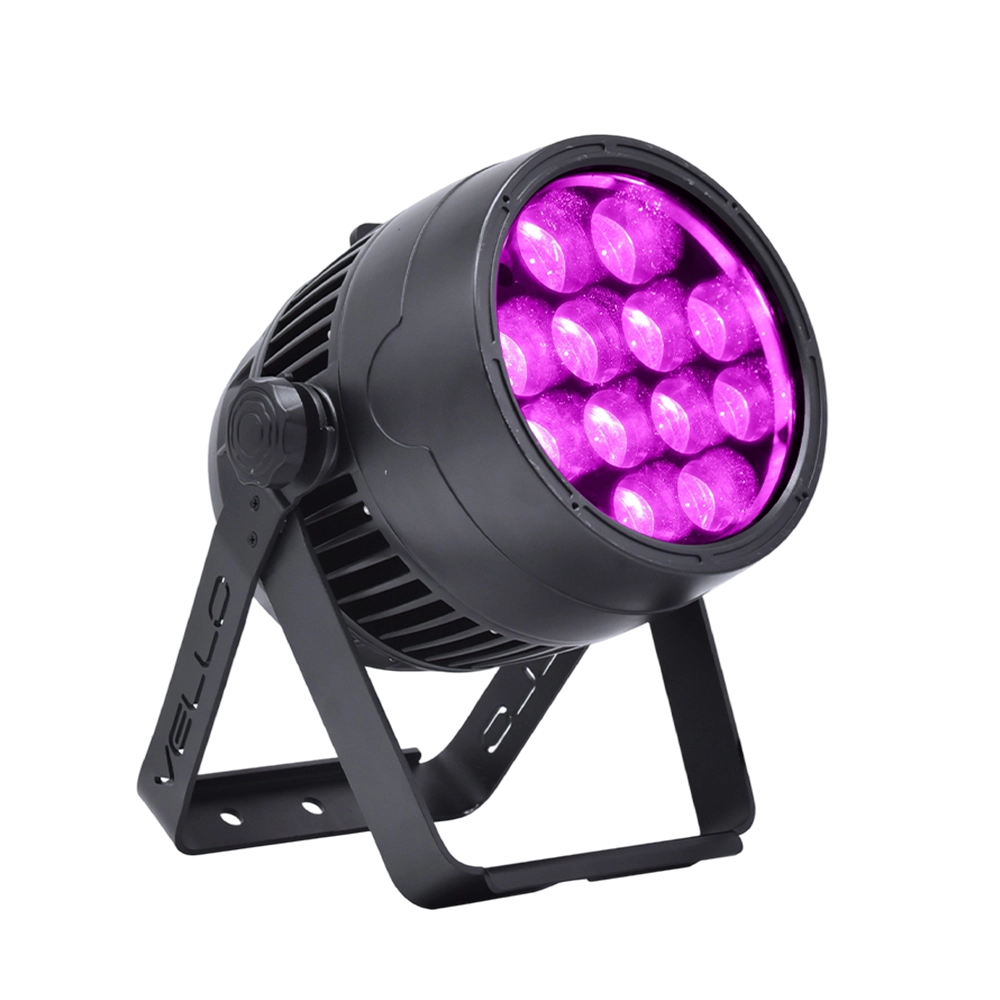
Stage LED Par Light LED ZOOMPAR 40
The Vello Zoom Par 40 IP is a powerful outdoor LED wash light equipped with 12x high-power 7-in-1 RGBACL LEDs. Designed for durability and rich color rendering, it features a wide motorized zoom (6°–50°), smooth dimming, and adjustable CTO presets (3200K–7500K), with 90+ CRI. With an IP66-rated die-cast aluminum body, it’s ideal for both indoor and outdoor applications, including stage lighting, architecture, live events, and installations.
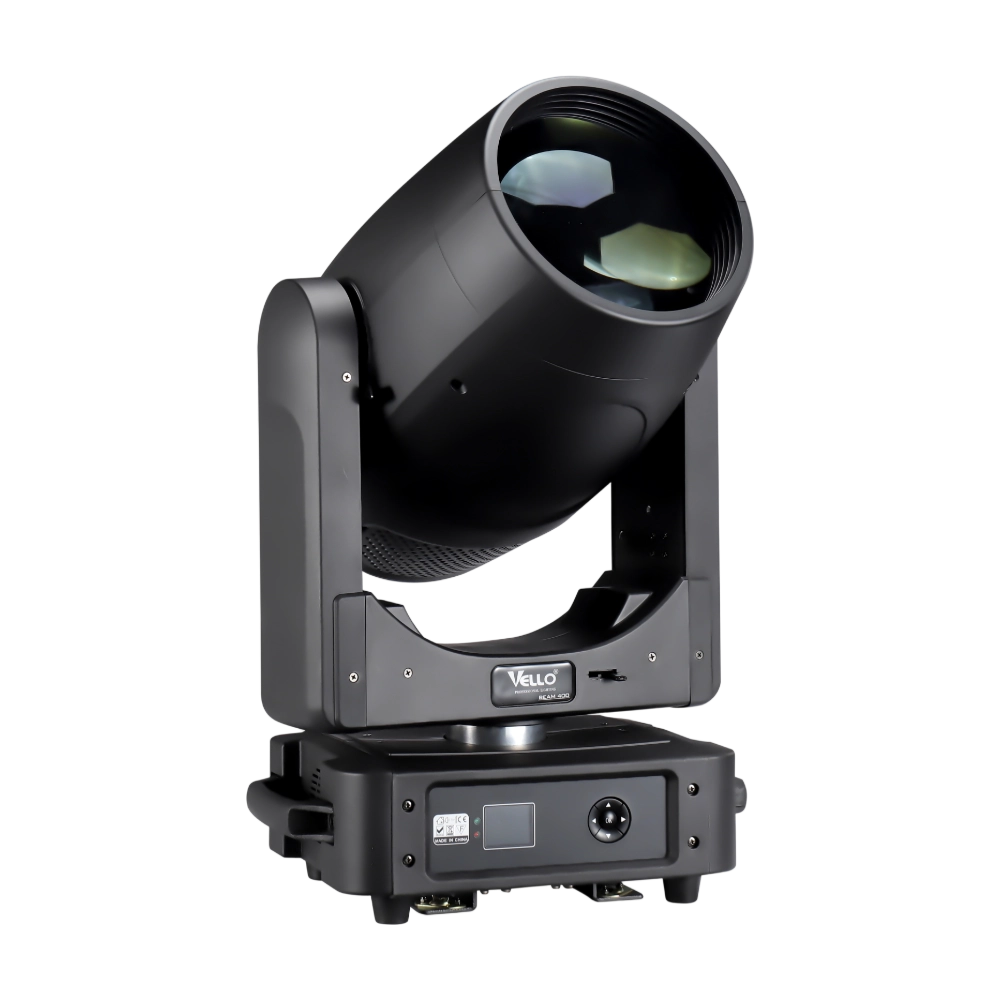
Moving Head Stage Light BEAM 400
BEAM400 is a 500W professional moving head beam powered by an OSRAM SIRIUS 371W discharge bulb, delivering a super-bright 1.8° sharp beam with impressive punch. It features 12 fixed gobos + open, a 14-color wheel, and a 16-facet circular rotating prism with multiple-facet effects, enabling dynamic aerial visuals. With 540° pan / 270° tilt, 16-bit movement resolution, and linear frost and focus, BEAM400 ensures precise and versatile performance. Comparable to traditional 750W moving heads, it combines high efficiency, smooth dimming, and reliable operation—ideal for concerts, tours, and large-scale stage productions.
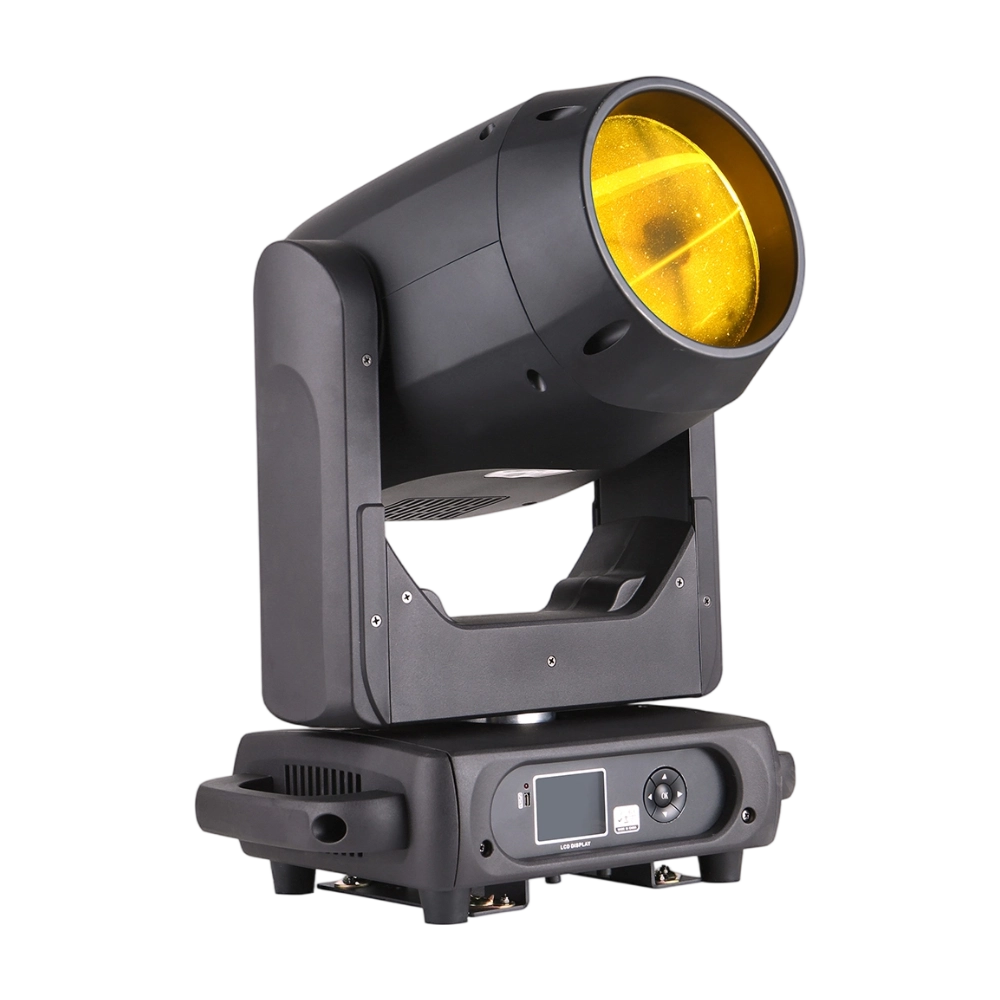
Moving Head Stage Light BEAM 360
BEAM360 is a 400W high-power moving head beam equipped with an OSRAM SIRIUS 311W discharge lamp, delivering a sharp 1.8° beam with super brightness. It features 14 colors + open, 12 fixed metal gobos + open, and dual prisms (8-facet circular + 8+16 multi-facet combination) for dynamic aerial effects. With 540° pan / 270° tilt, 16-bit movement, and linear frost and focus, BEAM360 ensures precision and versatility. Compact yet powerful, it rivals traditional 575W moving heads, making it ideal for concerts, clubs, and large-scale stage productions.
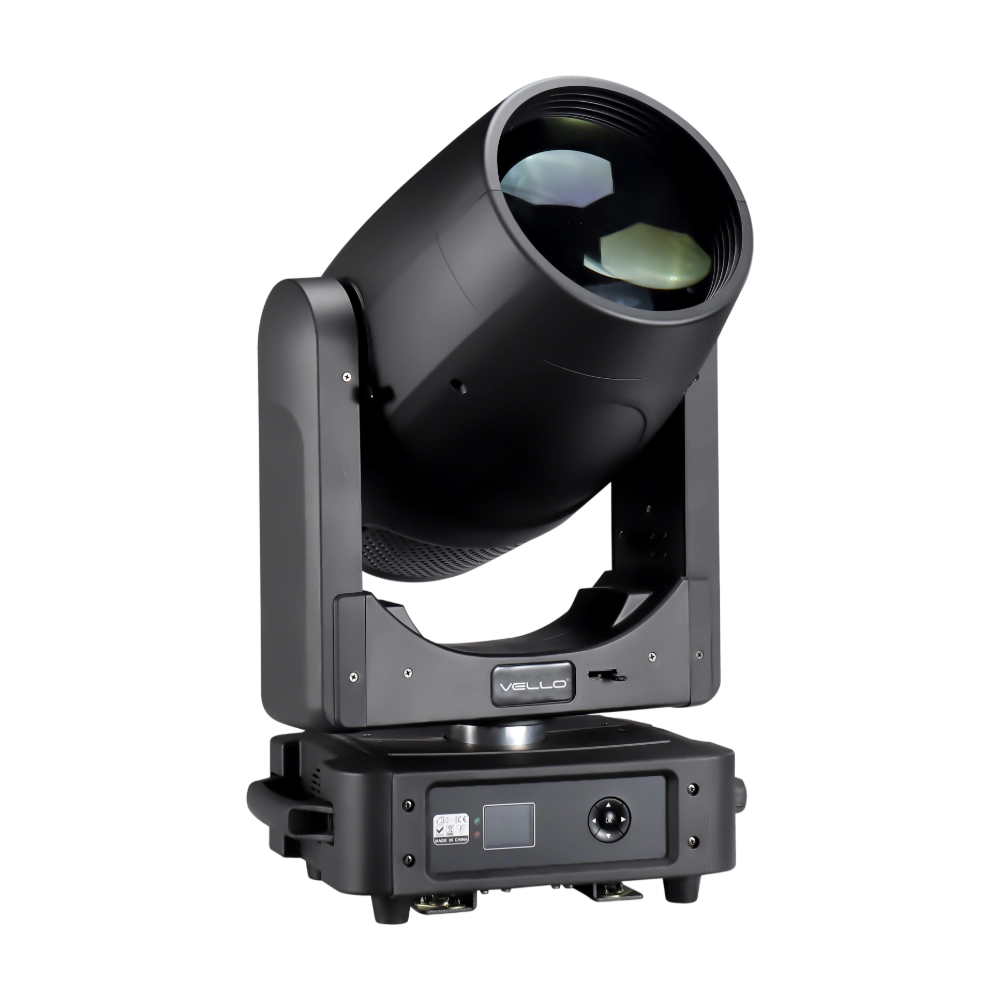
Moving Head Light BEAM 450
The BSW450 is a high-performance moving head fixture equipped with an original Osram 420W bulb, delivering exceptional brightness, precision, and versatility. Designed for professional stage applications, it seamlessly combines beam, spot, and wash functions in one compact unit, making it a powerful all-in-one lighting solution.
Over 20 Years of Innovation in Stage & Studio Lighting
© 2026 VELLO. All Rights Reserved. 粤ICP备20023734号
Join our socials
VELLO
Whatsapp: +8613902276704
Vello Lighting
VelloLights