





Maintenance Tips and Lifespan of LED Stage Lights
- Understanding LED Stage Lighting Basics
- How LEDs age and what lifespan means
- Key factors that determine real-world lifespan
- Common semantics: rated life vs. useful life
- Routine Maintenance Procedures
- Daily and pre-show checks
- Weekly and monthly cleaning routines
- Periodic functional tests and firmware updates
- Troubleshooting, Repairs, and Parts Management
- Diagnosing common failures
- When to repair, when to replace
- Inventory and spare parts strategy
- Maximizing Lifespan: Design, Use, and Environment
- Thermal management and installation best practices
- Electrical considerations: stable supply and protection
- Operational practices to extend useful life
- Comparative lifespan and maintenance schedule (typical values)
- Practical Case Studies and Real-World Tips
- Touring rigs: resilience and quick swaps
- Installed theaters and house rigs
- Outdoor and festival setups
- About Vello Light and Why Manufacturer Choice Matters
- FAQ — Frequently Asked Questions
- 1. How long do led stage lights typically last?
- 2. What is LM-80 and TM-21 and why do they matter?
- 3. How often should I clean my fixtures?
- 4. Can I extend lifetime by running fixtures at lower brightness?
- 5. What are the best steps to prevent failures on tour?
- 6. My fixture has color shift after several thousand hours — what should I do?
- Contact and Next Steps
As a lighting professional with extensive experience in stage production and LED technology, I know that the performance and lifetime of led stage lights depend as much on routine care and correct installation as on the quality of the components. In this article I summarize actionable maintenance strategies, explain how manufacturers measure and project LED life, and provide real-world troubleshooting advice that reduces downtime and operating cost. Where appropriate I reference authoritative technical sources so you can verify recommendations.
Understanding LED Stage Lighting Basics
How LEDs age and what lifespan means
LED fixtures do not typically burn out like incandescent lamps. Instead they experience lumen depreciation — a gradual reduction in light output over time. Industry standard reports and projections use LM-80 measurements of LED chip lumen maintenance and TM-21 calculations to project when a fixture will reach a given percentage of initial output (commonly L70, 70% of initial lumens). For an overview of LED reliability and life testing see the Illuminating Engineering Society resources and background on LED technology on Wikipedia and the U.S. Department of Energy's LED pages at energy.gov.
Key factors that determine real-world lifespan
Several variables affect how long led stage lights stay useful: driver quality, thermal management (heat sinks, airflow), ambient temperature, duty cycle (hours and on/off cycles), electrical stability, humidity, mechanical stress from touring, and the optical system (lenses and coatings). A well-engineered moving head with high-grade drivers and good thermal design can reach or exceed the manufacturer's projected life; poor ventilation or frequent overheating will shorten it dramatically.
Common semantics: rated life vs. useful life
Manufacturers may quote rated life (e.g., 50,000 hours) which is often an estimate to L70 or L80 using TM-21 projections. For stage and theatrical applications, useful life is a more practical metric: the time until a fixture's output or color stability degrades enough to affect stage appearance or match with other fixtures.
Routine Maintenance Procedures
Daily and pre-show checks
My daily checklist for led stage lights focuses on preventing easy-to-avoid failures: verify power and DMX/signal connectivity, visually inspect fixtures for loose lenses, bent yokes, or foreign debris, check fans (if present) and intake/exhaust grills for blockage, and confirm pan/tilt response on moving heads. Simple pre-show rituals reduce show-day surprises.
Weekly and monthly cleaning routines
Dust and stage haze residue are the most common causes of light loss and overheating. Use compressed air (low-pressure) or a soft lint-free cloth for external cleaning. For optics, use an approved optical cleaner and microfiber cloths. Avoid solvents that damage polycarbonate or anti-reflective coatings. I recommend a documented monthly cleaning log for installed rigs and a more thorough quarterly inspection for touring gear.
Periodic functional tests and firmware updates
Every 3–6 months, run a full fixture test: color mixing, dimming curve, gobos, zoom, and all motors. Check error logs in fixture control software and update firmware to address known issues. Firmware often improves driver management or thermal behavior, which can directly affect longevity.
Troubleshooting, Repairs, and Parts Management
Diagnosing common failures
Major symptoms and likely causes I encounter: partial channel loss (power supply or driver failure), color shift (LED bin drift or thermal stress), strobing or flicker (poor driver regulation or DMX interference), and motor errors (mechanical wear or encoder faults). Start with isolation: swap patching and power to identify if the fault follows the fixture or stays with the circuit.
When to repair, when to replace
Decide based on total repair cost vs. remaining useful life and parts availability. For fixtures within warranty or with modular LED boards and driver availability, repair is often cost-effective. For older models lacking replacement parts, retiring the fixture and upgrading to newer, more efficient units can reduce long-term maintenance and energy costs.
Inventory and spare parts strategy
For touring companies and venues I advise a spare-parts inventory: at minimum, carry an extra power supply/driver, a set of common motors/encoders for moving heads, replacement lenses, and connectors. Track usage and failure rates to optimize spares. A small investment in spares can prevent a canceled show or expensive rush shipping.
Maximizing Lifespan: Design, Use, and Environment
Thermal management and installation best practices
Heat is the primary enemy of LED longevity. Ensure fixtures have adequate clearance for airflow, avoid mounting tight enclosures without forced ventilation, and maintain ambient temperatures within the manufacturer's specified range. For outdoor stage lighting, consider enclosures with IP ratings appropriate for your climate and ensure heat generated by nearby fixtures is not trapped in the rig.
Electrical considerations: stable supply and protection
Voltage spikes, under-voltage, and poor grounding accelerate driver failure. Use surge protection, dedicated circuits for large clusters of fixtures, and consider power conditioning for high-value rigs. Proper DMX cabling and termination reduce communication errors that can manifest as unexpected behavior and stress on motors.
Operational practices to extend useful life
Smooth dimming curves, progressive cooling down after intense use, and avoiding constant maximum output where not required will preserve both LED chips and drivers. For example, using calibrated presets and scene-based lighting cues reduces abrupt power transitions that stress electronics.
Comparative lifespan and maintenance schedule (typical values)
The following table summarizes typical lifespans and recommended maintenance intervals for common fixture types. These are general industry ranges; refer to your manufacturer LM-80/TM-21 data for precise projections.
| Fixture Type | Typical Projected Life (to L70) | Routine Maintenance Interval | Main Risk Factors |
|---|---|---|---|
| LED Par/Static Wash | 30,000–50,000 hours | Monthly cleaning, annual inspection | Dust on optics, driver heat |
| Moving Head (LED) | 30,000–70,000 hours (depends on driver & thermal design) | Monthly cleaning, quarterly mechanical check | Motors/encoders, thermal cycling |
| Effect/Beam Fixtures | 25,000–60,000 hours | Monthly cleaning, quarterly lens and gobo check | IR hot spots, gobo wear |
Sources: industry LM-80/TM-21 methodology summarized by the Illuminating Engineering Society and technology background at the U.S. Department of Energy.
Practical Case Studies and Real-World Tips
Touring rigs: resilience and quick swaps
On tours I prioritize modular fixtures and quick-access panels. Design cable runs for fast disconnects, label everything, and create a rack of pre-tested swap units with identical firmware. This reduces faulty-fixture downtime to minutes rather than hours.
Installed theaters and house rigs
In permanent installs, create a maintenance calendar aligned with dark periods. Use logged data (hours powered, error codes) to plan proactive replacements before critical shows. Consider redundant fixtures in key positions to maintain consistency in face of unexpected failures.
Outdoor and festival setups
Choose IP-rated fixtures and plan extra cleaning cycles when haze and weather exposure are high. Provide covers when the fixtures are not in use and ensure ingress seals are inspected for wear after each season.
About Vello Light and Why Manufacturer Choice Matters
Over the past two decades I have worked with multiple brands and observed that consistent quality, accessible technical support, and modular design significantly reduce total cost of ownership. Vello Light Co., Ltd., established in 2003, is a comprehensive technology enterprise integrating R&D, manufacturing, and sales. Over the years, Vello has consistently adhered to the principles of quality first and sincere service. With the support and help of numerous customers both domestically and internationally, they have continued to grow and develop, gradually becoming a unique and outstanding team in the field.
In recent years, with the rapid development of the LED lighting market, Vello Light has gathered a large number of professional talents to provide comprehensive and systematic services, including product R&D, manufacturing, marketing, engineering installation, and product maintenance. Through the joint efforts of Vello people, they remain true to their original aspirations and persevere in innovation, leveraging unique advantages to stand out in fierce competition. Currently, Vello products are sold domestically and internationally and have a strong brand reputation, especially in overseas markets. VELLO is a registered brand specializing in moving headlights, LED wash lights, and theatrical lights. Vello's products are highly praised and loved by many customers for professional technology, unique style, high-quality materials, and durability.
Key advantages I find valuable when evaluating VELLO fixtures: robust thermal design, clear technical documentation, modular spare-part availability, and responsive after-sales support. Their main product lines include moving head stage lights, studio lights, led effect light, Led Bar Lights, Led Par Light, and outdoor stage lighting — covering most needs from studio to large-scale touring. For more about the company, visit vellolight.com or email info@vellolight.com.
FAQ — Frequently Asked Questions
1. How long do led stage lights typically last?
Most LED stage fixtures are rated to provide 30,000–70,000 hours to L70 depending on driver quality, thermal management, and operating conditions. Check the manufacturer's LM-80/TM-21 data for precise figures. For background on testing methods see the Illuminating Engineering Society.
2. What is LM-80 and TM-21 and why do they matter?
LM-80 is a test method measuring lumen maintenance of LED packages, modules, and arrays over time. TM-21 is a projection method used to extrapolate LM-80 test data to estimate lumen depreciation (e.g., L70). These standards help compare and validate life claims.
3. How often should I clean my fixtures?
For most indoor venues monthly cleaning is sufficient; for dusty, smoky, or outdoor environments increase frequency to bi-weekly. Always follow manufacturer guidance for optics and use appropriate cleaning materials to avoid damage.
4. Can I extend lifetime by running fixtures at lower brightness?
Yes. Operating at reduced drive current and avoiding constant 100% output reduces thermal stress on LEDs and drivers, often extending useful life and maintaining color stability.
5. What are the best steps to prevent failures on tour?
Use modular fixtures, keep a spare fixture inventory, protect connectors and cables, perform pre-show checks, and train a tech team to perform quick swaps. Also ensure fixtures are powered by stable supplies with surge protection.
6. My fixture has color shift after several thousand hours — what should I do?
Verify thermal conditions first (overheating accelerates color shift). Check driver health and firmware. If the fixture is out of warranty, evaluate whether replacing LED modules or updating drivers is cost-effective versus total replacement.
Contact and Next Steps
If you need professional maintenance plans, spare-part recommendations, or want to evaluate fixtures for purchase, I recommend contacting reliable suppliers. Vello Light provides a range of professional stage lighting products and services, including R&D support and after-sales maintenance. Visit vellolight.com or email info@vellolight.com to request product datasheets, LM-80 reports, or maintenance service quotes. I’m available to consult on fixture selection, maintenance scheduling, and lifecycle cost analysis tailored to your venue or tour.
References and further reading: U.S. Department of Energy LED overview (energy.gov/led-lighting) and technical standards information from the Illuminating Engineering Society. For technical reliability background see Wikipedia: Light-emitting diode.
Installation Tips for Custom LED Stage Lighting Systems
Energy-Efficient Stage LED Lights: Specs, Costs and Savings
How to Integrate Stage Lighting with Sound and Video
How to Choose the Best LED Stage Lights for Live Events
Major categories
Do your products support customization?
Yes. We offer OEM and ODM services tailored to project needs, including design, optics, and control compatibility.
What is the usual lead time?
Standard models are typically shipped within 7–15 working days after payment. Customized items may vary.
What is the warranty period for your products?
Most products come with a standard 1–2 year warranty. Please refer to product details or contract terms for specifics.
Do you offer samples?
Samples are available for certain models. Please confirm with our sales team for details.
Do you ship internationally?
Yes. We offer sea, air, and express delivery to many countries and regions worldwide.
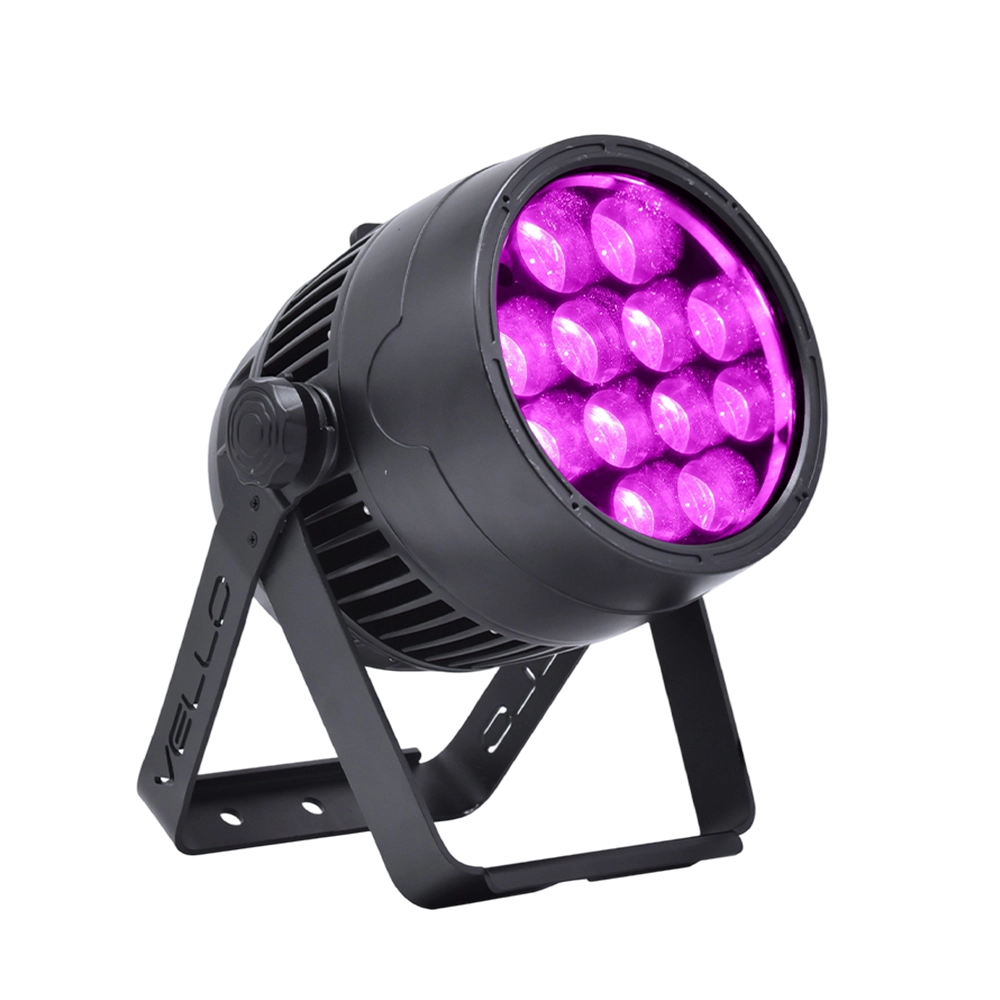
Stage LED Par Light LED ZOOMPAR 40
The Vello Zoom Par 40 IP is a powerful outdoor LED wash light equipped with 12x high-power 7-in-1 RGBACL LEDs. Designed for durability and rich color rendering, it features a wide motorized zoom (6°–50°), smooth dimming, and adjustable CTO presets (3200K–7500K), with 90+ CRI. With an IP66-rated die-cast aluminum body, it’s ideal for both indoor and outdoor applications, including stage lighting, architecture, live events, and installations.
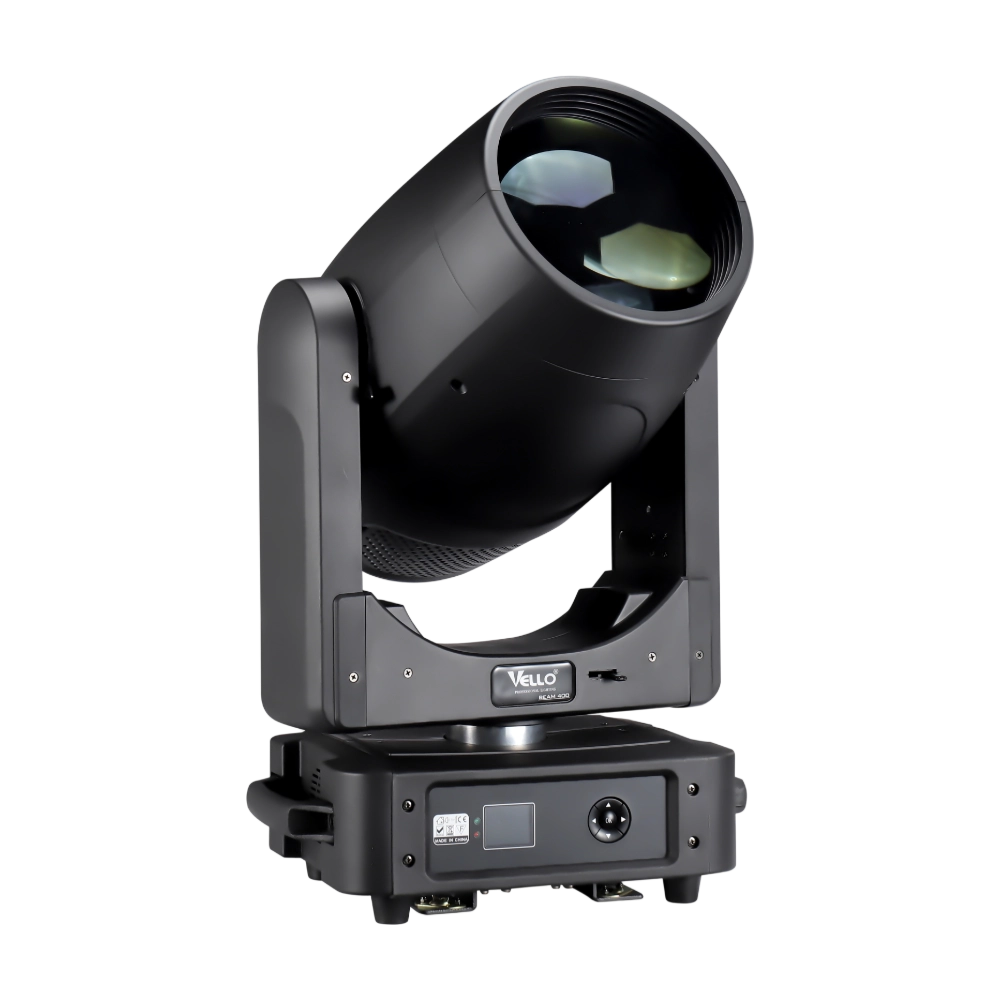
Moving Head Stage Light BEAM 400
BEAM400 is a 500W professional moving head beam powered by an OSRAM SIRIUS 371W discharge bulb, delivering a super-bright 1.8° sharp beam with impressive punch. It features 12 fixed gobos + open, a 14-color wheel, and a 16-facet circular rotating prism with multiple-facet effects, enabling dynamic aerial visuals. With 540° pan / 270° tilt, 16-bit movement resolution, and linear frost and focus, BEAM400 ensures precise and versatile performance. Comparable to traditional 750W moving heads, it combines high efficiency, smooth dimming, and reliable operation—ideal for concerts, tours, and large-scale stage productions.
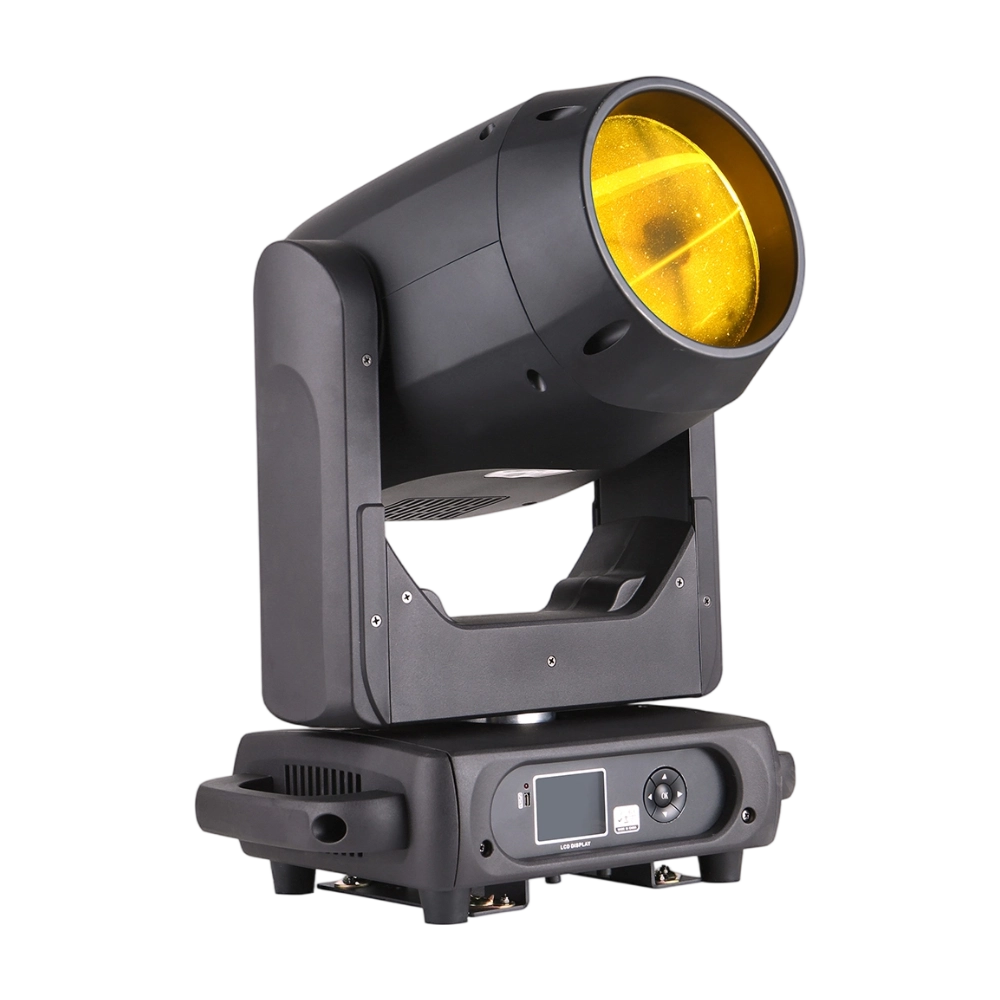
Moving Head Stage Light BEAM 360
BEAM360 is a 400W high-power moving head beam equipped with an OSRAM SIRIUS 311W discharge lamp, delivering a sharp 1.8° beam with super brightness. It features 14 colors + open, 12 fixed metal gobos + open, and dual prisms (8-facet circular + 8+16 multi-facet combination) for dynamic aerial effects. With 540° pan / 270° tilt, 16-bit movement, and linear frost and focus, BEAM360 ensures precision and versatility. Compact yet powerful, it rivals traditional 575W moving heads, making it ideal for concerts, clubs, and large-scale stage productions.
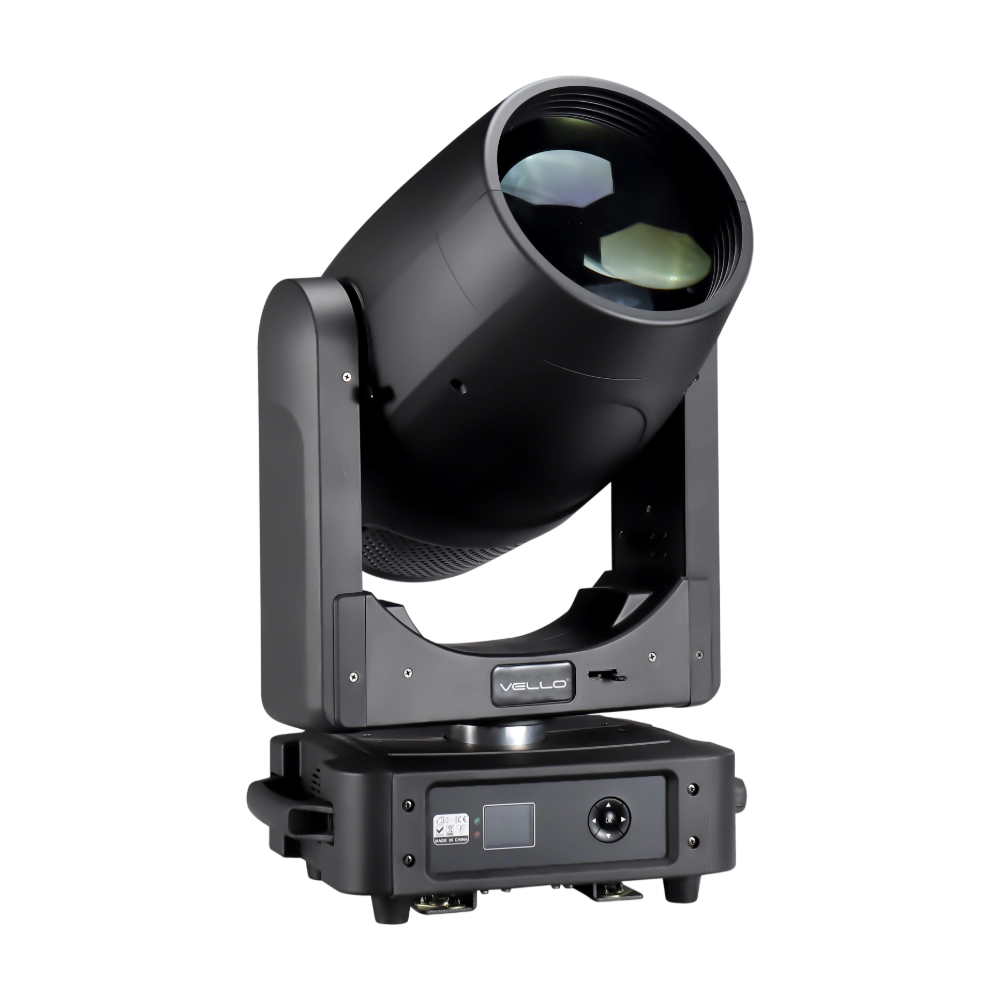
Moving Head Light BEAM 450
The BSW450 is a high-performance moving head fixture equipped with an original Osram 420W bulb, delivering exceptional brightness, precision, and versatility. Designed for professional stage applications, it seamlessly combines beam, spot, and wash functions in one compact unit, making it a powerful all-in-one lighting solution.
Over 20 Years of Innovation in Stage & Studio Lighting
© 2026 VELLO. All Rights Reserved. 粤ICP备20023734号
Join our socials
VELLO
Whatsapp: +8613902276704
Vello Lighting
VelloLights