




LED Moving Head Spot vs Wash: Which Is Right for You?
- How moving head fixtures fit into modern lighting systems
- What is a moving head light and where it’s used
- Key systems: control, power and protection
- Why choosing the right fixture matters geographically and operationally
- Spot vs Wash: technical differences and what they mean on stage
- Optics and beam control
- Light engines: lumens, color mixing and CRI
- Effects: gobos, zoom, framing, and color wheels
- Comparing performance: side-by-side data
- How to choose: decision matrix and purchase checklist
- Ask the right operational questions
- Selection checklist
- Budgeting: capex vs opex
- Real-world examples, maintenance and specifications to watch
- Use-case scenarios
- Maintenance best practices
- Spec items to verify on datasheets
- VELLO: manufacturer profile and why it matters
- FAQ — Common questions about LED moving head spot vs wash
- 1. Can a single fixture act as both spot and wash?
- 2. Do spots or washes use more power?
- 3. How important is CRI/TLCI for wash fixtures?
- 4. What IP rating do I need for outdoor festivals?
- 5. Should I prioritize beam angle or lumen output?
- 6. How many fixtures do I need to cover a 10m x 8m stage?
- Final recommendations and contact/next steps
Summary for : Whether you specify a led moving head light for a concert stage, theatre, TV studio, or event rental inventory, knowing the differences between a moving head spot and a moving head wash saves budget and improves creative results. This guide compares beam angles, lumens, color systems, zoom, gobos, control protocols (DMX512), IP/ingress considerations and real-world use cases to help you choose the right fixture for your geography and application.
How moving head fixtures fit into modern lighting systems
What is a moving head light and where it’s used
A moving head light (also called an intelligent fixture or moving light) is a motorized fixture capable of pan/tilt movement, color change, and optical effects under remote control. These fixtures are common in touring concerts, broadcast studios, theatres and corporate events because they replace multiple static fixtures and provide dynamic looks. For technical context on moving/intelligent lighting and DMX control, see the Wikipedia overview on intelligent lighting and DMX512: Intelligent lighting and DMX512.
Key systems: control, power and protection
Most professional led moving head light fixtures use DMX512 (or Art-Net/sACN over network) for control and comply with industry electrical and ingress protection standards such as IP ratings defined by IEC/ISO standards (IP Code reference: IP Code / IEC 60529). Understanding control protocols, power draw, and ingress protection helps buyers spec fixtures that integrate cleanly into existing rigs and geographic deployments.
Why choosing the right fixture matters geographically and operationally
Different climates, touring schedules, and venue types favor different fixtures. Indoor theatres favor lower-noise units with precise optics; outdoor festivals require high IP ratings and higher lumen output. A correct led moving head light selection reduces maintenance, improves show consistency, and optimizes rental ROI.
Spot vs Wash: technical differences and what they mean on stage
Optics and beam control
Spot fixtures (moving head spot) provide narrow, highly-focused beams with sharp edge control and often include features like gobos, prisms, iris and framing shutters. Typical beam angles for spots range from 2° to 15°. Wash fixtures (moving head wash) have wider optics and softer edges to evenly light surfaces and people; beam angles typically range from 10° to 50° or more depending on zoom. The optical design determines how you use the fixture: spots for texture and pattern, washes for even color on stage or cyclorama.
Light engines: lumens, color mixing and CRI
LED light engines vary by diode type and mixing approach. Spots prioritize intensity and tight beam, often trading some color-rendering for output. Wash fixtures emphasize smooth color mixing and higher CRI/TLCI for camera work. Typical white-light output (system-dependent) can range: spots 10,000–30,000 lumens equivalent in effective beam intensity, washes 5,000–25,000 lumens distributed over a wider field. For LED efficacy and system trends, see the U.S. Department of Energy Solid-State Lighting program: DOE Solid-State Lighting.
Effects: gobos, zoom, framing, and color wheels
Spot fixtures usually include gobo wheels (metal/glass patterns), rotating prisms and iris for shaping; zoom ranges are often tighter but precise. Wash fixtures rely on wide zoom ranges, soft edges and high-quality lenses to blend pixels and colors. If your production needs patterned aerial beams and tight projections, a spot is essential; if you need even stage coverage and seamless color gradients, choose a wash.
Comparing performance: side-by-side data
Below is a practical comparison table capturing typical spec ranges and use cases. These are industry-typical ranges; consult specific product datasheets for exact figures.
| Characteristic | Moving Head Spot | Moving Head Wash |
|---|---|---|
| Typical beam angle | 2°–15° (tight, focused) | 10°–50°+ (wide, soft) |
| Common features | Gobos, prisms, iris, framing, sharp edge | High-CRI LEDs, soft edge, wide zoom, uniform field |
| Primary uses | Patterns, aerial beams, texture, specials | General stage coverage, cyc/face lighting, background |
| Typical lumen output (fixture) | ~10,000–30,000 lm (narrow beam intensity higher) | ~5,000–25,000 lm (distributed over wider area) |
| Color & quality | RGB/CMY options; color mixing focused on saturation | CMY + CTO or high-CRI mixes for accurate skin tones |
| Typical price range | Mid to high (depends on optics & effects) | Varies widely; high-CRI wash heads can be High Quality |
Data sources and standards referenced include DMX control standards and solid-state lighting guidance: DMX512 and the DOE Solid-State Lighting resources.
How to choose: decision matrix and purchase checklist
Ask the right operational questions
Before buying, answer these: What is the primary application (concert, theatre, studio, house of worship)? Do you need camera-grade color (high TLCI/CRI)? Will fixtures be used outdoors or on tour (IP rating, ruggedness)? How much rigging weight and power capacity can the venue supply? What control systems are in place (DMX, Art-Net)? These practical constraints drive the right led moving head light choice.
Selection checklist
- Intended use: aerial effects = spot; stage/face/cyc = wash.
- Optical zoom & beam angle ranges to match throw distances.
- Color quality: CRI/TLCI requirements for broadcast or theatre.
- Control protocol compatibility: DMX512, RDM, Art-Net/sACN.
- Physical considerations: weight, IP rating, case size for transit.
- Serviceability: spare parts, local support and warranty.
Budgeting: capex vs opex
Consider total cost of ownership: initial fixture cost, spare parts, lamp/LED module lifespan, consumables (fans), and service intervals. LED fixtures generally reduce lamp replacement costs but still require fans and electronics maintenance. For lifecycle and energy considerations see DOE SSL program materials: DOE Solid-State Lighting.
Real-world examples, maintenance and specifications to watch
Use-case scenarios
- Touring rock show: prioritize moving head spot units for aerial beams and moving head wash for stage coverage; rugged IP20–IP65 choices vary by outdoor needs.
- Theatre and opera: favour high-CRI wash fixtures for accurate skin tones and silent operation; spots for specials and gobos.
- Houses of worship & corporate events: versatile wash heads with medium zoom ranges are cost-effective; add a few spot fixtures for specials.
Maintenance best practices
Regular maintenance keeps led moving head light assets reliable: clean optics and cooling paths every 3–6 months depending on environment, inspect and replace fans as needed, keep fixture firmware updated and have spare DMX cables and power supplies on hand. Maintain a log of run-hours to forecast LED module service windows.
Spec items to verify on datasheets
- Beam angle / zoom range and field uniformity graphs.
- Lumen output at specific beam angles (don’t rely on aggregate lumens alone).
- Color system details: RGB, CMY, CTO, CRI/TLCI data.
- Control protocols and fixture modes (16-bit pan/tilt?, RDM support).
- Ingress rating (IP) if outdoor use is planned.
- Power draw (W) and inrush current; rigging load (kg/lbs).
VELLO: manufacturer profile and why it matters
Vello Light Co., Ltd., established in 2003, is a comprehensive technology enterprise integrating R&D, manufacturing, and sales. Over the years, Vello has consistently adhered to principles of quality first and sincere service. With the support and help of numerous customers both domestically and internationally, Vello has continued to grow and develop, gradually becoming a unique and outstanding team in the field.
In recent years, with the rapid development of the LED lighting market, Vello Light has gathered many professional talents to provide comprehensive and systematic services, including product R&D, manufacturing, marketing, engineering installation, and product maintenance. Through the joint efforts of Vello people, Vello remains true to its original aspirations and perseveres in innovation, leveraging unique advantages to stand out in fierce competition. Currently, Vello products are exported both domestically and internationally and have a strong brand reputation, especially in overseas markets. VELLO is a registered brand, specializing in moving headlights, LED wash lights, and theatrical lights. The products are praised for professional technology, unique style, high-quality materials, and durability.
Vello’s competitive strengths and technical credibility:
- Product breadth: moving head stage lights, studio lights, led effect light, Led Bar Lights, Led Par Light, outdoor stage lighting.
- R&D depth: decades of experience since 2003 and a strong engineering team for optical and thermal design.
- Manufacturing control: in-house production for consistency and faster spare parts support.
- Export experience: proven track record in international markets with regulatory and shipping know-how.
For product inquiries or technical consultation, visit Vello’s website: https://www.vellolight.com or contact info@vellolight.com. Vello’s product lineup can be a strong starting point if you need both moving head spot and wash fixtures with reliable after-sales support.
FAQ — Common questions about LED moving head spot vs wash
1. Can a single fixture act as both spot and wash?
Some hybrid fixtures offer wide zoom ranges and modular optics to approximate both spot and wash functions. They are compromises: usable for multi-purpose applications but may not match a dedicated high-intensity spot or a high-CRI wash in specialized tasks. Check the specs for beam quality, gobo presence, and CRI/TLCI numbers.
2. Do spots or washes use more power?
Power draw depends on the LED array and cooling system, not strictly on whether the fixture is a spot or wash. Spot fixtures often put more LEDs into a concentrated optical train to achieve higher intensity, which can increase power; high-output washes with big LED arrays can also draw substantial power. Always review watts and power factor on datasheets.
3. How important is CRI/TLCI for wash fixtures?
Very important if you work with cameras or need accurate skin tones. TLCI (Television Lighting Consistency Index) is specifically useful for broadcast. For theatrical work, high CRI helps on-stage color fidelity. If you frequently serve TV or film clients, prioritize wash fixtures with published TLCI/CRI values.
4. What IP rating do I need for outdoor festivals?
For short-term outdoor use under protection (covered stages), IP20 may be acceptable but not ideal. For exposed outdoor events, choose IP65 or higher for ingress protection against rain and dust (see IP Code reference: IP Code). Check manufacturer guidance for marine/coastal environments due to corrosion risks.
5. Should I prioritize beam angle or lumen output?
Both matter. Beam angle determines how light is distributed; lumen output tells you how intense the light can be. For long-throw narrow beams (searchlights, aerial effects), beam angle and center-beam intensity are most critical. For even stage coverage, lumen distribution across the beam is more important. Evaluate photometric charts when available.
6. How many fixtures do I need to cover a 10m x 8m stage?
That depends on throw distance, desired lux levels, and fixture beam angles. As a starting point, designers often use multiple wash fixtures spaced across the front and flown positions; a practical estimate might be 4–8 medium-power wash heads plus 2–4 spot fixtures for specials, but run actual photometric layouts for accurate planning.
Final recommendations and contact/next steps
Summary recommendations:
- Choose led moving head spot fixtures when you need tight beams, gobos, prisms and framing for aerial effects and specials.
- Choose led moving head wash fixtures when you need even color coverage, high CRI for talent, and soft edges across stage surfaces.
- If in doubt for multi-purpose venues, consider a mix: a core of versatile washes supplemented by a smaller number of high-quality spots.
If you'd like product recommendations, sample photometric layouts, or a quotation tailored to your venue or tour, contact Vello Light Co., Ltd. Visit https://www.vellolight.com or email info@vellolight.com for consultation and product details. Our team can provide fixture datasheets, IES files, and trial/demo units where available.
References: Intelligent lighting and DMX512 overviews on Wikipedia: https://en.wikipedia.org/wiki/Intelligent_lighting, https://en.wikipedia.org/wiki/DMX512. DOE Solid-State Lighting program: https://www.energy.gov/eere/ssl/solid-state-lighting. IP Code / IEC 60529 overview: https://en.wikipedia.org/wiki/IP_Code.
How to Specify Custom LED Stage Lighting for Live Shows
Pixel Mapping and LED Stage Light Effects for Shows
Top Affordable LED Stage Lights for Small Venues
Top Lighting Rigs for Small Venues and Clubs
Major categories
Do you offer samples?
Samples are available for certain models. Please confirm with our sales team for details.
Do you ship internationally?
Yes. We offer sea, air, and express delivery to many countries and regions worldwide.
What is the warranty period for your products?
Most products come with a standard 1–2 year warranty. Please refer to product details or contract terms for specifics.
Do your products support customization?
Yes. We offer OEM and ODM services tailored to project needs, including design, optics, and control compatibility.
What is the usual lead time?
Standard models are typically shipped within 7–15 working days after payment. Customized items may vary.
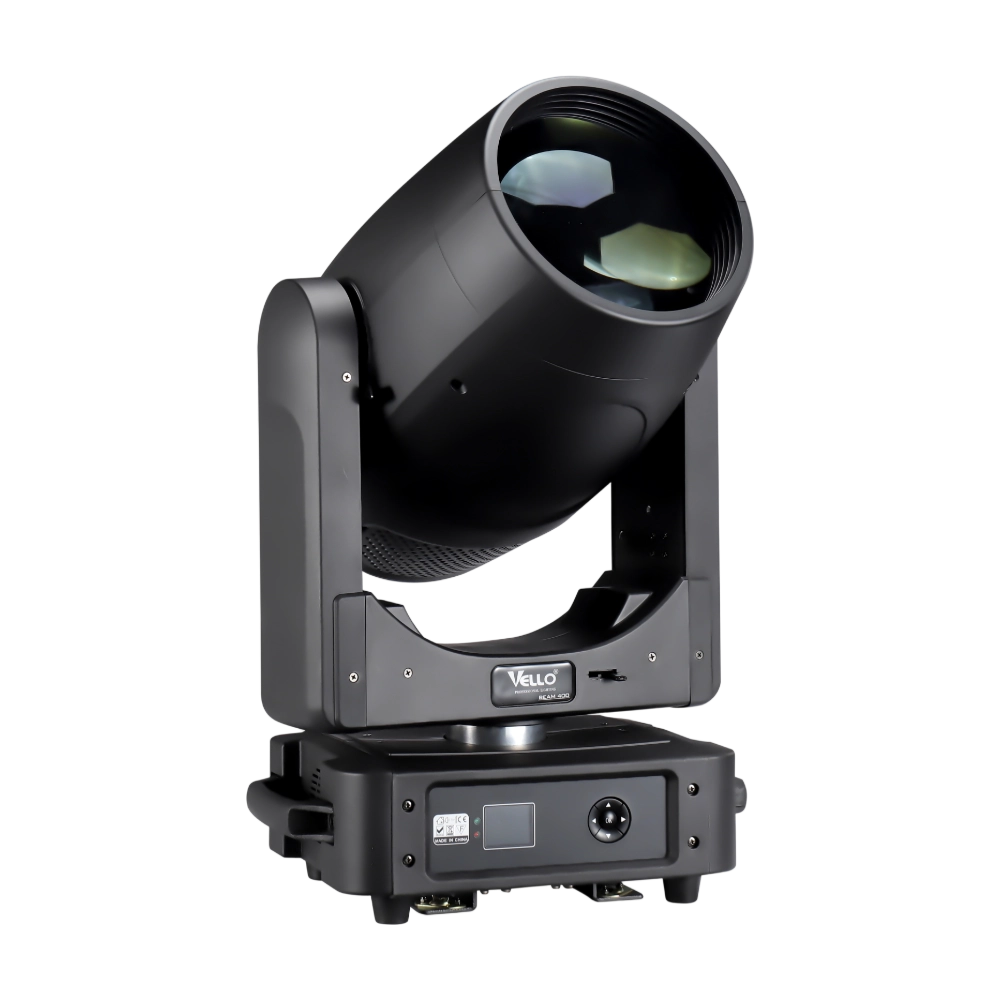
Moving Head Stage Light BEAM 400
BEAM400 is a 500W professional moving head beam powered by an OSRAM SIRIUS 371W discharge bulb, delivering a super-bright 1.8° sharp beam with impressive punch. It features 12 fixed gobos + open, a 14-color wheel, and a 16-facet circular rotating prism with multiple-facet effects, enabling dynamic aerial visuals. With 540° pan / 270° tilt, 16-bit movement resolution, and linear frost and focus, BEAM400 ensures precise and versatile performance. Comparable to traditional 750W moving heads, it combines high efficiency, smooth dimming, and reliable operation—ideal for concerts, tours, and large-scale stage productions.
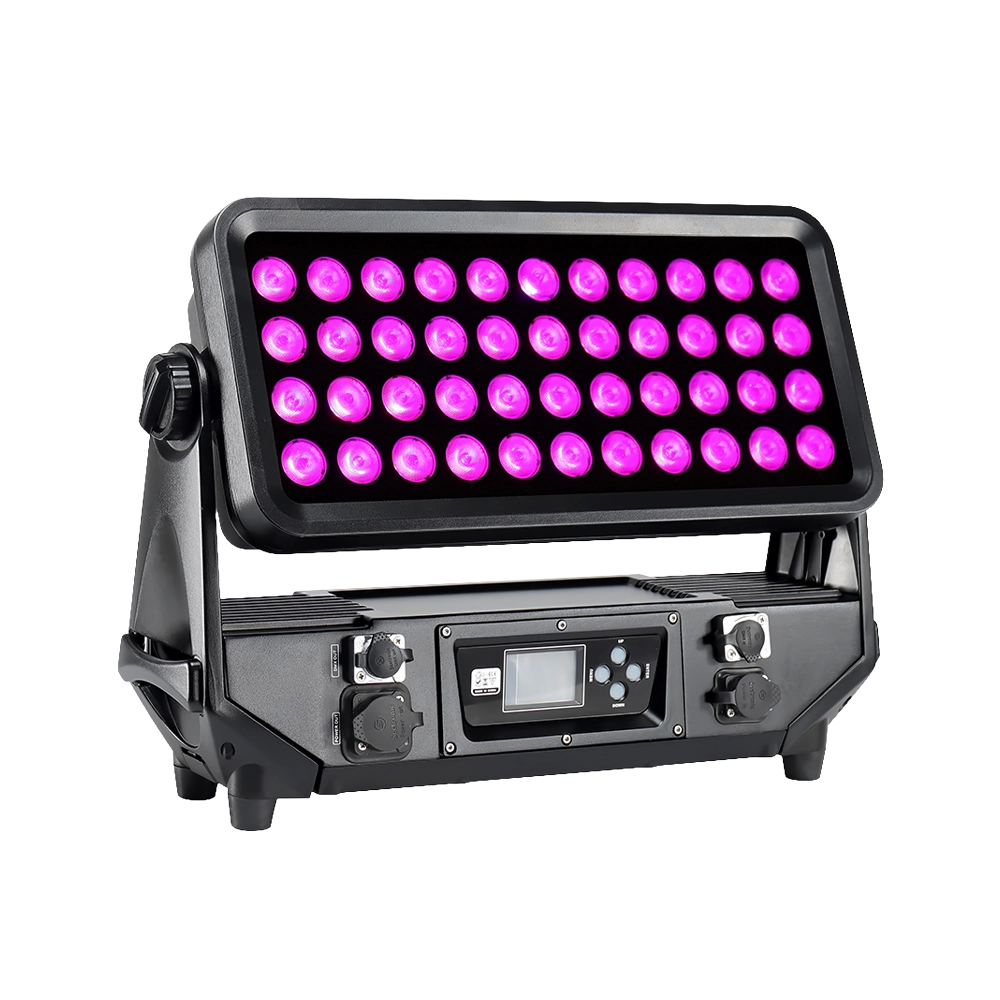
LED Light LED TOP P4
The Vello LED TOP P4 is a robust, high-output LED flood wash light designed for outdoor stages, architecture, and large-scale event lighting. Powered by 44x 15W RGBW LEDs from Cree, it delivers consistent brightness, smooth color mixing, and selectable beam angles of 20° or 40°. Built with a rugged IP65-rated die-cast aluminum housing, it withstands harsh weather conditions while offering smooth 0–100% dimming and flexible DMX control.
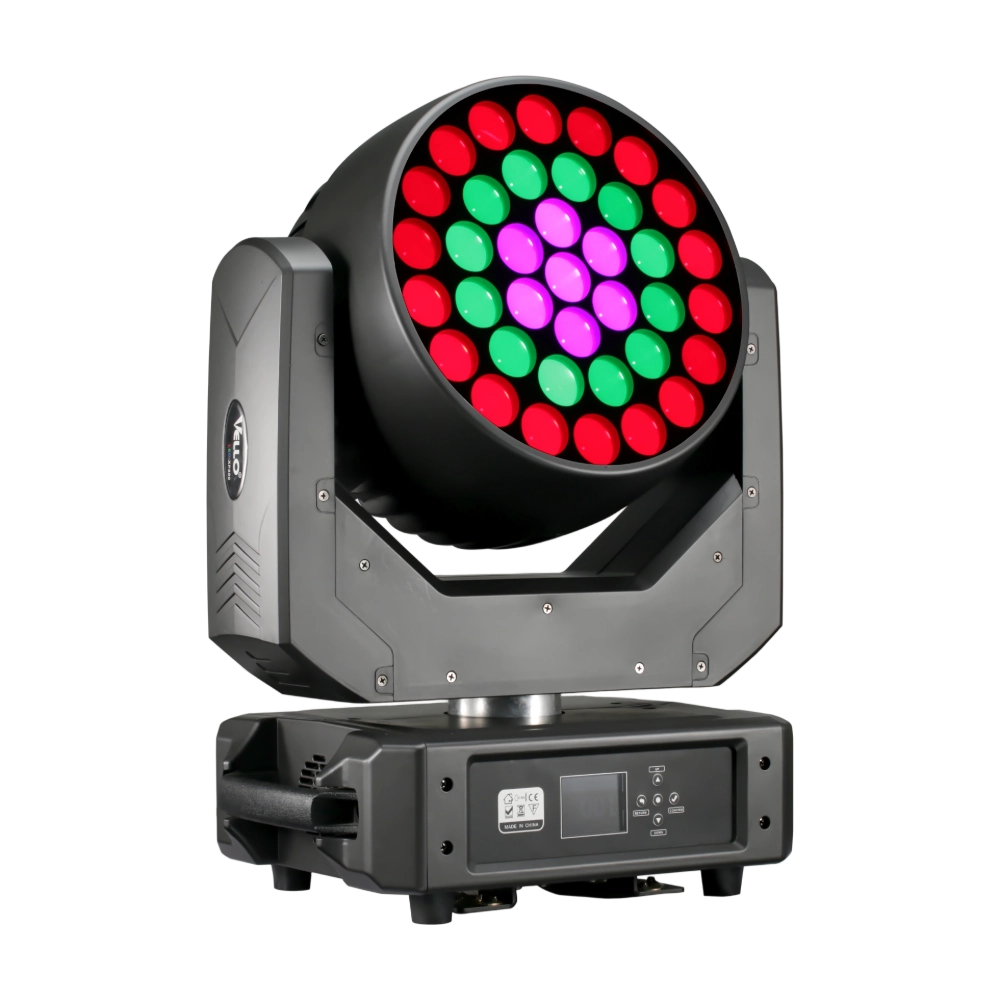
LED Moving Head Light XP800 (4in1)
The LED XP800 is a 600W moving head wash fixture, equipped with 37 × 20W Osram RGBW LEDs for brilliant color mixing and high output. With a wide 6°–50° electronic zoom, it easily transitions from sharp beams to smooth washes. The fixture supports 3-ring pixel control and an adjustable CTO range (2800K–8500K) for versatile applications. Featuring 540° pan / 310° tilt, high-speed 3-phase motors, and multiple DMX modes (16/28 channels), XP800 delivers powerful, precise, and dynamic performance. Compact and durable, it is an excellent choice for stages, theaters, and large-scale events requiring high brightness and flexibility.
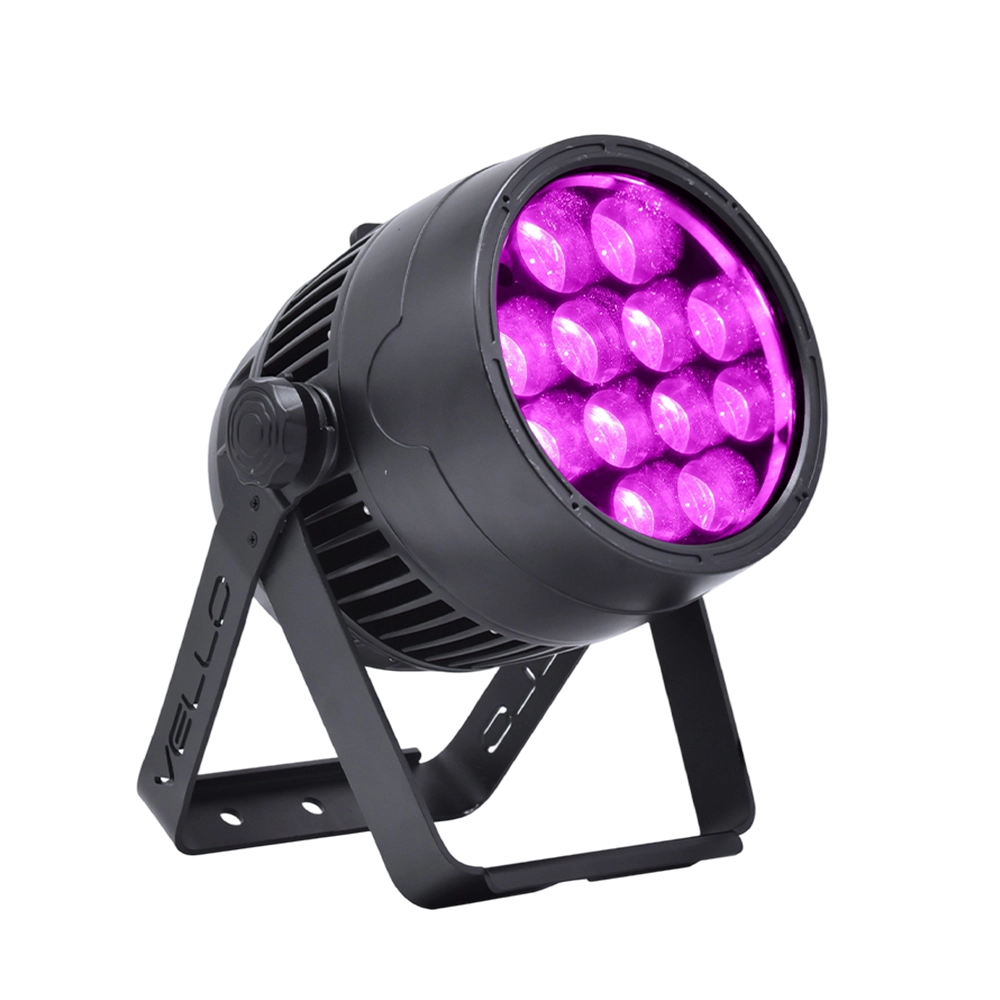
Stage LED Par Light LED ZOOMPAR 40
The Vello Zoom Par 40 IP is a powerful outdoor LED wash light equipped with 12x high-power 7-in-1 RGBACL LEDs. Designed for durability and rich color rendering, it features a wide motorized zoom (6°–50°), smooth dimming, and adjustable CTO presets (3200K–7500K), with 90+ CRI. With an IP66-rated die-cast aluminum body, it’s ideal for both indoor and outdoor applications, including stage lighting, architecture, live events, and installations.
Over 20 Years of Innovation in Stage & Studio Lighting
© 2026 VELLO. All Rights Reserved. 粤ICP备20023734号
Join our socials
VELLO
Whatsapp: +8613902276704
Vello Lighting
VelloLights