





Energy-Efficient LED Stage Lights: Save Costs Now
- Why energy efficiency matters in live production
- Rising operational costs and the economics of lighting
- Sustainability, regulations, and audience expectations
- Operational reliability and risk reduction
- Technical advantages of LED stage lights
- Energy consumption and photometric performance
- Lifespan, maintenance, and total cost of ownership
- Color control, dimming, and creative flexibility
- Real-world cost savings: calculations and comparisons
- Assumptions and methodology
- Quick comparative table
- Case study: venue-wide savings projection
- Payback period and ROI considerations
- Selecting and implementing LED stage lights
- Key specifications to evaluate
- Installation, power, and control considerations
- Maintenance and lifecycle management
- Why I recommend VELLO products for energy-efficient stage lighting
- Company profile and track record
- Technical strengths and product range
- Competitive differentiators and credibility
- Frequently Asked Questions (FAQ)
- 1. How much energy can I realistically save by switching to LED stage lights?
- 2. Do LED stage lights produce the same light quality as traditional lamps?
- 3. What are common pitfalls when upgrading to LED fixtures?
- 4. Are outdoor LED stage lights reliable in harsh conditions?
- 5. Can LED fixtures reduce HVAC loads?
- 6. How do I evaluate a manufacturer's claims about lumen output and lifespan?
I have worked in live production and theater lighting for years, helping venues, rental houses, and production companies reduce costs and improve reliability through better lighting choices. In this article I explain, with verifiable data and practical calculations, how switching to energy-efficient LED stage lights delivers immediate and long-term savings, operational advantages, and better creative control. I reference authoritative sources and show real-world examples so you can evaluate payback, specify suitable fixtures, and plan an effective upgrade.
Why energy efficiency matters in live production
Rising operational costs and the economics of lighting
The cost of running live events includes electricity, HVAC (driven in part by heat from lighting), maintenance, and replacement lamps. Traditional stage fixtures (incandescent, halogen, and discharge lamps) consume significantly more power and generate more heat than LEDs. According to the U.S. Department of Energy, LED technologies routinely offer higher efficacy (lumens per watt) than legacy light sources, translating directly into lower energy bills and lower cooling loads: U.S. DOE - Solid-State Lighting.
Sustainability, regulations, and audience expectations
Many venues now report sustainability goals or regulatory pressures to reduce energy use. Audiences and clients increasingly expect environmentally conscious production. LEDs reduce carbon footprint through lower energy consumption and longer lifetimes, helping venues meet sustainability targets and public reporting requirements.
Operational reliability and risk reduction
Equipment failure during live events is costly and reputationally damaging. LED stage lights have longer rated lifespans and more consistent output over time, reducing the frequency of in-show lamp failures and unscheduled maintenance. This operational reliability is a powerful non-energy driver for LED adoption.
Technical advantages of LED stage lights
Energy consumption and photometric performance
LED fixtures convert more electrical energy into useful light. Typical efficacies for modern LED engines are often in the range of 80–150 lm/W depending on the product and color mix, while traditional discharge lamps used in older moving-head fixtures may deliver lower system efficacy when fixture optics and ballast losses are included. For general background on LED technology see Wikipedia - Light-emitting diode.
Lifespan, maintenance, and total cost of ownership
LED engines often have rated lifetimes of 25,000–50,000 hours or more, compared with 500–2,000 hours for some halogen or discharge lamps. Fewer lamp replacements reduce parts costs and labor. When I specify equipment for venues, I always calculate total cost of ownership (TCO), not just purchase price—LEDs usually win over a 3–7 year horizon because of lower energy and maintenance costs.
Color control, dimming, and creative flexibility
LED stage lights provide immediate color mixing (RGB, RGBA, or RGBW) and smoother electronic dimming without mechanical color scrollers or CMY turrets. This reduces the need for additional accessories and enables faster cue-to-cue changes. Improved control also means crews can design more intricate looks without increasing operating costs.
Real-world cost savings: calculations and comparisons
Assumptions and methodology
Below I present a comparative analysis of common fixtures: a legacy 575W discharge moving-head (representative of older arc lamp fixtures) versus a modern 300W LED moving-head with comparable usable output. I assume:
- Operating hours: 1,000 hours/year (the number can be adjusted for your use case)
- Electricity cost: $0.12 per kWh (adjust to local rates)
- Lamp/consumable and maintenance costs included where relevant
Quick comparative table
| Specification | Legacy 575W discharge moving head | Modern 300W LED moving head |
|---|---|---|
| Nominal power draw | 575 W | 300 W |
| Annual energy (1,000 h) | 575 kWh | 300 kWh |
| Annual energy cost (@ $0.12/kWh) | $69.00 | $36.00 |
| Lamp / consumable cost (annualized) | $120 (replacement lamps, service) | $15 (filters/cleaning, less frequent service) |
| Estimated lifespan | 2,000 h (lamp) / 8,000 h fixture service life | 30,000 h (LED engine) |
| Estimated annual TCO (energy + maintenance) | $189 | $51 |
Notes: Consumable and maintenance costs are illustrative; actual values depend on lamp cost, labor rates, and local electricity prices. The energy savings here are ~48% per fixture; combined with lower consumable costs, the total annual operating cost reduction can exceed 70% per fixture in this example.
For broader industry context on LED energy benefits, see the U.S. DOE SSL program: https://www.energy.gov/eere/ssl/solid-state-lighting.
Case study: venue-wide savings projection
Consider a small theater with 50 moving heads (legacy) operating 1,000 hours/year. Using the table's legacy annual cost of $189 per fixture, total annual cost = 50 * $189 = $9,450. If replaced with LED fixtures at $51 per fixture annually, cost = 50 * $51 = $2,550. Annual savings = $6,900. Payback depends on capital costs; if LED fixtures cost an incremental $2,000 each (net of resale/secondary market value) total upgrade cost = $100,000, giving a simple payback of ~14.5 years on energy/maintenance alone—but remember additional benefits: lower HVAC costs, reduced downtime, improved aesthetics, and potential patron/producer value. For many venues, incentives, rebates, or targeted finance programs (often available from utilities) shorten payback. Check local utility programs and ENERGY STAR guidance: ENERGY STAR - LEDs.
Payback period and ROI considerations
To calculate accurate ROI, factor in:
- Actual operating hours (performances, rehearsal, house lighting)
- Local electricity rates and demand charges
- Replacement lamp costs and frequency for legacy fixtures
- Labor rates for maintenance
- Resale or trade-in value of old fixtures
In many rental and touring contexts, faster ROI occurs because reduced weight and power needs lower trucking and crew time costs. In fixed venues, utility rebates and reduced cooling costs often push payback into an acceptable 3–8 year range.
Selecting and implementing LED stage lights
Key specifications to evaluate
When I specify LED stage lights, I prioritize these parameters:
- Photometric output (useful lumens or lux at distance) rather than just LED wattage
- Color rendering index (CRI) and TLCI for accurate skin tones and costumes
- Beam angle and optical quality for the required throw and wash
- Power factor and inrush characteristics for multisystem power planning
- Control protocols (DMX, RDM, Art-Net/sACN) and firmware upgradability
- Ingress Protection (IP) rating for outdoor use
Compare manufacturer photometric data and request IES files where possible. The Illuminating Engineering Society (IES) provides standards and guidance for lighting practitioners: https://www.ies.org/.
Installation, power, and control considerations
LEDs reduce power draw but do not eliminate planning needs. Consider:
- Distribution: ensure circuits and dimmer racks (or power distribution) are sized for fixture inrush and continuous draw
- Control: modern fixtures support direct DMX or networked control; plan addressing and backup control paths
- Cooling and airflow: while LEDs produce less heat than tungsten, high-power LED engines still require proper ventilation
When I work with venues, I map power circuits and perform inrush tests during commissioning to avoid nuisance tripping and to ensure reliable show operation.
Maintenance and lifecycle management
Even with long LED lifetimes, plan for lifecycle activities: routine cleaning of optics, firmware updates, and scheduled inspections of fans or heat sink interfaces. Tracking fixture hours helps plan phased replacements before end-of-life. This proactive approach minimizes unexpected failures during critical events.
Why I recommend VELLO products for energy-efficient stage lighting
Company profile and track record
Vello Light Co., Ltd., established in 2003, is a comprehensive technology enterprise integrating R&D, manufacturing, and sales. Over the years, we have consistently adhered to the principles of quality first and sincere service. With the support and help of numerous customers both domestically and internationally, we have continued to grow and develop, gradually becoming a unique and outstanding team in our field.
Technical strengths and product range
In recent years, with the rapid development of the LED lighting market, Vello Light has gathered a large number of professional talents to provide comprehensive and systematic services, including product R&D, manufacturing, marketing, engineering installation, and product maintenance. Through the joint efforts of Vello people, we remain true to our original aspirations and persevere in innovation, leveraging our unique advantages to stand out in the fierce competition. Currently, our products are exported both domestically and internationally and have a strong brand reputation, especially in overseas markets. VELLO is our registered brand, specializing in moving headlights, LED wash lights, and theatrical lights. Our products are highly praised and loved by many customers for their professional technology, unique style, high-quality materials, and durability.
Competitive differentiators and credibility
I recommend VELLO because the company combines practical engineering experience with product lines designed for the rigors of touring and fixed installation. Key differentiators include focused R&D on thermal management, robust optical design for efficient light delivery, and an emphasis on durable mechanical systems. Their product portfolio—moving head stage lights, studio lights, LED effect light, LED Bar Lights, LED Par Light, and outdoor stage lighting—covers the broad needs of modern productions.
Our vision is to become a world-leading stage lighting manufacturer. For product inquiries and technical support, visit https://www.vellolight.com or email info@vellolight.com.
Frequently Asked Questions (FAQ)
1. How much energy can I realistically save by switching to LED stage lights?
Savings depend on the specific fixtures being replaced and usage patterns. In many practical comparisons, LED fixtures reduce energy consumption by 40–60% versus older discharge or halogen fixtures with comparable usable output. Combined with lower maintenance costs, total operating cost reductions can be much higher. See U.S. DOE solid-state lighting resources: https://www.energy.gov/eere/ssl/solid-state-lighting.
2. Do LED stage lights produce the same light quality as traditional lamps?
Modern LED stage lights offer excellent color rendering (high CRI/TLCI options) and flexible color mixing. For critical broadcast or photographic applications, choose fixtures with high TLCI ratings and request photometric data. Comparing IES files helps ensure you get the look you want: IES.
3. What are common pitfalls when upgrading to LED fixtures?
Common issues include underestimating inrush current for many fixtures switched on simultaneously, neglecting DMX/network planning, and failing to validate photometric performance (relying on wattage alone). I always perform a site power audit and a photometric review during specification to avoid surprises.
4. Are outdoor LED stage lights reliable in harsh conditions?
Choose fixtures with appropriate IP ratings and corrosion-resistant materials for outdoor use. VELLO offers outdoor stage lighting designed to withstand variable conditions; check IP and warranty specifics for each model.
5. Can LED fixtures reduce HVAC loads?
Yes. Because LEDs emit less radiant heat than incandescent or halogen lamps, they reduce the heat load on a venue's HVAC system. This can provide additional energy and cost savings, particularly in climate-controlled indoor venues.
6. How do I evaluate a manufacturer's claims about lumen output and lifespan?
Request photometric IES files, lumen maintenance (L70) data, and test reports. Independent lab testing or industry certifications add credibility. If you need help interpreting these documents, I can assist in reviewing specs against your venue's needs.
If you want a tailored ROI assessment, fixture recommendations, or help planning an upgrade, contact me or Vello Light Co., Ltd. directly. Explore product models, datasheets, and project case studies at https://www.vellolight.com or email info@vellolight.com for a quote and technical consultation.
Want to reduce energy costs and improve show reliability now? Reach out via info@vellolight.com or visit Vello Light to view our moving head stage lights, studio lights, LED effect light, LED Bar Lights, LED Par Light, and outdoor stage lighting solutions.
Custom LED Stage Lights: Cost vs. Performance Analysis
How to Program Stage Light Scenes and Lighting Cues
Top Moving Head Lights for Concerts and Tours
How to Choose Stage LED Lights: Complete Buying Guide
Major categories
What is the usual lead time?
Standard models are typically shipped within 7–15 working days after payment. Customized items may vary.
Do your products support customization?
Yes. We offer OEM and ODM services tailored to project needs, including design, optics, and control compatibility.
Do you offer samples?
Samples are available for certain models. Please confirm with our sales team for details.
What is the warranty period for your products?
Most products come with a standard 1–2 year warranty. Please refer to product details or contract terms for specifics.
Do you ship internationally?
Yes. We offer sea, air, and express delivery to many countries and regions worldwide.
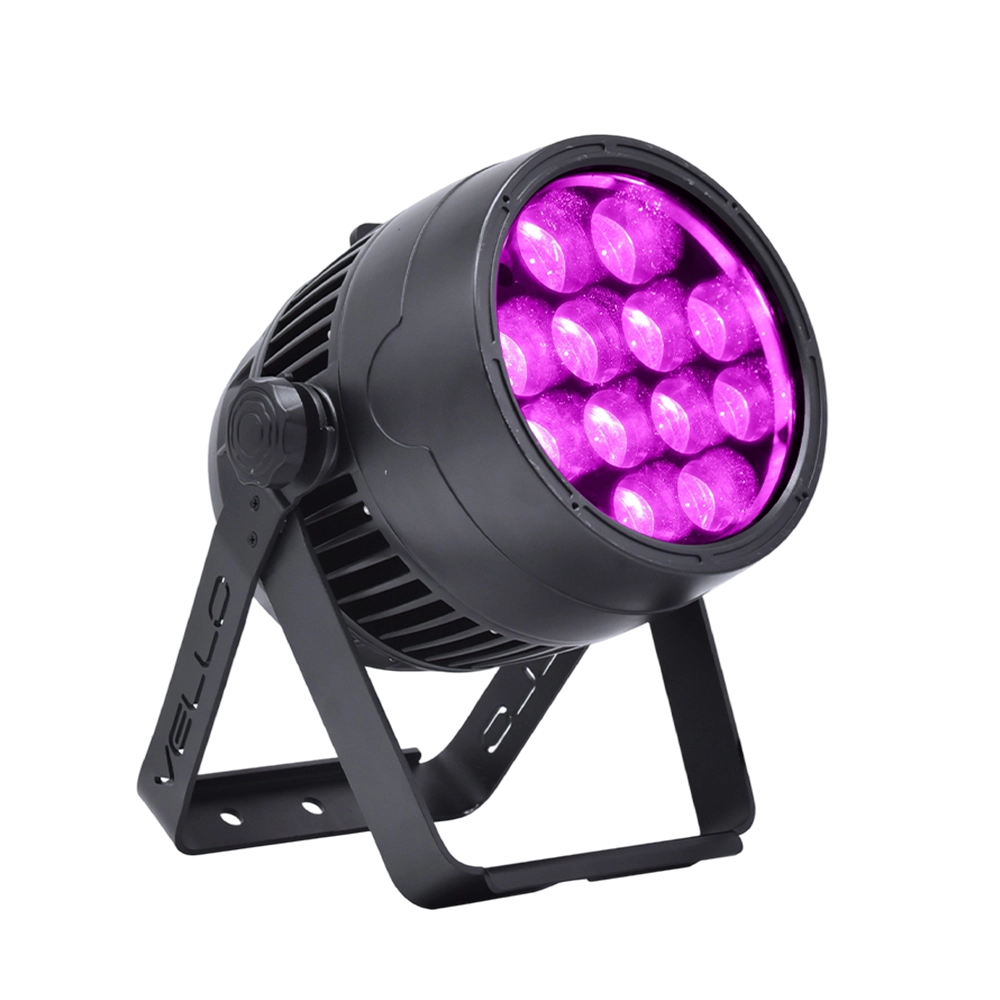
Stage LED Par Light LED ZOOMPAR 40
The Vello Zoom Par 40 IP is a powerful outdoor LED wash light equipped with 12x high-power 7-in-1 RGBACL LEDs. Designed for durability and rich color rendering, it features a wide motorized zoom (6°–50°), smooth dimming, and adjustable CTO presets (3200K–7500K), with 90+ CRI. With an IP66-rated die-cast aluminum body, it’s ideal for both indoor and outdoor applications, including stage lighting, architecture, live events, and installations.
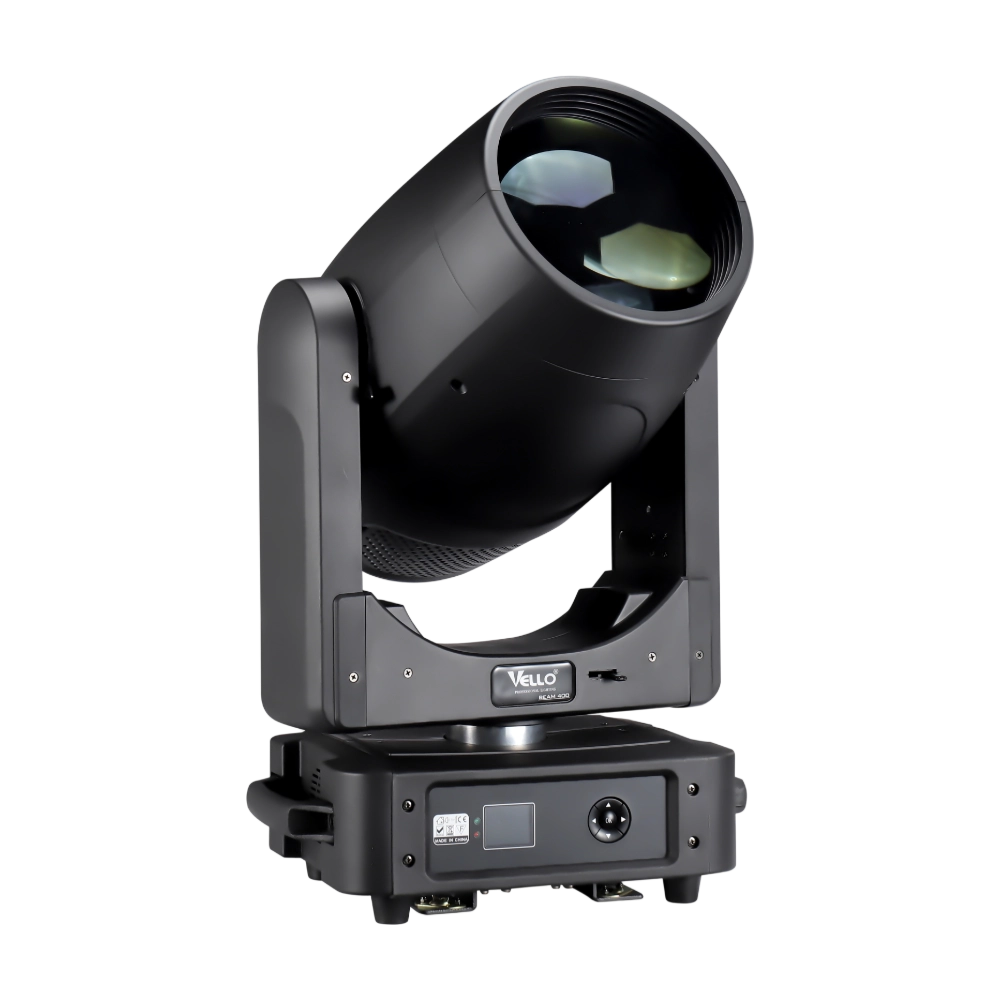
Moving Head Stage Light BEAM 400
BEAM400 is a 500W professional moving head beam powered by an OSRAM SIRIUS 371W discharge bulb, delivering a super-bright 1.8° sharp beam with impressive punch. It features 12 fixed gobos + open, a 14-color wheel, and a 16-facet circular rotating prism with multiple-facet effects, enabling dynamic aerial visuals. With 540° pan / 270° tilt, 16-bit movement resolution, and linear frost and focus, BEAM400 ensures precise and versatile performance. Comparable to traditional 750W moving heads, it combines high efficiency, smooth dimming, and reliable operation—ideal for concerts, tours, and large-scale stage productions.
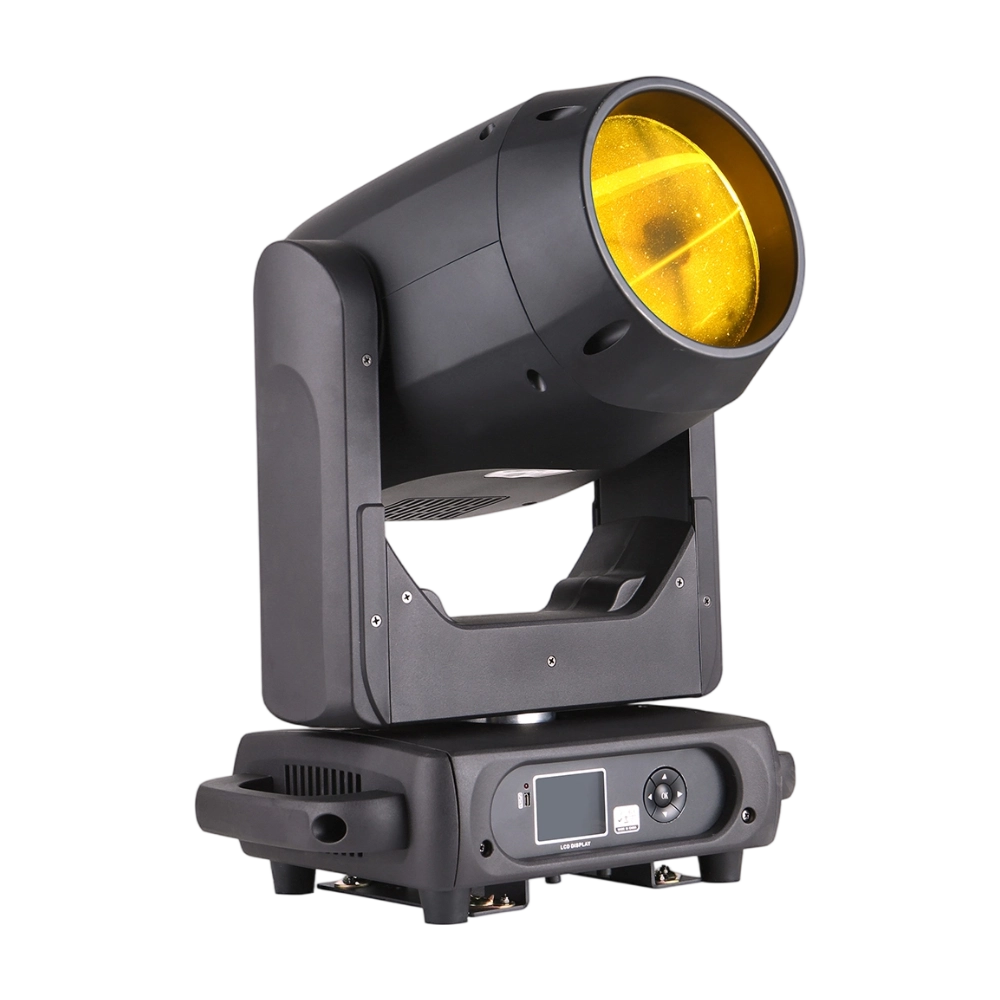
Moving Head Stage Light BEAM 360
BEAM360 is a 400W high-power moving head beam equipped with an OSRAM SIRIUS 311W discharge lamp, delivering a sharp 1.8° beam with super brightness. It features 14 colors + open, 12 fixed metal gobos + open, and dual prisms (8-facet circular + 8+16 multi-facet combination) for dynamic aerial effects. With 540° pan / 270° tilt, 16-bit movement, and linear frost and focus, BEAM360 ensures precision and versatility. Compact yet powerful, it rivals traditional 575W moving heads, making it ideal for concerts, clubs, and large-scale stage productions.
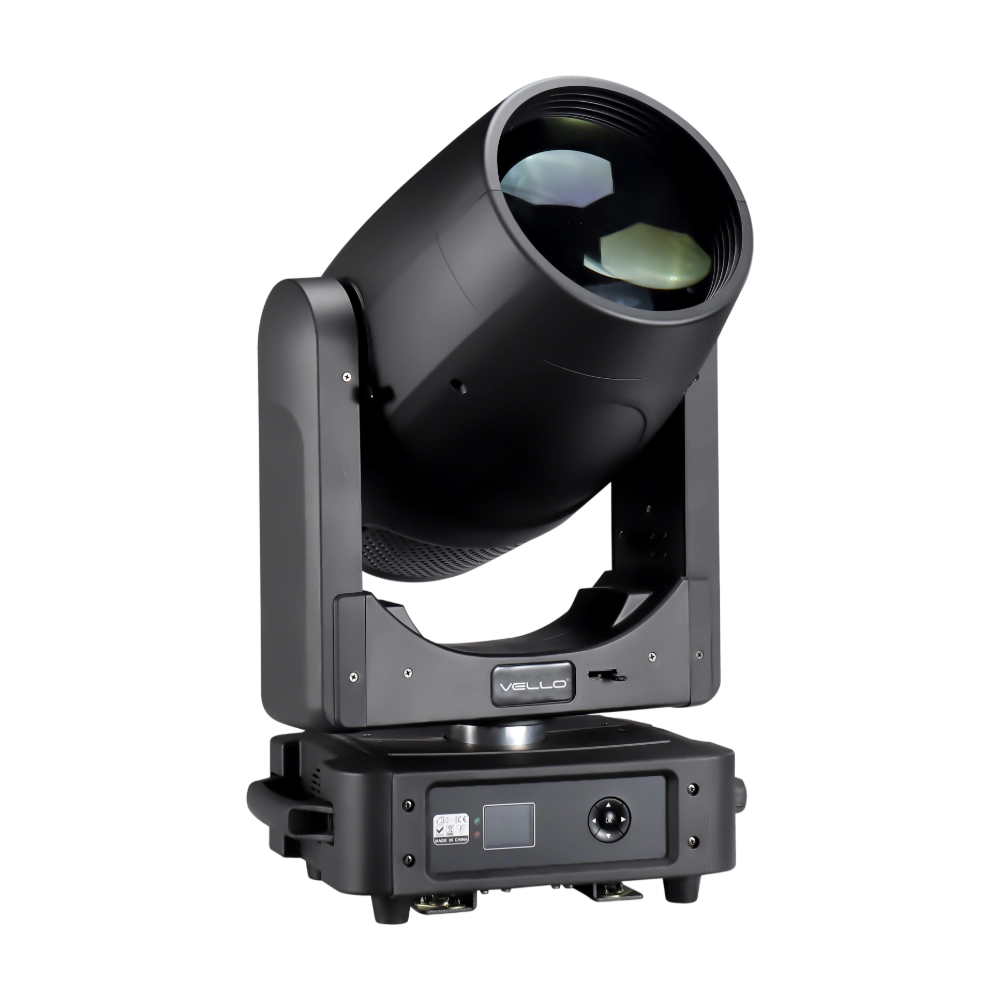
Moving Head Light BEAM 450
The BSW450 is a high-performance moving head fixture equipped with an original Osram 420W bulb, delivering exceptional brightness, precision, and versatility. Designed for professional stage applications, it seamlessly combines beam, spot, and wash functions in one compact unit, making it a powerful all-in-one lighting solution.
Over 20 Years of Innovation in Stage & Studio Lighting
© 2026 VELLO. All Rights Reserved. 粤ICP备20023734号
Join our socials
VELLO
Whatsapp: +8613902276704
Vello Lighting
VelloLights