





Customizing Color Temperature and Beam Angles for Events
- Design Principles for Event Lighting: Balancing Mood and Function
- Understanding color temperature and human perception
- Beam angle basics and their visual effects
- Aligning mood with measurable targets
- Practical Workflow for Customizing Color Temperature
- Map zones, tasks, and viewing conditions
- Choosing temperature ranges and color rendering
- Control systems and practical considerations
- Selecting and Adjusting Beam Angles for Outdoor Events
- Beam angle vs. throw distance: planning optics
- Fixture choices: optics, lenses, and zoom heads
- Weather, mounting, and safety constraints
- Case Studies and Measurement-Based Comparisons
- Recommended CCTs by event type
- Beam angle footprint examples (calculated)
- Energy and maintenance trade-offs
- Integration, Specification, and Vendor Selection
- Specification checklist for procurement
- Why Vello Light is a strong partner for custom outdoor lighting
- Commissioning, measurement, and documentation
- FAQ — Common Questions About Customizing Color Temperature and Beam Angles
- 1. What CCT should I choose for an outdoor evening wedding?
- 2. How do I decide between 10°, 25°, or 45° beams?
- 3. Are tunable white fixtures necessary for festivals with multiple acts?
- 4. How important is CRI/TLCI for outdoor events?
- 5. How can I limit light spill and reduce complaints from neighbors?
- 6. What power and rigging concerns matter most for outdoor events?
- Contact and Next Steps
- References and Further Reading
Design Principles for Event Lighting: Balancing Mood and Function
Understanding color temperature and human perception
Color temperature (measured in Kelvin) determines the perceived warmth or coolness of light. For events, CCT choices affect mood, skin tones, and how colors and materials read on camera. Warm ranges (2700–3200K) feel intimate and flattering to skin; neutral ranges (3300–4000K) work well for mixed-use events; cool ranges (4500–6500K) mimic daylight and emphasize high contrast and detail. When planning custom outdoor lighting, specify CCT ranges that match both the event type and photographic/video requirements to avoid re-lighting on site.
Beam angle basics and their visual effects
Beam angle controls the spread of light from a fixture. Narrow beams (e.g., 5°–15°) create dramatic spotlighting and long-throw focus; medium beams (15°–40°) are versatile for highlighting and stage areas; wide beams (>40°) wash large surfaces and backgrounds. For custom outdoor lighting, combining angles lets you shape space — narrow beams for architectural highlights and wide beams for audience or ambient illumination.
Aligning mood with measurable targets
Start with measurable goals: target illuminance (lux) for stage/task areas, CCT band, color rendering requirements (CRI/TLCI), and beam coverage. Good briefs translate subjective terms like “warm and intimate” into quantifiable specs (e.g., 3000K ±200K, CRI ≥ 90, stage key light 300–800 lux). This makes procurement and commissioning for custom outdoor lighting repeatable and verifiable.
Practical Workflow for Customizing Color Temperature
Map zones, tasks, and viewing conditions
Create a lighting zoning plan before selecting fixtures. Typical zones for outdoor events: stage/performance, audience, pathways, architectural backdrop, and entry/branding. Each zone has distinct CCT and beam needs. For instance, the stage may require tunable white fixtures (2700–6500K) to adapt to different acts, while pathways benefit from warmer, lower CCTs (2700–3000K) for comfort and contrast.
Choosing temperature ranges and color rendering
Tunable white fixtures (labeled as CCT adjustable or dual-white) let you field-adjust color temperature without swapping hardware. Prioritize fixtures with high color fidelity (CRI ≥90 and TLCI ≥90 for broadcast). For custom outdoor lighting where cameras are used, TLCI (Television Lighting Consistency Index) and spectral power distribution matter as much as nominal CCT.
Control systems and practical considerations
Use DMX/RDM or networked lighting (Art-Net/sACN) for precision control of CCT and intensity across many fixtures. Integrate preset scenes (e.g., rehearsal, performance, intermission) and include manual overrides for on-the-fly tuning. Ensure cabling, IP ratings (usually IP65+ for outdoor), and fixture thermal management match the operating environment.
Selecting and Adjusting Beam Angles for Outdoor Events
Beam angle vs. throw distance: planning optics
Calculate expected beam footprints using the beam angle and throw distance to avoid hot spots or dark rings. As a rule of thumb, footprint diameter ≈ 2 × distance × tan(beam_angle/2). For custom outdoor lighting, document mounting heights and target sizes (e.g., stage width, facade section) and choose optics accordingly.
Fixture choices: optics, lenses, and zoom heads
Choose fixtures with exchangeable lenses or built-in zooms for flexibility. Fixed narrow-beam moving heads provide precision for highlights; LED wash fixtures with elliptical optics cover tall vertical surfaces effectively. When specifying, note beam angle at 50% intensity (often called beam angle) and field angle at 10% for spill control.
Weather, mounting, and safety constraints
Outdoor installations must account for wind loading, IP protection, glare control, and safe rigging. Narrow-angled fixtures mounted on tall trusses can create strong uplift forces; ensure mechanical ratings and use safety cabling. For coastal or high-humidity sites, select corrosion-resistant finishes and conformal-coated electronics.
Case Studies and Measurement-Based Comparisons
Recommended CCTs by event type
Below is a practical recommendation table linking event types with suggested CCT bands and CRI/TLCI targets. These are starting points; refine during pre-production and testing.
| Event Type | Suggested CCT (K) | CRI / TLCI | Rationale |
|---|---|---|---|
| Wedding / Gala | 2700–3200 | CRI ≥90 | Warm, flattering skin tones; comfortable atmosphere for guests |
| Corporate / Product Launch | 3500–4500 | CRI ≥90, TLCI ≥85 | Neutral to cool light for color accuracy and perceived sharpness |
| Concert / Performance | 3000–6000 (tunable) | CRI ≥80, TLCI variable per camera needs | Tunable systems allow artistic changes per act; high output needed |
| Outdoor Festival / Public Space | 3000–4000 | CRI ≥80 | Good balance of visibility and ambience; reduces light trespass with proper shielding |
Sources for color temperature and rendering guidance include Lighting Research Center and US Department of Energy summaries on LED lighting performance (see references).
Beam angle footprint examples (calculated)
Use this quick reference to estimate how beam spread acts at two common throw distances. Calculations assume circular beam spread; real optics may be elliptical.
| Beam Angle | Footprint at 10 m (approx. diameter) | Footprint at 20 m (approx. diameter) | Typical Use |
|---|---|---|---|
| 10° | ~1.75 m | ~3.5 m | Spotlight, architectural shaft |
| 25° | ~4.4 m | ~8.9 m | Key light, small stage wash |
| 45° | ~8.3 m | ~16.6 m | Broad washes, audience lighting |
Energy and maintenance trade-offs
Narrow-beam fixtures concentrate lumen output and often allow lower overall wattage for the same perceived brightness on target — good for power-limited outdoor events. However, moving-head spots and precision optics can cost more and require more maintenance. Use standardized fixtures across a tour or rental inventory to reduce spare parts and technicians' learning curve; this is a common advantage cited by professional suppliers of custom outdoor lighting solutions.
Integration, Specification, and Vendor Selection
Specification checklist for procurement
- Operating environment: IP rating (min IP65 for heavy outdoor), temperature range, UV exposure
- Photometric targets: CCT range, CRI/TLCI, lumen output, beam and field angles at 50%/10%
- Control compatibility: DMX, RDM, Art-Net, sACN, wireless options
- Mechanical: mounting accessories, wind rating, weight
- Serviceability: modular LEDs, available spare parts, warranty terms
Why Vello Light is a strong partner for custom outdoor lighting
Vello Light Co., Ltd., established in 2003, integrates R&D, manufacturing, and sales across stage and event lighting. With long-term commitment to quality and service, VELLO has built an experienced team covering product R&D, manufacturing, marketing, engineering installation, and maintenance. For clients seeking custom outdoor lighting solutions, VELLO offers several advantages:
- Product breadth: moving head stage lights, studio lights, LED effect lights, LED bar and par lights, and outdoor stage lighting suitable for varied event scales.
- Technical competence: in-house R&D and advanced optical design allow fixtures with tunable CCT, high CRI/TLCI, and options for zoom/replaceable lenses.
- Quality and durability: emphasis on high-quality materials and thermal management for long life in outdoor conditions.
- Global service footprint: export experience and a track record in overseas markets, simplifying logistics and after-sales support for touring or multi-site events.
Choosing a vendor like VELLO that combines product variety with engineering support reduces risk and speeds up commissioning when specifying custom outdoor lighting.
Commissioning, measurement, and documentation
Commissioning should include pre-event photometric verification (lux map, CCT spot checks) and camera tests if broadcasting. Document final scenes, DMX universe mapping, and spare parts list. Provide the client with a simple scene booklet (CCT values, intensity percentages, and fixture positions) so event production teams can reproduce looks consistently across venues.
FAQ — Common Questions About Customizing Color Temperature and Beam Angles
1. What CCT should I choose for an outdoor evening wedding?
For an evening wedding, start at 2700–3200K to create a warm, flattering atmosphere for guests and photos. Use accent fixtures at slightly higher CCT (3300–3500K) on signage or displays to improve legibility without breaking the warm ambience.
2. How do I decide between 10°, 25°, or 45° beams?
Match beam angle to target size and mounting height. Use narrow beams (10°) for long-throw highlights and architectural features; 25° for focused stage elements; 45° for broad washes and audience lighting. Refer to footprint tables to calculate coverage at your mounting distances.
3. Are tunable white fixtures necessary for festivals with multiple acts?
Tunable white is highly recommended for multi-act festivals because it allows rapid changes in mood and accommodates different performers’ needs without swapping fixtures. It’s especially valuable when both live and broadcast lighting requirements exist.
4. How important is CRI/TLCI for outdoor events?
Very important if there are cameras or color-critical displays. Aim for CRI ≥90 and a high TLCI for broadcast. For purely ambient lighting without filming, CRI ≥80 is often acceptable, but higher CRI improves color fidelity and perceived quality.
5. How can I limit light spill and reduce complaints from neighbors?
Use narrow-beam fixtures with precise optics and barn doors or shutters on fixtures where possible. Implement backshielding, correct aiming, and ensure fixtures are mounted at appropriate angles. Also, set curfew scenes that lower lux levels later in the evening to comply with local light ordinances.
6. What power and rigging concerns matter most for outdoor events?
Assess total power draw including inrush currents, ensure distribution and protection, and verify truss/wind-load ratings. Use weatherproof connectors and follow local electrical codes. Always include safety cabling for fixtures and redundancies for critical circuits.
Contact and Next Steps
If you are planning an event and need a tailored specification for custom outdoor lighting — from CCT/CRI selection to beam-angle layout and control programming — contact our technical team for a site survey and photometric mock-up. View our product range and request project quotes, spare parts lists, or trial fixtures through VELLO’s sales channels. For fast consultation, reach out to Vello Light Co., Ltd. and ask for a lighting systems proposal tailored to your event scale and broadcast requirements.
References and Further Reading
- Correlated color temperature — Wikipedia. https://en.wikipedia.org/wiki/Correlated_color_temperature (accessed 2026-01-06)
- Lighting Basics and LED performance — U.S. Department of Energy. https://www.energy.gov/energysaver/led-lighting (accessed 2026-01-06)
- Lighting Research Center — Lighting Answers and resources about color temperature. https://www.lrc.rpi.edu (accessed 2026-01-06)
- TLCI (Television Lighting Consistency Index) — Wikipedia. https://en.wikipedia.org/wiki/Television_Lighting_Consistency_Index (accessed 2026-01-06)
- Illuminating Engineering Society (IES) — professional guidance and resources. https://www.ies.org (accessed 2026-01-06)
Stage LED Wash vs Spot Lights: Comparison and Use Cases
How to Choose the Best LED Stage Lights for Live Events
How to Program Stage Light Scenes and Lighting Cues
Choosing Beam Angle and Throw for Moving Heads
Major categories
What is the usual lead time?
Standard models are typically shipped within 7–15 working days after payment. Customized items may vary.
What is the warranty period for your products?
Most products come with a standard 1–2 year warranty. Please refer to product details or contract terms for specifics.
Do you offer samples?
Samples are available for certain models. Please confirm with our sales team for details.
Do you ship internationally?
Yes. We offer sea, air, and express delivery to many countries and regions worldwide.
Do your products support customization?
Yes. We offer OEM and ODM services tailored to project needs, including design, optics, and control compatibility.
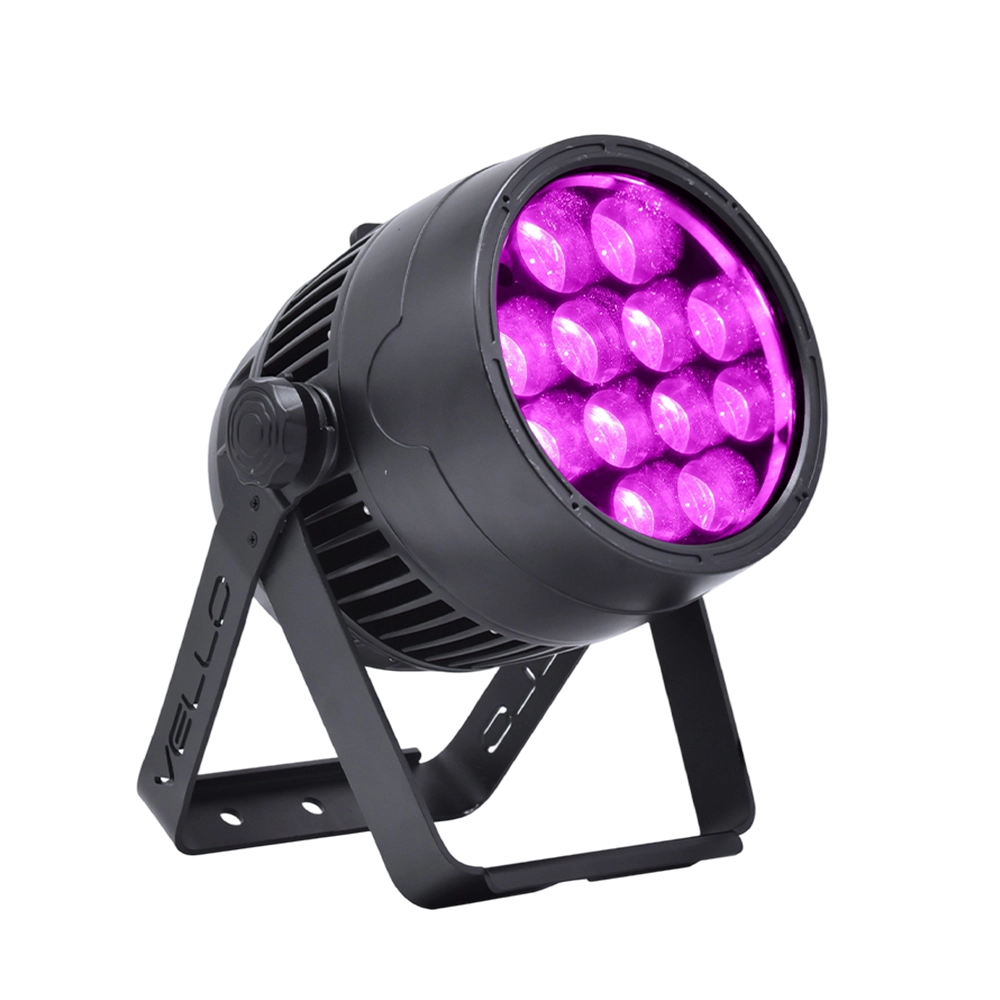
Stage LED Par Light LED ZOOMPAR 40
The Vello Zoom Par 40 IP is a powerful outdoor LED wash light equipped with 12x high-power 7-in-1 RGBACL LEDs. Designed for durability and rich color rendering, it features a wide motorized zoom (6°–50°), smooth dimming, and adjustable CTO presets (3200K–7500K), with 90+ CRI. With an IP66-rated die-cast aluminum body, it’s ideal for both indoor and outdoor applications, including stage lighting, architecture, live events, and installations.
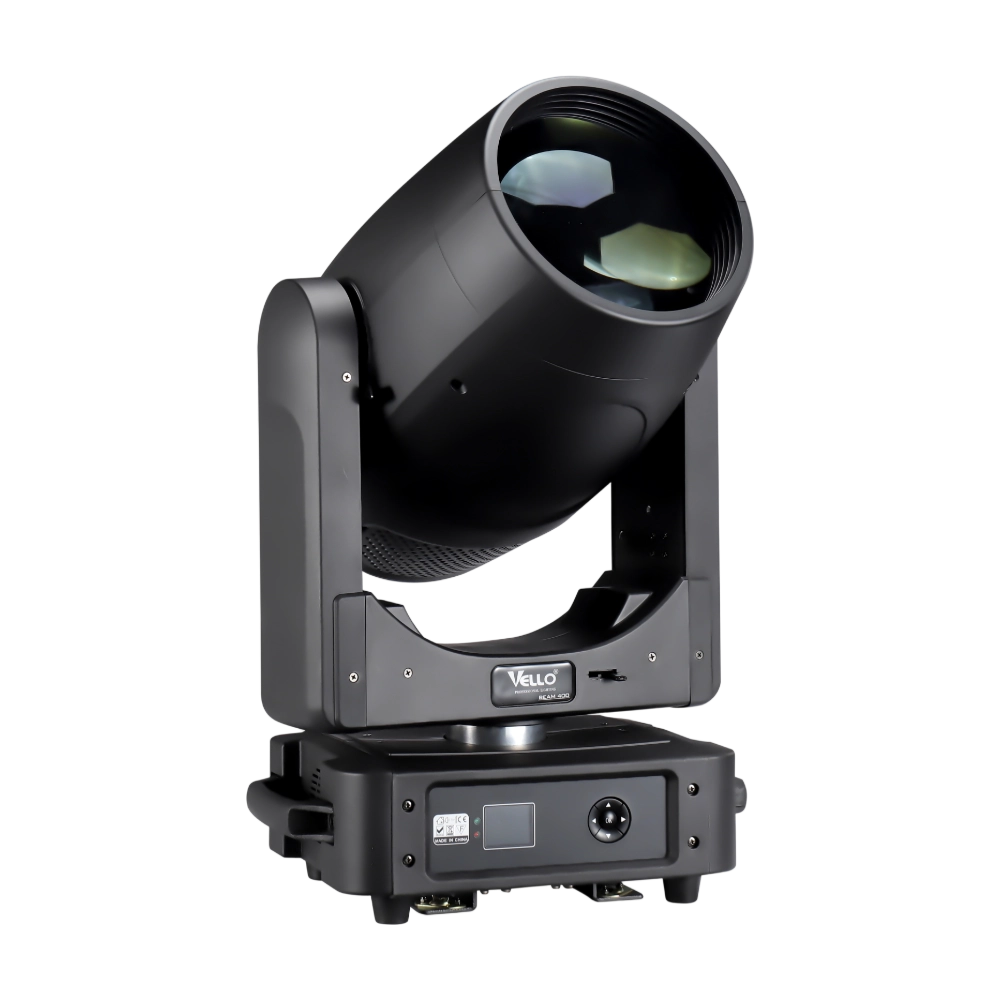
Moving Head Stage Light BEAM 400
BEAM400 is a 500W professional moving head beam powered by an OSRAM SIRIUS 371W discharge bulb, delivering a super-bright 1.8° sharp beam with impressive punch. It features 12 fixed gobos + open, a 14-color wheel, and a 16-facet circular rotating prism with multiple-facet effects, enabling dynamic aerial visuals. With 540° pan / 270° tilt, 16-bit movement resolution, and linear frost and focus, BEAM400 ensures precise and versatile performance. Comparable to traditional 750W moving heads, it combines high efficiency, smooth dimming, and reliable operation—ideal for concerts, tours, and large-scale stage productions.
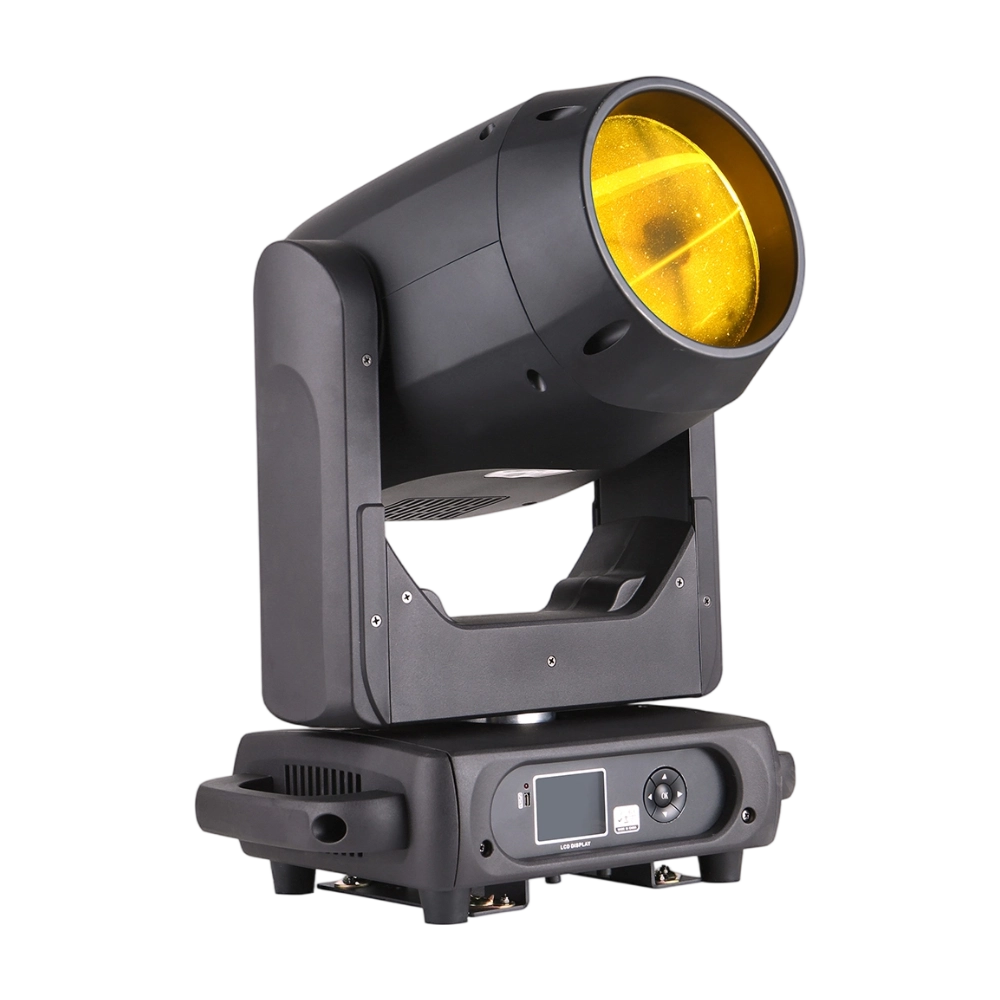
Moving Head Stage Light BEAM 360
BEAM360 is a 400W high-power moving head beam equipped with an OSRAM SIRIUS 311W discharge lamp, delivering a sharp 1.8° beam with super brightness. It features 14 colors + open, 12 fixed metal gobos + open, and dual prisms (8-facet circular + 8+16 multi-facet combination) for dynamic aerial effects. With 540° pan / 270° tilt, 16-bit movement, and linear frost and focus, BEAM360 ensures precision and versatility. Compact yet powerful, it rivals traditional 575W moving heads, making it ideal for concerts, clubs, and large-scale stage productions.
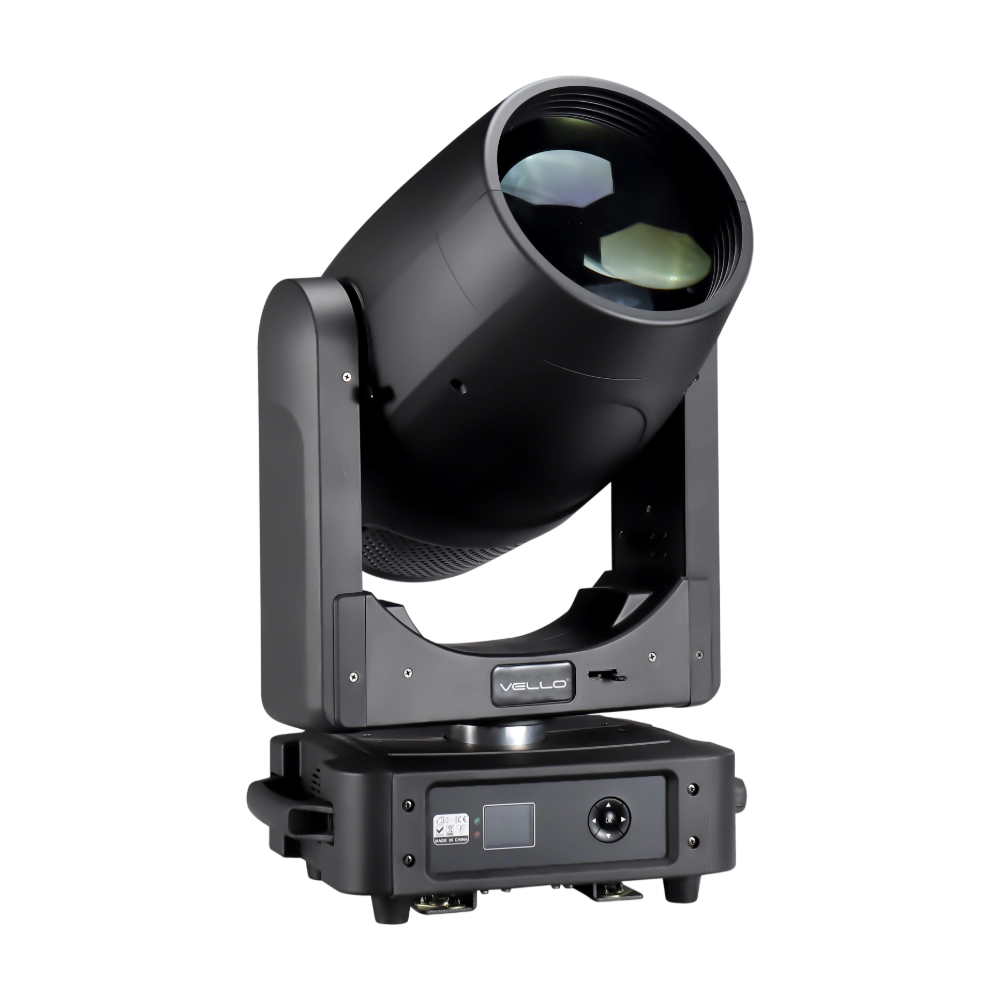
Moving Head Light BEAM 450
The BSW450 is a high-performance moving head fixture equipped with an original Osram 420W bulb, delivering exceptional brightness, precision, and versatility. Designed for professional stage applications, it seamlessly combines beam, spot, and wash functions in one compact unit, making it a powerful all-in-one lighting solution.
Over 20 Years of Innovation in Stage & Studio Lighting
© 2026 VELLO. All Rights Reserved. 粤ICP备20023734号
Join our socials
VELLO
Whatsapp: +8613902276704
Vello Lighting
VelloLights