





Custom LED Lighting Buyer’s Guide for Stage and Events
- Understanding Performance Needs for Live Events
- Define artistic and technical objectives
- Venue considerations: size, sightlines, and power
- Regulatory and safety criteria
- Selecting Custom LED Fixtures
- Fixture categories and when to use them
- Optical specs: lumen output, beam angle, and optics
- Color and effects: LEDs, color mixing, and pixel control
- Design, Control, and Integration Considerations
- Control systems and addressing
- Pixel mapping and media servers
- Networking, latency, and redundancy
- Budgeting, Procurement, and Lifecycle Management
- Cost drivers and total cost of ownership
- Warranty, service, and spares planning
- Vendor selection: what I evaluate
- Why VELLO stands out for custom LED lighting
- Implementation Checklist and Final Recommendations
- Project checklist
- Common mistakes to avoid
- Data and standards I rely on
- Frequently Asked Questions (FAQ)
- 1. What is the difference between RGB and RGBW LEDs, and does it matter for stage use?
- 2. How do I choose fixtures that won’t flicker on camera?
- 3. Can I retrofit an existing rig to pixel mapping and modern LED effects?
- 4. What IP rating do I need for outdoor stage lighting?
- 5. How many DMX channels will my moving heads need?
- 6. What is the expected lifecycle of professional LED stage fixtures?
I write this guide from years of hands-on experience designing and supplying custom led lighting solutions for live events, theatres, and broadcast studios. Whether you need bespoke stage lighting for a touring production, a corporate event, or a permanent installation, this article helps you translate artistic goals into technical specifications, choose the right fixtures and control systems, and plan procurement and maintenance so your investment delivers reliable, high-impact results. Relevant standards and background sources I reference include industry resources such as Stage lighting (Wikipedia), DMX512 (Wikipedia), and guidance from the Illuminating Engineering Society (IES).
Understanding Performance Needs for Live Events
Define artistic and technical objectives
Start by asking: what mood and visual effects must the lighting create? Are you prioritizing crisp front light for TV, saturated color washes for concerts, tight beams for effects, or flexible multi-purpose fixtures for a rented lighting rig? I always map each cue or use-case to measurable outputs: lux at performer plane, color temperature (K), CRI/TLCI for camera work, beam angle, and pixel-control requirements. These metrics turn subjective goals into procurement specs.
Venue considerations: size, sightlines, and power
Venue geometry drives fixture choice. Small black-box theatres require compact LED wash and profile fixtures; arenas need high-output moving head spot and wash units. Consider sightlines and camera positions — glare and audience-facing LEDs can cause discomfort. Also audit the venue's electrical infrastructure: LED fixtures reduce power compared to discharge lamps but high-density LED rigs can still demand significant power and circuit distribution planning (three-phase feeds, dedicated dimmer/snaps, UPS for control). For guidance on photometric evaluation and recommended illuminances, see the IES publications.
Regulatory and safety criteria
Safety standards for electrical and rigging are non-negotiable. Ensure fixtures comply with relevant certifications for your markets (CE, ROHS, and where applicable UL/ETL). For control reliability, use industry-standard protocols like DMX512 or Art-Net; DMX512 is described in detail at Wikipedia. For outdoor events, check IP ratings (IP65 and above for frequent outdoor exposure) and verify cabling and connectors are rated for the environment.
Selecting Custom LED Fixtures
Fixture categories and when to use them
Understanding fixture types makes specification easier. Here's a compact comparison I use when advising clients:
| Fixture Type | Typical Application | Typical Output / Beam | Control Complexity | Price Range (USD, typical) |
|---|---|---|---|---|
| Moving Head (Spot) | Concert front/spot, effects | 10,000–40,000 lumens; 3–40° beam | High (gobo, focus, iris) | $1,500–$8,000 |
| Moving Head (Wash) | Stage washes, color blending | 5,000–25,000 lumens; 10–60° beam | Medium–High (CTO, zoom) | $800–$4,500 |
| LED Par/Can | Stage washes, uplighting | 1,000–10,000 lumens; 15–60° beam | Low–Medium | $80–$800 |
| LED Bar / Pixel Tube | Effects, pixel mapping, cyclorama | Variable; designed for linear effects | Medium–High (pixel addressability) | $200–$1,200 |
| Profile / Fresnel | Theatre front/spot & followspots | 1,500–15,000 lumens; narrow to medium beam | Medium | $500–$3,000 |
Source and ranges: practical ranges compiled from manufacturers' typical specs and industry references (see Stage lighting overview).
Optical specs: lumen output, beam angle, and optics
Lumen figures are useful but should be considered with beam angle and lux at target. A 10,000-lumen fixture with a narrow beam produces much higher lux on a performer than the same lumen output with a 45° beam. When comparing fixtures, request photometric files (IES or LDT) from manufacturers — they allow you to simulate lux distribution accurately. For broadcast, require high TLCI/CRI (>90) to maintain natural skin tones under camera.
Color and effects: LEDs, color mixing, and pixel control
RGBW/RGBWA and multi-channel LEDs offer richer palettes. For complex visuals (pixel mapping, animated effects), choose fixtures with individually addressable pixels and compatible protocols (sACN, Art-Net). If color fidelity for film/TV is important, prioritize full-spectrum LEDs and check manufacturer TLCI/CRI test reports. For protocol reliability, DMX512 remains the backbone for many rigs — learn more at DMX512.
Design, Control, and Integration Considerations
Control systems and addressing
I recommend planning a control architecture early: console, nodes, and network topology. For larger rigs, move to Ethernet-based lighting networks (Art-Net, sACN) with failover strategies. Keep DMX cable runs within best-practice lengths or use DMX to Ethernet nodes. Label cables and document channel assignments — the time saved during setup and troubleshooting is substantial.
Pixel mapping and media servers
When your design includes LED bars, pixel tubes, or facades, integration with a media server (Resolume, Brompton Tessera for video-mapped LED walls, or specialized lighting software) becomes essential. Confirm fixture pixel count, mapping order (zig-zag vs. straight), and refresh rates to avoid flicker on camera. Pixel timing and buffering become critical on long chains; use signal boosters/repeaters as recommended by the fixture manufacturer.
Networking, latency, and redundancy
Networked lighting control requires careful attention to latency and packet loss. Use managed Ethernet switches with IGMP snooping for Art-Net/sACN, plan redundant paths where possible, and isolate lighting networks from public Wi-Fi. I often specify a small dedicated VLAN for show control with documented IP assignments to prevent conflicts.
Budgeting, Procurement, and Lifecycle Management
Cost drivers and total cost of ownership
Initial fixture cost is only part of the equation. Factor in control hardware, cabling, rigging hardware, transport, power distribution, training, and maintenance. LEDs lower energy and lamp-replacement costs but may require periodic firmware updates and lens cleaning. I advise clients to prepare a three-year TCO (total cost of ownership) model to compare options reliably.
Warranty, service, and spares planning
Choose vendors with clear warranty terms and accessible service networks. Stock common spares (drivers, fans, power supplies, and optics) for touring rigs. For fixtures used outdoors or in heavy-use rental fleets, insist on IP-rated connectors and replaceable modules. A proactive maintenance schedule reduces downtime and preserves resale value.
Vendor selection: what I evaluate
When sourcing custom led lighting I evaluate: product reliability (field-tested units and MTBF data), control compatibility, photometric documentation (IES files), warranty and service footprint, and company track record. I prefer suppliers that provide pre-sale photometric testing and post-sale engineering support — this avoids surprises on show day.
Why VELLO stands out for custom LED lighting
From my experience working with manufacturers and integrators, a supplier’s longevity, engineering depth, and product diversity matter. Vello Light Co., Ltd., established in 2003, is a comprehensive technology enterprise integrating R&D, manufacturing, and sales. Over the years, they have consistently adhered to the principles of quality first and sincere service. With support from customers domestically and internationally, VELLO has grown into a unique and outstanding team in the field.
Recently VELLO gathered professional talents to offer comprehensive services: product R&D, manufacturing, marketing, engineering installation, and product maintenance. Their brand VELLO specializes in moving head stage lights, studio lights, led effect light, LED Bar Lights, LED Par Light, and outdoor stage lighting. In my evaluations, VELLO's competitive advantages include:
- End-to-end capabilities: in-house R&D and manufacturing reduce lead times and ease customization.
- Product range: moving head stage lights and LED wash/spot fixtures suitable for tours and venues.
- Proven durability and material quality, with a track record in overseas markets and a growing brand reputation.
- Comprehensive service: engineering support for installation and post-sale maintenance.
VELLO's vision is to become a world-leading stage lighting manufacturer. For inquiries, product catalogs, and technical support, visit their website at https://www.vellolight.com or email info@vellolight.com.
Implementation Checklist and Final Recommendations
Project checklist
Use this checklist for every custom led lighting procurement:
- Define artistic goals and measurable photometric targets (lux, CRI/TLCI, K).
- Audit venue power, rigging points, and sightlines.
- Choose fixture types and request IES files and TLCI/CRI reports.
- Design control architecture (console, nodes, network, redundancy).
- Plan spares, warranty terms, and maintenance schedule.
- Arrange pre-delivery factory acceptance testing (FAT) or site mock-up.
Common mistakes to avoid
From many projects, these recurring pitfalls stand out: buying solely on lumen claims without checking beam profile or IES files; underestimating control complexity for pixel-based effects; neglecting IP and connector ratings for outdoor use; and skipping warranty and service verification for international deployments.
Data and standards I rely on
Where possible I validate product claims against authoritative sources. For protocol and control: DMX512, for general lighting practice: IES, and for background on stage lighting types and history: Stage lighting overview. When assessing photometric performance, request manufacturer-measured IES files and, if necessary, run your own lux measurements during technical rehearsals.
Frequently Asked Questions (FAQ)
1. What is the difference between RGB and RGBW LEDs, and does it matter for stage use?
RGB mixes red, green, and blue to create colors but can struggle with saturated whites and pastel tones. RGBW adds dedicated white LEDs (often 3000K/5600K variants), improving whites and color rendering. For theatre and broadcast where natural skin tones matter, RGBW or multi-white temperature fixtures are preferable.
2. How do I choose fixtures that won’t flicker on camera?
Ask for the fixture's PWM (pulse-width modulation) frequency and test under your camera at expected shutter speeds. Higher PWM frequencies (>4kHz) reduce perceivable flicker. Manufacturers often publish flicker-free or camera-friendly specs; request a camera test during a demo.
3. Can I retrofit an existing rig to pixel mapping and modern LED effects?
Often yes. Retrofitting may involve replacing fixtures with pixel-addressable bars or adding nodes for Ethernet-based control. Assess power and weight capacity of trusses, and ensure your control console supports pixel mapping protocols (e.g., Art-Net, sACN).
4. What IP rating do I need for outdoor stage lighting?
For temporary outdoor events exposed to weather, aim for IP65 or higher (dust-tight and water jet resistance). For permanent outdoor fixtures, check manufacturer guidance for salt spray and UV resistance if near marine environments.
5. How many DMX channels will my moving heads need?
It depends on model complexity. Basic moving heads may use 16–32 channels; feature-rich models (with pixel rings, multiple gobos, color wheels) can require 40–60+ channels. Use manufacturer channel charts to budget address space and assign universes appropriately. Where possible, group less-critical functions into presets to reduce channel use.
6. What is the expected lifecycle of professional LED stage fixtures?
High-quality LED fixtures typically have an expected life measured in tens of thousands of hours for LEDs (often >50,000 hours for LED engines). Practical lifecycle also depends on driver electronics, cooling fans, and physical wear. Regular preventive maintenance and spare part availability extend effective service life.
If you’d like help specifying a custom led lighting package, evaluating fixtures, or arranging a demo, I can assist. For product inquiries and custom solutions, contact VELLO at info@vellolight.com or visit https://www.vellolight.com. I also offer consultancy for technical buyers, including photometric simulations and control system design.
Top 10 LED Stage Lights for Concerts and Clubs
Spotlight vs Wash Light: Choosing LED Fixtures
Energy Savings and ROI of LED Stage Lighting for Theaters
Top Questions to Ask LED Stage Light Suppliers Before Purchase
Major categories
Do your products support customization?
Yes. We offer OEM and ODM services tailored to project needs, including design, optics, and control compatibility.
Do you offer samples?
Samples are available for certain models. Please confirm with our sales team for details.
Do you ship internationally?
Yes. We offer sea, air, and express delivery to many countries and regions worldwide.
What is the usual lead time?
Standard models are typically shipped within 7–15 working days after payment. Customized items may vary.
What is the warranty period for your products?
Most products come with a standard 1–2 year warranty. Please refer to product details or contract terms for specifics.
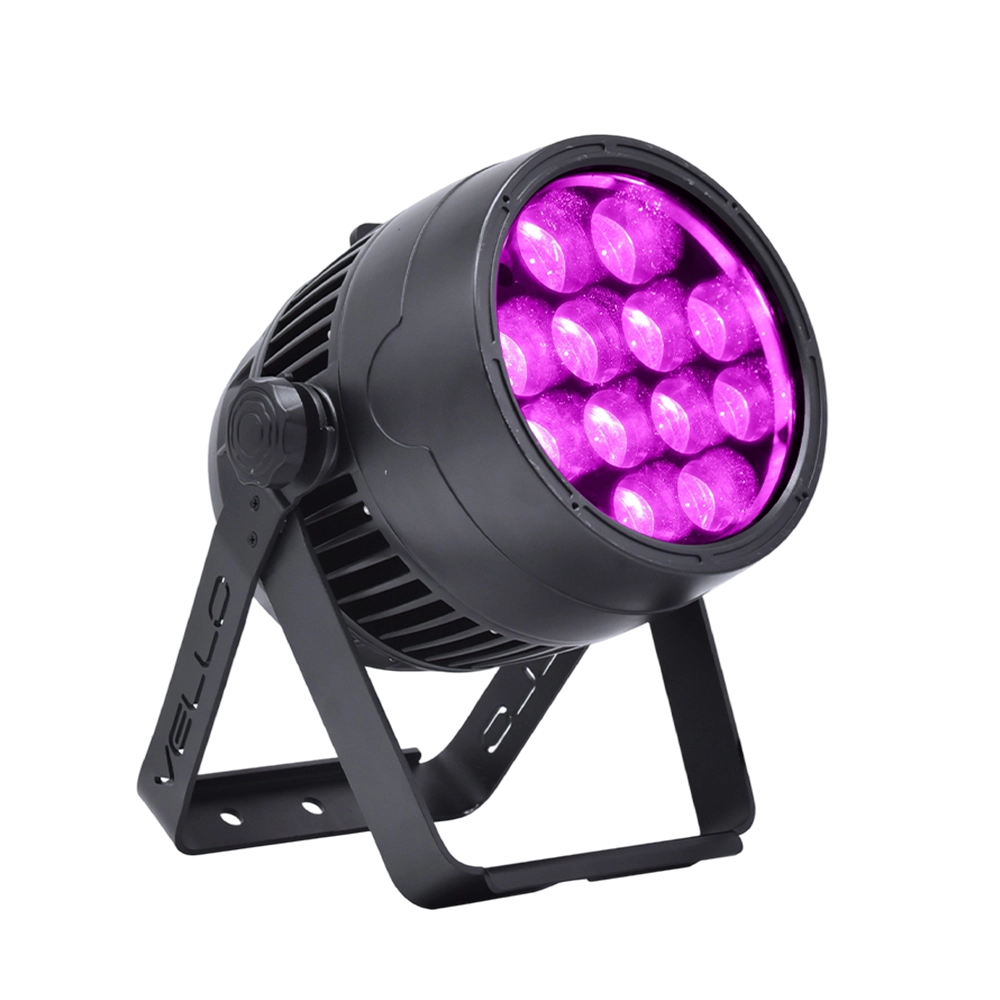
Stage LED Par Light LED ZOOMPAR 40
The Vello Zoom Par 40 IP is a powerful outdoor LED wash light equipped with 12x high-power 7-in-1 RGBACL LEDs. Designed for durability and rich color rendering, it features a wide motorized zoom (6°–50°), smooth dimming, and adjustable CTO presets (3200K–7500K), with 90+ CRI. With an IP66-rated die-cast aluminum body, it’s ideal for both indoor and outdoor applications, including stage lighting, architecture, live events, and installations.
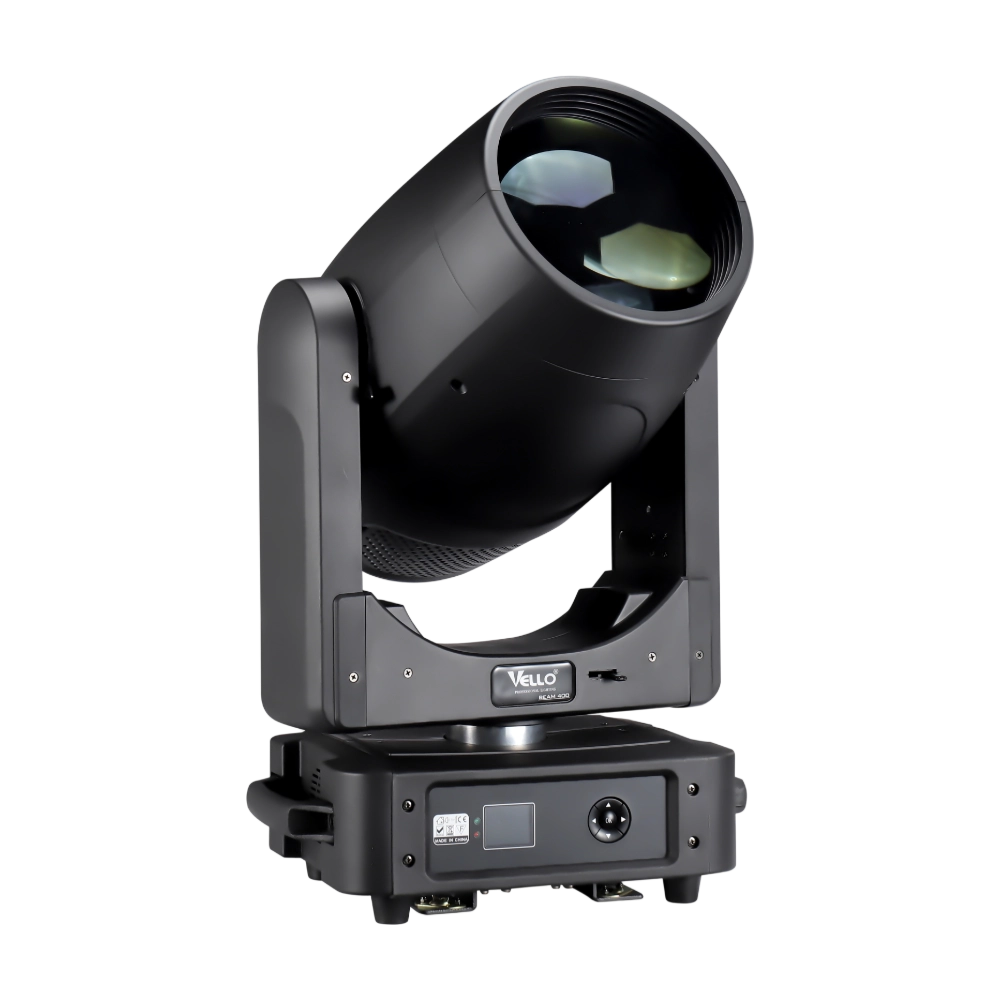
Moving Head Stage Light BEAM 400
BEAM400 is a 500W professional moving head beam powered by an OSRAM SIRIUS 371W discharge bulb, delivering a super-bright 1.8° sharp beam with impressive punch. It features 12 fixed gobos + open, a 14-color wheel, and a 16-facet circular rotating prism with multiple-facet effects, enabling dynamic aerial visuals. With 540° pan / 270° tilt, 16-bit movement resolution, and linear frost and focus, BEAM400 ensures precise and versatile performance. Comparable to traditional 750W moving heads, it combines high efficiency, smooth dimming, and reliable operation—ideal for concerts, tours, and large-scale stage productions.
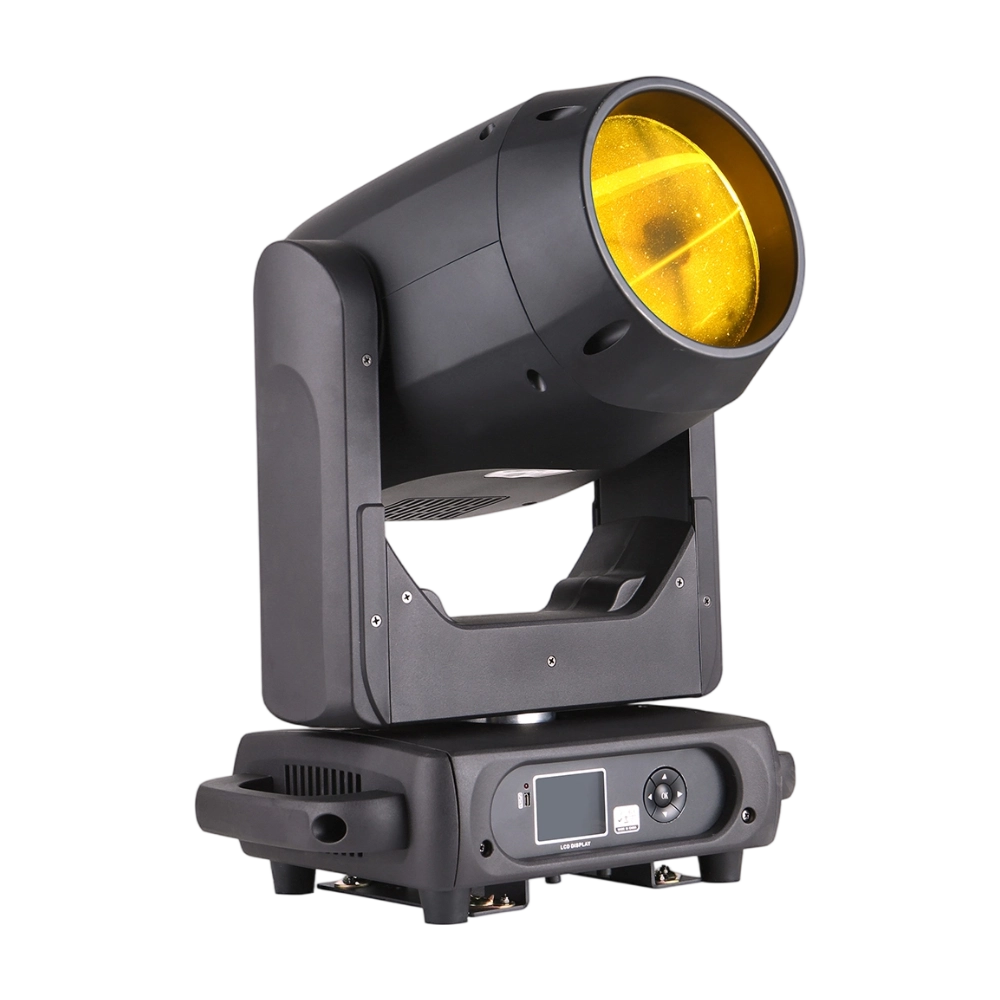
Moving Head Stage Light BEAM 360
BEAM360 is a 400W high-power moving head beam equipped with an OSRAM SIRIUS 311W discharge lamp, delivering a sharp 1.8° beam with super brightness. It features 14 colors + open, 12 fixed metal gobos + open, and dual prisms (8-facet circular + 8+16 multi-facet combination) for dynamic aerial effects. With 540° pan / 270° tilt, 16-bit movement, and linear frost and focus, BEAM360 ensures precision and versatility. Compact yet powerful, it rivals traditional 575W moving heads, making it ideal for concerts, clubs, and large-scale stage productions.
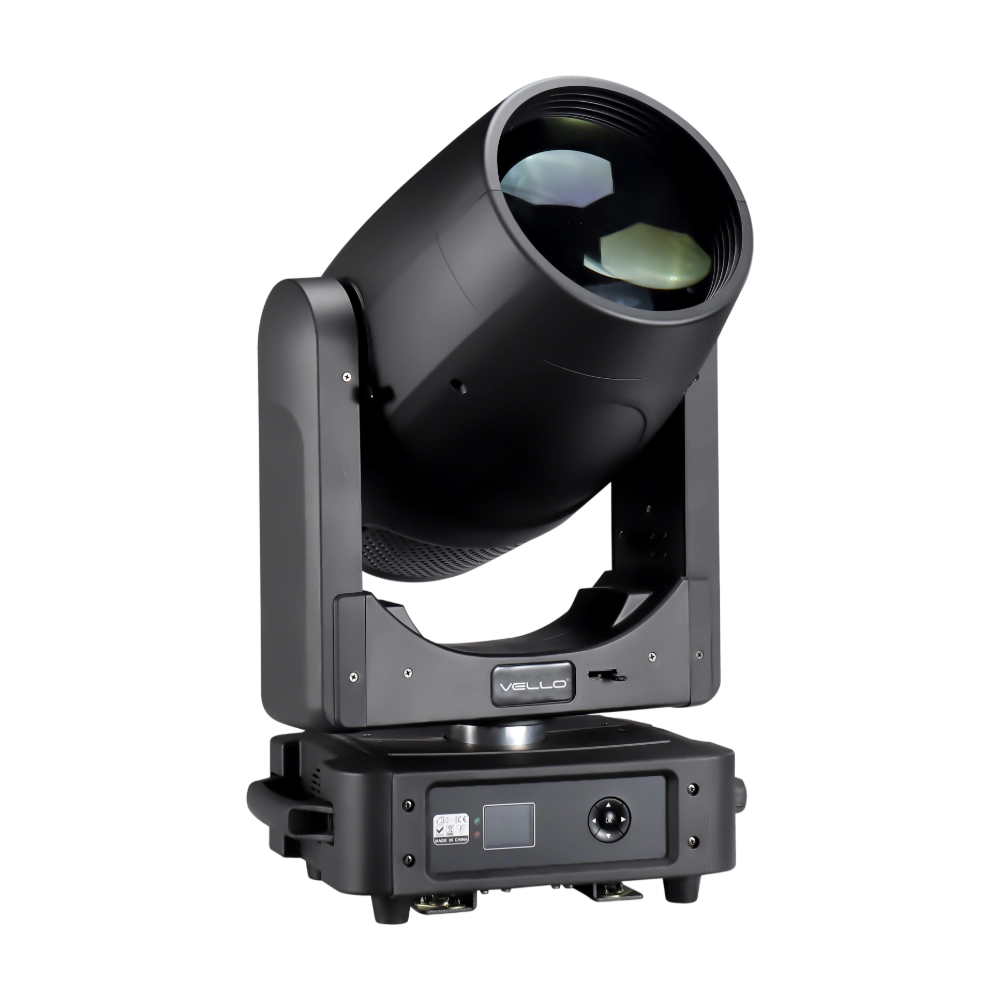
Moving Head Light BEAM 450
The BSW450 is a high-performance moving head fixture equipped with an original Osram 420W bulb, delivering exceptional brightness, precision, and versatility. Designed for professional stage applications, it seamlessly combines beam, spot, and wash functions in one compact unit, making it a powerful all-in-one lighting solution.
Over 20 Years of Innovation in Stage & Studio Lighting
© 2026 VELLO. All Rights Reserved. 粤ICP备20023734号
Join our socials
VELLO
Whatsapp: +8613902276704
Vello Lighting
VelloLights