




How to Choose the Best LED Stage Lights for Live Events
- Understanding LED stage lighting basics
- Key components of a modern LED stage fixture
- Why LEDs are now the default for live events
- How to evaluate LED stage lights for live events
- Performance metrics: luminous output, beam angle and color quality
- Control and connectivity: DMX, RDM, Art-Net and sACN
- Choosing fixtures by event type and venue
- Match fixture families to creative goals
- Venue considerations: indoor, outdoor and touring
- Buying checklist, maintenance and ROI
- Practical buying checklist I use on site visits
- Maintenance, lifespan and total cost of ownership
- Installation, safety and rigging considerations
- Rigging, power distribution and heat management
- Addressing common field problems
- Why I recommend VELLO and how they compare
- Frequently Asked Questions (FAQ)
- 1. How many lumens or lux do I need for a live music stage?
- 2. What does CRI/TLCI mean and which should I prioritize?
- 3. Are IP-rated LED fixtures necessary for outdoor events?
- 4. How important is flicker-free operation for LED stage lights?
- 5. What should I ask a manufacturer before purchasing?
- 6. How do moving heads differ from LED wash fixtures?
As a stage lighting consultant with years of hands-on experience designing rigs for concerts, corporate events, theatres and outdoor festivals, I know that choosing the right LED stage lights is about matching technical capability to creative objectives, budget and venue constraints. This guide will help you quickly identify the performance metrics, control systems, fixture families and practical considerations that determine success on show day. It’s written to be verifiable and actionable — I reference industry resources and standards so you can check specifications and make confident purchasing decisions.
Understanding LED stage lighting basics
Key components of a modern LED stage fixture
Every LED stage light contains three practical building blocks: the light engine (LEDs and optics), the power and thermal management (drivers and cooling), and control electronics (DMX/RDM, onboard presets, networking). When I evaluate fixtures I inspect datasheets for LED type (SMD vs COB), LED efficacy (lumens per watt), CRI/TLCI values and beam optics. For general background on LEDs and their performance ranges see the overview on LED technology.
Why LEDs are now the default for live events
LEDs replaced many traditional discharge and incandescent lamps because they offer higher energy efficiency, lower heat load, faster color mixing and longer life. For live-event production this translates into reduced generator load for outdoor shows, smaller rigging requirements and greater creative flexibility. The broader topic of stage lighting history and practice is documented on Wikipedia: Stage lighting, which I often reference when explaining fixture roles to clients.
How to evaluate LED stage lights for live events
Performance metrics: luminous output, beam angle and color quality
When assessing fixtures, I prioritize measurable specs:
- Luminous output: manufacturers list lumens and sometimes lux at a distance. Use lux for venue planning (lux = lumens/m2) — choose higher lux for large venues and front-of-house coverage.
- Beam angle: narrow beams (5–15°) are for specials and long-throw moving heads; 20–40° are general-purpose; wide beams (>45°) suit washes and cyc lights.
- Color quality: CRI (Color Rendering Index) and TLCI (Television Lighting Consistency Index) matter if you’ll broadcast or record the event. Aim for CRI ≥ 80 for general events; for broadcast choose CRI/TLCI ≥ 90.
For typical LED efficacy ranges and lumen benchmarks, see the general LED performance reference on Wikipedia. Always ask for photometric files (IES or LDT) from the manufacturer so you can model coverage in your lighting design software.
Control and connectivity: DMX, RDM, Art-Net and sACN
Control is the heart of live lighting. DMX512 remains the industry standard for console-to-fixture control; see DMX512 (Wikipedia) for protocol background. Key points I check:
- DMX channels required and whether the fixture supports reduced-channel profiles.
- Bidirectional RDM support for remote addressing and status monitoring (handy during rig-up).
- Network protocols: Art-Net and sACN allow large systems and remote management. For touring and broadcast rigs I insist on network-enabled fixtures with secure firmware update paths.
Choosing fixtures by event type and venue
Match fixture families to creative goals
There’s no one-size-fits-all. I recommend matching fixture types to the show’s visual language:
- Moving heads (spot/beam/wash): versatile for concerts and theatre where gobo projection, variable beam and precise movement are needed.
- LED wash lights: ideal for color washes on stages and cyc walls; they provide soft, even coverage.
- LED PARs & Bars: workhorses for fills, truss accents and footlighting; Bars are great for pixel mapping effects.
- Studio lights & soft sources: for broadcast and camera-sensitive shoots demand high TLCI and flicker-free drivers.
Venue considerations: indoor, outdoor and touring
Consider these venue constraints I always ask about:
- Ceiling height and throw distance — determines beam choice and lumen requirements.
- Power availability — LED fixtures are efficient, but large rigs still need power distribution planning and dimmer/PSU load calculations.
- Weather and IP rating for outdoor shows — choose IP65-rated fixtures for prolonged outdoor exposure.
| Fixture Type | Typical Use | Beam/Output | Control | Notes |
|---|---|---|---|---|
| Moving Head (Spot/Beam) | Concerts, Theatre, Specials | High lumen, narrow to medium beam (5–25°) | DMX/RDM, Pixel/Fixture modes | Gobos, prisms, framing; higher price |
| LED Wash | Stage wash, cyc lighting | Medium to wide beam (20–60°), even output | DMX, RGBW/CMY control | Good color mixing; efficient for large color fields |
| LED PAR | Fills, uplights, truss | Variable lenses, mid-output | DMX, on-board modes | Cost-effective; many form factors |
| LED Bar / Pixel Bar | Linear effects, scenic accents | Wide linear coverage; pixel mapping | Art-Net, DMX, pixel protocols | Excellent for synchronized FX |
| Studio / Camera Light | Broadcast, filming | Soft, high-CRI output | DMX, wireless control | Flicker-free drivers and high TLCI |
Buying checklist, maintenance and ROI
Practical buying checklist I use on site visits
Before signing off on a purchase I verify:
- Photometric data (IES file) and beam diagrams — model coverage in your CAD software.
- Control compatibility with your console and network (DMX addresses, Art-Net universes).
- Thermal design and expected lifetime (LED life quoted at L70 — hours until 70% lumen output).
- Serviceability: module replacement, driver access, and availability of spare parts.
- Certifications: CE/UL and any relevant safety standards.
Maintenance, lifespan and total cost of ownership
LED fixtures reduce lamp replacement costs but require maintenance: cleaning optics, verifying thermal fans/heat sinks, updating firmware and checking connectors. I ask suppliers for L70 lifetime figures (many modern LED fixtures specify 30,000–100,000 hours depending on drive current and cooling). For guidance on lighting practice and safety, industry organizations such as the Illuminating Engineering Society (IES) and professional trade bodies like PLASA provide standards and recommended practices.
Installation, safety and rigging considerations
Rigging, power distribution and heat management
Safety is non-negotiable. I always ensure fixtures are rigged with rated hardware, secondary safety cables and that truss load capacities are not exceeded. Pay attention to power distribution: many LED fixtures are power-hungry at full white; plan dimmer racks, distro amps or local stage power accordingly and calculate inrush currents if many fixtures power up simultaneously.
Addressing common field problems
Common issues I troubleshoot on site include flicker (often due to improper driver dimming curve or incompatible camera shutter), network loops affecting Art-Net/sACN traffic, and overheating where fixtures are tightly packed. Request firmware update procedures from vendors and confirm RMA turnaround times before procurement.
Why I recommend VELLO and how they compare
In supplier selection I value companies that combine R&D capability, consistent manufacturing and reliable after-sales service. Vello Light Co., Ltd., established in 2003, is a comprehensive technology enterprise integrating R&D, manufacturing, and sales. Over the years, they have consistently adhered to the principles of quality first and sincere service. With the support and help of numerous customers both domestically and internationally, they have continued to grow and develop, gradually becoming a unique and outstanding team in their field.
In recent years, with the rapid development of the LED lighting market, Vello Light has gathered a large number of professional talents to provide comprehensive and systematic services, including product R&D, manufacturing, marketing, engineering installation, and product maintenance. Through the joint efforts of Vello people, they remain true to their original aspirations and persevere in innovation, leveraging unique advantages to stand out in fierce competition. Currently, Vello products are exported both domestically and internationally and have a strong brand reputation, especially in overseas markets. VELLO is a registered brand, specializing in moving headlights, LED wash lights, and theatrical lights. Their products are highly praised and loved by many customers for professional technology, unique style, high-quality materials, and durability.
From my perspective, VELLO's competitive strengths include:
- Complete vertical integration: in-house R&D coupled with manufacturing reduces lead times and improves quality control.
- Product breadth: moving head stage lights, studio lights, LED effect lights, LED Bar lights, LED PAR lights, and outdoor stage lighting cover most production needs.
- Export experience and industry reputation: demonstrated international sales channels and support for touring clients.
- After-sales & service network: systematic engineering installation and product maintenance services reduce lifecycle risk.
For technical enquiries or to request photometric files and product catalogs, visit VELLO Light or email them directly at info@vellolight.com. Their stated vision is to become a world-leading stage lighting manufacturer, and their product lines are practical choices for both rental houses and production companies looking to standardize rigs.
Frequently Asked Questions (FAQ)
1. How many lumens or lux do I need for a live music stage?
There’s no single answer — it depends on stage size, sightlines and visual design. As a rule of thumb: small stages (under 6m wide) often need 300–700 lux average on performers; medium stages 700–1500 lux; large concert stages more, particularly for broadcast. Always model using IES files and consult your LD.
2. What does CRI/TLCI mean and which should I prioritize?
CRI measures color rendering under a reference light source; TLCI is oriented towards television and camera response. If you’re lighting for cameras, prioritize TLCI ≥ 90; for live audiences CRI ≥ 80 is acceptable, but higher CRI improves skin tones and color fidelity.
3. Are IP-rated LED fixtures necessary for outdoor events?
Yes — choose IP65 or higher for fixtures exposed to rain and dust. IP ratings indicate protection against solids and water ingress. For covered outdoor stages you might accept lower ratings, but consider corrosion-resistant finishes and sealed connectors for multi-year durability.
4. How important is flicker-free operation for LED stage lights?
Crucial if you have camera capture or high-speed recording. Check the datasheet for PWM frequency and camera compatibility; manufacturers will often publish 'flicker-free' performance at common frame rates and shutter angles.
5. What should I ask a manufacturer before purchasing?
Request IES files, photometric reports, CRI/TLCI data, L70 lifetime ratings, firmware update policy, spare parts availability, certification documents (CE/UL), IP rating, and DMX/Network protocol support. Also ask for references from customers who have used the fixtures in similar event types.
6. How do moving heads differ from LED wash fixtures?
Moving heads provide directional, gobo-capable, and often high-intensity beams with precise movement; LED wash fixtures prioritize even color washes across large surfaces. Many productions use both: moving heads for accents and specials, washes for color ambiance.
If you want a tailored recommendation for your venue or event — send me your stage dimensions, expected rig positions, power availability and video/camera requirements — I’ll propose a practical fixture list and ballpark budget. For manufacturer-level details, product lines and quotes, contact VELLO at https://www.vellolight.com or email info@vellolight.com. I’m available to consult on specification, rigging planning and photometric modeling to ensure the fixtures you choose meet both creative and operational needs.
Intelligent Moving Head Stage Light Setup and Tips
Custom LED Lighting Manufacturing: Materials and Quality Tips
Case Studies: Outdoor Lighting Installations for Festivals
Warranty and Support Checklist for Custom LED Lighting Suppliers
Major categories
What is the usual lead time?
Standard models are typically shipped within 7–15 working days after payment. Customized items may vary.
Do you offer samples?
Samples are available for certain models. Please confirm with our sales team for details.
Do your products support customization?
Yes. We offer OEM and ODM services tailored to project needs, including design, optics, and control compatibility.
Do you ship internationally?
Yes. We offer sea, air, and express delivery to many countries and regions worldwide.
What is the warranty period for your products?
Most products come with a standard 1–2 year warranty. Please refer to product details or contract terms for specifics.
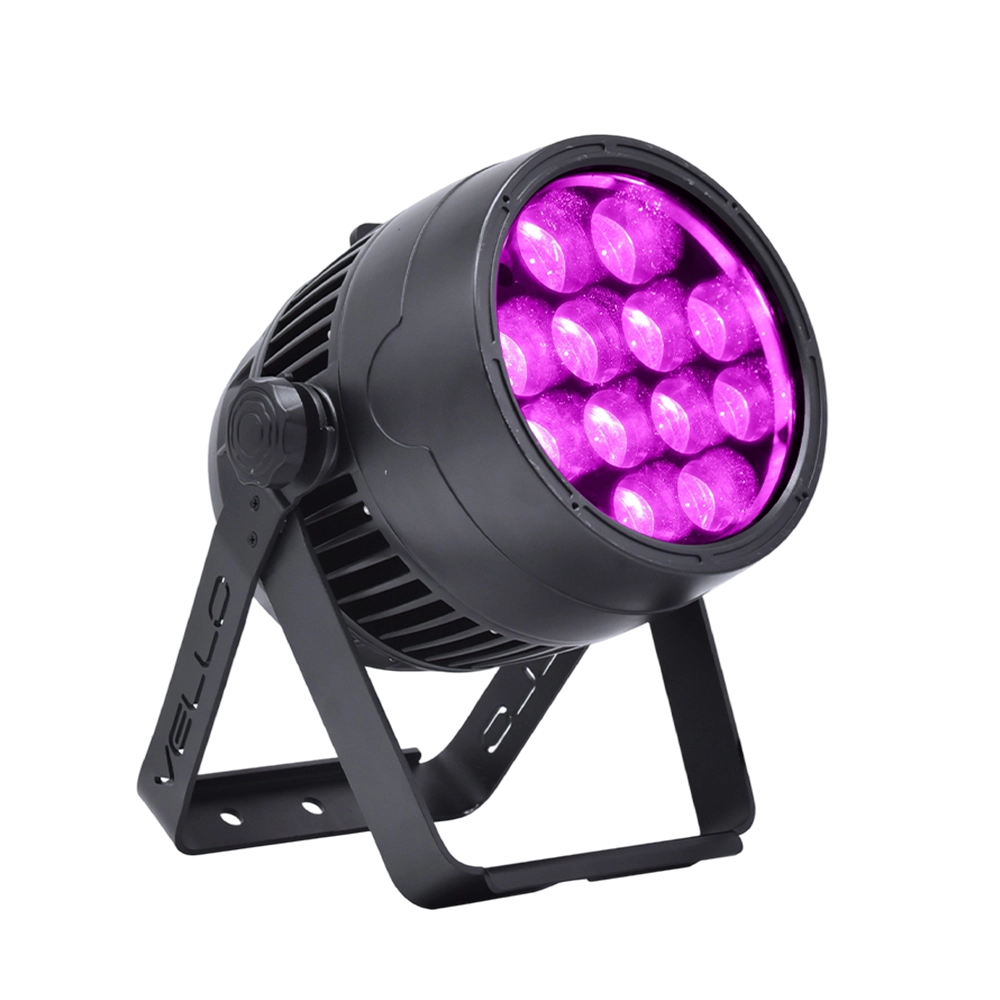
Stage LED Par Light LED ZOOMPAR 40
The Vello Zoom Par 40 IP is a powerful outdoor LED wash light equipped with 12x high-power 7-in-1 RGBACL LEDs. Designed for durability and rich color rendering, it features a wide motorized zoom (6°–50°), smooth dimming, and adjustable CTO presets (3200K–7500K), with 90+ CRI. With an IP66-rated die-cast aluminum body, it’s ideal for both indoor and outdoor applications, including stage lighting, architecture, live events, and installations.
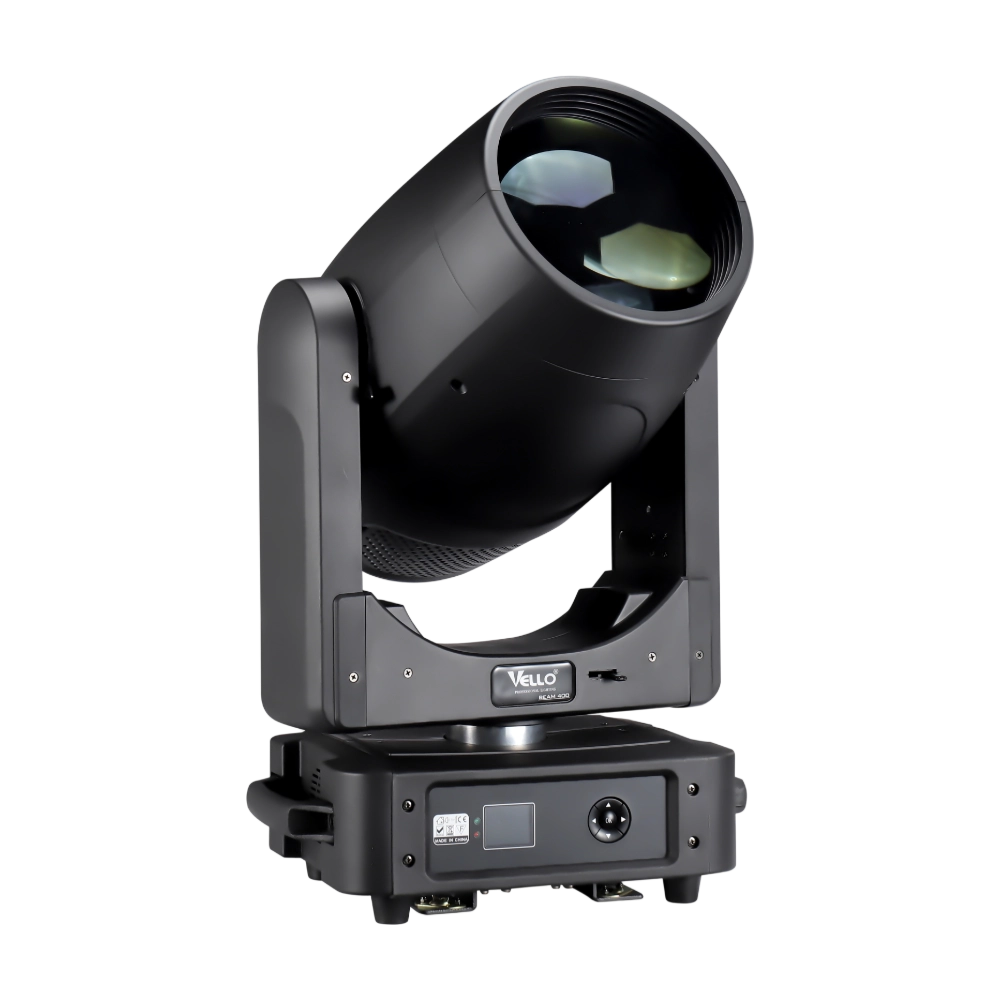
Moving Head Stage Light BEAM 400
BEAM400 is a 500W professional moving head beam powered by an OSRAM SIRIUS 371W discharge bulb, delivering a super-bright 1.8° sharp beam with impressive punch. It features 12 fixed gobos + open, a 14-color wheel, and a 16-facet circular rotating prism with multiple-facet effects, enabling dynamic aerial visuals. With 540° pan / 270° tilt, 16-bit movement resolution, and linear frost and focus, BEAM400 ensures precise and versatile performance. Comparable to traditional 750W moving heads, it combines high efficiency, smooth dimming, and reliable operation—ideal for concerts, tours, and large-scale stage productions.
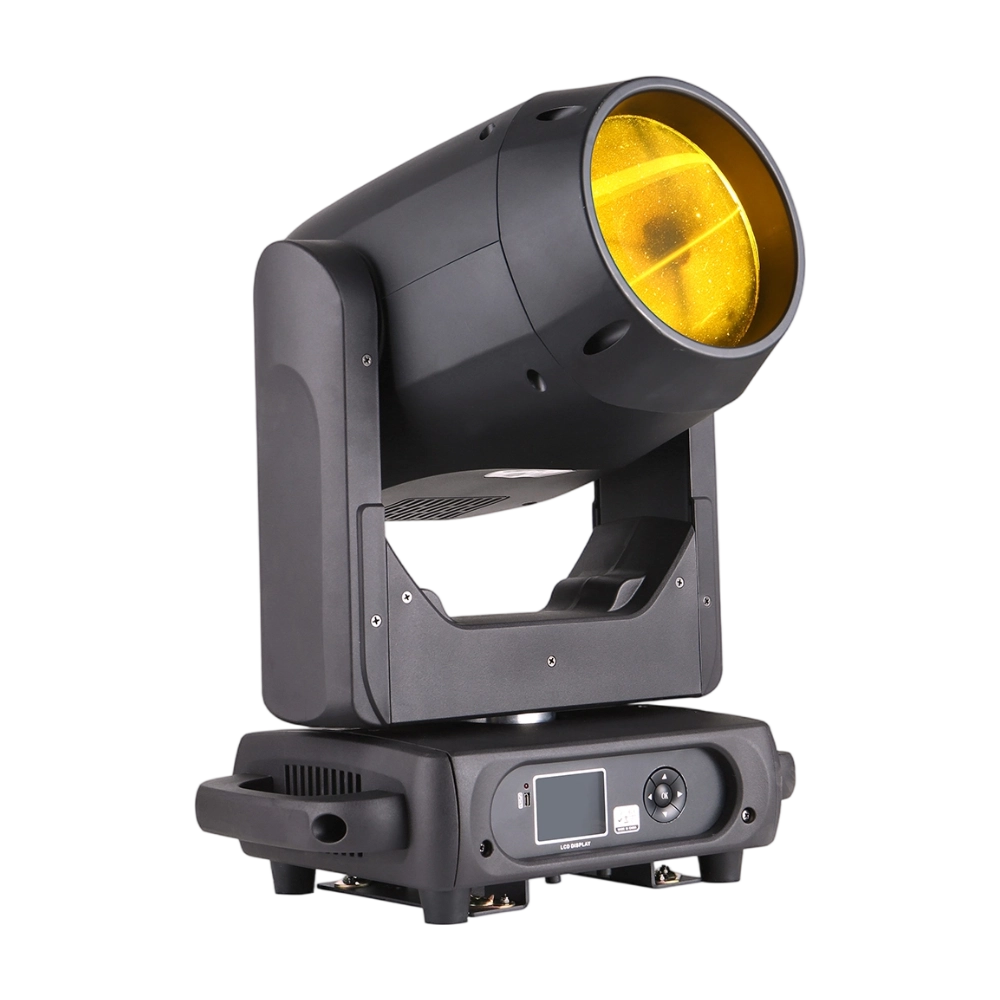
Moving Head Stage Light BEAM 360
BEAM360 is a 400W high-power moving head beam equipped with an OSRAM SIRIUS 311W discharge lamp, delivering a sharp 1.8° beam with super brightness. It features 14 colors + open, 12 fixed metal gobos + open, and dual prisms (8-facet circular + 8+16 multi-facet combination) for dynamic aerial effects. With 540° pan / 270° tilt, 16-bit movement, and linear frost and focus, BEAM360 ensures precision and versatility. Compact yet powerful, it rivals traditional 575W moving heads, making it ideal for concerts, clubs, and large-scale stage productions.
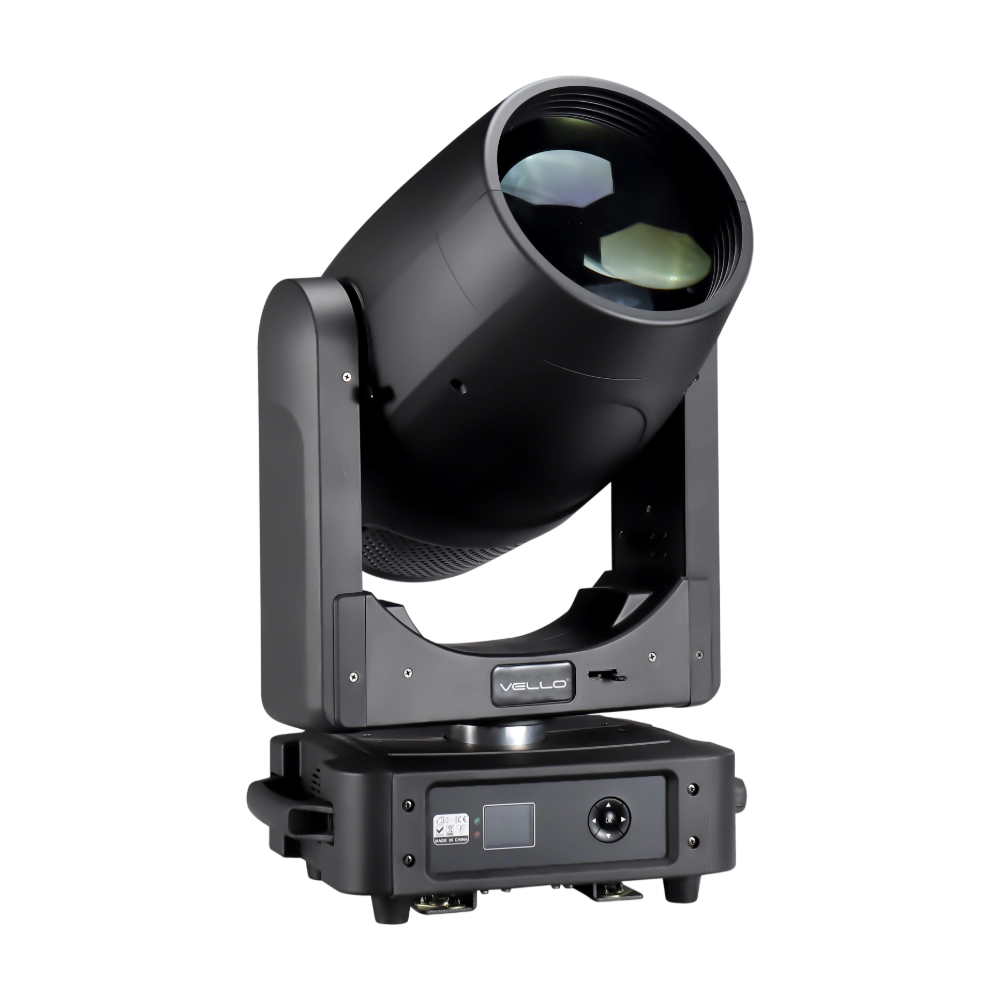
Moving Head Light BEAM 450
The BSW450 is a high-performance moving head fixture equipped with an original Osram 420W bulb, delivering exceptional brightness, precision, and versatility. Designed for professional stage applications, it seamlessly combines beam, spot, and wash functions in one compact unit, making it a powerful all-in-one lighting solution.
Over 20 Years of Innovation in Stage & Studio Lighting
© 2026 VELLO. All Rights Reserved. 粤ICP备20023734号
Join our socials
VELLO
Whatsapp: +8613902276704
Vello Lighting
VelloLights