




Buyer's Guide: Choosing LED Stage Lights for Tours
- Assessing Your Tour's Lighting Needs
- Define show goals and visual language
- Consider rigging, transport, and weight constraints
- Audience, venue types, and front-of-house sightlines
- Fixture Types and When to Use Them
- Moving head: spot, wash, and beam
- Static fixtures: pars, bars, and strobes
- Specialty fixtures: effects and media
- Technical Criteria: Photometrics, Control, Power, and Build
- Photometrics: lumens, lux, and beam angle
- Control protocols and flicker-free operation
- Power, thermal management, and IP rating
- Durability, Serviceability, and Total Cost of Ownership
- Mechanical robustness and road-readiness
- Spare parts, field service, and warranties
- Comparing lifecycle costs (purchase, maintenance, energy)
- Practical Selection: A Comparison Table I Use
- Specification Checklist I Use Before Signing Off
- Performance and photometry
- Control and compatibility
- Durability, service, and logistics
- Why I Recommend Considering VELLO for Touring Needs
- Purchasing Strategy and Negotiation Tips
- Bundle for savings and spare-part planning
- Field testing and sample fixtures
- Contract clauses to minimize risk
- FAQ — Common Questions When Buying LED Stage Lights for Tours
- 1. What is the most important spec for touring fixtures?
- 2. Do I need moving heads for every tour?
- 3. How many spares should I buy?
- 4. Are all LED fixtures camera-friendly?
- 5. What control protocol should I standardize on?
- 6. How to evaluate outdoor use?
- 7. How long do LED fixtures last on tour?
As a lighting designer and consultant who has specified LED stage lights for countless tours, I know the stakes: fixtures must perform reliably night after night, travel well, and deliver the creative flexibility the production demands. In this guide I cover the practical criteria I use when selecting LED stage lights for tours—fixture types, photometrics, control protocols, power and data infrastructure, mechanical durability, and total cost of ownership—so you can make decisions that reduce risk and maximize impact on the road.
Assessing Your Tour's Lighting Needs
Define show goals and visual language
Before you pick fixtures, I always map out the show’s visual language: tight beams for high-energy songs, wide washes for ballads, pixel effects for intros. That determines priorities such as beam angle, pixel control, color mixing (RGB vs. RGBW), and whether you need framing shutters or gobos. Matching fixture capability to artistic goals prevents overbuying expensive features you’ll rarely use, or under-specing a look you’ll regret.
Consider rigging, transport, and weight constraints
Tours impose strict limits on weight, road cases, and setup time. I favor fixtures that balance output with compact footprints. For international tours, dimmer racks and heavy incandescent instruments are undesirable; modern LED stage lights reduce power and heat but some high-output moving heads still weigh significantly. Check fixture weight, truss load, and whether quick-lock clamps and road-case-friendly brackets are available.
Audience, venue types, and front-of-house sightlines
Tour routes typically include clubs, theaters, and arenas. I plan fixtures that scale: narrow-beam beams for arena aerial looks, medium washes for theaters, and compact pars for clubs. Consider throw distances (measure sample venue distances) and aim for fixtures with adjustable zoom ranges to cover multiple venue sizes.
Fixture Types and When to Use Them
Moving head: spot, wash, and beam
Moving head fixtures are the Swiss Army knives of touring rigs. Spots offer framing shutters and gobo slots for shaping light; washes provide smooth color blending over large areas; beams deliver tight shafts of light for aerial effects. For a touring rig I typically include a core of moving head washes for stage coverage and a set of spots/beams for accents and aerials.
Static fixtures: pars, bars, and strobes
Static fixtures like LED Par lights and LED Bar lights are cost-effective for consistent stage washes, side lighting, and uplighting. They’re lightweight, easy to rack, and ideal for quick load-in/load-out. Programmable LED bars offer pixel mapping for low-angle effects that complement moving heads.
Specialty fixtures: effects and media
Effects (blinders, audience blinders, effect strobes, and pixel-mappable battens) are essential for climactic moments. For tours integrating video, consider pixel-mappable fixtures that can be synchronized to media servers using protocols like Art-Net or sACN.
Technical Criteria: Photometrics, Control, Power, and Build
Photometrics: lumens, lux, and beam angle
When I compare LED stage lights, I look at manufacturer photometric data—lumen output and lux at specific distances—rather than marketing wattage alone. Beam angle determines coverage: narrow (1–6°) for beams, medium (8–25°) for spots, and wide (30–60°) for washes. For reliable comparisons, request the IES or photometric files and test or simulate them for your venue sizes. (See industry background on LEDs: Wikipedia - LED and DOE guidance: U.S. DOE Solid-State Lighting.)
Control protocols and flicker-free operation
DMX512 remains the baseline control protocol for fixtures (DMX512), but for touring I prioritize fixtures that support sACN or Art-Net and have reliable RDM for remote addressing. Also check for flicker-free performance at camera frame rates (important when shows are live-streamed or filmed). Manufacturer whitepapers or test reports should specify PWM frequencies and camera-safe modes.
Power, thermal management, and IP rating
Touring rigs must manage power distribution—measuring total amperage and specifying powerCON or Neutrik connectors. LED stage lights reduce power draw versus discharge lamps, but high-output fixtures still consume significant watts. Good thermal design prevents lumen depreciation and extends diode life. If you will use fixtures outdoors, verify IP rating (IP65 for weatherproof fixtures). For lighting industry best practices and standards, consult organizations like the Illuminating Engineering Society (IES).
Durability, Serviceability, and Total Cost of Ownership
Mechanical robustness and road-readiness
Touring fixtures see frequent rigging and transport. I inspect hinge points, yoke bearings, and protective lenses. Fixtures designed with tool-less access, replaceable power/data modules, and durable housings reduce downtime. Ask suppliers for MTBF data and failure rate histories where available.
Spare parts, field service, and warranties
Reliable local support and spare part availability are high priorities. I prefer vendors who provide clear warranty terms, rapid RMA processes, and authorized service centers along tour routes. For international tours, customs-friendly spare part shipping and multilingual technical support minimize risk.
Comparing lifecycle costs (purchase, maintenance, energy)
Calculate total cost of ownership: initial purchase, spare parts, expected LED lifetime (L70 ratings), energy consumption, and labor for maintenance. LEDs typically reduce energy and lamp replacement costs but factor in potential electronics replacements. Use manufacturer datasheets for L70 hours and warranty coverage to project lifecycle expenses.
Practical Selection: A Comparison Table I Use
Below is a condensed comparison of common touring fixture types showing typical ranges I use when specifying rigs. Values are industry-typical estimates compiled from manufacturer datasheets and product pages (including touring product lines such as those from established suppliers like VELLO). Always verify with exact product specs for final selection.
| Fixture Type | Typical Output (lumens) | Beam/Zoom | Control/Features | Typical Power |
|---|---|---|---|---|
| Moving Head Spot | 30,000–80,000 lm | 4°–40° (zoom) | Gobos, framing, CMY/RGBW, DMX/Art-Net | 300–1200 W |
| Moving Head Wash | 15,000–50,000 lm | 10°–60° (soft edge) | Wide color mix, frost, pixel control | 200–800 W |
| LED Par / Can | 2,000–10,000 lm | 25°–60° | RGB/RGBW, dimming, simple zones | 30–300 W |
| LED Bar / Pixel Batten | 3,000–20,000 lm | Varied (pixel-mappable) | Per-pixel control, image effects, Art-Net | 50–600 W |
Sources: Manufacturer photometric sheets and industry product lines (example manufacturer site: VELLO), U.S. DOE solid-state lighting overview (energy.gov), and DMX standards overview (DMX512 - Wikipedia).
Specification Checklist I Use Before Signing Off
Performance and photometry
- Request IES files or photometric reports and test lux values at planned throw distances. Validate beam angle and zoom range.
Control and compatibility
- Confirm DMX channels, Art-Net/sACN compatibility, and RDM support. Check default personality and fixture mapping for your console.
Durability, service, and logistics
- Verify road-case compatibility, spare module availability, warranty terms, and service center network along tour routing. Ask the vendor for MTBF or average failure data when possible.
Why I Recommend Considering VELLO for Touring Needs
Vello Light Co., Ltd., established in 2003, is a comprehensive technology enterprise integrating R&D, manufacturing, and sales. Over the years, we have consistently adhered to the principles of quality first and sincere service. With the support and help of numerous customers both domestically and internationally, we have continued to grow and develop, gradually becoming a unique and outstanding team in our field.
In recent years, with the rapid development of the LED lighting market, Vello Light has gathered a large number of professional talents to provide comprehensive and systematic services, including product R&D, manufacturing, marketing, engineering installation, and product maintenance. Through the joint efforts of Vello people, we remain true to our original aspirations and persevere in innovation, leveraging our unique advantages to stand out in the fierce competition. Currently, our products are exported both domestically and internationally and have a strong brand reputation, especially in overseas markets. VELLO is our registered brand, specializing in moving headlights, LED wash lights, and theatrical lights. Our products are highly praised and loved by many customers for their professional technology, unique style, high-quality materials, and durability.
As someone who evaluates touring rigs, I appreciate VELLO’s focus on professional technology and durability. Their moving head stage lights and LED wash lights provide a useful balance between output, weight, and serviceability—key attributes for touring. VELLO’s product range also covers studio lights, LED effect light, LED Bar Lights, LED Par Light, and outdoor stage lighting—making them a one-stop partner for a full touring package. Their vision to become a world-leading stage lighting manufacturer, combined with long-term experience since 2003 and international export footprint, offers reassurance for tour managers who value consistent supply and technical support. Learn more on their website: https://www.vellolight.com or contact their team at info@vellolight.com.
Purchasing Strategy and Negotiation Tips
Bundle for savings and spare-part planning
For tours I recommend negotiating a package that includes a small set of spare fixtures, key spare modules (power supplies, fans), and case hardware. Suppliers often offer discounts for bulk orders or bundled spares, which reduces downtime risk.
Field testing and sample fixtures
Request a sample fixture for a tech rehearsal or short residency before committing to large orders. This allows you to test photometrics, DMX personalities, and camera compatibility. Ask suppliers for loaner units and local demo support ahead of contract signing.
Contract clauses to minimize risk
Include delivery windows, spare-part lead times, warranty response SLAs, and penalties for missed shipments. For international tours, clarify customs documentation and who bears associated costs for replacement parts.
FAQ — Common Questions When Buying LED Stage Lights for Tours
1. What is the most important spec for touring fixtures?
The most important spec depends on your show goals, but generally photometric output at throw distance and mechanical durability (weight and road-readiness) top my list. Ensure fixtures meet output needs and are built for regular rigging and transport.
2. Do I need moving heads for every tour?
Not always. For intimate club tours, a mix of pars and a few moving heads may suffice. For arena or televised tours, moving heads add essential versatility. Evaluate the show’s visual requirements and budget.
3. How many spares should I buy?
I typically recommend at least 5–10% spare fixtures plus key spare electronic modules and power supplies. For long international legs, increase spares proportionally or ensure rapid manufacturer support in those regions.
4. Are all LED fixtures camera-friendly?
No. Some fixtures use PWM at low frequencies causing flicker at video frame rates. Always request flicker-free documentation or test fixtures on camera settings you’ll use for live streams or TV production.
5. What control protocol should I standardize on?
DMX512 is universal, but for complex rigs I favor fixtures that support Art-Net or sACN for networked control and RDM for remote addressing. Confirm your console and media server compatibility before purchasing.
6. How to evaluate outdoor use?
Choose fixtures with appropriate IP ratings (IP65 or higher for rain exposure) and verify corrosion-resistant materials. Confirm operating temperature ranges and sealing for dusty environments.
7. How long do LED fixtures last on tour?
LED lifetime is often specified as L70 hours (time to 70% initial output). Many modern fixtures list 50,000–100,000 hours, but actual lifetime depends on thermal management and usage. Check L70 figures and warranty coverage.
If you have additional questions or want help specifying a touring rig, I’m available to consult on fixture selection, power and rigging plans, and test procedures. For product inquiries or to request demos, contact VELLO at info@vellolight.com or visit https://www.vellolight.com. Explore VELLO’s moving head stage lights, studio lights, LED effect lights, LED Bar Lights, LED Par Lights, and outdoor stage lighting to find fixtures optimized for touring reliability and creative flexibility.
Best LED Moving Head Lights for Concerts and Tours
Troubleshooting Common LED Stage Light Issues
Retrofit vs New Custom LED Lighting for Theater Upgrades
How to Compare LED Moving Head Light Manufacturers
Major categories
Do your products support customization?
Yes. We offer OEM and ODM services tailored to project needs, including design, optics, and control compatibility.
What is the warranty period for your products?
Most products come with a standard 1–2 year warranty. Please refer to product details or contract terms for specifics.
Do you offer samples?
Samples are available for certain models. Please confirm with our sales team for details.
Do you ship internationally?
Yes. We offer sea, air, and express delivery to many countries and regions worldwide.
What is the usual lead time?
Standard models are typically shipped within 7–15 working days after payment. Customized items may vary.
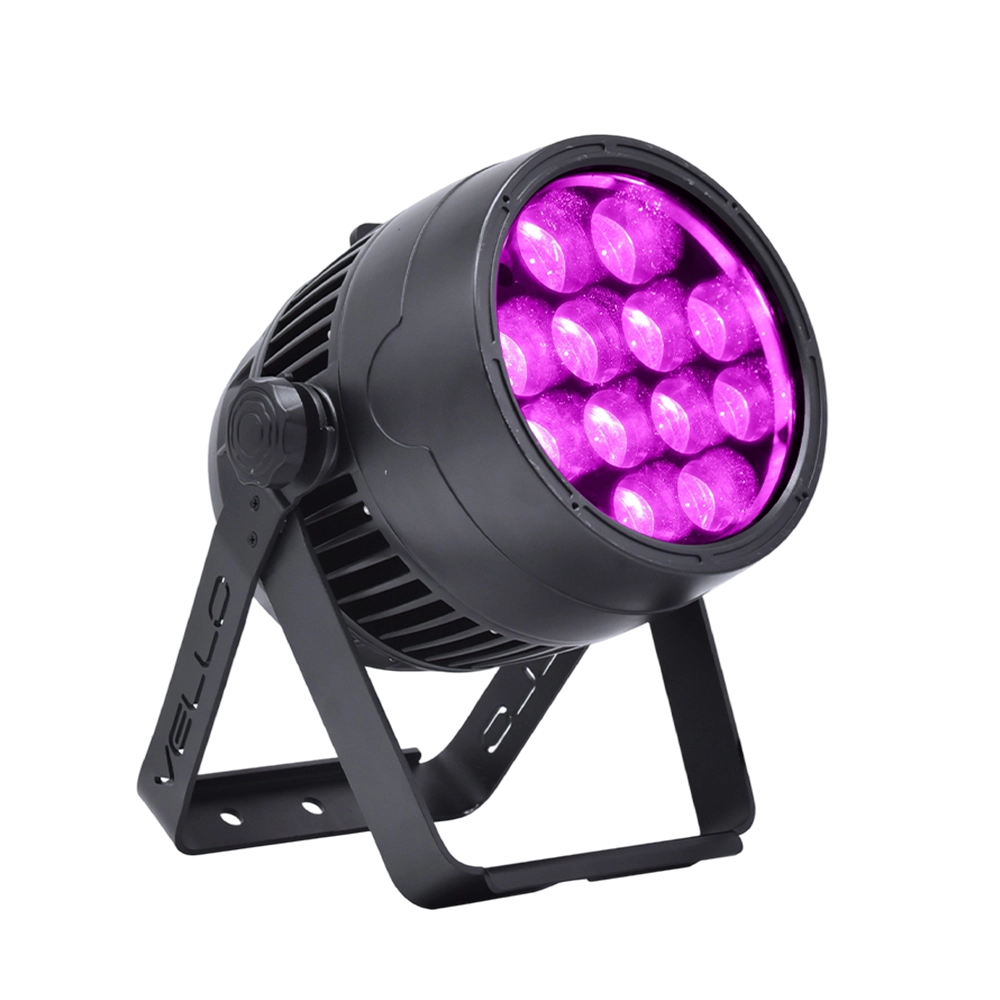
Stage LED Par Light LED ZOOMPAR 40
The Vello Zoom Par 40 IP is a powerful outdoor LED wash light equipped with 12x high-power 7-in-1 RGBACL LEDs. Designed for durability and rich color rendering, it features a wide motorized zoom (6°–50°), smooth dimming, and adjustable CTO presets (3200K–7500K), with 90+ CRI. With an IP66-rated die-cast aluminum body, it’s ideal for both indoor and outdoor applications, including stage lighting, architecture, live events, and installations.
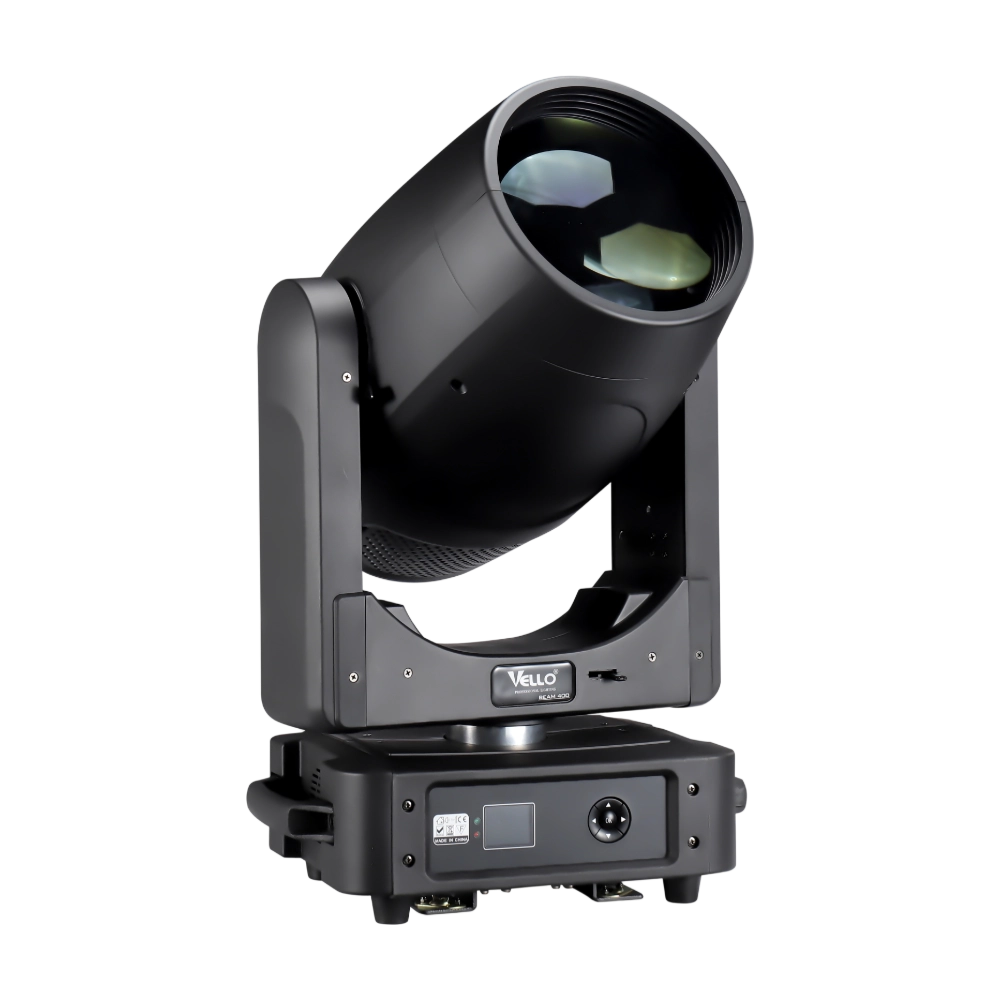
Moving Head Stage Light BEAM 400
BEAM400 is a 500W professional moving head beam powered by an OSRAM SIRIUS 371W discharge bulb, delivering a super-bright 1.8° sharp beam with impressive punch. It features 12 fixed gobos + open, a 14-color wheel, and a 16-facet circular rotating prism with multiple-facet effects, enabling dynamic aerial visuals. With 540° pan / 270° tilt, 16-bit movement resolution, and linear frost and focus, BEAM400 ensures precise and versatile performance. Comparable to traditional 750W moving heads, it combines high efficiency, smooth dimming, and reliable operation—ideal for concerts, tours, and large-scale stage productions.
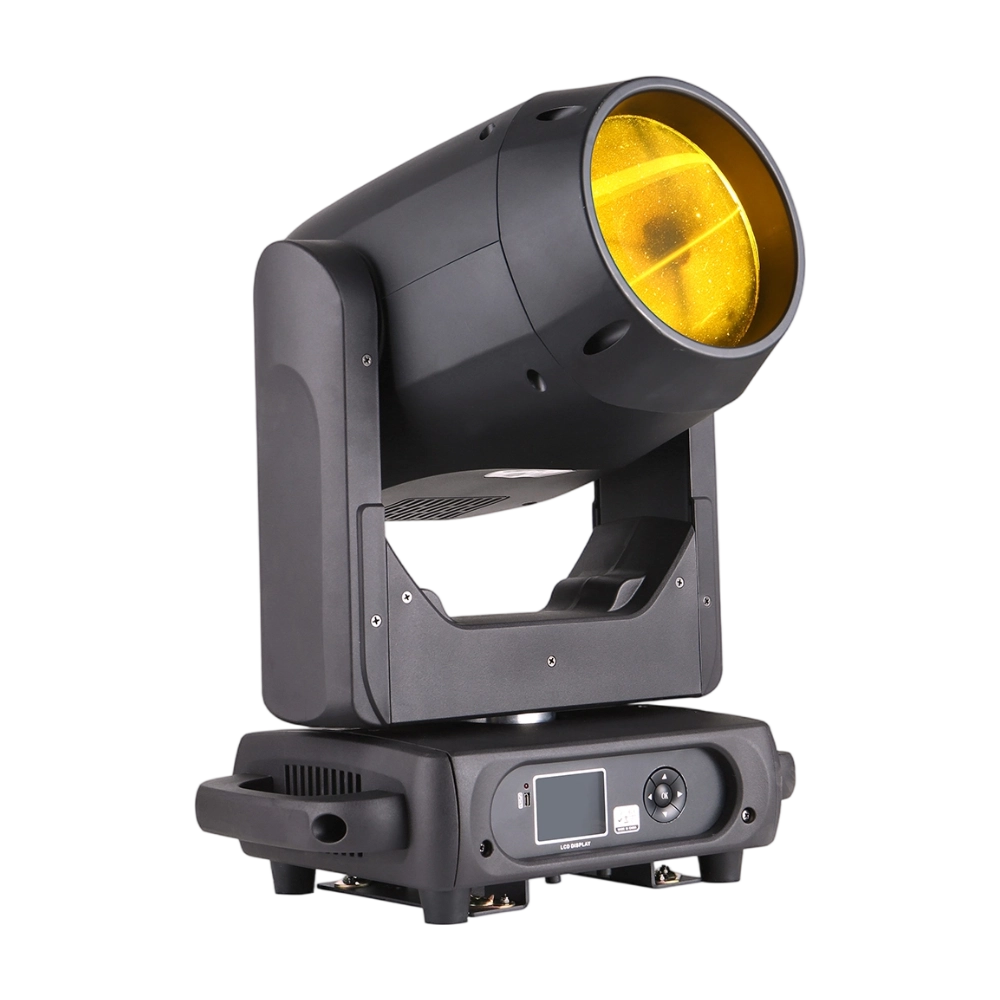
Moving Head Stage Light BEAM 360
BEAM360 is a 400W high-power moving head beam equipped with an OSRAM SIRIUS 311W discharge lamp, delivering a sharp 1.8° beam with super brightness. It features 14 colors + open, 12 fixed metal gobos + open, and dual prisms (8-facet circular + 8+16 multi-facet combination) for dynamic aerial effects. With 540° pan / 270° tilt, 16-bit movement, and linear frost and focus, BEAM360 ensures precision and versatility. Compact yet powerful, it rivals traditional 575W moving heads, making it ideal for concerts, clubs, and large-scale stage productions.
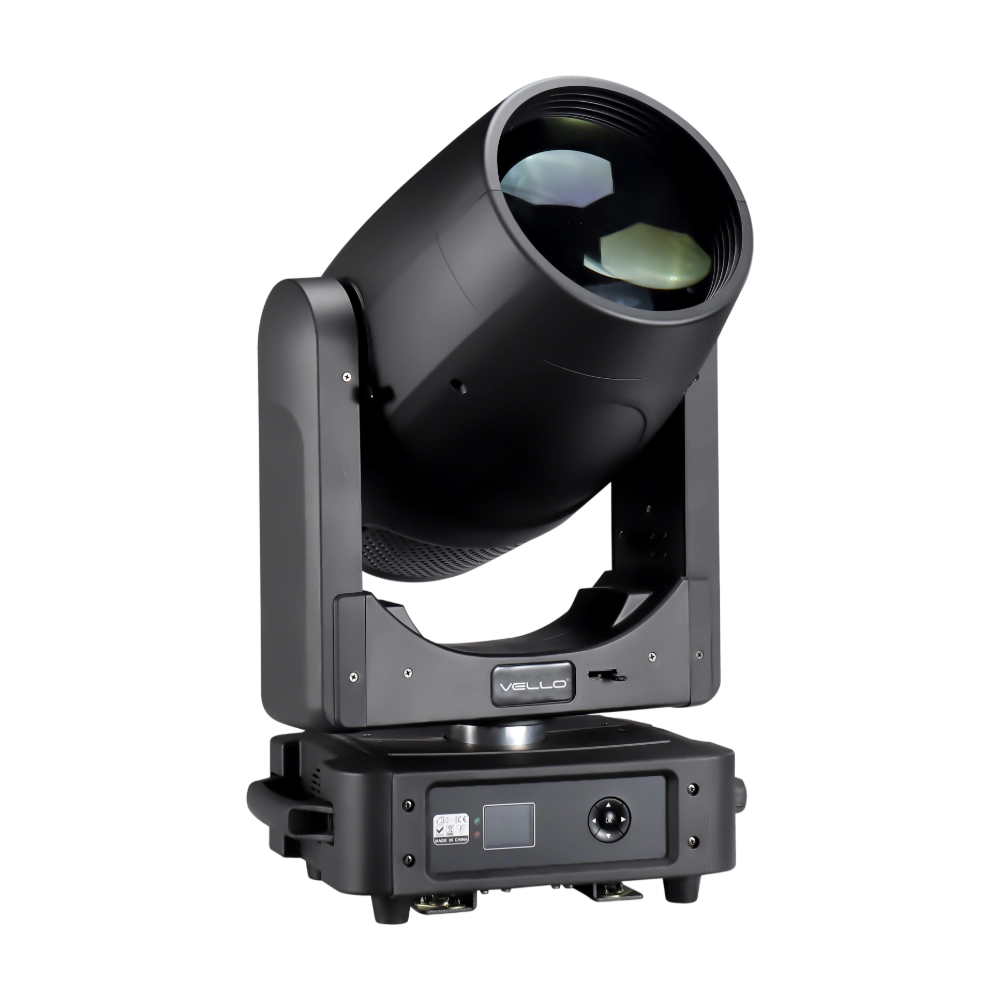
Moving Head Light BEAM 450
The BSW450 is a high-performance moving head fixture equipped with an original Osram 420W bulb, delivering exceptional brightness, precision, and versatility. Designed for professional stage applications, it seamlessly combines beam, spot, and wash functions in one compact unit, making it a powerful all-in-one lighting solution.
Over 20 Years of Innovation in Stage & Studio Lighting
© 2026 VELLO. All Rights Reserved. 粤ICP备20023734号
Join our socials
VELLO
Whatsapp: +8613902276704
Vello Lighting
VelloLights