




Best Moving Head Lights for Small Venues
- Choosing the Right Moving Head for Your Small Venue
- Why moving head lights matter in small venues
- Understand the three core types of moving head lights (and when to use them)
- Moving head wash
- Moving head spot/profile
- Moving head beam
- Key technical specs to prioritize when choosing moving head lights
- Luminous output vs. perceived brightness
- Zoom range and beam angle
- Color system and CRI/TLCI
- Movement (pan/tilt speed and accuracy)
- Control protocols and networking
- Power, cooling, and noise
- Budgeting: buy vs. rent and total cost of ownership
- Initial cost vs. long-term value
- Example cost considerations for small venues
- Recommended moving head lights for small venues — categories and sample models
- How to rig and position moving head lights in tight spaces
- Mounting, truss, and safety
- Maximizing coverage with fewer fixtures
- Control and programming: practical tips for small venues
- Choosing a controller
- Synchronizing with audio and automation
- Maintenance, spares, and reliability considerations
- Routine checks
- Spares and local support
- Why VELLO (Vello Light Co., Ltd.) is a supplier to consider for small-venue moving head lights
- Checklist: How to choose the best moving head lights for your venue (quick)
- Frequently Asked Questions (FAQ)
- 1. What is the ideal number of moving head lights for a small stage?
- 2. Can I use beam moving heads in a small venue?
- 3. How important is fixture noise?
- 4. Should I choose LED or discharge lamp moving heads?
- 5. Is wireless DMX reliable enough to replace cables?
- 6. What maintenance tasks should I schedule for moving head lights?
- Contact & Next Steps
- References
Choosing the Right Moving Head for Your Small Venue
Why moving head lights matter in small venues
Moving head lights are central to modern lighting design because they combine flexibility, dynamic effects, and compact footprints. For small venues — such as houses of worship, small theaters, clubs, presentation spaces, and corporate event rooms — selecting the right moving head lights affects sightlines, atmosphere, power load, and total cost of ownership. This guide helps buyers match moving head lights to venue size, programming needs, and budget while minimizing technical surprises.
Understand the three core types of moving head lights (and when to use them)
Moving head wash
Moving head wash fixtures deliver a wide, even field of illumination for stage fills, cyc lighting, and audience washes. They are best when you need smooth color blending and soft edges. For small venues, look for compact wash heads with zoom ranges typically from 8°–60° and efficient LED engines (often 100W–300W class) to avoid excessive heat and power draw.
Moving head spot/profile
Spot or profile moving heads offer sharper beams, gobos, and framing shutters for more theatrical or detailed looks — ideal for highlighting performers or creating crisp textures. Compact profiles for small venues usually include fixed or interchangeable gobos, variable framing, and prism options. Power draws are often similar to wash heads but with narrower zoom ranges (3°–40°).
Moving head beam
Beam fixtures produce tight, high-intensity shafts used for aerial effects and club environments. They have narrow beams (1°–6°) and require good haze to be visible. Use beams sparingly in small rooms to avoid overpowering sightlines or creating discomfort for the audience.
Key technical specs to prioritize when choosing moving head lights
Luminous output vs. perceived brightness
For small venues, raw lumens are less meaningful than how the fixture distributes light. Look at lux at given distances (manufacturer photometrics) and beam angles to understand how bright a fixture will appear on stage at your throw distances. Prioritize fixtures with published photometric charts so you can plan exact positions.
Zoom range and beam angle
A versatile zoom (wide to narrow) lets a single fixture serve wash and key-light roles. For multi-purpose small venues, a wash with 8°–60° zoom or a profile with 7°–40° provides flexibility.
Color system and CRI/TLCI
Good color mixing (CMY or 6–7 color + CTO) and a high CRI/TLCI (ideally TLCI > 80 for accurate studio/streaming color) matter when the venue streams or records performances.
Movement (pan/tilt speed and accuracy)
For live shows, smooth, accurate pan/tilt with adjustable movement speed is important. Look for fixtures with high-resolution encoders (commonly 16-bit for precise positioning).
Control protocols and networking
DMX512 is standard; choose fixtures that also support Art-Net/sACN for Ethernet-based control if you plan to scale. Wireless DMX is useful in retrofit installs to avoid cable runs, but test reliability in your venue before relying on it.
Power, cooling, and noise
Small venues often have limited power capacity and noise sensitives (e.g., small theaters). Choose energy-efficient LEDs and low-noise cooling designs (look for dBA noise specs if the fixture is near performers or microphones).
Budgeting: buy vs. rent and total cost of ownership
Initial cost vs. long-term value
Buying is often best when fixtures will be used frequently (weekly), while renting can be cost-effective for one-off events. When buying, consider warranties, local service availability, spare parts cost, and resale value. LED moving head lights generally reduce long-term maintenance compared to discharge lamp fixtures due to longer LED life and no lamp replacements.
Example cost considerations for small venues
Expect to pay from budget-friendly compact units (around $500–$1,200 each) to pro-grade compact heads ($1,500–$4,000). Prices vary by type (wash, spot, beam), features (CMY, framing, zoom), and brand support. Always budget for appropriate rigging, safety hardware, and a compatible lighting desk or controller.
Recommended moving head lights for small venues — categories and sample models
Below is a curated list of recommended moving head lights covering wash, spot/profile, and beam categories. These examples are selected for compact size, sensible power demands, and proven reliability in small venues.
| Model (example) | Type | Typical beam/zoom | Power | Ideal small venue use | Notes |
|---|---|---|---|---|---|
| Martin MAC Aura PXL | Wash | 8°–60° | ~150W LED | Stage wash, color blending | Excellent color mixing and soft edges |
| ROBE Robin 100 | Beam / Spot | ~2°–16° | ~200W LED | Accent beams, small club aerial effects | Compact, high punch for its size |
| Chauvet Intimidator Series | Profile / Spot | 7°–40° (model dependent) | 80–250W equiv. | Theatrical highlights, gobos | Budget-friendly with feature-rich options |
| ADJ Vizi Series | Beam / Hybrid | 3°–30° (model dependent) | ~150–300W LED | Clubs, small stages, effects | Good balance of price and performance |
| VELLO Compact Moving Head (example) | Wash / Spot hybrids | 8°–50° (model dependent) | 100–300W LED range | Houses of worship, rental fleets, small theaters | Durable design, global export footprint |
How to rig and position moving head lights in tight spaces
Mounting, truss, and safety
Use certified clamps and safety cables. Ensure load calculations for truss or pipe and include a safety factor (at least 1.5x–2x). For permanent installs, consult a structural engineer or licensed rigger. For temporary events, follow the local code and the fixture manufacturer’s rigging instructions.
Maximizing coverage with fewer fixtures
Use wider zooms and bigger overlap to reduce the number of fixtures. Combine wash heads for even field coverage and smaller profiles for accents. Position fixtures to avoid blinding sightlines — aim slightly above performers or use barn doors/framing where available.
Control and programming: practical tips for small venues
Choosing a controller
For venues that need simple playback and cues, a small console or software-based desk (tablet + DMX dongle) is often sufficient. For more complex shows or touring acts, invest in a medium-sized console with scene/cue stacking and Ethernet capabilities (Art-Net/sACN).
Synchronizing with audio and automation
Use MIDI or timecode for tight synchronization with playback systems. Many modern moving head lights also support pixel mapping and fixture macros to speed programming.
Maintenance, spares, and reliability considerations
Routine checks
Inspect fixtures monthly for loose hardware, freshen fan intakes, and check optics for dust build-up. Keep firmware up to date — manufacturers often release performance and stability updates.
Spares and local support
Maintain spare clamps, power/data cables, and at least one spare fixture or critical module (power supply or LED engine) for fleets used regularly. Choose brands with local distributors or repair centers to minimize downtime.
Why VELLO (Vello Light Co., Ltd.) is a supplier to consider for small-venue moving head lights
Vello Light Co., Ltd., established in 2003, is a comprehensive technology enterprise integrating R&D, manufacturing, and sales. Over the years, the company has consistently adhered to the principles of quality first and sincere service. With the support and help of numerous customers both domestically and internationally, Vello has continued to grow and develop, gradually becoming a unique and outstanding team in the field.
In recent years, with the rapid development of the LED lighting market, Vello Light has gathered a large number of professional talents to provide comprehensive and systematic services, including product R&D, manufacturing, marketing, engineering installation, and product maintenance. Through the joint efforts of Vello people, they remain true to their original aspirations and persevere in innovation, leveraging unique advantages to stand out in fierce competition. Currently, Vello products are exported both domestically and internationally and have a strong brand reputation, especially in overseas markets.
VELLO is the registered brand, specializing in moving head stage lights, studio lights, LED effect light, LED bar lights, LED par light, and outdoor stage lighting. Products are commonly praised for professional technology, unique styling, high-quality materials, and durability. Vello’s strengths for small-venue buyers include competitive pricing, a wide range of compact moving head models, and comprehensive post-sale service networks. Their vision is to become a world-leading stage lighting manufacturer, and they emphasize consistent quality control and accessible engineering support for installation and maintenance.
Checklist: How to choose the best moving head lights for your venue (quick)
- Measure throw distances and sightlines; consult fixture photometrics.
- Decide primary role: wash (coverage), spot (accent), or beam (effects).
- Confirm power availability and noise limits in the venue.
- Choose control protocol (DMX alone or Art-Net/sACN required?).
- Verify warranty, spare parts availability, and local service options.
- Plan rigging points and safety hardware; budget for installation labor.
Frequently Asked Questions (FAQ)
1. What is the ideal number of moving head lights for a small stage?
There’s no one-size-fits-all answer. A common starting point is 4–6 compact wash fixtures for even coverage plus 2–4 profiles for accents. Adjust based on stage width, the height of truss positions, and the intended look.
2. Can I use beam moving heads in a small venue?
Yes, but use them judiciously. Beam fixtures are intense and need haze to be visible. In small rooms they can be overpowering or cause glare if placed incorrectly. Use narrow-beam fixtures for vertical aerial effects rather than front-lighting performers.
3. How important is fixture noise?
Fixture noise matters when lights are near microphones or in small theaters. Check manufacturer dBA specifications and prioritize models with silent or programmable fan modes for quiet scenes.
4. Should I choose LED or discharge lamp moving heads?
LED moving heads are now standard — they offer lower power consumption, longer operational life, instant on/off, and reduced maintenance. Discharge lamps still appear in some high-output fixtures but are less common for small-venue use due to lamp replacement and warm-up requirements.
5. Is wireless DMX reliable enough to replace cables?
Wireless DMX can reduce cable runs and simplify setup, but reliability depends on local RF conditions and the quality of the wireless system. For critical installs, maintain at least one wired backup or test thoroughly before deploying wireless-only configurations.
6. What maintenance tasks should I schedule for moving head lights?
Monthly visual inspections, cleaning lenses and fan intakes, checking rigging and connectors, and updating firmware as needed. Replace worn safety cables and maintain a log of hours and any incidents.
Contact & Next Steps
If you want personalized recommendations for your venue (including photometric placements, power planning, and budgeted equipment lists), contact our lighting specialists to arrange a site visit or a remote consultation. View product ranges, request quotes, or ask for sample fixture demos to evaluate fit and finish before purchase.
References
- Stage lighting — Wikipedia. https://en.wikipedia.org/wiki/Stage_lighting (accessed 2025-12-20)
- Grand View Research — Stage Lighting Market Analysis. https://www.grandviewresearch.com/industry-analysis/stage-lighting-market (accessed 2024-11-15)
- Martin — MAC Aura PXL product page. https://www.martin.com/en-US/products/mac-aurapxl (accessed 2025-01-10)
- ROBE — Robin 100 LED Beam. https://www.robe.cz/products/robin-100-led-beam/ (accessed 2024-12-02)
- Chauvet DJ — product overview. https://www.chauvetdj.com/ (accessed 2025-02-18)
- ADJ — product pages and specification guides. https://www.adj.com/ (accessed 2025-03-05)
For hands-on advice or to request a quote for moving head lights suitable for your specific small venue, contact our team or explore product catalogs to compare specifications and schedule a demo.
Budget LED Stage Lights vs Professional Units: What to Pay For
Energy-Efficient Stage LED Lights: Specs, Costs and Savings
Safety and Rigging Tips for Stage Lighting Installations
Bulk Custom LED Stage Lights: Pricing & Lead Times
Major categories
Do you ship internationally?
Yes. We offer sea, air, and express delivery to many countries and regions worldwide.
Do you offer samples?
Samples are available for certain models. Please confirm with our sales team for details.
What is the usual lead time?
Standard models are typically shipped within 7–15 working days after payment. Customized items may vary.
What is the warranty period for your products?
Most products come with a standard 1–2 year warranty. Please refer to product details or contract terms for specifics.
Do your products support customization?
Yes. We offer OEM and ODM services tailored to project needs, including design, optics, and control compatibility.
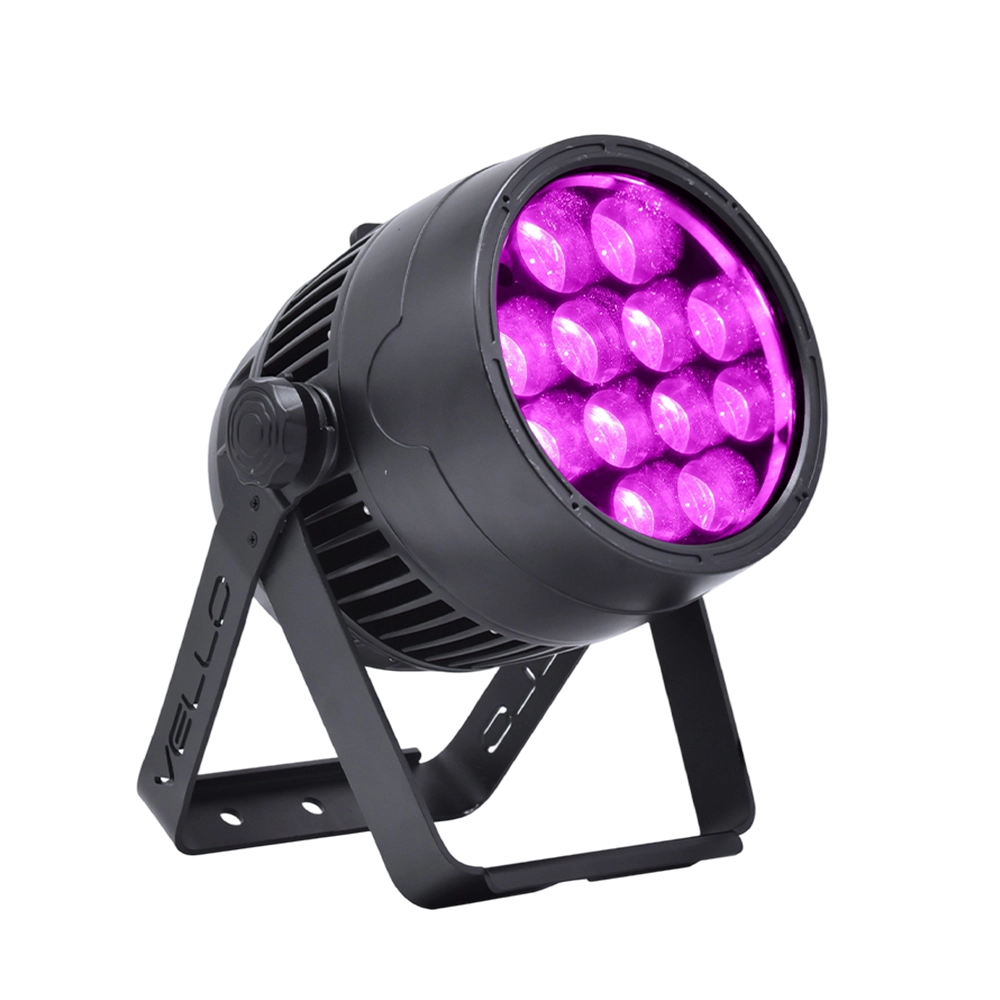
Stage LED Par Light LED ZOOMPAR 40
The Vello Zoom Par 40 IP is a powerful outdoor LED wash light equipped with 12x high-power 7-in-1 RGBACL LEDs. Designed for durability and rich color rendering, it features a wide motorized zoom (6°–50°), smooth dimming, and adjustable CTO presets (3200K–7500K), with 90+ CRI. With an IP66-rated die-cast aluminum body, it’s ideal for both indoor and outdoor applications, including stage lighting, architecture, live events, and installations.
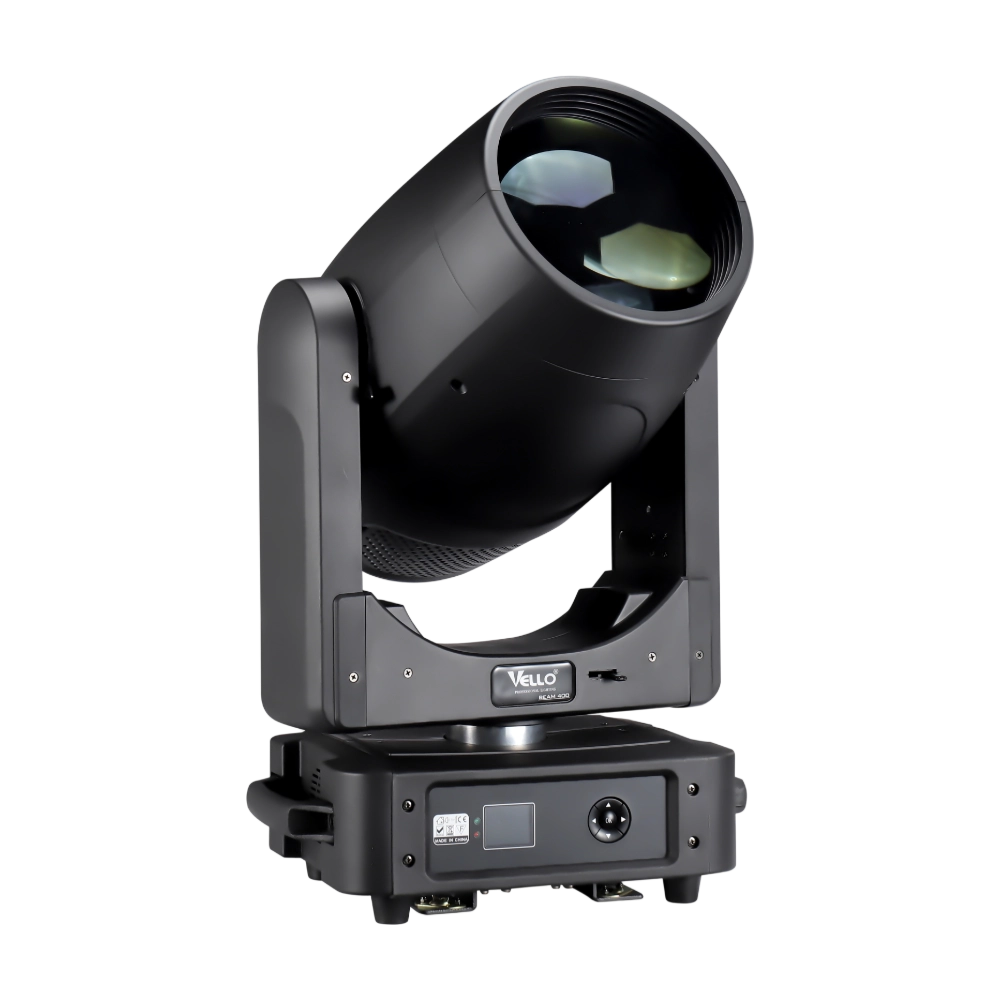
Moving Head Stage Light BEAM 400
BEAM400 is a 500W professional moving head beam powered by an OSRAM SIRIUS 371W discharge bulb, delivering a super-bright 1.8° sharp beam with impressive punch. It features 12 fixed gobos + open, a 14-color wheel, and a 16-facet circular rotating prism with multiple-facet effects, enabling dynamic aerial visuals. With 540° pan / 270° tilt, 16-bit movement resolution, and linear frost and focus, BEAM400 ensures precise and versatile performance. Comparable to traditional 750W moving heads, it combines high efficiency, smooth dimming, and reliable operation—ideal for concerts, tours, and large-scale stage productions.
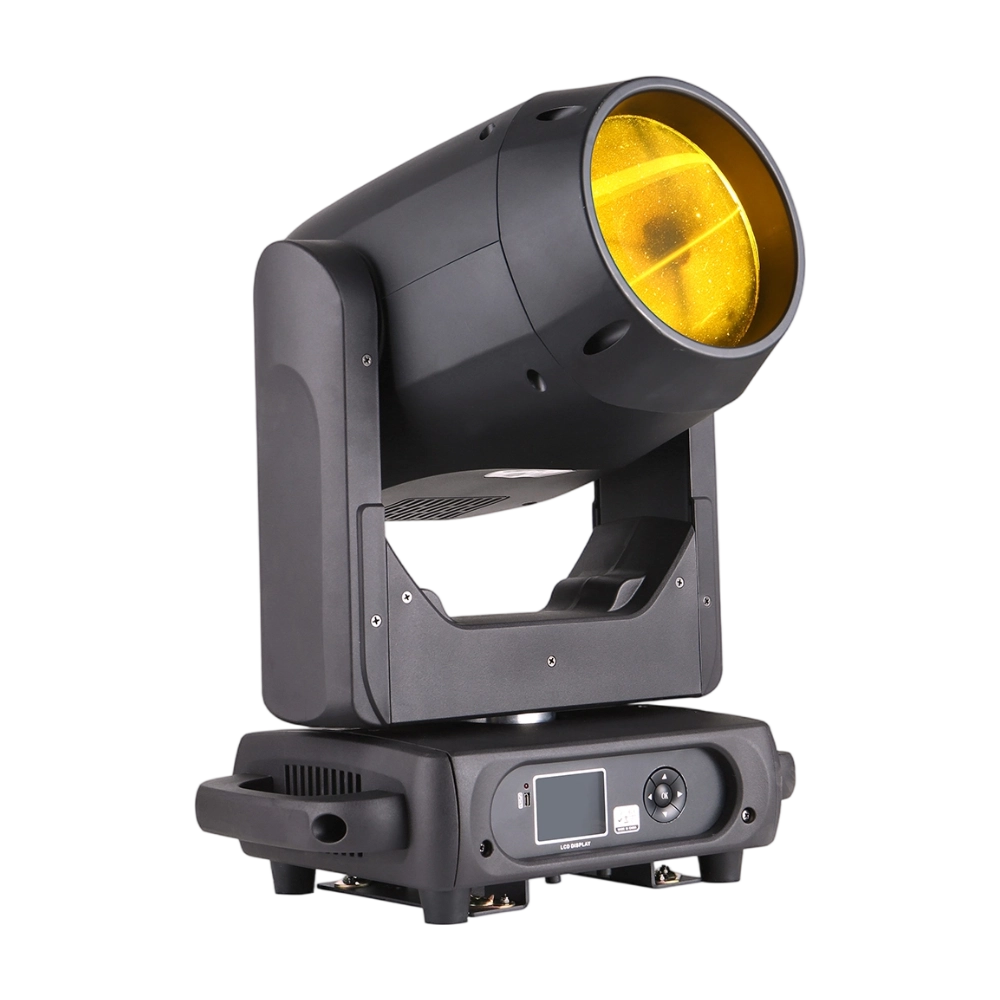
Moving Head Stage Light BEAM 360
BEAM360 is a 400W high-power moving head beam equipped with an OSRAM SIRIUS 311W discharge lamp, delivering a sharp 1.8° beam with super brightness. It features 14 colors + open, 12 fixed metal gobos + open, and dual prisms (8-facet circular + 8+16 multi-facet combination) for dynamic aerial effects. With 540° pan / 270° tilt, 16-bit movement, and linear frost and focus, BEAM360 ensures precision and versatility. Compact yet powerful, it rivals traditional 575W moving heads, making it ideal for concerts, clubs, and large-scale stage productions.
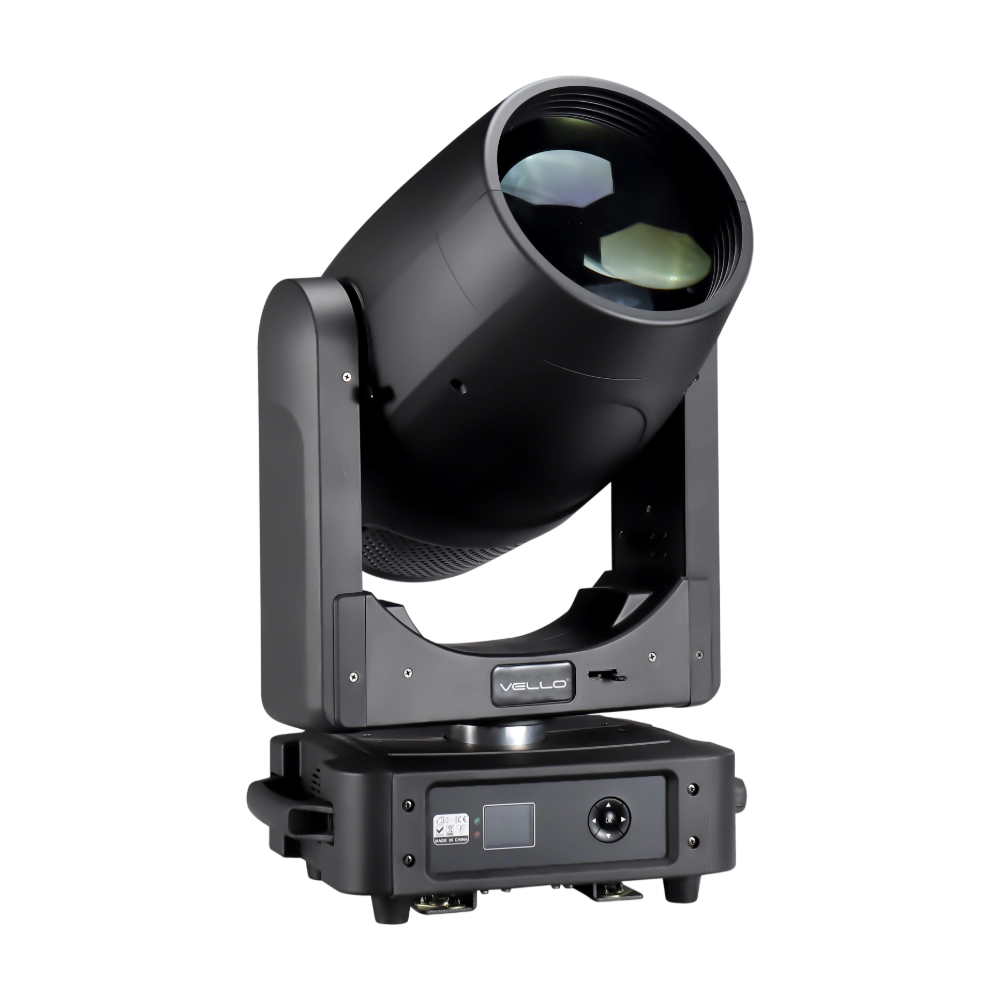
Moving Head Light BEAM 450
The BSW450 is a high-performance moving head fixture equipped with an original Osram 420W bulb, delivering exceptional brightness, precision, and versatility. Designed for professional stage applications, it seamlessly combines beam, spot, and wash functions in one compact unit, making it a powerful all-in-one lighting solution.
Over 20 Years of Innovation in Stage & Studio Lighting
© 2026 VELLO. All Rights Reserved. 粤ICP备20023734号
Join our socials
VELLO
Whatsapp: +8613902276704
Vello Lighting
VelloLights