





How do LED stage lights work: color mixing and chips?
- 1. How can I guarantee consistent color across different LED stage light models, batches, and brands?
- 2. Why do RGB-only fixtures produce milky or desaturated mid-tones, and how do I avoid it?
- 3. What PWM dimming frequency and driver features should I require to avoid camera flicker, slow-motion artifacts, and visible strobing?
- 4. How do thermal design, drive current, and ambient temperature affect realistic L70 lifetime and lumen maintenance for LED stage fixtures?
- 5. Should I choose multi-chip SMD, COB, or RGBW/7‑color fixtures for spot, wash, and pixel-mapped effects?
- 6. How do I calculate total cost of ownership (cost-per-lumen-year) including spares, energy, and warranty for buying LED stage lights?
- Conclusion — Advantages of LED Stage Lights
LED Stage Lights: How Do LED Stage Lights Work — Color Mixing & Chips?
As a buyer or technician choosing LED stage lights for theatre, rental, broadcast or houses of worship, you need precise answers about color mixing, LED chips, flicker, lifetime, and true operating cost. Below are six specific, advanced beginner questions often missing good online answers, with actionable, data-backed answers to help you buy right.
1. How can I guarantee consistent color across different LED stage light models, batches, and brands?
Problem: You specify “warm white” or a gel color but see visible color shifts between fixtures—especially between different models or production batches.
Why it happens (short): LEDs produce light from semiconductor chips with discrete spectral power distributions (SPDs). Differences in phosphor mixes, chip vendors, and binning mean two LEDs labeled 3000K can have different SPDs and therefore look different under stage conditions or cameras.
Actionable steps to guarantee consistency:
- Specify color metrics, not just nominal CCT. Ask suppliers for CCT ± SDCM (MacAdam steps) — target ≤3 SDCM for professional installs where matching is critical. This reduces perceived hue shifts across fixtures.
- Request SPD or spectral plots and TLCI/TM-30 data from the manufacturer. CRI alone is insufficient; TM-30 fidelity and gamut give a fuller picture for color rendering.
- Buy fixtures from the same production batch and same LED chip bin. Binning and batch consistency are the simplest way to reduce mismatch.
- Prefer fixtures with factory color calibration and LUTs. Many professional manufacturers ship units with color correction tables so identical DMX values produce matched output.
- Specify a dedicated white channel (RGBW or RGB + white chip) if consistent whites are critical. RGB-only mixers rely on balancing three colored chips and will rarely match a dedicated white LED’s spectrum and rendering.
- For mixed-brand deployments, create a calibration profile using an onboard or external spectrometer and implement correction LUTs on your console or via fixture firmware where supported (RDM or manufacturer software).
Practical purchasing tip: Ask your vendor to supply a measured sample or a spectrometer report for the exact SKU and batch. For broadcast/theatre, require TM-30/TLCI data. For rental houses, insist on same-chip and same-bin production runs and request factory-matched calibration when ordering larger lots.
2. Why do RGB-only fixtures produce milky or desaturated mid-tones, and how do I avoid it?
Problem: Pastel colors, flesh tones and subtle washes look dull or muddy even when RGB channels are at intermediate levels.
Root causes:
- Color gamut limits: RGB LEDs mix along a triangle in color space. Many pastel or desaturated colors fall outside or near the edge of that triangle, yielding weak saturation.
- Spectral gaps: RGB chips have narrow spectral peaks. Mixed colors can lack the broad spectrum needed for good skin tones or subtle tints (low CRI/TLCI in mixed colors).
- Optical and beam mixing: If multiple LEDs are visible as separate sources (insufficient optical homogenization or too wide a beam angle), additive mixing happens in the eye rather than inside the fixture, causing patchy, uneven color at mid-intensities.
How to avoid it:
- Choose RGBW, RGB+Amber, or 6/7-color fixtures that include a dedicated white (and/or amber) LED. Adding a white or amber emitter increases gamut for pastels and improves flesh tones.
- Use fixtures with good homogenizing optics: integrator rods, diffusers or well-designed lens arrays reduce multi-source separation and produce uniform mixed output even at lower intensities.
- Prefer phosphor-based white chips or tunable-white solutions for washes where natural whites and skin tones matter. These reproduce continuum-like SPDs instead of narrow peaks.
- Test mid-tones in your actual venue and at working distances. A fixture that mixes well at 5 m may not mix well at 20 m if beam overlap changes.
Rule of thumb: For theatrical/color-critical work, specify fixtures with native white or expanded-color LEDs (e.g., RGBW or 7-color) and optical mixing designed for your throw distance. This prevents milky mid-tones.
3. What PWM dimming frequency and driver features should I require to avoid camera flicker, slow-motion artifacts, and visible strobing?
Problem: Your LED fixtures look fine to the eye but flicker or show banding on cameras—especially with rolling-shutter or slow-motion capture.
Key technical points:
- PWM (pulse-width modulation) switching frequency determines visible and camera-detected flicker. Lower frequencies (under a few kHz) can produce noticeable flicker or strobing on high-frame-rate video.
- Driver topology matters: Constant-current drivers with high-frequency PWM or linear current control produce smoother dimming. Flicker-free drivers use high-frequency modulation or DC dimming strategies to minimize visible and camera artifacts.
Recommended specs:
- For live events and general photography: choose fixtures with PWM frequencies ≥4–5 kHz. Many modern fixtures meet this but verify the number with the manufacturer.
- For broadcast, esports, or slow-motion capture: specify PWM ≥20 kHz or explicit “flicker‑free” certification for high-frame-rate cameras. Some high-end fixtures use frequencies >30–60 kHz or linear dimming to eliminate rolling-shutter interactions.
- Ask about dimming curves and driver control: look for fixtures that offer selectable dimming curves (linear, logarithmic, S‑curve) and high bit-depth DMX (16-bit per channel) for smoother fades and less stepping in video capture.
- Request test footage or manufacturer camera-test reports. Vendors who supply spectral/flicker test footage at different frame rates save time and risk.
Implementation note: Even with high PWM, some camera/lighting combinations can interact. For mission‑critical broadcasts, perform on-site camera tests with the chosen fixtures and capture frame rates and shutter speeds that will be used in production.
4. How do thermal design, drive current, and ambient temperature affect realistic L70 lifetime and lumen maintenance for LED stage fixtures?
Problem: Manufacturers list L70 = 50,000 or 100,000 hours, but fixtures in the field lose output sooner than expected.
Core facts:
- L70 (the point where LED output falls to 70% of initial) depends strongly on LED junction temperature. Good fixtures with robust heat sinks and forced convection typically achieve L70 of 50,000–100,000 hours under controlled conditions.
- Rule-of-thumb: LED lifetime roughly halves for each 10°C increase in junction temperature (Arrhenius-type behavior). Run LEDs hot and you shorten useful life significantly.
- Drive current affects junction temperature and lumen output: driving a chip at higher current increases output but accelerates lumen depreciation and color shift.
How to evaluate manufacturer claims and spec fixtures for longevity:
- Request L70 lifetime at a stated ambient (e.g., L70 @ 25°C ambient) and ask for supporting thermal test data showing junction temperature under rated power.
- Inspect thermal design: aluminum extruded heat sinks, thermal interface materials, active cooling (if any), and air paths matter. For touring rigs, mechanical robustness of the cooling system is critical.
- Evaluate drive current and lumen-per-watt. High efficacy (lm/W) at moderate drive current usually yields better long-term lumen maintenance than extremely high output achieved by overdriving chips.
- Plan for maintenance in the field: dust, restricted airflow, and housing ingress (IP rating) all raise operating temperature and reduce life. For outdoor fixtures or dusty venues specify higher IP and easily serviceable cooling paths.
Practical guidance: Assume conservative L70 values for real-world budgeting—use 50,000 hours for planning unless you have verified thermal test data and operating conditions. Factor ambient temperature and duty cycles (how many hours per week) into replacement schedules.
5. Should I choose multi-chip SMD, COB, or RGBW/7‑color fixtures for spot, wash, and pixel-mapped effects?
Problem: Buyers compare specs (watts, lumens, colors) but are unclear which chip/engine architecture suits spot vs wash vs pixel pixel-mapping.
Chip technologies overview:
- SMD (surface-mounted devices): multiple small discrete dies per package. Good for pixel-mapping, flexible arrays, and when you need many individually addressable points (LED tape, pixel panels, and moving head pixel rings).
- COB (chip-on-board): a dense cluster of LED die under a single phosphor area. Provides very uniform, glare-reduced output and smooth optical mixing—good for flat washes, uniform fields, and close-projection spots where a single bright source is desired.
- Multi-channel RGB/RGBW/7-color engines: combine several colored chips into a single emitter or cluster to expand gamut and improve pastel/skin-tone reproduction.
Which to pick:
- Spot/beam fixtures: prefer powerful multi-die SMD or multiple high-power COBs with tight optics and good lenses. For gobo projection, choose engines with small apparent source size and strong optical collimation.
- Wash fixtures: COB or well-homogenized multi‑LED arrays are excellent. COB offers seamless center-to-edge uniformity and smoother soft edges; multi-chip designs with good optics can do the same but take more careful optical engineering.
- Pixel mapping and effects: SMD arrays or individually addressable RGB pixels are ideal. They enable animations, chases, and high-resolution effects that COB cannot deliver.
- Color-critical white and skin-tones: prefer fixtures with dedicated white/amber/indigo (tunable-white or 6/7-color). These expand gamut and provide a more continuous SPD for better CRI/TLCI/TM-30 scores.
Recommendation: Choose the engine type based on function—COB for smooth washes and audience blinders, SMD or multi-chip arrays for pixel effects and high-output spots, and multi-color engines (RGBW/7-color) when color accuracy and a wide gamut are priorities.
6. How do I calculate total cost of ownership (cost-per-lumen-year) including spares, energy, and warranty for buying LED stage lights?
Problem: Cheap fixtures may have low upfront cost but higher operating and replacement costs. You need an objective way to compare lifecycle cost between models.
Use this formula for cost-per-lumen-year (CPLY):
CPLY = (Purchase Cost + Present Value of Energy Costs + Present Value of Maintenance & Spares + Expected Replacement Cost over N years - Warranty Credit) / (Average Lumen Output × Total Operational Years)
Practical simplified approach (rental/theatre):
- Step 1 — Annual energy cost: Estimate annual hours (H). Energy per fixture = rated power (W) × H /1000 × local electricity rate ($/kWh).
- Step 2 — Maintenance & spares: Estimate annual spare part cost (fans, drivers, modules). For rental, assume 5–10% of purchase price per year; for in-house theatre, assume 2–5%.
- Step 3 — Effective lumen-hours: Use L70 (hours) × average fixture output (lumens) × duty factor (percentage of full output typical for your events). If you run at 50% intensity commonly, factor that into lumen-hours.
- Step 4 — Discount warranty: If vendor supplies a 3‑year warranty covering LED modules or driver replacement, subtract expected warranty service cost from Step 2 for the warranty period.
Example (rounded): Buy a 200W LED wash at $700, rated 20,000 lm, L70 = 50,000 h, annual usage 1,000 h, electricity $0.15/kWh, spare/maintenance 5% ($35/yr):
- Purchase Cost: $700
- Annual energy cost: 200W × 1,000h /1000 × $0.15 = $30/yr
- Annual maintenance: $35/yr
- Estimated useful years before L70 (at this usage): 50,000h / 1,000h = 50 years (theoretical). Realistically, expect earlier replacement for obsolescence or failures; use 10–15 years for planning in rental business.
- Annualized cost over 10 years: (700 + (30 + 35) ×10) / (20,000 lm × 10 yrs) = (700 + 650) / 200,000 lumen-years = 1,350 / 200,000 = $0.00675 per lumen-year
This simplified calculation shows why energy and maintenance are material but the choice of reliable drivers, good thermal design, and warranty terms heavily affect lifecycle cost. For rental fleets, shorter replacement cycles and higher maintenance rates lead to higher CPLY—prioritize proven vendors, easy-replace modules, and local support.
Conclusion — Advantages of LED Stage Lights
LED stage lights deliver high efficacy, flexible color control, immediate on/off and dimming, lower electrical and heat loads, and longer operational lifetimes compared with legacy discharge lamps. When you choose fixtures with proper thermal design, high-quality LED chips, factory color calibration, and flicker‑free drivers, you get superior color fidelity (better CRI/TLCI/TM-30), predictable lumen maintenance, and lower total cost of ownership. For pixel mapping and dynamic effects, SMD and multi-channel engines are ideal; for smooth washes and theatrical whites, COB or multi-color arrays with dedicated white/amber chips perform best.
If you need exact spec comparisons, batch-matching options, or a customized quote for theatre, rental, or broadcast deployments, contact us for a detailed proposal and sample measurements. Visit www.vellolight.com or email info@vellolight.com for a quote.
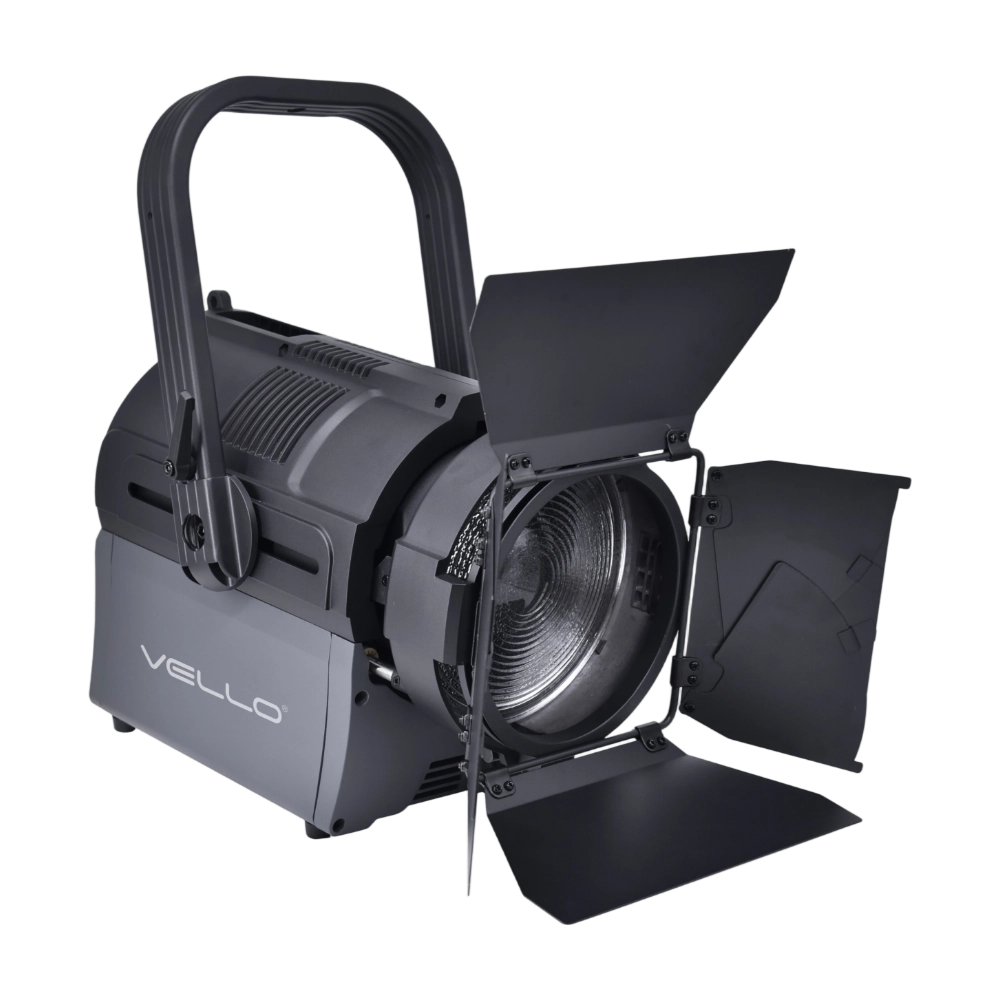
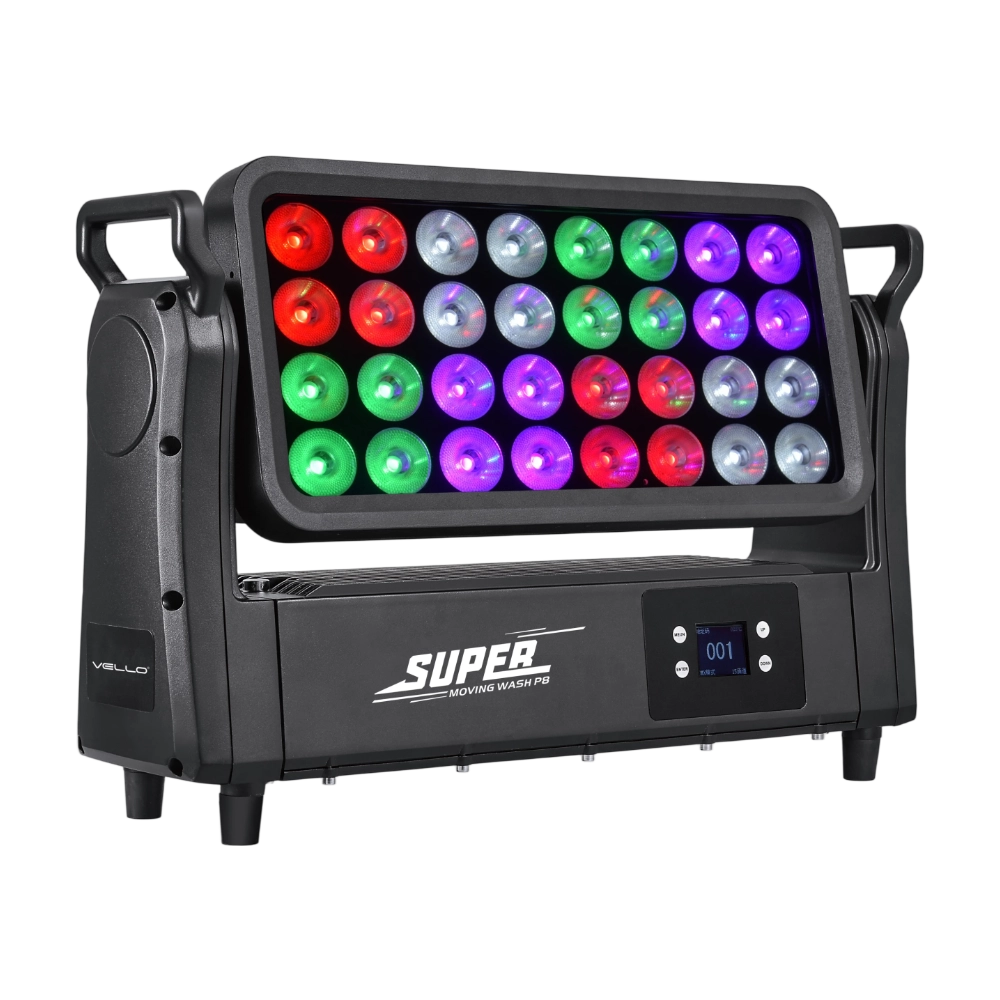
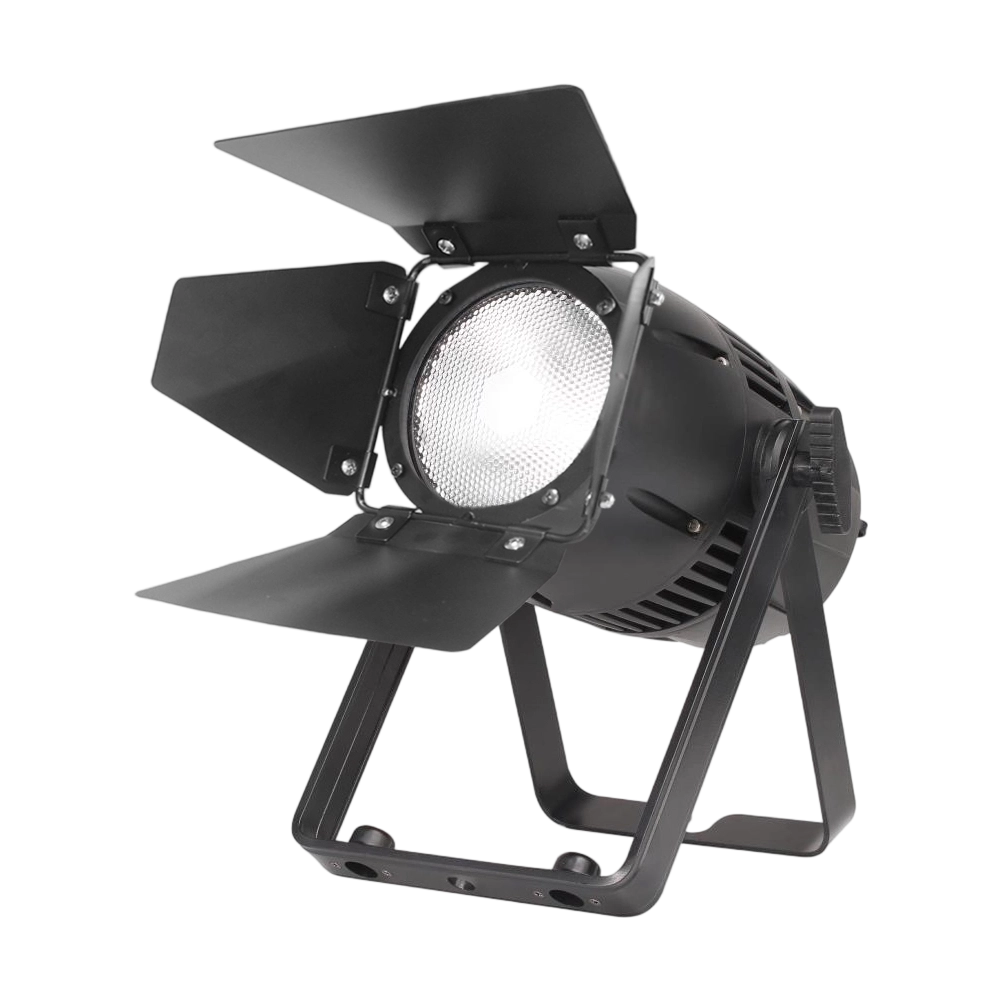
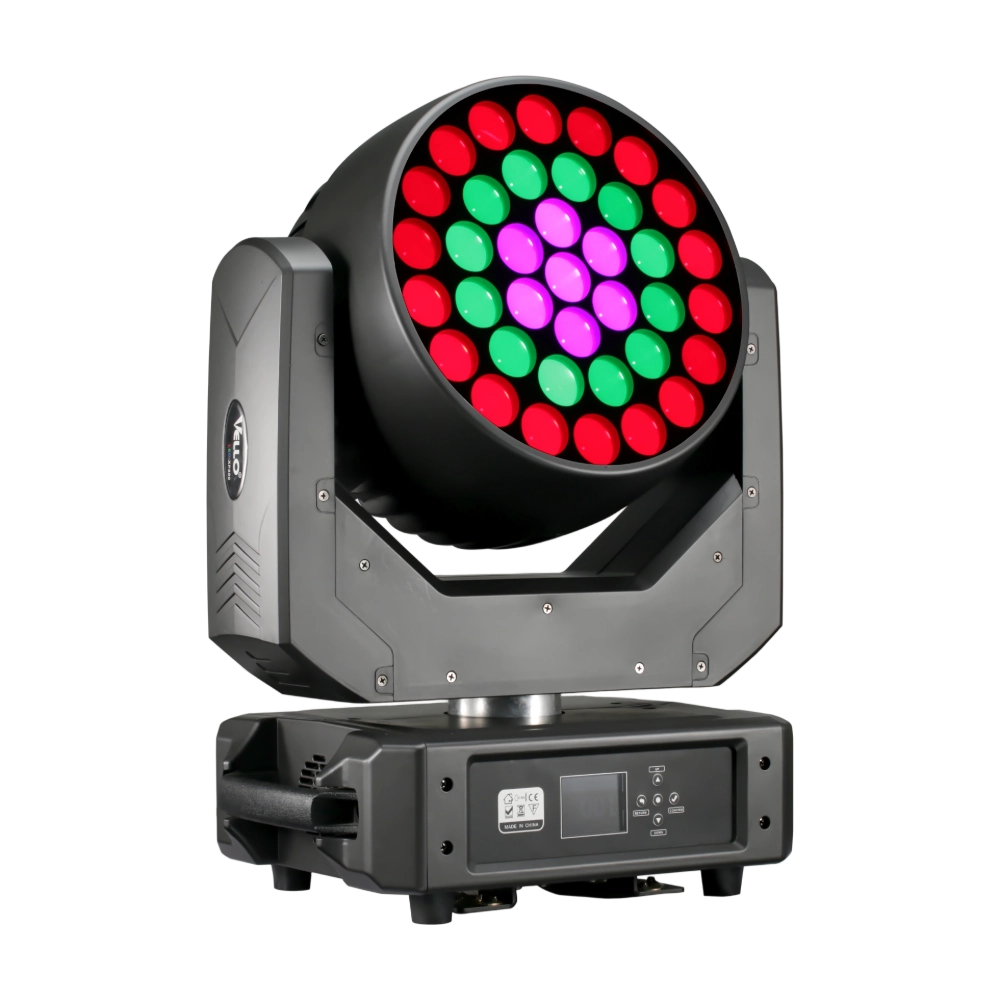
Major categories
Do you ship internationally?
Yes. We offer sea, air, and express delivery to many countries and regions worldwide.
Do your products support customization?
Yes. We offer OEM and ODM services tailored to project needs, including design, optics, and control compatibility.
What is the usual lead time?
Standard models are typically shipped within 7–15 working days after payment. Customized items may vary.
Do you offer samples?
Samples are available for certain models. Please confirm with our sales team for details.
What is the warranty period for your products?
Most products come with a standard 1–2 year warranty. Please refer to product details or contract terms for specifics.
You may also like
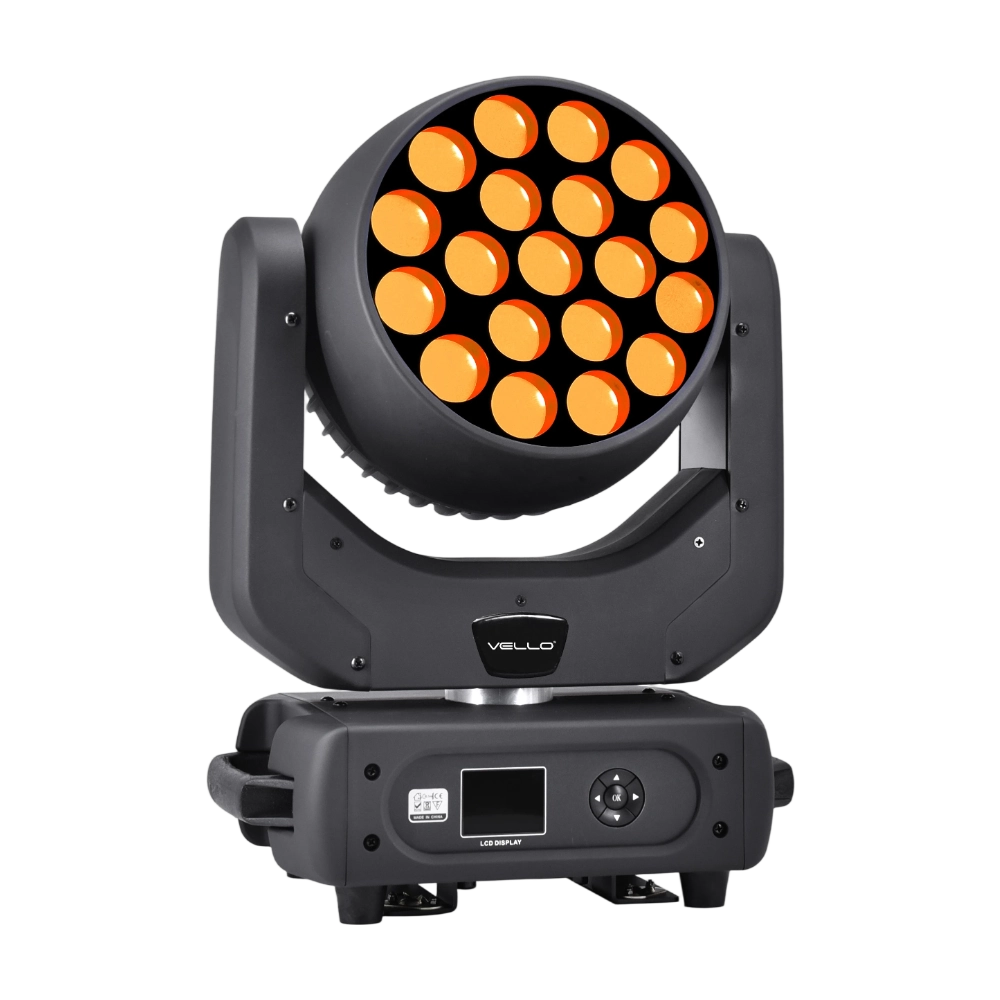
The BSWF1000 is a high-performance 4-in-1 hybrid moving head light that seamlessly integrates beam, spot, wash, and framing functions in a compact body. Powered by a powerful 850W high-CRI LED engine (CRI 90+), it delivers crisp projection, smooth color mixing, and exceptional brightness, making it ideal for professional stage, touring, and broadcast applications.
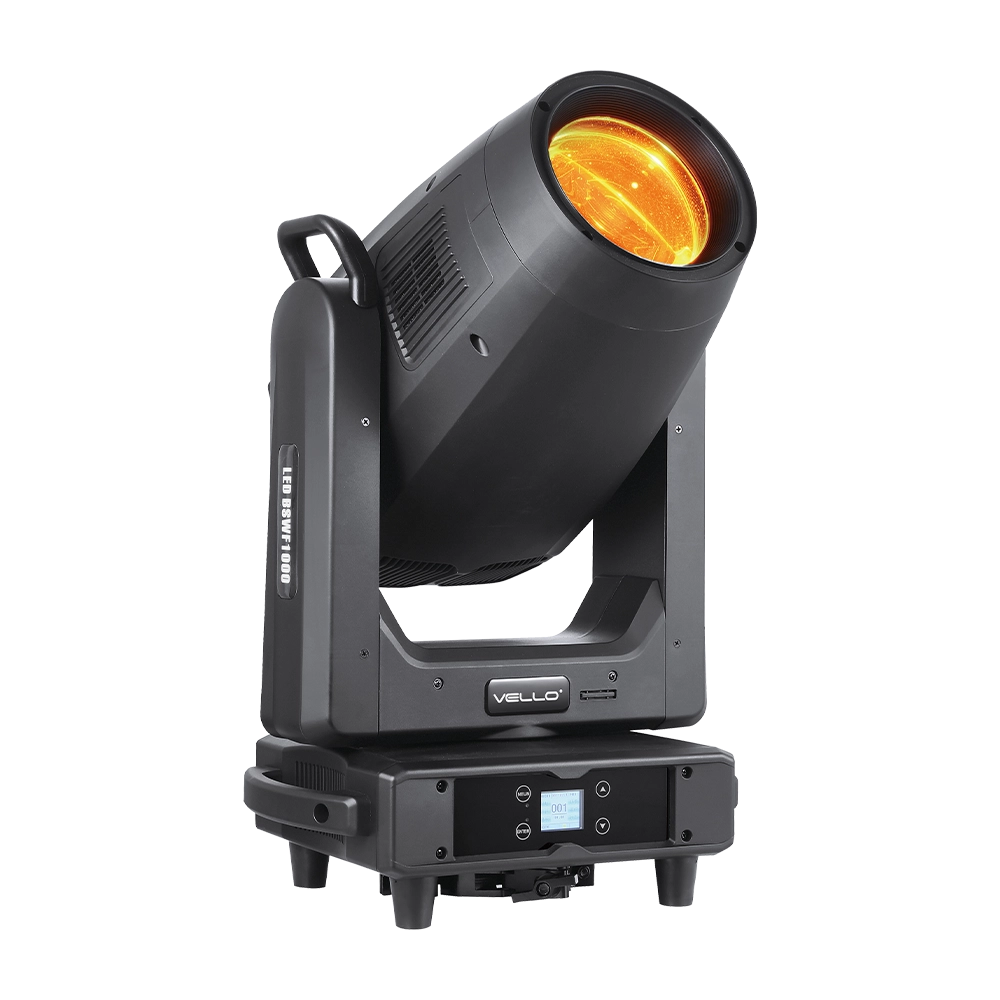
Top Wash P8 is a 1200W high-power IP65 LED wash light, equipped with 32 × 40W RGBW 4-in-1 LEDs for vibrant color mixing and powerful output. With 8 pixel sections (4 LEDs per group), selectable lens angles of 6° / 25° / 45°, and optional extra filters, it offers flexibility for both narrow beams and wide washes. The fixture supports strong RGBW strobe effects, smooth 0–100% linear dimming, and precise pixel control. Featuring a 220° tilt range, silent flicker-free performance, and multiple DMX modes, Top Wash P8 is built for large-scale concerts, outdoor events, and architectural lighting where high brightness and reliability are essential.
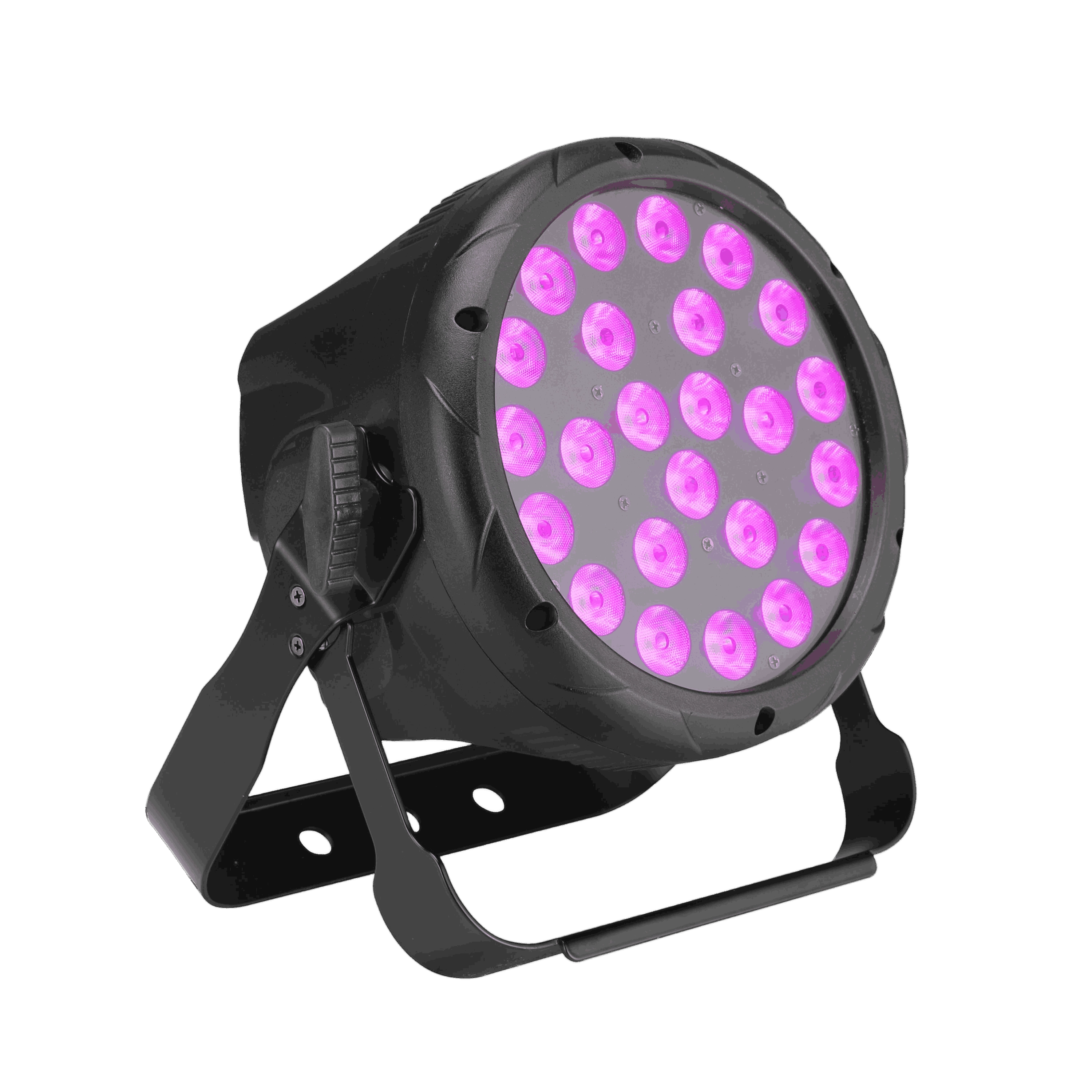
The LED Shining Par 24 is a robust 250W RGBW par fixture with 24 × 10W LEDs delivering vivid colors and smooth washes. Featuring 25°/45° lens options, flicker-free output, and a 0–100% dimmer, it is optimized for both stage and architectural use. With IP20 protection, a compact design, and DMX control (4/5/8 channels), it provides reliable performance for events, installations, and theaters.
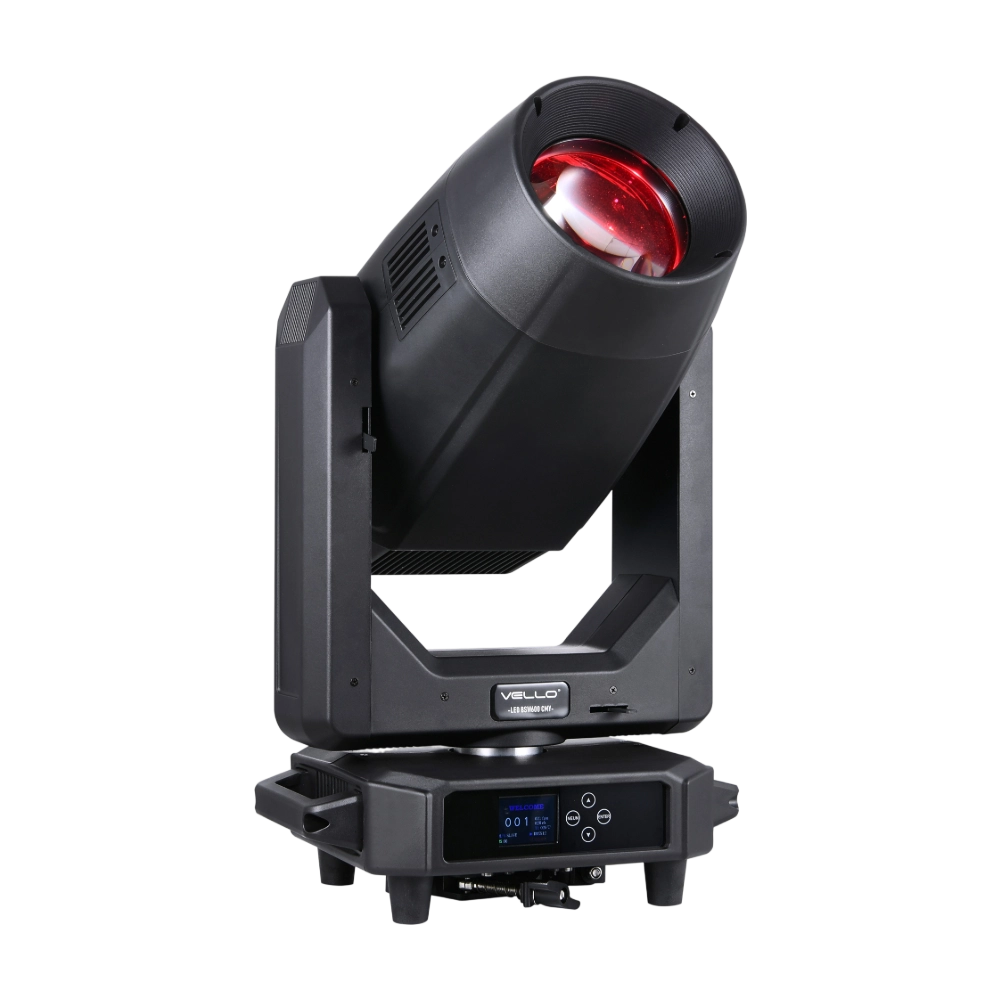
BSW600 is a 650W professional 3-in-1 moving head that combines beam, spot, and wash functions in a single fixture. Powered by a 550W Apotronics white LED engine, it delivers clear, pure colors and strong output with a wide 4°–42° zoom range. The fixture features 3 CMY wheels, 9 static metal gobos, 7 rotating gobos, and a 3-facet circular prism for dynamic effects. With 540° pan / 270° tilt, 16-bit precision movement, linear dimming, and automatic position correction, the BSW600 offers versatility and reliability. Compact yet powerful, it is ideal for concerts, theaters, and large-scale events where flexibility and high performance are essential.
◌ Let Us Support Your Project
Request a Custom Quote and Technical Support
Fill out the form below, and our sales team will contact you shortly with product details, pricing, and customer service options.
Rest assured that your privacy is important to us, and all information provided will be handled with the utmost confidentiality.
By clicking "Send your message," I agree to your processing my personal data.
To see how to withdraw your consent, how to control your personal data, and how we process it, please see our Privacy Policy and Terms of Use.
Over 20 Years of Innovation in Stage & Studio Lighting
© 2026 VELLO. All Rights Reserved. 粤ICP备20023734号
Join our socials
VELLO
Whatsapp: +8613902276704
Vello Lighting
VelloLights